ANATEL Mandates Portuguese Offline Voice Assistants for Smart Home Devices in Brazil
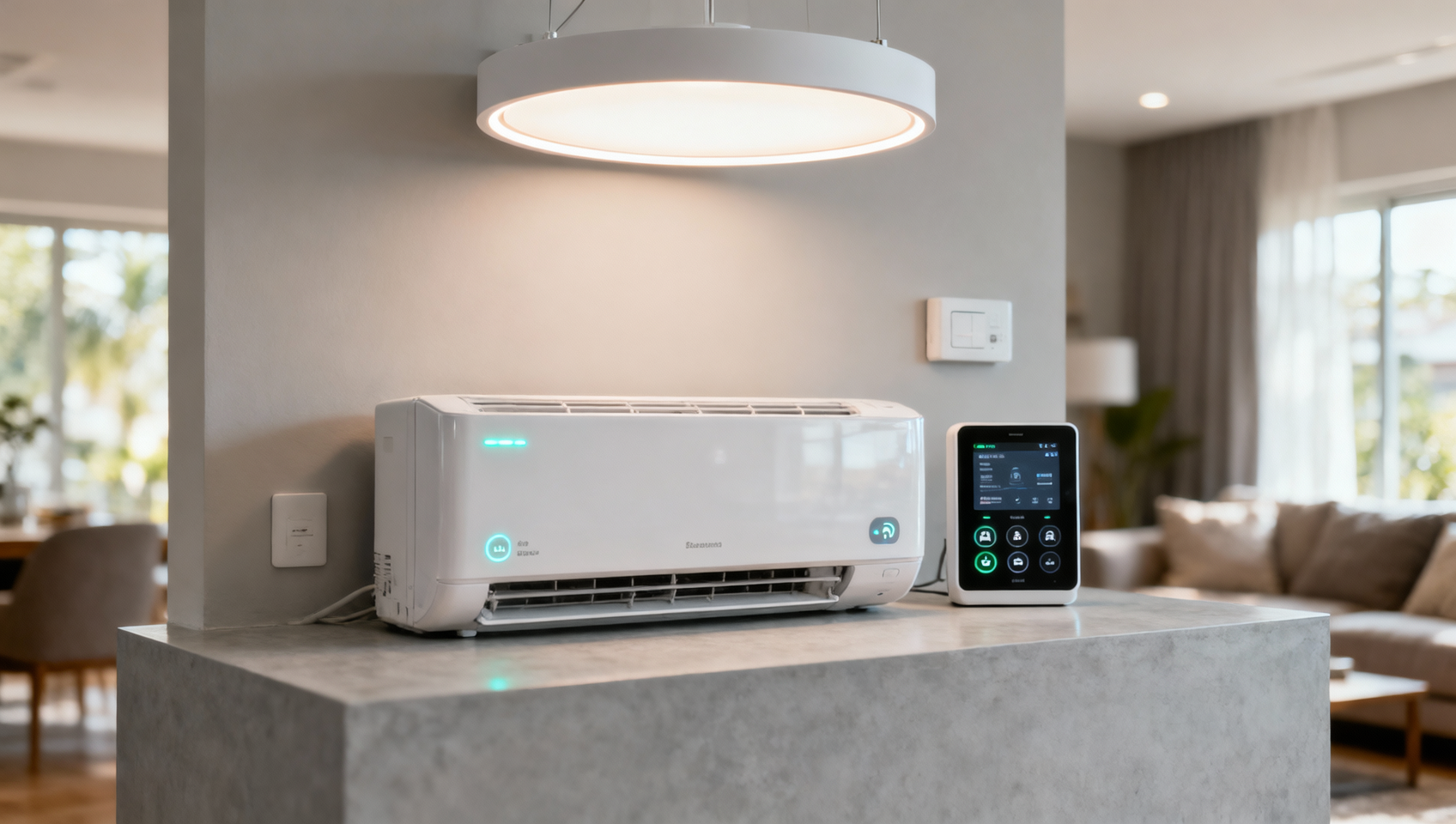
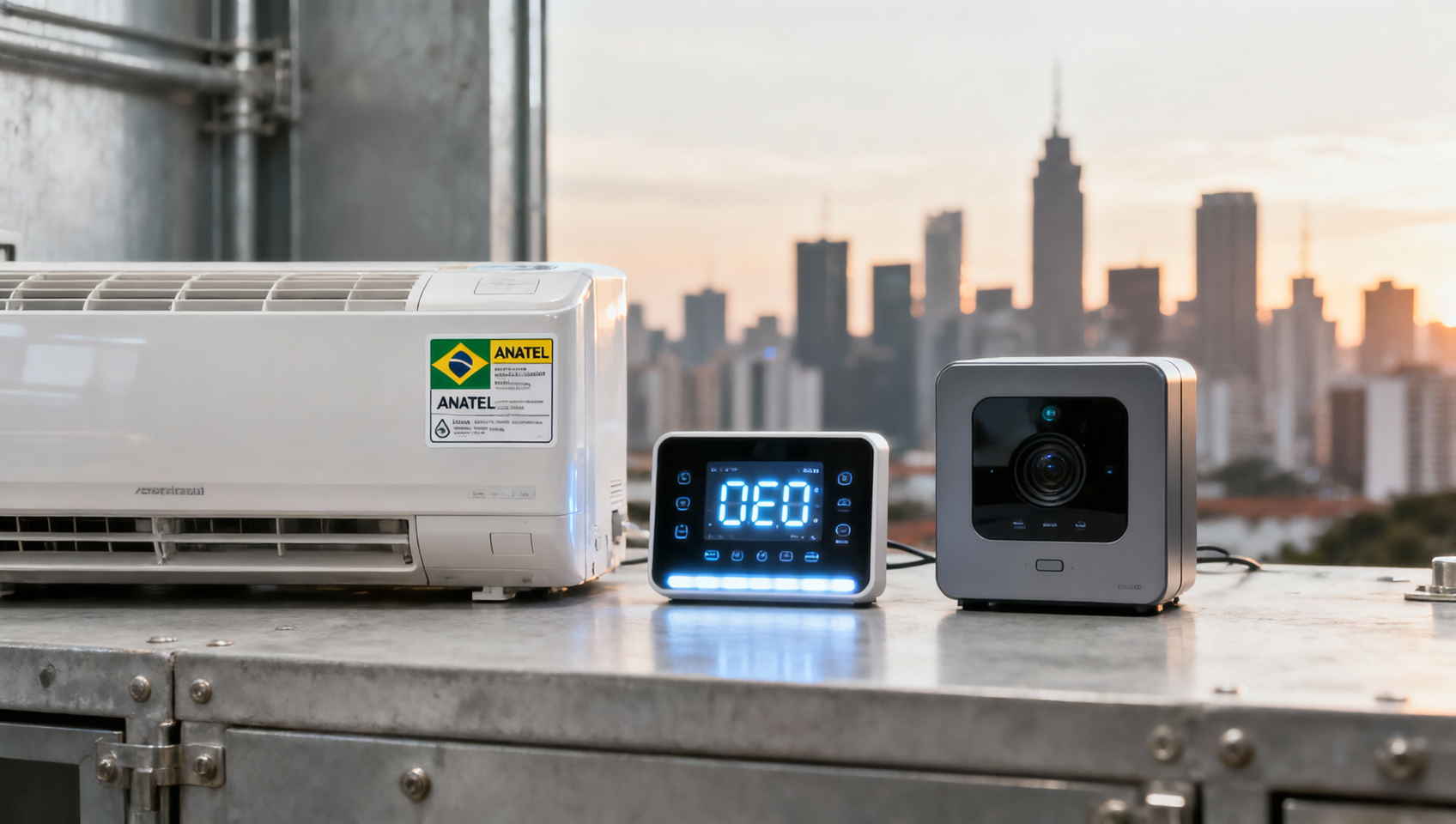
On April 18, 2026, Brazil’s National Telecommunications Agency (ANATEL) implemented Resolution No. 789/2026, requiring all smart home devices—including air conditioners, lighting systems, and security hubs—imported into or sold in Brazil to ship with a pre-installed, offline-capable voice assistant supporting Brazilian Portuguese. This regulatory shift directly affects manufacturers, OEMs, and importers serving the Brazilian smart home market—and signals a tightening of localization requirements for connected consumer electronics.
Event Overview
ANATEL Resolution No. 789/2026 entered into force on April 18, 2026. It mandates that all Smart Home products placed on the Brazilian market must include an embedded, offline speech recognition engine fully functional in Brazilian Portuguese. Devices must also pass ANATEL’s newly established Voice Interaction Specific Certification. The regulation applies to air conditioners, lighting controls, and central security systems—categories explicitly named in the official text.
Industries Affected
Direct Exporters & Trade Companies
Companies exporting smart home devices from China or other manufacturing bases to Brazil face immediate compliance obligations. Because the requirement applies at point of market entry—not just at retail—the certification status must be confirmed before customs clearance. Non-compliant shipments may be detained or rejected.
OEM/ODM Manufacturing Partners
Chinese OEMs supplying white-label or co-branded smart home hardware to global brands are directly impacted: firmware architecture must now accommodate offline Portuguese ASR modules, including language model storage, low-power wake-word detection, and local processing logic. The resolution does not permit cloud-dependent voice control as a substitute.
Supply Chain & Certification Service Providers
Third-party labs and certification consultants supporting ANATEL compliance must now expand capabilities to cover voice interaction testing—including offline accuracy benchmarking under varied acoustic conditions and latency validation. Certification timelines have increased by 8–10 weeks per product variant, according to publicly cited implementation guidance.
Key Considerations and Recommended Actions
Monitor official ANATEL technical annexes and test procedure updates
The resolution references supporting technical documents still under public consultation. Current certification pathways rely on interim protocols; final test methods—including minimum word error rate thresholds and environmental noise profiles—are pending formal publication.
Prioritize high-volume SKUs and Q3-bound shipments for early firmware adaptation
Because the new certification adds 8–10 weeks to time-to-market, manufacturers should identify top-selling models slated for Brazilian launch between July and September 2026 and initiate firmware refactoring now—not after design freeze.
Distinguish between regulatory signal and operational readiness
This is not a phased rollout: the rule applies uniformly from April 18, 2026. However, enforcement discretion during initial months remains unconfirmed. Businesses should treat the effective date as binding while tracking ANATEL’s published audit frequency and non-conformance handling guidelines.
Align procurement and logistics planning with extended certification windows
Component sourcing (e.g., dedicated ASR SoCs or flash memory upgrades), firmware validation cycles, and lab booking slots must be scheduled with the full 10-week extension factored in—especially where dual-certification (e.g., ANATEL + INMETRO) is required.
Editorial Perspective / Industry Observation
From industry perspective, this regulation is better understood as a structural calibration than a one-off compliance hurdle. It reflects ANATEL’s broader pivot toward functional sovereignty in human–device interfaces—not just spectrum or safety compliance. Analysis来看, the emphasis on offline Portuguese support suggests intent to ensure usability in low-connectivity environments and reduce dependency on foreign cloud infrastructure. Observation来看, it also sets a precedent that may influence similar requirements in other Mercosur markets over time. Current more relevant interpretation is that this is an enforceable operational constraint—not merely a policy signal—with tangible lead-time and engineering implications.
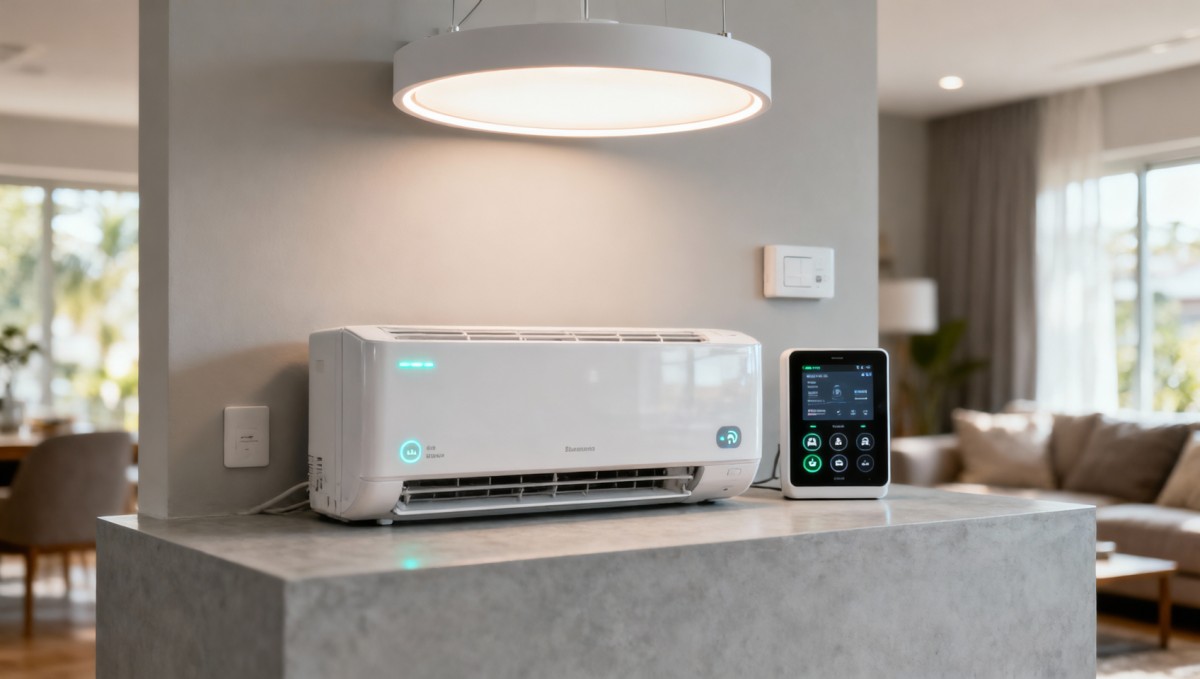
In summary, ANATEL Resolution 789/2026 introduces a concrete, localized functionality requirement for smart home devices entering Brazil—centered on embedded, offline voice interaction in Brazilian Portuguese. Its significance lies not in novelty alone, but in its binding scope, technical specificity, and direct impact on firmware design, certification scheduling, and shipment planning. It is best understood today as an active compliance requirement—not a future possibility—demanding coordinated action across R&D, certification, and supply chain functions.
Source: ANATEL Resolution No. 789/2026 (effective April 18, 2026); official notice published on the ANATEL Regulatory Portal. Technical annexes and test methodology details remain under public consultation and are subject to revision—ongoing monitoring is advised.
Get weekly intelligence in your inbox.
No noise. No sponsored content. Pure intelligence.
 Apr 25, 2026Vietnam Enforces CN-EN Bilingual Safety Labels on Electronic Components from Apr 22, 2026Vietnam Enforces CN-EN Bilingual Safety Labels on Electronic Components from Apr 22, 2026
 Apr 25, 2026ANATEL Mandates Portuguese Offline Voice Assistants for Smart Home Devices in BrazilANATEL Mandates Portuguese Offline Voice Assistants for Smart Home Devices in Brazil
 Apr 25, 2026India BIS Mandates IS 13252:2025 for PLCs & HMIs by Oct 2026India BIS Mandates IS 13252:2025 for PLCs & HMIs by Oct 2026
 Apr 25, 2026SASO EV Charger Rules: Grid Compatibility & Sand Resistance RequiredSASO EV Charger Rules: Grid Compatibility & Sand Resistance Required
 Apr 25, 2026JIS T 0011:2026 Enforces IEC 62366-1:2024 for Rehab Devices in JapanJIS T 0011:2026 Enforces IEC 62366-1:2024 for Rehab Devices in Japan
 Apr 25, 2026THE Alliance Cuts Ningbo–Rotterdam Transit to 18 Days, +35% Spot RateTHE Alliance Cuts Ningbo–Rotterdam Transit to 18 Days, +35% Spot Rate
 Apr 25, 2026TÜV Rheinland Updates IoT EMC Standard: AI Edge Module Immunity Now MandatoryTÜV Rheinland Updates IoT EMC Standard: AI Edge Module Immunity Now Mandatory
 Apr 25, 2026USTR Launches Five-Year China Solar PV AD/CVD ReviewUSTR Launches Five-Year China Solar PV AD/CVD Review
 Apr 25, 2026EU New Battery Regulation Enters Force Apr 24, 2026EU New Battery Regulation Enters Force Apr 24, 2026
 Apr 25, 2026China Customs Launches RCEP Origin Smart Pre-Review for ASEAN机电 ExportsChina Customs Launches RCEP Origin Smart Pre-Review for ASEAN机电 Exports
 Apr 24, 2026India BIS Mandates IS 13252:2025 for PLCs & HMIs by Oct 2026India BIS Mandates IS 13252:2025 for PLCs & HMIs by Oct 2026
 Apr 24, 2026SASO EV Charger Regulation: Sand-Resistant Grid Compatibility Testing RequiredSASO EV Charger Regulation: Sand-Resistant Grid Compatibility Testing Required
 Apr 24, 2026Japan Updates JIS for Rehab Devices: IEC 62366-1:2024 Usability Compliance RequiredJapan Updates JIS for Rehab Devices: IEC 62366-1:2024 Usability Compliance Required
 Apr 24, 2026China Customs Launches RCEP Origin Smart Pre-Review SystemChina Customs Launches RCEP Origin Smart Pre-Review System
 Apr 24, 2026ANATEL Mandates Localized Voice Assistants for Smart Home Devices in BrazilANATEL Mandates Localized Voice Assistants for Smart Home Devices in Brazil
 Apr 24, 2026TÜV Rheinland Updates IoT EMC Standard with AI Edge抗扰度 RequirementTÜV Rheinland Updates IoT EMC Standard with AI Edge抗扰度 Requirement
 Apr 24, 20262M Alliance Shortens Ningbo–Rotterdam Route to 18 Days Amid 35% Slot Premium2M Alliance Shortens Ningbo–Rotterdam Route to 18 Days Amid 35% Slot Premium
 Apr 24, 2026Vietnam Enforces Bilingual Safety Labels for Imported Electronic Components from Apr 22, 2026Vietnam Enforces Bilingual Safety Labels for Imported Electronic Components from Apr 22, 2026
 Apr 24, 2026USTR Launches Sunset Review on China Solar PV AD/CVD DutiesUSTR Launches Sunset Review on China Solar PV AD/CVD Duties
 Apr 24, 2026EU New Battery Regulation Fully Effective Apr 24, 2026EU New Battery Regulation Fully Effective Apr 24, 2026
 Apr 23, 2026Taobao Factory Spark 3.0 Launches AI Workbench for SME Export FactoriesTaobao Factory Spark 3.0 Launches AI Workbench for SME Export Factories
 Apr 23, 2026TENENG Group Inspects IoT Safety Compliance at Jiangnan ChemicalTENENG Group Inspects IoT Safety Compliance at Jiangnan Chemical
 Apr 23, 2026China Launches First Embodied AI Open Data CommunityChina Launches First Embodied AI Open Data Community
 Apr 23, 2026PV Glass Prices Flat for 9 Weeks Amid Rising Integrated ProcurementPV Glass Prices Flat for 9 Weeks Amid Rising Integrated Procurement
 Apr 23, 20262984 NQI One-Stop Platforms Launched Nationwide2984 NQI One-Stop Platforms Launched Nationwide
 Apr 23, 2026China’s Green Smart Ship Tech Norms Accelerate BMS & Shore Power ExportChina’s Green Smart Ship Tech Norms Accelerate BMS & Shore Power Export
 Apr 23, 2026China Builds World's Largest Agri-Meteorological IoT NetworkChina Builds World's Largest Agri-Meteorological IoT Network