CPSC Urges Recall of China-Made Smart Plugs Over Firmware Vulnerabilities
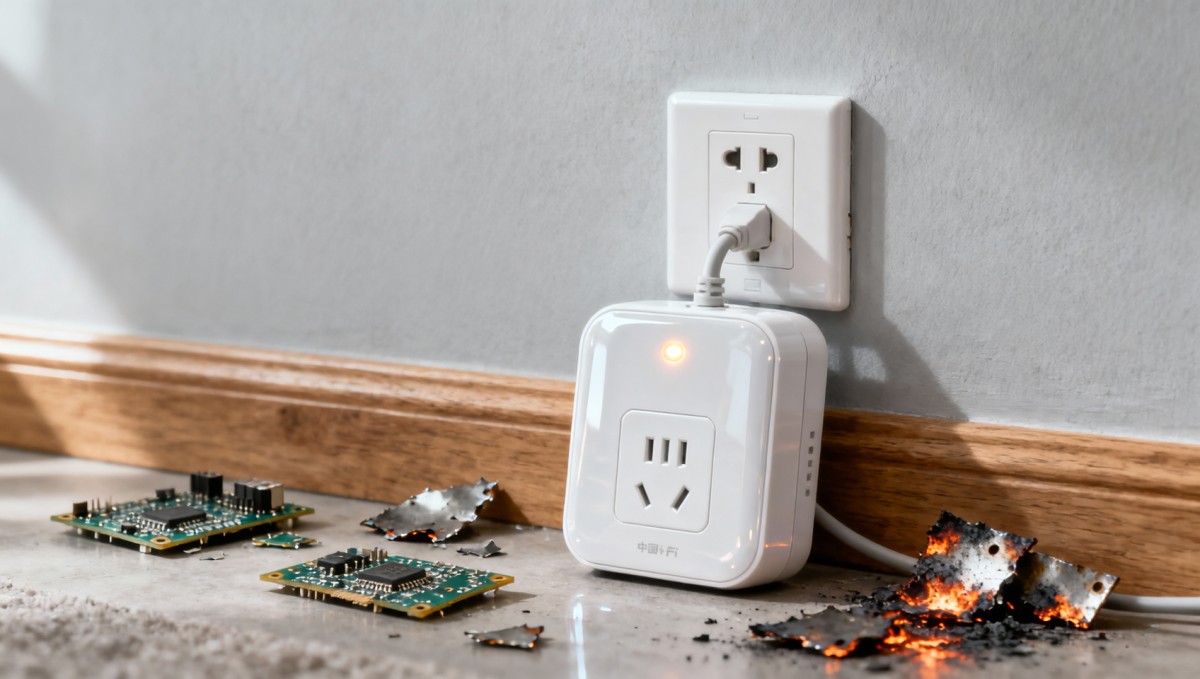
On April 19, 2026, the U.S. Consumer Product Safety Commission (CPSC) issued Safety Alert SA-2026-042, ordering immediate removal from U.S. market channels of multiple Wi-Fi smart plugs manufactured in China due to critical remote privilege escalation vulnerabilities. The alert follows three confirmed residential fire incidents and signals heightened regulatory scrutiny for firmware security in connected home devices — particularly relevant for smart home OEMs, export-focused electronics manufacturers, and importers serving North American markets.
Event Overview
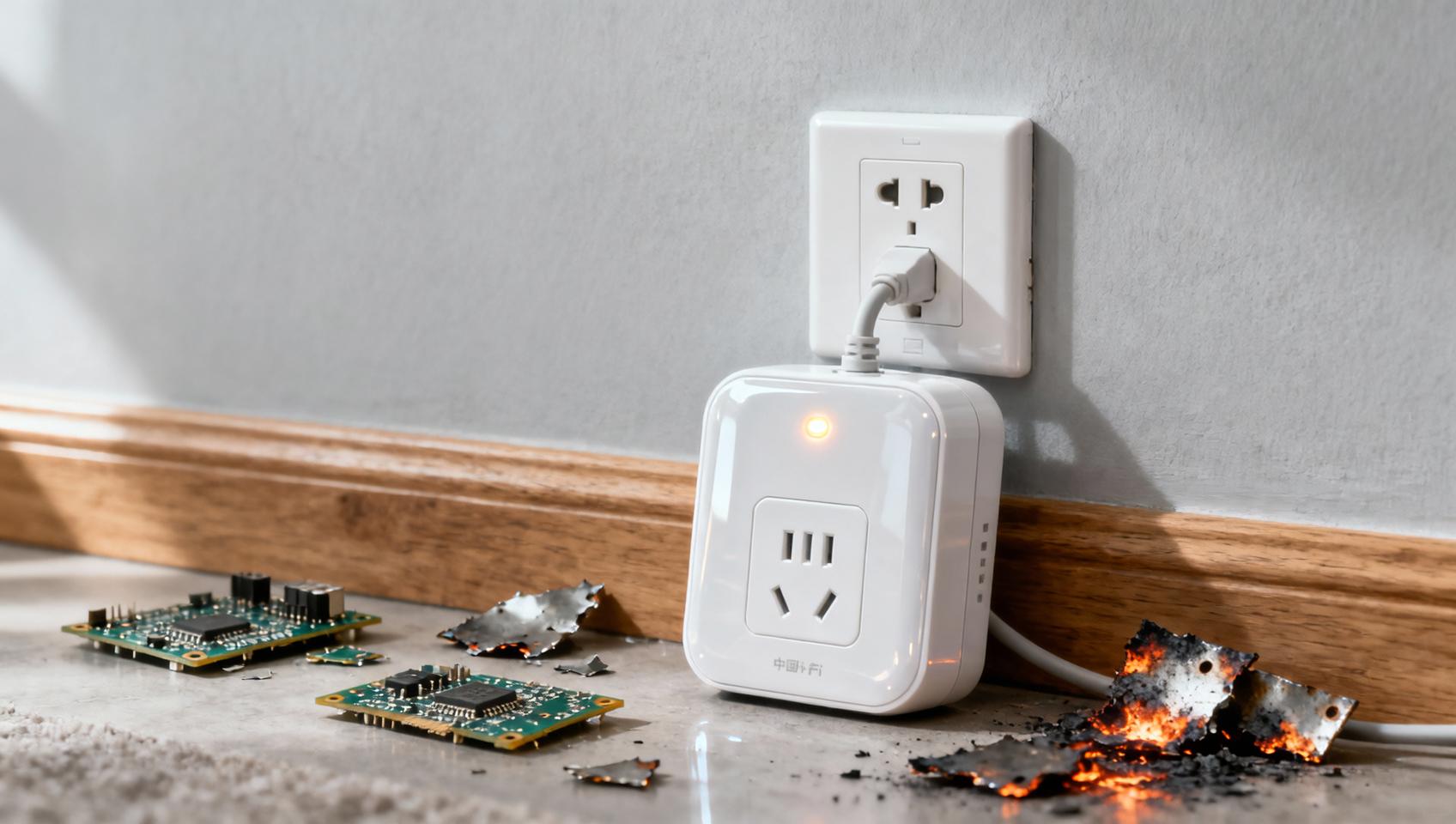
On April 19, 2026, the U.S. Consumer Product Safety Commission (CPSC) published Safety Alert SA-2026-042. The alert identifies multiple China-origin Wi-Fi-enabled smart plugs with remotely exploitable firmware vulnerabilities that enable unauthorized control. It cites three verified residential fire incidents linked to these devices and mandates immediate removal from all U.S. distribution channels. The CPSC further recommends that importers initiate voluntary recalls.
Industries Affected
Smart Home OEMs & Contract Manufacturers: These firms face direct exposure as product originators or firmware developers. The CPSC’s action targets device-level software integrity, meaning responsibility extends beyond hardware compliance to secure coding practices, over-the-air (OTA) update mechanisms, and vulnerability disclosure protocols.
U.S.-Based Importers & Distributors: Entities responsible for placing these products into U.S. commerce are required to cease sales and coordinate recalls per CPSC guidance. Liability risk increases where due diligence on firmware security was not documented during sourcing or pre-market review.
Certification & Testing Service Providers: Demand is rising for testing aligned with emerging cybersecurity annexes to UL standards (e.g., UL 2011 and UL 60730-1). This event accelerates adoption expectations for formalized firmware security validation — beyond traditional electrical safety assessments.
What Relevant Enterprises Should Monitor and Do Now
Track official updates on UL 2011/UL 60730-1 cybersecurity annex implementation
The CPSC alert explicitly references this upcoming revision as a likely consequence. While no effective date has been announced, stakeholders should monitor UL Standards Group announcements and CPSC statements for timelines, scope, and transitional provisions.
Review current smart plug SKUs destined for U.S. markets — especially those with OTA capabilities
Firmware architecture, update authentication methods, and privilege enforcement logic are now material compliance factors. Companies should inventory affected models, assess vulnerability exposure, and verify third-party audit reports covering secure boot and remote command validation.
Distinguish between regulatory signaling and enforceable requirements
SA-2026-042 is an advisory safety alert, not a mandatory rulemaking. However, it carries strong precedent value and may inform future enforcement actions or standard revisions. Firms should treat it as a de facto benchmark for foreseeable expectations — not as optional guidance.
Prepare technical documentation and supplier engagement plans for firmware security assurance
Importers and OEMs should begin compiling evidence of secure development lifecycle (SDLC) adherence — including threat modeling records, code signing workflows, and patch response timelines — to support future compliance reviews or recall mitigation efforts.
Editorial Perspective / Industry Observation
From an industry perspective, this CPSC action is best understood not as an isolated incident, but as a signal of maturing regulatory attention toward embedded software risks in consumer IoT. Analysis来看, it reflects a shift from reactive hazard response to proactive cybersecurity accountability — particularly where firmware flaws directly enable physical harm. Observation来看, the linkage between a software vulnerability and tangible fire outcomes strengthens the case for treating firmware security as integral to product safety, not as a separate IT concern. Current more appropriate interpretation is that this represents an early-stage enforcement marker: one that precedes formalized rules but sets clear expectations for design rigor, supply chain transparency, and post-market monitoring obligations among smart device suppliers targeting regulated markets.
Conclusion
This CPSC alert underscores that firmware security is no longer a secondary consideration for smart home hardware exporters — it is becoming a prerequisite for market access in high-compliance jurisdictions. Rather than indicating an immediate, universal compliance deadline, it signals an accelerating convergence of cybersecurity and product safety governance. Stakeholders are advised to interpret it as a forward-looking benchmark: one that clarifies emerging expectations while allowing time for structured capability building — provided action begins now.
Source Disclosure: Primary source is the U.S. CPSC Safety Alert SA-2026-042, published April 19, 2026. No additional data, incident details, or manufacturer names were provided in the public alert. Implementation timelines for UL 2011/UL 60730-1 cybersecurity annex remain pending official publication and are subject to ongoing observation.
Get weekly intelligence in your inbox.
No noise. No sponsored content. Pure intelligence.
 Apr 20, 2026China Academy of IMT Releases Digital Passport White Paper for Industrial MaterialsChina Academy of IMT Releases Digital Passport White Paper for Industrial Materials
 Apr 20, 2026Suez Canal AI Speed & Load Limits Effective Apr 19, 2026Suez Canal AI Speed & Load Limits Effective Apr 19, 2026
 Apr 20, 2026IEC 63275:2026 Published for Warehouse Robotics EMC TestingIEC 63275:2026 Published for Warehouse Robotics EMC Testing
 Apr 20, 20262026 Shanghai Fastener Show: 1427 Exhibitors, Robot-Specific Fasteners in Focus2026 Shanghai Fastener Show: 1427 Exhibitors, Robot-Specific Fasteners in Focus
 Apr 20, 2026US BIS Expands EV Infrastructure Export ControlsUS BIS Expands EV Infrastructure Export Controls
 Apr 20, 2026TÜV Rheinland Updates ESS Certification with Propagation Blocking RequirementTÜV Rheinland Updates ESS Certification with Propagation Blocking Requirement
 Apr 20, 2026Shanghai Port Launches Green Clearance Channel for PV InvertersShanghai Port Launches Green Clearance Channel for PV Inverters
 Apr 20, 2026Vietnam Launches Anti-Circumvention Probe on Chinese Electronic ComponentsVietnam Launches Anti-Circumvention Probe on Chinese Electronic Components
 Apr 20, 2026CPSC Urges Recall of China-Made Smart Plugs Over Firmware VulnerabilitiesCPSC Urges Recall of China-Made Smart Plugs Over Firmware Vulnerabilities
 Apr 20, 2026EU AI Act CE Compliance for IoT Devices Takes Effect Apr 18, 2026EU AI Act CE Compliance for IoT Devices Takes Effect Apr 18, 2026
 Apr 19, 20262026 Dongguan Whole-House Customization List Released2026 Dongguan Whole-House Customization List Released
 Apr 19, 2026Global Shipping Alliances Launch Green Slot Priority for Asia-Europe RoutesGlobal Shipping Alliances Launch Green Slot Priority for Asia-Europe Routes
 Apr 19, 2026Vietnam Imposes AD Duties on Chinese Electronic ComponentsVietnam Imposes AD Duties on Chinese Electronic Components
 Apr 19, 2026Dongguan Victor Tops Local Full-Home Customization ListDongguan Victor Tops Local Full-Home Customization List
 Apr 19, 2026Guosheng Zhike Launches High-Precision Mold Machine Project in TaizhouGuosheng Zhike Launches High-Precision Mold Machine Project in Taizhou
 Apr 19, 2026CRRC Changchun Wins Jiaxing Urban Rail EMU ProjectCRRC Changchun Wins Jiaxing Urban Rail EMU Project
 Apr 19, 2026China Releases Green Design Guidelines 2026 for Industrial ProductsChina Releases Green Design Guidelines 2026 for Industrial Products
 Apr 19, 2026CATL Establishes $3B Era Resources Group for Global Mineral ControlCATL Establishes $3B Era Resources Group for Global Mineral Control
 Apr 19, 2026Shanghai Electric Gas Turbine Backlog Extends to 2028Shanghai Electric Gas Turbine Backlog Extends to 2028
 Apr 19, 2026Hormuz Strait Reopens, China Fertilizer Export Quota Easing ExpectedHormuz Strait Reopens, China Fertilizer Export Quota Easing Expected
 Apr 18, 2026TradeNexus Pro Launches Global Compliance RadarTradeNexus Pro Launches Global Compliance Radar
 Apr 18, 2026JIS T 2304:2026 Takes Effect June 1, 2026 for IVD SoftwareJIS T 2304:2026 Takes Effect June 1, 2026 for IVD Software
 Pathway for Rehab Devices with AI Modules") Apr 18, 2026FDA Updates 510(k) Pathway for Rehab Devices with AI ModulesFDA Updates 510(k) Pathway for Rehab Devices with AI Modules
Apr 18, 2026FDA Updates 510(k) Pathway for Rehab Devices with AI ModulesFDA Updates 510(k) Pathway for Rehab Devices with AI Modules Apr 18, 2026India BIS Approves 3 Chinese IoT Labs for IS 16444:2026 CertificationIndia BIS Approves 3 Chinese IoT Labs for IS 16444:2026 Certification
 Apr 18, 2026THE Alliance Launches Green Slot Priority for China PortsTHE Alliance Launches Green Slot Priority for China Ports
 Apr 18, 2026TÜV Rheinland Releases Dual-Standard ESS Certification Guide for ChinaTÜV Rheinland Releases Dual-Standard ESS Certification Guide for China
 Apr 18, 2026Vietnam Imposes AD Duties on Chinese Electronic ComponentsVietnam Imposes AD Duties on Chinese Electronic Components