US BIS Expands EV Infrastructure Export Controls
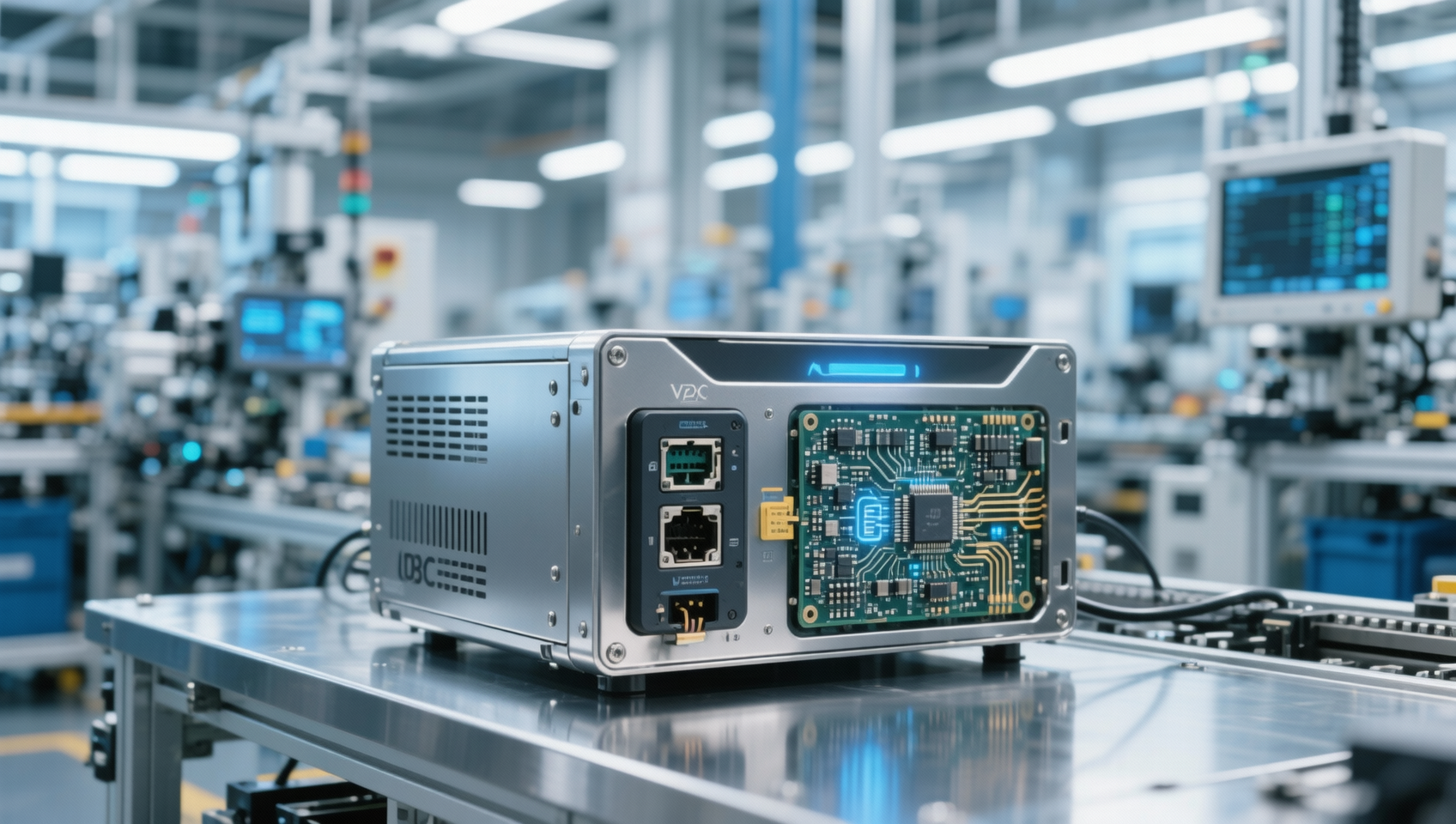
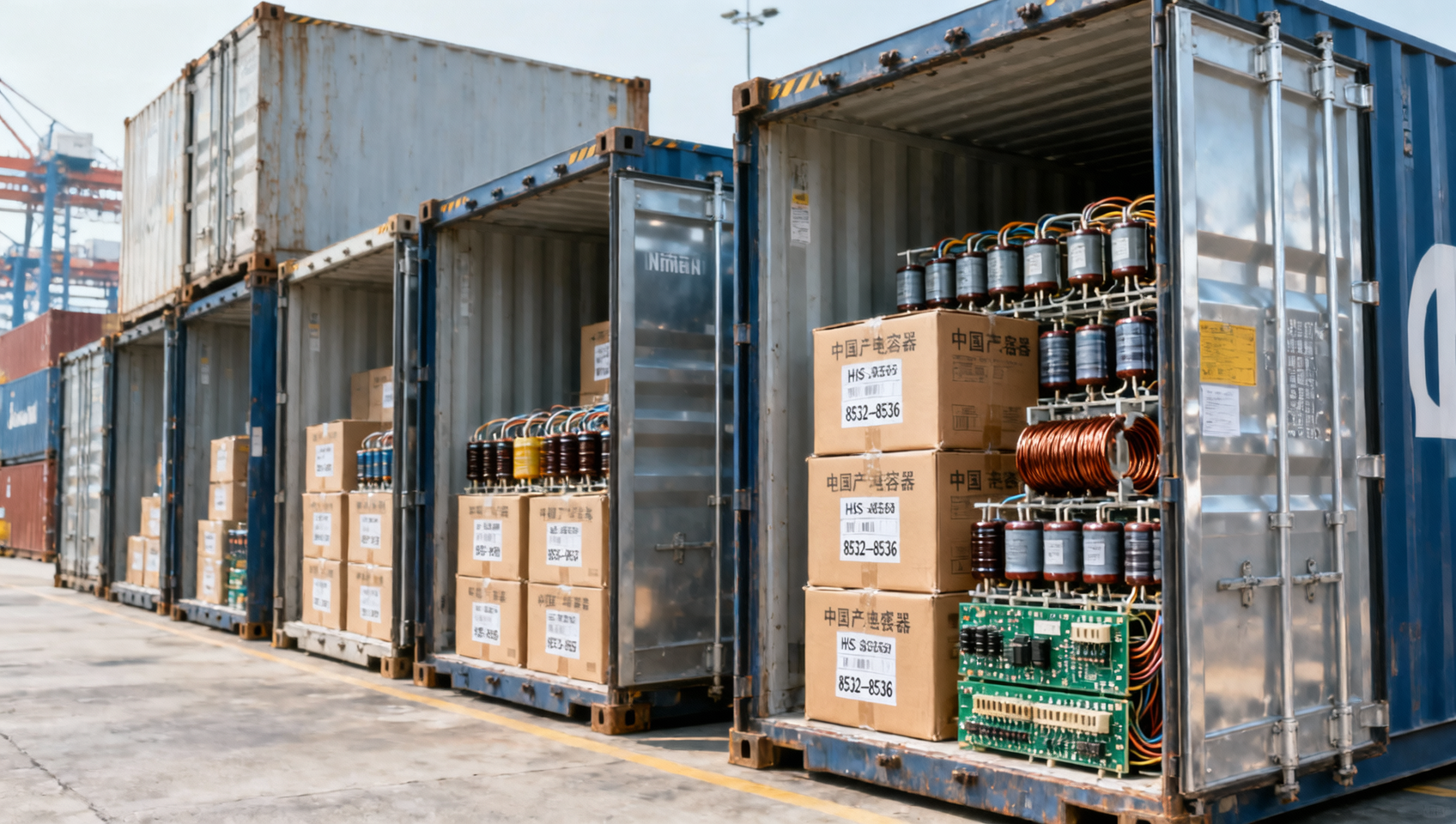
On April 19, 2026, the U.S. Department of Commerce’s Bureau of Industry and Security (BIS) updated the Commerce Control List (CCL), adding onboard chargers (OBCs) with V2X communication encryption and dynamic power allocation capabilities to the EAR99 classification. This change requires exporters to China and certain emerging markets to submit encryption algorithm documentation and undergo technical due diligence—impacting electric vehicle supply chain actors involved in OBC localization, software-hardware decoupling, and cross-border hardware integration.
Event Overview
On April 19, 2026, the U.S. Bureau of Industry and Security (BIS) amended the Commercial Control List (CCL) under the Export Administration Regulations (EAR). The update places onboard chargers (OBCs) featuring V2X communication encryption and dynamic power allocation functionality under EAR99 controls. For exports to China and select emerging markets, exporters must now provide detailed encryption algorithm descriptions and undergo technical due diligence prior to shipment.
Industries Affected by Segment
EV Component Manufacturers (OBC Design & Production)
These firms are directly affected because their OBCs—especially those integrating V2X security protocols or adaptive charging logic—now fall under EAR99 scrutiny when exported to listed destinations. Impact manifests in delayed export licensing timelines, increased documentation burdens, and potential redesign requirements to avoid controlled cryptographic functionality.
Chinese Automakers with Global Supply Chains
For Chinese OEMs deploying vehicles overseas—particularly in North America, Southeast Asia, or Latin America—the updated rule constrains OBC localisation strategies. Hardware-software decoupling efforts (e.g., separating firmware-controlled power management from physical controllers) may face new compliance hurdles if underlying algorithms trigger encryption-related review.
Export Compliance & Trade Services Providers
Firms offering export classification, license application support, or technical due diligence services will see heightened demand for EAR99-specific assessments related to EV power electronics. The need for granular algorithm documentation—and not just product specifications—introduces a new layer of technical evaluation previously uncommon for EAR99 items.
Key Focus Areas and Recommended Actions
Monitor official guidance on ‘encryption functionality’ scope
The BIS has not published a technical definition of what constitutes ‘V2X communication encryption’ in this context. Companies should track upcoming FAQs or advisory opinions from BIS, particularly regarding whether standard TLS-based telemetry or proprietary lightweight cipher implementations qualify as controlled features.
Assess current OBC firmware architecture against EAR99 triggers
Manufacturers should conduct internal technical reviews—not only of cryptographic libraries used, but also of how encryption is invoked (e.g., during authentication handshakes vs. data-in-transit protection). Documentation prepared for due diligence must reflect actual implementation, not theoretical capability.
Separate controlled functionality from export-bound units where feasible
Where product variants exist (e.g., regional firmware versions), consider deploying non-encrypted control logic for shipments subject to EAR99 review. This may require revising version-control workflows and validating functional equivalence across configurations.
Engage early with customs brokers and freight forwarders experienced in EAR99 electronics
Given that EAR99 items typically do not require licenses—but now trigger mandatory disclosures—logistics partners must be briefed on new documentation expectations (e.g., encryption narratives, design schematics highlighting relevant modules) to prevent port-side delays.
Editorial Perspective / Industry Observation
From an industry perspective, this update is better understood as a procedural signal than an immediate operational barrier. While it does not impose blanket licensing requirements, it formalizes scrutiny over algorithmic features embedded in EV infrastructure components—a shift toward function-based, rather than solely end-use or destination-based, controls. Analysis来看, BIS is testing enforcement readiness around emerging EV-related cryptography, potentially laying groundwork for future CCL reclassifications. Current more appropriate interpretation is that this reflects tightening oversight at the intersection of automotive electronics and national security–relevant digital infrastructure—not a broad restriction on EV hardware trade.
Conclusion
This regulatory update signals an evolving risk landscape for EV supply chain participants whose products integrate communications-aware power control logic. It does not halt exports, but introduces new technical disclosure obligations and raises the bar for export compliance maturity—especially for firms managing global firmware deployments and regional hardware adaptations. The measure is best understood not as a trade barrier per se, but as an early indicator of how dual-use criteria are being extended into intelligent EV subsystems.
Source Attribution
Main source: U.S. Department of Commerce, Bureau of Industry and Security (BIS), Federal Register notice dated April 19, 2026, updating the Commerce Control List (CCL).
Areas requiring ongoing observation: BIS’s forthcoming clarifications on encryption scope, including whether firmware updates delivered post-export would fall under retroactive review.
Get weekly intelligence in your inbox.
No noise. No sponsored content. Pure intelligence.
 Apr 20, 2026China Academy of IMT Releases Digital Passport White Paper for Industrial MaterialsChina Academy of IMT Releases Digital Passport White Paper for Industrial Materials
 Apr 20, 2026Suez Canal AI Speed & Load Limits Effective Apr 19, 2026Suez Canal AI Speed & Load Limits Effective Apr 19, 2026
 Apr 20, 2026IEC 63275:2026 Published for Warehouse Robotics EMC TestingIEC 63275:2026 Published for Warehouse Robotics EMC Testing
 Apr 20, 20262026 Shanghai Fastener Show: 1427 Exhibitors, Robot-Specific Fasteners in Focus2026 Shanghai Fastener Show: 1427 Exhibitors, Robot-Specific Fasteners in Focus
 Apr 20, 2026US BIS Expands EV Infrastructure Export ControlsUS BIS Expands EV Infrastructure Export Controls
 Apr 20, 2026TÜV Rheinland Updates ESS Certification with Propagation Blocking RequirementTÜV Rheinland Updates ESS Certification with Propagation Blocking Requirement
 Apr 20, 2026Shanghai Port Launches Green Clearance Channel for PV InvertersShanghai Port Launches Green Clearance Channel for PV Inverters
 Apr 20, 2026Vietnam Launches Anti-Circumvention Probe on Chinese Electronic ComponentsVietnam Launches Anti-Circumvention Probe on Chinese Electronic Components
 Apr 20, 2026CPSC Urges Recall of China-Made Smart Plugs Over Firmware VulnerabilitiesCPSC Urges Recall of China-Made Smart Plugs Over Firmware Vulnerabilities
 Apr 20, 2026EU AI Act CE Compliance for IoT Devices Takes Effect Apr 18, 2026EU AI Act CE Compliance for IoT Devices Takes Effect Apr 18, 2026
 Apr 19, 20262026 Dongguan Whole-House Customization List Released2026 Dongguan Whole-House Customization List Released
 Apr 19, 2026Global Shipping Alliances Launch Green Slot Priority for Asia-Europe RoutesGlobal Shipping Alliances Launch Green Slot Priority for Asia-Europe Routes
 Apr 19, 2026Vietnam Imposes AD Duties on Chinese Electronic ComponentsVietnam Imposes AD Duties on Chinese Electronic Components
 Apr 19, 2026Dongguan Victor Tops Local Full-Home Customization ListDongguan Victor Tops Local Full-Home Customization List
 Apr 19, 2026Guosheng Zhike Launches High-Precision Mold Machine Project in TaizhouGuosheng Zhike Launches High-Precision Mold Machine Project in Taizhou
 Apr 19, 2026CRRC Changchun Wins Jiaxing Urban Rail EMU ProjectCRRC Changchun Wins Jiaxing Urban Rail EMU Project
 Apr 19, 2026China Releases Green Design Guidelines 2026 for Industrial ProductsChina Releases Green Design Guidelines 2026 for Industrial Products
 Apr 19, 2026CATL Establishes $3B Era Resources Group for Global Mineral ControlCATL Establishes $3B Era Resources Group for Global Mineral Control
 Apr 19, 2026Shanghai Electric Gas Turbine Backlog Extends to 2028Shanghai Electric Gas Turbine Backlog Extends to 2028
 Apr 19, 2026Hormuz Strait Reopens, China Fertilizer Export Quota Easing ExpectedHormuz Strait Reopens, China Fertilizer Export Quota Easing Expected
 Apr 18, 2026TradeNexus Pro Launches Global Compliance RadarTradeNexus Pro Launches Global Compliance Radar
 Apr 18, 2026JIS T 2304:2026 Takes Effect June 1, 2026 for IVD SoftwareJIS T 2304:2026 Takes Effect June 1, 2026 for IVD Software
 Pathway for Rehab Devices with AI Modules") Apr 18, 2026FDA Updates 510(k) Pathway for Rehab Devices with AI ModulesFDA Updates 510(k) Pathway for Rehab Devices with AI Modules
Apr 18, 2026FDA Updates 510(k) Pathway for Rehab Devices with AI ModulesFDA Updates 510(k) Pathway for Rehab Devices with AI Modules Apr 18, 2026India BIS Approves 3 Chinese IoT Labs for IS 16444:2026 CertificationIndia BIS Approves 3 Chinese IoT Labs for IS 16444:2026 Certification
 Apr 18, 2026THE Alliance Launches Green Slot Priority for China PortsTHE Alliance Launches Green Slot Priority for China Ports
 Apr 18, 2026TÜV Rheinland Releases Dual-Standard ESS Certification Guide for ChinaTÜV Rheinland Releases Dual-Standard ESS Certification Guide for China
 Apr 18, 2026Vietnam Imposes AD Duties on Chinese Electronic ComponentsVietnam Imposes AD Duties on Chinese Electronic Components