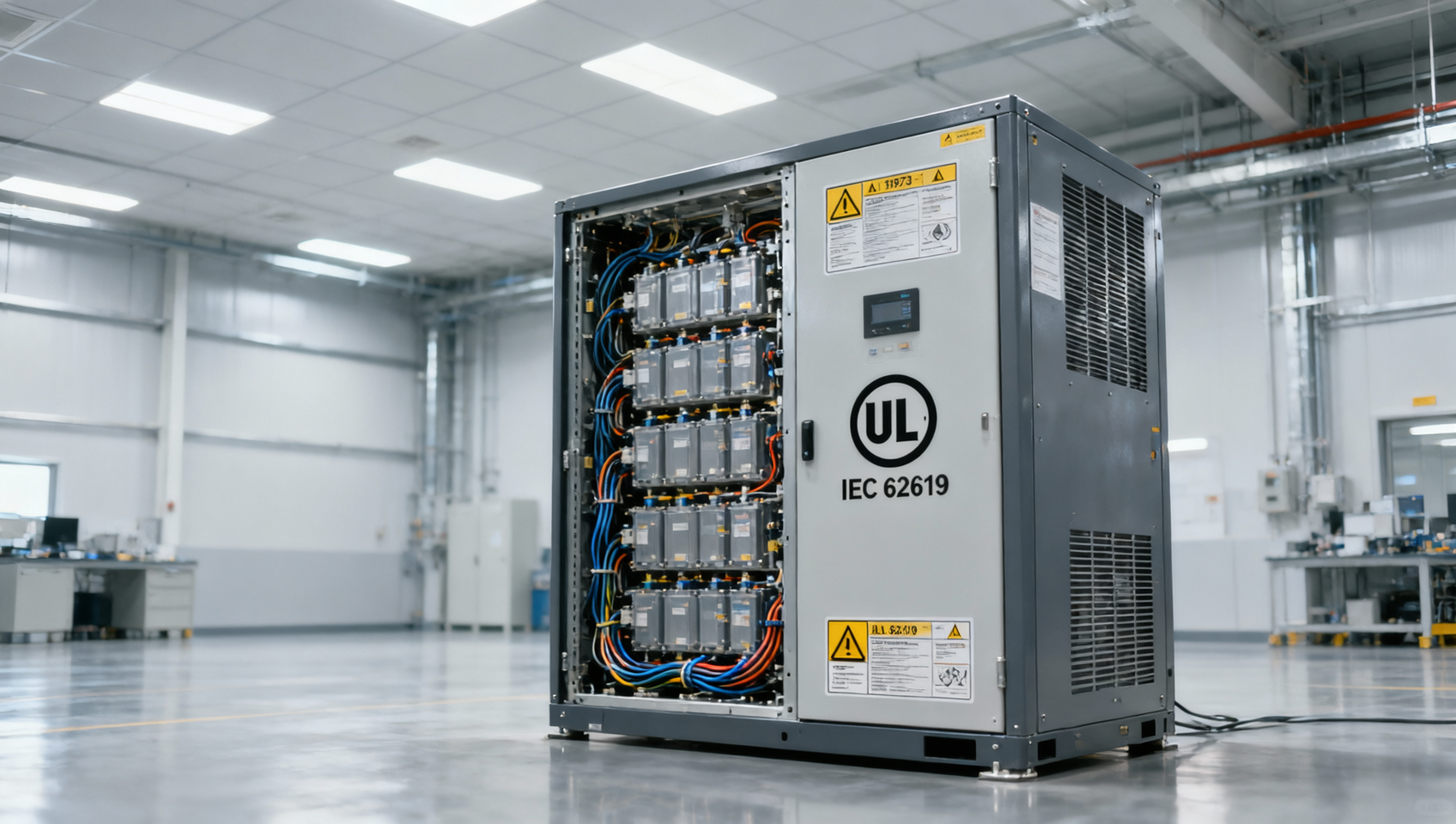
TÜV Rheinland Updates ESS Certification with Propagation Blocking Requirement
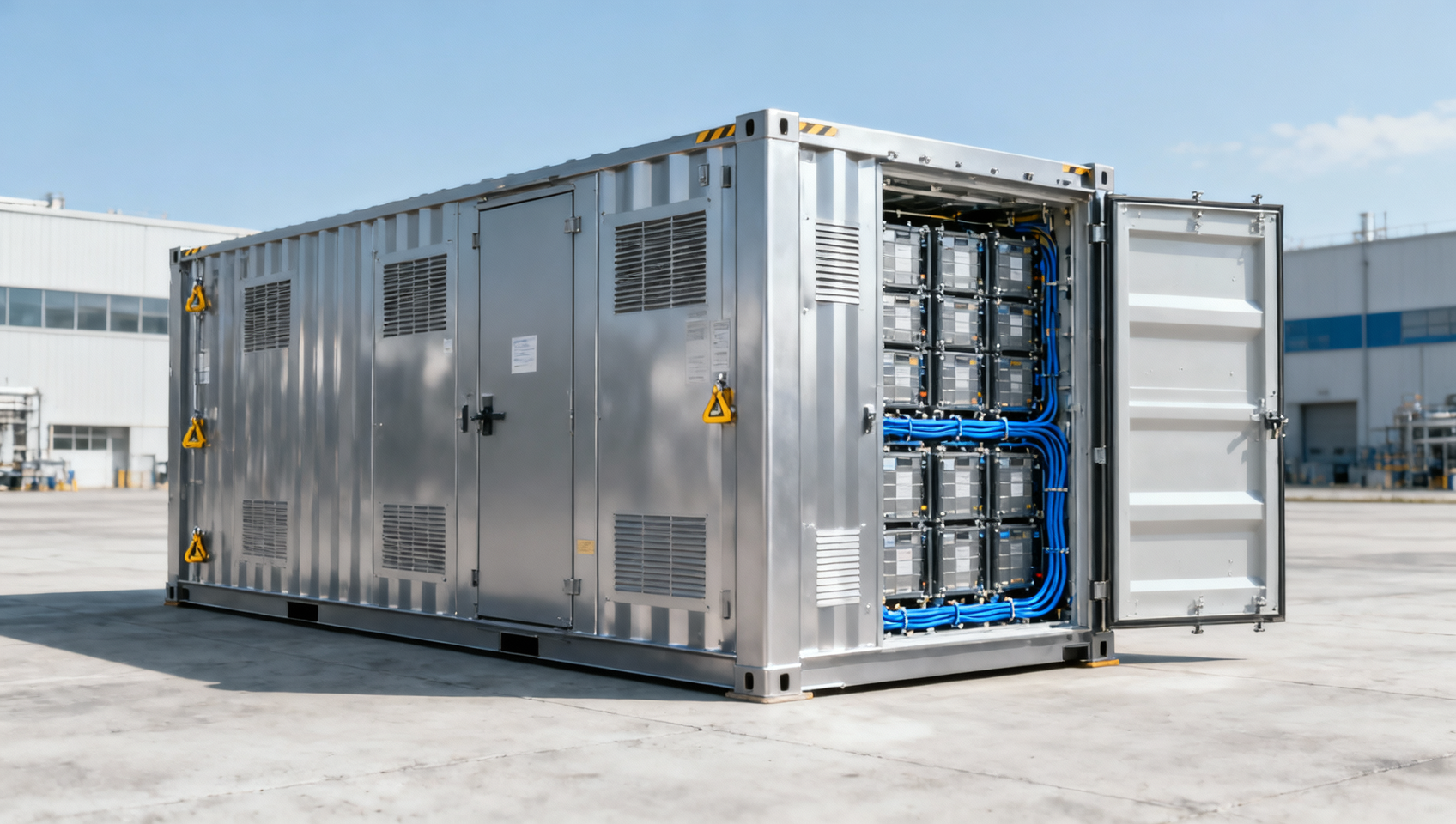
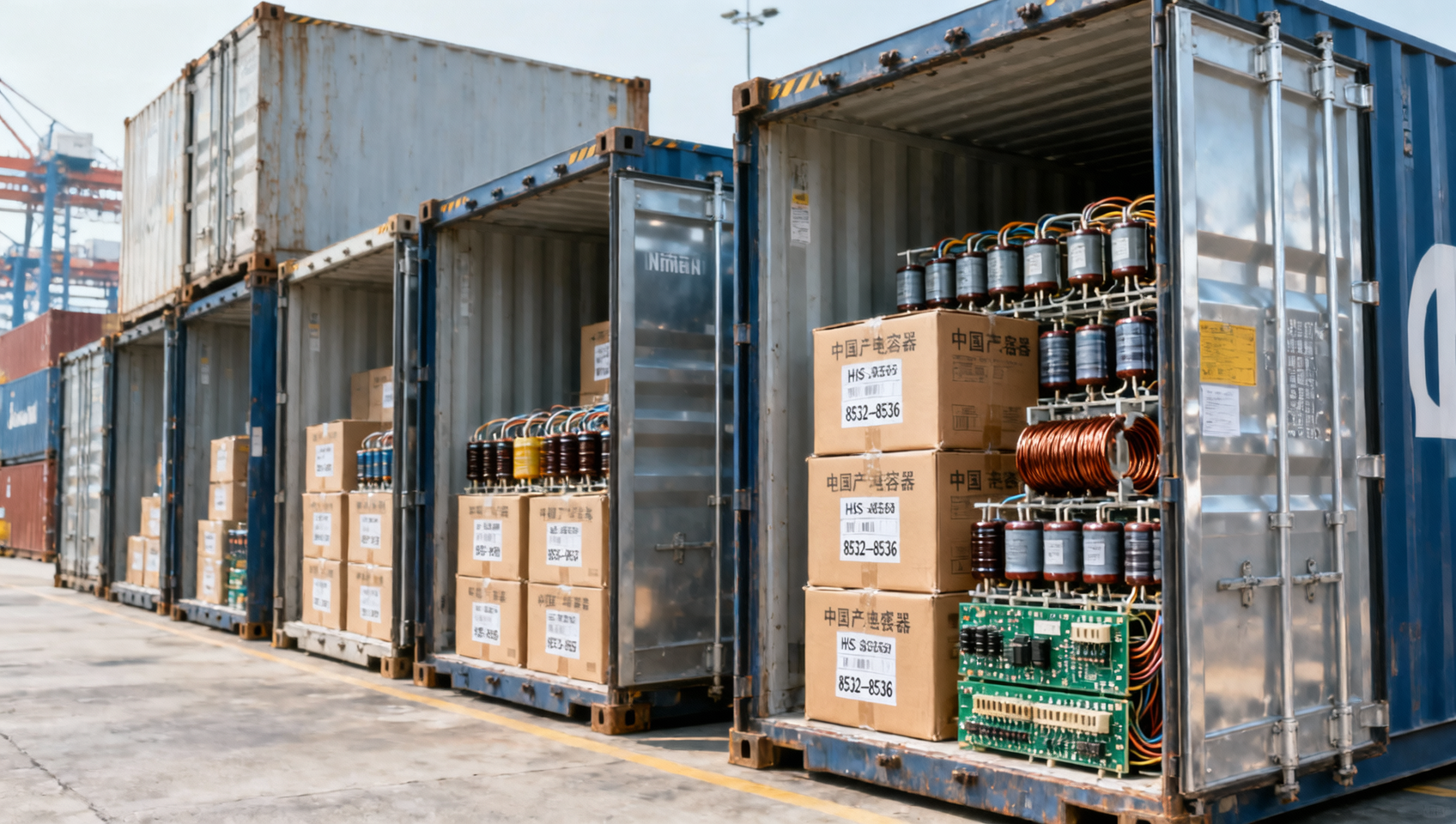
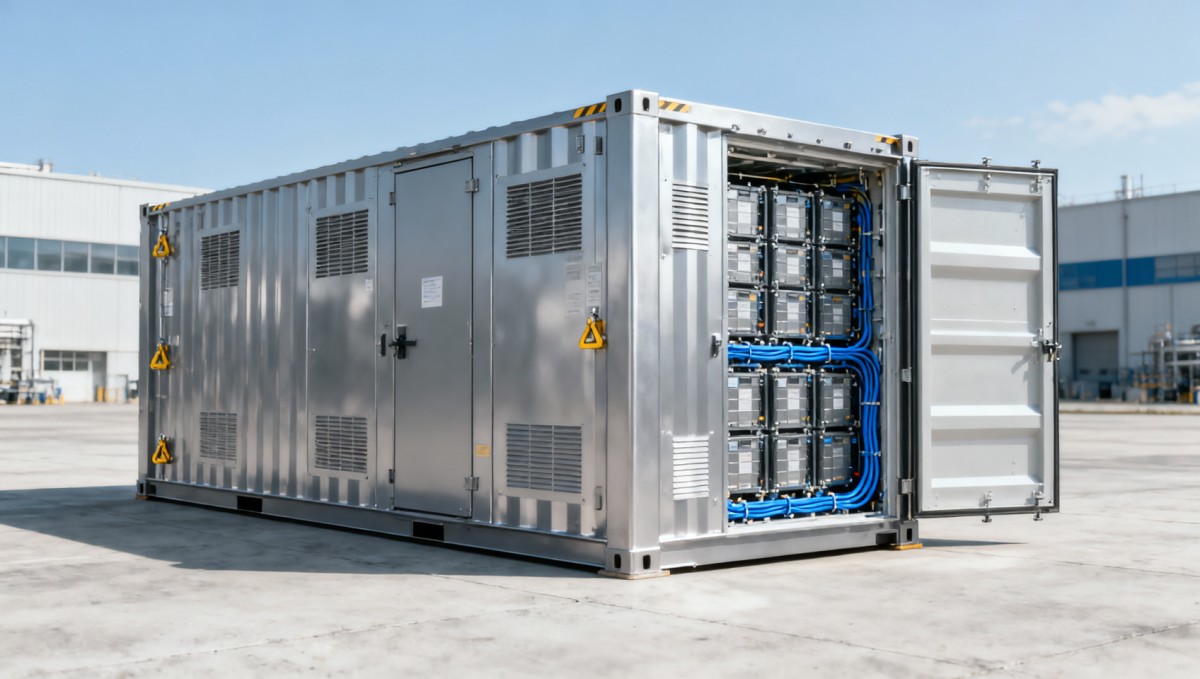
On April 19, 2026, TÜV Rheinland released Revision 2 of its PV-ESS-2026 certification specification — introducing mandatory thermal runaway propagation blocking validation and BMS thermal algorithm documentation for industrial battery energy storage systems (BESS). This update directly impacts manufacturers exporting containerized BESS to the EU market, particularly those based in China, affecting technical readiness timelines and third-party testing costs.
Event Overview
On April 19, 2026, TÜV Rheinland published PV-ESS-2026 Rev.2, a revised certification specification for photovoltaic-integrated battery energy storage systems. Effective July 1, 2026, all new BESS certification applications must demonstrate verified thermal runaway propagation blocking via physical testing and submit module-level BMS thermal management algorithm documentation in white-box format. No further implementation details or transitional provisions have been publicly disclosed beyond this date and scope.
Industries Affected
Direct Exporters (BESS System Integrators & OEMs)
Manufacturers shipping standardized energy storage containers to EU customers will face revised pre-certification requirements. The new mandate requires not only system-level safety validation but also granular disclosure of proprietary BMS logic — potentially extending internal review cycles and increasing reliance on certified test labs.
Third-Party Testing & Certification Service Providers
Labs accredited by TÜV Rheinland must now develop and validate test protocols for propagation blocking under realistic fault conditions (e.g., single-cell thermal runaway initiation followed by monitoring of adjacent modules). This implies investment in new chamber setups, instrumentation, and staff training — likely leading to higher per-test fees and longer lead times.
Supply Chain Component Suppliers (Module & BMS Vendors)
Cell manufacturers and BMS software developers supplying to EU-bound BESS OEMs may be asked to provide additional technical documentation or interface specifications to support white-box algorithm review. While not directly subject to the certification, their ability to respond to OEM requests affects upstream delivery schedules and contractual compliance.
What Enterprises and Practitioners Should Focus On
Monitor official implementation guidance from TÜV Rheinland
The current specification states the effective date and core requirements but does not detail test methodology, pass/fail criteria, or acceptable formats for BMS algorithm documentation. Stakeholders should track updates issued by TÜV Rheinland’s Energy Storage Certification team before initiating new certification projects.
Assess impact on active EU-bound product lines ahead of July 2026
For BESS models currently undergoing or scheduled for certification between May and June 2026, analysis should determine whether they can be grandfathered under Rev.1 or must comply with Rev.2. No grandfathering clause has been confirmed; assuming Rev.2 applies to all applications submitted on or after July 1, 2026 is prudent.
Prepare BMS documentation packages in advance
OEMs should begin internal alignment between hardware engineering, firmware teams, and quality departments to define what constitutes acceptable ‘white-box’ algorithm documentation — e.g., annotated flowcharts, parameter mapping tables, or traceable logic diagrams — rather than source code. Early internal review reduces rework risk during certification audits.
Engage with accredited labs early to secure test capacity
Propagation blocking tests require extended runtime (often >72 hours) and specialized environmental chambers. Lead times for such tests are expected to increase significantly post-July 2026. Booking lab slots now for Q3 2026 submissions is advisable.
Editorial Perspective / Industry Observation
From an industry perspective, this revision signals a shift toward performance-based verification rather than prescriptive design rules — placing greater emphasis on empirical evidence of system-level safety behavior. Analysis来看, it reflects growing regulatory scrutiny of cascade failure risks in high-density lithium-ion installations, especially as grid-scale deployments expand across Europe. Current more appropriate interpretation is that this is a procedural signal — not yet a market access barrier — because enforcement depends on lab capability rollout and OEM adaptation speed. However, sustained attention is warranted: if adoption proves technically feasible and cost-effective, similar requirements may appear in UL 9540A revisions or IEC 62933-5 updates in coming years.
Conclusion
This update marks a formalization of thermal propagation control as a non-negotiable element in EU-market BESS certification — moving beyond cell-level safety to system-level resilience. It does not represent an immediate ban or recall mechanism, but rather introduces a new technical gate for market entry. For stakeholders, it is best understood as a calibrated step in evolving safety expectations — one requiring focused preparation, not broad operational overhaul.
Information Source
Main source: TÜV Rheinland official announcement of PV-ESS-2026 Rev.2, dated April 19, 2026. No supplementary technical annexes or test method documents have been made publicly available as of publication. Ongoing observation is required for clarification of documentation standards and lab accreditation status.
Get weekly intelligence in your inbox.
No noise. No sponsored content. Pure intelligence.
 Apr 20, 2026China Academy of IMT Releases Digital Passport White Paper for Industrial MaterialsChina Academy of IMT Releases Digital Passport White Paper for Industrial Materials
 Apr 20, 2026Suez Canal AI Speed & Load Limits Effective Apr 19, 2026Suez Canal AI Speed & Load Limits Effective Apr 19, 2026
 Apr 20, 2026IEC 63275:2026 Published for Warehouse Robotics EMC TestingIEC 63275:2026 Published for Warehouse Robotics EMC Testing
 Apr 20, 20262026 Shanghai Fastener Show: 1427 Exhibitors, Robot-Specific Fasteners in Focus2026 Shanghai Fastener Show: 1427 Exhibitors, Robot-Specific Fasteners in Focus
 Apr 20, 2026US BIS Expands EV Infrastructure Export ControlsUS BIS Expands EV Infrastructure Export Controls
 Apr 20, 2026TÜV Rheinland Updates ESS Certification with Propagation Blocking RequirementTÜV Rheinland Updates ESS Certification with Propagation Blocking Requirement
 Apr 20, 2026Shanghai Port Launches Green Clearance Channel for PV InvertersShanghai Port Launches Green Clearance Channel for PV Inverters
 Apr 20, 2026Vietnam Launches Anti-Circumvention Probe on Chinese Electronic ComponentsVietnam Launches Anti-Circumvention Probe on Chinese Electronic Components
 Apr 20, 2026CPSC Urges Recall of China-Made Smart Plugs Over Firmware VulnerabilitiesCPSC Urges Recall of China-Made Smart Plugs Over Firmware Vulnerabilities
 Apr 20, 2026EU AI Act CE Compliance for IoT Devices Takes Effect Apr 18, 2026EU AI Act CE Compliance for IoT Devices Takes Effect Apr 18, 2026
 Apr 19, 20262026 Dongguan Whole-House Customization List Released2026 Dongguan Whole-House Customization List Released
 Apr 19, 2026Global Shipping Alliances Launch Green Slot Priority for Asia-Europe RoutesGlobal Shipping Alliances Launch Green Slot Priority for Asia-Europe Routes
 Apr 19, 2026Vietnam Imposes AD Duties on Chinese Electronic ComponentsVietnam Imposes AD Duties on Chinese Electronic Components
 Apr 19, 2026Dongguan Victor Tops Local Full-Home Customization ListDongguan Victor Tops Local Full-Home Customization List
 Apr 19, 2026Guosheng Zhike Launches High-Precision Mold Machine Project in TaizhouGuosheng Zhike Launches High-Precision Mold Machine Project in Taizhou
 Apr 19, 2026CRRC Changchun Wins Jiaxing Urban Rail EMU ProjectCRRC Changchun Wins Jiaxing Urban Rail EMU Project
 Apr 19, 2026China Releases Green Design Guidelines 2026 for Industrial ProductsChina Releases Green Design Guidelines 2026 for Industrial Products
 Apr 19, 2026CATL Establishes $3B Era Resources Group for Global Mineral ControlCATL Establishes $3B Era Resources Group for Global Mineral Control
 Apr 19, 2026Shanghai Electric Gas Turbine Backlog Extends to 2028Shanghai Electric Gas Turbine Backlog Extends to 2028
 Apr 19, 2026Hormuz Strait Reopens, China Fertilizer Export Quota Easing ExpectedHormuz Strait Reopens, China Fertilizer Export Quota Easing Expected
 Apr 18, 2026TradeNexus Pro Launches Global Compliance RadarTradeNexus Pro Launches Global Compliance Radar
 Apr 18, 2026JIS T 2304:2026 Takes Effect June 1, 2026 for IVD SoftwareJIS T 2304:2026 Takes Effect June 1, 2026 for IVD Software
 Pathway for Rehab Devices with AI Modules") Apr 18, 2026FDA Updates 510(k) Pathway for Rehab Devices with AI ModulesFDA Updates 510(k) Pathway for Rehab Devices with AI Modules
Apr 18, 2026FDA Updates 510(k) Pathway for Rehab Devices with AI ModulesFDA Updates 510(k) Pathway for Rehab Devices with AI Modules Apr 18, 2026India BIS Approves 3 Chinese IoT Labs for IS 16444:2026 CertificationIndia BIS Approves 3 Chinese IoT Labs for IS 16444:2026 Certification
 Apr 18, 2026THE Alliance Launches Green Slot Priority for China PortsTHE Alliance Launches Green Slot Priority for China Ports
 Apr 18, 2026TÜV Rheinland Releases Dual-Standard ESS Certification Guide for ChinaTÜV Rheinland Releases Dual-Standard ESS Certification Guide for China
 Apr 18, 2026Vietnam Imposes AD Duties on Chinese Electronic ComponentsVietnam Imposes AD Duties on Chinese Electronic Components