Solar Street Lights: When Do They Really Pay Off?
Solar street lights promise lower operating costs and stronger energy efficiency, but when do they truly deliver a measurable return? For buyers, engineers, and project leaders comparing clean energy investments, the answer depends on installation scale, battery life, maintenance demands, and local grid costs. This article examines where solar street lights pay off fastest and how to evaluate their long-term business value with confidence.
When do solar street lights pay off fastest?
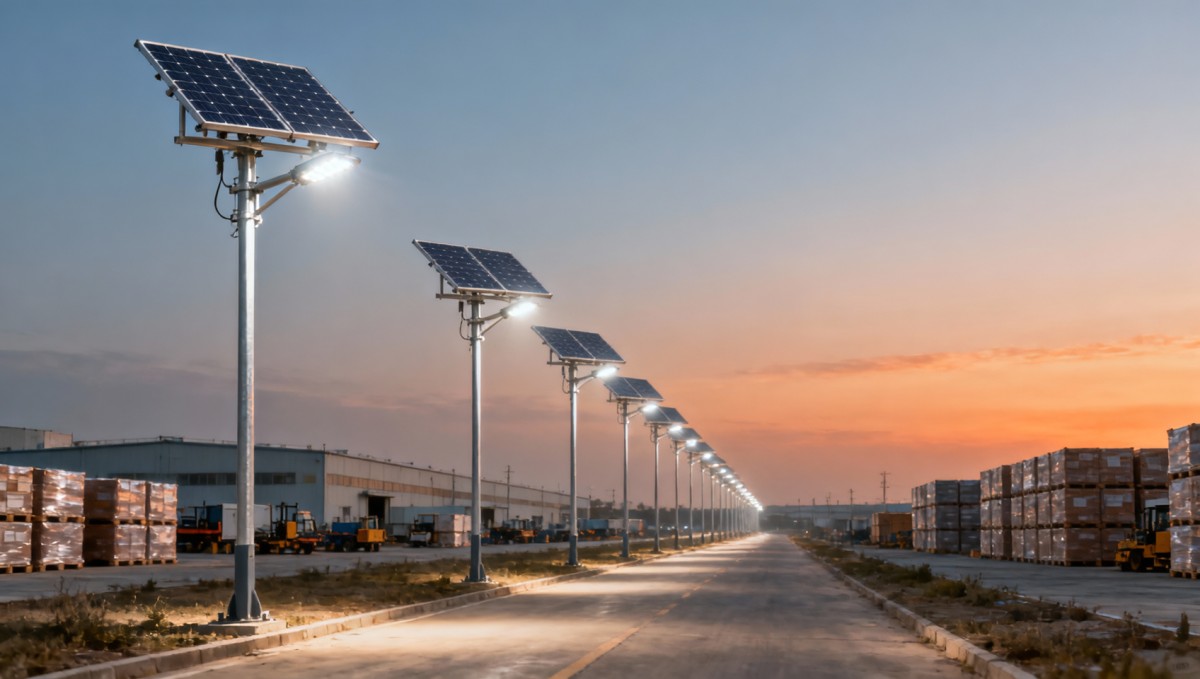
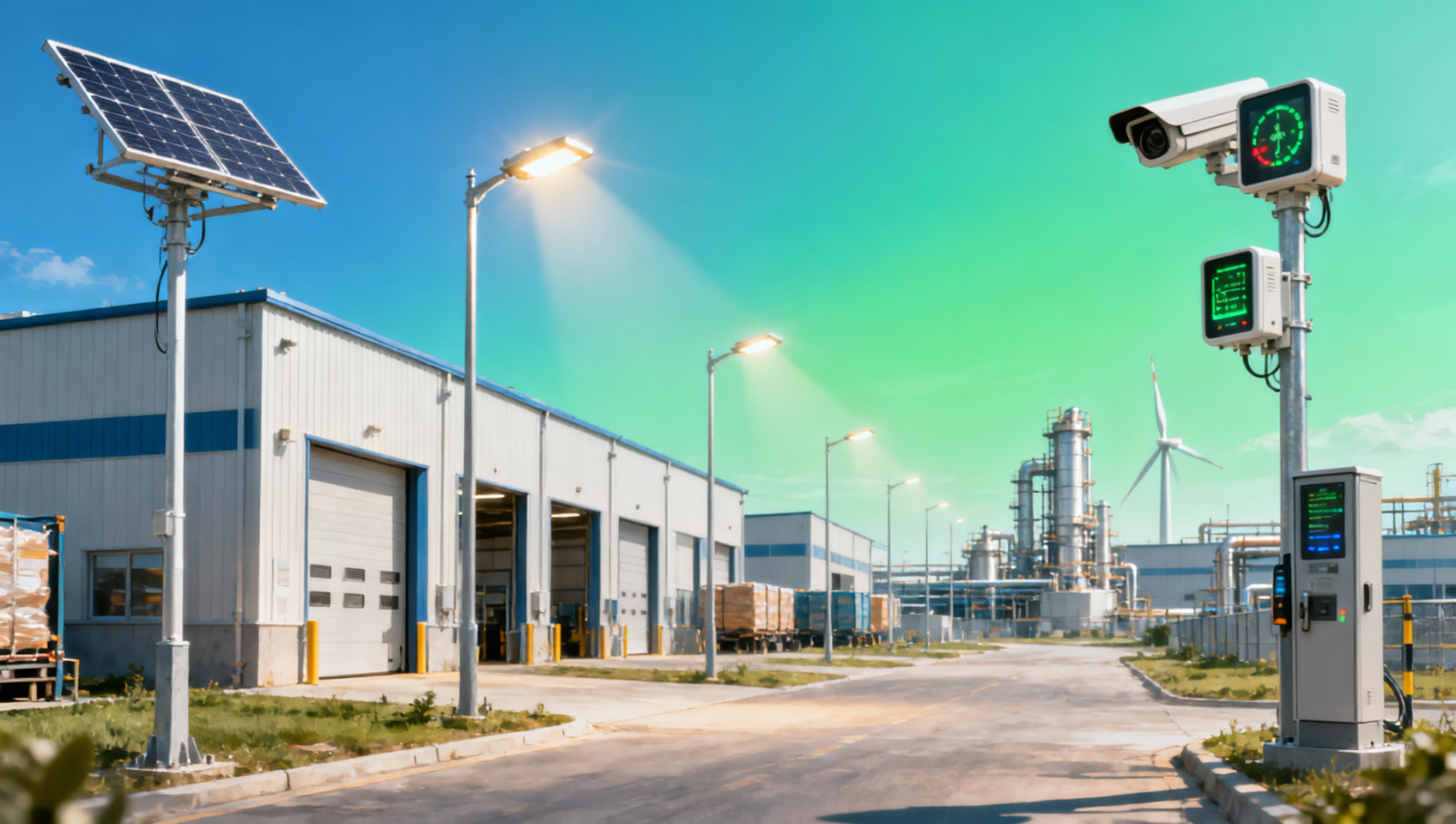
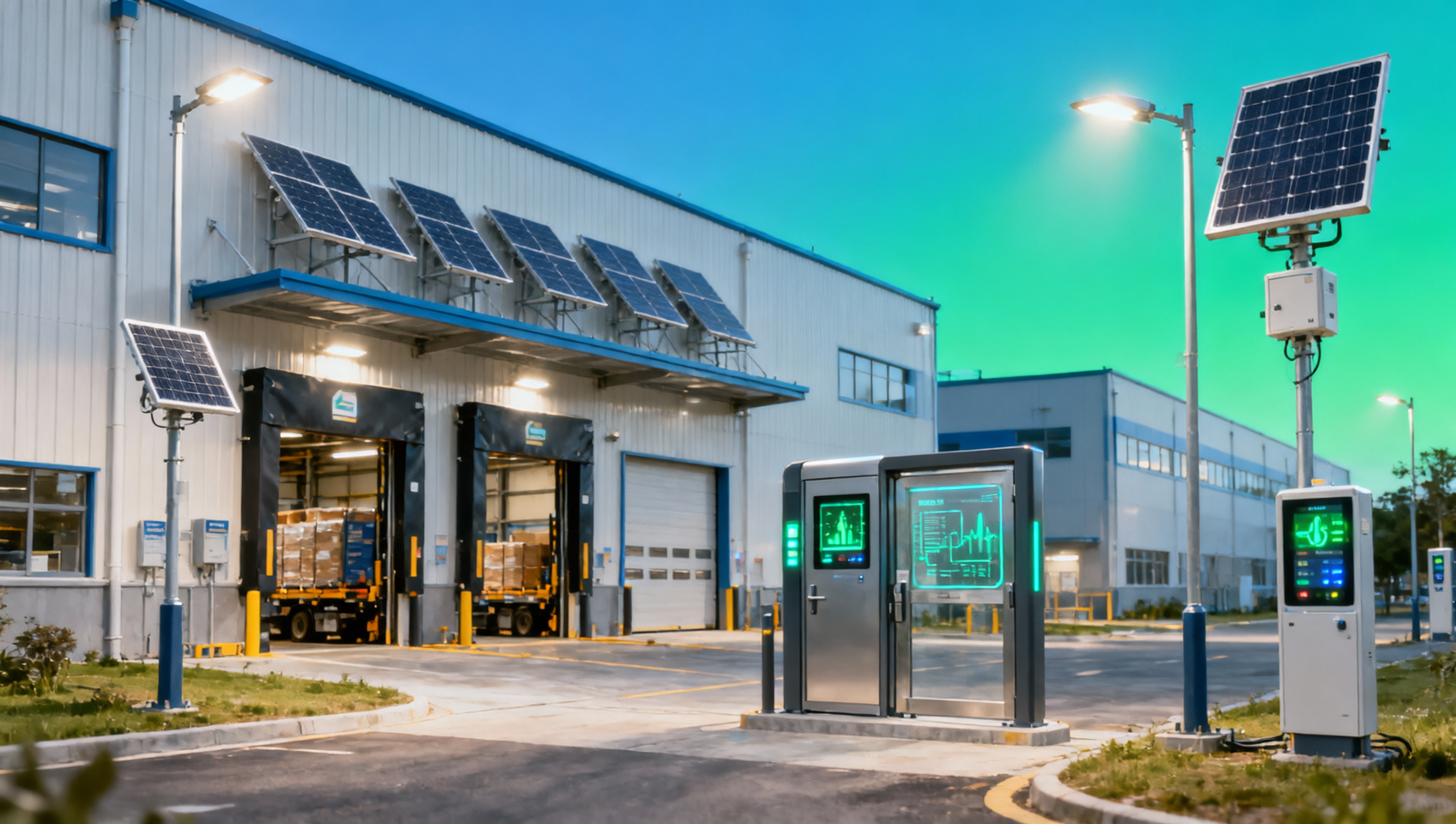
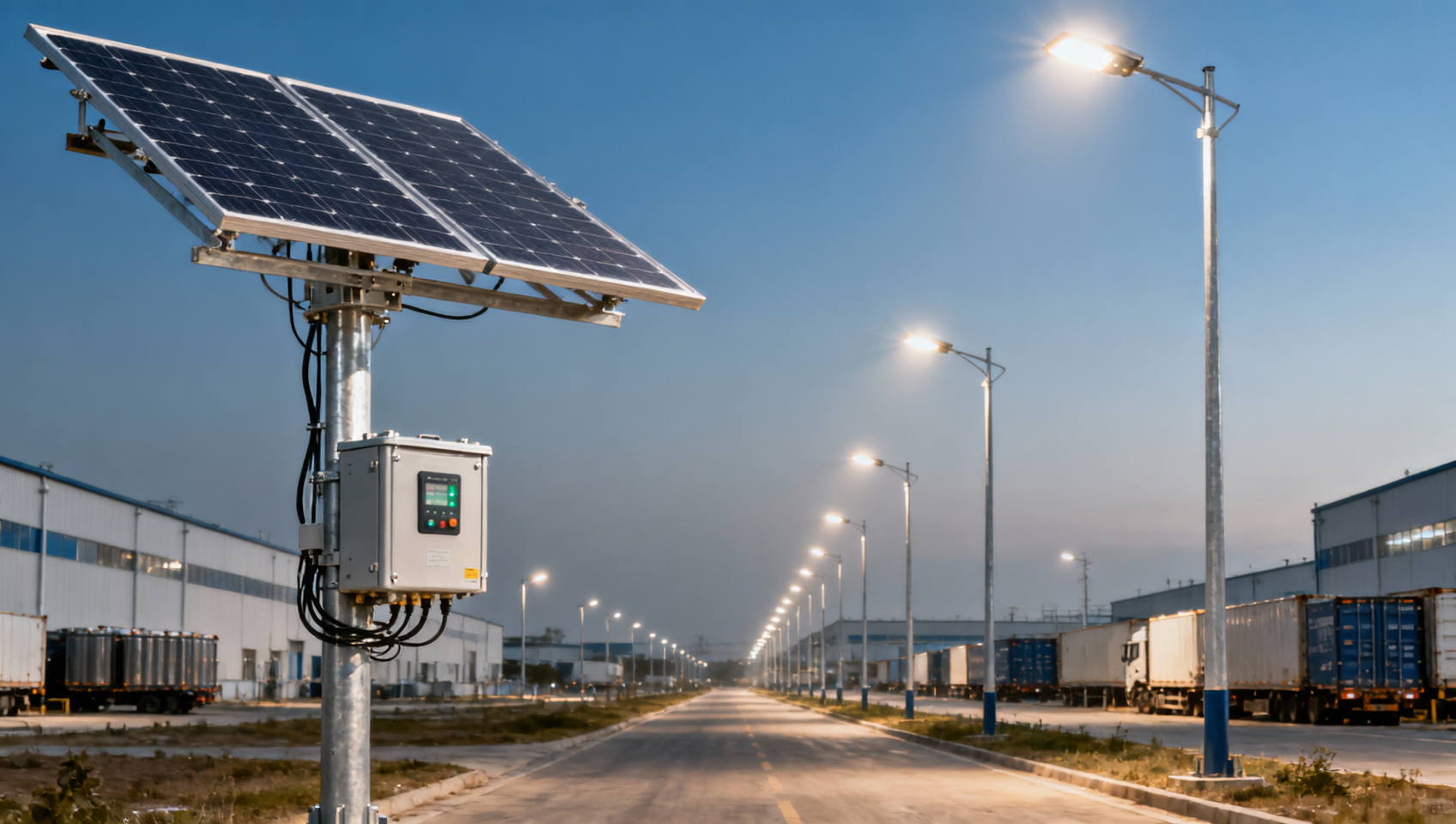
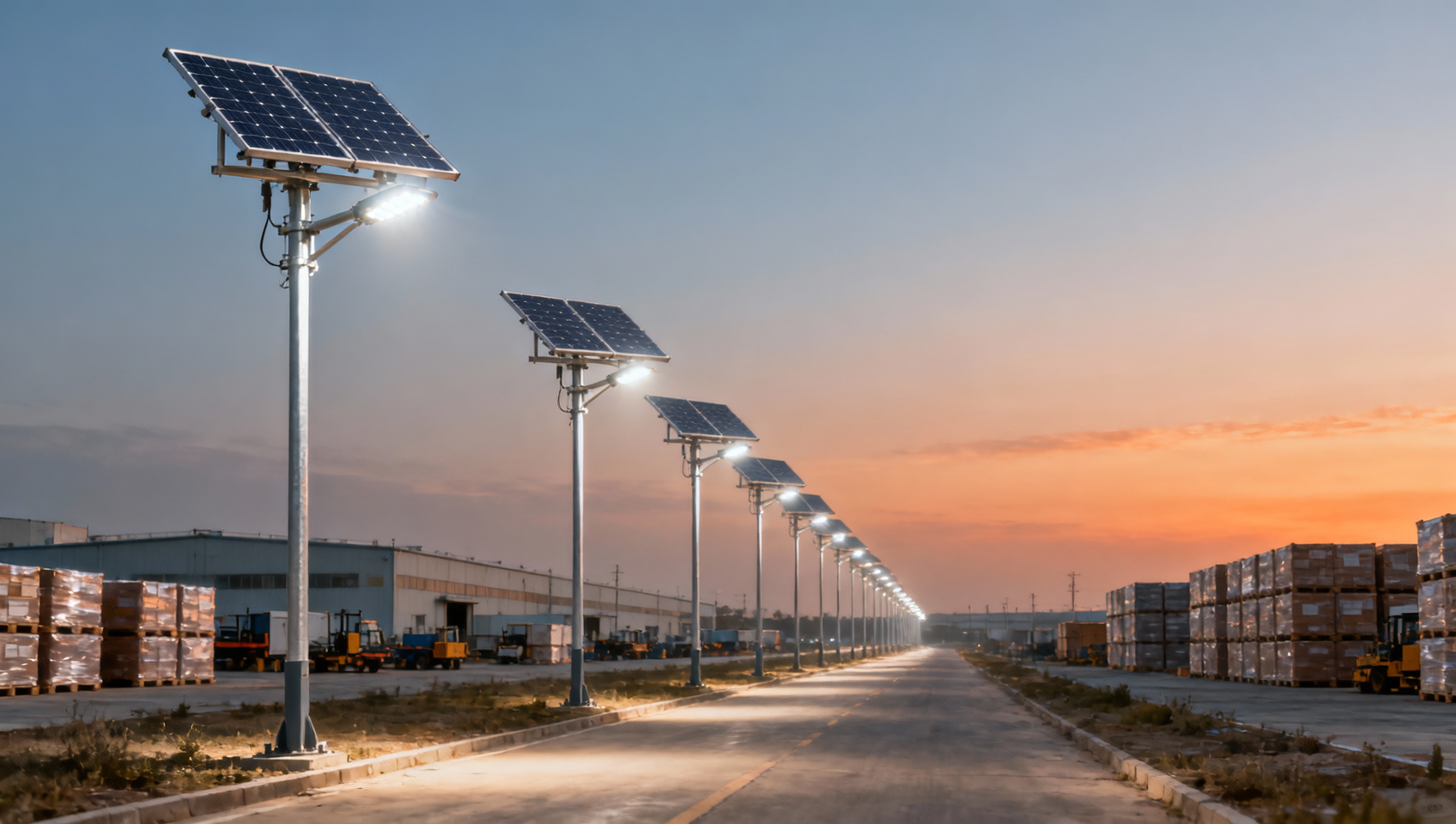
Solar street lights usually create the strongest business case where trenching, cabling, and utility connection costs are high. In remote roads, industrial parks, mining perimeters, logistics yards, rural communities, and temporary infrastructure zones, the upfront premium can be offset much faster than in dense urban streets already served by low-cost grid power.
For procurement teams, the key question is not simply equipment price. The real comparison is total installed cost over a 5–10 year operating window. If a conventional street light requires underground wiring across 50–300 meters per pole spacing segment, civil works can quickly overtake fixture cost. In those conditions, solar street lights often move from “green option” to “financially rational option.”
Payback also accelerates when the lighting schedule is predictable. Sites running 10–12 hours per night with little need for grid backup are easier to model. Buyers can estimate battery autonomy, maintenance intervals, and expected component replacement cycles with more confidence, which improves capital approval discussions with finance and project management teams.
However, solar street lights do not pay off equally in every climate or application. Heavy shading, long winter nights, poor battery thermal conditions, or low-quality integrated fixtures can delay return on investment. Technical assessment should therefore combine lighting performance, local solar resource, and serviceability instead of relying on simple wattage claims.
Three conditions that shorten the payback period
- High grid extension cost: If trenching, conduit, cable, switchgear, and labor materially increase installed cost, solar street lights often recover the premium earlier.
- Moderate to strong solar resource: Sites with stable sunlight through most of the year reduce oversizing pressure on panels and batteries.
- Low-maintenance product architecture: Replaceable batteries, accessible controllers, and corrosion-resistant housings lower the lifecycle burden over 3–7 years.
Why decision-makers often misread the economics
A common mistake is to compare a solar street light only against the luminaire price of a grid-connected LED fixture. That ignores excavation, copper cable volatility, permit complexity, utility coordination, and outage exposure. For enterprise buyers, those hidden variables can change the investment case more than the panel or battery itself.
Another mistake is assuming every site needs the same autonomy target. A highway shoulder, a gated factory lane, and a rural bus stop may need very different backup performance. Specifying 3 nights, 5 nights, or 7 nights of autonomy without reference to risk level can either overinflate cost or undercut reliability.
How should buyers compare solar street lights with grid-powered LED lighting?
A sound comparison should separate capital expenditure from operating expenditure and then layer in risk. Grid-powered LED systems often win on lower fixture cost and easier lumen consistency. Solar street lights often win where energy savings, installation simplicity, and resilience matter more. The correct decision depends on site profile, not ideology.
Technical evaluators should review at least 5 dimensions: lighting level, autonomy, battery chemistry, maintenance access, and environmental exposure. Commercial evaluators should add 4 more: installation labor, utility fees, replacement cycle, and supplier support. This 9-point framework creates a stronger basis for RFQ comparison than a single unit price sheet.
For many mixed-use projects, the answer is not either-or. A hybrid layout can be more efficient. Main roads with stable grid access may use conventional LED poles, while perimeter roads, parking overflow, construction staging areas, and security zones use solar street lights. This reduces civil work while preserving lighting continuity in priority areas.
The table below outlines where each option tends to perform better from a procurement and operations perspective.
This comparison shows why finance teams should not approve lighting projects on product cost alone. In many bids, the true swing factors are not visible until installation planning begins. TNP helps cross-functional teams compare supplier claims, technology trade-offs, and supply chain implications before those costs appear as change orders.
Where the hybrid strategy makes sense
A hybrid deployment is often practical for ports, logistics campuses, industrial estates, hospitals, and municipal expansions. These sites usually have both core zones with reliable grid access and outer zones where adding infrastructure is expensive. Using solar street lights selectively can reduce project complexity without forcing a full-system redesign.
Project managers also benefit from phased investment. Instead of funding a full underground network at once, they can light priority pathways in 2–4 weeks using standalone solar units and expand permanent infrastructure later. That timing advantage matters for fast-track developments and security-sensitive operations.
What technical factors determine long-term return?
The long-term value of solar street lights depends on more than panel wattage. Buyers should focus on system matching: solar module size, battery capacity, LED efficacy, controller logic, mounting geometry, and local weather profile must work together. An oversized lamp with undersized storage may perform well in summer and fail in winter, which destroys the expected payback case.
Battery chemistry is one of the most important decision points. Lithium-based systems are widely used because they can support better cycle life and lower maintenance than older chemistries, but thermal management still matters. In hot climates, battery enclosure design and ventilation affect usable life. In colder regions, discharge behavior and reserve sizing become more important.
Lighting control strategy also changes economics. Dimming after peak traffic hours, motion-triggered brightness increase, and programmable operation windows can extend autonomy and reduce battery stress. In many applications, running at 100% output all night is unnecessary. A smart profile can cut energy demand substantially while preserving safety and visibility.
From a quality and safety standpoint, teams should inspect ingress protection, corrosion resistance, surge protection, pole compatibility, and maintenance access. A unit that is difficult to service can create hidden labor costs over 3–5 years, especially when deployed across dozens or hundreds of poles.
Technical checkpoints before approval
- Autonomy target: Define whether the site needs 2–3 nights of backup for normal use or more conservative reserve for critical paths.
- Operating profile: Confirm whether the lamp runs 8–10 hours, 10–12 hours, or adaptive dimming based on traffic and security demand.
- Maintenance architecture: Prefer designs with replaceable battery and controller components over sealed systems if long serviceability is a priority.
- Environmental fit: Check exposure to salt spray, dust, wind load, and ambient temperature range before final specification.
A practical parameter guide for evaluation teams
Because many requests for quotation use inconsistent terminology, a structured parameter table can prevent specification drift. It helps technical reviewers, quality personnel, and finance approvers see which features affect service life and replacement cost most directly.
The table highlights a recurring issue in commercial tenders: products that look similar on paper can behave very differently in lifecycle cost. TNP supports buyers by translating technical attributes into procurement risk language, which helps internal stakeholders align faster on approval criteria.
Which applications justify solar street lights most clearly?
Application fit is often the decisive factor. Solar street lights usually make stronger financial sense in remote or semi-remote environments, new developments, and projects where uptime matters but utility expansion is slow or costly. They can also support sustainability targets when enterprises want visible clean-energy infrastructure without major civil disruption.
In logistics and industrial settings, perimeter roads, employee parking, security checkpoints, storage yards, and internal transport lanes are common use cases. These areas often require dependable illumination but may not justify heavy underground works. Standalone units can reduce installation steps and support faster handover.
Municipal and public-use scenarios also matter. Rural roads, village connectors, park pathways, bike lanes, and temporary event access roads frequently benefit from solar street lights because electrical infrastructure is limited or uneven. In such cases, the value is a combination of safety, deployment speed, and operating cost control.
Still, not every application is equally suitable. High-density urban intersections, areas with tall-building shadowing, or critical roads with strict illumination classes may require detailed photometric review or a hybrid power approach. The point is not to force solar everywhere, but to place it where it creates measurable project advantage.
Application scenarios by business value
The matrix below helps procurement and project teams identify where solar street lights often provide the clearest return profile and where more caution is needed.
This kind of application-based screening helps teams avoid overgeneralization. TNP’s industry intelligence approach is useful here because purchase decisions rarely depend on product features alone. They depend on infrastructure context, project deadlines, maintenance capabilities, and supplier reliability across regions.
Questions project owners should ask on-site
- How far is the nearest practical grid connection point, and what civil work does it require?
- What is the actual nightly operating window across different seasons?
- How much shading occurs at pole height during key charging hours?
- Can the maintenance team support battery and controller replacement every few years if needed?
What should procurement, finance, and quality teams verify before buying?
A successful solar street light purchase depends on cross-functional alignment. Procurement wants cost clarity, engineering wants performance certainty, finance wants payback visibility, and quality teams want long-term reliability. If these groups review different assumptions, the project may face delayed approval or post-installation disputes.
Start with a lifecycle review instead of a catalog review. Ask suppliers to separate product cost, pole and foundation scope, expected battery replacement timing, warranty terms, and spare part availability. A vendor that cannot explain service structure over a 3–5 year period may not be suitable for multi-site or public-facing deployment.
Compliance review also matters. Requirements vary by market, but buyers commonly check for general outdoor electrical safety, environmental suitability, and component labeling consistency. If the project crosses borders, import documentation, packaging durability, and regional testing expectations can affect lead time by 2–6 weeks.
Commercially, payment structure should reflect project risk. Large deployments may be safer with staged milestones tied to sampling, pilot installation, and final acceptance. This is particularly important when the order includes mixed pole heights, different lumen packages, or customized control modes.
A practical pre-purchase checklist
- Confirm 5 core technical items: operating hours, autonomy, mounting height, illumination target, and local climate conditions.
- Review 4 commercial items: lead time, spare support, warranty scope, and replacement part availability.
- Check 3 quality items: enclosure durability, corrosion exposure suitability, and service access for field maintenance.
- Plan 2 validation steps: pilot deployment and site performance review before full rollout.
Why supply chain intelligence matters
Solar street lights involve multiple component streams, including LED modules, batteries, solar panels, controllers, poles, and packaging. Delivery reliability can vary depending on battery sourcing, seasonal logistics pressure, and regional compliance requirements. That is why many enterprise buyers now look beyond product brochures and into supplier network stability.
TradeNexus Pro supports this evaluation layer by connecting market intelligence with procurement judgment. Instead of treating solar street lights as a simple hardware purchase, TNP helps decision-makers review technology trends, sourcing signals, implementation risk, and strategic fit across green energy and supply chain contexts.
FAQ: common misconceptions about solar street lights and payback
Are solar street lights always cheaper in the long run?
No. They are often cheaper over time when grid connection is expensive, energy prices are material, or deployment speed has operational value. In places with easy utility access and low electricity cost, the financial advantage may narrow. The correct method is lifecycle comparison over at least 5 years, not a generic assumption.
How long does it usually take to install solar street lights?
For smaller or modular projects, installation can often be completed in 7–15 days after site readiness, depending on foundation work, pole quantity, and local permitting. Larger projects may require 2–4 weeks or more, especially when acceptance testing, traffic coordination, or mixed configurations are involved.
What is the biggest risk in procurement?
The biggest risk is under-specifying the system for the actual operating environment. This often happens when buyers compare only wattage and price. In practice, battery reserve, control logic, shading, and maintenance design have a stronger effect on reliability and payback than a headline power figure.
Do all projects need high battery autonomy?
Not necessarily. A low-risk pathway may only need moderate reserve, while security roads or remote industrial zones may justify more conservative autonomy. Overspecifying autonomy can raise capital cost significantly, so it should be linked to operational criticality rather than habit.
Why work with TNP when evaluating solar street lights?
For enterprise buyers, the challenge is rarely finding one more product page. The challenge is making a defensible decision across technology, sourcing, cost, and implementation risk. TNP is built for that decision environment. Its focus on green energy, advanced manufacturing, and supply chain intelligence helps teams assess solar street lights with more than surface-level product marketing.
If your team is comparing solar street lights for industrial, municipal, logistics, or infrastructure use, TNP can support deeper evaluation across supplier positioning, configuration logic, deployment timing, and lifecycle planning. This is especially useful when internal stakeholders need one shared fact base before moving to RFQ or pilot stage.
You can reach out to discuss specific decision points such as parameter confirmation, product selection, expected lead time, battery replacement assumptions, application fit, regional compliance expectations, sample support, and quotation communication. These are the details that determine whether solar street lights truly pay off in your project, not just in theory but in execution.
For organizations balancing budget control with long-term energy strategy, a structured evaluation now can prevent expensive specification errors later. If you are planning a new site, retrofitting an existing area, or comparing hybrid lighting strategies, TNP can help you turn scattered market information into a clearer procurement decision path.
Get weekly intelligence in your inbox.
No noise. No sponsored content. Pure intelligence.
 Apr 21, 2026China Builds National Mine Safety Risk Monitoring 'Single Network'China Builds National Mine Safety Risk Monitoring 'Single Network'
 Apr 21, 2026MIIT Releases First List of AI+Manufacturing IncubatorsMIIT Releases First List of AI+Manufacturing Incubators
 Apr 21, 20262026 Shanghai Fastener Show: 1,423 Exhibitors, Robot-Specialized Fasteners in Focus2026 Shanghai Fastener Show: 1,423 Exhibitors, Robot-Specialized Fasteners in Focus
 Apr 21, 2026Vietnam Launches Anti-Circumvention Probe on Chinese-Assembled Electronic ComponentsVietnam Launches Anti-Circumvention Probe on Chinese-Assembled Electronic Components
 Apr 21, 2026China Academy Releases 2026 Digital Passport White PaperChina Academy Releases 2026 Digital Passport White Paper
 Apr 21, 2026Suez Canal AI Speed & Stowage Control Starts Apr 19, 2026Suez Canal AI Speed & Stowage Control Starts Apr 19, 2026
 Apr 21, 2026US BIS Adds EV Onboard Chargers with AES-256+ Encryption to Export ControlsUS BIS Adds EV Onboard Chargers with AES-256+ Encryption to Export Controls
 Apr 21, 2026TÜV Rheinland Updates BESS Certification: Thermal Cascade Protection Now MandatoryTÜV Rheinland Updates BESS Certification: Thermal Cascade Protection Now Mandatory
 Apr 21, 2026Shanghai Port Launches Green Clearance Channel for New Energy EquipmentShanghai Port Launches Green Clearance Channel for New Energy Equipment
 Apr 21, 2026IEC 63275:2026 Released: Global EMC Immunity Testing Standard for Warehouse RobotsIEC 63275:2026 Released: Global EMC Immunity Testing Standard for Warehouse Robots
 Apr 20, 2026How to Prioritize Energy Efficiency Projects in 2026How to Prioritize Energy Efficiency Projects in 2026
 Apr 20, 2026Energy Efficiency Upgrades That Cut Operating CostsEnergy Efficiency Upgrades That Cut Operating Costs
 Apr 20, 2026How to Avoid Common Solar Street Light FailuresHow to Avoid Common Solar Street Light Failures
 Apr 20, 2026Solar Street Lights: When Do They Really Pay Off?Solar Street Lights: When Do They Really Pay Off?
 Apr 20, 2026What Makes an Ultrasound Machine Worth the Cost?What Makes an Ultrasound Machine Worth the Cost?
 Apr 20, 2026Ultrasound Machines: New vs Refurbished in 2026Ultrasound Machines: New vs Refurbished in 2026
 Apr 20, 2026How to Evaluate Clean Energy ROI in 2026How to Evaluate Clean Energy ROI in 2026
 Apr 20, 2026Clean Energy Projects: Where Savings Really Come FromClean Energy Projects: Where Savings Really Come From
 Apr 20, 2026Air Quality Monitors: What to Check Before BuyingAir Quality Monitors: What to Check Before Buying
 Apr 20, 2026How Accurate Are Air Quality Monitors Indoors?How Accurate Are Air Quality Monitors Indoors?
 Apr 20, 2026Smart Door Lock Costs Beyond the HardwareSmart Door Lock Costs Beyond the Hardware
 Apr 20, 2026Smart Door Locks: Which Type Fits Your Property?Smart Door Locks: Which Type Fits Your Property?
 Apr 20, 2026How AR Glasses Improve Remote MaintenanceHow AR Glasses Improve Remote Maintenance
 Apr 20, 2026AR Glasses for Field Work: Worth It or Not?AR Glasses for Field Work: Worth It or Not?
 Apr 20, 2026Which AED Defibrillators Are Easiest to Use?Which AED Defibrillators Are Easiest to Use?
 Apr 20, 2026AED Defibrillators: What Buyers Often MissAED Defibrillators: What Buyers Often Miss
 Apr 20, 2026How to Compare 3PL Logistics Providers for GrowthHow to Compare 3PL Logistics Providers for Growth