Which AED Defibrillators Are Easiest to Use?
Choosing among AED defibrillators can be challenging when speed, clarity, and user confidence matter most. This guide examines which models are easiest to use for workplaces, public facilities, and safety teams, helping buyers and operators evaluate practical features, training needs, compliance factors, and long-term value before making a reliable procurement decision.
What makes an AED defibrillator easy to use in real emergencies?
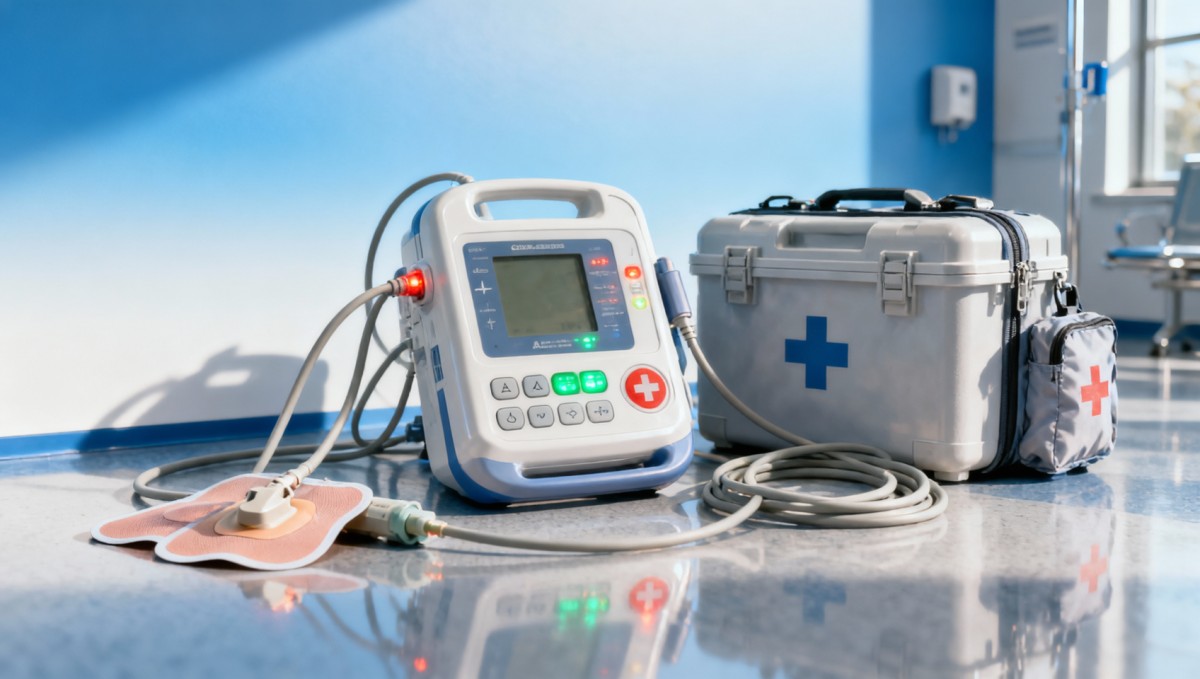
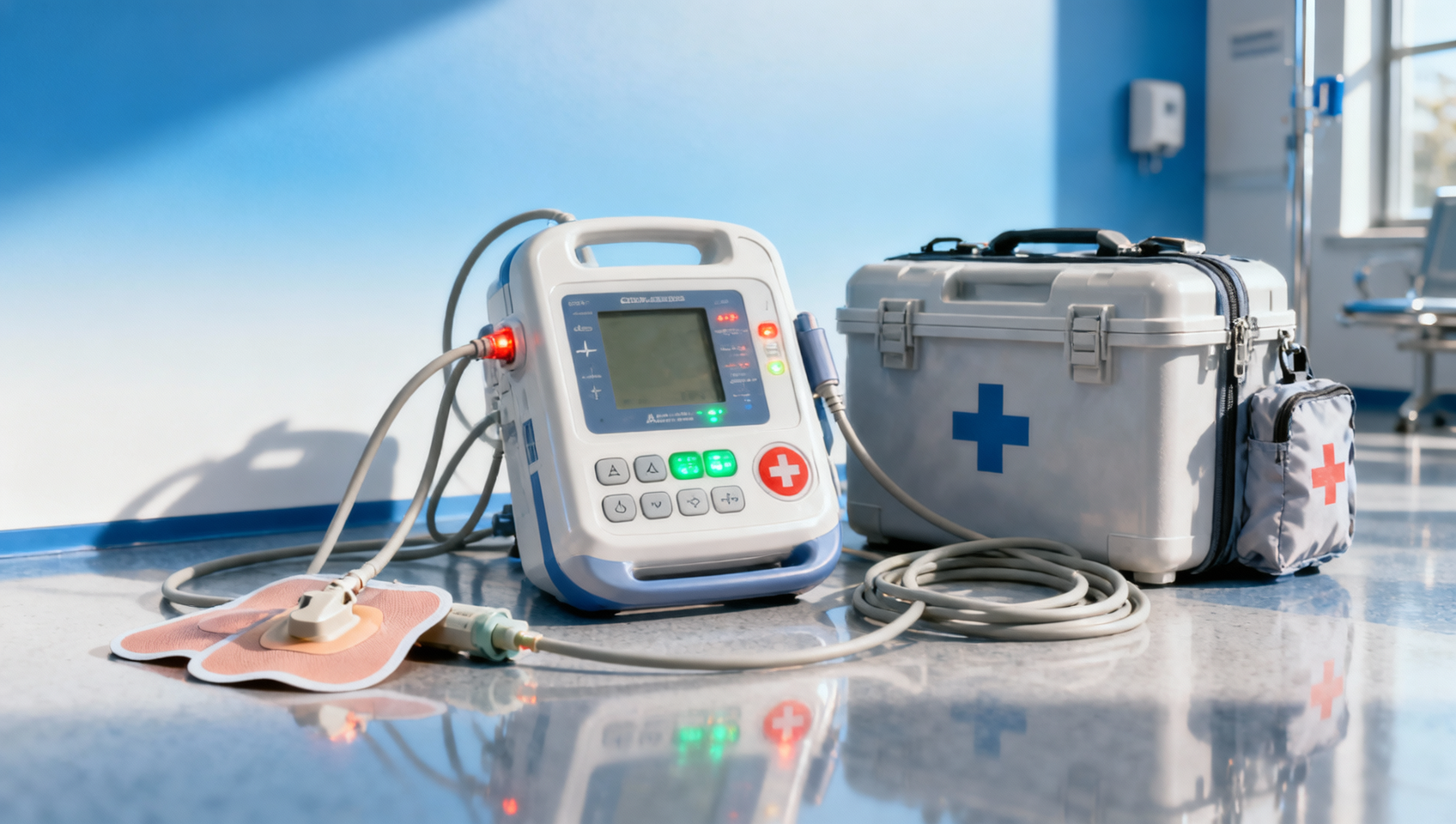
When buyers ask which AED defibrillators are easiest to use, they usually mean more than a simple button layout. In a real cardiac emergency, the device must guide a stressed first responder through a 3-step to 5-step process with minimal hesitation. Ease of use depends on how clearly the unit gives voice prompts, how fast it analyzes rhythm, how simply pads can be applied, and how well the device supports users with limited medical training.
For workplaces, transport hubs, schools, factories, and mixed-use commercial sites, an easy-to-use AED should reduce cognitive load in the first 1–3 minutes of response. That usually means large illuminated icons, pre-connected electrode pads, automatic self-testing on a daily, weekly, or monthly schedule, and a clear rescue flow that avoids unnecessary menu navigation. A complicated interface may still be clinically sound, but it is often less suitable for public-access deployment.
Ease of use also varies by operator profile. A safety manager may prioritize status readiness checks and maintenance records. A technical evaluator may focus on IP rating, battery replacement intervals, and data export options. A finance approver may want a lower total cost over 4–8 years. The easiest AED for a trained hospital responder is not always the easiest AED for a receptionist, warehouse supervisor, or security officer.
For B2B procurement teams, the best approach is to define usability as a combination of operator confidence, deployment fit, and ownership simplicity. That creates a more realistic shortlist than relying only on brand familiarity or purchase price.
The 5 core usability indicators buyers should check
- Prompt clarity: Voice instructions should be loud, paced, and easy to follow in noisy areas such as production floors or transport terminals.
- Pad readiness: Pre-connected pads can remove one setup step and save critical seconds during first deployment.
- Shock workflow: Semi-automatic units require a shock button press, while fully automatic units remove that action and may be easier for hesitant users.
- Maintenance visibility: A visible readiness indicator helps non-technical staff verify status during weekly or monthly inspections.
- Training burden: Devices with intuitive graphics and metronome-guided CPR often shorten familiarization time from several hours to a brief refresher session.
These indicators are especially relevant in multi-site organizations where dozens of users may interact with an AED program, but only a few will receive advanced first-aid training each quarter.
Which AED types are easier for different operating environments?
Not every site needs the same AED configuration. Ease of use depends heavily on the environment, expected responder profile, and emergency planning model. A low-traffic office with 20–50 staff often needs a different solution than a factory operating across 2 shifts, or a public venue handling hundreds of visitors per day.
The first major distinction is public-access AEDs versus more feature-rich professional units. Public-access AEDs are generally easier to use because they are designed for lay responders and prioritize guided operation. Professional or advanced units may add ECG review, manual override, or richer event data, which can support clinical teams but increase interface complexity.
The second distinction is semi-automatic versus fully automatic shock delivery. In many non-medical settings, fully automatic AEDs are easier for occasional users because they remove hesitation around pressing the shock button. However, some organizations still prefer semi-automatic devices because they provide one extra control point and fit internal safety protocols.
Environmental durability also matters. In warehouses, construction-adjacent sites, and outdoor installations, ease of use includes visibility in bright light, resistance to dust or moisture, and carry-case practicality. An AED that is simple indoors may become much less usable if screen visibility drops or consumables are harder to replace in harsher conditions.
Scenario-based comparison for procurement planning
The table below helps compare which AED format is usually easiest to use under common B2B deployment scenarios. It is intended as a practical selection tool rather than a brand ranking.
The easiest AED defibrillator is therefore context-dependent. For most mixed-skill workplaces, the usability sweet spot is often a public-access unit with strong voice guidance, limited buttons, visible status checks, and straightforward consumable replacement.
A practical rule for mixed-skill teams
If more than 70% of likely responders are non-medical staff, prioritize interface simplicity over advanced features. If the site has a trained occupational health team and formal response drills every 6–12 months, a slightly more advanced unit may still remain easy enough in practice.
How should buyers compare usability features, maintenance, and total cost?
Procurement teams should avoid judging AED ease of use only at the point of demonstration. A unit may look simple in a controlled sales presentation but become burdensome over a 5-year ownership cycle if pads expire too quickly, battery replacement is costly, or inspection routines are unclear. The right comparison should include front-end usability and back-end program management.
At minimum, evaluate 4 categories: operator interface, deployment readiness, maintenance burden, and program support. For enterprise buyers managing 10, 25, or 100 devices across sites, maintenance burden often becomes the deciding factor. An AED with easy monthly checks and visible status indicators can reduce missed inspections and lower the risk of an unavailable unit during an emergency.
Consumables matter more than many first-time buyers expect. Electrode pads commonly have a defined shelf life, and batteries may require replacement within a multi-year interval depending on model, self-test frequency, and standby conditions. These details directly affect budget planning, especially for facilities teams and finance approvers reviewing total cost rather than one-time purchase price.
Data handling is another useful differentiator. Some organizations need event logs for internal incident review, insurance records, or compliance documentation. Others simply want the easiest rescue device possible. Matching the AED to the documentation burden can prevent over-specification and simplify adoption.
Usability and ownership comparison checklist
Use this comparison framework when shortlisting AED defibrillators for tenders, internal evaluations, or multi-site safety upgrades.
A disciplined comparison often reveals that the easiest AED to operate is also the easiest to maintain, but not always the cheapest to buy upfront. That distinction is important for financially accountable procurement teams.
A 4-step internal review process
- Define responder profile: untrained public users, trained staff, or mixed teams.
- Map use environment: quiet indoor, noisy industrial, mobile fleet, or outdoor cabinet placement.
- Estimate 5-year ownership cost: device, pads, batteries, cabinets, signage, and refresher training.
- Run a practical simulation: compare how 3–5 staff members perform under time pressure using each shortlisted model.
This process gives technical, operational, and financial stakeholders a shared decision basis, which is often the fastest route to procurement approval.
What standards, training, and compliance points should not be overlooked?
Ease of use should never be separated from compliance and readiness planning. AED defibrillators used in workplaces and public spaces must be sourced, installed, and maintained in line with applicable local regulations, device labeling rules, and workplace safety policies. Requirements vary by market, but buyers should verify whether local first-aid, building, or occupational safety rules define placement, signage, inspection frequency, or responder training expectations.
International buyers often review recognized device standards and market access marks relevant to their destination region. While exact legal requirements differ, it is reasonable to confirm product documentation, labeling language, operating instructions, environmental limits, and service support before purchase. This is especially important in multinational deployment where one specification may need to satisfy several countries or facility types.
Training remains essential even for the easiest AED defibrillator. Many organizations schedule basic familiarization every 6–12 months and a more complete drill every 12–24 months. A short orientation can teach pad placement, CPR cadence support, emergency call flow, and handoff responsibilities. Without that process, even intuitive devices may be underused or mishandled.
For safety managers, quality teams, and project leads, the most practical goal is not only to buy an AED, but to establish a usable response system. That system should include device location mapping, shift coverage, post-use replenishment, and documented ownership of inspections and consumable replacement.
Common compliance and implementation checkpoints
- Verify destination-market documentation and language suitability for operators who may need immediate visual and audio guidance.
- Set an inspection interval, often weekly or monthly, based on site risk level and internal EHS procedures.
- Track battery and pad replacement dates in a centralized log, especially across multiple sites.
- Install signage and cabinet placement so the device can typically be retrieved within a short response window.
- Define post-event steps, including medical handoff, data retrieval where applicable, and consumable replenishment.
A frequent procurement mistake
One common mistake is selecting an AED only by certification headlines or catalog features, without checking whether the local service model can support pad replacement, battery supply, training refreshers, and installation guidance. In B2B settings, weak after-sales structure can turn an easy-to-use device into a difficult program to manage.
FAQ: How do organizations choose the easiest AED defibrillator with confidence?
The questions below reflect common concerns from procurement managers, technical reviewers, safety officers, and business decision-makers evaluating AED defibrillators for practical deployment.
Is a fully automatic AED always easier to use than a semi-automatic model?
Not always, but often yes for public-access environments. Fully automatic AEDs remove the need to press the shock button, which can reduce hesitation for untrained or infrequent users. However, semi-automatic AEDs may still feel easier for trained workplace responders who want a clearer sense of control. The better choice depends on whether your likely responders are mostly lay users or regularly drilled staff.
What is the most important feature for user confidence?
Clear voice guidance is usually the top feature. In the first 1–2 minutes of an emergency, users benefit from calm, direct prompts, supported by visible graphics and CPR guidance. Pre-connected pads and a visible ready-status indicator are close seconds because they simplify setup and reassure staff that the device is operational before an incident occurs.
How many AEDs does a typical facility need?
There is no universal number, because coverage depends on building size, layout complexity, floor levels, occupancy, and expected retrieval time. Many organizations plan placements so an AED can be accessed within a short response interval, then validate that plan through a site walk and drill. Large campuses, factories, and logistics sites often need multiple units rather than one central device.
What should finance teams ask before approving an AED purchase?
They should ask for a 3-year to 8-year ownership view, not only the initial device price. That includes pads, batteries, cabinets, signage, training refreshers, and service availability. A lower-cost AED may become less economical if consumable replacement is frequent or if support logistics are weak across multiple sites.
Why work with TradeNexus Pro when evaluating AED procurement options?
AED sourcing is no longer a simple catalog exercise. Enterprise buyers increasingly need structured insight across product usability, supply continuity, documentation readiness, deployment scenarios, and lifecycle cost. TradeNexus Pro supports that process by connecting decision-makers with deep sector intelligence, practical market interpretation, and a more rigorous B2B evaluation lens than broad marketplace listings usually provide.
For procurement directors, project managers, and technical assessment teams, TNP helps narrow the field faster by focusing on application fit rather than generic product claims. That is especially valuable when organizations must balance 5 priorities at once: operator simplicity, safety readiness, budget control, delivery timing, and compliance alignment across different sites or regions.
If you are comparing AED defibrillators for offices, industrial facilities, public-access installations, healthcare-adjacent spaces, or multi-site enterprise programs, TNP can support a more informed shortlist. Discussion topics can include parameter confirmation, model selection logic, expected delivery windows, consumables planning, training considerations, documentation expectations, and supplier communication strategy.
Contact TradeNexus Pro to discuss your AED procurement scope, whether you need help screening easy-to-use models, mapping installation scenarios, comparing 3–5 shortlisted options, clarifying certification questions, or preparing a practical quotation review for internal approval. The goal is not simply to buy an AED, but to choose a solution your people can actually use with confidence when every second counts.
Get weekly intelligence in your inbox.
No noise. No sponsored content. Pure intelligence.
 Apr 21, 2026China Builds National Mine Safety Risk Monitoring 'Single Network'China Builds National Mine Safety Risk Monitoring 'Single Network'
 Apr 21, 2026MIIT Releases First List of AI+Manufacturing IncubatorsMIIT Releases First List of AI+Manufacturing Incubators
 Apr 21, 20262026 Shanghai Fastener Show: 1,423 Exhibitors, Robot-Specialized Fasteners in Focus2026 Shanghai Fastener Show: 1,423 Exhibitors, Robot-Specialized Fasteners in Focus
 Apr 21, 2026Vietnam Launches Anti-Circumvention Probe on Chinese-Assembled Electronic ComponentsVietnam Launches Anti-Circumvention Probe on Chinese-Assembled Electronic Components
 Apr 21, 2026China Academy Releases 2026 Digital Passport White PaperChina Academy Releases 2026 Digital Passport White Paper
 Apr 21, 2026Suez Canal AI Speed & Stowage Control Starts Apr 19, 2026Suez Canal AI Speed & Stowage Control Starts Apr 19, 2026
 Apr 21, 2026US BIS Adds EV Onboard Chargers with AES-256+ Encryption to Export ControlsUS BIS Adds EV Onboard Chargers with AES-256+ Encryption to Export Controls
 Apr 21, 2026TÜV Rheinland Updates BESS Certification: Thermal Cascade Protection Now MandatoryTÜV Rheinland Updates BESS Certification: Thermal Cascade Protection Now Mandatory
 Apr 21, 2026Shanghai Port Launches Green Clearance Channel for New Energy EquipmentShanghai Port Launches Green Clearance Channel for New Energy Equipment
 Apr 21, 2026IEC 63275:2026 Released: Global EMC Immunity Testing Standard for Warehouse RobotsIEC 63275:2026 Released: Global EMC Immunity Testing Standard for Warehouse Robots
 Apr 20, 2026How to Prioritize Energy Efficiency Projects in 2026How to Prioritize Energy Efficiency Projects in 2026
 Apr 20, 2026Energy Efficiency Upgrades That Cut Operating CostsEnergy Efficiency Upgrades That Cut Operating Costs
 Apr 20, 2026How to Avoid Common Solar Street Light FailuresHow to Avoid Common Solar Street Light Failures
 Apr 20, 2026Solar Street Lights: When Do They Really Pay Off?Solar Street Lights: When Do They Really Pay Off?
 Apr 20, 2026What Makes an Ultrasound Machine Worth the Cost?What Makes an Ultrasound Machine Worth the Cost?
 Apr 20, 2026Ultrasound Machines: New vs Refurbished in 2026Ultrasound Machines: New vs Refurbished in 2026
 Apr 20, 2026How to Evaluate Clean Energy ROI in 2026How to Evaluate Clean Energy ROI in 2026
 Apr 20, 2026Clean Energy Projects: Where Savings Really Come FromClean Energy Projects: Where Savings Really Come From
 Apr 20, 2026Air Quality Monitors: What to Check Before BuyingAir Quality Monitors: What to Check Before Buying
 Apr 20, 2026How Accurate Are Air Quality Monitors Indoors?How Accurate Are Air Quality Monitors Indoors?
 Apr 20, 2026Smart Door Lock Costs Beyond the HardwareSmart Door Lock Costs Beyond the Hardware
 Apr 20, 2026Smart Door Locks: Which Type Fits Your Property?Smart Door Locks: Which Type Fits Your Property?
 Apr 20, 2026How AR Glasses Improve Remote MaintenanceHow AR Glasses Improve Remote Maintenance
 Apr 20, 2026AR Glasses for Field Work: Worth It or Not?AR Glasses for Field Work: Worth It or Not?
 Apr 20, 2026Which AED Defibrillators Are Easiest to Use?Which AED Defibrillators Are Easiest to Use?
 Apr 20, 2026AED Defibrillators: What Buyers Often MissAED Defibrillators: What Buyers Often Miss
 Apr 20, 2026How to Compare 3PL Logistics Providers for GrowthHow to Compare 3PL Logistics Providers for Growth