
Zero Emissions, Maximum Torque: Benchmarking LFP Battery Performance in Electric Mini Excavators for Urban Construction
The Regulatory Squeeze on Urban Construction Sites
The landscape of urban construction and municipal engineering is undergoing a forced, yet vital, evolution. Major metropolitan hubs across Europe, North America, and parts of Asia are aggressively implementing Zero-Emission Zones (ZEZs) and enacting stringent noise ordinances. The traditional diesel-powered compact excavator, once the ubiquitous workhorse of city-center digging, trenching, and demolition, is rapidly becoming a compliance liability.
Contractors bidding on lucrative municipal contracts or indoor demolition projects are now required to utilize zero-emission machinery. However, the transition from internal combustion engines (ICE) to electric powertrains in off-road machinery presents monumental engineering challenges. Unlike passenger vehicles, construction equipment demands instantaneous peak torque, sustained breakout force, and the ability to operate continuously in environments saturated with dust, moisture, and extreme mechanical vibration.

The Unique Demands of Off-Road Electrification
Electrifying a mini excavator is not as simple as swapping a diesel tank for a battery pack. The hydraulic systems that drive the boom, arm, and bucket require continuous, high-pressure energy delivery. If an electric excavator experiences voltage drop under heavy load, the hydraulic pressure falters, rendering the machine incapable of breaking hard ground.
Furthermore, the duty cycle of a mini excavator is notoriously brutal. A machine might sit idle for twenty minutes, followed by two hours of continuous, high-load trenching. This erratic power draw creates significant thermal stress on both the electric motor and the battery management system (BMS). Therefore, the core differentiator among modern electric compact equipment lies entirely in the robustness of its energy storage system.
LFP Battery Packs: The Backbone of Heavy-Duty Electrification
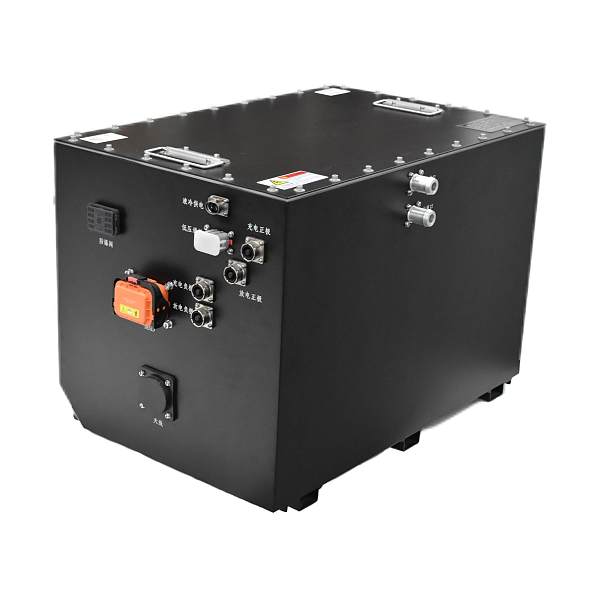
For heavy machinery, Lithium Iron Phosphate (LFP) has emerged as the undisputed champion of battery chemistry. Unlike NMC batteries, LFP packs do not require cobalt, making them more environmentally sustainable and cost-effective. More importantly, LFP provides unmatched thermal stability. When an excavator is operating in 40°C ambient heat, under maximum hydraulic load, the risk of thermal runaway must be absolute zero.
Additionally, the structural integrity of the battery pack must withstand relentless shock and vibration. Procurement managers evaluating
The Precision Manufacturing Advantage
The integration of new energy systems into heavy machinery requires a confluence of electrical engineering and deep-rooted mechanical expertise. It is here that certain manufacturers establish a formidable competitive moat. Companies that have evolved from a heritage of manufacturing premium hydraulic systems possess a distinct advantage in optimizing the electro-hydraulic interface.
When evaluating electric mini excavators, fleet managers are increasingly turning to technology-intensive enterprises backed by major publicly listed entities. For instance, a subsidiary backed by an industry titan like Yantai EDDIE Precision Machinery—a global leader with over two decades of R&D in premium hydraulics—brings an unparalleled level of mechanical synergy to their electric excavators. This ensures that the LFP battery pack and the electric motor are perfectly calibrated to drive the hydraulic pumps without energy waste, resulting in longer operational shifts and maximum breakout force.
The Verdict for Fleet Managers
The ROI for electric mini excavators is no longer a futuristic projection; it is a present-day reality. Eliminating diesel fuel costs, drastically reducing maintenance downtime (no oil changes, no fuel filter replacements), and gaining access to restricted zero-emission bidding zones provide an immediate financial upside. By prioritizing machines powered by advanced LFP systems and backed by established precision manufacturing leaders, contractors can future-proof their fleets and dominate the urban construction sector.
Get weekly intelligence in your inbox.
No noise. No sponsored content. Pure intelligence.
 Oct 08, 2026How Digital Health Improves Diagnostic Accuracy and Workflow in Clinical LabsHow Digital Health Improves Diagnostic Accuracy and Workflow in Clinical Labs
 Oct 07, 2026Selecting Voice Picking Systems for German Warehouses: Integration, Languages and ROISelecting Voice Picking Systems for German Warehouses: Integration, Languages and ROI
 Oct 06, 2026How to Choose Last Mile Dispatch Software for On-Time Delivery at ScaleHow to Choose Last Mile Dispatch Software for On-Time Delivery at Scale
 Oct 05, 2026Vietnam’s Consumer Electronics Market: Demand Shifts and Sourcing OpportunitiesVietnam’s Consumer Electronics Market: Demand Shifts and Sourcing Opportunities
 Oct 04, 2026Digital Health Investment Priorities for Providers: Improving Access, Outcomes, and EfficiencyDigital Health Investment Priorities for Providers: Improving Access, Outcomes, and Efficiency
 Oct 03, 2026How to Specify an FR4 Custom PCB Board for High-Voltage and High-Heat DesignsHow to Specify an FR4 Custom PCB Board for High-Voltage and High-Heat Designs
 Oct 02, 2026ERP Software Market Intelligence: Adoption, Pricing, and Vendor Signals to WatchERP Software Market Intelligence: Adoption, Pricing, and Vendor Signals to Watch
 Oct 01, 2026How to Select Calibrated Temperature Data Loggers for GMP Cold Storage MonitoringHow to Select Calibrated Temperature Data Loggers for GMP Cold Storage Monitoring
 Sep 30, 2026Custom Molded Rubber Pricing: What Drives Unit Cost and Tooling Fees?Custom Molded Rubber Pricing: What Drives Unit Cost and Tooling Fees?
 Sep 29, 2026How to Evaluate Energy Management Software Vendors for Multi-Site OperationsHow to Evaluate Energy Management Software Vendors for Multi-Site Operations
 Sep 28, 2026How to Select a DIN Rail Smart Meter for Multi-Circuit Energy MonitoringHow to Select a DIN Rail Smart Meter for Multi-Circuit Energy Monitoring
 Sep 27, 2026TWS Earbuds in Vietnam: Demand Drivers, Price Tiers, and Retail Channel OpportunitiesTWS Earbuds in Vietnam: Demand Drivers, Price Tiers, and Retail Channel Opportunities
 Sep 26, 2026How UAE Clinics Can Qualify a Smart Glucometer Supplier for Accuracy and ComplianceHow UAE Clinics Can Qualify a Smart Glucometer Supplier for Accuracy and Compliance
 Sep 25, 2026Buying Aesthetic Lasers in the USA: FDA Status, Wavelengths, and Service SupportBuying Aesthetic Lasers in the USA: FDA Status, Wavelengths, and Service Support
 Sep 24, 2026Laser Cutting Brass Sheet: How to Prevent Burrs and Heat Marks on Thin PartsLaser Cutting Brass Sheet: How to Prevent Burrs and Heat Marks on Thin Parts
 Sep 23, 2026How to Choose Lightweight ANC Headphones for Comfortable All-Day TravelHow to Choose Lightweight ANC Headphones for Comfortable All-Day Travel
 Sep 22, 2026IPX5 TWS Bluetooth Earbuds: What Protection Do They Offer for Workouts?IPX5 TWS Bluetooth Earbuds: What Protection Do They Offer for Workouts?
 Sep 21, 2026What to Look for in a Grid Integration Company for Utility-Scale Solar ProjectsWhat to Look for in a Grid Integration Company for Utility-Scale Solar Projects
 Sep 20, 2026Microgrid Controller Pricing: What Drives Cost in Commercial Energy Projects?Microgrid Controller Pricing: What Drives Cost in Commercial Energy Projects?
 Sep 19, 2026How to Choose a GaN Charger for Laptops Without Compromising Power or PortabilityHow to Choose a GaN Charger for Laptops Without Compromising Power or Portability
 Sep 18, 2026Floating Solar Farm Costs: CAPEX, OPEX, and the Site Factors That Shape ROIFloating Solar Farm Costs: CAPEX, OPEX, and the Site Factors That Shape ROI
 Sep 17, 2026Drone Delivery Solutions for Last-Mile Routes: Site, Payload, and Range PlanningDrone Delivery Solutions for Last-Mile Routes: Site, Payload, and Range Planning
 Sep 16, 2026When Low-Volume Electronics Manufacturing Makes More Sense Than Mass ProductionWhen Low-Volume Electronics Manufacturing Makes More Sense Than Mass Production
 Sep 15, 2026Wholesale WiFi Smart Switches: What Buyers Should Verify Before OrderingWholesale WiFi Smart Switches: What Buyers Should Verify Before Ordering
 Sep 14, 2026How to Select IoT Sensors for Reliable Monitoring in Harsh Industrial EnvironmentsHow to Select IoT Sensors for Reliable Monitoring in Harsh Industrial Environments
 Sep 13, 2026How Procurement Teams Can Improve Supplier Reliability With Supply Chain VisibilityHow Procurement Teams Can Improve Supplier Reliability With Supply Chain Visibility
 Sep 12, 2026Smart Manufacturing Trends 2026: What Leaders Should Prioritize for ROISmart Manufacturing Trends 2026: What Leaders Should Prioritize for ROI



























