Solar Battery Payback in 2026: Is It Better Than Before?
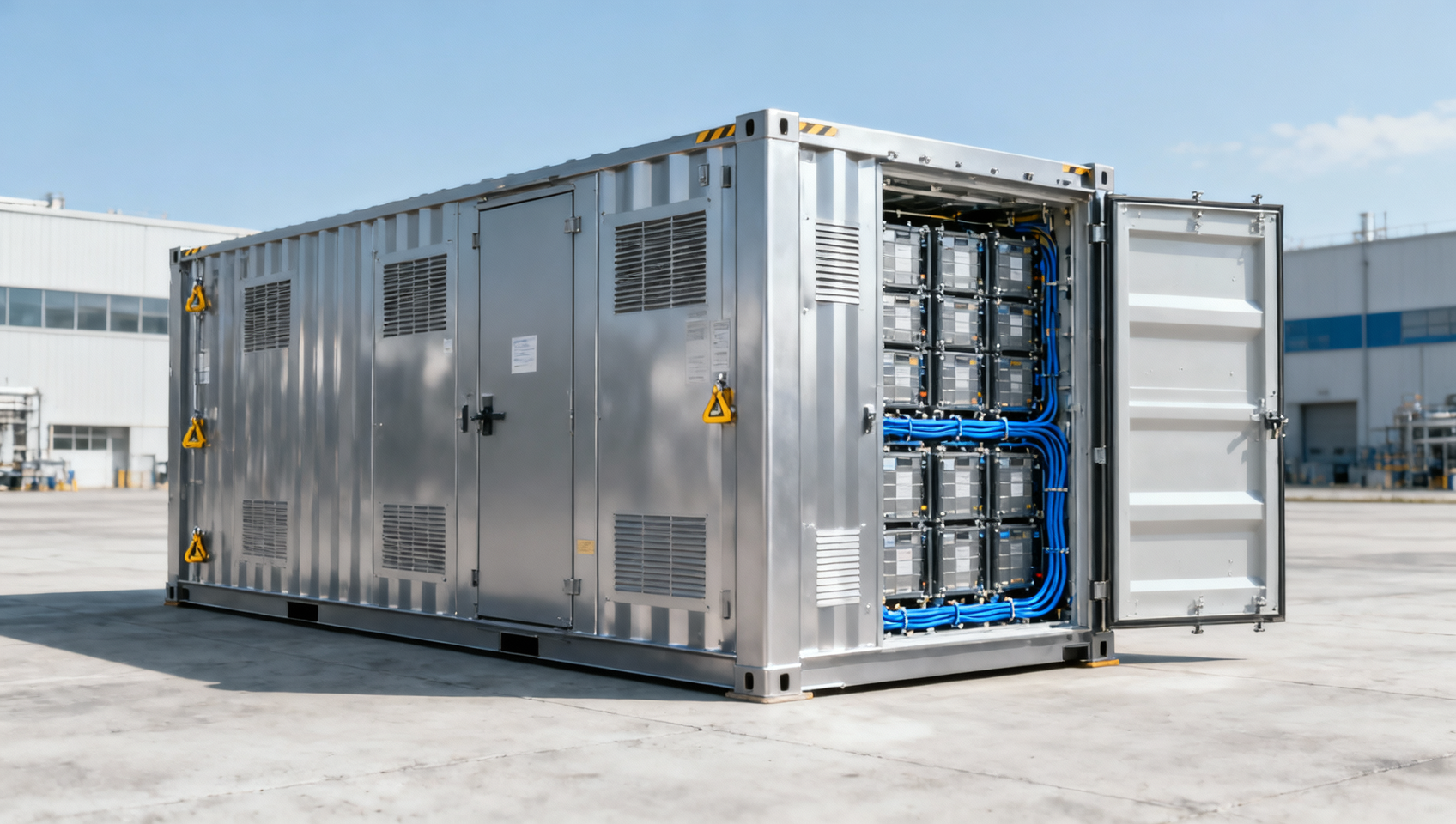
As energy costs, grid instability, and storage technology evolve, solar battery payback in 2026 is becoming a sharper investment question for buyers and analysts alike. Compared with lithium ion batteries used in portable power stations, mobility scooters, and even systems linked to wind turbine projects, today’s solar battery economics look more competitive than before—especially for organizations evaluating long-term resilience, operating savings, and strategic energy returns.
Why solar battery payback in 2026 looks different from just a few years ago
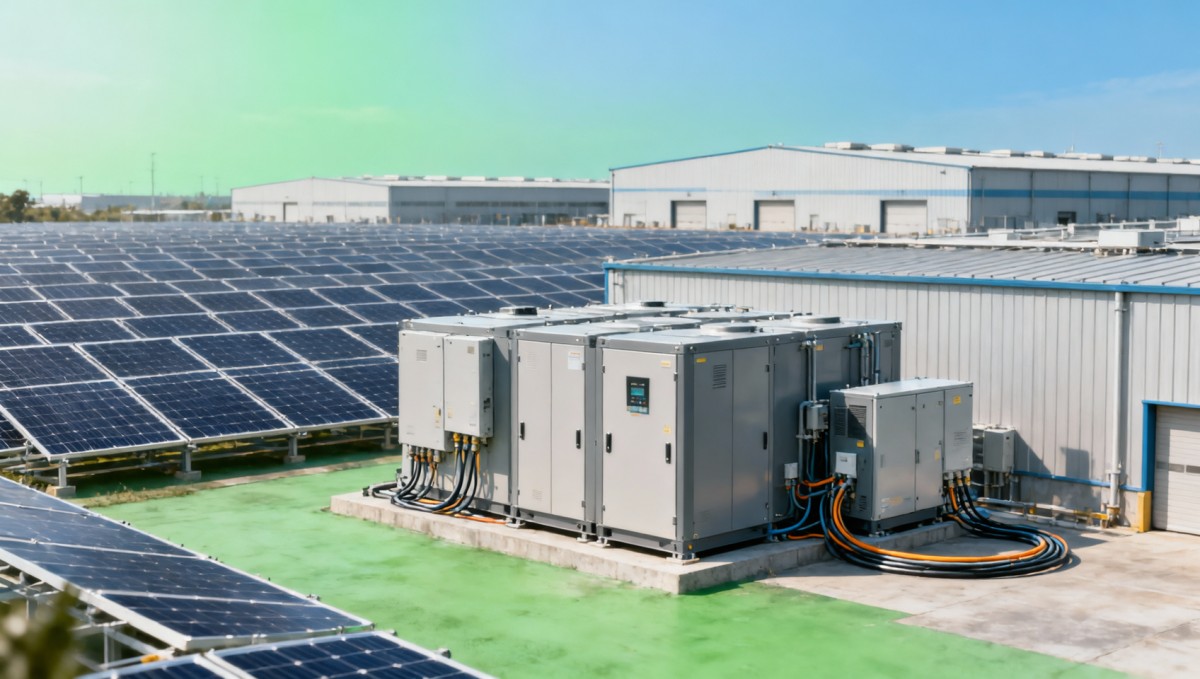
For commercial users, technical reviewers, and finance teams, the core question is no longer whether battery storage works. The real issue is whether the payback window now fits operational and capital planning. In 2026, that answer is more favorable in many cases because battery prices, control software, and installation practices have matured across the green energy supply chain.
Solar battery payback depends on 4 variables: local electricity tariffs, battery cycling frequency, demand charge exposure, and the size match between solar generation and storage capacity. In simple terms, systems with daily cycling and high on-peak tariffs tend to recover investment faster than systems used only for rare backup events.
For B2B buyers, 2026 also introduces a stronger resilience case. Grid outages lasting 1–4 hours are no longer treated as isolated risks in many regions. Manufacturing sites, healthcare technology facilities, smart electronics operations, and digital supply chain environments increasingly value continuity as part of the return calculation, not as a separate soft benefit.
That shift matters for procurement and project leaders. A battery system that offsets peak demand 20–25 days per month and supports essential loads during outages may justify itself through both direct savings and avoided disruption costs. This broader business lens makes solar battery payback in 2026 better than before for a larger range of commercial users.
What changed in practical terms?
- Battery management systems now provide finer dispatch control, helping operators target specific tariff windows instead of using storage in a rough, low-value pattern.
- System integration between solar inverters, storage units, and monitoring platforms has improved over the past 2–3 procurement cycles, reducing commissioning friction.
- More buyers evaluate lifecycle economics over 8–15 years rather than comparing only upfront installed cost.
- Energy security has become a board-level issue in sectors where downtime, cold storage, clean-room stability, or digital workflow continuity carry measurable financial consequences.
How should buyers calculate payback instead of relying on a simple headline number?
A common mistake is to ask for one universal solar battery payback number. In reality, commercial storage economics vary sharply by load profile. A facility with evening consumption peaks, unstable grid supply, or high demand charges will usually see a stronger business case than a site with low daytime self-consumption needs and stable tariffs.
Decision-makers should break payback into 3 layers: direct bill savings, resilience value, and asset utilization. Direct savings come from self-consumption and peak shaving. Resilience value comes from avoided interruption costs. Utilization reflects how often the battery cycles in a normal month and whether the system is oversized, undersized, or well matched.
Finance approvers often want a range rather than a single estimate. That is the correct approach. In many commercial scenarios, indicative payback can differ substantially between a 5-year high-utilization case and a 10-year low-utilization case. What matters is not chasing the shortest possible number, but confirming whether the project aligns with cash flow, uptime priorities, and expansion plans.
The table below helps procurement teams compare the variables that most influence payback. It is not a substitute for a site audit, but it gives project managers and technical evaluators a structured way to screen opportunities before requesting design proposals.
The key takeaway is that payback improves when energy storage is used often, strategically, and in line with tariff structure. If a battery is purchased mainly for occasional backup but rarely cycles, the economic case becomes weaker unless continuity risk is exceptionally costly. That distinction is essential for CFOs and operations teams evaluating capital efficiency.
A practical 4-step evaluation model
- Review 12 months of interval consumption data to identify daytime surplus, evening peaks, and seasonal volatility.
- Define whether the battery will serve self-consumption, peak shaving, backup, or a mixed strategy.
- Model at least 3 scenarios: conservative, expected, and high-utilization, using realistic cycle assumptions.
- Compare project viability across capital budget, financing terms, installation timing, and future load growth.
Why this matters for cross-functional approval
Operators focus on uptime. Engineers focus on technical compatibility. Commercial teams focus on contract terms. Finance teams focus on payback and risk. A structured model helps each stakeholder evaluate the same project through a common framework, reducing delays during the 2–6 week review window that often slows energy procurement decisions.
Which business scenarios make solar battery economics more attractive in 2026?
Not every facility should buy storage immediately. The strongest cases usually involve a clear mismatch between solar production and load timing, expensive peak power, or a documented cost of downtime. In 2026, these use cases are appearing across manufacturing, healthcare technology, electronics assembly, logistics nodes, and software-driven supply chain infrastructure with physical operations.
For example, advanced manufacturing sites often run equipment with sharp load spikes. A battery sized for 30 minutes to 2 hours of peak support can reduce demand exposure and stabilize process continuity. In healthcare environments, backup support for refrigeration, diagnostics, or digital records may justify storage even if pure bill savings alone are only moderate.
Warehousing and supply chain facilities present another strong scenario. If loading systems, security infrastructure, cold chain assets, or automation lines require continuity, the avoided cost of disruption can be more important than the energy arbitrage benefit. This is why solar battery payback in 2026 should be viewed as an operational strategy, not only an electricity strategy.
The table below compares common B2B application settings. It is designed to help project managers and procurement directors quickly assess whether their facility profile tends toward a strong, moderate, or conditional storage case.
The most attractive scenario is not always the site with the largest roof or the biggest solar array. It is the site where storage solves a measurable operational problem. Buyers who frame the project that way usually make faster, better-aligned decisions and avoid overbuilding capacity that sits underused for most of the year.
Three signs a project deserves deeper analysis
- Your site experiences repeated peak load penalties or sharp tariff jumps during specific 2–5 hour windows.
- Operational loss from a short outage is significant compared with the annual energy bill.
- Your solar generation profile leaves regular midday surplus that could be shifted into productive use later in the day.
What should procurement, engineering, and finance teams check before approving a system?
A strong solar battery project can still fail commercially if the buying process is weak. Many organizations focus first on installed cost per kilowatt-hour, yet that is only one part of the decision. Selection should also include integration design, warranty logic, usable capacity, fire safety considerations, maintenance planning, and software visibility for ongoing performance management.
Technical evaluators should verify whether the proposed system supports the intended use profile. A battery optimized for occasional backup is not necessarily ideal for daily peak shaving. Likewise, a project that appears cheap upfront may become less attractive if its controls cannot support tariff-based dispatch or if replacement assumptions are unclear over an 8–12 year planning horizon.
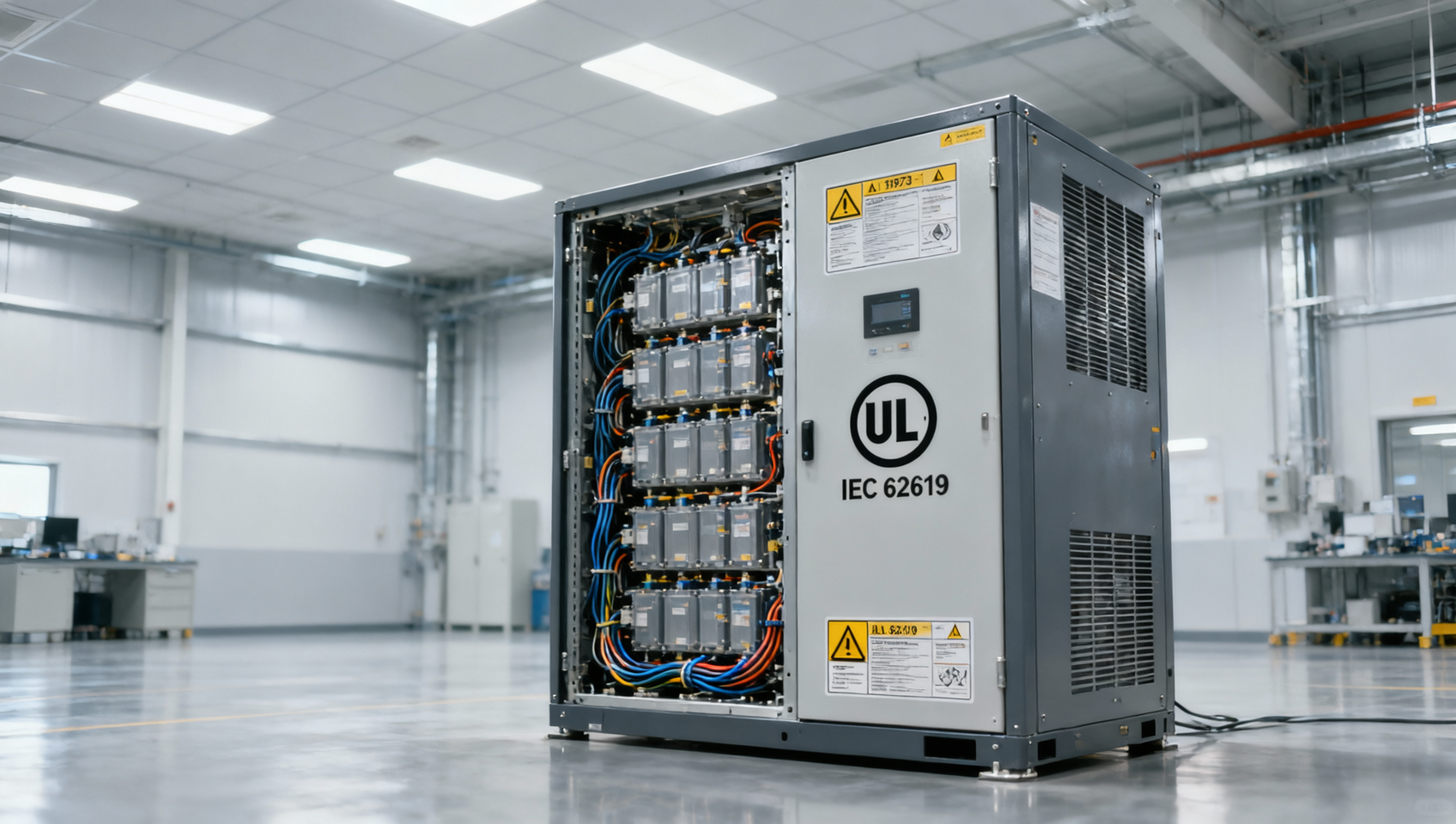
Quality and safety teams should assess applicable electrical and fire protection requirements in the target market. Depending on jurisdiction and installation type, buyers may need to review battery safety, inverter compliance, enclosure protection, ventilation, emergency isolation, and commissioning documentation. These items affect both approval speed and long-term risk.
This is also where information quality becomes decisive. TradeNexus Pro supports enterprise buyers by filtering broad market noise into sector-relevant intelligence, supplier comparison logic, and procurement-oriented analysis. For organizations operating across green energy, advanced manufacturing, electronics, healthcare technology, and supply chain software environments, that cross-sector view helps teams avoid siloed decisions.
A practical due-diligence checklist
- Confirm usable energy, power rating, expected cycling profile, and backup duration under real operating conditions.
- Review integration with existing solar, site controls, metering architecture, and remote monitoring systems.
- Check warranty terms for throughput, calendar life, environmental conditions, and service response expectations.
- Assess installation lead time, commissioning scope, training needs, and spare parts or service support structure.
- Verify local compliance obligations and whether documentation is sufficient for internal HSE and facility approval.
Common approval risks that delay projects
The most frequent delays occur when internal teams evaluate different versions of the same project. One team reviews backup only, another models demand reduction, and finance receives a blended estimate without assumptions clearly stated. Aligning the use case before quotation comparison can shorten the decision cycle by several weeks and reduce expensive redesigns.
FAQ: the questions buyers ask most about solar battery payback in 2026
Search behavior around solar battery payback in 2026 shows that buyers rarely want theory alone. They want fast clarity on suitability, timing, risk, and alternatives. The questions below reflect common concerns from operators, technical reviewers, commercial managers, and financial approvers across multiple industries.
How long does solar battery payback usually take?
There is no universal number. In practice, the range depends on tariff structure, cycling frequency, and whether the project is valued only on energy savings or also on resilience. A site with daily storage use and high peak charges may see a substantially faster return than a site using the battery only for rare outages. Buyers should model at least 3 scenarios before approving investment.
Is a solar battery always better than exporting excess solar to the grid?
Not always. If export compensation is attractive and the facility has little evening demand, storage may be less compelling. But where export value is limited, on-site electricity is expensive, or outages carry operational risk, storing energy can produce better strategic returns. The right answer depends on site economics, not on a generic market claim.
What system size mistakes are most common?
Oversizing is a frequent issue. Buyers often specify battery capacity based on a broad desire for backup without ranking critical loads. A better method is to classify loads into 3 groups: essential, important, and deferrable. That often reduces unnecessary capacity and improves payback. Undersizing can also be a problem if the battery cannot cover the actual peak window it was purchased to manage.
What should a commercial buyer ask before requesting final pricing?
Ask for the operating logic first. Request the assumed cycling profile, the intended tariff strategy, backup duration, usable capacity, integration scope, and expected commissioning sequence. Without those details, price comparison is weak because two offers may look similar on paper while delivering very different economic outcomes over a 5–10 year period.
Why work with a market intelligence partner before final vendor selection?
For complex B2B energy decisions, the challenge is rarely access to information. The challenge is separating useful intelligence from promotional noise. TradeNexus Pro helps procurement directors, project leaders, and enterprise decision-makers compare storage opportunities through a sector-informed lens that connects technology, supply chain conditions, and commercial decision logic.
That matters especially when battery storage intersects with broader operational goals. A manufacturer may need to align storage with expansion timing. A healthcare technology operator may prioritize continuity and compliance. A smart electronics buyer may care most about process stability and demand shaping. A logistics platform may focus on uptime across distributed assets. These are different buying cases, even when the core technology is similar.
Before you commit budget in 2026, it is worth validating 5 issues: the best-fit system role, the sizing logic, expected payback range, implementation timing, and compliance documentation path. Early-stage clarity often prevents costly redesign, delayed approval, and mismatched vendor comparisons.
If your team is reviewing solar battery payback in 2026, contact TradeNexus Pro to discuss parameter confirmation, application fit, procurement screening, delivery lead-time expectations, certification considerations, sample project logic, and quotation comparison criteria. This is particularly useful for organizations that need cross-functional alignment between engineering, operations, procurement, finance, and safety review before moving forward.
Get weekly intelligence in your inbox.
No noise. No sponsored content. Pure intelligence.
 Apr 20, 2026China Academy of IMT Releases Digital Passport White Paper for Industrial MaterialsChina Academy of IMT Releases Digital Passport White Paper for Industrial Materials
 Apr 20, 2026Suez Canal AI Speed & Load Limits Effective Apr 19, 2026Suez Canal AI Speed & Load Limits Effective Apr 19, 2026
 Apr 20, 2026IEC 63275:2026 Published for Warehouse Robotics EMC TestingIEC 63275:2026 Published for Warehouse Robotics EMC Testing
 Apr 20, 20262026 Shanghai Fastener Show: 1427 Exhibitors, Robot-Specific Fasteners in Focus2026 Shanghai Fastener Show: 1427 Exhibitors, Robot-Specific Fasteners in Focus
 Apr 20, 2026US BIS Expands EV Infrastructure Export ControlsUS BIS Expands EV Infrastructure Export Controls
 Apr 20, 2026TÜV Rheinland Updates ESS Certification with Propagation Blocking RequirementTÜV Rheinland Updates ESS Certification with Propagation Blocking Requirement
 Apr 20, 2026Shanghai Port Launches Green Clearance Channel for PV InvertersShanghai Port Launches Green Clearance Channel for PV Inverters
 Apr 20, 2026Vietnam Launches Anti-Circumvention Probe on Chinese Electronic ComponentsVietnam Launches Anti-Circumvention Probe on Chinese Electronic Components
 Apr 20, 2026CPSC Urges Recall of China-Made Smart Plugs Over Firmware VulnerabilitiesCPSC Urges Recall of China-Made Smart Plugs Over Firmware Vulnerabilities
 Apr 20, 2026EU AI Act CE Compliance for IoT Devices Takes Effect Apr 18, 2026EU AI Act CE Compliance for IoT Devices Takes Effect Apr 18, 2026
 Apr 19, 20262026 Dongguan Whole-House Customization List Released2026 Dongguan Whole-House Customization List Released
 Apr 19, 2026Global Shipping Alliances Launch Green Slot Priority for Asia-Europe RoutesGlobal Shipping Alliances Launch Green Slot Priority for Asia-Europe Routes
 Apr 19, 2026Vietnam Imposes AD Duties on Chinese Electronic ComponentsVietnam Imposes AD Duties on Chinese Electronic Components
 Apr 19, 2026Dongguan Victor Tops Local Full-Home Customization ListDongguan Victor Tops Local Full-Home Customization List
 Apr 19, 2026Guosheng Zhike Launches High-Precision Mold Machine Project in TaizhouGuosheng Zhike Launches High-Precision Mold Machine Project in Taizhou
 Apr 19, 2026CRRC Changchun Wins Jiaxing Urban Rail EMU ProjectCRRC Changchun Wins Jiaxing Urban Rail EMU Project
 Apr 19, 2026China Releases Green Design Guidelines 2026 for Industrial ProductsChina Releases Green Design Guidelines 2026 for Industrial Products
 Apr 19, 2026CATL Establishes $3B Era Resources Group for Global Mineral ControlCATL Establishes $3B Era Resources Group for Global Mineral Control
 Apr 19, 2026Shanghai Electric Gas Turbine Backlog Extends to 2028Shanghai Electric Gas Turbine Backlog Extends to 2028
 Apr 19, 2026Hormuz Strait Reopens, China Fertilizer Export Quota Easing ExpectedHormuz Strait Reopens, China Fertilizer Export Quota Easing Expected
 Apr 18, 2026TradeNexus Pro Launches Global Compliance RadarTradeNexus Pro Launches Global Compliance Radar
 Apr 18, 2026JIS T 2304:2026 Takes Effect June 1, 2026 for IVD SoftwareJIS T 2304:2026 Takes Effect June 1, 2026 for IVD Software
 Pathway for Rehab Devices with AI Modules") Apr 18, 2026FDA Updates 510(k) Pathway for Rehab Devices with AI ModulesFDA Updates 510(k) Pathway for Rehab Devices with AI Modules
Apr 18, 2026FDA Updates 510(k) Pathway for Rehab Devices with AI ModulesFDA Updates 510(k) Pathway for Rehab Devices with AI Modules Apr 18, 2026India BIS Approves 3 Chinese IoT Labs for IS 16444:2026 CertificationIndia BIS Approves 3 Chinese IoT Labs for IS 16444:2026 Certification
 Apr 18, 2026THE Alliance Launches Green Slot Priority for China PortsTHE Alliance Launches Green Slot Priority for China Ports
 Apr 18, 2026TÜV Rheinland Releases Dual-Standard ESS Certification Guide for ChinaTÜV Rheinland Releases Dual-Standard ESS Certification Guide for China
 Apr 18, 2026Vietnam Imposes AD Duties on Chinese Electronic ComponentsVietnam Imposes AD Duties on Chinese Electronic Components