Solar Battery Sizing: How Much Storage Is Enough?
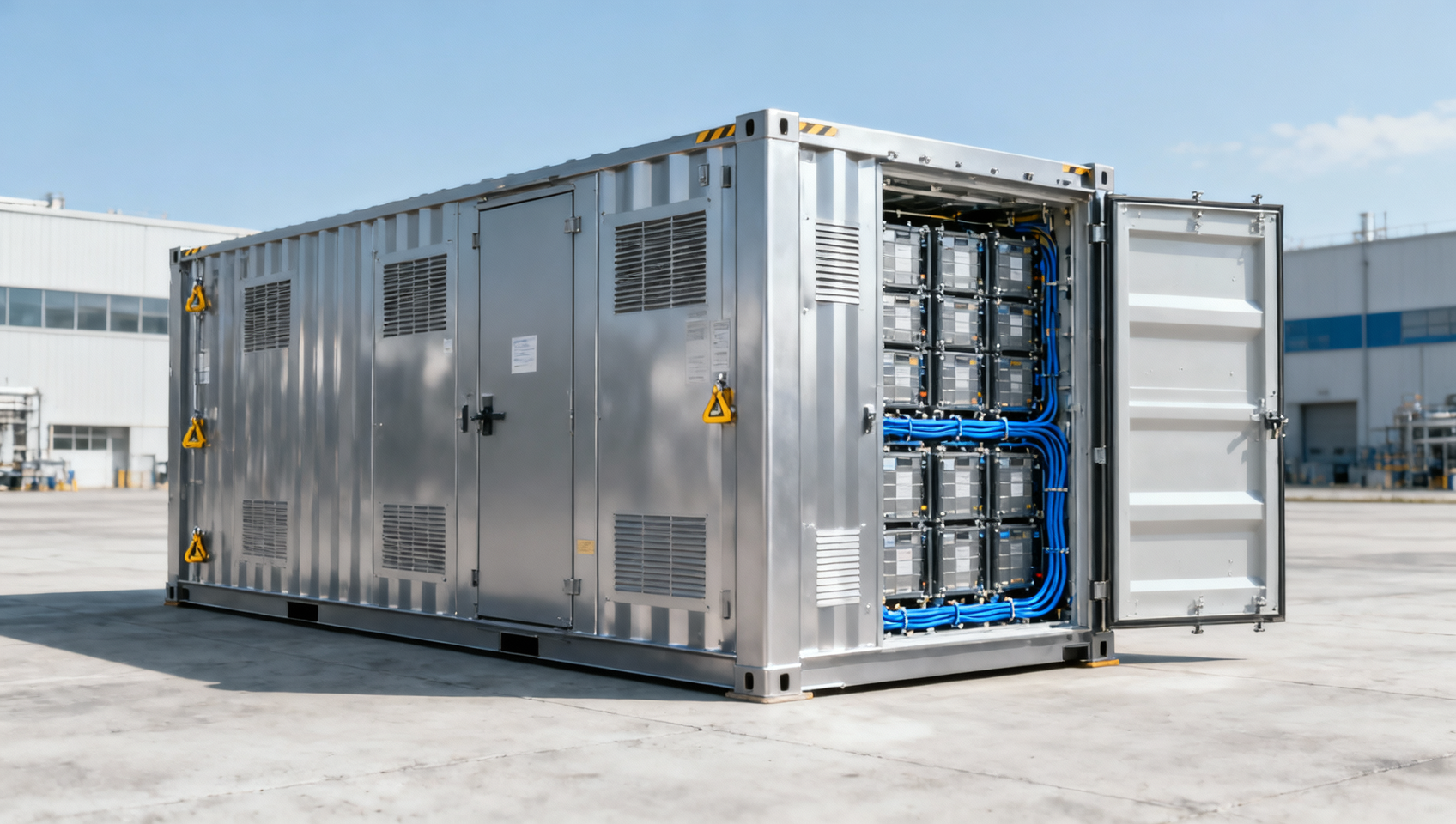
Choosing the right solar battery size is critical for balancing energy resilience, system cost, and long-term ROI. For buyers comparing solar battery options alongside lithium ion batteries, portable power stations, or even backup integrations with smart thermostats and wind turbine systems, storage capacity directly affects operational stability. This guide helps technical teams, procurement leaders, and enterprise decision-makers determine how much storage is enough for real-world performance.
How Much Solar Battery Storage Is Enough for Business Use?
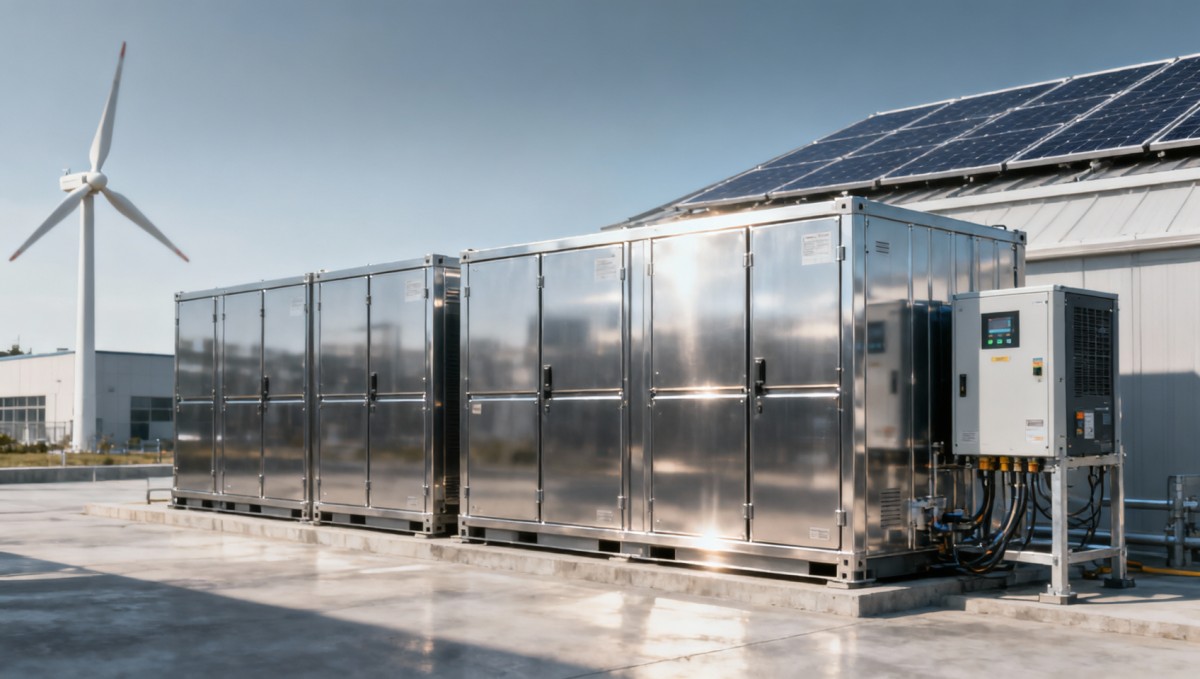
In B2B energy planning, the right solar battery sizing decision is rarely about buying the largest available battery bank. It is about matching storage capacity to load profile, outage tolerance, tariff structure, and operational priorities. For a warehouse, clinic, light manufacturing site, or technology office, the difference between a 20 kWh and a 200 kWh system can reshape both resilience and payback.
Most sizing exercises start with three measurable questions: how many kilowatt-hours are consumed per day, how many critical hours must be covered during an outage, and what percentage of loads are truly essential. In many commercial settings, only 30%–60% of total electricity demand needs backup support, which changes the required battery size significantly.
A common error is to size the battery from solar panel capacity alone. Solar generation and battery storage are related, but they solve different problems. Panels produce energy over time; batteries shift energy into evening periods, peak tariff windows, or grid interruptions. A site with a 50 kW solar array may still need only 40–80 kWh of storage for demand shifting, or more than 150 kWh if resilience is a top priority.
For procurement teams, “enough” storage means the system can support the target operating window without excessive overspend. For finance approvers, it means the battery is large enough to create value but not so large that unused capacity drags down return. For project managers, it means the selected design fits inverter limits, site space, safety requirements, and delivery schedules that are often measured in 2–8 weeks for standard systems and longer for custom projects.
The 4 Core Inputs That Define Battery Size
Battery sizing becomes more reliable when teams use a structured framework instead of rough estimates. These four inputs should be confirmed early with operations, engineering, and commercial stakeholders.
- Daily energy consumption: Review at least 30–90 days of electricity data to identify average and peak daily use.
- Critical load ratio: Separate essential equipment from non-essential loads such as decorative lighting or low-priority HVAC zones.
- Required backup duration: Define whether the target is 2 hours, 4 hours, 8 hours, or overnight continuity.
- Depth of discharge and efficiency: Real usable storage is lower than nameplate capacity because system losses and battery operating limits must be considered.
As a working rule, planners often calculate usable battery capacity first, then convert that figure into installed capacity. If a facility needs 60 kWh of usable storage and the system is designed around 90% depth of discharge with 90% round-trip efficiency, installed capacity must be higher than the usable target.
A Practical Formula for Initial Estimation
An initial estimate can be framed as: required usable storage = critical load in kW × backup hours. Installed battery capacity then depends on system efficiency, allowable discharge window, and future expansion margin. Many commercial buyers add 10%–20% planning headroom if load growth is expected within 12–24 months.
Which Solar Battery Size Fits Different Operating Scenarios?
Solar battery sizing changes by application. A remote telecom shelter, a retail facility with refrigeration, and a mixed-use industrial site do not evaluate storage in the same way. The best approach is to map battery size to actual use case rather than relying on generic marketing labels.
The table below shows typical storage ranges for common commercial and industrial scenarios. These are planning ranges, not fixed specifications, and must be validated against load data, inverter compatibility, and local operating conditions.
These ranges illustrate why there is no universal answer to “how much storage is enough.” A 30 kWh battery may be sufficient for a site focused on evening self-consumption, while a 200 kWh system may still be undersized if the goal is to maintain refrigeration, communications, and core production assets through a 6-hour disruption.
Operators should also distinguish between whole-site backup and priority-circuit backup. Prioritizing only essential loads often lowers battery requirements by 25%–50%, reduces inverter size, and shortens project approval time. This is especially relevant for financial reviewers balancing resilience against capital expenditure.
Where Portable Power Stations and Small Battery Units Fit
Portable power stations and compact lithium ion battery units can support temporary loads, field testing, mobile service teams, or low-power equipment. They are useful in the 0.5–5 kWh range, but they are not direct substitutes for a commercial solar battery system when the site requires integrated switching, scalable storage, or coordinated backup for building systems.
For procurement teams, the key question is not whether portable units are cheaper per purchase order, but whether they support the operational objective. If backup power must coordinate with smart thermostats, protected circuits, or site energy management software, a fixed battery solution is usually the more practical choice.
What Technical Metrics Matter Most in Solar Battery Sizing?
Nameplate kWh is only one part of a sound battery selection. Technical reviewers must examine usable capacity, power output, cycle life, operating temperature, system efficiency, and integration architecture. A battery can look large on paper yet fail to support the actual discharge rate required by pumps, compressors, communications racks, or motor starts.
For example, a site may need 80 kWh of energy but also require 40 kW of continuous discharge. If the battery system can only deliver 20 kW, operations will still face interruptions. This is why battery sizing should always pair energy capacity with power capacity. In procurement reviews, that means comparing kWh and kW together, not separately.
Battery chemistry also matters. Lithium ion batteries are widely selected because they provide high energy density, responsive discharge behavior, and compact installation footprints. Even so, buyers should still compare thermal management needs, cycle expectations, serviceability, and the battery management system because these affect real operating cost over 5–15 years.
The table below highlights the technical checkpoints that engineering, safety, and sourcing teams should align on before approving a solar battery project.
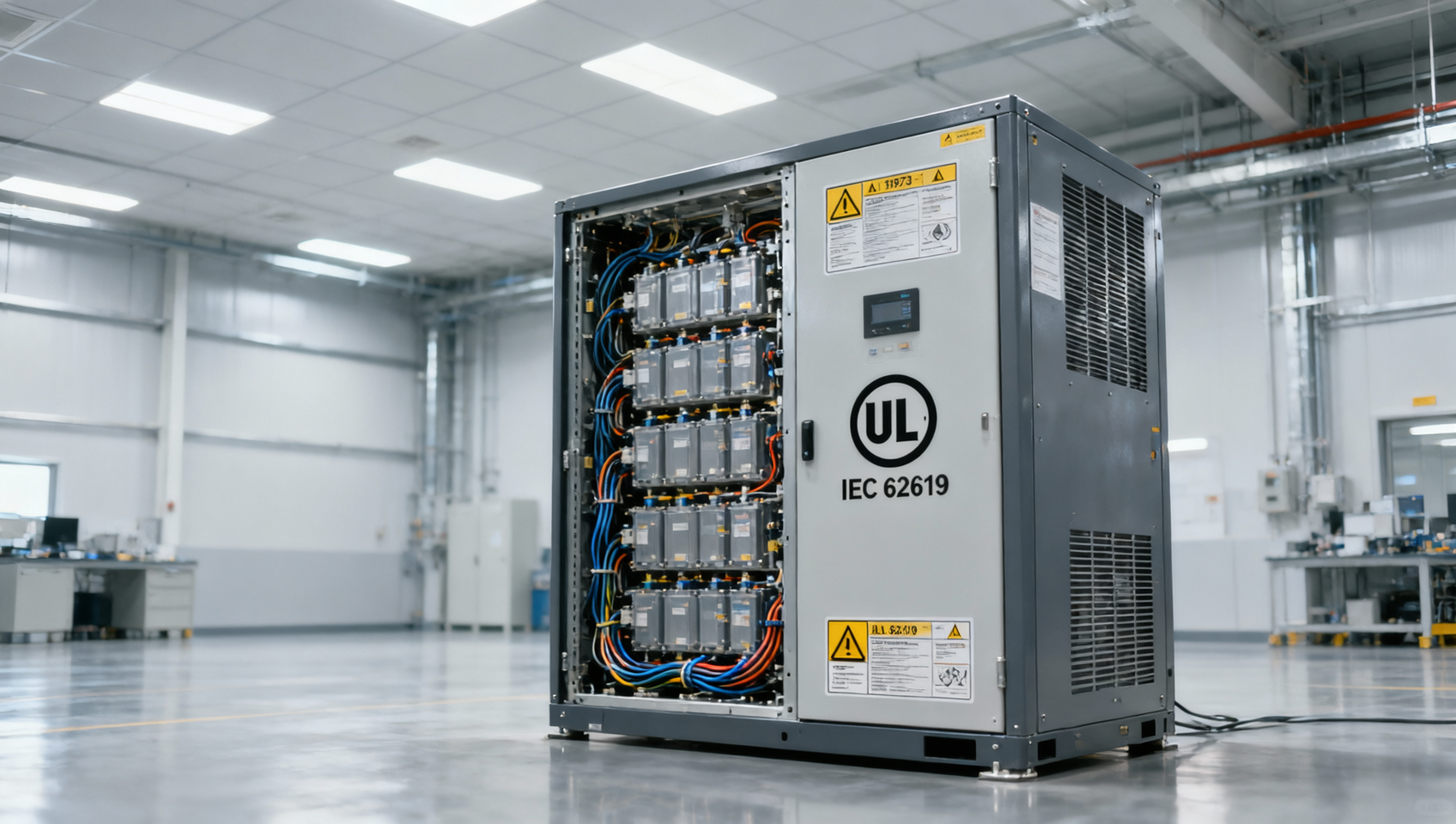
Technical due diligence should also include environmental conditions. If the installation environment is exposed to heat, dust, humidity, or limited ventilation, system design may require additional protection. Safety and quality personnel should review enclosure protection, fire strategy, cable routing, and access procedures before final approval.
A 5-Point Engineering Check Before Final Sign-Off
- Confirm 15-minute, hourly, and daily load behavior rather than relying only on monthly bills.
- Verify inverter-to-battery compatibility, including communication protocols and future expansion logic.
- Check whether the battery is intended for daily cycling, emergency backup, or both, because this affects warranty interpretation.
- Review space, ventilation, maintenance access, and emergency isolation requirements at the installation location.
- Align controls with broader energy assets such as generators, wind turbine support, or building management systems.
How Should Buyers Compare Cost, Alternatives, and Procurement Risk?
A larger battery does not automatically deliver better value. In commercial procurement, the best storage size is the one that fits a defined use case at an acceptable payback horizon and manageable risk level. Buyers should compare at least three solution paths: battery sized for backup, battery sized for tariff optimization, and a hybrid design that balances both.
Alternative options also deserve review. In some facilities, load control through smart thermostats, demand response scheduling, or equipment staggering may reduce required battery size. In other cases, a generator-battery hybrid may be more cost-effective than attempting to cover long-duration outages with batteries alone. The right answer depends on outage frequency, fuel constraints, emissions goals, and continuity requirements.
The table below helps business evaluators and finance teams compare common procurement approaches using practical criteria rather than headline capacity alone.
This comparison matters because many projects underperform for commercial reasons rather than technical ones. A battery that looks attractive at the quotation stage may fail internal approval if the savings model is vague, installation risk is unclear, or compliance review was not included in the schedule. In practice, a robust battery procurement process often takes 4 steps: load assessment, technical matching, commercial comparison, and implementation planning.
Procurement Questions That Prevent Oversizing or Undersizing
- What is the site trying to protect: revenue continuity, safety systems, comfort loads, or energy cost reduction?
- How often will the battery cycle: daily, weekly, or only during outages?
- Is modular expansion possible if demand rises by 10%–30% in the next 1–2 years?
- Which local standards, interconnection rules, or safety reviews may affect delivery timing?
These questions are especially important for cross-border sourcing, where component lead times, documentation quality, and service support can vary. This is where a specialist B2B intelligence platform can add value by helping teams compare not just products, but supplier readiness, market conditions, and strategic fit.
What Are the Most Common Solar Battery Sizing Mistakes?
Some sizing mistakes appear technical, but they usually come from missing cross-functional input. Operations may ask for maximum backup. Finance may ask for the smallest budget. Engineering may focus on power quality. If these views are not aligned early, the project can end up oversized, underpowered, or difficult to approve.
One frequent mistake is assuming the battery must match a full day of total consumption. In reality, many businesses only need to support critical circuits for 2–6 hours, bridge short interruptions, or shift solar energy into evening use. Another mistake is ignoring load spikes. A battery sized only from daily kWh can still fail if the inverter and battery power rating cannot handle startup demand.
There is also a compliance and safety dimension. Quality control and HSE teams should verify that installation conditions, isolation procedures, and operating documentation are addressed before the purchase order is finalized. Typical review areas include electrical safety, equipment labeling, thermal management, and maintenance access around the battery enclosure.
For organizations with complex sites, a phased approach often works better than an all-at-once purchase. Phase 1 may cover critical loads and data gathering for 3–6 months. Phase 2 can expand capacity after reviewing actual battery cycling, tariff savings, and operational impact. This reduces sizing error and helps finance teams approve expansion on observed performance rather than assumptions.
FAQ: Key Questions Buyers Ask Before Selecting Storage
How do I calculate solar battery size for my facility?
Start with critical load in kW and required backup duration in hours. Then adjust for system efficiency and allowable depth of discharge. Review at least 30 days of interval data if available. For procurement accuracy, compare weekday and weekend patterns and identify seasonal changes that may affect the required storage window.
Are lithium ion batteries always the best choice?
Lithium ion batteries are often preferred for commercial solar storage because they combine compact footprint, good efficiency, and flexible cycling behavior. However, the right choice still depends on installation environment, discharge needs, maintenance model, and budget structure. Buyers should compare total project fit, not chemistry alone.
Can a portable power station replace a solar battery system?
Usually no for commercial backup planning. Portable power stations are useful for temporary, low-power, or mobile scenarios, but they do not generally provide the integration, scalability, switching logic, or protected-circuit control required for site-wide solar energy storage strategy.
What lead time should buyers expect?
For standard configurations, technical review and delivery can often fall in the 2–8 week range, depending on region, stock, and interconnection requirements. Custom systems, compliance review, and multi-vendor integration can extend the timeline. Project managers should confirm documentation milestones early to avoid preventable delays.
Why Work with a Specialized B2B Intelligence Partner for Battery Sizing Decisions?
Solar battery sizing is no longer just a technical calculation. It sits at the intersection of energy strategy, supply chain reliability, commercial evaluation, and implementation risk. That is why many organizations need more than product brochures. They need structured market intelligence, supplier filtering, and decision-ready guidance that supports engineering teams and commercial stakeholders at the same time.
TradeNexus Pro supports this process by focusing on the sectors where energy storage decisions have strategic impact, including advanced manufacturing, green energy, smart electronics, healthcare technology, and supply chain software environments. For buyers, this means access to industry-centered analysis that goes beyond generic product listings and helps clarify practical fit, sourcing priorities, and project timing.
If your team is evaluating how much solar battery storage is enough, the most valuable next step is to validate the decision framework before locking in specifications. That may include confirming critical load assumptions, comparing battery capacity ranges, reviewing inverter compatibility, checking delivery windows, or assessing whether a hybrid backup design is more cost-effective for your site.
Contact TradeNexus Pro to discuss battery sizing parameters, product selection pathways, expected delivery cycles, sample or pilot planning, compliance considerations, and quote alignment for your target market. Whether you are screening suppliers, preparing an internal investment case, or mapping a scalable solar storage roadmap, a data-driven evaluation process helps reduce procurement risk and improve long-term project performance.
Get weekly intelligence in your inbox.
No noise. No sponsored content. Pure intelligence.
 Apr 20, 2026China Academy of IMT Releases Digital Passport White Paper for Industrial MaterialsChina Academy of IMT Releases Digital Passport White Paper for Industrial Materials
 Apr 20, 2026Suez Canal AI Speed & Load Limits Effective Apr 19, 2026Suez Canal AI Speed & Load Limits Effective Apr 19, 2026
 Apr 20, 2026IEC 63275:2026 Published for Warehouse Robotics EMC TestingIEC 63275:2026 Published for Warehouse Robotics EMC Testing
 Apr 20, 20262026 Shanghai Fastener Show: 1427 Exhibitors, Robot-Specific Fasteners in Focus2026 Shanghai Fastener Show: 1427 Exhibitors, Robot-Specific Fasteners in Focus
 Apr 20, 2026US BIS Expands EV Infrastructure Export ControlsUS BIS Expands EV Infrastructure Export Controls
 Apr 20, 2026TÜV Rheinland Updates ESS Certification with Propagation Blocking RequirementTÜV Rheinland Updates ESS Certification with Propagation Blocking Requirement
 Apr 20, 2026Shanghai Port Launches Green Clearance Channel for PV InvertersShanghai Port Launches Green Clearance Channel for PV Inverters
 Apr 20, 2026Vietnam Launches Anti-Circumvention Probe on Chinese Electronic ComponentsVietnam Launches Anti-Circumvention Probe on Chinese Electronic Components
 Apr 20, 2026CPSC Urges Recall of China-Made Smart Plugs Over Firmware VulnerabilitiesCPSC Urges Recall of China-Made Smart Plugs Over Firmware Vulnerabilities
 Apr 20, 2026EU AI Act CE Compliance for IoT Devices Takes Effect Apr 18, 2026EU AI Act CE Compliance for IoT Devices Takes Effect Apr 18, 2026
 Apr 19, 20262026 Dongguan Whole-House Customization List Released2026 Dongguan Whole-House Customization List Released
 Apr 19, 2026Global Shipping Alliances Launch Green Slot Priority for Asia-Europe RoutesGlobal Shipping Alliances Launch Green Slot Priority for Asia-Europe Routes
 Apr 19, 2026Vietnam Imposes AD Duties on Chinese Electronic ComponentsVietnam Imposes AD Duties on Chinese Electronic Components
 Apr 19, 2026Dongguan Victor Tops Local Full-Home Customization ListDongguan Victor Tops Local Full-Home Customization List
 Apr 19, 2026Guosheng Zhike Launches High-Precision Mold Machine Project in TaizhouGuosheng Zhike Launches High-Precision Mold Machine Project in Taizhou
 Apr 19, 2026CRRC Changchun Wins Jiaxing Urban Rail EMU ProjectCRRC Changchun Wins Jiaxing Urban Rail EMU Project
 Apr 19, 2026China Releases Green Design Guidelines 2026 for Industrial ProductsChina Releases Green Design Guidelines 2026 for Industrial Products
 Apr 19, 2026CATL Establishes $3B Era Resources Group for Global Mineral ControlCATL Establishes $3B Era Resources Group for Global Mineral Control
 Apr 19, 2026Shanghai Electric Gas Turbine Backlog Extends to 2028Shanghai Electric Gas Turbine Backlog Extends to 2028
 Apr 19, 2026Hormuz Strait Reopens, China Fertilizer Export Quota Easing ExpectedHormuz Strait Reopens, China Fertilizer Export Quota Easing Expected
 Apr 18, 2026TradeNexus Pro Launches Global Compliance RadarTradeNexus Pro Launches Global Compliance Radar
 Apr 18, 2026JIS T 2304:2026 Takes Effect June 1, 2026 for IVD SoftwareJIS T 2304:2026 Takes Effect June 1, 2026 for IVD Software
 Pathway for Rehab Devices with AI Modules") Apr 18, 2026FDA Updates 510(k) Pathway for Rehab Devices with AI ModulesFDA Updates 510(k) Pathway for Rehab Devices with AI Modules
Apr 18, 2026FDA Updates 510(k) Pathway for Rehab Devices with AI ModulesFDA Updates 510(k) Pathway for Rehab Devices with AI Modules Apr 18, 2026India BIS Approves 3 Chinese IoT Labs for IS 16444:2026 CertificationIndia BIS Approves 3 Chinese IoT Labs for IS 16444:2026 Certification
 Apr 18, 2026THE Alliance Launches Green Slot Priority for China PortsTHE Alliance Launches Green Slot Priority for China Ports
 Apr 18, 2026TÜV Rheinland Releases Dual-Standard ESS Certification Guide for ChinaTÜV Rheinland Releases Dual-Standard ESS Certification Guide for China
 Apr 18, 2026Vietnam Imposes AD Duties on Chinese Electronic ComponentsVietnam Imposes AD Duties on Chinese Electronic Components