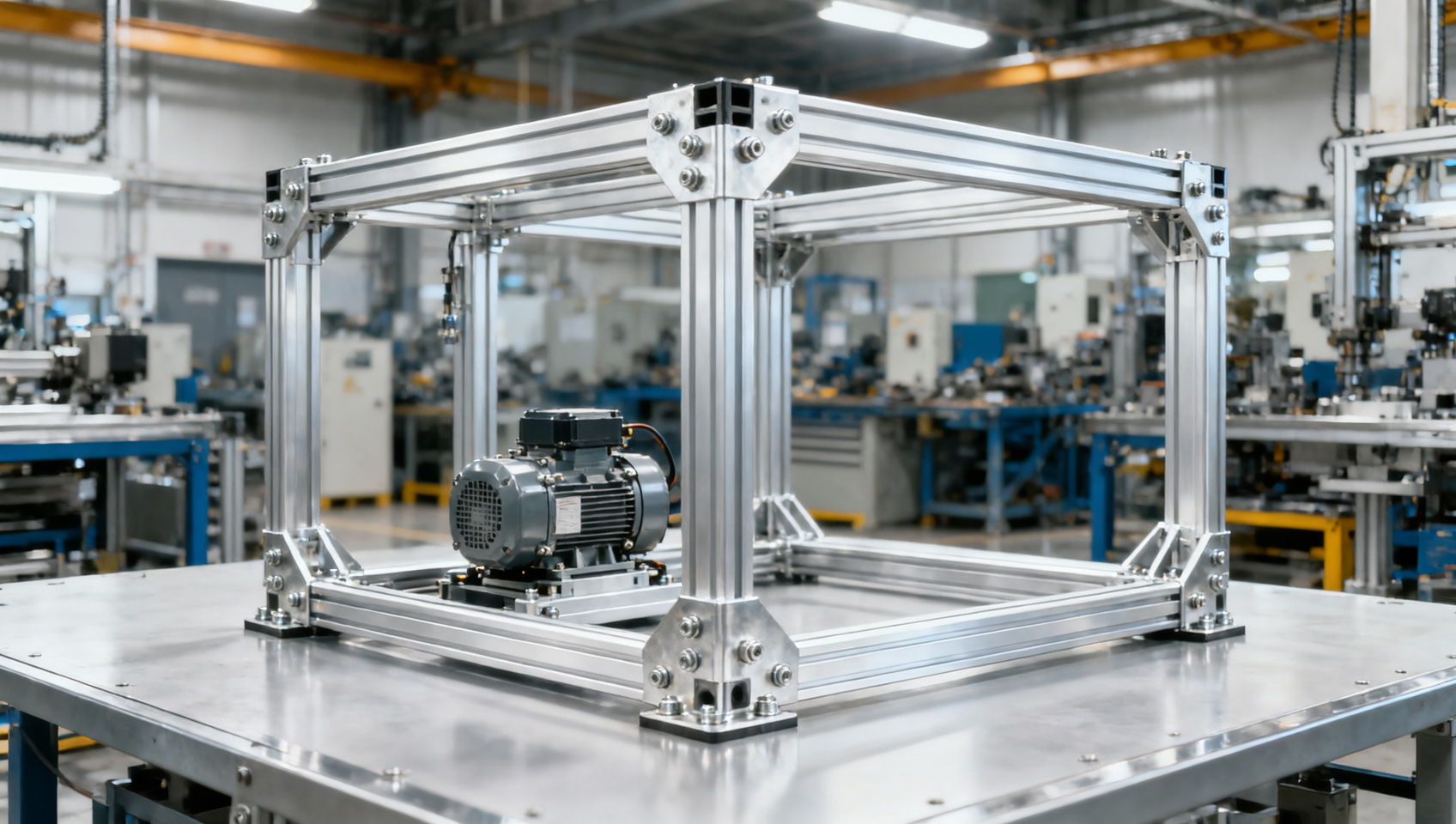
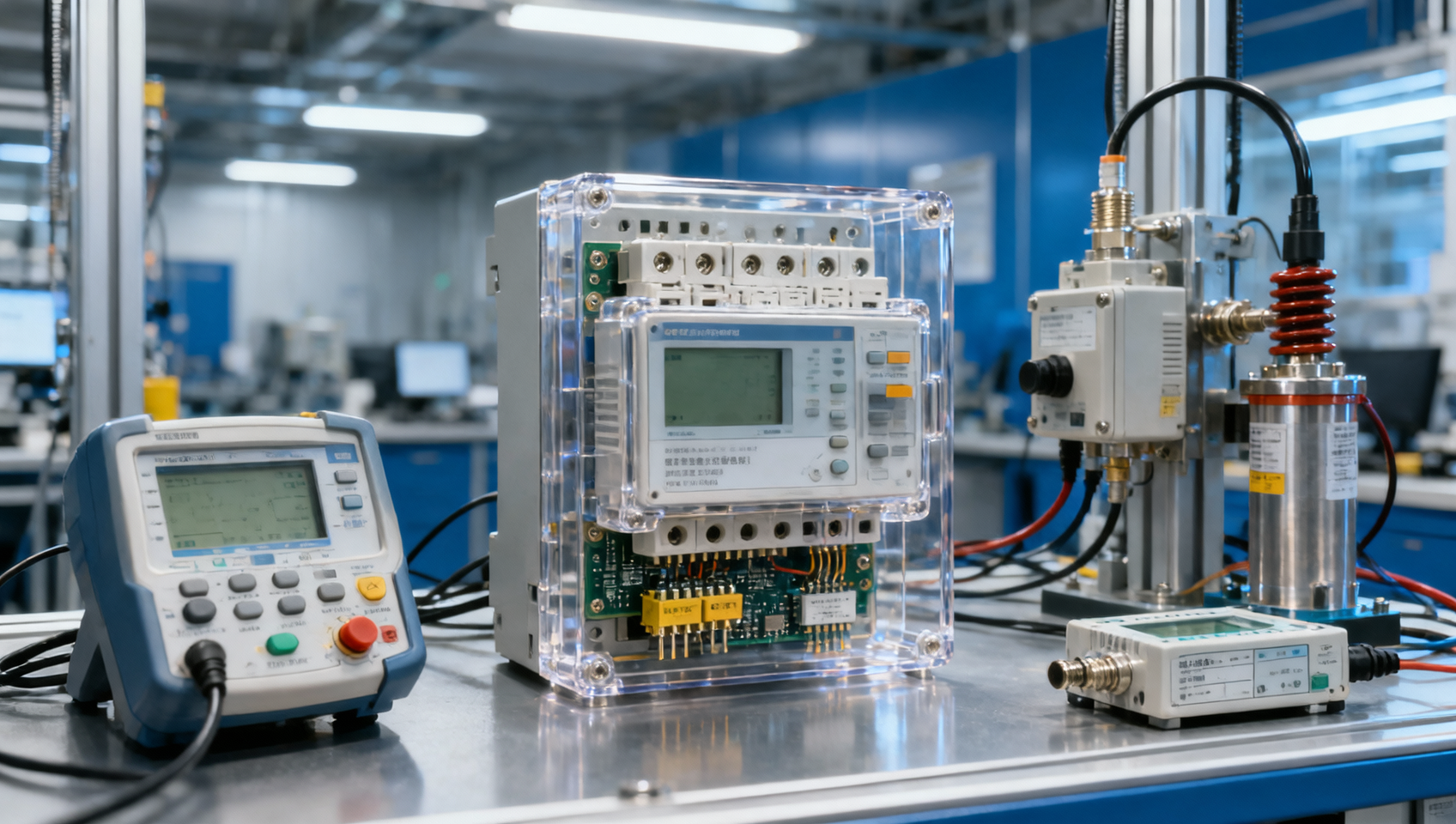
Electronic Enclosure Fabrication: Materials, IP Ratings, and Design Factors to Compare
Electronic enclosure fabrication sits at the intersection of protection, compliance, and product performance. In sectors such as smart electronics, healthcare technology, green energy, and industrial automation, enclosure choices influence far more than appearance.
A weak housing can shorten service life, complicate certification, and increase maintenance costs. A well-matched enclosure supports thermal control, environmental resistance, assembly efficiency, and long-term reliability across commercial and industrial settings.
That is why electronic enclosure fabrication deserves close comparison at the evaluation stage. Materials, IP ratings, manufacturing methods, and design details all shape whether an enclosure performs well in actual operating conditions rather than only on a specification sheet.
Why enclosure decisions carry more weight today
Electronic systems are now deployed in harsher and more varied environments. Outdoor control units, battery systems, diagnostic devices, connected equipment, and edge computing hardware all depend on stable enclosure performance.
The pressure is also commercial. Product teams must control cost, reduce risk, and support faster launches. In global sourcing, enclosure quality affects supplier qualification, warranty exposure, and the credibility of technical claims.
This is one reason platforms such as TradeNexus Pro give attention to decision-grade industrial topics. Buyers and evaluators increasingly need structured comparisons, not generic product listings, when reviewing technologies or supplier capabilities.
What electronic enclosure fabrication really includes
Electronic enclosure fabrication is the process of designing and producing housings that protect electrical or electronic assemblies. It includes material selection, forming, machining, joining, finishing, sealing, and integration with components.
In practice, the enclosure must do several jobs at once. It shields against dust, water, impact, corrosion, vibration, and electromagnetic interference while still allowing access, cooling, cable routing, and manufacturability.
Simple boxes rarely stay simple for long. Cutouts, mounting points, vents, gaskets, hinges, locks, coatings, and internal brackets all affect the final result and often determine whether field performance matches the design intent.
Material choices and what they change
Material selection is usually the first major comparison point in electronic enclosure fabrication. The right choice depends on exposure conditions, load requirements, thermal behavior, weight limits, and cost targets.
Common options in the market
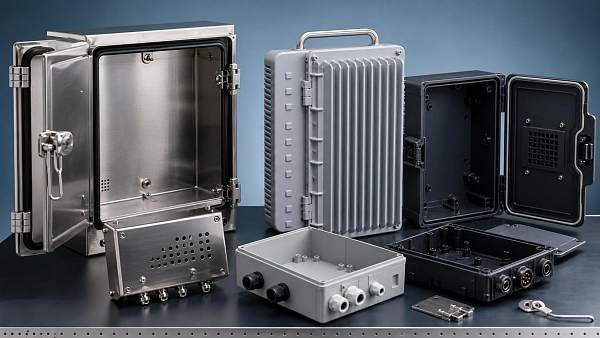
From an application view, stainless steel is often favored in washdown, chemical, or medical environments. Aluminum performs well where weight and heat management matter. Engineered plastics can be attractive for indoor electronics or lighter-duty field devices.
The comparison should go beyond the raw material itself. Surface finishing, passivation, powder coating, anodizing, and gasket compatibility often determine the actual service outcome.
Reading IP ratings without oversimplifying them
IP ratings are one of the most visible checkpoints in electronic enclosure fabrication, yet they are often misunderstood. The code indicates resistance to solids and liquids under defined test conditions, not unlimited environmental immunity.
For example, IP54 may be suitable for indoor industrial dust and splashes. IP65 is common where water jets and stronger dust exclusion are needed. IP67 and IP68 address temporary or extended immersion scenarios, depending on the specification.
The key issue is context. An enclosure rated for water ingress may still struggle with salt spray, repeated thermal cycling, aggressive cleaners, or cable entry failures. The rating is important, but it is not the whole decision.
Questions behind the rating
- Was the rating tested on the final assembled configuration or only the base housing?
- Do doors, seams, glands, windows, and fasteners match the same protection level?
- Will maintenance access or repeated opening reduce sealing performance over time?
- Does the use case need NEMA comparison, corrosion testing, or UV resistance as well?
Design factors that affect real-world performance
Material and ingress rating are only part of the evaluation. Electronic enclosure fabrication performs best when the design supports installation, service, and operating loads from the beginning.
Thermal management
Heat is a recurring reason for enclosure redesign. Dense electronics, power supplies, batteries, and communication modules need airflow, heat sinking, or conductive paths. A sealed housing may improve protection while worsening internal temperature.
EMI and grounding
For control systems and communication devices, electromagnetic compatibility can shape enclosure design. Conductive materials, shielding gaskets, bonding points, and careful panel interfaces may be necessary to reduce interference risks.
Mechanical strength and serviceability
Doors, mounting points, wall thickness, shock tolerance, and hinge design matter in the field. So do simpler details, such as whether technicians can replace a component without damaging seals or removing the entire unit.
Manufacturing fit
Sheet metal fabrication, die casting, CNC machining, and molded plastic each support different volumes and tolerances. Early alignment between design intent and production method reduces tooling surprises, lead time issues, and cost drift.
Where comparison priorities change by sector
The best enclosure is rarely universal. In smart electronics, compact packaging and heat control often dominate. In green energy systems, outdoor durability, UV exposure, and corrosion resistance become more critical.
Healthcare technology may require smooth surfaces, cleanability, and material traceability. Industrial automation often emphasizes vibration resistance, cable management, and fast maintenance access. These differences explain why specification comparison needs application context.
This sector-specific view also aligns with how informed B2B intelligence platforms frame technical content. A rating or material only becomes useful when connected to operating conditions, sourcing risk, and lifecycle expectations.
How to compare enclosure options more effectively
A practical review process for electronic enclosure fabrication should combine technical criteria with sourcing realism. Spec sheets are useful, but prototype quality, test evidence, and supplier process control often reveal more.
- Map the actual environment, including dust, water, chemicals, vibration, and heat load.
- Check whether the enclosure supports compliance needs, not only nominal IP performance.
- Review fabrication tolerances, finishing quality, and consistency across production batches.
- Confirm cable entries, vents, displays, and mounting hardware in the final configuration.
- Compare lifecycle cost, including maintenance, corrosion risk, replacement intervals, and downtime.
It is also worth comparing supplier communication quality. Clear drawings, test documentation, and realistic engineering feedback usually indicate stronger manufacturing discipline than broad marketing claims.
A grounded next step for evaluation
Electronic enclosure fabrication should be assessed as a system decision, not a box purchase. Material, sealing, thermal behavior, fabrication method, and service access need to work together under real operating constraints.
A useful next step is to build a comparison matrix around the intended environment, compliance targets, internal heat profile, expected maintenance cycle, and supplier evidence. That approach makes enclosure evaluation more consistent and easier to defend across teams.
For organizations tracking global suppliers or new market options, the most reliable decisions usually come from combining technical detail with broader industry intelligence. That is where focused analysis becomes more valuable than a simple catalog search.
Get weekly intelligence in your inbox.
No noise. No sponsored content. Pure intelligence.
 Sep 15, 2026Wholesale WiFi Smart Switches: What Buyers Should Verify Before OrderingWholesale WiFi Smart Switches: What Buyers Should Verify Before Ordering
 Sep 14, 2026How to Select IoT Sensors for Reliable Monitoring in Harsh Industrial EnvironmentsHow to Select IoT Sensors for Reliable Monitoring in Harsh Industrial Environments
 Sep 13, 2026How Procurement Teams Can Improve Supplier Reliability With Supply Chain VisibilityHow Procurement Teams Can Improve Supplier Reliability With Supply Chain Visibility
 Sep 12, 2026Smart Manufacturing Trends 2026: What Leaders Should Prioritize for ROISmart Manufacturing Trends 2026: What Leaders Should Prioritize for ROI
 Sep 11, 2026B2B Market Analysis: How Buyers Evaluate Suppliers, Pricing, and Delivery RiskB2B Market Analysis: How Buyers Evaluate Suppliers, Pricing, and Delivery Risk
 Sep 10, 2026Residential Solar Kits in Canada: How to Size a System for Your Home and ClimateResidential Solar Kits in Canada: How to Size a System for Your Home and Climate
 Sep 09, 2026How to Specify a Syringe Assembly Line for High-Volume Sterile ProductionHow to Specify a Syringe Assembly Line for High-Volume Sterile Production
 Sep 08, 2026How to Evaluate Warehouse Robotics System Suppliers for Reliable Multi-Site DeploymentHow to Evaluate Warehouse Robotics System Suppliers for Reliable Multi-Site Deployment
 Sep 07, 2026Renewable Geothermal Energy Explained: How It Works for Heating and PowerRenewable Geothermal Energy Explained: How It Works for Heating and Power
 Sep 07, 2026How to Choose an Industrial Packaging Robot Manufacturer for Your Production LineHow to Choose an Industrial Packaging Robot Manufacturer for Your Production Line
 Sep 05, 2026How to Evaluate a Turnkey Hydro Turbine Generator Supplier for Remote Power ProjectsHow to Evaluate a Turnkey Hydro Turbine Generator Supplier for Remote Power Projects
 Sep 04, 2026Automated Ultrasonic Welding for Thermoplastic Assemblies: Process Controls That MatterAutomated Ultrasonic Welding for Thermoplastic Assemblies: Process Controls That Matter
 Sep 03, 2026Energy Forecasting for Grid Planning: Sizing Solar and Storage CapacityEnergy Forecasting for Grid Planning: Sizing Solar and Storage Capacity
 Sep 02, 2026Which Metrics Should an Energy Analytics Dashboard Track for Factory Energy Management?Which Metrics Should an Energy Analytics Dashboard Track for Factory Energy Management?
 Sep 01, 2026How Warehouse Voice Picking Improves Accuracy and Throughput in Order FulfillmentHow Warehouse Voice Picking Improves Accuracy and Throughput in Order Fulfillment
 Aug 31, 2026How to Automate Dropshipping Order Processing Without Overselling StockHow to Automate Dropshipping Order Processing Without Overselling Stock
 Aug 30, 2026How to Evaluate a Smart Lighting Supplier for Multi-Site Commercial ProjectsHow to Evaluate a Smart Lighting Supplier for Multi-Site Commercial Projects
 Aug 29, 2026Recent Advances in Smart Manufacturing and Materials Reshaping Factory InvestmentRecent Advances in Smart Manufacturing and Materials Reshaping Factory Investment
 Aug 29, 2026Selecting Lightweight Aluminum Extrusions for Strength-Critical Industrial DesignsSelecting Lightweight Aluminum Extrusions for Strength-Critical Industrial Designs
 Aug 29, 2026Vertical Powder Anodizing Explained: Process Controls for Uniform Coating QualityVertical Powder Anodizing Explained: Process Controls for Uniform Coating Quality
 Aug 29, 2026PV Module Product Due Diligence: What Buyers Should Verify Before ContractingPV Module Product Due Diligence: What Buyers Should Verify Before Contracting
 Aug 29, 2026Solar Design for Challenging Terrain: Managing Slope, Soil, and Shading RisksSolar Design for Challenging Terrain: Managing Slope, Soil, and Shading Risks
 Aug 29, 2026IS 16444 Smart Meter Requirements: Key Functions, Tests, and ComplianceIS 16444 Smart Meter Requirements: Key Functions, Tests, and Compliance
 Aug 29, 2026Rehabilitation Equipment Market Outlook: Demand Drivers and Growth SegmentsRehabilitation Equipment Market Outlook: Demand Drivers and Growth Segments
 Aug 29, 2026When Does Container Handling Automation Deliver ROI in Port Yard Operations?When Does Container Handling Automation Deliver ROI in Port Yard Operations?
 Aug 29, 2026Customs API Integration: A Practical Checklist for Automated Trade ComplianceCustoms API Integration: A Practical Checklist for Automated Trade Compliance
 Aug 29, 2026Returnable Packaging for Automotive: How to Cut Damage and Reverse Logistics CostsReturnable Packaging for Automotive: How to Cut Damage and Reverse Logistics Costs