How to Evaluate a Hydro Turbine Generators Factory for Project Quality and Supply Reliability
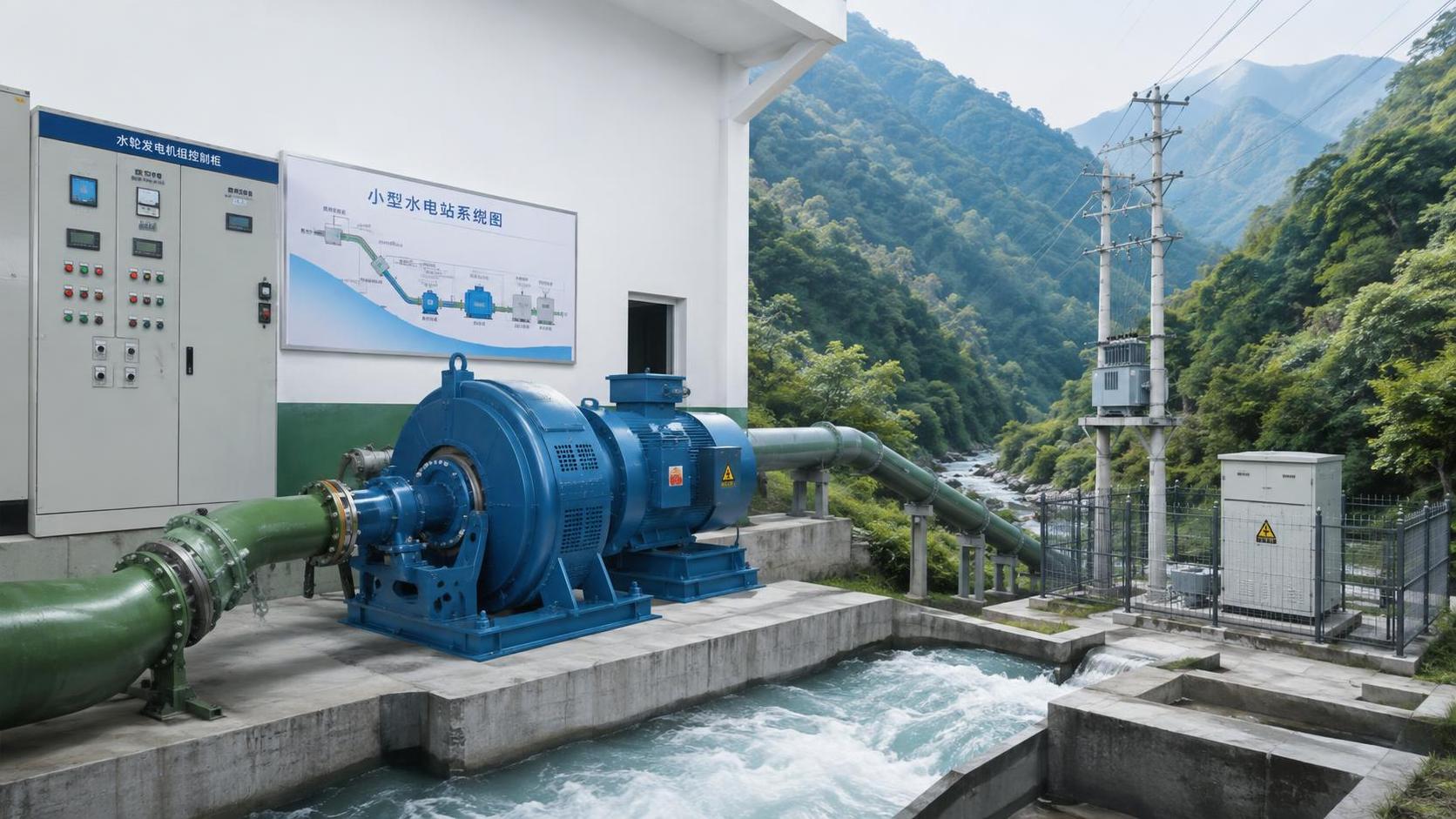
A hydro project can survive a slightly higher purchase price. It usually does not survive a weak factory choice. When buyers source from a hydro turbine generators factory, the real cost shows up later: mismatch between hydraulic design and site conditions, rework during FAT, packaging damage on long-haul transport, missed commissioning windows, or poor response when a rotor vibration issue appears after startup. That is why factory evaluation needs to be tied to project execution, not just quotation comparison.
For procurement teams, the practical question is simple: can this supplier build the unit you need, prove it before shipment, and support the project when things get tight? The checklist below is the one worth using before you move from inquiry to award.
Start with project fit, not factory size
A large workshop and polished brochure do not tell you whether the factory is right for your scheme. Hydro turbine generator packages are highly application-dependent. Head, flow range, grid conditions, expected annual operating profile, civil interface, transport limits, and control requirements all affect the equipment solution.
Before comparing prices, ask each supplier to respond against the same technical basis. That should include at least:
- site hydraulic data and operating range
- required turbine type or allowed alternatives
- generator output expectations and grid parameters
- scope split between factory, EPC, and owner
- testing expectations, documentation set, and spare parts list
If a supplier quotes quickly without asking about these points, treat that as a warning sign. A usable offer usually contains technical clarifications, not just a low number.
Check whether the factory really makes the critical parts
Many buyers discover too late that the “factory” is mainly an assembler. That does not automatically disqualify a supplier, but it changes the risk profile. For hydro turbine generators, you need to know which parts are produced in-house and which are outsourced: runner, guide vane components, shaft, stator winding, rotor assembly, excitation system, governor, control panels, and balance of plant items.
Ask for the manufacturing route, not marketing language. A credible factory should be able to explain where machining happens, where winding is done, how welding is controlled, and who performs final assembly and inspection. If key parts come from subcontractors, ask how those suppliers are qualified and how incoming inspection is handled.
This matters because quality failures often originate in subcontracted steps that were never tightly controlled. Procurement should map those outsourced nodes early, especially for export projects with long logistics cycles.

Review engineering depth before you trust the quotation
A hydro turbine generators factory should not only manufacture. It should also show enough engineering discipline to convert site inputs into a buildable, testable package. The early documents tell you a lot: GA drawings, interface assumptions, control architecture, material descriptions, and a preliminary document list.
Look for two things. First, does the proposal clearly define what is included and excluded? Second, are the assumptions consistent with your civil works and electrical system? Misalignment here is one of the most common sources of later variation claims.
A useful buyer check is to have engineering, procurement, and site teams review the quotation together. A supplier may look competitive on equipment price while quietly leaving out commissioning tools, embedded parts, sensors, or protection functions that the project still needs.
Do not treat quality documents as a formality
You are not looking for a pile of certificates. You are looking for evidence that the factory runs a controlled process. For this category, ask to review the quality plan, inspection and test plan, material traceability method for critical components, nonconformance handling process, and calibration control for measuring equipment.
If the project or target market requires specific standards, do not stop at hearing the standard name. Check where it appears in the contract documents, drawings, testing scope, and nameplate or documentation requirements. Standards only matter if they are translated into actual deliverables.
One practical mistake buyers make is accepting “equivalent” materials or components without a controlled approval path. For hydro equipment, those substitutions can affect wear resistance, insulation life, maintainability, and spare parts compatibility. Make the approval process explicit before production starts.
Inspect the testing logic, not just the promise of FAT
Every supplier says it will do factory testing. The real question is whether the test scope matches the risk of your project. FAT for generator systems should be tied to what can realistically be verified before shipment: electrical checks, insulation tests, dimensional checks, control logic verification, panel function tests, and witness points for critical assemblies. For mechanical items, review what is actually tested and what is only inspected.
Ask the factory to identify:
- which tests are routine and which are project-specific
- which items can be witnessed by the buyer or third-party inspector
- what acceptance records will be issued after testing
- how nonconformities found during FAT are closed before shipment
If a supplier cannot distinguish between inspection, testing, and commissioning, expect trouble later. That usually means site problems are being pushed downstream.
Audit delivery reliability through production control
Schedule risk is often hidden behind optimistic lead times. Ask for a milestone schedule that breaks the project into design approval, procurement of long-lead materials, machining, winding, assembly, FAT, packing, and dispatch. Then ask what controls those dates.
A dependable factory should be able to explain capacity loading, bottleneck processes, and the status of major bought-out items. If copper, bearings, insulation systems, digital control hardware, or breakers are externally sourced, delivery reliability depends partly on those channels too.
This is where procurement can save real money. A cheaper unit that misses the civil completion window can become the expensive option very quickly.
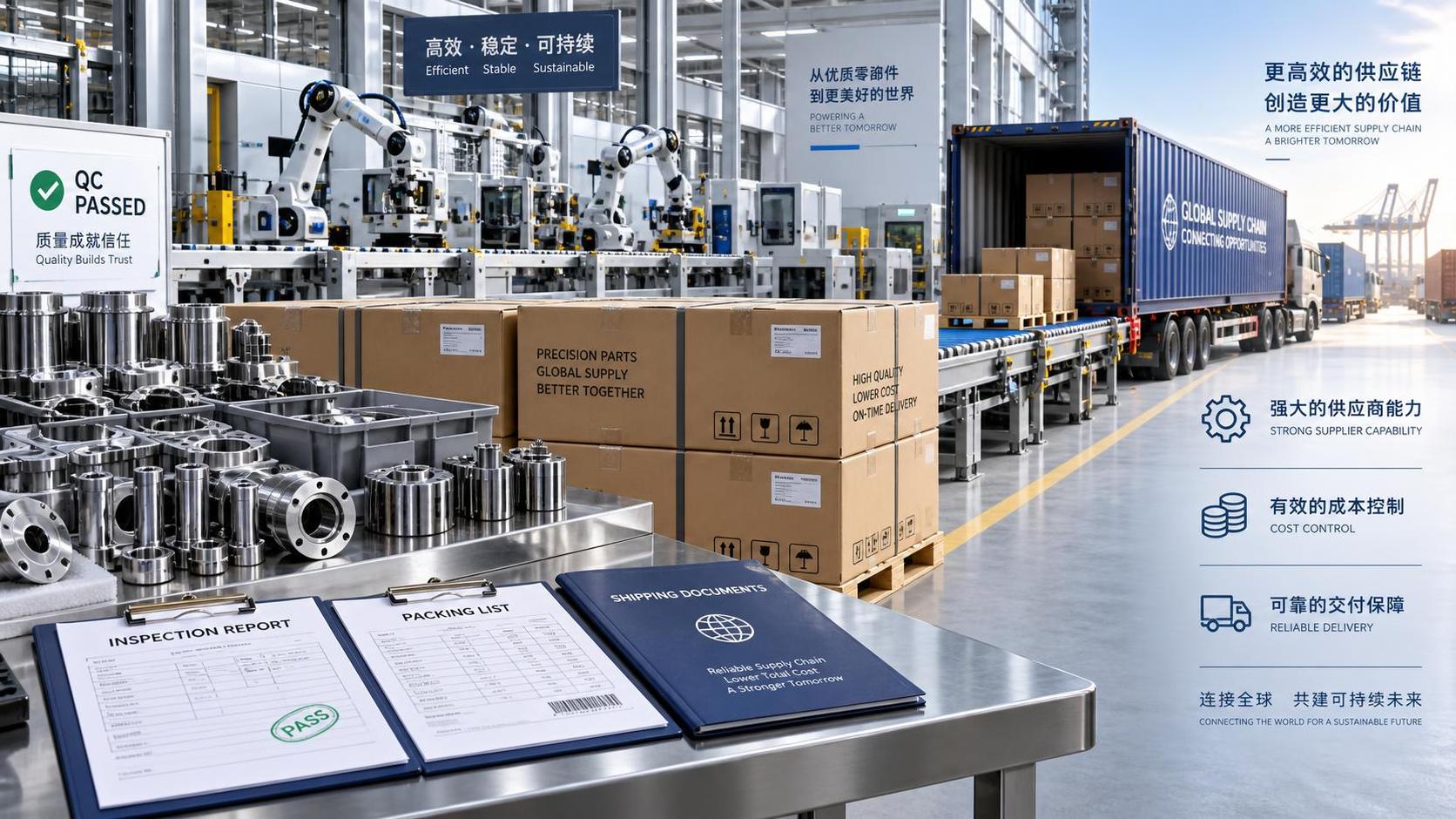
Look closely at export packaging and shipment readiness
For hydro packages, transport damage is not a minor issue. Long shafts, machined surfaces, control cabinets, and winding-sensitive parts need proper protection. Ask how the factory prepares export packing, preserves corrosion-sensitive parts, marks lifting points, and separates accessories and loose items.
The packing list should also be reviewed before shipment. If crates, subassemblies, and accessories are not matched to erection sequence, site teams lose time opening and re-sorting cargo. That shows up as installation inefficiency, not as a line item on the supplier quote.
Evaluate service support the way a site team would
After-sales support is often discussed too vaguely. Instead of asking whether support is available, ask what happens if the unit trips during commissioning, if site alignment readings exceed tolerance, or if a control panel fault appears after energization.
Useful checks include response time commitments in the contract, remote support capability, availability of commissioning engineers, spare parts strategy, and documentation quality for maintenance. A hydro turbine generators factory that sells globally should already have a disciplined document package: manuals, wiring diagrams, parts lists, test records, and issue tracking.
When buyers ignore this stage, they usually end up buying urgency later through expensive field service or emergency re-shipment.
Compare total procurement cost, not just equipment price
For sourcing decisions, the better comparison model is total delivered cost plus execution risk. Include engineering clarifications, excluded items, inspection costs, packaging quality, supervision needs, spare parts, probable schedule exposure, and expected service burden. This is especially important when one supplier’s offer is substantially lower than the rest.
A low quote can still be the right choice, but only if you can explain where the cost difference comes from. Better manufacturing efficiency is one answer. Missing scope is another. So is underestimating testing, documentation, or service.
Use a short decision sequence before award
If you need a practical order of work, use this one:
- Freeze the technical basis so all suppliers quote the same job.
- Screen for application fit and engineering responsiveness.
- Verify in-house manufacturing scope and subcontracting exposure.
- Review quality plan, ITP, and FAT logic.
- Stress-test the delivery schedule against real capacity and bought-out items.
- Close contract gaps on documentation, service, spares, and approvals for substitutions.
That sequence tends to expose weak suppliers quickly. It also prevents a common procurement error: negotiating price hard before you understand what is actually being supplied.
The best factory choice is usually not the one with the smoothest presentation. It is the one that answers technical questions clearly, shows control over its manufacturing chain, accepts transparent testing, and can explain how your project will move from drawing approval to reliable startup. For a buyer, that is what supply reliability looks like in practice.
Get weekly intelligence in your inbox.
No noise. No sponsored content. Pure intelligence.
 Sep 15, 2026Wholesale WiFi Smart Switches: What Buyers Should Verify Before OrderingWholesale WiFi Smart Switches: What Buyers Should Verify Before Ordering
 Sep 14, 2026How to Select IoT Sensors for Reliable Monitoring in Harsh Industrial EnvironmentsHow to Select IoT Sensors for Reliable Monitoring in Harsh Industrial Environments
 Sep 13, 2026How Procurement Teams Can Improve Supplier Reliability With Supply Chain VisibilityHow Procurement Teams Can Improve Supplier Reliability With Supply Chain Visibility
 Sep 12, 2026Smart Manufacturing Trends 2026: What Leaders Should Prioritize for ROISmart Manufacturing Trends 2026: What Leaders Should Prioritize for ROI
 Sep 11, 2026B2B Market Analysis: How Buyers Evaluate Suppliers, Pricing, and Delivery RiskB2B Market Analysis: How Buyers Evaluate Suppliers, Pricing, and Delivery Risk
 Sep 10, 2026Residential Solar Kits in Canada: How to Size a System for Your Home and ClimateResidential Solar Kits in Canada: How to Size a System for Your Home and Climate
 Sep 09, 2026How to Specify a Syringe Assembly Line for High-Volume Sterile ProductionHow to Specify a Syringe Assembly Line for High-Volume Sterile Production
 Sep 08, 2026How to Evaluate Warehouse Robotics System Suppliers for Reliable Multi-Site DeploymentHow to Evaluate Warehouse Robotics System Suppliers for Reliable Multi-Site Deployment
 Sep 07, 2026Renewable Geothermal Energy Explained: How It Works for Heating and PowerRenewable Geothermal Energy Explained: How It Works for Heating and Power
 Sep 07, 2026How to Choose an Industrial Packaging Robot Manufacturer for Your Production LineHow to Choose an Industrial Packaging Robot Manufacturer for Your Production Line
 Sep 05, 2026How to Evaluate a Turnkey Hydro Turbine Generator Supplier for Remote Power ProjectsHow to Evaluate a Turnkey Hydro Turbine Generator Supplier for Remote Power Projects
 Sep 04, 2026Automated Ultrasonic Welding for Thermoplastic Assemblies: Process Controls That MatterAutomated Ultrasonic Welding for Thermoplastic Assemblies: Process Controls That Matter
 Sep 03, 2026Energy Forecasting for Grid Planning: Sizing Solar and Storage CapacityEnergy Forecasting for Grid Planning: Sizing Solar and Storage Capacity
 Sep 02, 2026Which Metrics Should an Energy Analytics Dashboard Track for Factory Energy Management?Which Metrics Should an Energy Analytics Dashboard Track for Factory Energy Management?
 Sep 01, 2026How Warehouse Voice Picking Improves Accuracy and Throughput in Order FulfillmentHow Warehouse Voice Picking Improves Accuracy and Throughput in Order Fulfillment
 Aug 31, 2026How to Automate Dropshipping Order Processing Without Overselling StockHow to Automate Dropshipping Order Processing Without Overselling Stock
 Aug 30, 2026How to Evaluate a Smart Lighting Supplier for Multi-Site Commercial ProjectsHow to Evaluate a Smart Lighting Supplier for Multi-Site Commercial Projects
 Aug 29, 2026Recent Advances in Smart Manufacturing and Materials Reshaping Factory InvestmentRecent Advances in Smart Manufacturing and Materials Reshaping Factory Investment
 Aug 29, 2026Selecting Lightweight Aluminum Extrusions for Strength-Critical Industrial DesignsSelecting Lightweight Aluminum Extrusions for Strength-Critical Industrial Designs
 Aug 29, 2026Vertical Powder Anodizing Explained: Process Controls for Uniform Coating QualityVertical Powder Anodizing Explained: Process Controls for Uniform Coating Quality
 Aug 29, 2026PV Module Product Due Diligence: What Buyers Should Verify Before ContractingPV Module Product Due Diligence: What Buyers Should Verify Before Contracting
 Aug 29, 2026Solar Design for Challenging Terrain: Managing Slope, Soil, and Shading RisksSolar Design for Challenging Terrain: Managing Slope, Soil, and Shading Risks
 Aug 29, 2026IS 16444 Smart Meter Requirements: Key Functions, Tests, and ComplianceIS 16444 Smart Meter Requirements: Key Functions, Tests, and Compliance
 Aug 29, 2026Rehabilitation Equipment Market Outlook: Demand Drivers and Growth SegmentsRehabilitation Equipment Market Outlook: Demand Drivers and Growth Segments
 Aug 29, 2026When Does Container Handling Automation Deliver ROI in Port Yard Operations?When Does Container Handling Automation Deliver ROI in Port Yard Operations?
 Aug 29, 2026Customs API Integration: A Practical Checklist for Automated Trade ComplianceCustoms API Integration: A Practical Checklist for Automated Trade Compliance
 Aug 29, 2026Returnable Packaging for Automotive: How to Cut Damage and Reverse Logistics CostsReturnable Packaging for Automotive: How to Cut Damage and Reverse Logistics Costs