Choosing a servo motors wholesale exporter requires more than comparing prices and delivery schedules. Procurement teams need verifiable product origins and enforceable after-sales commitments.
Missing serial-number records, unclear sourcing channels, and restrictive warranty terms can turn an attractive quote into costly downtime, especially when replacements must cross borders.
Before placing a bulk order, verify how each motor connects to its manufacturer, which documents support authenticity, and who handles repairs or replacements internationally.
The strongest purchasing decision combines three checks: documented provenance, confirmed technical compatibility, and written remedies that remain practical when equipment fails at your production site.
What Evidence Should an Exporter Provide Before You Commit?
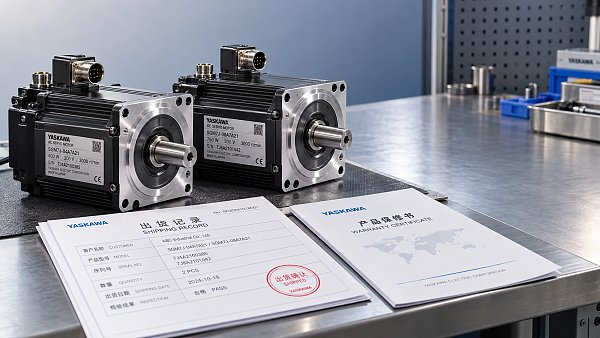
A credible exporter should explain its position in the supply chain: manufacturer, authorized distributor, independent stockist, or trading company sourcing through several intermediaries.
Each model can support legitimate procurement. What changes is the evidence required, the availability of manufacturer support, and the party responsible for warranty performance.
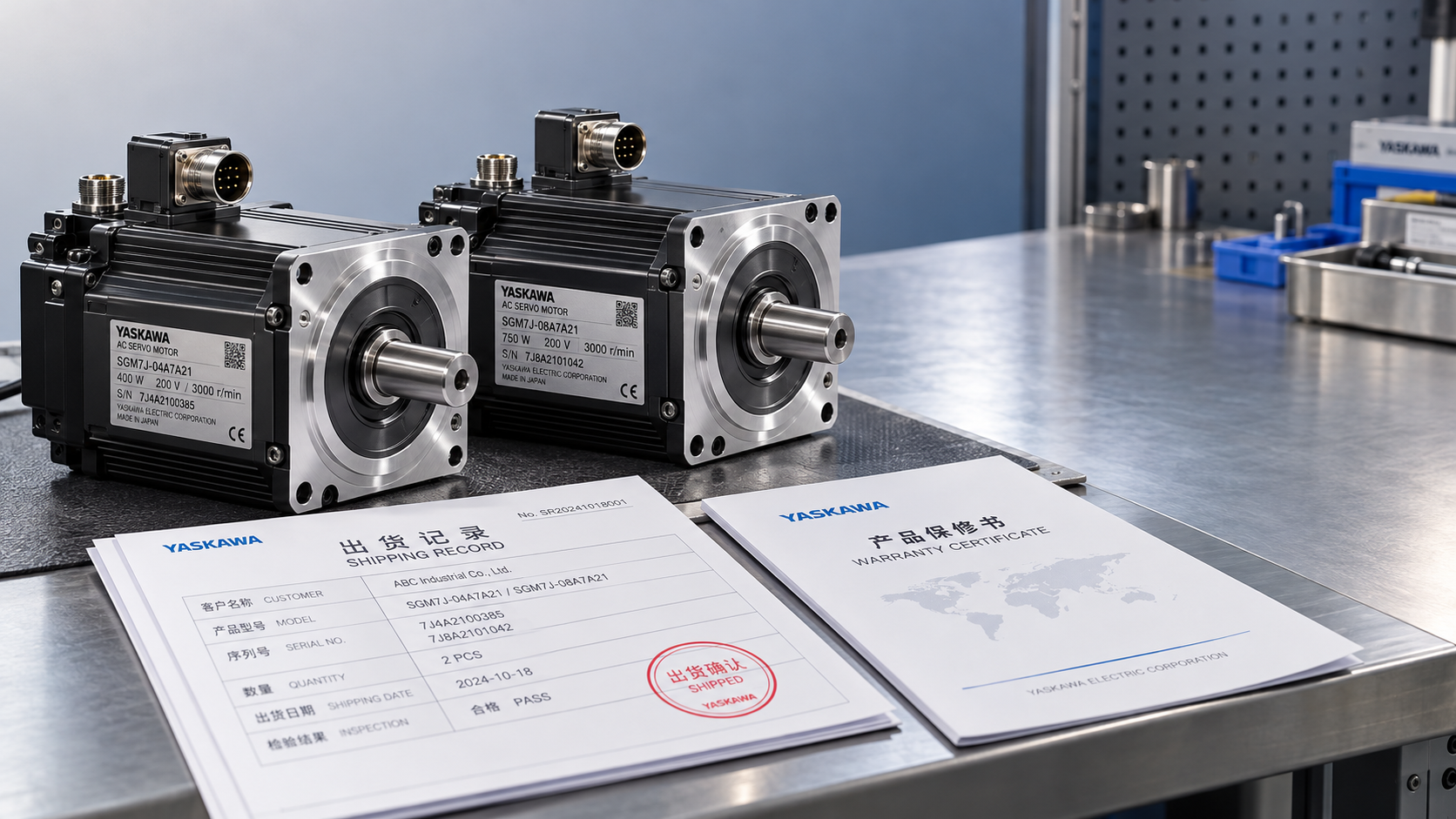
Request a sample documentation package before discussing deposits. It should demonstrate how quoted products, shipment records, and individual motor identities connect across the transaction.
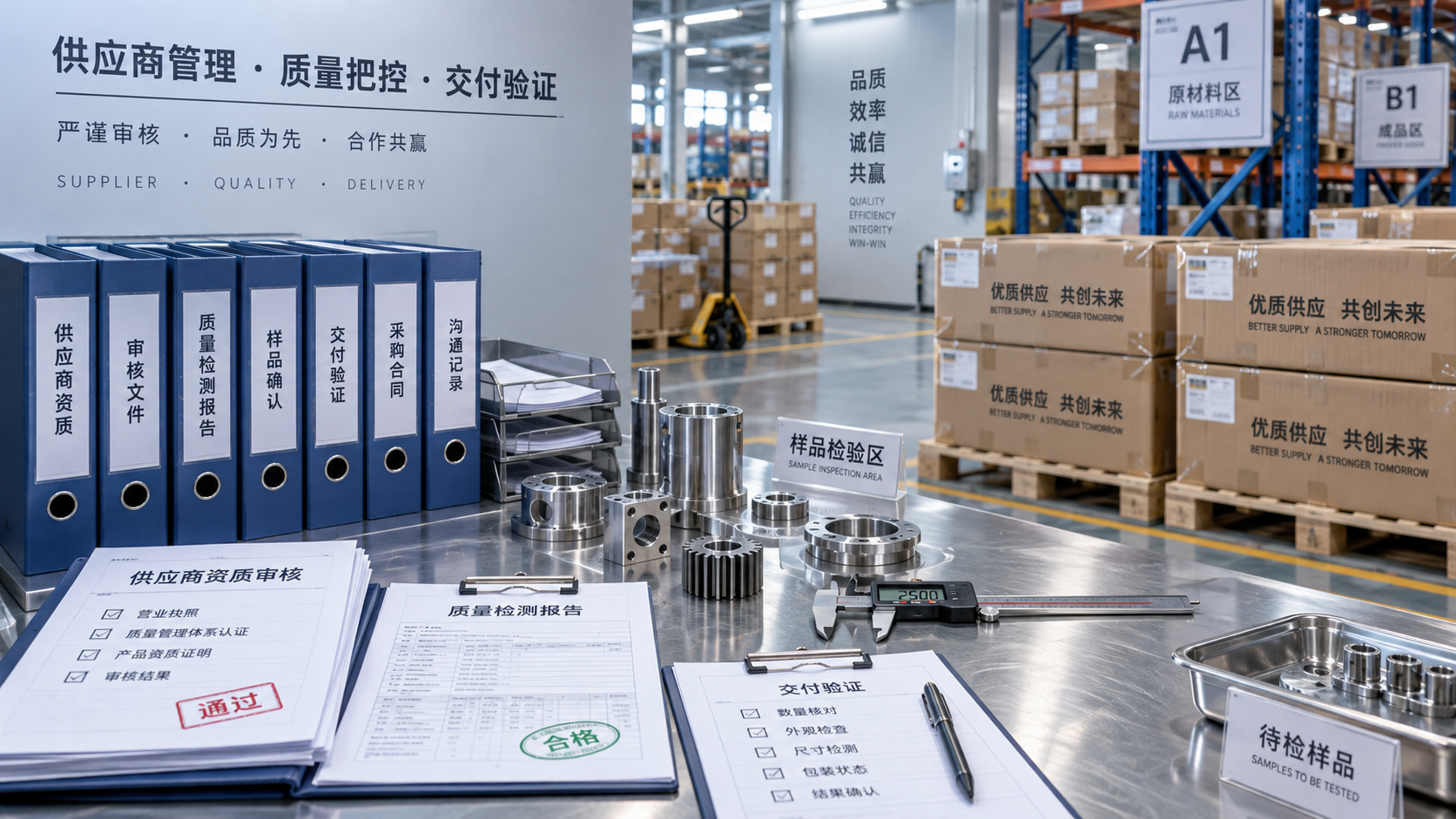
Use the following checks as a starting point. A document becomes useful when its details can be reconciled with other records and independently checked.
Commercially sensitive source invoices may be redacted, but essential product references and supplier identities should remain verifiable, potentially through an agreed independent inspection arrangement.
If confidentiality prevents meaningful verification, treat provenance as unresolved. A lower price does not compensate automatically for uncertainty about ownership, condition, or support eligibility.
Can You Trace Each Motor from Source to Shipment?
For a bulk purchase, traceability means following each physical unit through source records, incoming inspection, storage, allocation, and shipment—not simply receiving a generic certificate.
Require a serial-number schedule containing the complete manufacturer part number, applicable revision information, declared condition, and the purchase-order line assigned to each motor before dispatch.
Where manufacturers use production dates or batch codes, capture those too. Different production periods may affect storage history, documentation availability, or compatibility with existing equipment.
Ask the exporter to reconcile that schedule against nameplate photographs and packing records. Check that photographs show actual allocated stock rather than catalog examples.
Confirm whether the manufacturer offers serial verification, and use an independently obtained contact or official portal. Verification services and disclosed information differ between brands.
A recognized serial number is supporting evidence, not conclusive proof. Copied identifiers can appear on counterfeit products, so physical inspection and source continuity still matter.
For split shipments, require updated allocation records at each dispatch. Reconcile delivered serials against approved records before releasing any payment linked to shipment acceptance.
Does the Quoted Motor Match Your Installed System?
Even an authentic motor can be unusable if its encoder, brake, connector, shaft, or winding configuration differs from the version your machine requires for operation.
Compare the complete ordering code against the manufacturer’s documentation. Similar family names and matching rated power do not establish interchangeability with your installed equipment.
Have engineering confirm drive compatibility, feedback protocol, voltage class, rated speed, torque requirements, mounting dimensions, environmental rating, and any brake supply requirements before approving substitutions.
Some combinations also depend on drive firmware, parameter files, or connector pin assignments. Obtain written compatibility confirmation where the proposed configuration differs from the original.
Define condition precisely: current-production new, unused older stock, refurbished, repaired, or used. “Original” describes a claim about origin; it does not define previous service history.
For older inventory, request storage dates and conditions, packaging photographs, and manufacturer guidance on recommissioning checks. Requirements vary with motor design and storage duration.
Agree an inspection plan appropriate to the application. Electrical, feedback, brake, and mechanical checks should follow manufacturer procedures and be performed by competent personnel.
Who Actually Provides the Warranty Across Borders?
Ask whether coverage comes from the manufacturer, the exporter, or another service provider. These arrangements create different claims routes, eligibility requirements, and recovery risks.
An authentic motor purchased through an independent channel may have limited manufacturer support in your destination. Confirm coverage for the actual transaction and receiving country.
If the exporter advertises a manufacturer warranty, seek confirmation through the manufacturer’s official channel, including any registration, installation, territorial, or authorized-distributor conditions that apply.
When only an exporter warranty applies, assess its service capability. Ask where repairs occur, who diagnoses faults, and whether replacement stock is actually available.
Identify the legal entity accepting liability and ensure it matches the signed contract. A sales representative’s assurance is weaker than an obligation accepted by that entity.
For significant orders, review the provider’s operating history, relevant customer references, and repair arrangements. A generous warranty has limited value if its provider cannot perform.
Record which documents buyers must retain: invoices, serial lists, commissioning records, fault logs, and installation evidence. Requirements should be available before purchase, not introduced after failure.
Which Warranty Clauses Most Affect Downtime and Recovery?
Warranty duration matters, but the start date can matter more. Shipment-based coverage may expire substantially earlier than expected when installation follows a lengthy project schedule.
Negotiate a clear trigger, such as delivery or commissioning, with an agreed maximum period after shipment. Record the evidence needed to establish that date.
Separate failures found on arrival from faults arising during service. Define the reporting window, initial evidence requirements, and whether an arrival failure qualifies for replacement.
Specify response and decision deadlines separately. “Reply within two days” promises little if inspection, approval, and replacement shipment remain open-ended after the first acknowledgment.
State whether remedies include repair, equivalent replacement, or refund, and who chooses. Any substitute should require approval against the original technical and condition requirements.
Allocate outbound and return freight, insurance, diagnostic charges, and applicable customs costs. The chosen Incoterm for delivery does not by itself resolve warranty-return expenses.
Review exclusions for overload, contamination, incorrect wiring, unauthorized repair, and unsuitable operating conditions. Require a documented technical basis for rejection and a process for disputed findings.
If production continuity requires advance replacement or local stock, negotiate it explicitly. Standard repair warranties often provide neither, and may exclude consequential production losses entirely.
How Should You Test the Exporter’s Claims Before a Bulk Order?
Begin with a representative sample or pilot lot when supplier history is limited. Select configurations that reflect the complexity and operational importance of the planned order.
A successful sample supports confidence in that sample. It does not establish the authenticity, condition, or compatibility of every unit supplied in later shipments.
Before dispatch, use an agreed inspection scope covering identity, condition, accessories, packaging, and selected functional checks. Record precisely which serial numbers received which tests.
Sampling may suit consistent, lower-risk lots, while critical spares can justify individual verification. Choose the inspection depth according to failure impact and sourcing uncertainty.
Confirm who may open packaging and whether inspection affects return rights. Some suppliers restrict returns once seals are broken, making acceptance terms especially important.
Require written approval for changes to source, model suffix, condition, or shipment allocation. Inspection of one approved lot should not authorize substitution from another.
Link payment milestones to achievable evidence, such as approved documentation and inspection results. Consider commercially suitable payment protections where order value and supplier risk justify them.
Which Red Flags Should Change Your Purchasing Decision?
Pause when the exporter refuses to identify the warranty provider, supplies inconsistent model codes, or changes the payment beneficiary without a credible, independently verified explanation.
Other concerns include repeated serial numbers, source documents unrelated to the offered stock, unclear refurbishment disclosures, and authorization letters that cannot be confirmed with their issuer.
A low price alone does not establish wrongdoing. Surplus inventory, discontinued products, and independent distribution can explain discounts, but each requires appropriate evidence and commercial terms.
Compare evaluated cost rather than invoice price alone. Include inspection, integration work, spare inventory, expected return expenses, and the operational impact of longer replacement times.
For example, a modest discount may disappear if one failed motor requires international diagnosis and leaves a critical machine waiting several weeks for an approved replacement.
Classify unresolved issues before award: authenticity and compatibility can block purchase, while manageable service delays may be addressed through local spares or negotiated replacement commitments.
Make Traceability and Warranty Obligations Part of the Order
Your purchase order should identify the approved configuration, declared condition, required serial records, inspection criteria, warranty provider, and applicable remedies, with supporting schedules attached.
Resolve conflicting quotation terms and standard conditions before signing. For material contracts, obtain appropriate legal review of governing law, dispute resolution, and enforceability across jurisdictions.
The right servo motors wholesale exporter makes its claims verifiable and accepts clear responsibility when problems occur. Procurement confidence should rest on evidence and workable remedies.
Approve the order when provenance, technical suitability, and recovery arrangements meet your operational needs. If a critical gap remains unresolved, address it before committing funds.