Mitsubishi Electric Develops Industry-First Humanoid Robot–CNC Machining System
On October 21, 2026, Mitsubishi Electric announced the development of a machining system that uses physical AI to coordinate humanoid robots with computer numerical control (CNC) machine tools. The announcement may be relevant to manufacturers, equipment integrators and industrial buyers assessing automated machining operations. The supplied information identifies a technology development but does not establish any accompanying change in regulation, standards, certification or trade rules. From an industry perspective, its immediate relevance lies in the procurement specifications, compliance questions and delivery conditions that potential users may need to examine.
Physical AI Connects Humanoid Robots with CNC Machining
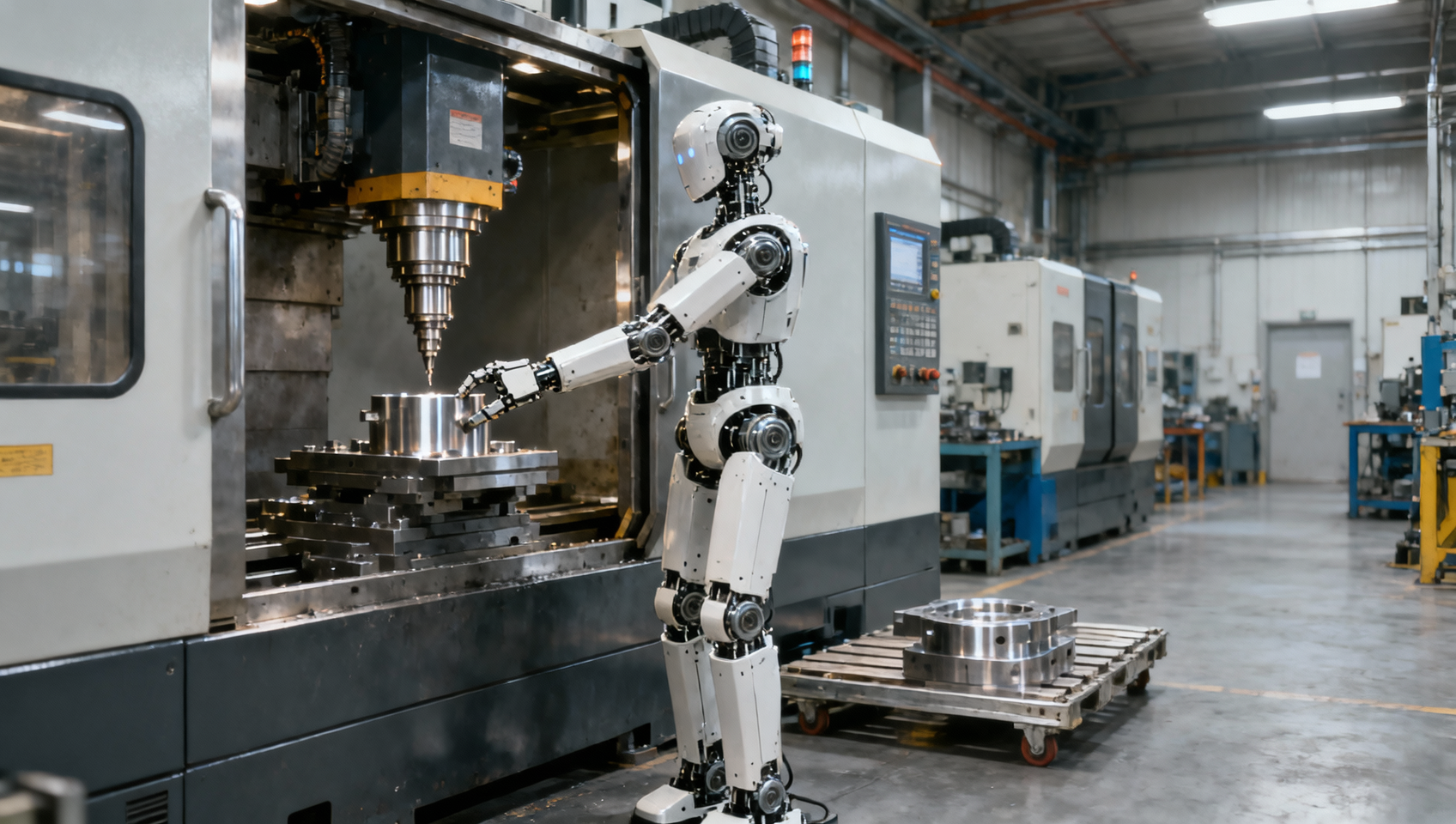
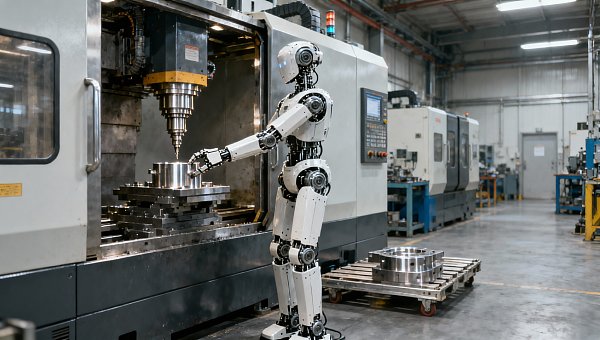
Mitsubishi Electric describes the development as the industry's first machining system to achieve seamless collaboration between humanoid robots and CNC machine tools through physical AI. According to the supplied announcement summary, the system enables humanoid robots to perform tasks traditionally undertaken by people, reducing machining operations' reliance on human labor and supporting further factory automation and smart manufacturing.
Potential Adoption Brings Integration Requirements into Focus
Manufacturers May Revisit Machining-Cell Specifications
Analysis suggests that manufacturers considering this approach may need to assess how robot-performed tasks would fit into their existing machining workflows. Procurement discussions could place greater emphasis on the division of tasks between people, robots and machine tools, together with evidence that the combined system can operate under the buyer's intended conditions. These are potential assessment needs; the supplied information does not establish new mandatory purchasing or operating requirements.
Integrators May Face Broader Verification Expectations
For equipment integrators, a possible implication is greater attention to the behavior of the complete machining system. Buyers may seek clearer documentation of how the humanoid robot and CNC equipment coordinate, how interruptions are handled and how the integrated installation is assessed. Any allocation of verification or compliance responsibilities would need to be checked against the actual project and applicable requirements; none is specified in the supplied summary.
Buyers and Service Providers May Seek Clearer Delivery Boundaries
From a procurement perspective, the announcement could prompt questions about what a proposed delivery includes, which functions require installation-specific validation and who supports the combined system after acceptance. Service providers may also need to evaluate the technical information needed for maintenance and troubleshooting. These are possible contractual considerations, rather than confirmed changes to delivery practices or supplier obligations.
What Buyers Can Check Before Defining a Project
Separate Development Claims from Acceptance Evidence
As a practical recommendation, prospective buyers could ask for evidence connecting the announced capabilities to their intended machining tasks. A project assessment could examine task coverage, operating conditions and acceptance criteria. The supplied information does not specify these details, so the development announcement alone cannot establish suitability for a particular production environment.
Clarify the Basis for Compliance Assessment
Companies evaluating adoption could seek clarification on the requirements applicable to their intended installation and the documentation available to support that assessment. A useful review would distinguish the capabilities described in the announcement from any separately demonstrated conformity or certification status. The supplied material identifies no specific standard, certificate or regulatory approval.
Define Documentation and Support Responsibilities
Analysis suggests that procurement teams could benefit from documenting responsibility for integration, technical records, acceptance checks and subsequent support before agreeing to delivery terms. Where physical AI functionality forms part of the proposed system, buyers could also clarify how relevant configuration or software changes would be documented and evaluated. These are suggested contract topics, not obligations established by the announcement.
Verify Availability Before Adjusting Procurement Plans
Companies considering changes to equipment purchases or staffing assumptions could first verify commercial availability, deployment conditions and delivery arrangements. The supplied summary provides no delivery schedule or customer implementation results. Any procurement adjustment would therefore benefit from project-specific confirmation rather than an assumption that the announced development is ready for immediate deployment.
A Development Signal Rather Than Evidence of a New Rule
Editorial analysis places this announcement at the technology-development stage. It indicates a proposed expansion of the tasks humanoid robots can perform alongside CNC equipment, but it does not demonstrate that regulators, standards bodies or certification providers have changed their requirements. It would therefore be premature to describe the event as a new compliance regime or a change in market-access conditions.
What deserves closer attention is whether subsequent documentation explains how the system is assessed and supplied, and whether buyers begin reflecting those details in tender specifications and acceptance criteria. Such developments could influence industry practice, but their occurrence and scope remain to be verified.
Project-Level Verification Will Shape Its Practical Significance
On the information provided, the announcement is best understood as a technology development with possible consequences for equipment procurement, integration and compliance assessment. Its practical significance will depend on evidence supporting particular applications and on the terms under which systems are offered and accepted. Companies can treat it as a reason to review technical questions while reserving conclusions about regulatory change, delivery readiness and operating outcomes.
Basis of Reporting and Items Requiring Follow-Up
This article is based solely on the news title, event date and event summary supplied by the user. No specific official source link was included in the input, and the announcement and its supporting details remain subject to further verification. The industry-first description is attributed to the supplied account of Mitsubishi Electric's announcement.
Relevant follow-up material could include official company announcements, technical documentation and, where applicable, publications from regulators or standards organizations. Continued verification should focus on deployment conditions, certification or conformity-assessment details, any subsequent rule changes, tender requirements, delivery arrangements and industry feedback. No such follow-up outcome is established by the supplied information.
Get weekly intelligence in your inbox.
No noise. No sponsored content. Pure intelligence.
 Oct 22, 2026Mitsubishi Electric Develops Industry-First Humanoid Robot–CNC Machining SystemMitsubishi Electric Develops Industry-First Humanoid Robot–CNC Machining System
 Oct 22, 2026Aerospace Aluminum Machining: How to Control Distortion in Thin-Wall PartsAerospace Aluminum Machining: How to Control Distortion in Thin-Wall Parts
 Oct 21, 2026Genesis Energy commissions 200 MWh battery storage system at HuntlyGenesis Energy commissions 200 MWh battery storage system at Huntly
 Oct 21, 2026Buying AMI Smart Meters Wholesale: Compatibility Checks and Total CostsBuying AMI Smart Meters Wholesale: Compatibility Checks and Total Costs
 Oct 20, 2026Werner Enterprises Issues Q3 Earnings Warning as Costs RiseWerner Enterprises Issues Q3 Earnings Warning as Costs Rise
 Oct 20, 2026Are Digital Twins Viable for SMEs? Costs, Use Cases, and Data RequirementsAre Digital Twins Viable for SMEs? Costs, Use Cases, and Data Requirements
 Oct 19, 2026Choosing a Wholesale Servo Motor Exporter: Traceability and Warranty ChecksChoosing a Wholesale Servo Motor Exporter: Traceability and Warranty Checks
 Oct 18, 2026Syringe Manufacturing Equipment: Evaluating Throughput and Assembly AccuracySyringe Manufacturing Equipment: Evaluating Throughput and Assembly Accuracy
 Oct 17, 2026Air Freight Forwarding Services: How to Compare Quotes for Urgent ShipmentsAir Freight Forwarding Services: How to Compare Quotes for Urgent Shipments
 Oct 16, 2026Wholesale Solar Panels: How to Compare Bulk Quotes by Total Landed CostWholesale Solar Panels: How to Compare Bulk Quotes by Total Landed Cost
 Oct 15, 2026Supply Chain Intelligence for Sourcing: How to Vet New SuppliersSupply Chain Intelligence for Sourcing: How to Vet New Suppliers
 Oct 14, 2026How skills shortages slow smart manufacturing in Southeast AsiaHow skills shortages slow smart manufacturing in Southeast Asia
 Oct 14, 2026How CNC wire-cut machining maintains tight tolerances in thick partsHow CNC wire-cut machining maintains tight tolerances in thick parts
 Oct 14, 2026Can automated feeding stabilize metal forming in smart factories?Can automated feeding stabilize metal forming in smart factories?
 Oct 14, 2026Can CT inspection detect internal defects in metal additive parts?Can CT inspection detect internal defects in metal additive parts?
 Oct 14, 2026When does additive manufacturing reduce lead time for spare parts?When does additive manufacturing reduce lead time for spare parts?
 Oct 14, 2026How production volume affects ROI on an automated painting lineHow production volume affects ROI on an automated painting line
 Oct 14, 2026What data does manufacturing bottleneck analysis consulting need?What data does manufacturing bottleneck analysis consulting need?
 Oct 14, 2026When should you hire a consultant for manufacturing bottlenecks?When should you hire a consultant for manufacturing bottlenecks?
 Oct 14, 2026How Do You Measure AI Adoption Maturity in a Traditional Factory?How Do You Measure AI Adoption Maturity in a Traditional Factory?
 Oct 14, 2026Are Chinese AI-Assisted Surgical Devices Gaining Global Trust?Are Chinese AI-Assisted Surgical Devices Gaining Global Trust?
 Oct 14, 2026What Happens When Warehouse Robots Need Software Updates Mid-Operation?What Happens When Warehouse Robots Need Software Updates Mid-Operation?
 Oct 14, 2026How Do Plants Calculate Real Savings from Energy-Efficient Equipment?How Do Plants Calculate Real Savings from Energy-Efficient Equipment?
 Oct 14, 2026Are Digital Twins Only for Large Enterprises, or Can SMEs Use Them?Are Digital Twins Only for Large Enterprises, or Can SMEs Use Them?
 Oct 14, 2026What Are the Common Failure Modes in Legacy Industrial Control Systems?What Are the Common Failure Modes in Legacy Industrial Control Systems?
 Oct 14, 2026Do Electronic Component Distributors Add Value or Just Markup?Do Electronic Component Distributors Add Value or Just Markup?
 Oct 14, 2026What ESG Requirements Apply to Solar PV Exporters Selling to Europe?What ESG Requirements Apply to Solar PV Exporters Selling to Europe?