A competitive quote can hide costly supplier risks, from overstated production capacity to weak quality controls and unstable finances. Price alone cannot establish supplier reliability.
For procurement teams, supply chain intelligence for sourcing turns supplier selection into an evidence-led decision rather than a bet on polished presentations and sales claims.
Before approving a new vendor, buyers need to verify business credentials, assess operational capability, review applicable compliance requirements, and test whether delivery promises are realistic.
The strongest approach combines independent research, supplier documentation, operational verification, and a controlled trial. Each stage should reduce uncertainty before your organization increases its exposure.
This guide explains what to check, which evidence deserves attention, and how to distinguish suppliers worth developing from those that could threaten supply continuity.
What Evidence Should You Collect Before Shortlisting?
Start with the purchasing decision, not an oversized questionnaire. Define the product specification, intended application, destination market, expected volumes, and consequences of a supply failure.
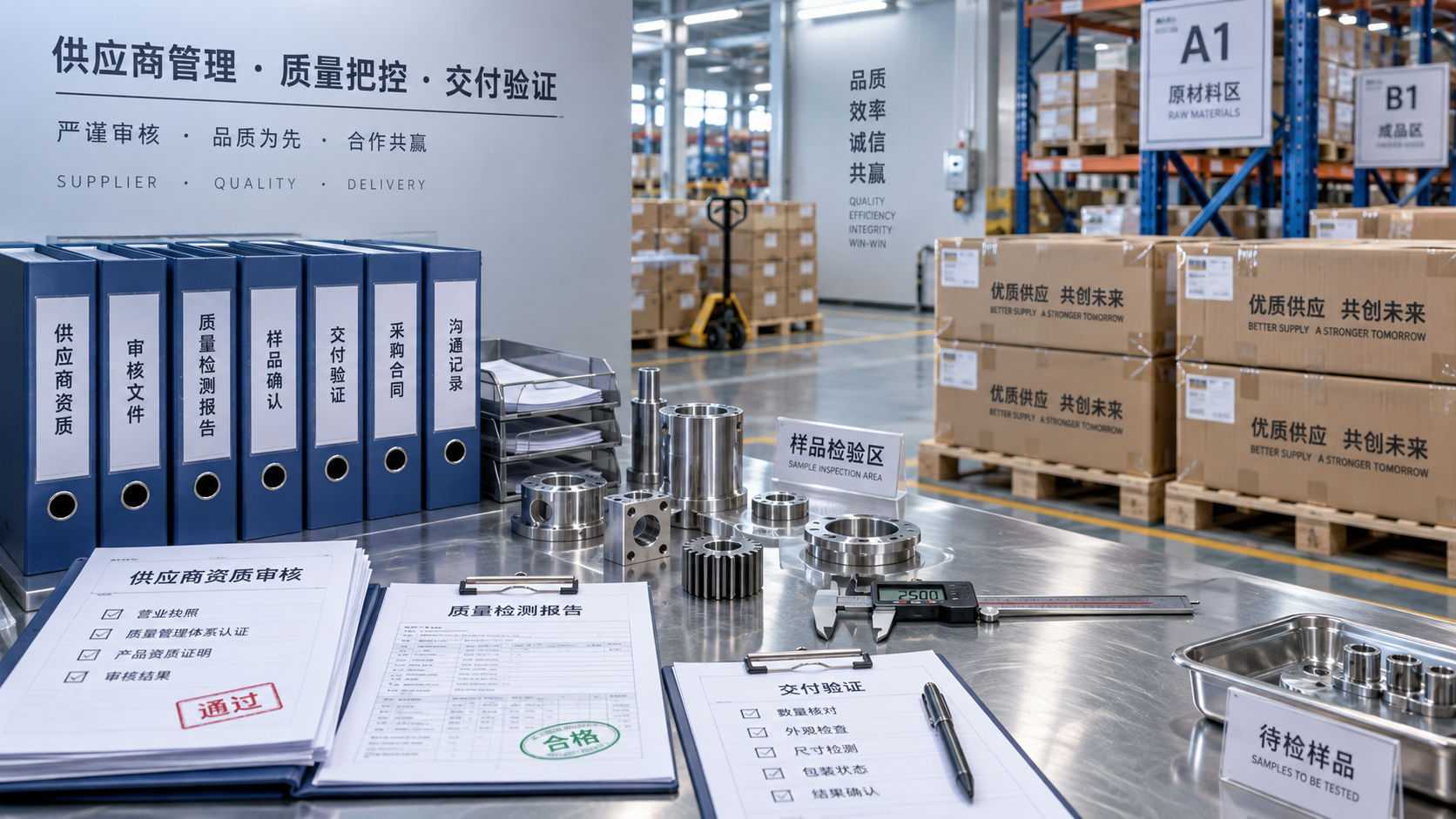
Then create a supplier evidence file covering legal identity, production location, quality capability, financial stability, compliance, delivery performance, and dependence on critical subcontractors or materials.
For every significant claim, record its source, date, scope, and verification status. A current factory audit carries different weight from an undated marketing brochure.
Use company registries, certification databases, public filings where available, regulatory notices, and authorized customer references. Supplier-provided records remain useful when corroborated by independent evidence.
Trade records and shipment datasets can reveal patterns, but coverage varies by country, transport mode, and reporting rules. Missing records do not prove inactivity.
Distinguish verified facts, reasonable inferences, and unanswered questions. This prevents apparent precision from disguising uncertainty when stakeholders compare suppliers or approve a sourcing recommendation.
Are You Contracting With the Right Legal Entity?
Confirm the supplier’s registered name, registration number, operating status, registered address, and ownership information where accessible. Match these details against quotations, contracts, and invoices.
Establish whether your contact represents a manufacturer, distributor, trading company, or agent. Each model can work, but responsibilities and access to production evidence differ.
A trading company may provide valuable sourcing coordination. However, buyers still need visibility into the actual manufacturing site, quality responsibilities, subcontracting arrangements, and escalation route.
Check that the proposed bank beneficiary matches the contracting entity. Investigate discrepancies through independently verified contact details before making payments or accepting revised banking instructions.
Screen relevant entities and ownership against sanctions, restricted-party, and other applicable requirements. Consider jurisdiction, transaction structure, product classification, and destination when determining which checks apply.
Unexplained entity changes, inconsistent addresses, concealed manufacturing locations, or pressure to pay unrelated beneficiaries warrant escalation. Resolve these issues before commercial negotiations create unnecessary momentum.
Can the Supplier Make Your Product at the Required Volume?
Ask for evidence tied to your specification rather than general factory capability. Relevant examples include comparable products, process routes, equipment lists, inspection plans, and production records.
Separate installed capacity from available capacity. Existing customer commitments, maintenance schedules, staffing, changeover time, and bottleneck processes can substantially reduce the output available to you.
Request a capacity calculation showing production rate, operating hours, expected yield, and committed load. Challenge assumptions using the specific line proposed for your orders.
For illustration, a line producing 100 units hourly across 160 monthly hours has 16,000 units of theoretical capacity before downtime, rejects, or existing commitments.
If half that capacity is already committed, a promise to supply 10,000 additional units deserves scrutiny. Ask whether extra shifts or equipment are confirmed.
A site visit or independent audit should verify equipment, workflow, staffing, material controls, and subcontracting. Live video can supplement verification when physical access is impractical.
Will Quality Stay Consistent Beyond the First Sample?
A good sample establishes potential capability; it does not prove repeatability. Confirm whether samples came from the intended production line using normal materials and processes.
Translate specifications into acceptance criteria before testing. Define critical dimensions, performance requirements, permitted defects, test methods, sampling rules, and any application-specific documentation the supplier must provide.
Review incoming material inspection, calibration, batch traceability, nonconformance handling, and corrective actions. Ask how the supplier prevents a known defect from reaching another shipment.
Certification can support your assessment, but scope matters. Verify the issuing body, certified entity, covered site, activities, and validity through an appropriate authoritative source.
An ISO 9001 certificate indicates a certified quality management system within its scope. It does not independently establish product compliance or guarantee defect-free deliveries.
Evaluate a representative pilot batch against agreed criteria. For critical components, examine variation across units and batches rather than relying only on average results.
Could Financial Weakness Disrupt Supply After Approval?
Financial distress can appear operationally before it becomes public: delayed material purchases, abrupt deposit demands, shrinking inventories, or frequent changes in promised production dates.
Request financial statements or credible credit information where proportionate and available. Consider liquidity, debt obligations, customer concentration, and working capital needs for your expected orders.
Private suppliers may provide limited financial disclosure. Treat that limitation as an uncertainty to manage through smaller commitments, appropriate payment terms, and closer monitoring.
Customer references can clarify delivery behavior and dispute handling. With authorization, ask about comparable orders, recent performance, responsiveness, and whether problems were resolved effectively.
Protect advances and tooling investments through suitable contractual terms or financing arrangements where available. Larger deposits should require stronger evidence and clearer ownership protections.
A supplier’s competitive price may depend on optimistic cash assumptions. Assess whether the proposed payment schedule and production plan can realistically support your purchasing requirements.
Which Compliance Checks Matter for Your Category?
Build the compliance checklist around the product, destination, intended use, and your role in the transaction. A generic certificate folder rarely answers these questions.
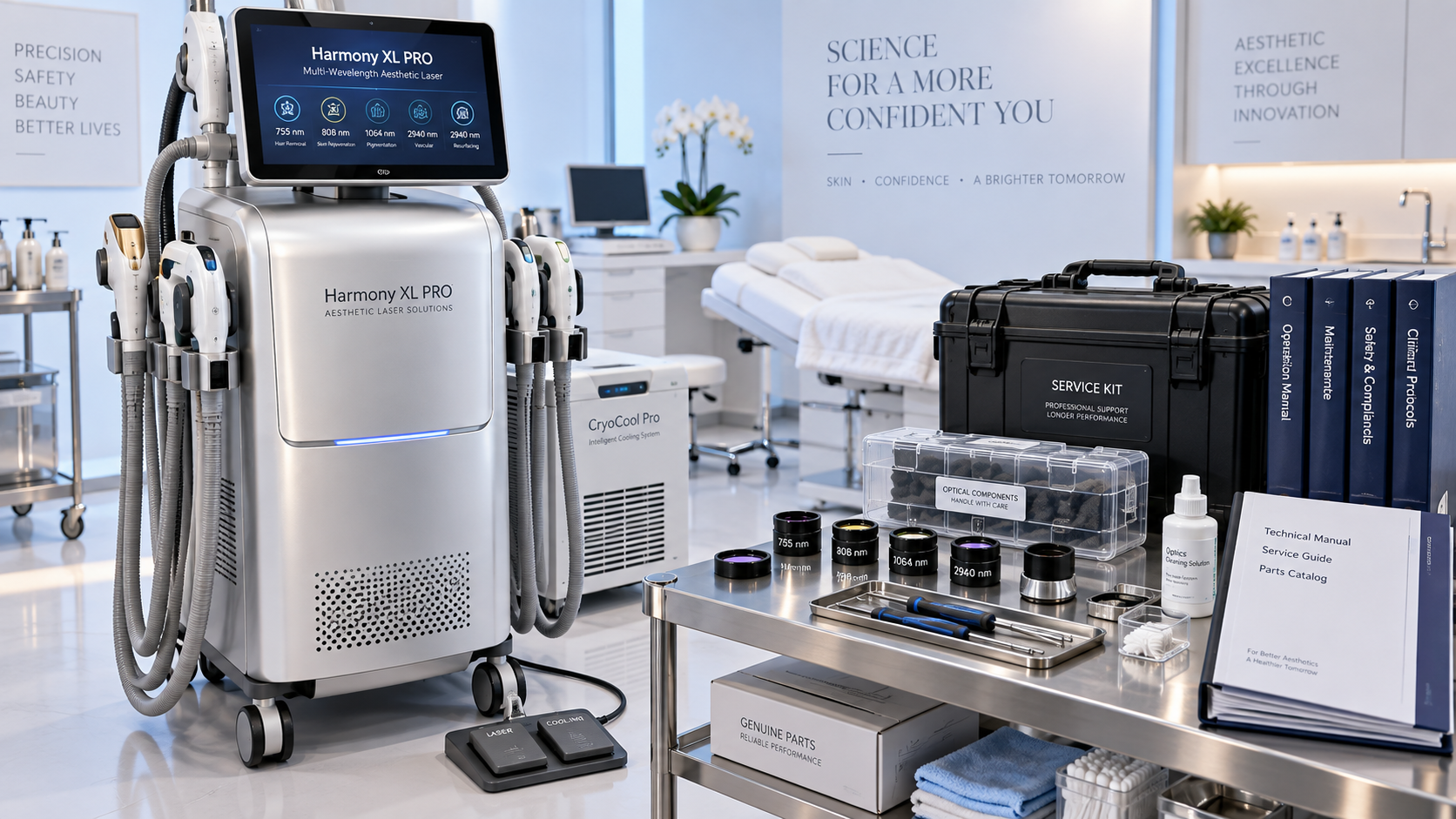
For advanced manufacturing, verify material grades, applicable technical standards, and inspection documentation. Where relevant, connect material certificates to heat numbers and the goods actually supplied.
For green energy products, examine applicable safety testing, performance evidence, warranty support, and transport requirements. Battery sourcing may also require chemistry-specific handling and traceability checks.
For smart electronics, assess component authenticity, change notifications, lifecycle status, and relevant substance restrictions. Confirm how the supplier handles substitutions, obsolete parts, and counterfeit risks.
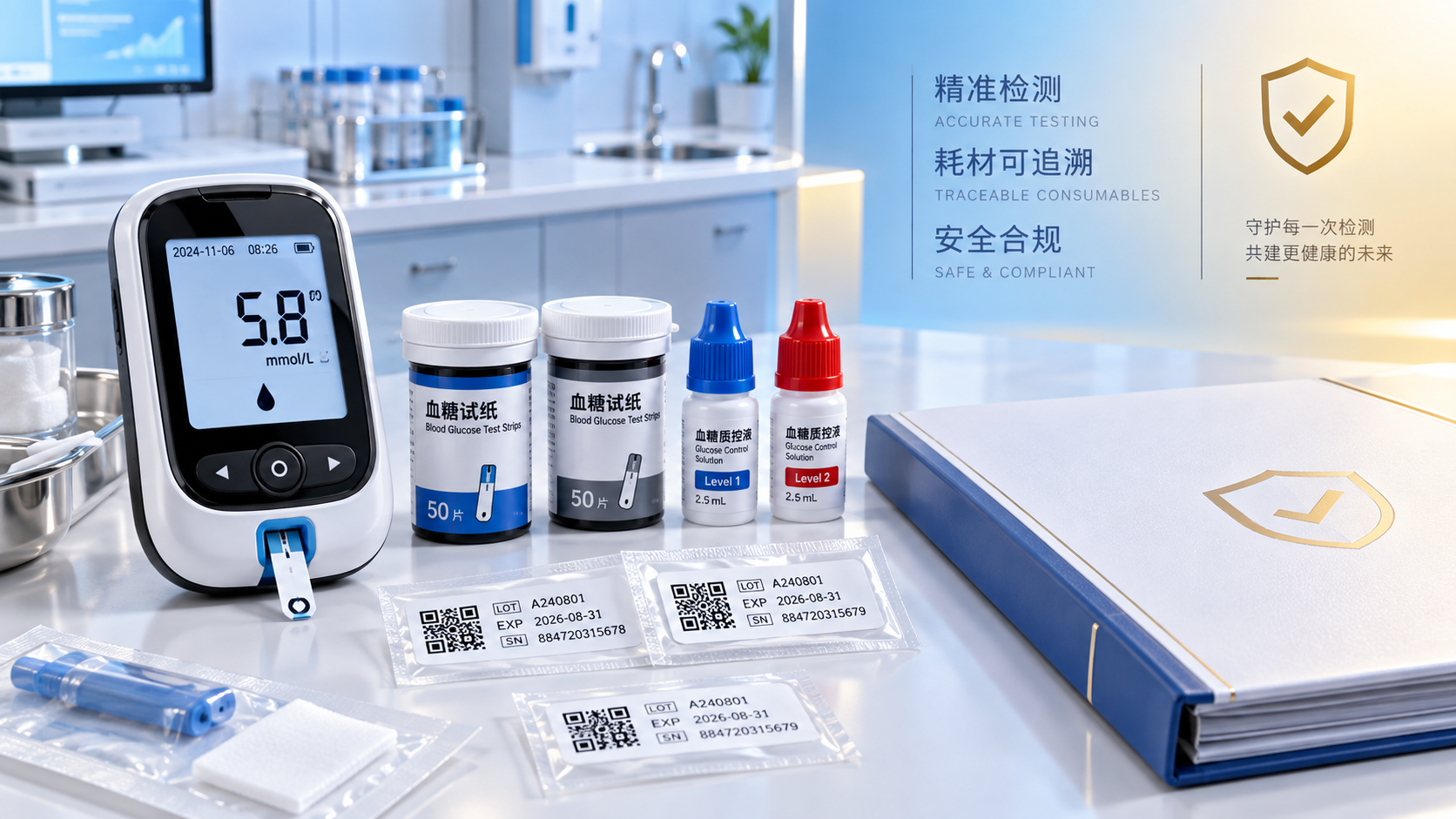
Healthcare technology may require market-specific registrations, quality systems, validated processes, and stronger traceability. Requirements depend on device classification, intended use, and the supplier’s role.
For Supply Chain SaaS, examine security controls, data processing terms, uptime commitments, integration capability, and exit provisions. Confirm that evidence covers the service you purchase.
Evaluate labor, environmental, and responsible sourcing risks according to category and geography. Policies provide context; supporting records and corrective action evidence establish whether controls operate.
How Reliable Are Lead Times and Upstream Dependencies?
Break the quoted lead time into material procurement, production, inspection, dispatch, and transport. Clarify when the clock starts and which assumptions underpin the promise.
Ask for recent delivery performance using a consistent definition. On-time shipment from the factory differs from on-time arrival at your warehouse or production site.
Request actual versus promised dates for comparable orders, including exceptions. A supplier that explains missed deliveries and corrective measures provides more useful evidence than blanket assurances.
Map critical upstream dependencies, including single-source materials, specialist processors, tooling locations, and constrained components. Identify which disruptions the supplier can absorb and which require alternatives.
Two suppliers may share the same upstream producer, port, or subcontractor. Check these dependencies before assuming that dual sourcing meaningfully reduces your disruption exposure.
Agree on escalation triggers, notification deadlines, and recovery responsibilities. For high-impact items, evaluate backup production, alternative logistics routes, or proportionate buffer stock before awarding business.
How Should You Compare Suppliers Without Hiding Serious Risks?
Use a scorecard to structure comparison, but establish mandatory approval gates first. A strong commercial score must not offset unresolved identity or essential compliance failures.
The following weighting is an illustrative starting point for manufactured goods. Adjust it to your category, application, supply exposure, and organizational priorities before evaluating candidates.
Score capability and evidence confidence separately. A promising supplier supported mainly by self-reported information should not appear equivalent to one with independently verified performance.
Document unresolved gaps alongside the score, with an owner and resolution deadline. Use clear outcomes: approve, approve conditionally, request further evidence, or reject the supplier.
Compare total acquisition cost, including freight, duties, inspection, expected rework, inventory exposure, and administration. A lower unit price can produce a more expensive supply arrangement.
Do not invent numerical precision when evidence is weak. Present scenarios or ranges, explain assumptions, and identify which additional information could change the recommendation.
What Should Happen Between Shortlisting and Full Approval?
Use staged approval: document review, technical assessment, operational verification, pilot order, and performance review. Increase diligence when failure could affect safety, production continuity, or regulatory obligations.
Before the pilot, agree on specifications, acceptance criteria, delivery milestones, packaging, documentation, and corrective action responsibilities. Define who approves deviations and changes to critical processes.
Run the trial through the intended production and logistics route where practical. This tests coordination, documentation accuracy, packaging suitability, and delivery execution alongside product quality.
Review pilot results with procurement, quality, engineering, and relevant compliance specialists. Release larger orders only when required gates pass or authorized conditions explicitly address remaining gaps.
After approval, monitor defects, delivery adherence, responsiveness, financial signals, and significant business changes. Reassess when ownership, manufacturing sites, critical materials, or subcontractors change materially.
Assign each critical supplier a review cadence based on exposure. Continuous intelligence is useful when it prompts timely action, including remediation, contingency planning, or reduced commitments.
Make the Approval Decision Defensible
Effective supply chain intelligence for sourcing answers three questions: can this supplier meet requirements, how strong is the evidence, and what happens if assumptions fail?
Approve suppliers when essential requirements are verified and remaining risks have owners and controls. Delay or reject approval when critical gaps remain unresolved despite follow-up.
TradeNexus Pro’s sector-focused intelligence can help procurement teams understand market developments and frame better supplier questions. Individual approval decisions still require transaction-specific verification and operational evidence.
A credible supplier is one whose identity, capability, controls, and delivery commitments withstand scrutiny. Build that evidence before scaling orders, then keep it current.