Tesla Q3 2026 Storage Deployments Rank Second Highest as Revenue Falls 16%
Tesla’s third-quarter 2026 energy storage results, as described in the supplied report summary, show deployment growth alongside declining revenue. The divergence deserves attention from storage suppliers, integrators and procurement teams assessing pricing and delivery commitments. The supplied information identifies no new policy, regulation, certification requirement or trade rule; its relevance to industry requirements therefore lies in potential procurement and contract implications, which remain matters for analysis.
Deployment Growth Outpaces Revenue Performance
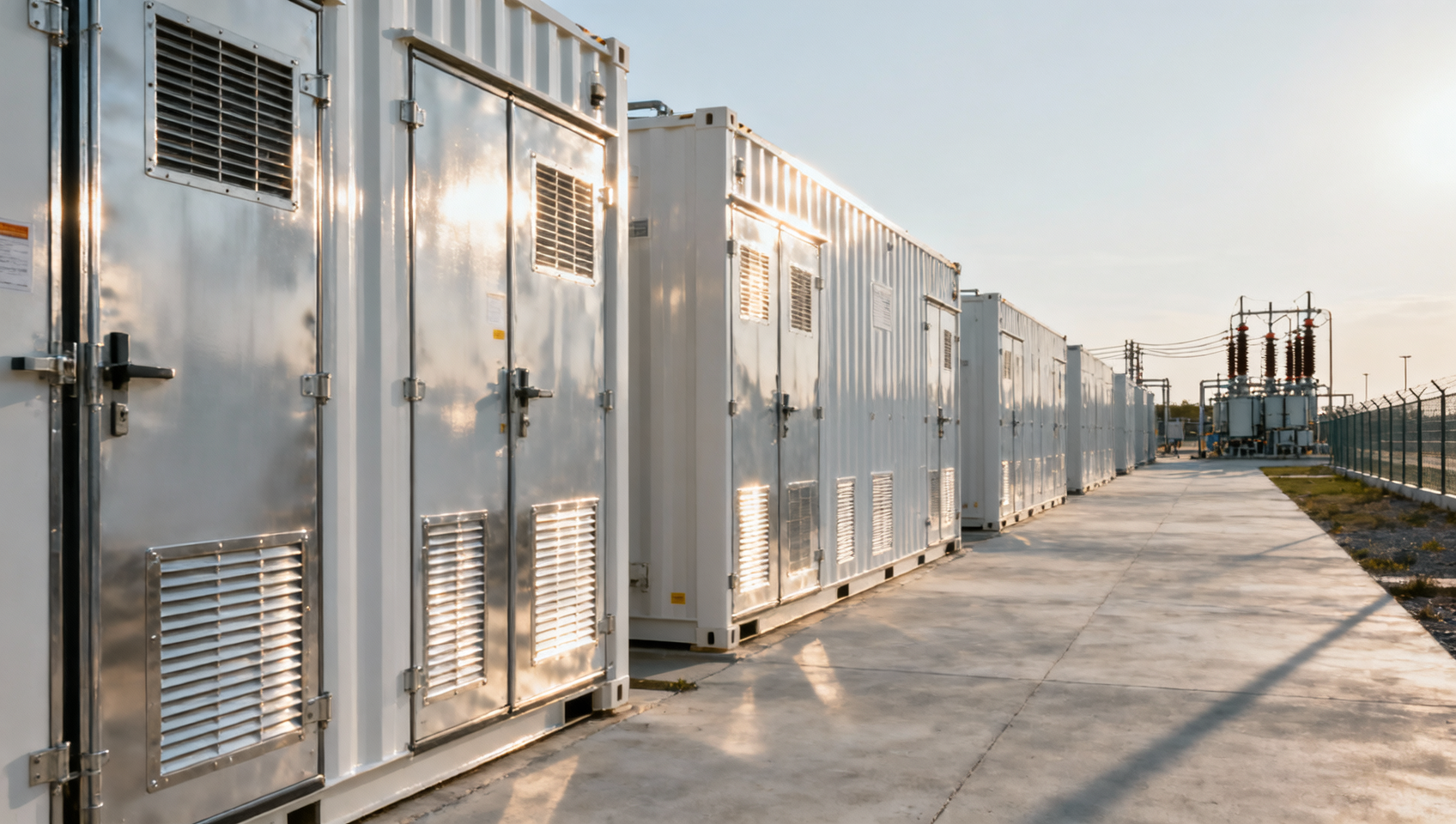
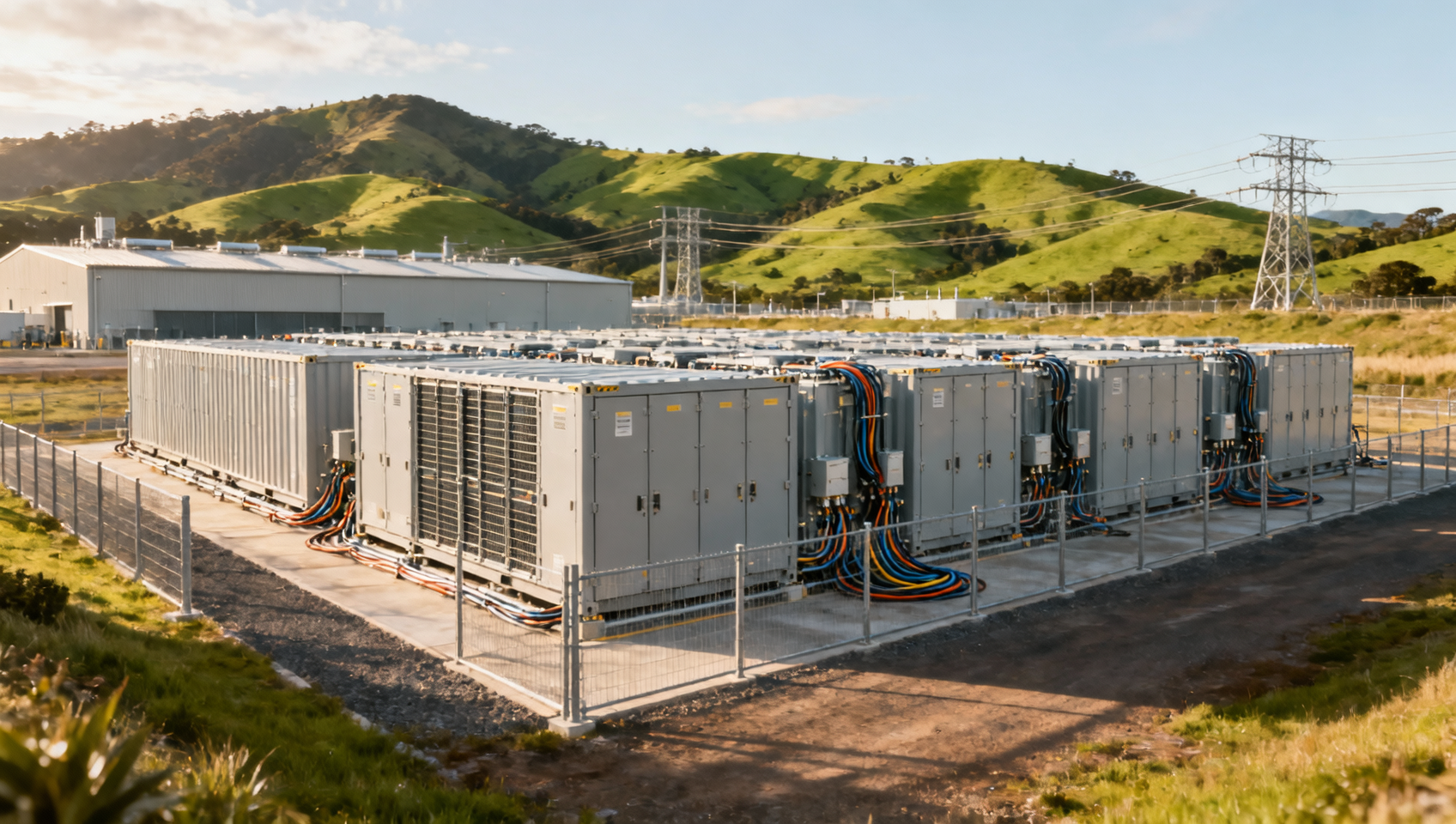
According to the supplied summary of Energy-Storage.News reporting, Tesla deployed 13.7GWh of energy storage in the third quarter of 2026, approximately 10% more than a year earlier. This represented its second-highest quarterly deployment total.
Revenue for the business fell 16% year over year despite the increase in deployed capacity.
Pricing Pressure Could Reach Procurement and Delivery Terms
Buyers may need closer comparisons between offers
Analysis suggests that the gap between deployment growth and revenue performance could reflect changes in average selling prices or product mix, consistent with the interpretation in the supplied summary. The available information does not establish the contribution of either factor. For buyers, this makes the scope behind a quoted price particularly relevant: offers may warrant comparison against equivalent equipment specifications, delivery obligations and service commitments before drawing conclusions about savings.
Suppliers and integrators may face competing commercial demands
From an industry perspective, stronger deployment volumes combined with lower revenue could prompt closer scrutiny of supplier costs and integration margins. If pricing pressure reaches procurement negotiations, manufacturers and integrators may need to assess whether proposed prices adequately cover the agreed technical scope, documentation and delivery responsibilities. The supplied information does not confirm that Tesla or its suppliers have changed these terms.
Testing and service providers should watch for scope revisions
Analysis suggests that any subsequent effort to reduce project costs could make the treatment of testing, technical documentation and after-sales services more consequential in contract discussions. Relevant providers could check whether revised offers preserve the services specified for a project. No change to certification criteria, testing obligations or service requirements is established by the reported figures.
Commercial Reviews Should Keep Price and Obligations Together
Check what each price actually covers
As a procurement consideration, buyers could review whether competing quotations cover comparable capacity, equipment configurations, acceptance conditions and service scope. This would help assess whether a lower price represents a comparable offer or a different package. The reported revenue decline alone cannot establish a market-wide price reduction.
Verify requirements against project documents
As a compliance precaution, companies considering revised products or suppliers could verify the applicable requirements in their project specifications and contracts. Any proposed substitution may warrant a review of supporting technical documents and certification evidence. These are suggested checks, not new obligations arising from the reported results.
Assess delivery commitments separately from deployment totals
From a delivery-planning perspective, a high quarterly deployment figure does not establish the availability or lead time of equipment for an individual order. Procurement teams could therefore confirm schedules, acceptance milestones and supplier responsibilities directly when evaluating offers. The supplied summary provides no evidence of changed delivery periods or supplier qualification rules.
Seek clarification before revising purchasing assumptions
Analysis suggests that further information on pricing and product mix would help companies judge whether to adjust budgets or procurement plans. Until that information is available, businesses could treat the revenue and deployment figures as a reason to review assumptions, while avoiding unsupported conclusions about specific products, contract prices or trade conditions.
A Commercial Signal, With No Confirmed Rule Change
At this stage, it is more appropriate to understand the reported divergence as a commercial signal requiring further observation. Deployment growth and revenue contraction can coexist, but the supplied information does not establish the underlying revenue breakdown or confirm a change in profitability.
From an editorial perspective, the key question is whether subsequent disclosures or industry feedback substantiate broader pricing pressure and show changes in purchasing terms. Revised tender specifications, contractual service scope or supplier requirements could become relevant if documented later. None of those developments is confirmed by this report, and there is no basis here for attributing the results to a regulatory or trade-policy change.
Volume Growth Calls for Careful Contract Evaluation
Analysis suggests that Tesla’s reported results highlight the importance of evaluating deployment volumes alongside revenue performance and the obligations attached to each sale. For industry participants, a proportionate response would be to examine comparable prices, technical scope and delivery commitments while continuing to verify applicable requirements. The figures support closer commercial scrutiny; they do not establish new compliance duties or a confirmed industry-wide change in procurement rules.
Reporting Basis and Details Still to Verify
This article is based solely on the user-provided news title, event timing and summary, which attribute the reporting to Energy-Storage.News. Specific official source links were not provided in the input, and the reported figures and their context remain subject to further verification.
Subsequent checks could examine official company disclosures and further reporting for clarification of pricing, product mix and revenue performance. Industry feedback and documented changes to tender conditions, supplier requirements or delivery terms would help assess practical consequences. Any later claim of a policy, certification or trade-rule change would require separate verification against the relevant official material.
Get weekly intelligence in your inbox.
No noise. No sponsored content. Pure intelligence.
 Oct 24, 2026Tesla Q3 2026 Storage Deployments Rank Second Highest as Revenue Falls 16%Tesla Q3 2026 Storage Deployments Rank Second Highest as Revenue Falls 16%
 Oct 24, 2026Freight Forwarding Services Pricing: Comparing Quotes Beyond Base RatesFreight Forwarding Services Pricing: Comparing Quotes Beyond Base Rates
 Oct 23, 2026IndexBox Issues Off-Grid Solar Outlook to 2035, Forecasting 8.2% CAGRIndexBox Issues Off-Grid Solar Outlook to 2035, Forecasting 8.2% CAGR
 Oct 23, 2026NSF/ANSI 49 Biosafety Cabinets: Product Certification vs. Field TestingNSF/ANSI 49 Biosafety Cabinets: Product Certification vs. Field Testing
 Oct 22, 2026Mitsubishi Electric Develops Industry-First Humanoid Robot–CNC Machining SystemMitsubishi Electric Develops Industry-First Humanoid Robot–CNC Machining System
 Oct 22, 2026Aerospace Aluminum Machining: How to Control Distortion in Thin-Wall PartsAerospace Aluminum Machining: How to Control Distortion in Thin-Wall Parts
 Oct 21, 2026Genesis Energy commissions 200 MWh battery storage system at HuntlyGenesis Energy commissions 200 MWh battery storage system at Huntly
 Oct 21, 2026Buying AMI Smart Meters Wholesale: Compatibility Checks and Total CostsBuying AMI Smart Meters Wholesale: Compatibility Checks and Total Costs
 Oct 20, 2026Werner Enterprises Issues Q3 Earnings Warning as Costs RiseWerner Enterprises Issues Q3 Earnings Warning as Costs Rise
 Oct 20, 2026Are Digital Twins Viable for SMEs? Costs, Use Cases, and Data RequirementsAre Digital Twins Viable for SMEs? Costs, Use Cases, and Data Requirements
 Oct 19, 2026Choosing a Wholesale Servo Motor Exporter: Traceability and Warranty ChecksChoosing a Wholesale Servo Motor Exporter: Traceability and Warranty Checks
 Oct 18, 2026Syringe Manufacturing Equipment: Evaluating Throughput and Assembly AccuracySyringe Manufacturing Equipment: Evaluating Throughput and Assembly Accuracy
 Oct 17, 2026Air Freight Forwarding Services: How to Compare Quotes for Urgent ShipmentsAir Freight Forwarding Services: How to Compare Quotes for Urgent Shipments
 Oct 16, 2026Wholesale Solar Panels: How to Compare Bulk Quotes by Total Landed CostWholesale Solar Panels: How to Compare Bulk Quotes by Total Landed Cost
 Oct 15, 2026Supply Chain Intelligence for Sourcing: How to Vet New SuppliersSupply Chain Intelligence for Sourcing: How to Vet New Suppliers
 Oct 14, 2026How energy costs shape smart manufacturing investment in EuropeHow energy costs shape smart manufacturing investment in Europe
 Oct 14, 2026How skills shortages slow smart manufacturing in Southeast AsiaHow skills shortages slow smart manufacturing in Southeast Asia
 Oct 14, 2026How CNC wire-cut machining maintains tight tolerances in thick partsHow CNC wire-cut machining maintains tight tolerances in thick parts
 Oct 14, 2026Can automated feeding stabilize metal forming in smart factories?Can automated feeding stabilize metal forming in smart factories?
 Oct 14, 2026Can CT inspection detect internal defects in metal additive parts?Can CT inspection detect internal defects in metal additive parts?
 Oct 14, 2026When does additive manufacturing reduce lead time for spare parts?When does additive manufacturing reduce lead time for spare parts?
 Oct 14, 2026How production volume affects ROI on an automated painting lineHow production volume affects ROI on an automated painting line
 Oct 14, 2026What data does manufacturing bottleneck analysis consulting need?What data does manufacturing bottleneck analysis consulting need?
 Oct 14, 2026When should you hire a consultant for manufacturing bottlenecks?When should you hire a consultant for manufacturing bottlenecks?
 Oct 14, 2026What Are Electronics Exporters' Top Supply Chain Resilience Gaps in 2026?What Are Electronics Exporters' Top Supply Chain Resilience Gaps in 2026?
 Oct 14, 2026How Do You Measure AI Adoption Maturity in a Traditional Factory?How Do You Measure AI Adoption Maturity in a Traditional Factory?
 Oct 14, 2026Are Chinese AI-Assisted Surgical Devices Gaining Global Trust?Are Chinese AI-Assisted Surgical Devices Gaining Global Trust?