Do IoT energy monitors really cut facility power waste?
For enterprise leaders under pressure to reduce operating costs and meet sustainability targets, a key question remains: do iot energy monitors truly deliver measurable savings? Beyond real-time dashboards, these systems promise sharper visibility into hidden consumption patterns, equipment inefficiencies, and avoidable facility power waste. This article examines whether the technology produces practical ROI for modern facilities and what decision-makers should evaluate before investing.
What IoT energy monitors are and why the topic matters now
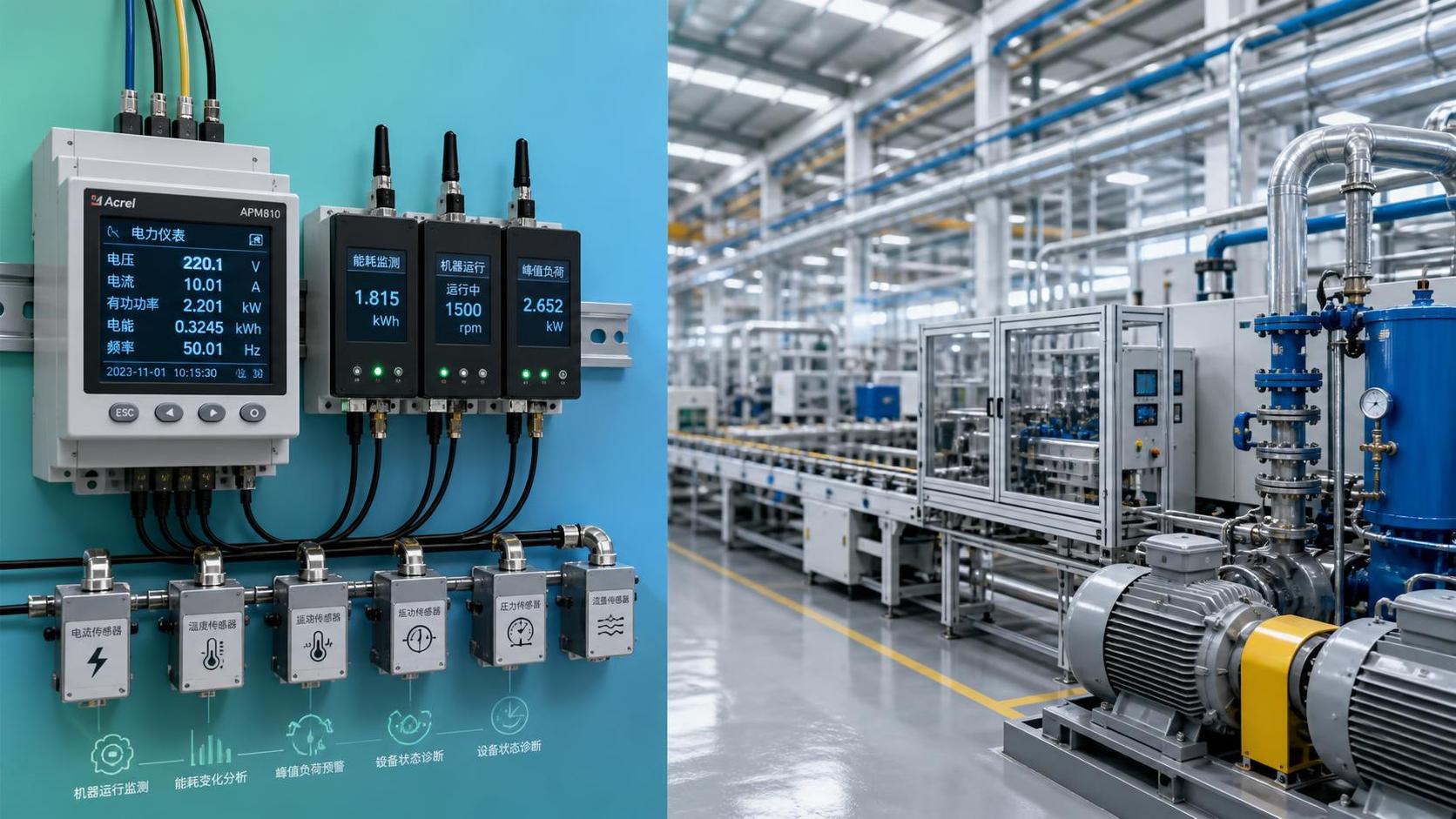
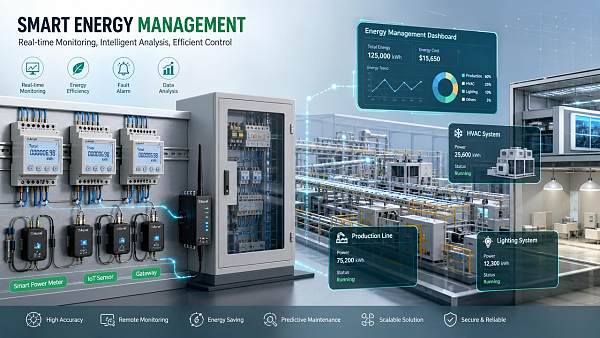
IoT energy monitors are connected measurement systems that collect, transmit, and analyze electricity usage data across buildings, production lines, HVAC assets, lighting networks, server rooms, refrigeration systems, and other facility loads. At a basic level, they combine smart meters, submetering devices, sensors, gateways, and cloud or edge analytics. Their business purpose is not simply to show power consumption in real time. The stronger use case is to reveal where energy is being wasted, when waste occurs, and which operational decisions can reduce it without harming output, safety, or occupant comfort.
This matters because facility power waste is often less visible than procurement teams assume. Utility invoices show total spend, but they rarely identify idle equipment, poor startup scheduling, compressed air losses, simultaneous heating and cooling, power quality issues, or abnormal after-hours loads. In sectors tracked closely by platforms such as TradeNexus Pro, where advanced manufacturing, green energy, smart electronics, healthcare technology, and supply chain software increasingly intersect, energy intelligence has become a cross-functional concern. It now affects operating margin, ESG reporting, maintenance strategy, compliance readiness, and even customer trust in supplier performance.
The growing interest in iot energy monitors also reflects wider market pressures. Energy prices remain volatile in many regions. Carbon disclosure expectations are expanding. Corporate buyers increasingly scrutinize supplier sustainability claims. Meanwhile, more facilities are adding electric loads through automation, robotics, EV charging, digital infrastructure, and climate control upgrades. As systems grow more complex, manual tracking becomes too slow and too coarse to support confident decisions.
Why many facilities still waste power without seeing it
Power waste rarely comes from a single dramatic failure. More often, it accumulates through small operational inefficiencies. A chiller runs longer than required. Air handling units ignore occupancy patterns. A packaging line stays energized during non-production hours. Older motors consume more power under load because maintenance intervals are too long. A building management system exists, but the data is too aggregated to isolate root causes. These situations do not always trigger alarms, yet they steadily inflate bills.
Traditional metering approaches usually stop at the main utility feed. That is enough for billing, but not enough for diagnosis. Without submetering by asset group, floor, tenant zone, or process stage, leaders are left debating assumptions instead of acting on evidence. This is where iot energy monitors can add value: they make energy use measurable at the point where operational behavior actually changes.
Do IoT energy monitors really reduce power waste?
In many cases, yes, but not by magic. IoT energy monitors reduce power waste when they are tied to action. The technology itself creates visibility. Savings come from what that visibility enables: scheduling changes, setpoint optimization, preventive maintenance, demand management, asset replacement planning, and accountability across facility teams. If a company installs connected meters but never reviews anomalies, never assigns ownership, and never integrates insights into operating routines, the system becomes an expensive dashboard rather than a cost-reduction tool.
The strongest ROI generally appears in facilities with one or more of the following conditions: high energy intensity, variable occupancy, aging equipment, multiple shifts, decentralized operations, poor baseline data, or sustainability targets tied to leadership incentives. In such environments, even moderate reductions in avoidable load can translate into meaningful annual savings. By contrast, a small facility with already optimized controls may still benefit from better reporting and resilience, but direct savings may be less dramatic.
The practical answer, then, is that iot energy monitors can absolutely cut facility power waste, but only when organizations use the data to improve operations. Decision-makers should view them as part of an energy management capability, not a standalone gadget.
Where the business value shows up beyond lower utility bills
Cost reduction is the most obvious outcome, but it is not the only one. Enterprise leaders often justify iot energy monitors because they support broader strategic goals.
Better operating decisions
Granular energy data helps teams compare expected versus actual consumption by shift, line, zone, or equipment category. That can reveal whether waste is tied to process design, operator behavior, maintenance gaps, or poor controls logic. Instead of reacting to monthly invoices, teams can correct issues in days or even hours.
More disciplined maintenance
Abnormal power draw can be an early warning sign of motor wear, bearing friction, filter blockage, or failing components. In that sense, iot energy monitors support predictive maintenance and asset health management. Energy data becomes one more operational signal that prevents waste and downtime at the same time.
Stronger sustainability reporting
Executives increasingly need auditable evidence behind ESG statements. Connected monitoring provides time-stamped, site-level, and asset-level records that improve carbon accounting and internal reporting discipline. This is particularly important for exporters, multinational suppliers, and companies facing customer audits.
Improved capital planning
When energy performance is transparent, facility leaders can better prioritize retrofits, control upgrades, motor replacements, or on-site generation. Rather than replacing equipment based on age alone, they can use measured inefficiency and payback logic.
Typical application paths for different enterprise environments
The value of iot energy monitors changes by operating context. A standard rollout plan for every site rarely works. The best programs reflect asset criticality, energy intensity, and the maturity of existing controls.
What decision-makers should evaluate before investing
For enterprise buyers, the main question is not whether iot energy monitors are innovative. It is whether they fit the organization’s energy goals, data maturity, and change capacity. A sound evaluation usually starts with five practical checks.
1. Define the waste problem clearly
Are you targeting demand charges, 24/7 base load, HVAC inefficiency, tenant billing disputes, or line-level productivity losses? A vague objective leads to vague deployment. The metering architecture should reflect the real decision you want to improve.
2. Decide the right level of granularity
Not every breaker needs a sensor. Too little detail hides waste; too much detail overwhelms teams. The most effective iot energy monitors are deployed where data can trigger action, such as major loads, critical process assets, or known problem zones.
3. Plan for integration, not isolation
Monitoring is stronger when linked with building management systems, CMMS platforms, ERP reporting, utility tariff data, and sustainability dashboards. Enterprise leaders should ask whether the solution supports open protocols, secure data exchange, and scalable analytics across multiple sites.
4. Assign ownership and response workflows
Energy data without accountability is noise. Someone must investigate alerts, approve schedule changes, coordinate maintenance, and track realized savings. Cross-functional ownership between facilities, operations, finance, and sustainability teams usually produces the best outcome.
5. Build ROI using realistic assumptions
A credible business case includes direct energy savings, avoided peak costs, maintenance efficiencies, and reporting value, but it should also include installation cost, networking requirements, software subscriptions, and staff time. Overselling savings can damage adoption later.
Common limitations leaders should understand
Although iot energy monitors are powerful, they are not a universal fix. If a facility has severe mechanical issues, poor controls design, or no operational discipline, monitoring alone will not solve the problem. Data quality can also suffer if sensors are badly placed, calibration is weak, or connectivity is unreliable. In addition, cyber and governance concerns must be addressed when connecting operational assets to enterprise networks.
Another limitation is organizational behavior. Some companies collect detailed energy data but fail to convert insights into standard operating procedures. The result is a pilot that demonstrates opportunity but never scales. For this reason, mature firms treat iot energy monitors as part of a broader continuous improvement framework, not a one-time technology project.
A practical adoption approach for enterprise teams
A phased approach generally works best. Start with an energy baseline and identify the highest-cost or least-understood loads. Deploy monitoring on those priority assets first. Use the early data to validate assumptions, establish alert thresholds, and create response routines. Once savings opportunities are proven, extend the model to other sites or systems. This lowers risk while building internal confidence.
For global B2B organizations, there is also strategic value in benchmarking across locations. A multi-site portfolio can use iot energy monitors to compare similar facilities, identify best-performing operating patterns, and standardize energy governance. That makes the technology especially relevant to procurement directors, supply chain managers, and operational leaders who need trusted, comparable intelligence across regions.
Conclusion: visibility only matters when it changes decisions
So, do iot energy monitors really cut facility power waste? The evidence from modern facilities suggests they can, and often do, when paired with clear objectives, asset-level visibility, and disciplined operational follow-through. Their real value lies in exposing waste that utility bills and broad building controls often hide. For enterprise decision-makers, the strongest case is not technology for its own sake, but better control over cost, resilience, sustainability, and capital planning.
Organizations that want measurable returns should begin by identifying where uncertainty is highest and where energy spend is hardest to explain. From there, iot energy monitors can become more than a reporting layer. They can become a practical decision system for reducing waste and strengthening facility performance over time.
Get weekly intelligence in your inbox.
No noise. No sponsored content. Pure intelligence.
 Sep 21, 2026What to Look for in a Grid Integration Company for Utility-Scale Solar ProjectsWhat to Look for in a Grid Integration Company for Utility-Scale Solar Projects
 Sep 20, 2026Microgrid Controller Pricing: What Drives Cost in Commercial Energy Projects?Microgrid Controller Pricing: What Drives Cost in Commercial Energy Projects?
 Sep 19, 2026How to Choose a GaN Charger for Laptops Without Compromising Power or PortabilityHow to Choose a GaN Charger for Laptops Without Compromising Power or Portability
 Sep 18, 2026Floating Solar Farm Costs: CAPEX, OPEX, and the Site Factors That Shape ROIFloating Solar Farm Costs: CAPEX, OPEX, and the Site Factors That Shape ROI
 Sep 17, 2026Drone Delivery Solutions for Last-Mile Routes: Site, Payload, and Range PlanningDrone Delivery Solutions for Last-Mile Routes: Site, Payload, and Range Planning
 Sep 16, 2026When Low-Volume Electronics Manufacturing Makes More Sense Than Mass ProductionWhen Low-Volume Electronics Manufacturing Makes More Sense Than Mass Production
 Sep 15, 2026Wholesale WiFi Smart Switches: What Buyers Should Verify Before OrderingWholesale WiFi Smart Switches: What Buyers Should Verify Before Ordering
 Sep 14, 2026How to Select IoT Sensors for Reliable Monitoring in Harsh Industrial EnvironmentsHow to Select IoT Sensors for Reliable Monitoring in Harsh Industrial Environments
 Sep 13, 2026How Procurement Teams Can Improve Supplier Reliability With Supply Chain VisibilityHow Procurement Teams Can Improve Supplier Reliability With Supply Chain Visibility
 Sep 12, 2026Smart Manufacturing Trends 2026: What Leaders Should Prioritize for ROISmart Manufacturing Trends 2026: What Leaders Should Prioritize for ROI
 Sep 11, 2026B2B Market Analysis: How Buyers Evaluate Suppliers, Pricing, and Delivery RiskB2B Market Analysis: How Buyers Evaluate Suppliers, Pricing, and Delivery Risk
 Sep 10, 2026Residential Solar Kits in Canada: How to Size a System for Your Home and ClimateResidential Solar Kits in Canada: How to Size a System for Your Home and Climate
 Sep 09, 2026How to Specify a Syringe Assembly Line for High-Volume Sterile ProductionHow to Specify a Syringe Assembly Line for High-Volume Sterile Production
 Sep 08, 2026How to Evaluate Warehouse Robotics System Suppliers for Reliable Multi-Site DeploymentHow to Evaluate Warehouse Robotics System Suppliers for Reliable Multi-Site Deployment
 Sep 07, 2026Renewable Geothermal Energy Explained: How It Works for Heating and PowerRenewable Geothermal Energy Explained: How It Works for Heating and Power
 Sep 07, 2026How to Choose an Industrial Packaging Robot Manufacturer for Your Production LineHow to Choose an Industrial Packaging Robot Manufacturer for Your Production Line
 Sep 05, 2026How to Evaluate a Turnkey Hydro Turbine Generator Supplier for Remote Power ProjectsHow to Evaluate a Turnkey Hydro Turbine Generator Supplier for Remote Power Projects
 Sep 04, 2026Automated Ultrasonic Welding for Thermoplastic Assemblies: Process Controls That MatterAutomated Ultrasonic Welding for Thermoplastic Assemblies: Process Controls That Matter
 Sep 03, 2026Energy Forecasting for Grid Planning: Sizing Solar and Storage CapacityEnergy Forecasting for Grid Planning: Sizing Solar and Storage Capacity
 Sep 02, 2026Which Metrics Should an Energy Analytics Dashboard Track for Factory Energy Management?Which Metrics Should an Energy Analytics Dashboard Track for Factory Energy Management?
 Sep 01, 2026How Warehouse Voice Picking Improves Accuracy and Throughput in Order FulfillmentHow Warehouse Voice Picking Improves Accuracy and Throughput in Order Fulfillment
 Aug 31, 2026How to Automate Dropshipping Order Processing Without Overselling StockHow to Automate Dropshipping Order Processing Without Overselling Stock
 Aug 30, 2026How to Evaluate a Smart Lighting Supplier for Multi-Site Commercial ProjectsHow to Evaluate a Smart Lighting Supplier for Multi-Site Commercial Projects
 Aug 29, 2026Recent Advances in Smart Manufacturing and Materials Reshaping Factory InvestmentRecent Advances in Smart Manufacturing and Materials Reshaping Factory Investment
 Aug 29, 2026Selecting Lightweight Aluminum Extrusions for Strength-Critical Industrial DesignsSelecting Lightweight Aluminum Extrusions for Strength-Critical Industrial Designs
 Aug 29, 2026Vertical Powder Anodizing Explained: Process Controls for Uniform Coating QualityVertical Powder Anodizing Explained: Process Controls for Uniform Coating Quality
 Aug 29, 2026PV Module Product Due Diligence: What Buyers Should Verify Before ContractingPV Module Product Due Diligence: What Buyers Should Verify Before Contracting