Smart home hubs: when one app ecosystem becomes a limit
Smart home hubs promise convenience, but when one app ecosystem controls every device, flexibility can quickly disappear. For everyday users, choosing among smart home hubs is no longer just about voice control or automation—it is about compatibility, privacy, and long-term value. This article explores when a connected home starts feeling restricted, and what to consider before committing to a single platform.
Why are smart home hubs getting so much attention now?
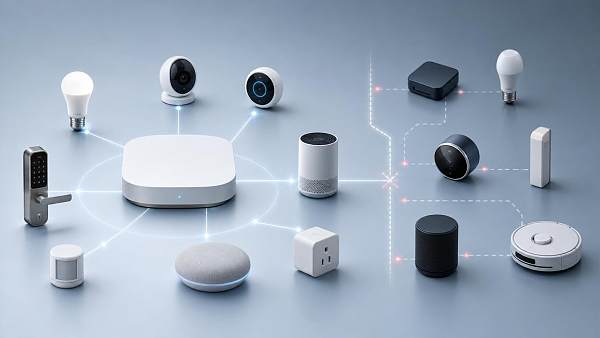
Smart home hubs sit at the center of a modern connected home. They help devices such as lights, locks, thermostats, cameras, sensors, speakers, and appliances work together through one interface or automation engine. In theory, that sounds ideal: fewer apps, easier routines, and cleaner control. In practice, many consumers are discovering that the convenience of smart home hubs can come with hidden trade-offs.
The reason this topic matters more today is simple. More households now own products from multiple brands, and those brands often support different standards, voice assistants, and mobile platforms. A home may include a smart doorbell from one company, bulbs from another, a robot vacuum from a third, and a TV tied to yet another software ecosystem. As the number of devices grows, so does the risk that one platform becomes the gatekeeper for everything.
Consumers are also keeping devices longer. A hub decision made today can affect future purchases for years. That turns smart home hubs from a casual gadget choice into a strategic household decision about interoperability, budget, privacy, and upgrade freedom.
What does it mean when one app ecosystem becomes a limit?
An ecosystem becomes a limit when it stops acting like a helpful control center and starts acting like a boundary. Instead of connecting your devices in an open way, it nudges or forces you to buy only from approved brands, use one voice assistant, store data in one cloud, or accept features that work only inside its app.
This usually appears in small ways at first. A device may technically connect, but advanced automations are missing. A camera might stream to the hub but not save clips without a subscription. A sensor may trigger routines in its own app but not in the main platform. Users often realize too late that “compatible” does not always mean “fully functional.”
Another limit is account dependence. If your routines, permissions, scenes, and history are deeply tied to one app, switching later can be difficult. Rebuilding automations, reconnecting devices, and retraining family members takes time. This form of lock-in is especially frustrating for consumers who want to mix brands or adapt their setup as better products enter the market.
In short, smart home hubs become limiting when convenience today reduces freedom tomorrow.
How can you tell whether a smart home hub is flexible or restrictive?
The best way to judge smart home hubs is not by marketing claims but by what they allow across brands, protocols, and control methods. A flexible hub usually supports a wide device range, offers local control for core functions, and does not punish users for choosing mixed-brand hardware. A restrictive hub may look polished, but it tends to reserve the best experience for products inside its own ecosystem.
Before buying, consumers should ask practical questions. Does the hub support common standards such as Matter, Thread, Zigbee, Z-Wave, Wi-Fi, or Bluetooth? Will automations still run if the internet is down? Can different household members access controls easily? Are routines exportable or easy to recreate? Does the platform depend on paid cloud features for basic functions?
It is also worth checking how “deep” the integration goes. For example, a smart light may appear in the app, but can it join scenes, respond to motion sensors, adjust by time of day, and work with third-party switches? A smart lock may unlock remotely, but does it participate in arrival automations or temporary guest access across other devices? The details matter more than the compatibility badge.
Quick comparison checklist for consumers
Use this table when comparing smart home hubs before choosing a platform for your home.
Which households benefit most from open smart home hubs?
Not every home needs the same setup. Some people want a simple voice assistant for music and lights. Others want advanced routines involving security, energy savings, climate control, and remote monitoring. Open or more flexible smart home hubs are especially valuable for households that expect change over time.
If you rent, move often, or upgrade devices gradually, flexibility matters because your preferred brands may change. If multiple family members use different phones or have different comfort levels with apps, cross-platform simplicity matters. If you care about smart energy use, adding thermostats, plugs, shades, and occupancy sensors from different vendors may deliver better value than staying loyal to one brand.
Flexible smart home hubs are also better for shoppers who buy during promotions. Consumers rarely purchase an entire smart home at once. They build it piece by piece. A hub that works well with varied brands reduces the chance that a good deal becomes an isolated device that never fits smoothly into the rest of the home.
On the other hand, users who want the easiest possible setup and are comfortable buying one brand across many categories may be satisfied within a closed ecosystem. The key is understanding that simplicity now may mean fewer choices later.
What are the biggest mistakes people make when choosing smart home hubs?
The first common mistake is assuming every connected device works the same way once added to a hub. Real-world integration is uneven. A product may connect but lose key features, operate more slowly, or require duplicate setup inside separate apps. Consumers should verify not just whether a device is supported, but how well it is supported.
The second mistake is focusing too heavily on voice control. Voice assistants are useful, but the best smart home experience often comes from silent automation: lights that react to motion, routines that lower energy use, or locks that trigger home and away settings. Smart home hubs should be judged by routine quality and reliability, not just by how well they answer spoken commands.
A third mistake is ignoring privacy and data dependence. Cameras, microphones, occupancy sensors, and location-based routines create sensitive data streams. Before investing in smart home hubs, users should understand where data is stored, who can access it, whether recordings require a subscription, and how the platform handles third-party sharing.
Finally, many buyers underestimate future expansion. A hub may seem fine when managing three devices, yet become frustrating at twenty. Device limits, slow app performance, weak automation options, and confusing permission settings often show up only after the system grows.
How do standards like Matter change the smart home hubs conversation?
Matter has raised expectations because it promises easier interoperability across brands and platforms. For consumers, that sounds like an answer to ecosystem lock-in. In many cases, it helps. Devices supporting shared standards can be simpler to pair and easier to manage across major smart home hubs.
However, standards are not a complete solution. Matter can improve onboarding and baseline compatibility, but it does not automatically equal full feature parity. One platform may expose more controls than another. Some advanced functions may still remain brand-specific. Thread can improve responsiveness in certain setups, but only if the rest of the home network and devices are also ready for it.
This means consumers should treat standards as a strong positive sign, not as a guarantee. Smart home hubs that support open standards are often a safer long-term bet, yet buyers should still review actual device behavior, firmware support, and app experience. Standards reduce risk, but they do not eliminate the need for careful evaluation.
What should you check before committing to one ecosystem?
A practical buying decision starts with your next twelve to twenty-four months, not just today’s needs. Think about which devices you are most likely to add: cameras, locks, thermostats, smart plugs, air quality monitors, blinds, or appliances. Then look at how well those categories are supported by the smart home hubs you are considering.
Next, test the app itself if possible. A smooth interface matters, but so do everyday actions such as sharing access with family, setting schedules, recovering from errors, and adjusting notifications. Smart home hubs should reduce friction, not create a new maintenance task.
Also review the total cost of ownership. The cheapest hub is not always the cheapest system. Subscription fees for cloud storage, premium automation, or AI alerts can add up. A slightly more open platform may save money over time by letting you choose competitively priced devices from multiple brands rather than staying locked into premium ecosystem accessories.
Finally, check the platform’s long-term credibility. Frequent updates, transparent security policies, and a healthy partner ecosystem are good signs. A smart home hub is not just a product purchase; it is a trust decision.
What is the smartest way for consumers to move forward?
The smartest approach is to avoid building your home around a single promise of convenience. Instead, choose smart home hubs that balance ease of use with future flexibility. Prioritize broad compatibility, dependable automations, reasonable privacy controls, and support for modern standards. If a platform makes it hard to leave, hard to mix brands, or expensive to unlock normal features, that convenience may be costing more than it seems.
For many households, a phased setup works best. Start with the devices that matter most to daily life, such as lighting, security, or climate control. Test how they behave inside the hub before expanding. This reduces regret and helps you see whether the ecosystem supports your routines or simply tries to keep you inside its own walls.
If you need to confirm a specific smart home direction, the most useful questions to raise first are these: Which device standards are fully supported? What features still require separate brand apps? What happens if internet service goes down? How are recordings and user data stored? How much will the system cost after one year, including subscriptions? And if you want to expand later, which brands and product categories will integrate without compromise?
For consumers seeking clearer comparisons, trusted market analysis, and practical guidance across smart electronics and connected living trends, TradeNexus Pro tracks the product ecosystems, technology shifts, and decision signals that shape smarter buying choices in a rapidly evolving digital home landscape.
Get weekly intelligence in your inbox.
No noise. No sponsored content. Pure intelligence.
 Sep 21, 2026What to Look for in a Grid Integration Company for Utility-Scale Solar ProjectsWhat to Look for in a Grid Integration Company for Utility-Scale Solar Projects
 Sep 20, 2026Microgrid Controller Pricing: What Drives Cost in Commercial Energy Projects?Microgrid Controller Pricing: What Drives Cost in Commercial Energy Projects?
 Sep 19, 2026How to Choose a GaN Charger for Laptops Without Compromising Power or PortabilityHow to Choose a GaN Charger for Laptops Without Compromising Power or Portability
 Sep 18, 2026Floating Solar Farm Costs: CAPEX, OPEX, and the Site Factors That Shape ROIFloating Solar Farm Costs: CAPEX, OPEX, and the Site Factors That Shape ROI
 Sep 17, 2026Drone Delivery Solutions for Last-Mile Routes: Site, Payload, and Range PlanningDrone Delivery Solutions for Last-Mile Routes: Site, Payload, and Range Planning
 Sep 16, 2026When Low-Volume Electronics Manufacturing Makes More Sense Than Mass ProductionWhen Low-Volume Electronics Manufacturing Makes More Sense Than Mass Production
 Sep 15, 2026Wholesale WiFi Smart Switches: What Buyers Should Verify Before OrderingWholesale WiFi Smart Switches: What Buyers Should Verify Before Ordering
 Sep 14, 2026How to Select IoT Sensors for Reliable Monitoring in Harsh Industrial EnvironmentsHow to Select IoT Sensors for Reliable Monitoring in Harsh Industrial Environments
 Sep 13, 2026How Procurement Teams Can Improve Supplier Reliability With Supply Chain VisibilityHow Procurement Teams Can Improve Supplier Reliability With Supply Chain Visibility
 Sep 12, 2026Smart Manufacturing Trends 2026: What Leaders Should Prioritize for ROISmart Manufacturing Trends 2026: What Leaders Should Prioritize for ROI
 Sep 11, 2026B2B Market Analysis: How Buyers Evaluate Suppliers, Pricing, and Delivery RiskB2B Market Analysis: How Buyers Evaluate Suppliers, Pricing, and Delivery Risk
 Sep 10, 2026Residential Solar Kits in Canada: How to Size a System for Your Home and ClimateResidential Solar Kits in Canada: How to Size a System for Your Home and Climate
 Sep 09, 2026How to Specify a Syringe Assembly Line for High-Volume Sterile ProductionHow to Specify a Syringe Assembly Line for High-Volume Sterile Production
 Sep 08, 2026How to Evaluate Warehouse Robotics System Suppliers for Reliable Multi-Site DeploymentHow to Evaluate Warehouse Robotics System Suppliers for Reliable Multi-Site Deployment
 Sep 07, 2026Renewable Geothermal Energy Explained: How It Works for Heating and PowerRenewable Geothermal Energy Explained: How It Works for Heating and Power
 Sep 07, 2026How to Choose an Industrial Packaging Robot Manufacturer for Your Production LineHow to Choose an Industrial Packaging Robot Manufacturer for Your Production Line
 Sep 05, 2026How to Evaluate a Turnkey Hydro Turbine Generator Supplier for Remote Power ProjectsHow to Evaluate a Turnkey Hydro Turbine Generator Supplier for Remote Power Projects
 Sep 04, 2026Automated Ultrasonic Welding for Thermoplastic Assemblies: Process Controls That MatterAutomated Ultrasonic Welding for Thermoplastic Assemblies: Process Controls That Matter
 Sep 03, 2026Energy Forecasting for Grid Planning: Sizing Solar and Storage CapacityEnergy Forecasting for Grid Planning: Sizing Solar and Storage Capacity
 Sep 02, 2026Which Metrics Should an Energy Analytics Dashboard Track for Factory Energy Management?Which Metrics Should an Energy Analytics Dashboard Track for Factory Energy Management?
 Sep 01, 2026How Warehouse Voice Picking Improves Accuracy and Throughput in Order FulfillmentHow Warehouse Voice Picking Improves Accuracy and Throughput in Order Fulfillment
 Aug 31, 2026How to Automate Dropshipping Order Processing Without Overselling StockHow to Automate Dropshipping Order Processing Without Overselling Stock
 Aug 30, 2026How to Evaluate a Smart Lighting Supplier for Multi-Site Commercial ProjectsHow to Evaluate a Smart Lighting Supplier for Multi-Site Commercial Projects
 Aug 29, 2026Recent Advances in Smart Manufacturing and Materials Reshaping Factory InvestmentRecent Advances in Smart Manufacturing and Materials Reshaping Factory Investment
 Aug 29, 2026Selecting Lightweight Aluminum Extrusions for Strength-Critical Industrial DesignsSelecting Lightweight Aluminum Extrusions for Strength-Critical Industrial Designs
 Aug 29, 2026Vertical Powder Anodizing Explained: Process Controls for Uniform Coating QualityVertical Powder Anodizing Explained: Process Controls for Uniform Coating Quality
 Aug 29, 2026PV Module Product Due Diligence: What Buyers Should Verify Before ContractingPV Module Product Due Diligence: What Buyers Should Verify Before Contracting