Syringe Manufacturing Bottlenecks That Limit Output Growth
As global demand rises, syringe manufacturing is facing critical bottlenecks that directly constrain output growth, cost control, and supply reliability. For enterprise decision-makers, understanding where production slows—from material sourcing and precision molding to automation gaps and regulatory compliance—is essential to building resilient supply strategies and identifying competitive opportunities in a tightening healthcare technology market.
For buyers, investors, and operating leaders, the central question is not whether syringe demand will remain structurally important. It is where capacity expansion breaks down in practice, and which manufacturers are truly positioned to scale without compromising quality, delivery, or compliance. In today’s healthcare technology market, the limiting factors in syringe manufacturing are increasingly operational rather than theoretical.
The short answer is clear: output growth is most often constrained by resin and component supply volatility, tooling and cleanroom capacity, validation timelines, labor and automation gaps, and the complexity of maintaining regulatory consistency at higher production volumes. Companies that understand these pinch points can make better sourcing decisions, reduce disruption risk, and identify suppliers with stronger long-term resilience.
Why syringe manufacturing bottlenecks matter more than ever for enterprise planning

Demand for syringes is no longer driven only by routine hospital procurement. It is shaped by vaccination programs, biologics delivery, prefilled drug systems, home care expansion, and stricter infection control standards. That means syringe manufacturing now sits at the intersection of medical demand growth, supply chain fragility, and regulatory scrutiny.
For enterprise decision-makers, this creates a practical challenge. A syringe may appear to be a standardized commodity, but production scalability depends on a highly controlled chain of material inputs, precision engineering, sterile or semi-sterile manufacturing environments, and repeatable quality validation. When any link underperforms, output growth slows quickly.
This is why syringe manufacturing deserves closer attention at the strategic level. Procurement teams need more than unit pricing. They need visibility into supplier capacity utilization, tooling redundancy, material sourcing depth, and the time required to qualify incremental production lines. In constrained markets, the winning advantage often comes from identifying bottlenecks before they become shortages.
The biggest production bottlenecks limiting syringe output growth
The first major bottleneck is raw material availability and consistency. Most disposable syringes rely on medical-grade polypropylene, elastomeric components, lubricants, and packaging materials that must meet exact performance and regulatory standards. Even when resin is technically available, not all grades are interchangeable. A disruption in approved material supply can slow production far more than outsiders expect.
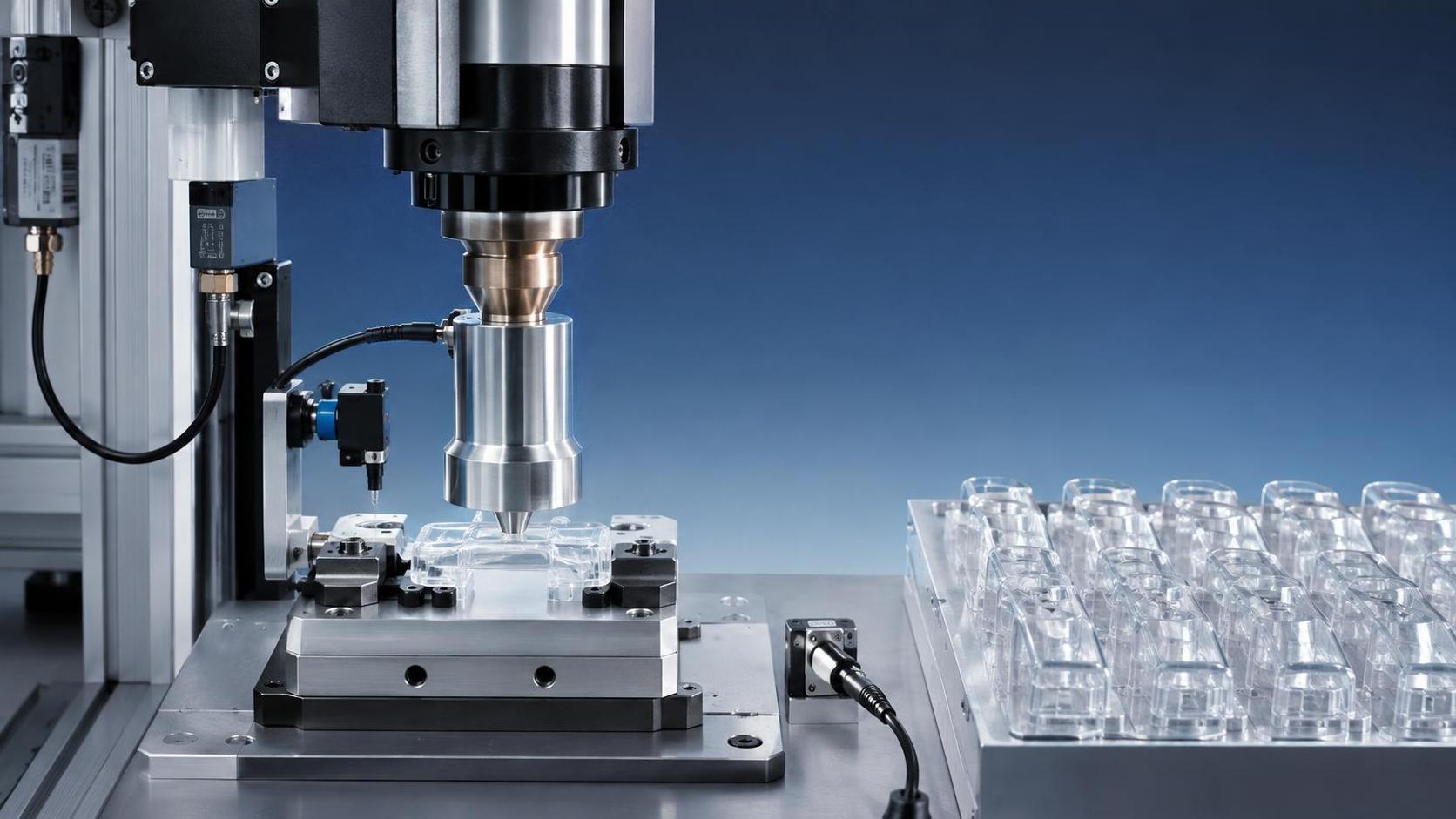
The second bottleneck is precision molding capacity. Syringe barrels, plungers, and other components require high-speed, high-repeatability injection molding with very tight tolerances. Expanding output is not as simple as adding generic molding machines. Manufacturers need specialized tooling, validated process windows, and stable production environments. Lead times for mold design, testing, and qualification can stretch for months.
A third constraint lies in cleanroom infrastructure. Many syringe production stages must occur under tightly controlled environmental conditions to reduce contamination risk. Cleanroom expansion is capital-intensive and time-consuming. It requires facility design, HVAC systems, environmental monitoring, certification, and operating discipline. This means capacity cannot be expanded overnight, even when demand signals are strong.
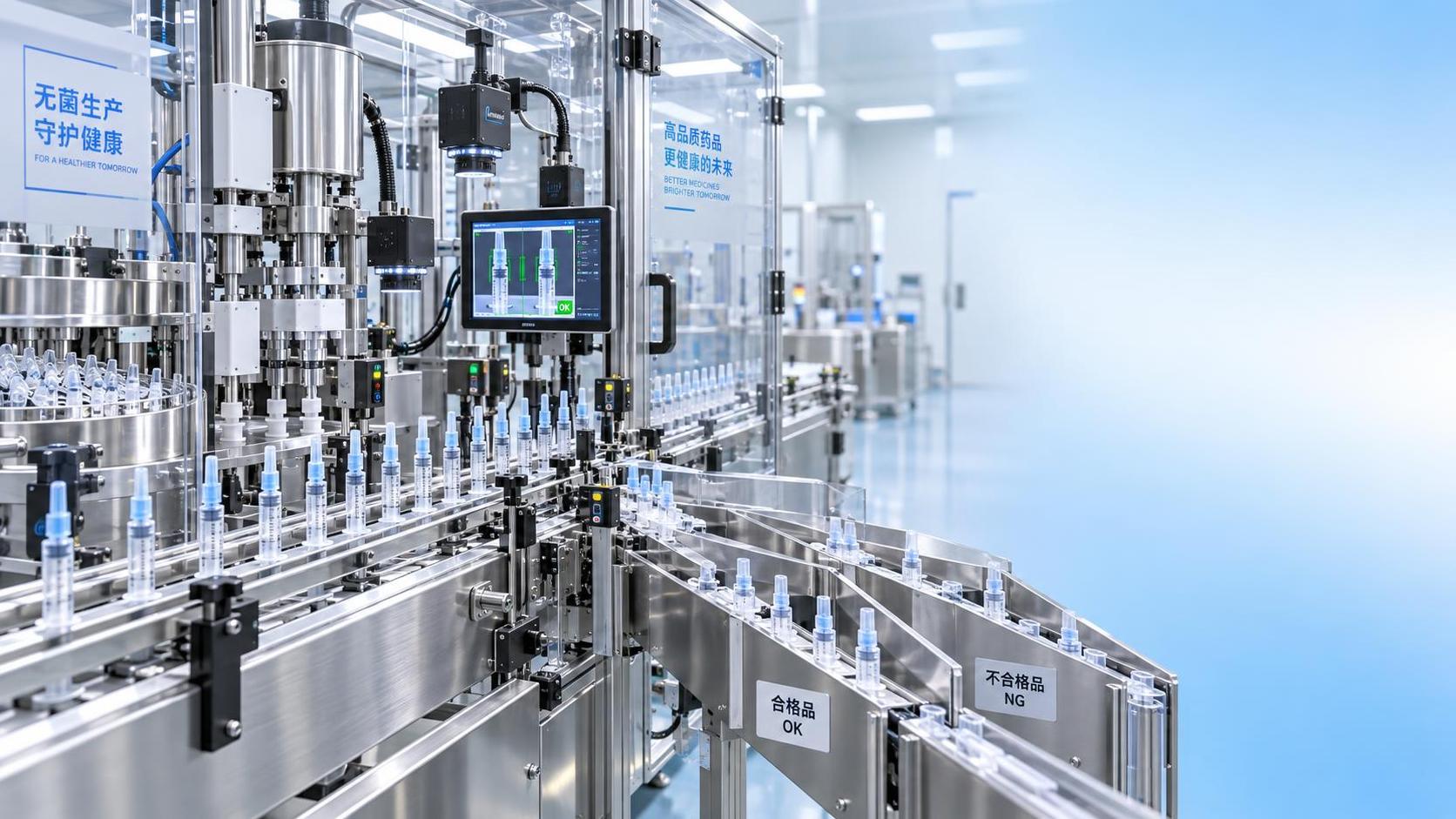
Assembly and inspection also create hidden constraints. High-volume syringe manufacturing depends on synchronization between molded parts, needle integration where relevant, lubrication, printing, assembly, packaging, and quality inspection. If one stage runs below target yield or speed, upstream output does not translate into finished sellable product. In many cases, inspection throughput becomes the limiting step as quality requirements rise.
Finally, sterilization and packaging can become severe downstream bottlenecks. Whether a supplier uses ethylene oxide, radiation-based methods, or other validated sterilization pathways, available treatment capacity may not scale at the same pace as component output. Packaging films, cartons, and labeling requirements also add friction, especially when products are customized for different markets or regulatory jurisdictions.
Why automation gaps are becoming a decisive competitive issue
In syringe manufacturing, labor still matters, but the ability to scale increasingly depends on automation maturity. Manual or semi-automated operations can function during stable demand periods, yet they become fragile when volume ramps rapidly. Output variability, staffing shortages, training delays, and quality drift are much harder to control in labor-intensive environments.
Advanced manufacturers are investing in integrated automation across molding, assembly, vision inspection, traceability, and packaging. This matters because throughput growth is not only about speed. It is about maintaining dimensional accuracy, contamination control, and documentation integrity as line utilization rises. Automation reduces dependence on hard-to-scale manual interventions.
For buyers and strategic partners, one useful question is whether a supplier’s automation architecture is modular and expandable. A facility with isolated automation islands may still face handoff inefficiencies. By contrast, a manufacturer with connected data systems, automated rejection handling, in-line inspection, and digital batch records can usually scale with less disruption.
That said, automation is not a universal shortcut. It requires engineering talent, capital, system validation, and ongoing maintenance. Poorly implemented automation can create new failure points. Decision-makers should therefore distinguish between superficial automation claims and systems that measurably improve cycle time, yield, traceability, and changeover efficiency.
Regulatory compliance is not just a requirement—it is a scaling constraint
One of the most misunderstood aspects of syringe manufacturing is the role of regulatory compliance in limiting output growth. In healthcare technology markets, expanding production is not simply a matter of increasing machine hours. Any new line, facility, material source, or process adjustment may trigger validation, documentation updates, customer approvals, or regulatory review.
This makes scale-up slower than many non-medical manufacturing sectors. Manufacturers must demonstrate that process changes do not compromise biocompatibility, sterility assurance, mechanical performance, extractables profiles, particulate control, or packaging integrity. If a company cannot validate changes efficiently, capacity expansion becomes bottlenecked by quality systems rather than equipment alone.
For enterprise customers, this has major implications. A supplier may advertise nominal capacity growth, but real usable capacity depends on how quickly new output can be qualified for commercial use. Leaders should ask how long line validation takes, whether duplicate tooling is already approved, and how quality management systems support rapid but controlled scale-up.
It is also important to consider geographic compliance complexity. Syringes sold across multiple markets may need different labeling, documentation, registration support, or quality evidence. These requirements can slow shipment readiness even after physical production is complete. In short, compliance is not a back-office function. It is part of effective capacity planning.
How decision-makers should assess syringe suppliers beyond price and nameplate capacity
When evaluating syringe manufacturing partners, enterprise buyers should move beyond headline production figures. Nameplate capacity often reflects theoretical machine output under ideal conditions. It does not necessarily account for scrap rates, maintenance downtime, labor constraints, inspection throughput, sterilization queues, or customer-specific changeovers.
A more useful assessment starts with capacity realism. Ask what percentage of output is already committed, how much surge capacity exists, and whether expansion relies on installed assets or future capital projects. A supplier with lower nominal capacity but better line balance, stronger material contracts, and faster validation may be more dependable than a larger competitor with constrained operations.
Material strategy is another critical lens. Buyers should understand how many approved resin and component sources exist, whether substitution pathways are validated, and how inventory buffers are managed for high-risk inputs. Single-source dependency is a major warning sign in syringe manufacturing, especially during demand spikes or geopolitical disruption.
Decision-makers should also review tooling strategy. Redundant molds, preventive maintenance practices, spare parts management, and changeover efficiency all influence output resilience. In regulated medical production, tooling issues can delay supply for longer than expected because any replacement or modification must maintain validated performance standards.
Quality metrics deserve equal weight. Look for evidence of stable yields, low complaint rates, robust process capability, and disciplined deviation management. A manufacturer that scales by accepting more variability may create greater downstream cost through product rejection, delayed approvals, or reputational risk. Reliable output is more valuable than nominally cheap output.
Where the most resilient manufacturers are investing to remove bottlenecks
The strongest players in syringe manufacturing are not waiting for shortages to expose weaknesses. They are building resilience through targeted investments in mold capacity, digital quality systems, cleanroom expansion, automation, and supply chain diversification. Importantly, they are treating these investments as strategic infrastructure rather than short-term response measures.
One clear trend is greater vertical coordination. Some manufacturers are deepening control over critical steps such as component molding, assembly, printing, and packaging to reduce dependence on fragmented external networks. Others are developing tighter strategic partnerships with resin suppliers, sterilization providers, and equipment integrators to secure priority access and improve planning accuracy.
Another trend is the use of data-driven production control. Real-time monitoring of cycle times, reject rates, environmental conditions, and machine performance allows manufacturers to identify micro-bottlenecks before they become major output losses. For enterprise customers, this kind of operational visibility often signals a more mature and scalable supplier.
There is also rising interest in flexible manufacturing design. Instead of building capacity around narrow product assumptions, advanced facilities are creating modular lines that can support multiple syringe formats with faster qualification and lower changeover friction. In volatile demand environments, flexibility can be as valuable as pure volume.
For investors and strategic partners, the implication is straightforward. Competitive advantage in this market will increasingly belong to companies that combine production scale with validation discipline, digital process control, and upstream supply security. Growth will favor manufacturers that can expand output without creating new reliability risks.
What this means for procurement, sourcing, and growth strategy
If syringe manufacturing bottlenecks are operational, regulatory, and structural, then sourcing strategy must become more analytical. Enterprise teams should segment suppliers by true scalability, not just current shipment history. A vendor that delivered reliably in a stable period may still struggle under accelerated demand if its hidden constraints remain unresolved.
A smart procurement approach includes multi-sourcing where feasible, earlier supplier engagement for demand forecasting, and more rigorous due diligence around quality systems and capacity expansion plans. Businesses should also evaluate whether they need supply agreements that reserve production slots, prioritize critical SKUs, or create clearer escalation pathways during shortages.
For companies selling into healthcare markets, these bottlenecks also create opportunity. Manufacturers with credible capacity expansion, strong compliance infrastructure, and transparent operating metrics can differentiate themselves in a crowded field. In a market where buyers increasingly value continuity and risk reduction, operational trust becomes a commercial asset.
Decision-makers should view syringe manufacturing not as a low-complexity category but as a strategic product segment shaped by precision production economics. The difference between constrained and resilient suppliers can affect launch timing, hospital continuity, customer relationships, and gross margin performance. That makes supplier evaluation a board-level issue in many cases.
Conclusion: the real limit on syringe output growth is execution quality across the entire chain
Syringe manufacturing output does not stall because demand is unclear. It stalls because the production system is only as strong as its weakest link. Medical-grade material supply, precision tooling, cleanroom capacity, automation maturity, inspection throughput, sterilization access, and regulatory validation all act as practical growth limits.
For enterprise decision-makers, the takeaway is not merely that bottlenecks exist. It is that these bottlenecks are identifiable, measurable, and highly relevant to sourcing, investment, and partnership decisions. The suppliers most likely to succeed are those that can prove scalable execution, not just promise additional volume.
In the years ahead, syringe manufacturing will remain a critical node in global healthcare technology supply chains. Companies that understand where output growth truly gets constrained will be better positioned to secure reliable supply, reduce disruption exposure, and align with manufacturers capable of sustainable expansion in a more demanding market.
Get weekly intelligence in your inbox.
No noise. No sponsored content. Pure intelligence.
 Sep 21, 2026What to Look for in a Grid Integration Company for Utility-Scale Solar ProjectsWhat to Look for in a Grid Integration Company for Utility-Scale Solar Projects
 Sep 20, 2026Microgrid Controller Pricing: What Drives Cost in Commercial Energy Projects?Microgrid Controller Pricing: What Drives Cost in Commercial Energy Projects?
 Sep 19, 2026How to Choose a GaN Charger for Laptops Without Compromising Power or PortabilityHow to Choose a GaN Charger for Laptops Without Compromising Power or Portability
 Sep 18, 2026Floating Solar Farm Costs: CAPEX, OPEX, and the Site Factors That Shape ROIFloating Solar Farm Costs: CAPEX, OPEX, and the Site Factors That Shape ROI
 Sep 17, 2026Drone Delivery Solutions for Last-Mile Routes: Site, Payload, and Range PlanningDrone Delivery Solutions for Last-Mile Routes: Site, Payload, and Range Planning
 Sep 16, 2026When Low-Volume Electronics Manufacturing Makes More Sense Than Mass ProductionWhen Low-Volume Electronics Manufacturing Makes More Sense Than Mass Production
 Sep 15, 2026Wholesale WiFi Smart Switches: What Buyers Should Verify Before OrderingWholesale WiFi Smart Switches: What Buyers Should Verify Before Ordering
 Sep 14, 2026How to Select IoT Sensors for Reliable Monitoring in Harsh Industrial EnvironmentsHow to Select IoT Sensors for Reliable Monitoring in Harsh Industrial Environments
 Sep 13, 2026How Procurement Teams Can Improve Supplier Reliability With Supply Chain VisibilityHow Procurement Teams Can Improve Supplier Reliability With Supply Chain Visibility
 Sep 12, 2026Smart Manufacturing Trends 2026: What Leaders Should Prioritize for ROISmart Manufacturing Trends 2026: What Leaders Should Prioritize for ROI
 Sep 11, 2026B2B Market Analysis: How Buyers Evaluate Suppliers, Pricing, and Delivery RiskB2B Market Analysis: How Buyers Evaluate Suppliers, Pricing, and Delivery Risk
 Sep 10, 2026Residential Solar Kits in Canada: How to Size a System for Your Home and ClimateResidential Solar Kits in Canada: How to Size a System for Your Home and Climate
 Sep 09, 2026How to Specify a Syringe Assembly Line for High-Volume Sterile ProductionHow to Specify a Syringe Assembly Line for High-Volume Sterile Production
 Sep 08, 2026How to Evaluate Warehouse Robotics System Suppliers for Reliable Multi-Site DeploymentHow to Evaluate Warehouse Robotics System Suppliers for Reliable Multi-Site Deployment
 Sep 07, 2026Renewable Geothermal Energy Explained: How It Works for Heating and PowerRenewable Geothermal Energy Explained: How It Works for Heating and Power
 Sep 07, 2026How to Choose an Industrial Packaging Robot Manufacturer for Your Production LineHow to Choose an Industrial Packaging Robot Manufacturer for Your Production Line
 Sep 05, 2026How to Evaluate a Turnkey Hydro Turbine Generator Supplier for Remote Power ProjectsHow to Evaluate a Turnkey Hydro Turbine Generator Supplier for Remote Power Projects
 Sep 04, 2026Automated Ultrasonic Welding for Thermoplastic Assemblies: Process Controls That MatterAutomated Ultrasonic Welding for Thermoplastic Assemblies: Process Controls That Matter
 Sep 03, 2026Energy Forecasting for Grid Planning: Sizing Solar and Storage CapacityEnergy Forecasting for Grid Planning: Sizing Solar and Storage Capacity
 Sep 02, 2026Which Metrics Should an Energy Analytics Dashboard Track for Factory Energy Management?Which Metrics Should an Energy Analytics Dashboard Track for Factory Energy Management?
 Sep 01, 2026How Warehouse Voice Picking Improves Accuracy and Throughput in Order FulfillmentHow Warehouse Voice Picking Improves Accuracy and Throughput in Order Fulfillment
 Aug 31, 2026How to Automate Dropshipping Order Processing Without Overselling StockHow to Automate Dropshipping Order Processing Without Overselling Stock
 Aug 30, 2026How to Evaluate a Smart Lighting Supplier for Multi-Site Commercial ProjectsHow to Evaluate a Smart Lighting Supplier for Multi-Site Commercial Projects
 Aug 29, 2026Recent Advances in Smart Manufacturing and Materials Reshaping Factory InvestmentRecent Advances in Smart Manufacturing and Materials Reshaping Factory Investment
 Aug 29, 2026Selecting Lightweight Aluminum Extrusions for Strength-Critical Industrial DesignsSelecting Lightweight Aluminum Extrusions for Strength-Critical Industrial Designs
 Aug 29, 2026Vertical Powder Anodizing Explained: Process Controls for Uniform Coating QualityVertical Powder Anodizing Explained: Process Controls for Uniform Coating Quality
 Aug 29, 2026PV Module Product Due Diligence: What Buyers Should Verify Before ContractingPV Module Product Due Diligence: What Buyers Should Verify Before Contracting