What Is a Digital Twin in Manufacturing? Use Cases, Data Needs, and Limits
A digital twin in manufacturing is often described as a virtual replica, but that phrase is too narrow. In practice, it is a living digital representation of an asset, process, line, or plant that updates with operational data.
That difference matters because a static model helps people visualize. A digital twin helps them test assumptions, monitor performance, compare scenarios, and understand whether a production decision is likely to work before it reaches the factory floor.
Interest has grown across advanced manufacturing, energy equipment, smart electronics, healthcare production, and supply chain software. The reason is simple: production systems are more connected, but they are also more complex, expensive, and exposed to disruption.
For any organization reviewing industrial technology, the real question is not whether digital twin platforms sound promising. The better question is where they create measurable value, what data they require, and where their limits become visible.
What a digital twin actually represents
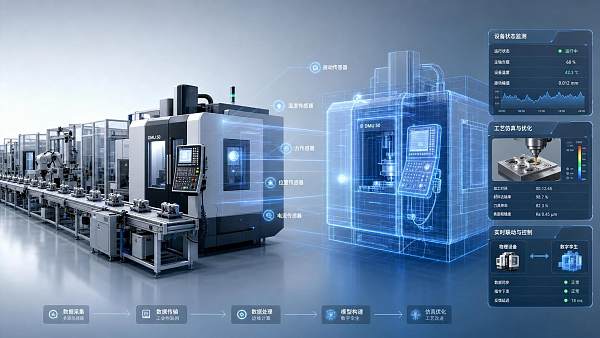
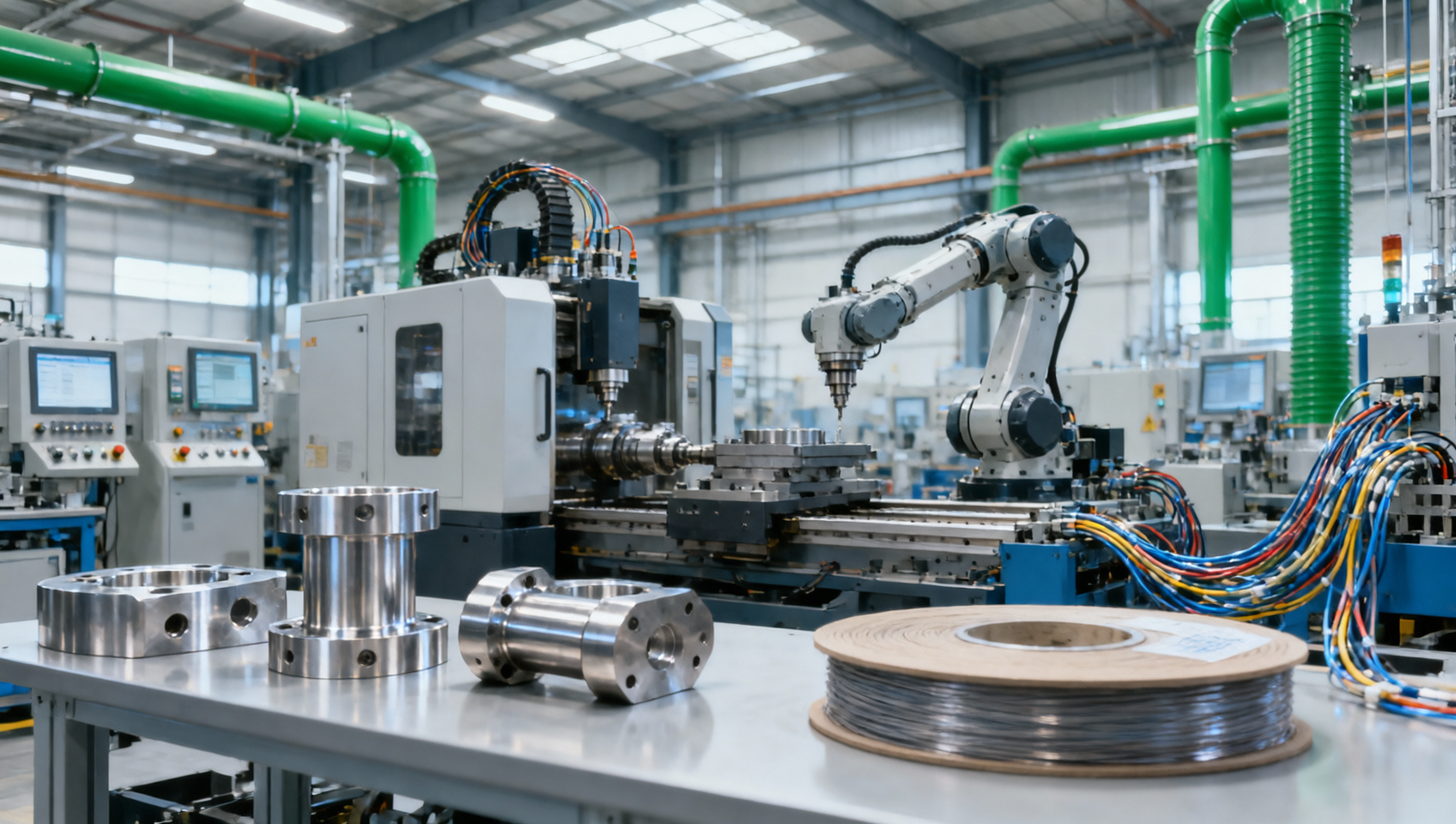
The term digital twin covers several levels of detail. One twin may represent a single CNC machine. Another may model a robotic cell, a packaging line, a warehouse flow, or even an end-to-end production network.
A useful digital twin usually combines three elements. It links a physical object or process, a digital model of expected behavior, and a stream of real or near-real-time data.
This is why a digital twin is not the same as a 3D CAD file, a dashboard, or a simulation run once during design. Those tools may be part of the foundation, but the twin becomes valuable when data and logic remain connected over time.
In manufacturing, that connection can support monitoring, prediction, root-cause analysis, scheduling changes, maintenance planning, and process tuning. The stronger the link between model and operation, the more credible the insight becomes.
Why manufacturing is paying closer attention
Manufacturers are under pressure from several directions at once. Margins are tight, downtime is expensive, product cycles are shorter, and customers expect higher traceability and quality consistency.
At the same time, many operations are managing labor constraints, energy costs, compliance demands, and supplier volatility. A digital twin becomes attractive because it promises a better decision layer before changes affect throughput or risk.
This is also why the topic appears frequently in cross-border industrial intelligence. Platforms such as TradeNexus Pro track technology adoption not as a buzzword trend, but as a decision factor tied to supplier capability, factory modernization, and operational resilience.
A supplier that can explain its digital twin architecture, data discipline, and production visibility may signal a higher level of process maturity than one relying only on generic smart factory language.
Where digital twin use cases are strongest
Not every manufacturing problem needs a digital twin. Adoption makes more sense when the process is complex, the cost of failure is high, and historical or live data is available in enough quality to support modeling.
Equipment health and predictive maintenance
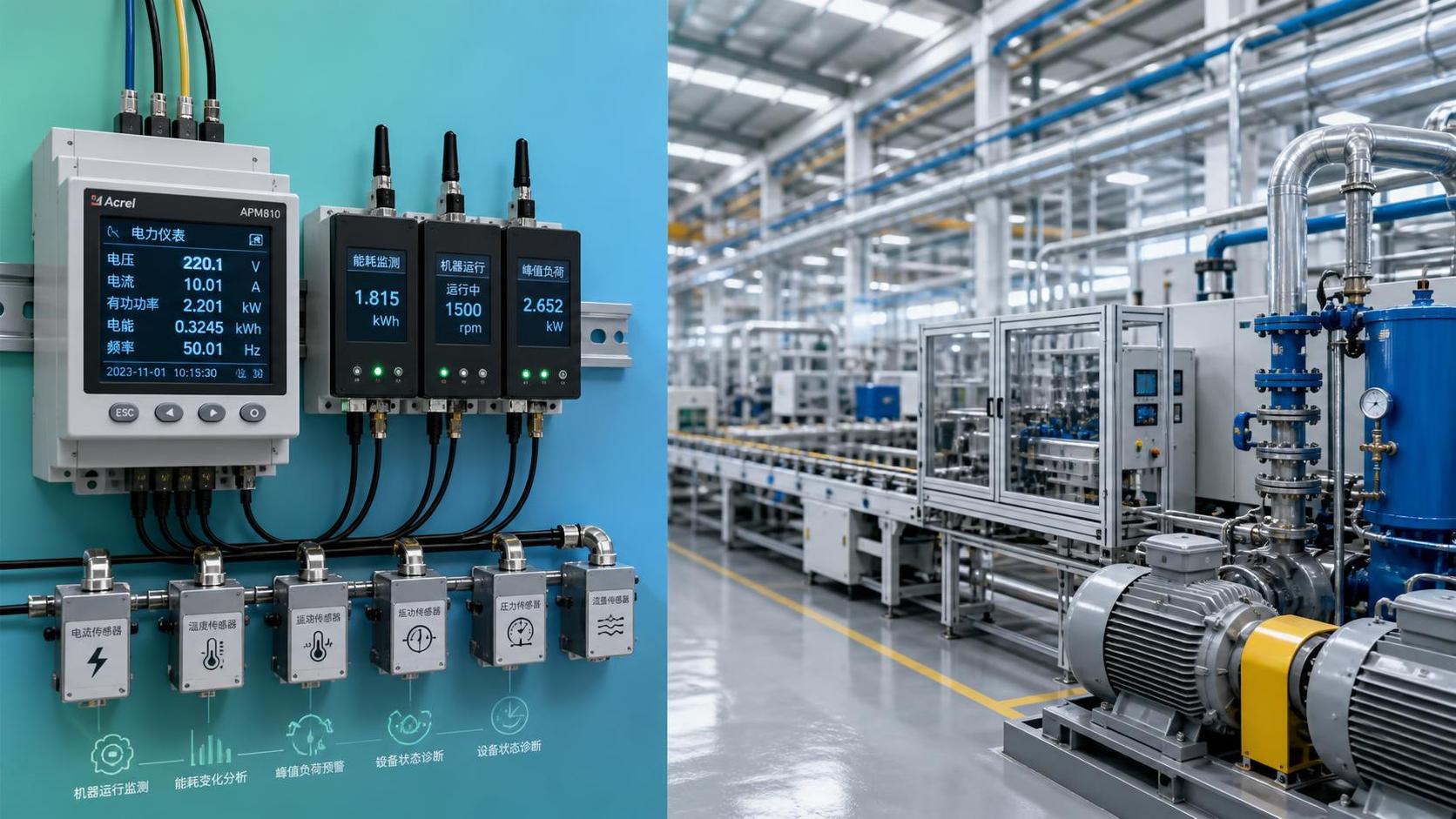
A machine-level digital twin can compare actual operating behavior with expected conditions. That makes it easier to detect vibration shifts, temperature drift, cycle anomalies, or wear patterns before failure occurs.
This use case works best where downtime is expensive and sensor coverage is already in place. Rotating equipment, industrial pumps, compressors, turbines, and precision machining assets are common examples.
Process optimization and line balancing
A process twin can test changes in routing, takt time, staffing, buffer size, or machine sequencing. Instead of changing the real line first, teams can compare scenarios digitally and narrow the number of risky experiments.
This is useful in electronics assembly, packaging, automotive subassembly, and mixed-model production where bottlenecks move quickly and small disruptions cascade.
Quality control and traceability
A digital twin can help connect machine settings, material lots, environmental conditions, and inspection outcomes. When defects appear, the model can support faster investigation by narrowing which variables likely caused the deviation.
This matters in sectors where compliance and documentation are strict, including medical devices, battery production, and high-reliability components.
Commissioning and change planning
For new lines or plant upgrades, a digital twin can validate layouts, motion logic, throughput assumptions, and integration flows before full deployment. That shortens commissioning time and lowers the cost of late-stage design errors.
The data foundation decides whether the twin works
The most common misunderstanding is that buying digital twin software is the hard part. Usually, the harder part is data readiness.
A digital twin depends on reliable inputs from machines, control systems, MES, ERP, quality records, maintenance logs, and sometimes supplier or logistics data. If those sources are fragmented, delayed, or inconsistent, the twin becomes visually impressive but operationally weak.
Several data questions should be answered early:
- Is the required sensor data already captured, and at what frequency?
- Do asset names, batch IDs, and timestamps match across systems?
- Can historical data support model training or only live monitoring?
- Who owns data quality when signals conflict or go missing?
- How will the model stay updated after process changes?
In many cases, the first business value comes from improving industrial data governance rather than from a full digital twin rollout. That may sound less exciting, but it often determines long-term success.
Integration challenges and practical limits
A digital twin is not a universal solution. Some limits are technical, while others are organizational.
First, the model only reflects what it can observe and interpret. If a process depends on tacit operator judgment, variable raw materials, or poorly documented manual steps, the twin may miss important drivers.
Second, integration can become expensive. Legacy PLCs, disconnected databases, proprietary machine interfaces, and inconsistent OT and IT standards add time and cost long before advanced analytics appears.
Third, accuracy decays if the real system changes faster than the digital model. A digital twin needs maintenance, validation, and governance. Without that discipline, confidence drops and usage fades.
There is also a commercial limit. A digital twin may not justify investment for stable, low-complexity operations where a basic dashboard, process map, or maintenance schedule already solves most issues.
How to evaluate digital twin opportunities more realistically
A better evaluation starts with the decision problem, not the platform demo. If the goal is vague, the project usually expands in scope while shrinking in credibility.
Useful review criteria include technical fit, operational relevance, and long-term maintainability.
Questions worth testing early
- Which asset or process creates enough cost, risk, or variability to justify modeling?
- What decision improves if the digital twin exists?
- Can the expected gain be measured in downtime, scrap, cycle time, energy, or ramp-up speed?
- Does the supplier show evidence of integration with comparable industrial environments?
- Will internal teams be able to maintain the twin after deployment?
This is where sector-focused intelligence also matters. In international sourcing and technology screening, a clear view of adoption maturity, supplier credibility, and realistic implementation scope is often more valuable than a polished concept presentation.
That approach aligns with the role of TradeNexus Pro. In sectors shaped by automation, materials innovation, smart electronics, and digital supply chains, the value is not just knowing that digital twin solutions exist. The value is understanding which claims are decision-grade and which are still mostly positioning.
What to do next before moving toward adoption
The most effective next step is usually narrow. Choose one asset class, one production bottleneck, or one quality problem with measurable impact. Then map the available data, integration points, and expected decision benefit.
If the data is weak, fix the foundation first. If the use case is strong, run a limited pilot with clear success criteria and a realistic ownership plan.
A digital twin can be a powerful manufacturing tool, but only when it reflects real operations, not presentation logic. The strongest decisions come from linking technical architecture, business value, and operational discipline before scaling further.
Get weekly intelligence in your inbox.
No noise. No sponsored content. Pure intelligence.
 Sep 15, 2026Wholesale WiFi Smart Switches: What Buyers Should Verify Before OrderingWholesale WiFi Smart Switches: What Buyers Should Verify Before Ordering
 Sep 14, 2026How to Select IoT Sensors for Reliable Monitoring in Harsh Industrial EnvironmentsHow to Select IoT Sensors for Reliable Monitoring in Harsh Industrial Environments
 Sep 13, 2026How Procurement Teams Can Improve Supplier Reliability With Supply Chain VisibilityHow Procurement Teams Can Improve Supplier Reliability With Supply Chain Visibility
 Sep 12, 2026Smart Manufacturing Trends 2026: What Leaders Should Prioritize for ROISmart Manufacturing Trends 2026: What Leaders Should Prioritize for ROI
 Sep 11, 2026B2B Market Analysis: How Buyers Evaluate Suppliers, Pricing, and Delivery RiskB2B Market Analysis: How Buyers Evaluate Suppliers, Pricing, and Delivery Risk
 Sep 10, 2026Residential Solar Kits in Canada: How to Size a System for Your Home and ClimateResidential Solar Kits in Canada: How to Size a System for Your Home and Climate
 Sep 09, 2026How to Specify a Syringe Assembly Line for High-Volume Sterile ProductionHow to Specify a Syringe Assembly Line for High-Volume Sterile Production
 Sep 08, 2026How to Evaluate Warehouse Robotics System Suppliers for Reliable Multi-Site DeploymentHow to Evaluate Warehouse Robotics System Suppliers for Reliable Multi-Site Deployment
 Sep 07, 2026Renewable Geothermal Energy Explained: How It Works for Heating and PowerRenewable Geothermal Energy Explained: How It Works for Heating and Power
 Sep 07, 2026How to Choose an Industrial Packaging Robot Manufacturer for Your Production LineHow to Choose an Industrial Packaging Robot Manufacturer for Your Production Line
 Sep 05, 2026How to Evaluate a Turnkey Hydro Turbine Generator Supplier for Remote Power ProjectsHow to Evaluate a Turnkey Hydro Turbine Generator Supplier for Remote Power Projects
 Sep 04, 2026Automated Ultrasonic Welding for Thermoplastic Assemblies: Process Controls That MatterAutomated Ultrasonic Welding for Thermoplastic Assemblies: Process Controls That Matter
 Sep 03, 2026Energy Forecasting for Grid Planning: Sizing Solar and Storage CapacityEnergy Forecasting for Grid Planning: Sizing Solar and Storage Capacity
 Sep 02, 2026Which Metrics Should an Energy Analytics Dashboard Track for Factory Energy Management?Which Metrics Should an Energy Analytics Dashboard Track for Factory Energy Management?
 Sep 01, 2026How Warehouse Voice Picking Improves Accuracy and Throughput in Order FulfillmentHow Warehouse Voice Picking Improves Accuracy and Throughput in Order Fulfillment
 Aug 31, 2026How to Automate Dropshipping Order Processing Without Overselling StockHow to Automate Dropshipping Order Processing Without Overselling Stock
 Aug 30, 2026How to Evaluate a Smart Lighting Supplier for Multi-Site Commercial ProjectsHow to Evaluate a Smart Lighting Supplier for Multi-Site Commercial Projects
 Aug 29, 2026Recent Advances in Smart Manufacturing and Materials Reshaping Factory InvestmentRecent Advances in Smart Manufacturing and Materials Reshaping Factory Investment
 Aug 29, 2026Selecting Lightweight Aluminum Extrusions for Strength-Critical Industrial DesignsSelecting Lightweight Aluminum Extrusions for Strength-Critical Industrial Designs
 Aug 29, 2026Vertical Powder Anodizing Explained: Process Controls for Uniform Coating QualityVertical Powder Anodizing Explained: Process Controls for Uniform Coating Quality
 Aug 29, 2026PV Module Product Due Diligence: What Buyers Should Verify Before ContractingPV Module Product Due Diligence: What Buyers Should Verify Before Contracting
 Aug 29, 2026Solar Design for Challenging Terrain: Managing Slope, Soil, and Shading RisksSolar Design for Challenging Terrain: Managing Slope, Soil, and Shading Risks
 Aug 29, 2026IS 16444 Smart Meter Requirements: Key Functions, Tests, and ComplianceIS 16444 Smart Meter Requirements: Key Functions, Tests, and Compliance
 Aug 29, 2026Rehabilitation Equipment Market Outlook: Demand Drivers and Growth SegmentsRehabilitation Equipment Market Outlook: Demand Drivers and Growth Segments
 Aug 29, 2026When Does Container Handling Automation Deliver ROI in Port Yard Operations?When Does Container Handling Automation Deliver ROI in Port Yard Operations?
 Aug 29, 2026Customs API Integration: A Practical Checklist for Automated Trade ComplianceCustoms API Integration: A Practical Checklist for Automated Trade Compliance
 Aug 29, 2026Returnable Packaging for Automotive: How to Cut Damage and Reverse Logistics CostsReturnable Packaging for Automotive: How to Cut Damage and Reverse Logistics Costs