China-Laos Rail Hits 100,000 Passenger Trips
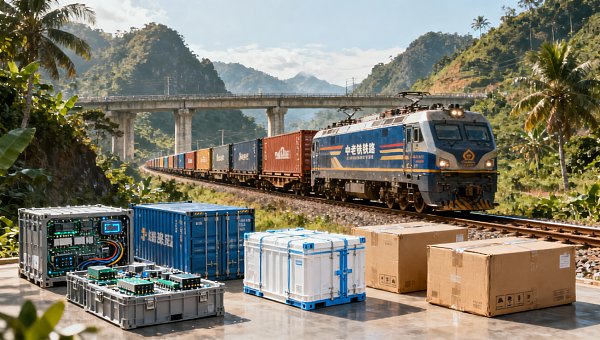
On May 29, 2026, the China-Laos Railway reached two milestones at once: cumulative passenger train services exceeded 100,000, while international freight train services were expanded to 38 trips per week. The update matters beyond transport volume alone, because the freight network now reaches key industrial areas in Thailand, Vietnam, and Malaysia and includes dedicated express channels for electronic components, cold-chain pharmaceuticals, and smart hardware. For exporters, manufacturers, buyers, and logistics operators tied to South China–ASEAN trade flows, the main point is not only higher frequency, but also a possible reduction in delivery uncertainty for time-sensitive cargo such as Warehouse Robotics and IoT Devices.
What has been confirmed so far
As of May 29, 2026, cumulative passenger train operations on the China-Laos Railway had surpassed 100,000. Over the same period, international freight train services had been increased to 38 trips per week. The freight network was reported to cover major industrial zones in Thailand, Vietnam, and Malaysia. At the same time, customized fast-track channels were opened for three cargo categories: electronic components, cold-chain pharmaceuticals, and smart hardware. According to the provided information, this progress has shortened delivery cycles in the South China–ASEAN electronics supply chain and reduced overland transport uncertainty for exporters of Warehouse Robotics and IoT Devices.
Why supply-chain participants are paying attention
Exporters of electronics and smart devices
From an industry perspective, exporters are likely to focus on whether the higher train frequency and customized channels translate into more stable outbound scheduling. The most relevant impact is in delivery planning, especially for cargo that depends on shorter transit times and fewer disruptions in cross-border overland movement.
Manufacturing and assembly operations
Analysis shows that processing and assembly businesses connected to South China–ASEAN electronics flows may feel the effect most clearly in component replenishment and outbound shipment timing. What deserves closer attention is whether the railway expansion helps narrow the gap between production schedules and actual shipment dispatch windows.
Logistics and supply-chain service providers
For logistics operators, the reported increase to 38 weekly freight services may affect route planning, service packaging, and customer promises around lead times. Observably, the dedicated channels for electronic components, cold-chain pharmaceuticals, and smart hardware also suggest a more cargo-specific operating model, which may require closer alignment between service design and shipment characteristics.
Buyers and downstream commercial partners
Procurement teams and downstream buyers may view this development through the lens of delivery reliability rather than transport capacity alone. The most immediate area to watch is whether shorter supply-chain cycles improve order visibility, replenishment timing, and communication on expected delivery windows.
What companies should watch next
Distinguish operating progress from practical execution
Companies should pay attention to the difference between a reported service expansion and the day-to-day execution conditions that affect shipments. In practical terms, businesses should continue checking how the dedicated channels apply to their cargo categories, booking arrangements, and actual delivery commitments.
Review cargo fit for the named fast-track lanes
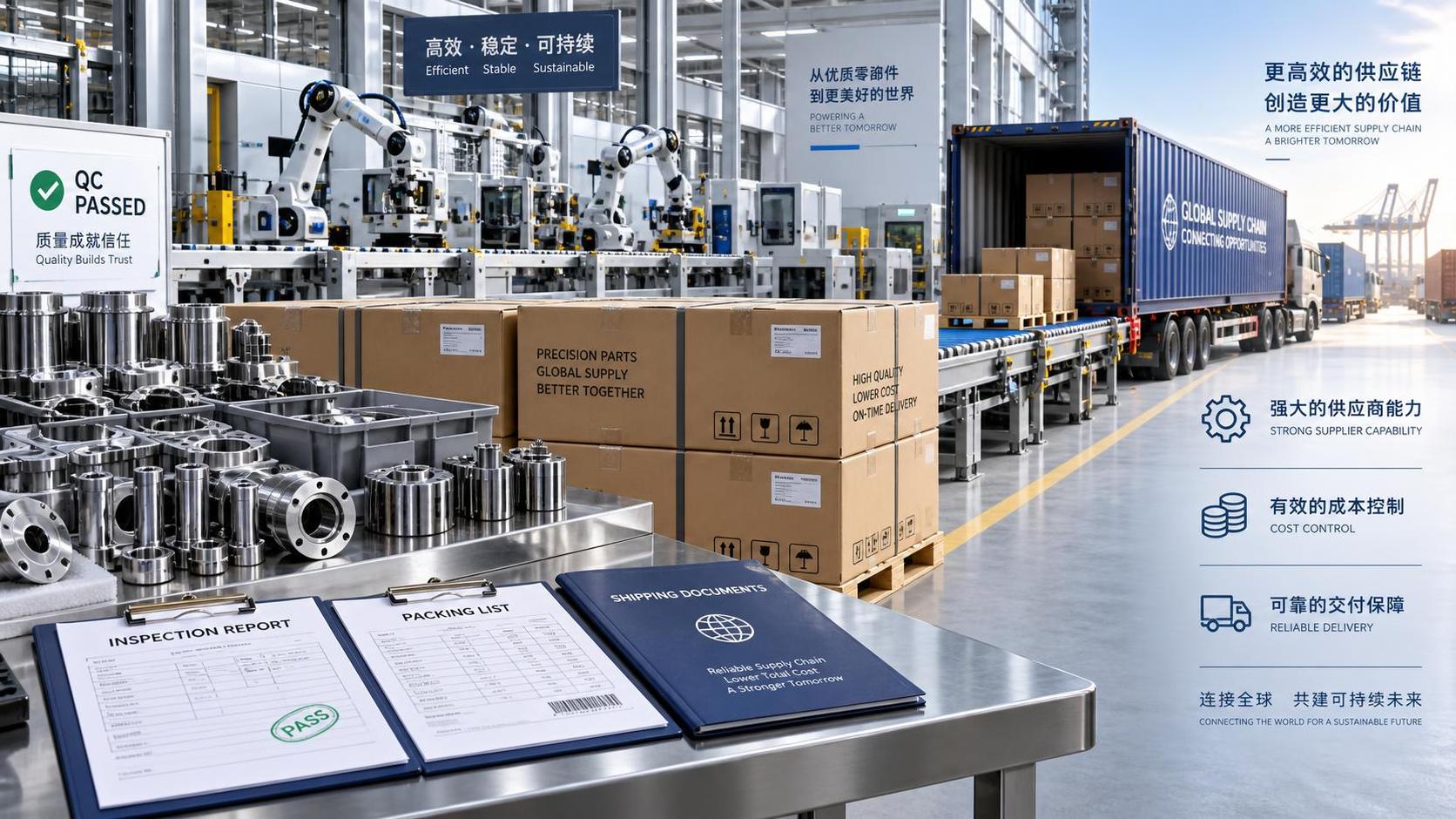
The mention of electronic components, cold-chain pharmaceuticals, and smart hardware makes product classification and shipment suitability more important. Firms handling Warehouse Robotics, IoT Devices, or related cargo should review whether their goods match the operational scope of these routes and whether supporting shipment documentation is ready for smoother execution.
Reassess delivery communication with customers
Because the provided information points to shorter delivery cycles and lower overland uncertainty, exporters and service providers may need to update how they communicate lead times with customers. Analysis shows that this is less about promising aggressive timelines and more about aligning quotations, order commitments, and contingency messaging with current transport conditions.
Track market coverage, not just train frequency
The reach into major industrial zones in Thailand, Vietnam, and Malaysia deserves ongoing attention. For companies already serving these markets, the business question is whether route coverage improves shipment relevance to customer locations, while for new entrants the issue is whether this creates a more workable cross-border delivery structure.
How this development is best understood now
Observably, this update should not be read only as a passenger rail milestone. The more consequential signal for industry is the parallel freight expansion and the appearance of cargo-specific express channels. Analysis shows that the current development is better understood as an operational signal with direct supply-chain relevance, especially for electronics-related trade between South China and ASEAN. At the same time, it is still appropriate to keep watching how this reported capacity and route coverage translate into consistent business execution.
A practical reading of the latest update
The most balanced conclusion is that this is a meaningful logistics and trade-flow update rather than a standalone transport headline. It points to improving rail-based cross-border connectivity for selected cargo categories and suggests a more predictable overland option for some exporters. It is more appropriate to understand this as a developing industry signal with immediate operational interest, while reserving judgment on broader long-term effects until further verified updates on implementation and usage emerge.
Basis of this article and what still needs verification
This article is based on the user-provided news title, event date, and event summary. For developments of this kind, relevant source types typically include official announcements, company disclosures, industry association updates, authoritative media reports, and standard-setting or transport-related documents. A specific official source link was not provided in the input, so continued verification remains necessary. Areas that deserve follow-up include later official wording, any operational rule updates, and whether the reported service expansion continues to show practical effects on delivery cycles and shipment certainty.
Get weekly intelligence in your inbox.
No noise. No sponsored content. Pure intelligence.
 Sep 15, 2026Wholesale WiFi Smart Switches: What Buyers Should Verify Before OrderingWholesale WiFi Smart Switches: What Buyers Should Verify Before Ordering
 Sep 14, 2026How to Select IoT Sensors for Reliable Monitoring in Harsh Industrial EnvironmentsHow to Select IoT Sensors for Reliable Monitoring in Harsh Industrial Environments
 Sep 13, 2026How Procurement Teams Can Improve Supplier Reliability With Supply Chain VisibilityHow Procurement Teams Can Improve Supplier Reliability With Supply Chain Visibility
 Sep 12, 2026Smart Manufacturing Trends 2026: What Leaders Should Prioritize for ROISmart Manufacturing Trends 2026: What Leaders Should Prioritize for ROI
 Sep 11, 2026B2B Market Analysis: How Buyers Evaluate Suppliers, Pricing, and Delivery RiskB2B Market Analysis: How Buyers Evaluate Suppliers, Pricing, and Delivery Risk
 Sep 10, 2026Residential Solar Kits in Canada: How to Size a System for Your Home and ClimateResidential Solar Kits in Canada: How to Size a System for Your Home and Climate
 Sep 09, 2026How to Specify a Syringe Assembly Line for High-Volume Sterile ProductionHow to Specify a Syringe Assembly Line for High-Volume Sterile Production
 Sep 08, 2026How to Evaluate Warehouse Robotics System Suppliers for Reliable Multi-Site DeploymentHow to Evaluate Warehouse Robotics System Suppliers for Reliable Multi-Site Deployment
 Sep 07, 2026Renewable Geothermal Energy Explained: How It Works for Heating and PowerRenewable Geothermal Energy Explained: How It Works for Heating and Power
 Sep 07, 2026How to Choose an Industrial Packaging Robot Manufacturer for Your Production LineHow to Choose an Industrial Packaging Robot Manufacturer for Your Production Line
 Sep 05, 2026How to Evaluate a Turnkey Hydro Turbine Generator Supplier for Remote Power ProjectsHow to Evaluate a Turnkey Hydro Turbine Generator Supplier for Remote Power Projects
 Sep 04, 2026Automated Ultrasonic Welding for Thermoplastic Assemblies: Process Controls That MatterAutomated Ultrasonic Welding for Thermoplastic Assemblies: Process Controls That Matter
 Sep 03, 2026Energy Forecasting for Grid Planning: Sizing Solar and Storage CapacityEnergy Forecasting for Grid Planning: Sizing Solar and Storage Capacity
 Sep 02, 2026Which Metrics Should an Energy Analytics Dashboard Track for Factory Energy Management?Which Metrics Should an Energy Analytics Dashboard Track for Factory Energy Management?
 Sep 01, 2026How Warehouse Voice Picking Improves Accuracy and Throughput in Order FulfillmentHow Warehouse Voice Picking Improves Accuracy and Throughput in Order Fulfillment
 Aug 31, 2026How to Automate Dropshipping Order Processing Without Overselling StockHow to Automate Dropshipping Order Processing Without Overselling Stock
 Aug 30, 2026How to Evaluate a Smart Lighting Supplier for Multi-Site Commercial ProjectsHow to Evaluate a Smart Lighting Supplier for Multi-Site Commercial Projects
 Aug 29, 2026Recent Advances in Smart Manufacturing and Materials Reshaping Factory InvestmentRecent Advances in Smart Manufacturing and Materials Reshaping Factory Investment
 Aug 29, 2026Selecting Lightweight Aluminum Extrusions for Strength-Critical Industrial DesignsSelecting Lightweight Aluminum Extrusions for Strength-Critical Industrial Designs
 Aug 29, 2026Vertical Powder Anodizing Explained: Process Controls for Uniform Coating QualityVertical Powder Anodizing Explained: Process Controls for Uniform Coating Quality
 Aug 29, 2026PV Module Product Due Diligence: What Buyers Should Verify Before ContractingPV Module Product Due Diligence: What Buyers Should Verify Before Contracting
 Aug 29, 2026Solar Design for Challenging Terrain: Managing Slope, Soil, and Shading RisksSolar Design for Challenging Terrain: Managing Slope, Soil, and Shading Risks
 Aug 29, 2026IS 16444 Smart Meter Requirements: Key Functions, Tests, and ComplianceIS 16444 Smart Meter Requirements: Key Functions, Tests, and Compliance
 Aug 29, 2026Rehabilitation Equipment Market Outlook: Demand Drivers and Growth SegmentsRehabilitation Equipment Market Outlook: Demand Drivers and Growth Segments
 Aug 29, 2026When Does Container Handling Automation Deliver ROI in Port Yard Operations?When Does Container Handling Automation Deliver ROI in Port Yard Operations?
 Aug 29, 2026Customs API Integration: A Practical Checklist for Automated Trade ComplianceCustoms API Integration: A Practical Checklist for Automated Trade Compliance
 Aug 29, 2026Returnable Packaging for Automotive: How to Cut Damage and Reverse Logistics CostsReturnable Packaging for Automotive: How to Cut Damage and Reverse Logistics Costs