TÜV Rheinland Updates IoT EMC Guidelines: AI Edge Modules Now Mandatory for Immunity Testing
On April 25, 2026, TÜV Rheinland released version 2.3 of its IoT device electromagnetic compatibility (EMC) testing guidelines — the first to mandate immunity testing for edge computing modules featuring on-device AI inference engines. This update directly affects manufacturers and exporters of smart gateways, industrial sensors, and Smart Home hub devices targeting the EU market, as it applies immediately to all CE marking applications.
Event Overview
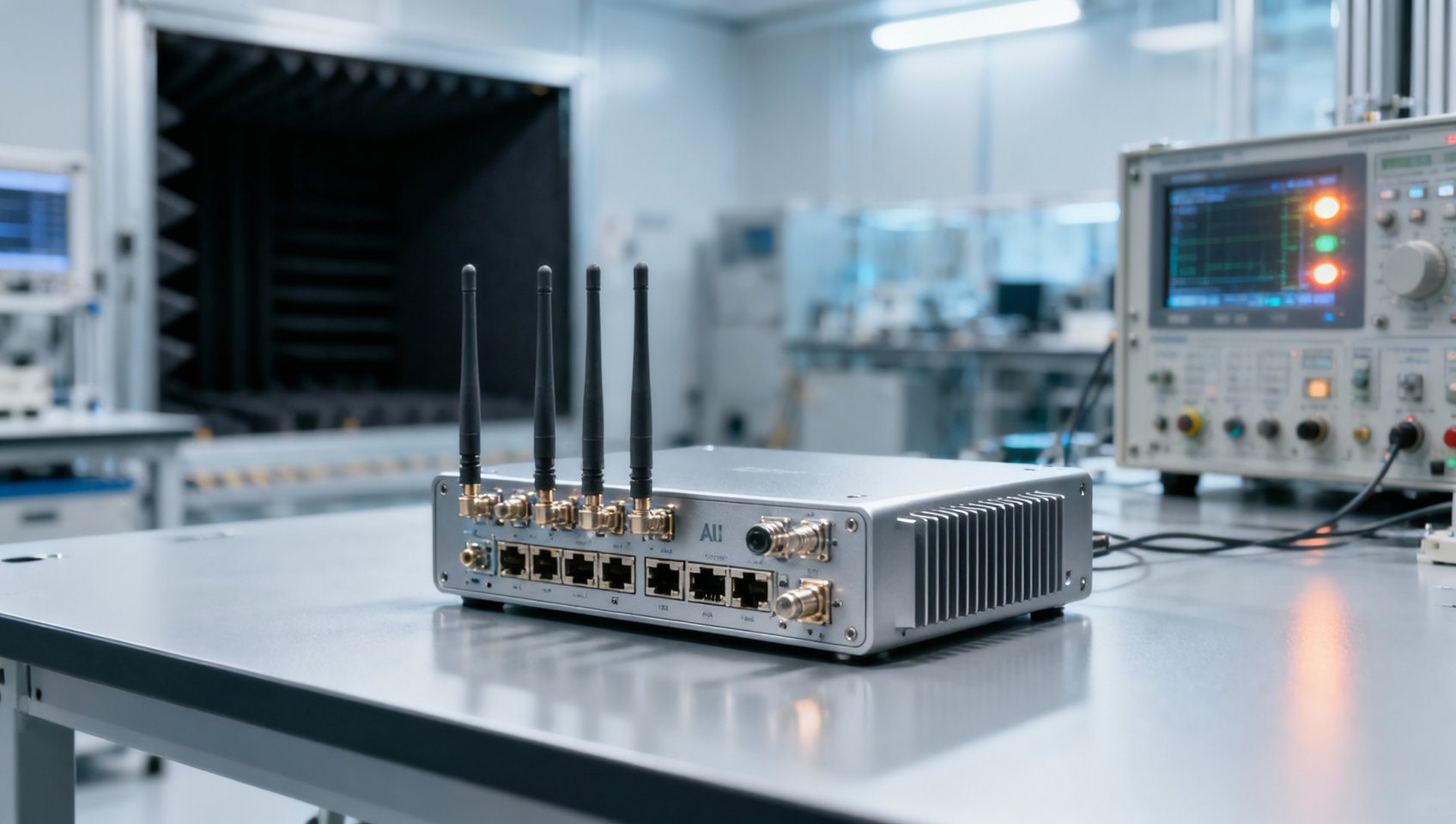
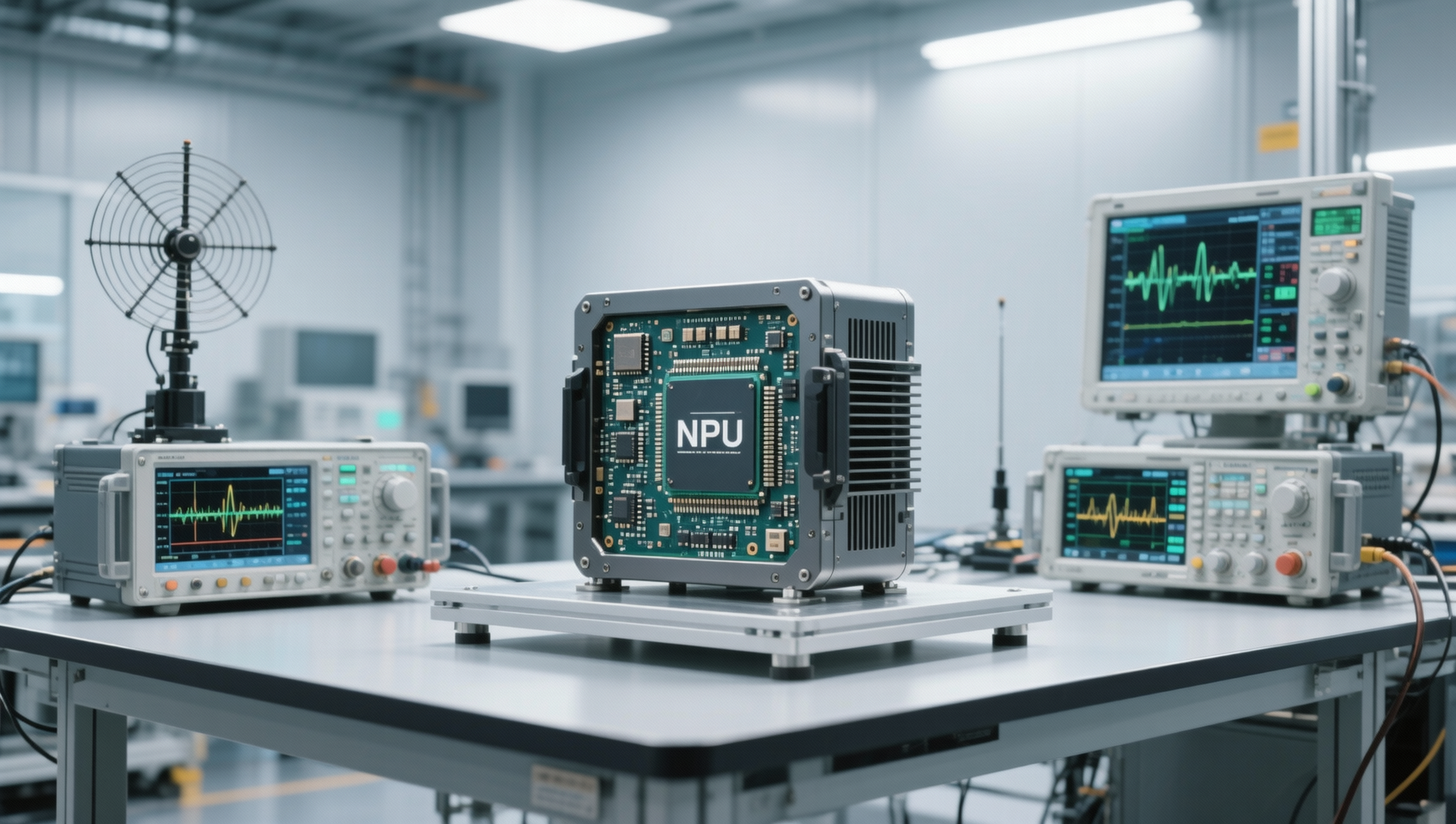
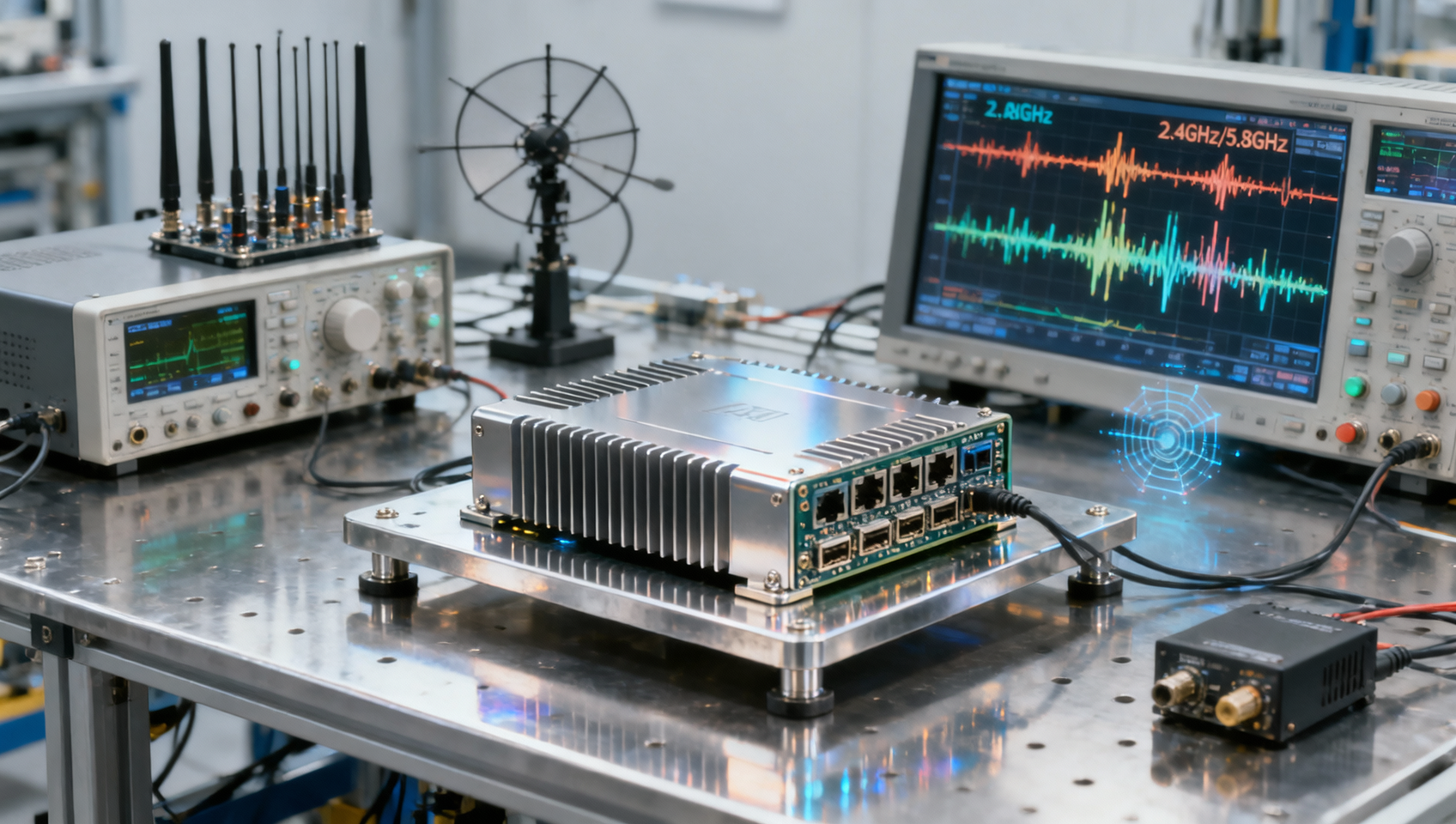
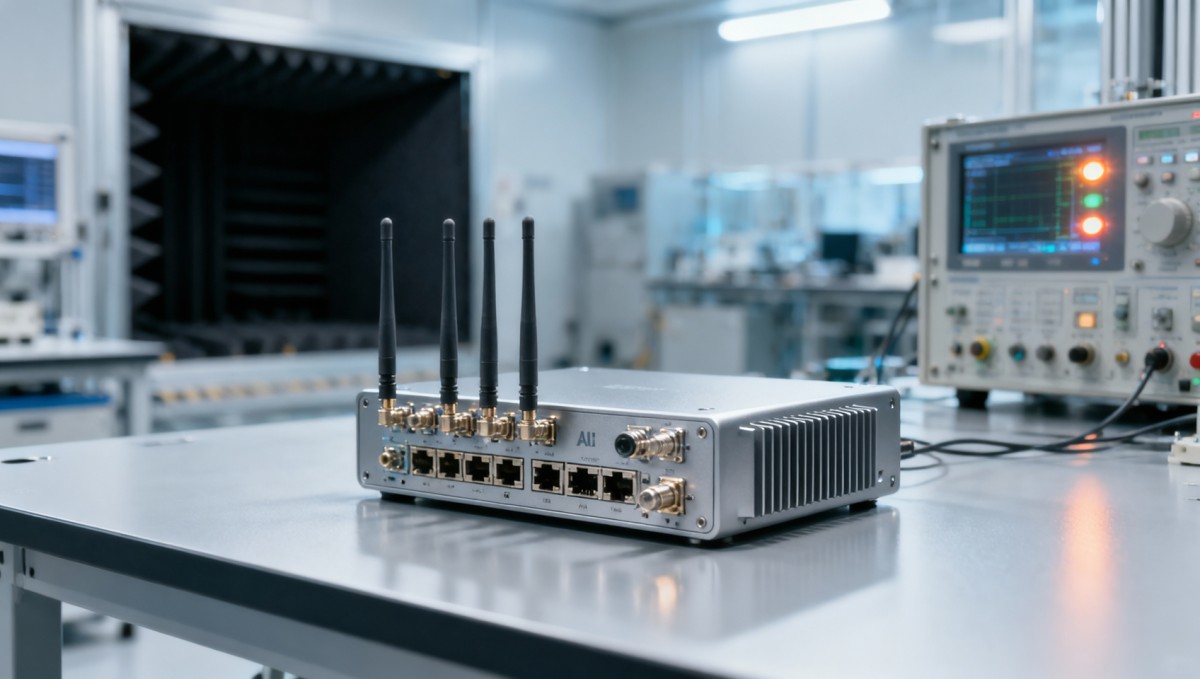
On April 25, 2026, TÜV Rheinland published Revision 2.3 of its IoT Equipment EMC Testing Guidelines. The revision introduces a new mandatory immunity requirement for IoT devices integrating local AI inference engines in edge modules. These modules must now pass electrostatic discharge (ESD) testing at ±2 kV and radiated RF immunity testing at 10 V/m across the 150 kHz–2 GHz frequency range. The update takes effect immediately for all CE certification submissions submitted on or after that date.
Industries Affected by This Update
Smart Gateway Manufacturers
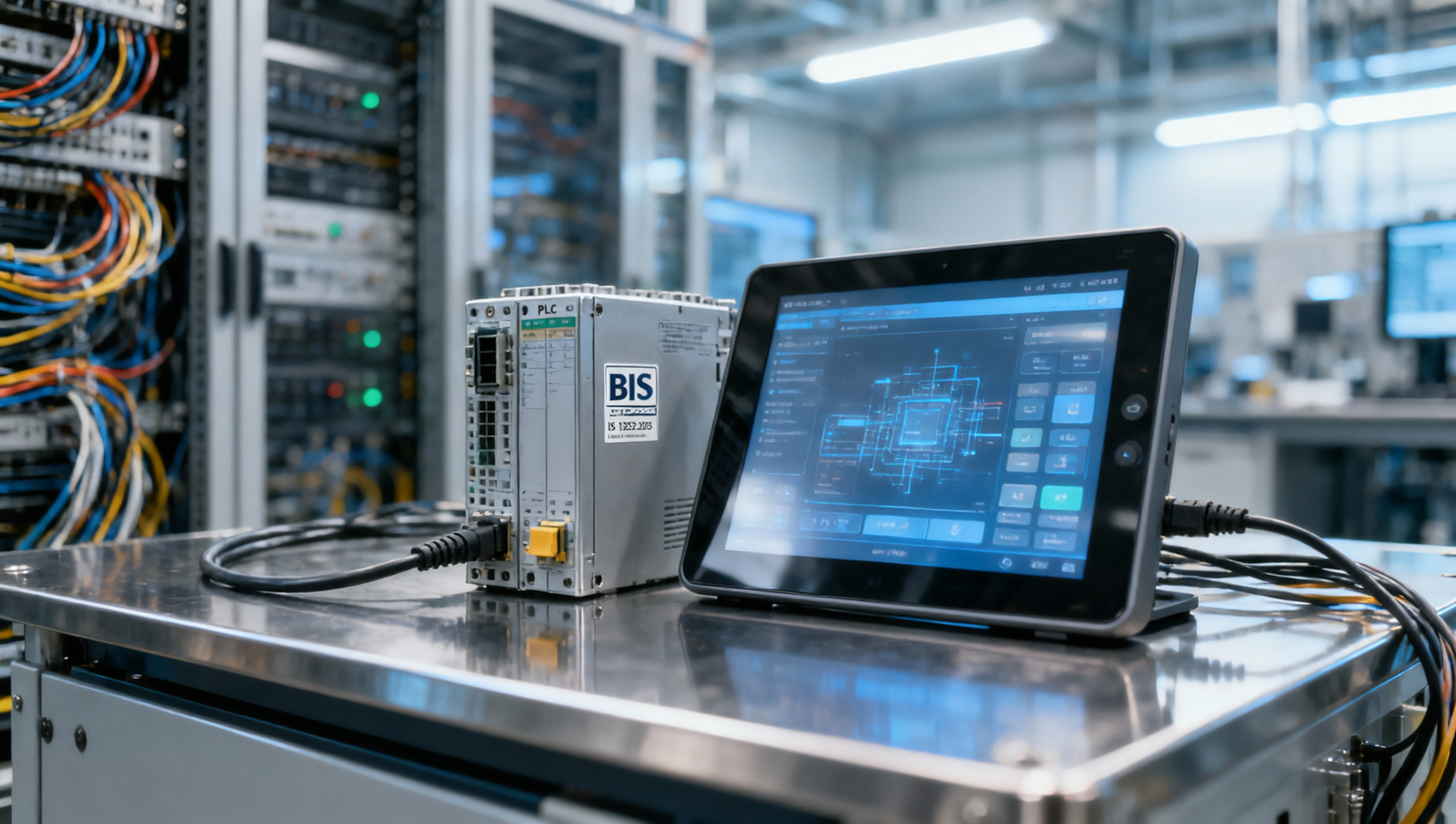
These companies integrate edge AI capabilities into connectivity hubs used in industrial automation, building management, and telecom infrastructure. Because the guideline explicitly names smart gateways as in-scope, product redesigns or additional pre-compliance validation may be required before CE submission — particularly for modules operating near RF-sensitive interfaces or low-power signal chains.
Industrial Sensor OEMs
Manufacturers embedding AI-based anomaly detection or predictive maintenance logic directly into field sensors are now subject to stricter EMC immunity validation. The 150 kHz–2 GHz band covers common industrial noise sources (e.g., variable-frequency drives, switching power supplies), meaning existing sensor designs may fail without shielding or firmware-level mitigation strategies.
Smart Home Hub Developers & Brands
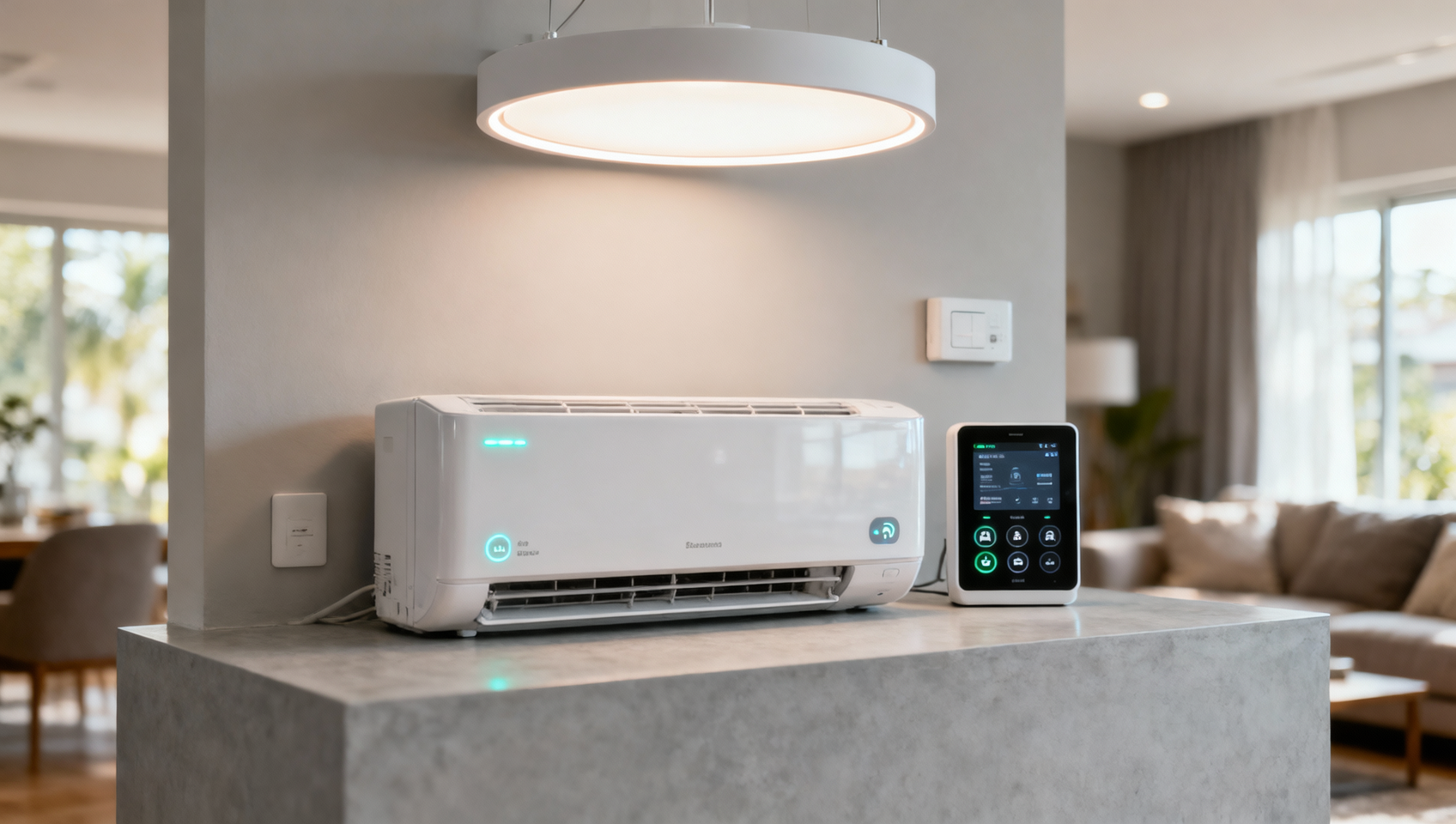
CE-marked Smart Home central controllers — especially those advertising on-device voice processing, local scene automation, or federated learning — fall under this requirement. Unlike cloud-dependent devices, these hubs now face verifiable immunity thresholds tied to their AI execution layer, increasing test complexity and time-to-certification.
What Relevant Companies or Practitioners Should Focus On Now
Monitor official interpretations from TÜV Rheinland and EU Notified Bodies
The term “AI inference engine” is not formally defined in V2.3. Analysis来看, whether rule-based micro-ML models, quantized neural networks, or FPGA-accelerated inference qualify remains subject to individual lab interpretation. Stakeholders should track clarifications issued by TÜV Rheinland’s technical support or accredited labs during Q2 2026.
Review current BOMs and PCB layouts for edge AI modules
From industry perspective, many existing edge AI SoCs (e.g., NPU-enabled microcontrollers or low-power vision processors) were validated only against generic IEC/EN 61000-4 series standards — not with AI workload active during stress testing. Companies should audit whether their immunity test reports include functional verification *under concurrent AI inference*, as V2.3 implies performance continuity during disturbance.
Adjust timelines for CE submissions scheduled between May–August 2026
Current more suitable understanding is that labs will require full retesting of the AI-enabled subsystem — not just documentation updates. Early applicants may experience extended turnaround times due to limited lab capacity for AI-aware EMC setups. Filing before mid-June 2026 may help avoid backlog delays.
Verify supplier declarations for AI-accelerated components
Observation shows that component vendors rarely provide ESD/radiated immunity data under active AI load. Procurement teams should request updated test evidence from SoC, module, or firmware providers — specifically covering operation in inference mode at maximum clock and memory bandwidth.
Editorial Perspective / Industry Observation
This update is best understood as an early regulatory signal — not yet a fully harmonized standard — reflecting growing recognition that AI execution alters real-time electromagnetic behavior in embedded systems. From industry angle, it signals a shift from treating AI as a software feature to recognizing it as a hardware-coupled functional unit with distinct EMC characteristics. While not yet referenced in the EU’s Official Journal as a harmonized standard, its immediate enforcement in CE applications means conformity assessment bodies are already applying it. Continued monitoring is warranted, as other Notified Bodies (e.g., DEKRA, SGS) may adopt similar expectations in coming months.
Conclusion
This guideline revision marks a procedural inflection point: AI functionality in IoT edge devices has transitioned from optional capability to regulated hardware interface. Its practical impact lies less in introducing entirely new physics, and more in formalizing test conditions that reflect actual operational states. For stakeholders, it is currently more accurate to interpret this as a tightening of validation scope — not a fundamental change in compliance philosophy.
Information Sources
Main source: TÜV Rheinland IoT Equipment EMC Testing Guidelines, Version 2.3 (published April 25, 2026).
Note: Clarifications regarding the definition of “AI inference engine” and applicability to specific architectures remain pending official guidance; this aspect requires ongoing observation.
Get weekly intelligence in your inbox.
No noise. No sponsored content. Pure intelligence.
") Apr 26, 2026China Releases Green Design Guidelines for Industrial Products (2026)China Releases Green Design Guidelines for Industrial Products (2026)
Apr 26, 2026China Releases Green Design Guidelines for Industrial Products (2026)China Releases Green Design Guidelines for Industrial Products (2026) Apr 26, 2026ANATEL Mandates Portuguese Offline Voice Assistant for Smart Home Devices in BrazilANATEL Mandates Portuguese Offline Voice Assistant for Smart Home Devices in Brazil
 Apr 26, 2026Vietnam Enforces Bilingual Safety Labels for Electronic Components from Apr 22, 2026Vietnam Enforces Bilingual Safety Labels for Electronic Components from Apr 22, 2026
 Apr 26, 2026Japan Updates JIS for Rehab Devices: IEC 62366-1:2024 RequiredJapan Updates JIS for Rehab Devices: IEC 62366-1:2024 Required
 Apr 26, 2026THE Alliance Cuts Ningbo–Rotterdam Transit to 18 Days, Spot Rates Up 35%THE Alliance Cuts Ningbo–Rotterdam Transit to 18 Days, Spot Rates Up 35%
 Apr 26, 2026India BIS Mandates PLC & HMI Certification under IS 13252:2025 by Oct 2026India BIS Mandates PLC & HMI Certification under IS 13252:2025 by Oct 2026
") Apr 26, 2026SASO Enforces New EV Charger Rules in Saudi Arabia (2026)SASO Enforces New EV Charger Rules in Saudi Arabia (2026)
Apr 26, 2026SASO Enforces New EV Charger Rules in Saudi Arabia (2026)SASO Enforces New EV Charger Rules in Saudi Arabia (2026) Apr 26, 2026TÜV Rheinland Updates IoT EMC Guidelines: AI Edge Modules Now Mandatory for Immunity TestingTÜV Rheinland Updates IoT EMC Guidelines: AI Edge Modules Now Mandatory for Immunity Testing
 Apr 26, 2026USTR Launches First Annual Review of China Solar PV AD/CVD OrdersUSTR Launches First Annual Review of China Solar PV AD/CVD Orders
 Apr 26, 2026EU New Battery Regulation Fully Enforced Apr 24, 2026EU New Battery Regulation Fully Enforced Apr 24, 2026
 Apr 25, 2026Vietnam Enforces CN-EN Bilingual Safety Labels on Electronic Components from Apr 22, 2026Vietnam Enforces CN-EN Bilingual Safety Labels on Electronic Components from Apr 22, 2026
 Apr 25, 2026ANATEL Mandates Portuguese Offline Voice Assistants for Smart Home Devices in BrazilANATEL Mandates Portuguese Offline Voice Assistants for Smart Home Devices in Brazil
 Apr 25, 2026India BIS Mandates IS 13252:2025 for PLCs & HMIs by Oct 2026India BIS Mandates IS 13252:2025 for PLCs & HMIs by Oct 2026
 Apr 25, 2026SASO EV Charger Rules: Grid Compatibility & Sand Resistance RequiredSASO EV Charger Rules: Grid Compatibility & Sand Resistance Required
 Apr 25, 2026JIS T 0011:2026 Enforces IEC 62366-1:2024 for Rehab Devices in JapanJIS T 0011:2026 Enforces IEC 62366-1:2024 for Rehab Devices in Japan
 Apr 25, 2026THE Alliance Cuts Ningbo–Rotterdam Transit to 18 Days, +35% Spot RateTHE Alliance Cuts Ningbo–Rotterdam Transit to 18 Days, +35% Spot Rate
 Apr 25, 2026TÜV Rheinland Updates IoT EMC Standard: AI Edge Module Immunity Now MandatoryTÜV Rheinland Updates IoT EMC Standard: AI Edge Module Immunity Now Mandatory
 Apr 25, 2026USTR Launches Five-Year China Solar PV AD/CVD ReviewUSTR Launches Five-Year China Solar PV AD/CVD Review
 Apr 25, 2026EU New Battery Regulation Enters Force Apr 24, 2026EU New Battery Regulation Enters Force Apr 24, 2026
 Apr 25, 2026China Customs Launches RCEP Origin Smart Pre-Review for ASEAN机电 ExportsChina Customs Launches RCEP Origin Smart Pre-Review for ASEAN机电 Exports
 Apr 24, 2026India BIS Mandates IS 13252:2025 for PLCs & HMIs by Oct 2026India BIS Mandates IS 13252:2025 for PLCs & HMIs by Oct 2026
 Apr 24, 2026SASO EV Charger Regulation: Sand-Resistant Grid Compatibility Testing RequiredSASO EV Charger Regulation: Sand-Resistant Grid Compatibility Testing Required
 Apr 24, 2026Japan Updates JIS for Rehab Devices: IEC 62366-1:2024 Usability Compliance RequiredJapan Updates JIS for Rehab Devices: IEC 62366-1:2024 Usability Compliance Required
 Apr 24, 2026China Customs Launches RCEP Origin Smart Pre-Review SystemChina Customs Launches RCEP Origin Smart Pre-Review System
 Apr 24, 2026ANATEL Mandates Localized Voice Assistants for Smart Home Devices in BrazilANATEL Mandates Localized Voice Assistants for Smart Home Devices in Brazil
 Apr 24, 2026TÜV Rheinland Updates IoT EMC Standard with AI Edge抗扰度 RequirementTÜV Rheinland Updates IoT EMC Standard with AI Edge抗扰度 Requirement
 Apr 24, 20262M Alliance Shortens Ningbo–Rotterdam Route to 18 Days Amid 35% Slot Premium2M Alliance Shortens Ningbo–Rotterdam Route to 18 Days Amid 35% Slot Premium