ANATEL Mandates Portuguese Offline Voice Assistant for Smart Home Devices in Brazil
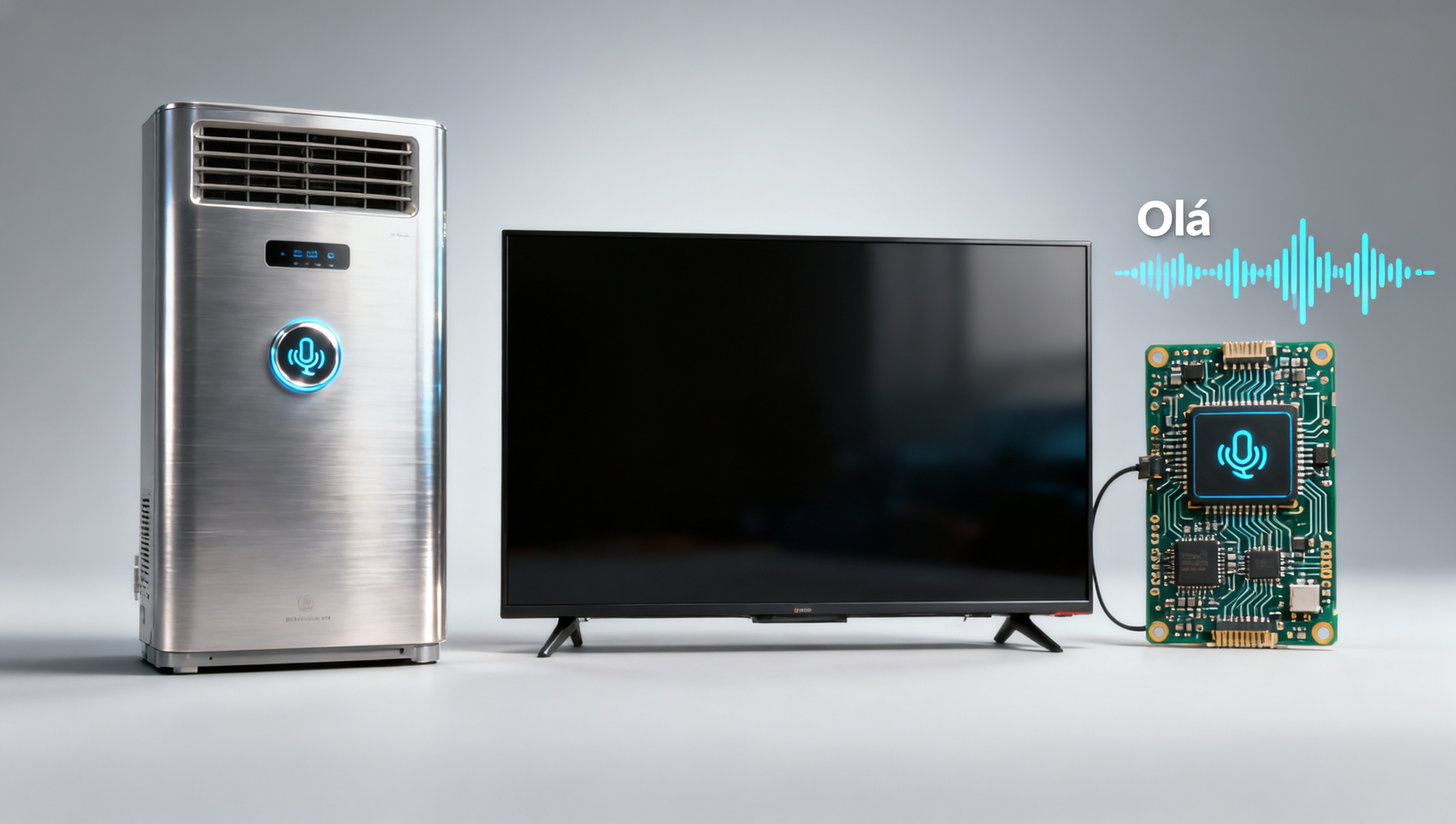
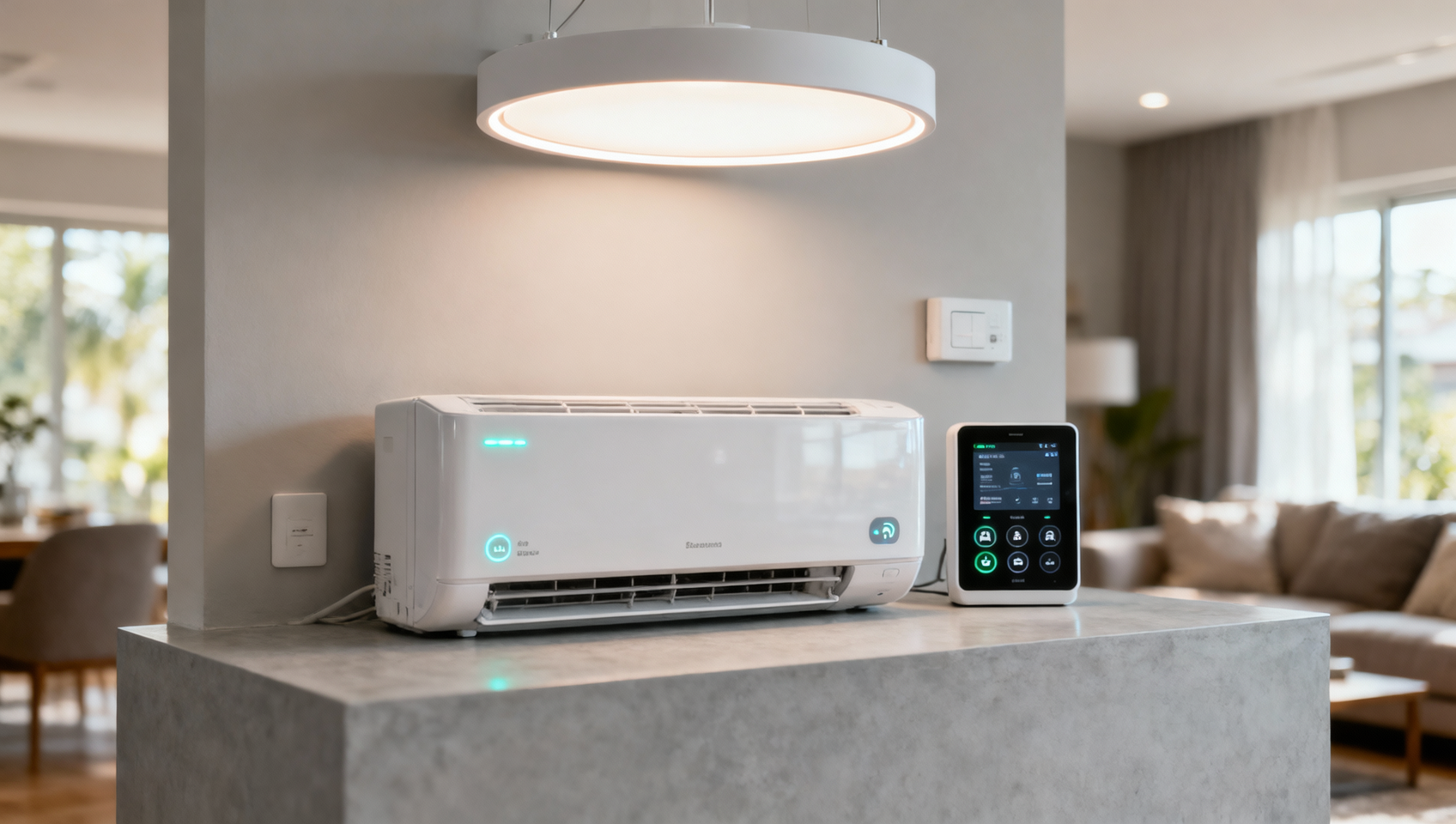
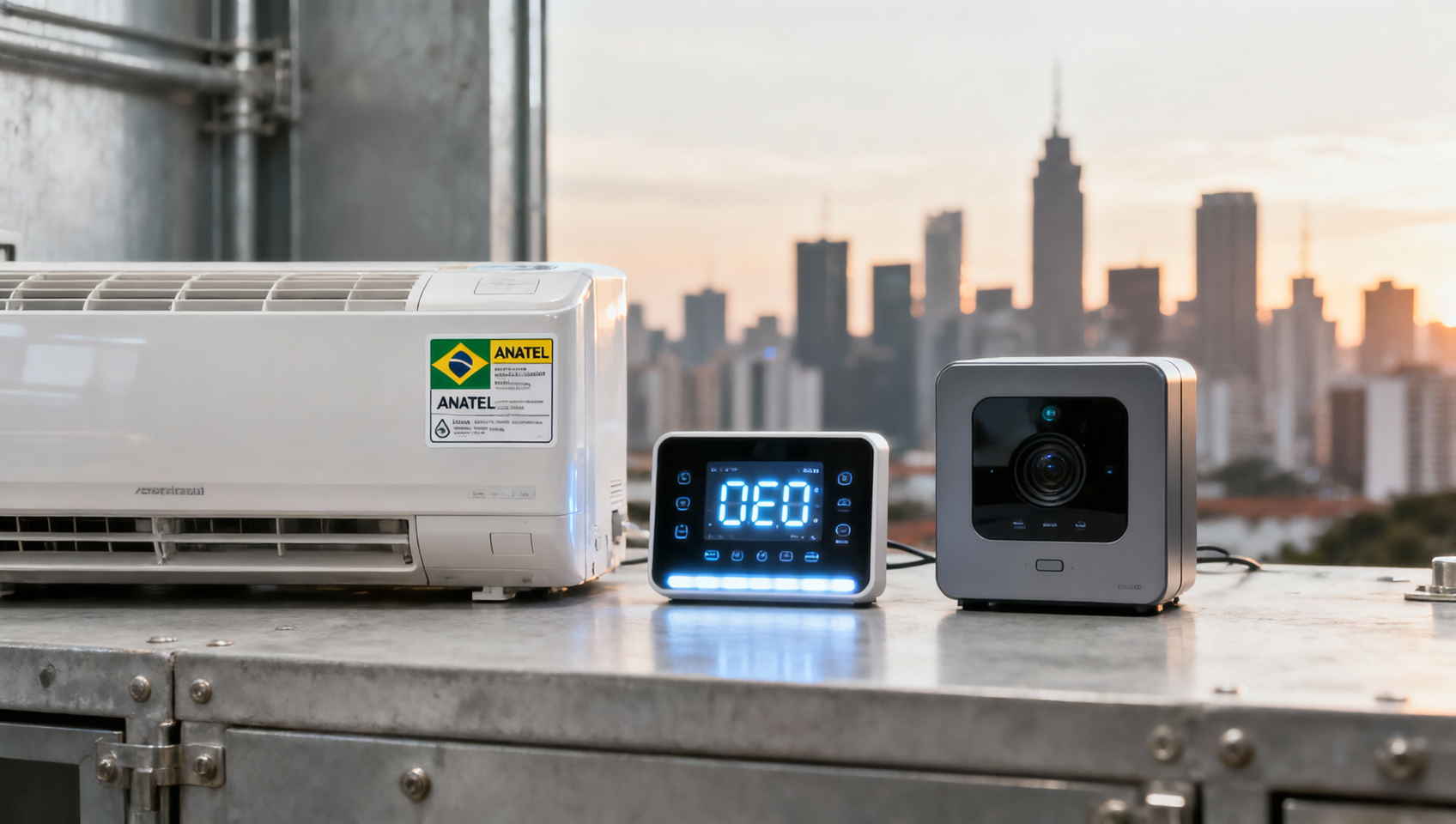
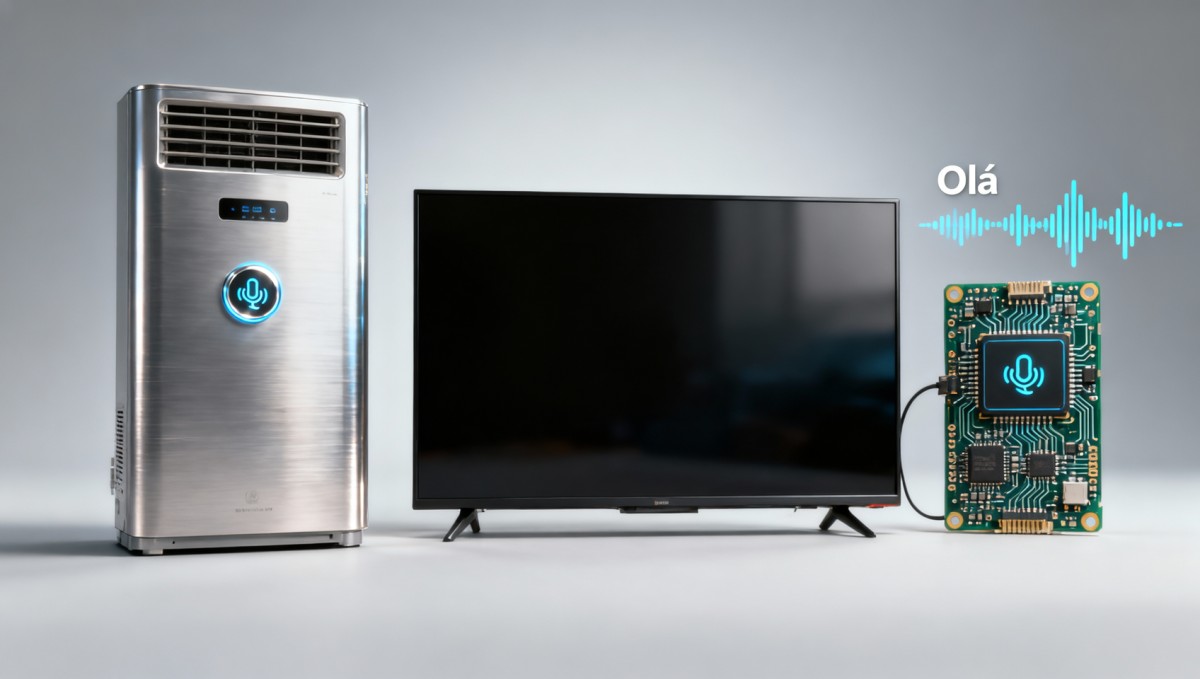
On April 25, 2026, Brazil’s National Telecommunications Agency (ANATEL) updated Resolution No. 812, requiring all smart home devices—such as air conditioners, televisions, and lighting control hubs—seeking ANATEL certification from July 1, 2026 onward to embed an offline-capable Portuguese-language voice recognition and response module. This requirement directly affects manufacturers exporting to Brazil, particularly those relying on cloud-dependent voice AI, and signals a shift toward functional resilience in low-connectivity environments.
Event Overview
On April 25, 2026, ANATEL published the revised Resolution No. 812. It stipulates that, effective July 1, 2026, any smart home product applying for ANATEL certification must include a built-in voice assistant capable of Portuguese speech recognition and response without requiring cloud connectivity. The regulation applies specifically to air conditioners, televisions, and lighting control hubs. No exceptions or transitional allowances have been publicly announced.
Industries Affected by This Regulation
Smart device OEM/ODM manufacturers (especially China-based): These firms supply certified hardware to global brands and private-label retailers. They are directly impacted because firmware architecture must now support fully offline Portuguese NLU/NLG processing—a departure from current cloud-integrated designs. Impact includes extended development cycles, revalidation of voice stacks, and potential hardware upgrades (e.g., local DSP or NPU requirements).
Embedded software and firmware developers: Teams responsible for voice stack integration must adapt existing SDKs or license new Portuguese offline ASR/TTS engines compatible with resource-constrained edge devices. Impact includes increased testing scope (offline accuracy, latency, dialect coverage), certification documentation burden, and possible licensing cost exposure.
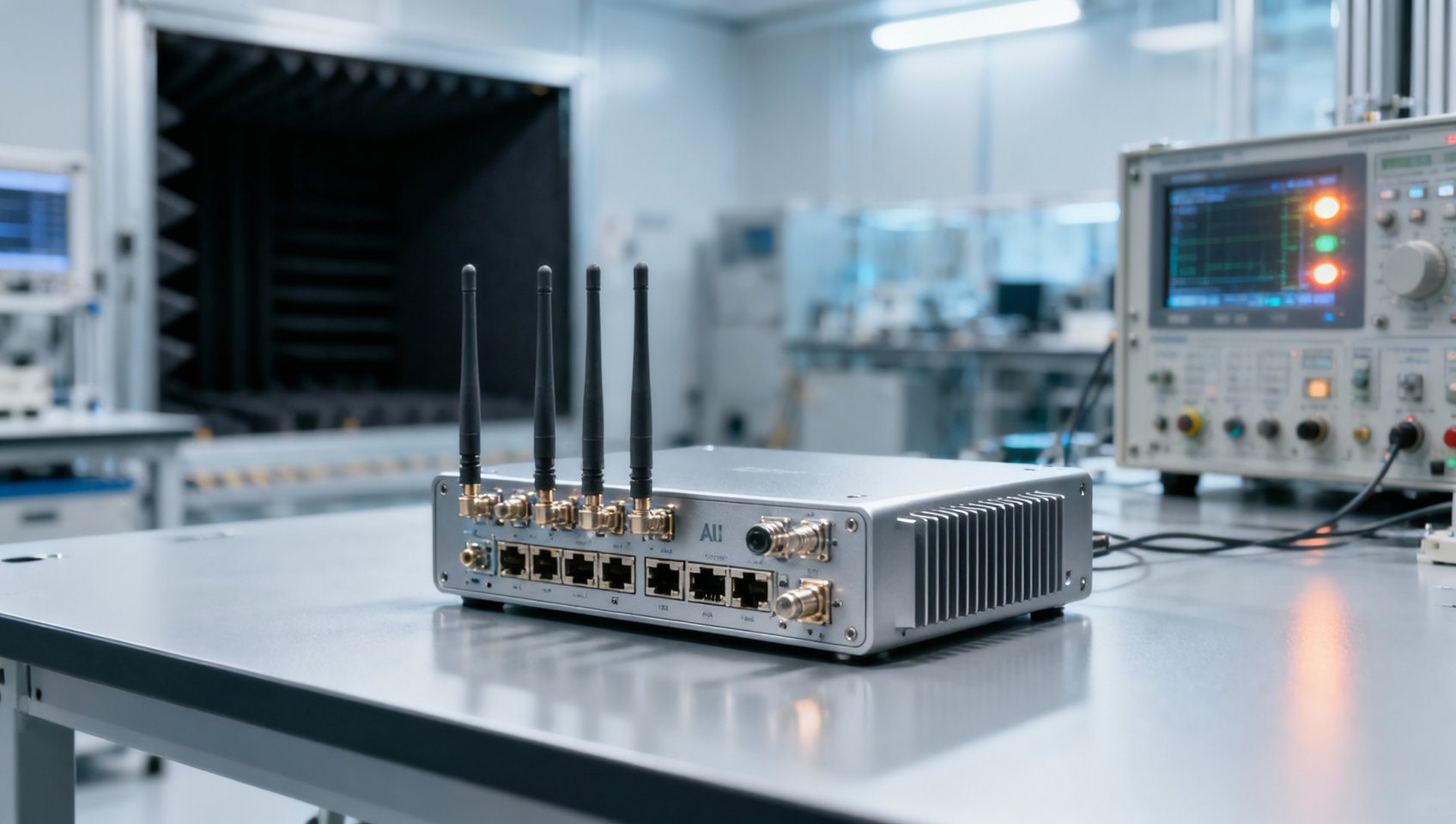
Export compliance and certification service providers: Entities supporting ANATEL submissions must now verify offline voice functionality during lab testing—not just RF and safety parameters. Impact includes revised test protocols, need for Portuguese-speaking validation personnel, and tighter coordination with clients’ firmware release timelines.
Retailers and brand owners distributing smart home products in Brazil: These stakeholders face delayed time-to-market if suppliers cannot meet the July 1, 2026 deadline. Impact includes inventory planning uncertainty, risk of non-certified stock being blocked at customs, and potential renegotiation of supplier SLAs to include offline voice compliance as a contractual obligation.
What Relevant Enterprises or Practitioners Should Focus On Now
Monitor official ANATEL technical annexes and lab guidance
Resolution No. 812 references technical annexes specifying performance thresholds (e.g., wake-word latency, command accuracy under ambient noise, vocabulary size). These annexes have not yet been published. Current more suitable action is to subscribe to ANATEL’s official notifications and engage accredited labs for early pre-assessment readiness checks.
Prioritize high-volume, high-risk product categories for immediate firmware review
Air conditioners and TVs dominate Brazilian smart home imports and typically ship with minimal local language voice support. Analysis来看, these two categories face the highest risk of certification delay. Manufacturers should initiate internal audits of current voice stack dependencies—especially identifying any mandatory cloud handshake steps—and map required offline fallback logic.
Distinguish between regulatory signal and operational implementation
The regulation mandates ‘offline operation’, but does not define minimum local storage, memory footprint, or dialect coverage (e.g., European vs. Brazilian Portuguese). From industry角度看, this leaves room for interpretation during lab testing. Enterprises should avoid assuming ‘any offline mode’ suffices; instead, treat certification as a co-development effort with ANATEL-accredited labs to align on acceptable baselines.
Update procurement and supply chain communication protocols
Firmware changes may require new silicon (e.g., chips with on-device NPU support) or updated SDK licenses. Current more suitable action is to flag voice-related BOM items in procurement systems, notify key component suppliers (e.g., voice IC vendors, MCU makers), and jointly assess lead times for qualified offline-ready modules ahead of Q2 2026.
Editorial Perspective / Industry Observation
This regulation is best understood not as a one-off compliance hurdle, but as an early indicator of tightening localization requirements in emerging markets where infrastructure asymmetry persists. Observation来看, ANATEL is shifting from connectivity-agnostic device certification toward functional sovereignty—ensuring core user interactions remain viable regardless of network conditions. Analysis来看, it reflects broader regional policy trends (e.g., India’s MeitY voice localization guidelines, Indonesia’s data residency rules), suggesting multinationals should treat voice language capability not as a UX enhancement, but as a foundational certification prerequisite. It is currently more a signal than a finalized implementation framework—its real-world enforcement rigor, test repeatability, and lab capacity remain to be observed.
In summary, ANATEL’s offline Portuguese voice mandate introduces a concrete, enforceable functional requirement into Brazil’s smart device certification process—not merely a linguistic localization add-on. Its significance lies in elevating offline voice capability to the same compliance tier as electromagnetic compatibility or electrical safety. For global suppliers, it marks a transition from ‘cloud-first’ design assumptions to ‘edge-resilient’ architecture as a baseline expectation in regulated markets. Currently, it is more appropriately understood as a binding regulatory milestone with phased operational implications—not an immediate market barrier, but a structural inflection point demanding cross-functional alignment across firmware, compliance, and supply chain teams.
Source: ANATEL Resolution No. 812 (revised), published April 25, 2026. Technical annexes and lab validation criteria remain pending publication and are subject to ongoing observation.
Get weekly intelligence in your inbox.
No noise. No sponsored content. Pure intelligence.
") Apr 26, 2026China Releases Green Design Guidelines for Industrial Products (2026)China Releases Green Design Guidelines for Industrial Products (2026)
Apr 26, 2026China Releases Green Design Guidelines for Industrial Products (2026)China Releases Green Design Guidelines for Industrial Products (2026) Apr 26, 2026ANATEL Mandates Portuguese Offline Voice Assistant for Smart Home Devices in BrazilANATEL Mandates Portuguese Offline Voice Assistant for Smart Home Devices in Brazil
 Apr 26, 2026Vietnam Enforces Bilingual Safety Labels for Electronic Components from Apr 22, 2026Vietnam Enforces Bilingual Safety Labels for Electronic Components from Apr 22, 2026
 Apr 26, 2026Japan Updates JIS for Rehab Devices: IEC 62366-1:2024 RequiredJapan Updates JIS for Rehab Devices: IEC 62366-1:2024 Required
 Apr 26, 2026THE Alliance Cuts Ningbo–Rotterdam Transit to 18 Days, Spot Rates Up 35%THE Alliance Cuts Ningbo–Rotterdam Transit to 18 Days, Spot Rates Up 35%
 Apr 26, 2026India BIS Mandates PLC & HMI Certification under IS 13252:2025 by Oct 2026India BIS Mandates PLC & HMI Certification under IS 13252:2025 by Oct 2026
") Apr 26, 2026SASO Enforces New EV Charger Rules in Saudi Arabia (2026)SASO Enforces New EV Charger Rules in Saudi Arabia (2026)
Apr 26, 2026SASO Enforces New EV Charger Rules in Saudi Arabia (2026)SASO Enforces New EV Charger Rules in Saudi Arabia (2026) Apr 26, 2026TÜV Rheinland Updates IoT EMC Guidelines: AI Edge Modules Now Mandatory for Immunity TestingTÜV Rheinland Updates IoT EMC Guidelines: AI Edge Modules Now Mandatory for Immunity Testing
 Apr 26, 2026USTR Launches First Annual Review of China Solar PV AD/CVD OrdersUSTR Launches First Annual Review of China Solar PV AD/CVD Orders
 Apr 26, 2026EU New Battery Regulation Fully Enforced Apr 24, 2026EU New Battery Regulation Fully Enforced Apr 24, 2026
 Apr 25, 2026Vietnam Enforces CN-EN Bilingual Safety Labels on Electronic Components from Apr 22, 2026Vietnam Enforces CN-EN Bilingual Safety Labels on Electronic Components from Apr 22, 2026
 Apr 25, 2026ANATEL Mandates Portuguese Offline Voice Assistants for Smart Home Devices in BrazilANATEL Mandates Portuguese Offline Voice Assistants for Smart Home Devices in Brazil
 Apr 25, 2026India BIS Mandates IS 13252:2025 for PLCs & HMIs by Oct 2026India BIS Mandates IS 13252:2025 for PLCs & HMIs by Oct 2026
 Apr 25, 2026SASO EV Charger Rules: Grid Compatibility & Sand Resistance RequiredSASO EV Charger Rules: Grid Compatibility & Sand Resistance Required
 Apr 25, 2026JIS T 0011:2026 Enforces IEC 62366-1:2024 for Rehab Devices in JapanJIS T 0011:2026 Enforces IEC 62366-1:2024 for Rehab Devices in Japan
 Apr 25, 2026THE Alliance Cuts Ningbo–Rotterdam Transit to 18 Days, +35% Spot RateTHE Alliance Cuts Ningbo–Rotterdam Transit to 18 Days, +35% Spot Rate
 Apr 25, 2026TÜV Rheinland Updates IoT EMC Standard: AI Edge Module Immunity Now MandatoryTÜV Rheinland Updates IoT EMC Standard: AI Edge Module Immunity Now Mandatory
 Apr 25, 2026USTR Launches Five-Year China Solar PV AD/CVD ReviewUSTR Launches Five-Year China Solar PV AD/CVD Review
 Apr 25, 2026EU New Battery Regulation Enters Force Apr 24, 2026EU New Battery Regulation Enters Force Apr 24, 2026
 Apr 25, 2026China Customs Launches RCEP Origin Smart Pre-Review for ASEAN机电 ExportsChina Customs Launches RCEP Origin Smart Pre-Review for ASEAN机电 Exports
 Apr 24, 2026India BIS Mandates IS 13252:2025 for PLCs & HMIs by Oct 2026India BIS Mandates IS 13252:2025 for PLCs & HMIs by Oct 2026
 Apr 24, 2026SASO EV Charger Regulation: Sand-Resistant Grid Compatibility Testing RequiredSASO EV Charger Regulation: Sand-Resistant Grid Compatibility Testing Required
 Apr 24, 2026Japan Updates JIS for Rehab Devices: IEC 62366-1:2024 Usability Compliance RequiredJapan Updates JIS for Rehab Devices: IEC 62366-1:2024 Usability Compliance Required
 Apr 24, 2026China Customs Launches RCEP Origin Smart Pre-Review SystemChina Customs Launches RCEP Origin Smart Pre-Review System
 Apr 24, 2026ANATEL Mandates Localized Voice Assistants for Smart Home Devices in BrazilANATEL Mandates Localized Voice Assistants for Smart Home Devices in Brazil
 Apr 24, 2026TÜV Rheinland Updates IoT EMC Standard with AI Edge抗扰度 RequirementTÜV Rheinland Updates IoT EMC Standard with AI Edge抗扰度 Requirement
 Apr 24, 20262M Alliance Shortens Ningbo–Rotterdam Route to 18 Days Amid 35% Slot Premium2M Alliance Shortens Ningbo–Rotterdam Route to 18 Days Amid 35% Slot Premium