India BIS Mandates PLC & HMI Certification under IS 13252:2025 by Oct 2026
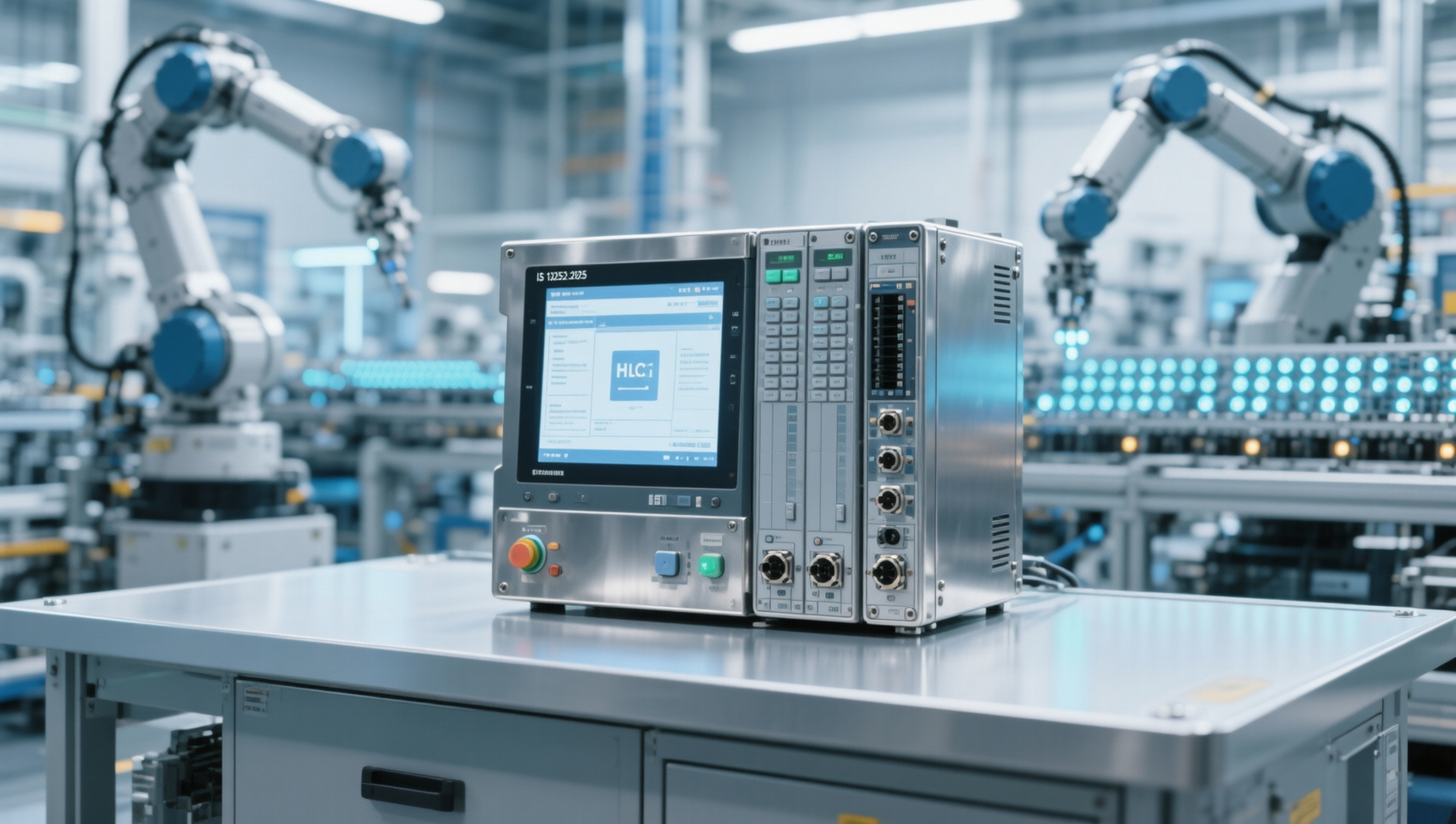
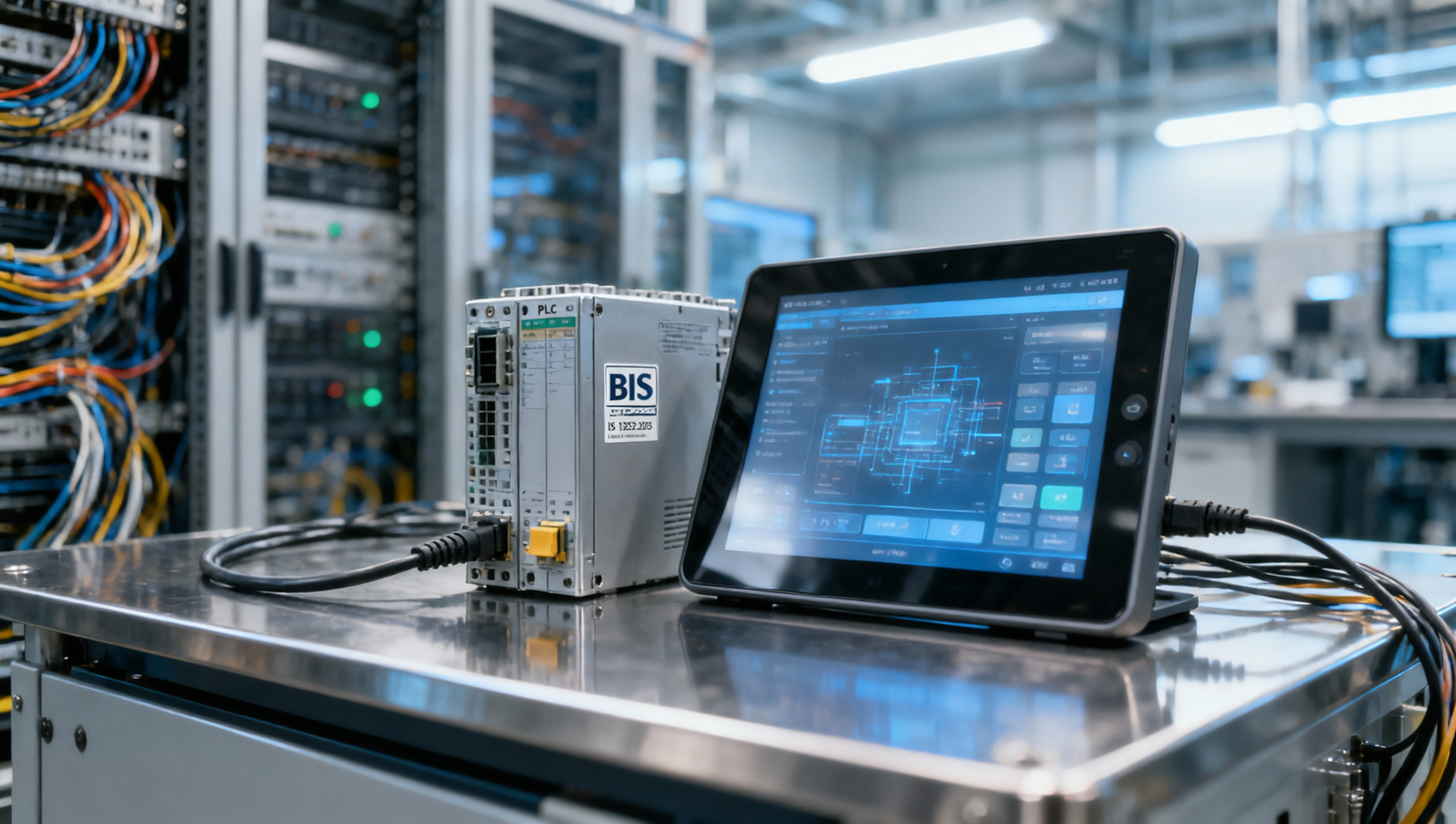
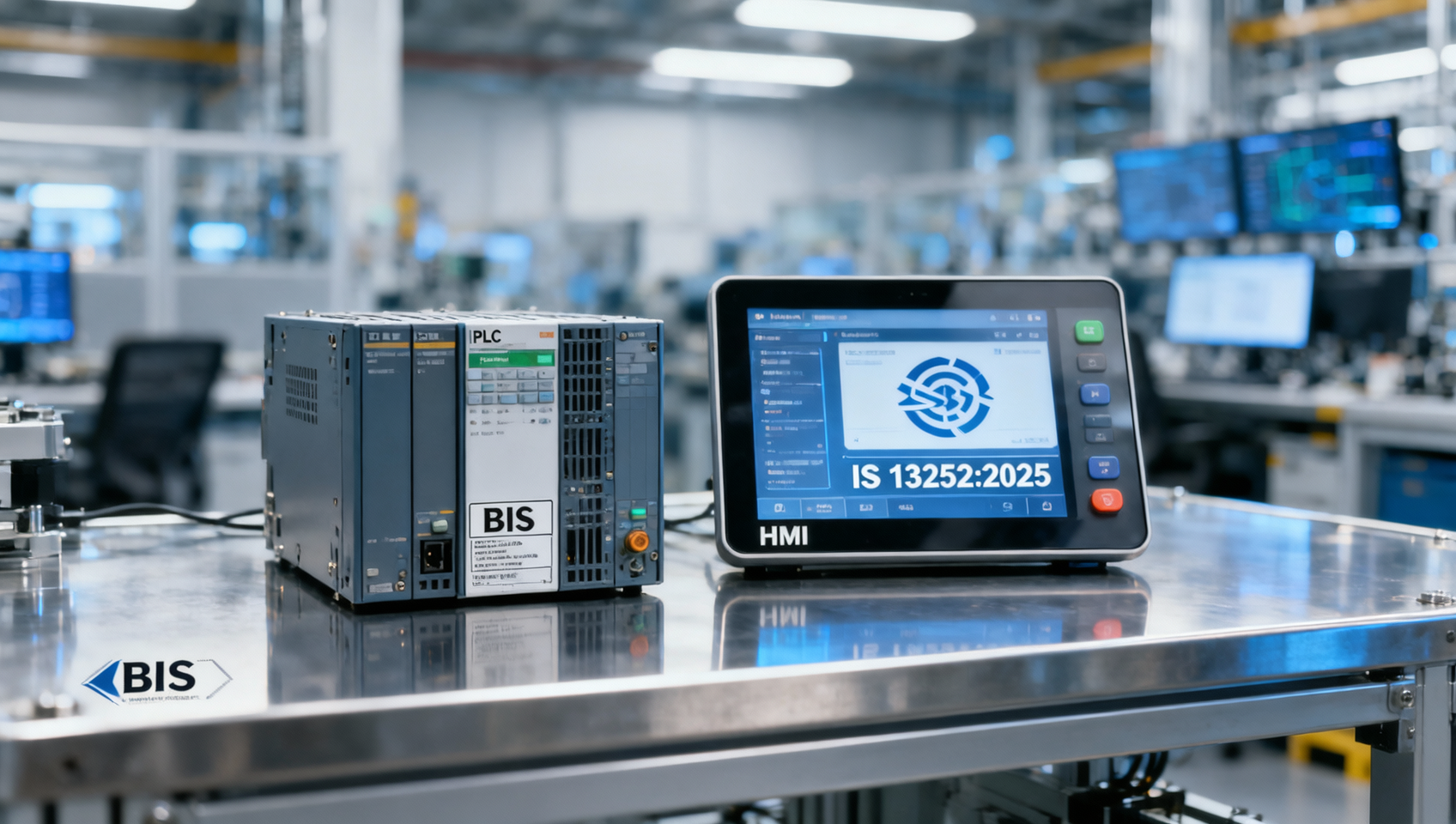
India’s Bureau of Indian Standards (BIS) has expanded its mandatory certification scope to include programmable logic controllers (PLCs) and human-machine interfaces (HMIs), effective from 1 October 2026. Announced on 24 April 2026, the move requires compliance with the updated standard IS 13252:2025 — technically aligned with IEC 61131-2:2024. Exporters, system integrators, and industrial automation suppliers targeting the Indian market must now prioritize certification readiness, especially those engaged in factory automation hardware trade and deployment.
Event Overview
On 24 April 2026, the Bureau of Indian Standards (BIS) issued an official directive placing PLCs and HMIs under the compulsory BIS certification regime. The applicable standard is IS 13252:2025, which is identical to IEC 61131-2:2024. A transition period of 18 months is granted, meaning that as of 1 October 2026, no PLC or HMI unit without a valid BIS license may be imported into or sold in India.
Industries Affected
Direct Exporters of PLCs and HMIs
Manufacturers and exporters — particularly those based in China — supplying PLCs and HMIs directly to Indian distributors or end users are directly impacted. Non-compliant units will be denied customs clearance or market access after the deadline, potentially disrupting shipment schedules and contractual obligations.
Industrial Automation System Integrators
System integrators incorporating third-party PLCs or HMIs into turnkey automation solutions for Indian clients face increased compliance responsibility. Their projects may stall if core components lack BIS certification, affecting project timelines, warranty terms, and client trust.
Supply Chain and Distribution Partners
Indian importers, distributors, and channel partners handling PLC/HMI inventory must verify BIS licensing status before accepting new stock or renewing purchase orders. Unlicensed inventory acquired pre-deadline may remain saleable only until exhausted — but cannot be replenished post-1 October 2026 without certification.
What Enterprises and Practitioners Should Monitor and Do Now
Track official BIS implementation guidance
While the mandate is confirmed, BIS has not yet published detailed application procedures, fee structures, or laboratory accreditation requirements specific to IS 13252:2025. Stakeholders should monitor BIS’s official portal and authorized certification bodies for procedural updates, especially regarding test report acceptance and domestic representation rules.
Identify and prioritize certified product lines
Exporters should audit their PLC and HMI portfolios to identify models covered under the scope. Focus initial certification efforts on high-volume, high-revenue SKUs destined for India — rather than blanket certification across all variants — to optimize time and cost.
Distinguish between policy announcement and operational enforcement
The 24 April 2026 date marks formal notification, not enforcement. Customs authorities and state-level inspectors are unlikely to enforce immediately on 1 October 2026 without prior notice or capacity building. However, delays in initiating applications now may result in bottlenecked approvals closer to the deadline.
Prepare documentation and engage BIS-recognized labs early
Required documentation typically includes technical specifications, circuit diagrams, user manuals, and test reports. Since IS 13252:2025 aligns with IEC 61131-2:2024, existing IEC-compliant test data may support—but not replace—the BIS process. Engaging a BIS-empanelled lab at least six months ahead helps avoid scheduling delays.
Editorial Perspective / Industry Observation
From an industry perspective, this expansion signals BIS’s broader shift toward regulating functional safety and interoperability in industrial control systems — not just electrical safety. Analysis来看, it reflects growing alignment with global standards, but also introduces localized conformity hurdles for foreign suppliers. Observation来看, the 18-month window is relatively generous compared to past BIS rollouts (e.g., for IT equipment), suggesting BIS anticipates complexity in testing and documentation. It is better understood as a regulatory signal with near-term operational consequences — not merely a procedural update. Continuous monitoring is warranted, as BIS may issue clarifications on scope exclusions (e.g., embedded HMIs within larger machines) or phased enforcement.
This development underscores how national standards regimes increasingly shape cross-border industrial hardware trade — especially in emerging markets where certification infrastructure is still maturing. For affected enterprises, proactive alignment with IS 13252:2025 is less about compliance per se, and more about sustaining market access continuity. The mandate does not yet indicate broader coverage of other automation devices (e.g., motion controllers or industrial gateways), but serves as a clear precedent.
Information Source: Official notification issued by the Bureau of Indian Standards (BIS) on 24 April 2026. Further procedural details remain pending and are subject to official BIS publications. Ongoing observation is recommended for updates on accredited testing laboratories, application forms, and potential scope clarifications.
Get weekly intelligence in your inbox.
No noise. No sponsored content. Pure intelligence.
") Apr 26, 2026China Releases Green Design Guidelines for Industrial Products (2026)China Releases Green Design Guidelines for Industrial Products (2026)
Apr 26, 2026China Releases Green Design Guidelines for Industrial Products (2026)China Releases Green Design Guidelines for Industrial Products (2026) Apr 26, 2026ANATEL Mandates Portuguese Offline Voice Assistant for Smart Home Devices in BrazilANATEL Mandates Portuguese Offline Voice Assistant for Smart Home Devices in Brazil
 Apr 26, 2026Vietnam Enforces Bilingual Safety Labels for Electronic Components from Apr 22, 2026Vietnam Enforces Bilingual Safety Labels for Electronic Components from Apr 22, 2026
 Apr 26, 2026Japan Updates JIS for Rehab Devices: IEC 62366-1:2024 RequiredJapan Updates JIS for Rehab Devices: IEC 62366-1:2024 Required
 Apr 26, 2026THE Alliance Cuts Ningbo–Rotterdam Transit to 18 Days, Spot Rates Up 35%THE Alliance Cuts Ningbo–Rotterdam Transit to 18 Days, Spot Rates Up 35%
 Apr 26, 2026India BIS Mandates PLC & HMI Certification under IS 13252:2025 by Oct 2026India BIS Mandates PLC & HMI Certification under IS 13252:2025 by Oct 2026
") Apr 26, 2026SASO Enforces New EV Charger Rules in Saudi Arabia (2026)SASO Enforces New EV Charger Rules in Saudi Arabia (2026)
Apr 26, 2026SASO Enforces New EV Charger Rules in Saudi Arabia (2026)SASO Enforces New EV Charger Rules in Saudi Arabia (2026) Apr 26, 2026TÜV Rheinland Updates IoT EMC Guidelines: AI Edge Modules Now Mandatory for Immunity TestingTÜV Rheinland Updates IoT EMC Guidelines: AI Edge Modules Now Mandatory for Immunity Testing
 Apr 26, 2026USTR Launches First Annual Review of China Solar PV AD/CVD OrdersUSTR Launches First Annual Review of China Solar PV AD/CVD Orders
 Apr 26, 2026EU New Battery Regulation Fully Enforced Apr 24, 2026EU New Battery Regulation Fully Enforced Apr 24, 2026
 Apr 25, 2026Vietnam Enforces CN-EN Bilingual Safety Labels on Electronic Components from Apr 22, 2026Vietnam Enforces CN-EN Bilingual Safety Labels on Electronic Components from Apr 22, 2026
 Apr 25, 2026ANATEL Mandates Portuguese Offline Voice Assistants for Smart Home Devices in BrazilANATEL Mandates Portuguese Offline Voice Assistants for Smart Home Devices in Brazil
 Apr 25, 2026India BIS Mandates IS 13252:2025 for PLCs & HMIs by Oct 2026India BIS Mandates IS 13252:2025 for PLCs & HMIs by Oct 2026
 Apr 25, 2026SASO EV Charger Rules: Grid Compatibility & Sand Resistance RequiredSASO EV Charger Rules: Grid Compatibility & Sand Resistance Required
 Apr 25, 2026JIS T 0011:2026 Enforces IEC 62366-1:2024 for Rehab Devices in JapanJIS T 0011:2026 Enforces IEC 62366-1:2024 for Rehab Devices in Japan
 Apr 25, 2026THE Alliance Cuts Ningbo–Rotterdam Transit to 18 Days, +35% Spot RateTHE Alliance Cuts Ningbo–Rotterdam Transit to 18 Days, +35% Spot Rate
 Apr 25, 2026TÜV Rheinland Updates IoT EMC Standard: AI Edge Module Immunity Now MandatoryTÜV Rheinland Updates IoT EMC Standard: AI Edge Module Immunity Now Mandatory
 Apr 25, 2026USTR Launches Five-Year China Solar PV AD/CVD ReviewUSTR Launches Five-Year China Solar PV AD/CVD Review
 Apr 25, 2026EU New Battery Regulation Enters Force Apr 24, 2026EU New Battery Regulation Enters Force Apr 24, 2026
 Apr 25, 2026China Customs Launches RCEP Origin Smart Pre-Review for ASEAN机电 ExportsChina Customs Launches RCEP Origin Smart Pre-Review for ASEAN机电 Exports
 Apr 24, 2026India BIS Mandates IS 13252:2025 for PLCs & HMIs by Oct 2026India BIS Mandates IS 13252:2025 for PLCs & HMIs by Oct 2026
 Apr 24, 2026SASO EV Charger Regulation: Sand-Resistant Grid Compatibility Testing RequiredSASO EV Charger Regulation: Sand-Resistant Grid Compatibility Testing Required
 Apr 24, 2026Japan Updates JIS for Rehab Devices: IEC 62366-1:2024 Usability Compliance RequiredJapan Updates JIS for Rehab Devices: IEC 62366-1:2024 Usability Compliance Required
 Apr 24, 2026China Customs Launches RCEP Origin Smart Pre-Review SystemChina Customs Launches RCEP Origin Smart Pre-Review System
 Apr 24, 2026ANATEL Mandates Localized Voice Assistants for Smart Home Devices in BrazilANATEL Mandates Localized Voice Assistants for Smart Home Devices in Brazil
 Apr 24, 2026TÜV Rheinland Updates IoT EMC Standard with AI Edge抗扰度 RequirementTÜV Rheinland Updates IoT EMC Standard with AI Edge抗扰度 Requirement
 Apr 24, 20262M Alliance Shortens Ningbo–Rotterdam Route to 18 Days Amid 35% Slot Premium2M Alliance Shortens Ningbo–Rotterdam Route to 18 Days Amid 35% Slot Premium