Morocco Ranks 4th in EU Energy Aid to Africa
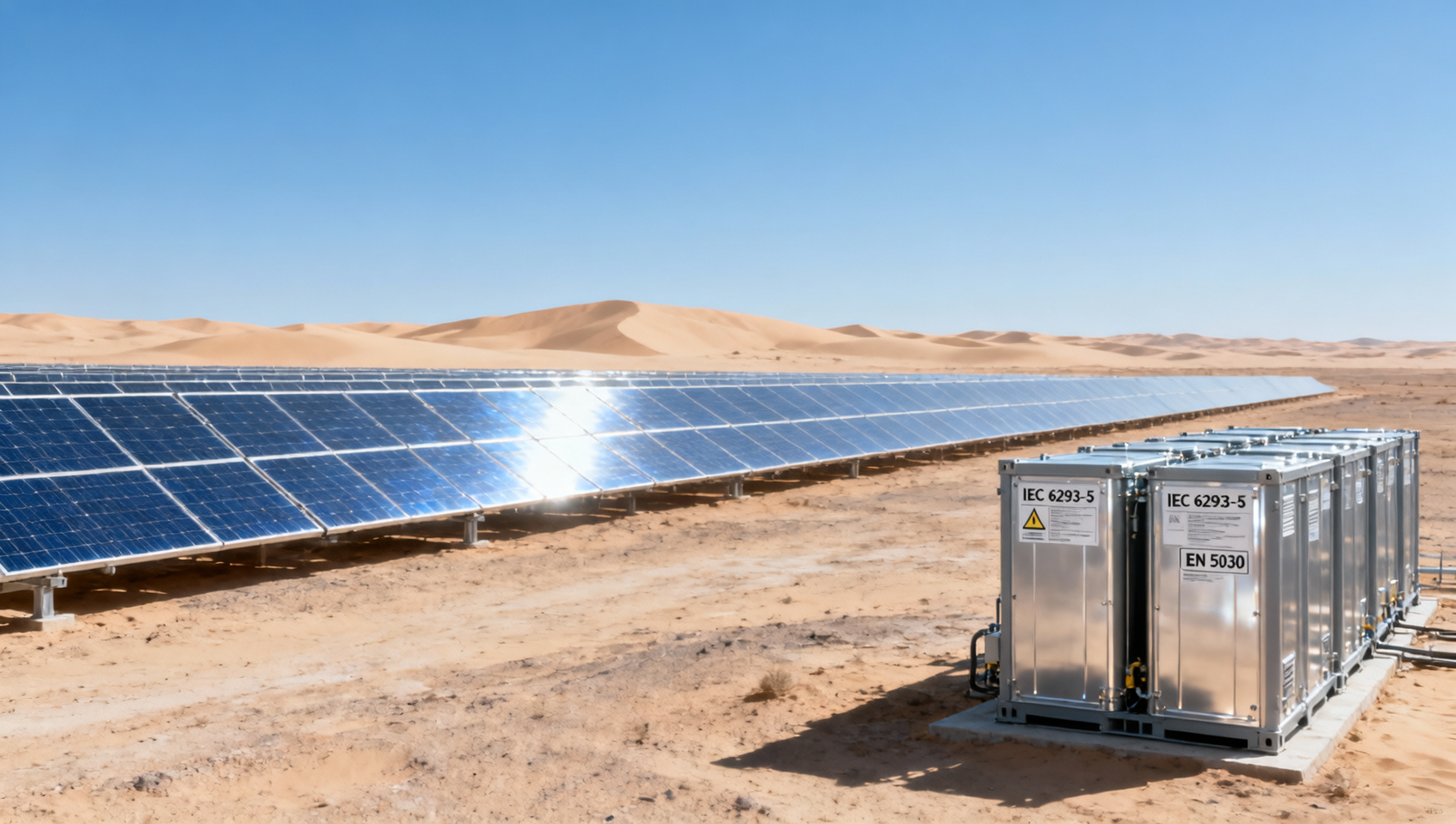
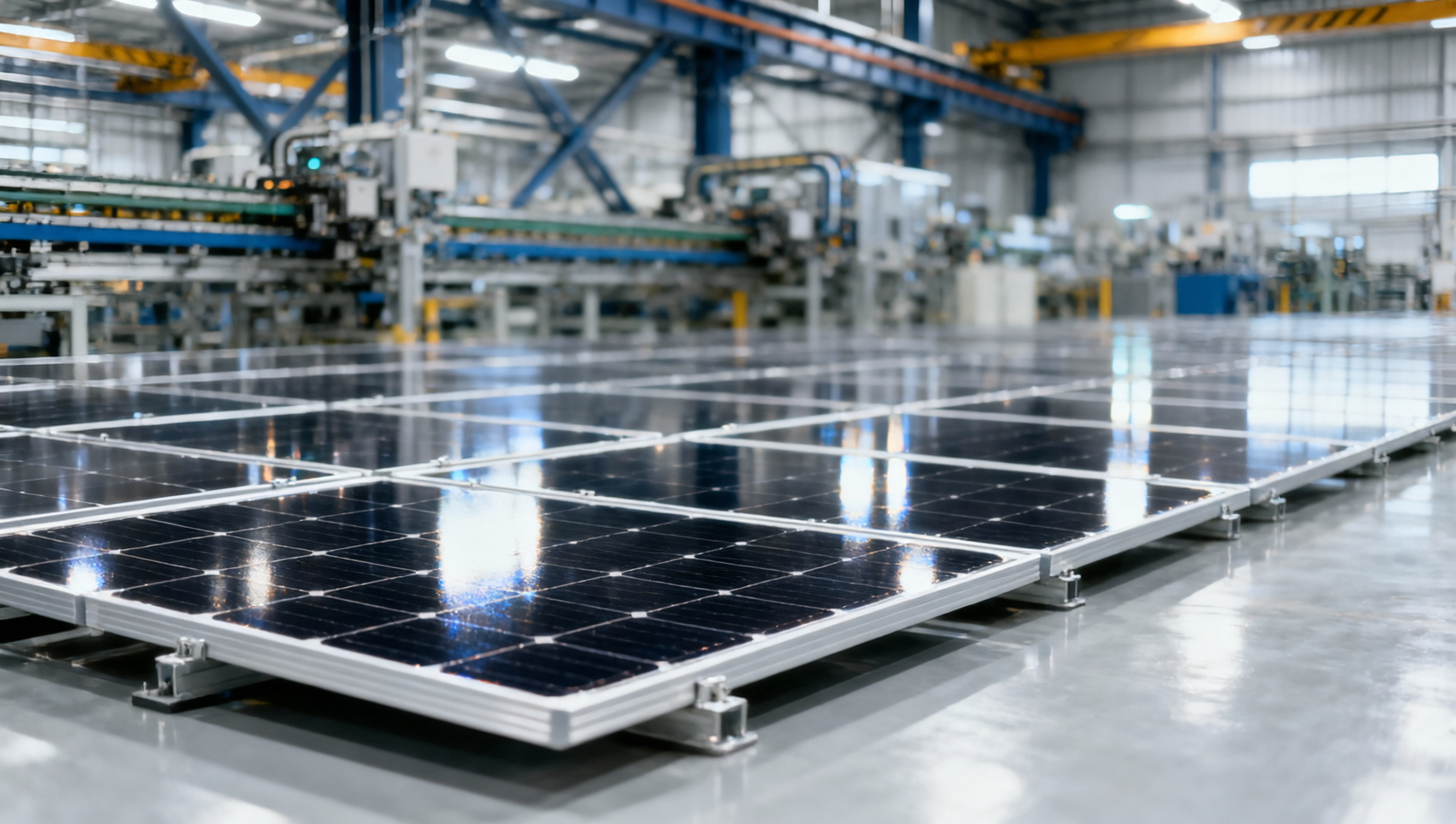
Morocco has emerged as the fourth-largest recipient of European energy assistance to Africa, with over €820 million allocated under the EU’s Green Corridors Initiative for 2026 — focused on solar power expansion and distributed energy storage deployment. This development signals growing procurement relevance for manufacturers and exporters of IEC 62933-5–certified battery systems and EN 50530–compliant inverters, particularly those based in China and already holding dual EU certifications. Stakeholders in photovoltaic module manufacturing, battery system integration, and cross-border energy equipment trade should monitor implications closely.
Event Overview
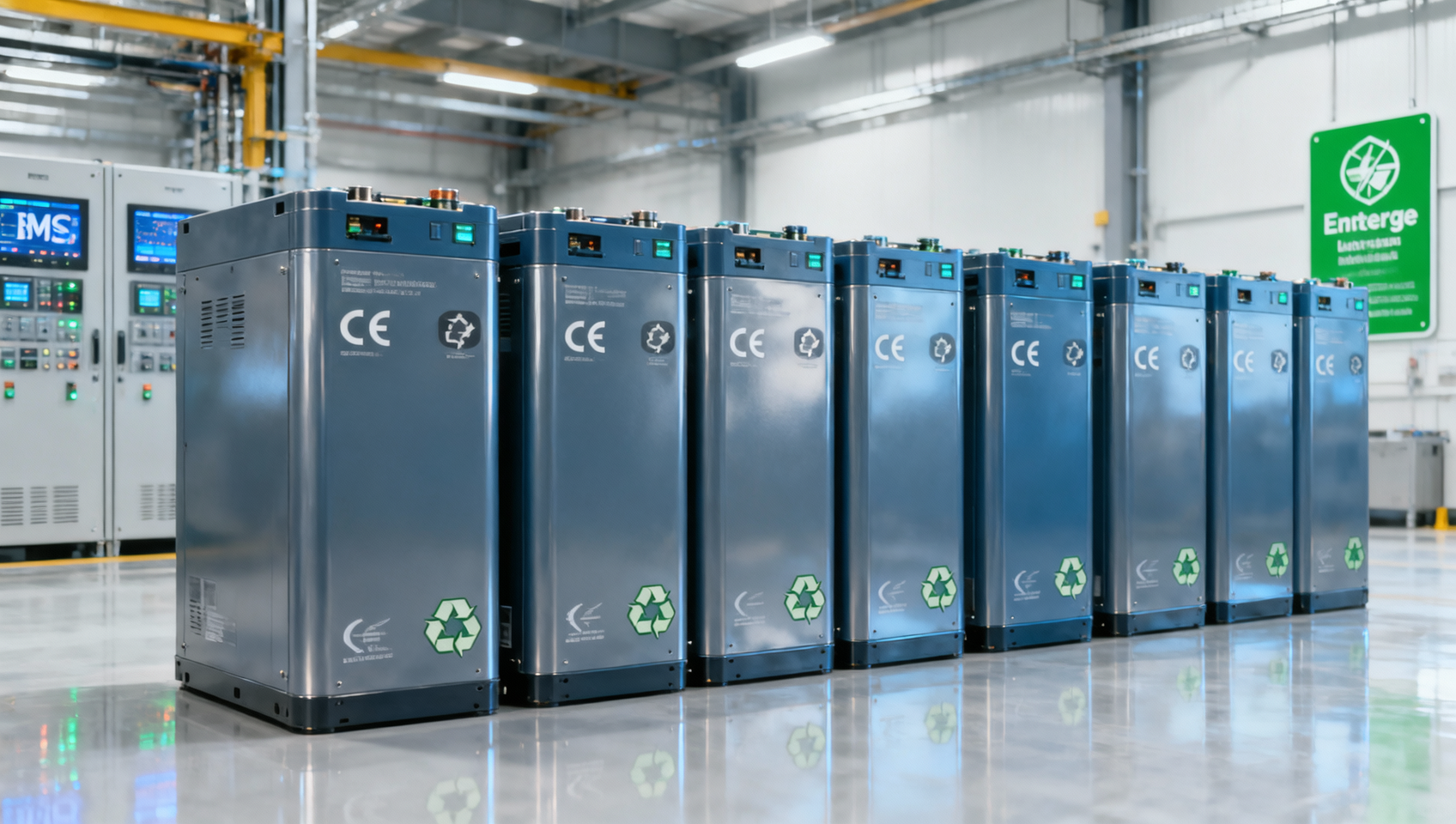
According to the latest report from International Engineering Watch, Morocco has become the fourth-largest beneficiary of European Union energy aid directed at African countries. The EU’s Green Corridors Initiative has earmarked more than €820 million for Morocco in 2026, specifically targeting solar photovoltaic plant expansion and the deployment of distributed energy storage systems. The funding mandates compliance with IEC 62933-5 for battery systems and EN 50530 for inverters.
Industries Affected
Direct Exporters of PV Modules and Storage Systems
Exporters supplying certified photovoltaic modules or integrated battery storage solutions to North African markets may see increased tender eligibility and procurement opportunities. The requirement for IEC 62933-5 and EN 50530 compliance directly affects product qualification — only manufacturers with verified conformity can participate in funded projects.
Component-Level Manufacturers (Inverters, BMS, Battery Cells)
Suppliers of critical subsystems — such as grid-tied inverters, battery management systems, or LFP cell modules — face indirect but material demand shifts. Since final system integrators must meet strict certification thresholds, upstream suppliers need to ensure traceable documentation and harmonized test reports aligned with EU standards.
Distribution and Channel Partners Serving North Africa
Regional distributors and local representatives handling EU-funded tenders will encounter tighter technical prequalification requirements. Product datasheets, CE marking evidence, and third-party test certificates (e.g., from TÜV Rheinland or VDE) will be scrutinized more rigorously during bid submissions.
Supply Chain and Certification Support Providers
Entities offering EU conformity assessment support — including testing coordination, technical file preparation, or Notified Body liaison services — may experience higher demand, especially for clients seeking fast-track alignment with IEC 62933-5 and EN 50530 ahead of 2026 project rollouts.
What Enterprises and Practitioners Should Monitor and Do
Track official updates on Green Corridors Initiative implementation timelines
The €820 million allocation is confirmed for 2026, but disbursement schedules, procurement roadmaps, and national implementation frameworks remain pending. Stakeholders should follow announcements from the European Commission’s Directorate-General for International Partnerships and Morocco’s Agency for Sustainable Energy (MASEN).
Verify current certification status against IEC 62933-5 and EN 50530
Many manufacturers hold IEC/EN certifications nominally — yet actual scope coverage (e.g., specific battery chemistries, voltage classes, or inverter operating modes) may not match project requirements. A gap analysis of existing certificates versus tender specifications is recommended before bidding.
Distinguish between policy signal and near-term procurement reality
While this ranking reflects strategic prioritization, actual equipment orders depend on project bankability, permitting progress, and grid interconnection approvals in Morocco. Early-stage engagement with local EPC contractors and development finance institutions is more actionable than assuming immediate order flow.
Prepare documentation packages for technical prequalification
For exporters and integrators, compiling standardized dossiers — including test reports, type examination certificates, declaration of conformity, and installation/maintenance manuals in French or Arabic — supports faster response to upcoming tender calls.
Editorial Perspective / Industry Observation
From an industry perspective, Morocco’s position as the fourth-largest EU energy aid recipient in Africa is better understood as a forward-looking policy signal than an immediate commercial trigger. It confirms institutional momentum behind North Africa’s role in Europe’s renewable energy supply chain — particularly as a bridge for solar generation and storage deployment. However, the actual pace of implementation hinges on domestic regulatory capacity and financing execution. Current relevance lies less in near-term revenue and more in strategic positioning: firms aligning product compliance, channel partnerships, and technical documentation now are better placed to capture opportunities as individual projects enter procurement phases post-2025.
It is also worth noting that while the initiative highlights North Africa as a ‘second growth pole’ for Chinese green energy exporters, this characterization reflects comparative regional dynamics — not absolute scale. The term ‘second growth pole’ appears in the source material as a qualitative observation, not a quantified market forecast.
Conclusion
This development underscores a structural shift in how EU climate finance is channeled to Africa — with increasing emphasis on technical interoperability, certification rigor, and regional deployment readiness. For industry participants, it reinforces that compliance is no longer optional but a prerequisite for access. Rather than indicating imminent volume growth, the data point serves as a marker of evolving procurement gateways — one where standardization, documentation discipline, and regional technical alignment matter more than headline aid figures alone.
Information Source
Main source: International Engineering Watch.
No additional background data, historical trends, or third-party verification beyond the cited report have been included. Ongoing monitoring of EU-Morocco joint implementation mechanisms remains advised.
Get weekly intelligence in your inbox.
No noise. No sponsored content. Pure intelligence.
 Apr 27, 2026Algeria’s Oil & Steel FDI Push Opens Valve, Corrosion-Resistant Material OrdersAlgeria’s Oil & Steel FDI Push Opens Valve, Corrosion-Resistant Material Orders
 Apr 27, 2026Azerbaijan’s New PV Mounting Standard Opens Path for Chinese SuppliersAzerbaijan’s New PV Mounting Standard Opens Path for Chinese Suppliers
 Apr 27, 2026Fitch Cuts East Africa Growth Forecasts, Raises Cross-Border Trade RisksFitch Cuts East Africa Growth Forecasts, Raises Cross-Border Trade Risks
 Apr 27, 2026ADB Raises Vietnam GDP Forecast to 7.2% on Electronics Export GrowthADB Raises Vietnam GDP Forecast to 7.2% on Electronics Export Growth
 Apr 27, 2026Maine Halts Large Data Centers: AI Server Export ImpactMaine Halts Large Data Centers: AI Server Export Impact
 Apr 27, 2026OFID $500M for Côte d'Ivoire: Boost to Factory Automation & Warehouse RoboticsOFID $500M for Côte d'Ivoire: Boost to Factory Automation & Warehouse Robotics
 Apr 27, 2026Morocco Ranks 4th in EU Energy Aid to AfricaMorocco Ranks 4th in EU Energy Aid to Africa
 Apr 27, 2026UAE Emerges as Global AI Hub, Opening Fast-Track for Chinese Smart DevicesUAE Emerges as Global AI Hub, Opening Fast-Track for Chinese Smart Devices
") Apr 26, 2026China Releases Green Design Guidelines for Industrial Products (2026)China Releases Green Design Guidelines for Industrial Products (2026)
Apr 26, 2026China Releases Green Design Guidelines for Industrial Products (2026)China Releases Green Design Guidelines for Industrial Products (2026) Apr 26, 2026ANATEL Mandates Portuguese Offline Voice Assistant for Smart Home Devices in BrazilANATEL Mandates Portuguese Offline Voice Assistant for Smart Home Devices in Brazil
 Apr 26, 2026Vietnam Enforces Bilingual Safety Labels for Electronic Components from Apr 22, 2026Vietnam Enforces Bilingual Safety Labels for Electronic Components from Apr 22, 2026
 Apr 26, 2026Japan Updates JIS for Rehab Devices: IEC 62366-1:2024 RequiredJapan Updates JIS for Rehab Devices: IEC 62366-1:2024 Required
 Apr 26, 2026THE Alliance Cuts Ningbo–Rotterdam Transit to 18 Days, Spot Rates Up 35%THE Alliance Cuts Ningbo–Rotterdam Transit to 18 Days, Spot Rates Up 35%
 Apr 26, 2026India BIS Mandates PLC & HMI Certification under IS 13252:2025 by Oct 2026India BIS Mandates PLC & HMI Certification under IS 13252:2025 by Oct 2026
") Apr 26, 2026SASO Enforces New EV Charger Rules in Saudi Arabia (2026)SASO Enforces New EV Charger Rules in Saudi Arabia (2026)
Apr 26, 2026SASO Enforces New EV Charger Rules in Saudi Arabia (2026)SASO Enforces New EV Charger Rules in Saudi Arabia (2026) Apr 26, 2026TÜV Rheinland Updates IoT EMC Guidelines: AI Edge Modules Now Mandatory for Immunity TestingTÜV Rheinland Updates IoT EMC Guidelines: AI Edge Modules Now Mandatory for Immunity Testing
 Apr 26, 2026USTR Launches First Annual Review of China Solar PV AD/CVD OrdersUSTR Launches First Annual Review of China Solar PV AD/CVD Orders
 Apr 26, 2026EU New Battery Regulation Fully Enforced Apr 24, 2026EU New Battery Regulation Fully Enforced Apr 24, 2026
 Apr 25, 2026Vietnam Enforces CN-EN Bilingual Safety Labels on Electronic Components from Apr 22, 2026Vietnam Enforces CN-EN Bilingual Safety Labels on Electronic Components from Apr 22, 2026
 Apr 25, 2026ANATEL Mandates Portuguese Offline Voice Assistants for Smart Home Devices in BrazilANATEL Mandates Portuguese Offline Voice Assistants for Smart Home Devices in Brazil
 Apr 25, 2026India BIS Mandates IS 13252:2025 for PLCs & HMIs by Oct 2026India BIS Mandates IS 13252:2025 for PLCs & HMIs by Oct 2026
 Apr 25, 2026SASO EV Charger Rules: Grid Compatibility & Sand Resistance RequiredSASO EV Charger Rules: Grid Compatibility & Sand Resistance Required
 Apr 25, 2026JIS T 0011:2026 Enforces IEC 62366-1:2024 for Rehab Devices in JapanJIS T 0011:2026 Enforces IEC 62366-1:2024 for Rehab Devices in Japan
 Apr 25, 2026THE Alliance Cuts Ningbo–Rotterdam Transit to 18 Days, +35% Spot RateTHE Alliance Cuts Ningbo–Rotterdam Transit to 18 Days, +35% Spot Rate
 Apr 25, 2026TÜV Rheinland Updates IoT EMC Standard: AI Edge Module Immunity Now MandatoryTÜV Rheinland Updates IoT EMC Standard: AI Edge Module Immunity Now Mandatory
 Apr 25, 2026USTR Launches Five-Year China Solar PV AD/CVD ReviewUSTR Launches Five-Year China Solar PV AD/CVD Review
 Apr 25, 2026EU New Battery Regulation Enters Force Apr 24, 2026EU New Battery Regulation Enters Force Apr 24, 2026