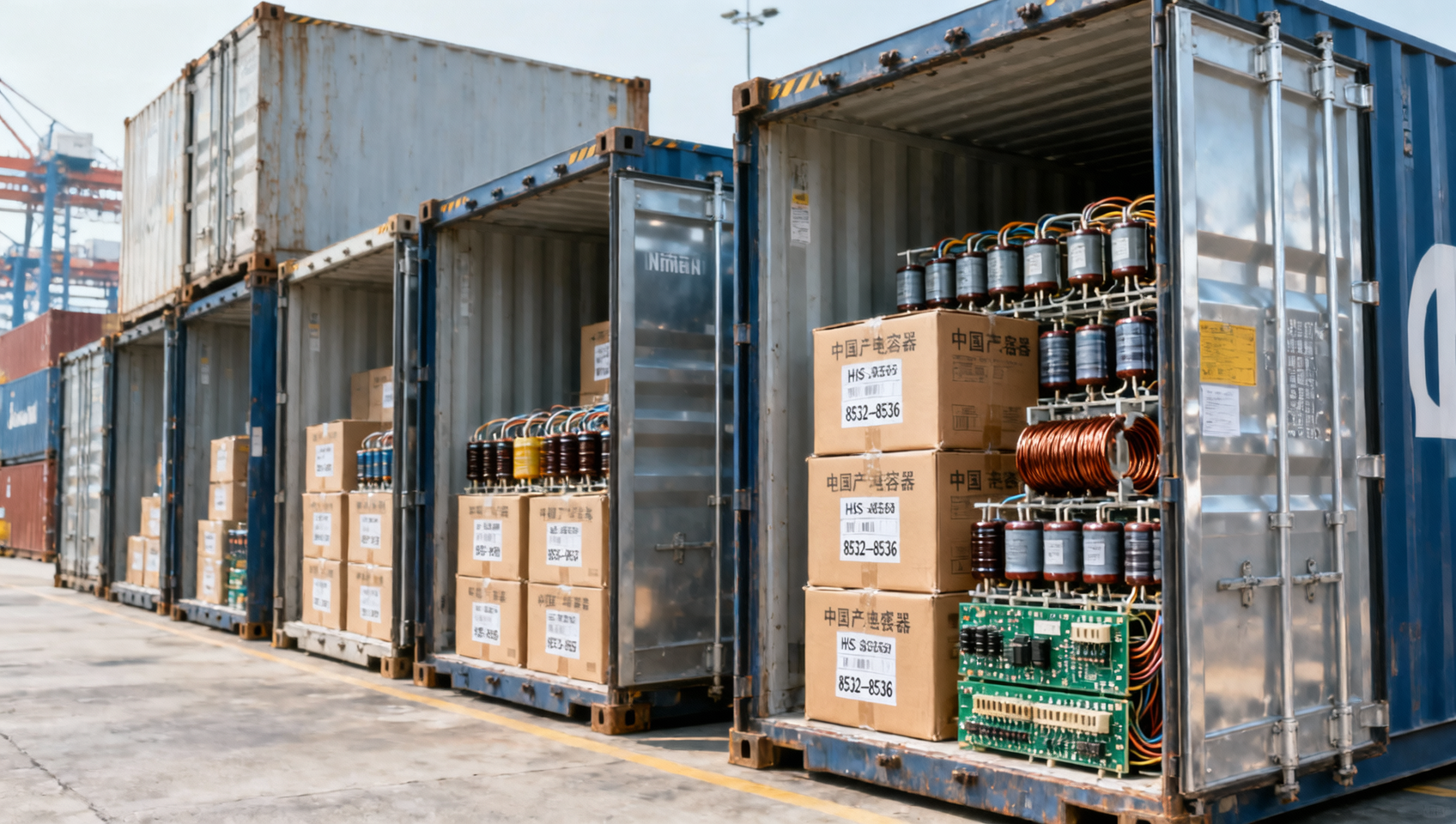
Vietnam's New Rule: Imported Environmental Monitoring Devices Must Connect to National Platform with Local QR Codes
Vietnam's New Rule: Imported Environmental Monitoring Devices Must Connect to National Platform with Local QR Codes
Introduction
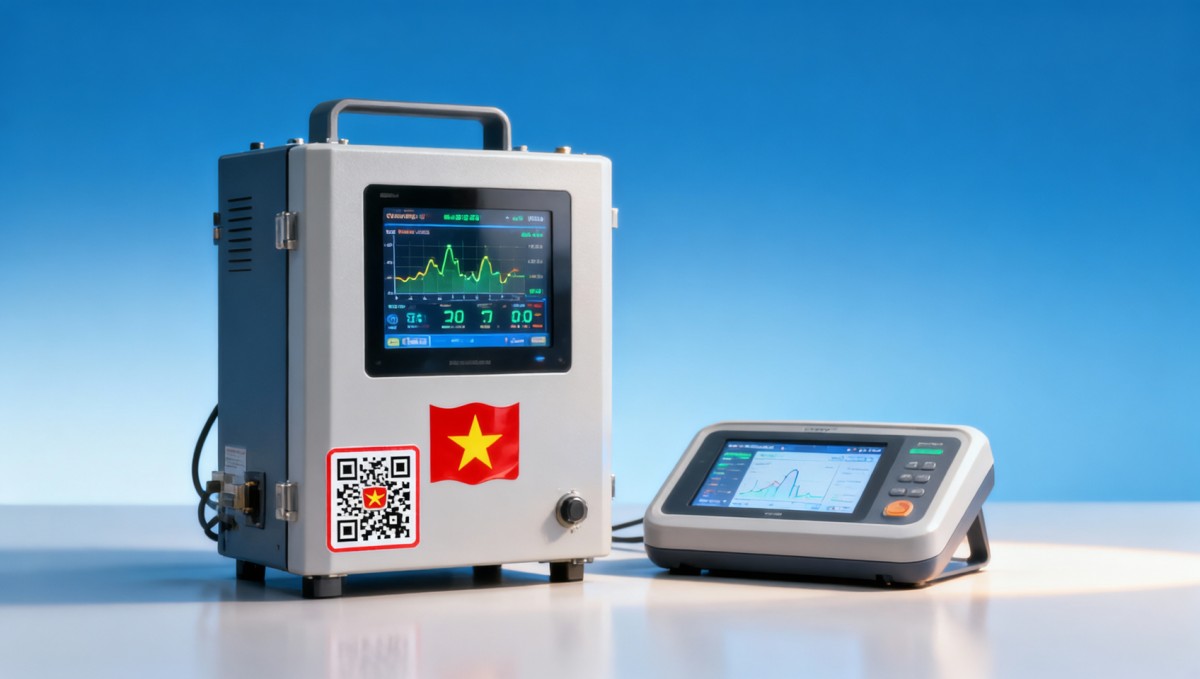
On April 8, 2026, Vietnam's Ministry of Natural Resources and Environment issued a draft regulation requiring all imported environmental automatic monitoring devices (including flue gas/water quality analyzers, data collection terminals, etc.) to be pre-installed with local communication modules, affixed with Vietnamese QR codes, and connected in real-time to the national environmental big data platform. This regulation will impact Chinese instrument manufacturers' export compliance paths, necessitating early adaptation of hardware and software as well as local certification. Industries involved in environmental monitoring equipment trade and manufacturing should pay close attention, as non-compliant devices may face customs rejection, leading to extended delivery cycles and increased after-sales costs.
Event Overview
The draft regulation, announced on April 8, 2026, mandates that all imported environmental monitoring equipment must meet three key requirements: (1) pre-installed local communication modules, (2) Vietnamese QR code labeling, and (3) real-time data transmission to Vietnam's national environmental monitoring platform. The rule applies to devices such as烟气/水质分析仪 (flue gas/water quality analyzers) and data collection terminals. Non-compliant equipment may be denied entry at customs upon implementation.
Impact on Sub-Sectors
Environmental Monitoring Equipment Manufacturers
Manufacturers, particularly those exporting from China, will need to modify hardware (adding communication modules) and software (ensuring compatibility with Vietnam's data platform). This may increase production costs and require additional certification processes.
Export Compliance and Certification Services
Companies specializing in export compliance and certification will see increased demand for services helping manufacturers navigate Vietnam's new technical requirements and certification procedures.
After-Sales Service Providers
Service providers maintaining installed equipment may face higher costs due to the need for specialized knowledge of Vietnam's communication protocols and data reporting requirements.
Key Focus Areas and Recommended Actions
Monitor Regulatory Developments
Companies should track the finalization timeline of the draft regulation and any potential grace periods for implementation.
Assess Technical Requirements
Manufacturers need to evaluate the technical specifications for Vietnam's communication modules and data platform integration to plan necessary modifications.
Engage Local Partners
Establishing relationships with Vietnamese certification bodies and local distributors can help navigate the new compliance landscape more efficiently.
Review Supply Chain Timelines
Factor in potential delays for certification and modification processes when planning production and delivery schedules.
Editor's Perspective / Industry Observation
From an industry perspective, this regulation appears to be part of Vietnam's broader strategy to strengthen environmental governance through digital monitoring. While it presents immediate compliance challenges, it may also create opportunities for manufacturers who can quickly adapt. The requirement for local QR codes suggests Vietnam is implementing a traceability system for environmental monitoring equipment. Companies should view this not just as a compliance hurdle but as an indicator of Vietnam's growing sophistication in environmental regulation.
Conclusion
Vietnam's new regulation represents a significant shift in the compliance requirements for environmental monitoring equipment imports. While it will undoubtedly increase costs and complexity for manufacturers, it also reflects Vietnam's commitment to environmental protection and data transparency. For now, affected companies should focus on understanding the technical specifications and preparing for the certification process, while monitoring for any clarifications or modifications to the draft regulation.
Source Information
Primary source: Draft regulation announced by Vietnam's Ministry of Natural Resources and Environment on April 8, 2026. Note: As this is a draft regulation, specific implementation details may change before finalization.
Get weekly intelligence in your inbox.
No noise. No sponsored content. Pure intelligence.
 Apr 19, 20262026 Dongguan Whole-House Customization List Released2026 Dongguan Whole-House Customization List Released
 Apr 19, 2026Global Shipping Alliances Launch Green Slot Priority for Asia-Europe RoutesGlobal Shipping Alliances Launch Green Slot Priority for Asia-Europe Routes
 Apr 19, 2026Vietnam Imposes AD Duties on Chinese Electronic ComponentsVietnam Imposes AD Duties on Chinese Electronic Components
 Apr 19, 2026Dongguan Victor Tops Local Full-Home Customization ListDongguan Victor Tops Local Full-Home Customization List
 Apr 19, 2026Guosheng Zhike Launches High-Precision Mold Machine Project in TaizhouGuosheng Zhike Launches High-Precision Mold Machine Project in Taizhou
 Apr 19, 2026CRRC Changchun Wins Jiaxing Urban Rail EMU ProjectCRRC Changchun Wins Jiaxing Urban Rail EMU Project
 Apr 19, 2026China Releases Green Design Guidelines 2026 for Industrial ProductsChina Releases Green Design Guidelines 2026 for Industrial Products
 Apr 19, 2026CATL Establishes $3B Era Resources Group for Global Mineral ControlCATL Establishes $3B Era Resources Group for Global Mineral Control
 Apr 19, 2026Shanghai Electric Gas Turbine Backlog Extends to 2028Shanghai Electric Gas Turbine Backlog Extends to 2028
 Apr 19, 2026Hormuz Strait Reopens, China Fertilizer Export Quota Easing ExpectedHormuz Strait Reopens, China Fertilizer Export Quota Easing Expected
 Apr 18, 2026TradeNexus Pro Launches Global Compliance RadarTradeNexus Pro Launches Global Compliance Radar
 Apr 18, 2026JIS T 2304:2026 Takes Effect June 1, 2026 for IVD SoftwareJIS T 2304:2026 Takes Effect June 1, 2026 for IVD Software
 Pathway for Rehab Devices with AI Modules") Apr 18, 2026FDA Updates 510(k) Pathway for Rehab Devices with AI ModulesFDA Updates 510(k) Pathway for Rehab Devices with AI Modules
Apr 18, 2026FDA Updates 510(k) Pathway for Rehab Devices with AI ModulesFDA Updates 510(k) Pathway for Rehab Devices with AI Modules Apr 18, 2026India BIS Approves 3 Chinese IoT Labs for IS 16444:2026 CertificationIndia BIS Approves 3 Chinese IoT Labs for IS 16444:2026 Certification
 Apr 18, 2026THE Alliance Launches Green Slot Priority for China PortsTHE Alliance Launches Green Slot Priority for China Ports
 Apr 18, 2026TÜV Rheinland Releases Dual-Standard ESS Certification Guide for ChinaTÜV Rheinland Releases Dual-Standard ESS Certification Guide for China
 Apr 18, 2026Vietnam Imposes AD Duties on Chinese Electronic ComponentsVietnam Imposes AD Duties on Chinese Electronic Components
 Apr 18, 2026SASO Launches PV Carbon Footprint Labeling from July 2026SASO Launches PV Carbon Footprint Labeling from July 2026
 Apr 18, 2026U.S. Adds 17 Smart Warehouse Robot Components to Export Control ListU.S. Adds 17 Smart Warehouse Robot Components to Export Control List
 Apr 18, 2026EU Enforces EN IEC 62443-4-2:2026 for Industrial Control Devices from 18 Apr 2026EU Enforces EN IEC 62443-4-2:2026 for Industrial Control Devices from 18 Apr 2026
 Apr 17, 2026Why Industry Veterans question impressive but vague specsWhy Industry Veterans question impressive but vague specs
 Apr 17, 2026What Industry Veterans notice first in weak supplier contentWhat Industry Veterans notice first in weak supplier content
 Apr 17, 2026A practical Editorial Framework for multi-topic industry sitesA practical Editorial Framework for multi-topic industry sites
 Apr 17, 2026Editorial Framework choices that weaken technical content SEOEditorial Framework choices that weaken technical content SEO
 Apr 17, 2026Temperature data loggers drift unpredictably inside lithium-ion battery storage enclosuresTemperature data loggers drift unpredictably inside lithium-ion battery storage enclosures
 Apr 17, 2026Are solar microinverters really worth the extra cost?Are solar microinverters really worth the extra cost?
 Apr 17, 2026Bifacial solar panels: How much more energy can they generate?Bifacial solar panels: How much more energy can they generate?