Bifacial solar panels: How much more energy can they generate?
Bifacial solar panels: A technological leap in energy generation
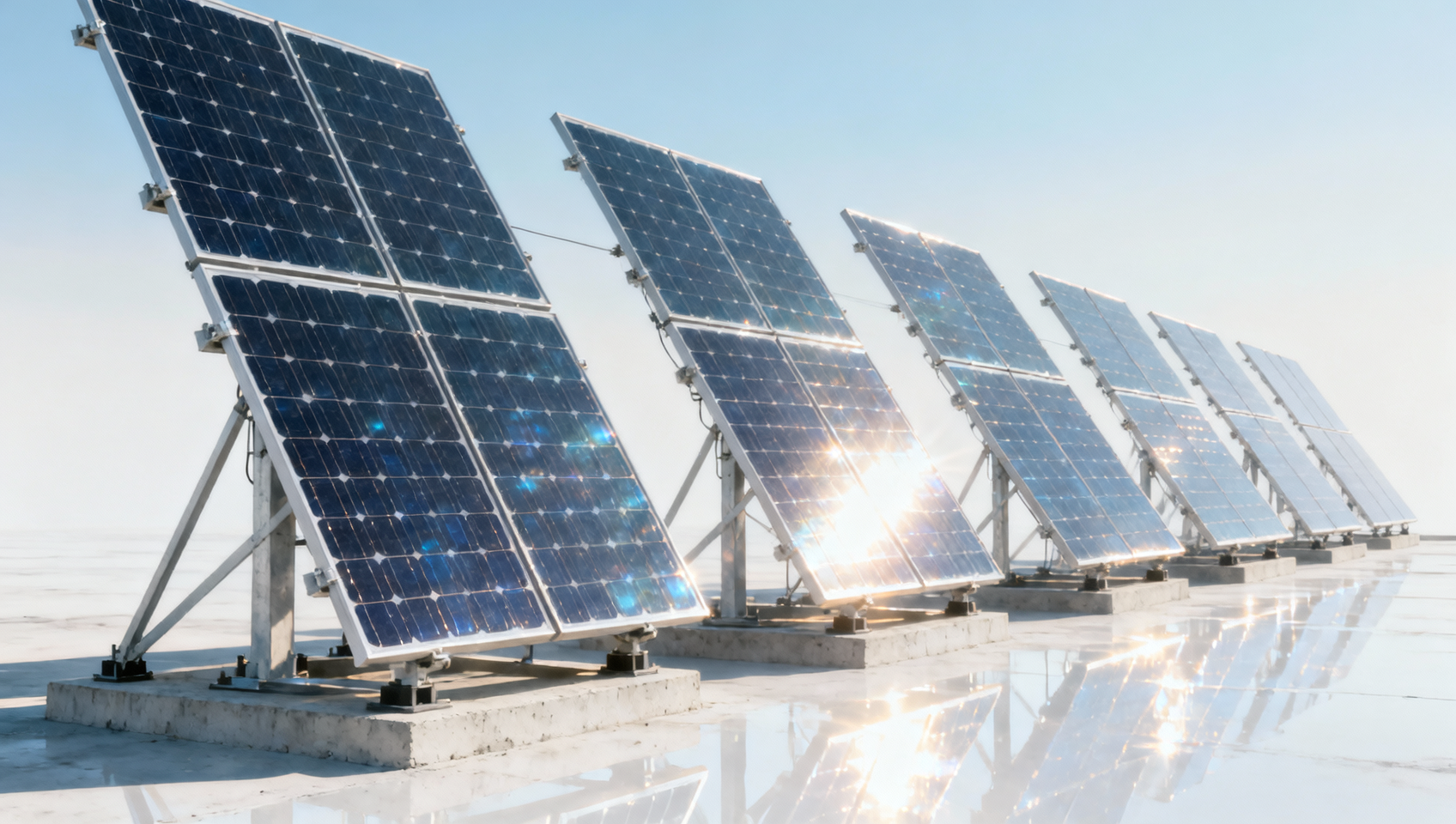
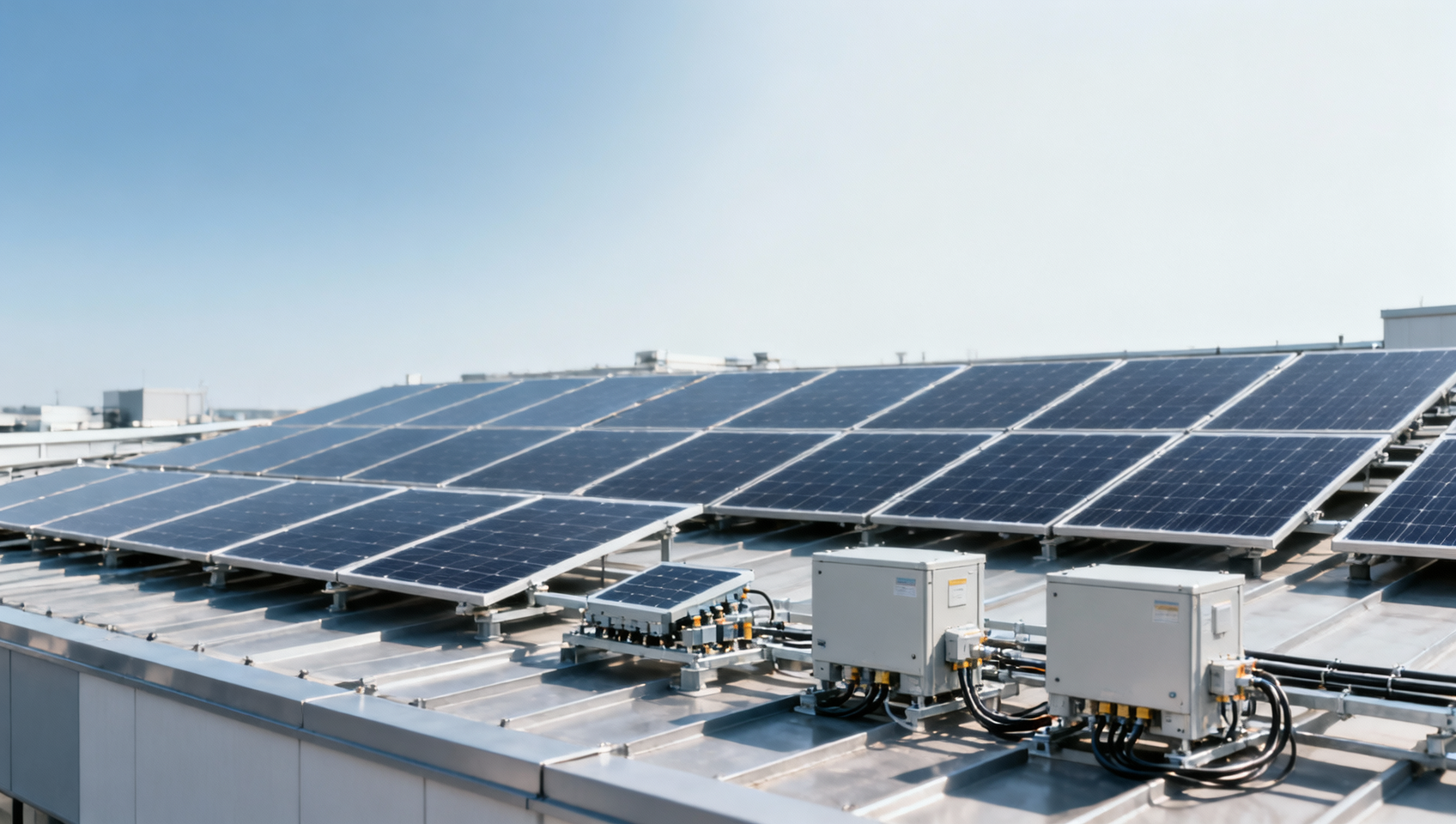
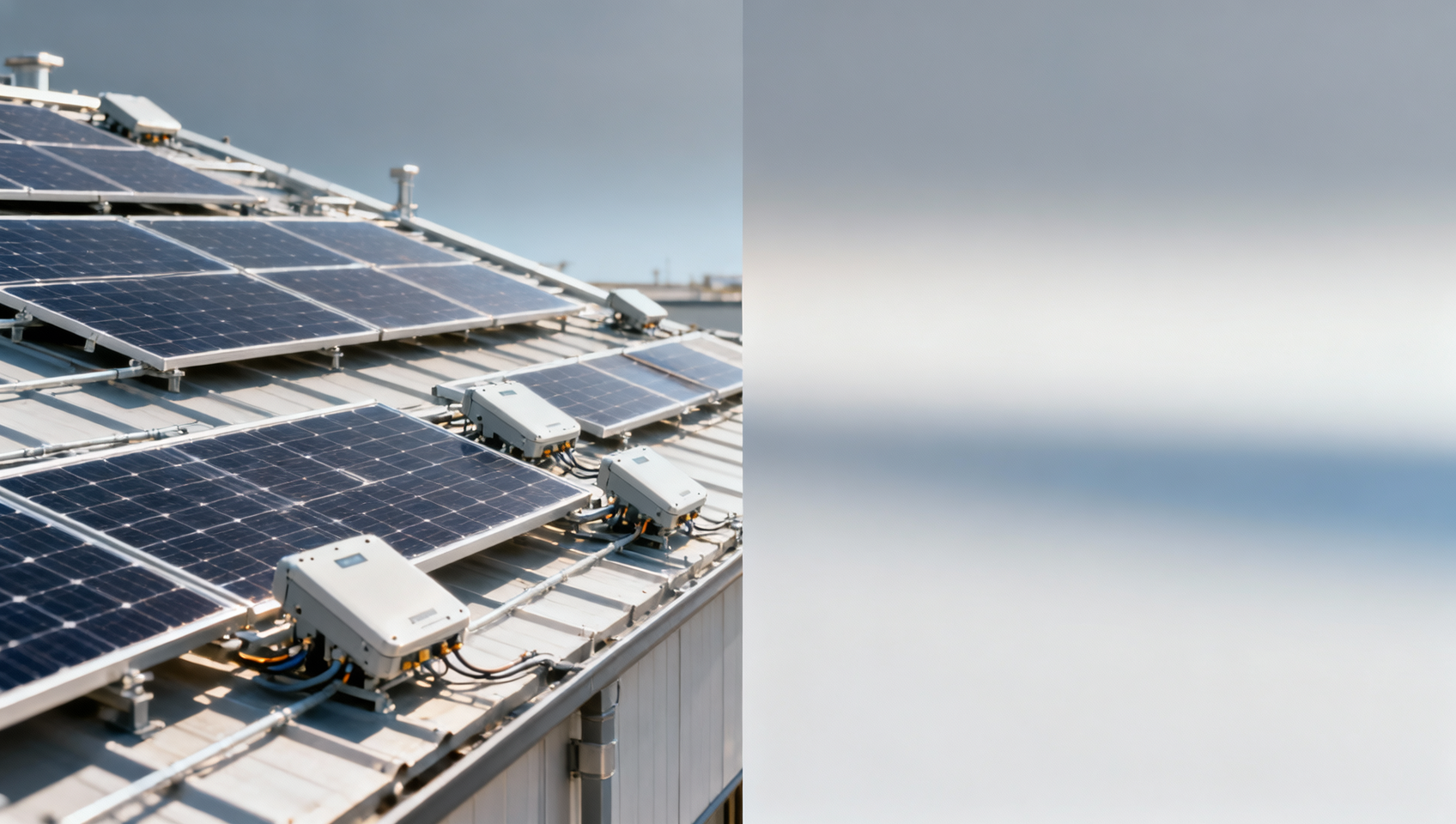
In the realm of green energy, bifacial solar panels are emerging as a game-changer, promising to significantly boost energy generation compared to traditional single-sided panels. These innovative panels capture sunlight from both sides—front and back—by reflecting light from surrounding surfaces such as ground, rooftops, or adjacent structures. For global enterprises seeking efficient commercial energy storage solutions and off-grid solar systems, understanding the potential of bifacial solar panels becomes crucial. This article delves into how these panels can revolutionize energy output, offering insights for procurement directors, technical evaluators, and project managers navigating the advanced manufacturing and green energy sectors.
According to industry data, bifacial solar panels can generate 10%–30% more energy than conventional single-sided panels under optimal conditions. This energy boost translates to lower levelized cost of energy (LCOE) and faster return on investment (ROI), making them an attractive option for large-scale commercial and industrial projects. As the global push for renewable energy intensifies, bifacial panels are gaining traction in markets such as North America, Europe, and Asia-Pacific, where high land costs and stringent sustainability targets drive demand for high-efficiency solutions.
How bifacial solar panels work: The science behind the efficiency
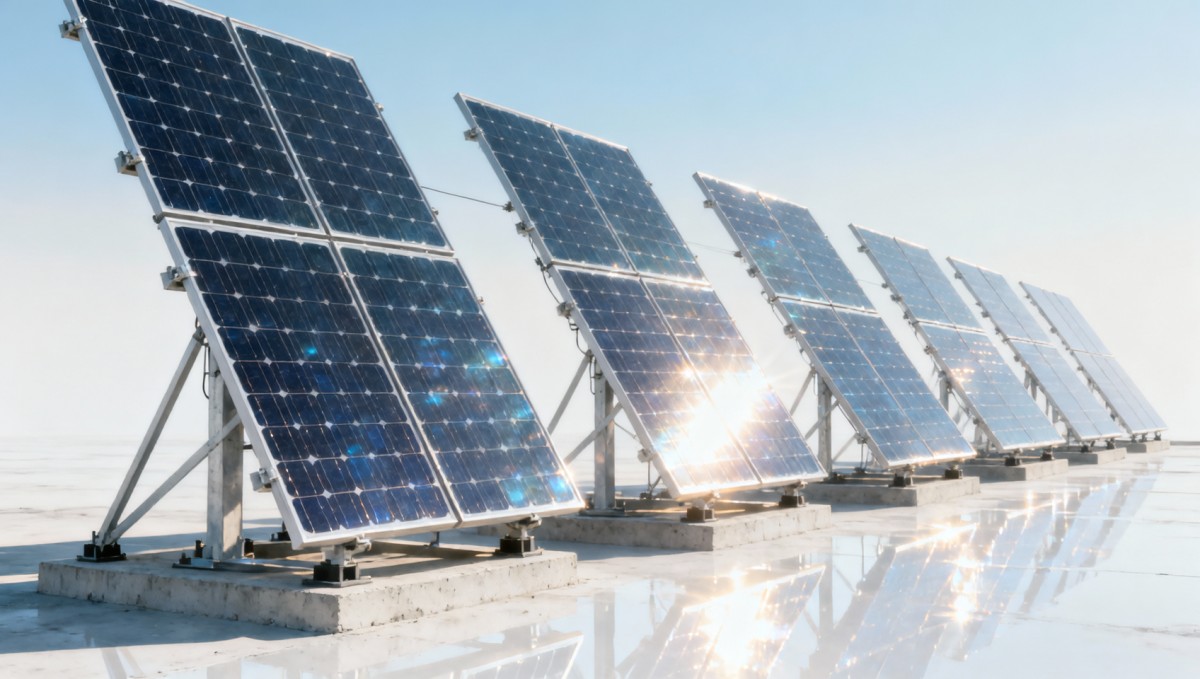
Bifacial solar panels operate on a simple yet powerful principle: they harness sunlight from both sides. Traditional single-sided panels absorb sunlight only from the front, while bifacial panels use transparent backsheets or dual-glass designs to capture reflected and diffused light from the rear. This dual-sided absorption increases the total energy yield, especially in environments with high albedo (reflectivity), such as snow-covered ground, light-colored rooftops, or sandy terrains.
The efficiency gain depends on several factors, including the panel’s bifaciality rating (typically 70%–95%), the angle of installation, and the reflectivity of the surrounding surface. For example, a bifacial panel with a 90% bifaciality rating installed at a 30-degree tilt over a white concrete surface can achieve up to 25% higher energy output compared to a monofacial panel under the same conditions. This makes bifacial panels ideal for ground-mounted solar farms, carports, and building-integrated photovoltaic (BIPV) systems.
From a technical standpoint, bifacial panels use monocrystalline or polycrystalline silicon cells, similar to traditional panels, but with modifications to allow light penetration from the back. Advanced manufacturing techniques, such as passivated emitter and rear contact (PERC) technology, further enhance their performance by reducing electron recombination and improving light absorption. These innovations, combined with the dual-sided design, make bifacial panels a cornerstone of next-generation solar energy systems.
Key technical parameters to evaluate
When assessing bifacial solar panels, procurement teams and technical evaluators should focus on the following parameters:
- Bifaciality rating: Indicates the percentage of rear-side efficiency relative to the front. Higher ratings (e.g., 90%+) mean better rear-side energy capture.
- Power output: Measured in watts-peak (Wp), bifacial panels typically range from 400Wp to 600Wp for commercial-grade models.
- Temperature coefficient: A lower coefficient (e.g., -0.35%/°C) ensures better performance in high-temperature environments.
- Durability: Look for panels with IP67 or IP68 ratings for resistance to dust and water, and hail resistance certifications (e.g., IEC 61215).
A typical bifacial panel installation might involve 6–8 hours of labor per kilowatt (kW), depending on the complexity of the site. For a 1 MW project, this translates to 6,000–8,000 labor hours, highlighting the importance of efficient mounting systems and skilled installation teams.
Bifacial vs. monofacial panels: A comparative analysis
To understand the value proposition of bifacial solar panels, it’s essential to compare them with traditional monofacial panels across key dimensions such as energy yield, cost, and application suitability. The following table summarizes the differences:
The table reveals that while bifacial panels have a higher upfront cost, their energy yield advantage and LCOE reduction make them more cost-effective over the 25–30-year lifespan of a solar project. For example, a 1 MW bifacial solar farm generating 1.3 million kWh annually (compared to 1 million kWh for a monofacial farm) could save $20,000–$50,000 per year in energy costs, depending on local electricity rates.
From a procurement perspective, the decision to choose bifacial panels hinges on site-specific factors such as land availability, reflectivity, and budget constraints. For large-scale commercial projects with ample space and high albedo surfaces, bifacial panels offer a compelling ROI. In contrast, residential rooftops with limited space and low reflectivity may not justify the additional cost.
Procurement guide: Selecting the right bifacial solar panels
For global procurement directors and supply chain managers, selecting the right bifacial solar panels involves evaluating multiple factors, including supplier reputation, product quality, and after-sales support. Here’s a step-by-step guide to streamline the procurement process:
Step 1: Define project requirements
Start by assessing the project’s energy needs, site conditions, and budget. Key questions to consider include:
- What is the target annual energy output?
- What is the reflectivity of the installation site (e.g., snow, sand, concrete)?
- What is the available budget for panels and installation?
For instance, a solar farm in a desert region with sandy terrain and high sunlight exposure would benefit more from bifacial panels than a rooftop installation in an urban area with low reflectivity.
Step 2: Evaluate supplier credentials
Choose suppliers with a proven track record in bifacial panel manufacturing and installation. Look for certifications such as IEC 61215, IEC 61730, and UL 61730, which indicate compliance with international quality and safety standards. Additionally, verify the supplier’s experience in projects similar to yours, as this ensures they understand the unique challenges of your application.
A typical procurement timeline for bifacial panels might involve 4–6 weeks for supplier evaluation, 2–3 weeks for sample testing, and 1–2 weeks for contract negotiation. For urgent projects, expedited procurement services can reduce this timeline to 4–6 weeks total.
Step 3: Request samples and conduct testing
Before placing a bulk order, request samples from shortlisted suppliers and conduct field testing to verify performance claims. Key tests to perform include:
- Energy yield measurement under simulated rear-side illumination
- Temperature coefficient validation in high-heat conditions
- Durability testing for hail, dust, and water resistance
For example, a sample test might reveal that a panel’s actual bifaciality rating is 85%, slightly lower than the advertised 90%. This discrepancy can inform negotiation strategies and help avoid cost overruns.
Why choose TradeNexus Pro for bifacial solar panel procurement?
TradeNexus Pro (TNP) is an elite global B2B intelligence platform and strategic networking hub, exclusively focused on the five most pivotal sectors driving tomorrow’s global economy: Advanced Manufacturing, Green Energy, Smart Electronics, Healthcare Technology, and Supply Chain SaaS. For enterprises seeking bifacial solar panels, TNP offers unparalleled advantages:
- Deep market insights: Our verified panel of industry veterans and technical analysts provides data-driven recommendations on panel selection, supplier evaluation, and cost optimization.
- Global supplier network: Access a curated directory of 500+ certified bifacial panel manufacturers, ensuring you find the right match for your project’s scale and specifications.
- Compliance assurance: We help navigate international standards such as IEC, UL, and ISO, reducing the risk of non-compliance and project delays.
- Case studies and best practices: Learn from successful bifacial panel deployments across industries, including solar farms, carports, and BIPV systems.
Whether you’re evaluating panel specifications, negotiating contracts, or optimizing installation workflows, TradeNexus Pro equips you with the tools and expertise to make informed decisions. Contact our team today to request a customized consultation on bifacial solar panel procurement, including supplier shortlisting, cost benchmarking, and risk mitigation strategies.
FAQs about bifacial solar panels
Q1: What is the typical payback period for a bifacial solar panel project?
The payback period depends on factors such as energy yield, local electricity rates, and incentives. For a 1 MW project in a high-sunlight region, the payback period can range from 4–7 years, compared to 5–8 years for monofacial panels.
Q2: Are bifacial panels suitable for residential rooftops?
Bifacial panels are less common for residential rooftops due to limited space and low reflectivity. However, they can be viable for flat rooftops with light-colored surfaces or in regions with high albedo (e.g., snow-covered areas).
Q3: How do bifacial panels perform in cloudy or low-light conditions?
Bifacial panels excel in diffuse light conditions, as they capture reflected light from multiple angles. This makes them more resilient to cloudy weather compared to monofacial panels, which rely primarily on direct sunlight.
Get weekly intelligence in your inbox.
No noise. No sponsored content. Pure intelligence.
 Apr 17, 2026Temperature data loggers drift unpredictably inside lithium-ion battery storage enclosuresTemperature data loggers drift unpredictably inside lithium-ion battery storage enclosures
 Apr 17, 2026Are solar microinverters really worth the extra cost?Are solar microinverters really worth the extra cost?
 Apr 17, 2026Bifacial solar panels: How much more energy can they generate?Bifacial solar panels: How much more energy can they generate?
 Apr 17, 2026Gear manufacturing: How to optimize production for high precision?Gear manufacturing: How to optimize production for high precision?
 Apr 17, 2026Why power transmission components fail earlier than expectedWhy power transmission components fail earlier than expected
 Apr 17, 2026Linear motion systems: belt drive or ball screw for speed?Linear motion systems: belt drive or ball screw for speed?
 Apr 17, 2026Industrial bearing suppliers: what signals reliable quality?Industrial bearing suppliers: what signals reliable quality?
 Apr 17, 2026When pneumatic valves wholesale gets expensive laterWhen pneumatic valves wholesale gets expensive later
 Apr 17, 2026Hydraulic cylinder fabrication mistakes that cause oil leaksHydraulic cylinder fabrication mistakes that cause oil leaks
 Apr 17, 2026Heavy equipment manufacturing delays often start hereHeavy equipment manufacturing delays often start here
 Apr 17, 2026Custom heatsinks: when a larger size solves nothingCustom heatsinks: when a larger size solves nothing
 Apr 17, 2026Electronic enclosure fabrication: steel or aluminum?Electronic enclosure fabrication: steel or aluminum?
 Apr 17, 2026Automotive parts machining tolerances that drive up scrapAutomotive parts machining tolerances that drive up scrap
 Apr 17, 2026Medical device manufacturing changes under tighter traceabilityMedical device manufacturing changes under tighter traceability
 Apr 17, 2026How to Choose Solid State Batteries in 2026How to Choose Solid State Batteries in 2026
 Apr 17, 2026Are Solid State Batteries Worth the Cost Yet?Are Solid State Batteries Worth the Cost Yet?
 Apr 17, 2026Commercial Energy Storage Sizing: What Matters Most?Commercial Energy Storage Sizing: What Matters Most?
 Apr 17, 2026Commercial Energy Storage ROI: How to Assess ItCommercial Energy Storage ROI: How to Assess It
 Apr 17, 2026Off Grid Solar Systems: What to Avoid FirstOff Grid Solar Systems: What to Avoid First
 Apr 17, 2026Who Should Use Off Grid Solar Systems?Who Should Use Off Grid Solar Systems?
 Apr 17, 2026Solar Microinverters vs String Inverters: Which Fits?Solar Microinverters vs String Inverters: Which Fits?
 Apr 17, 2026When Do Solar Microinverters Make More Sense?When Do Solar Microinverters Make More Sense?
 Apr 17, 2026How digital freight matching for international shipping cuts transit time by up to 22% in 2026How digital freight matching for international shipping cuts transit time by up to 22% in 2026
 Apr 17, 2026Why port automation tech for smart logistics reduces container handling errors by 37% at Tier-1 terminalsWhy port automation tech for smart logistics reduces container handling errors by 37% at Tier-1 terminals
 Apr 17, 2026What yard management systems for port operations actually deliver in real-world deploymentsWhat yard management systems for port operations actually deliver in real-world deployments
 Apr 17, 2026Can digital customs clearance for sea freight reduce D/O processing from 48 hours to under 90 minutesCan digital customs clearance for sea freight reduce D/O processing from 48 hours to under 90 minutes
 Apr 17, 2026How returnable transport packaging for automotive parts lowers TCO by 18–25% over 3 yearsHow returnable transport packaging for automotive parts lowers TCO by 18–25% over 3 years