Off Grid Solar Systems: What to Avoid First
When planning off grid solar systems, the first mistakes can be the most expensive. From mismatched solar microinverters and undersized commercial energy storage to overlooking bifacial solar panels, thin film solar cells, and emerging solid state batteries, early decisions shape long-term performance, safety, and ROI. This guide highlights what to avoid first so operators, engineers, and decision-makers can build more reliable, scalable energy systems.
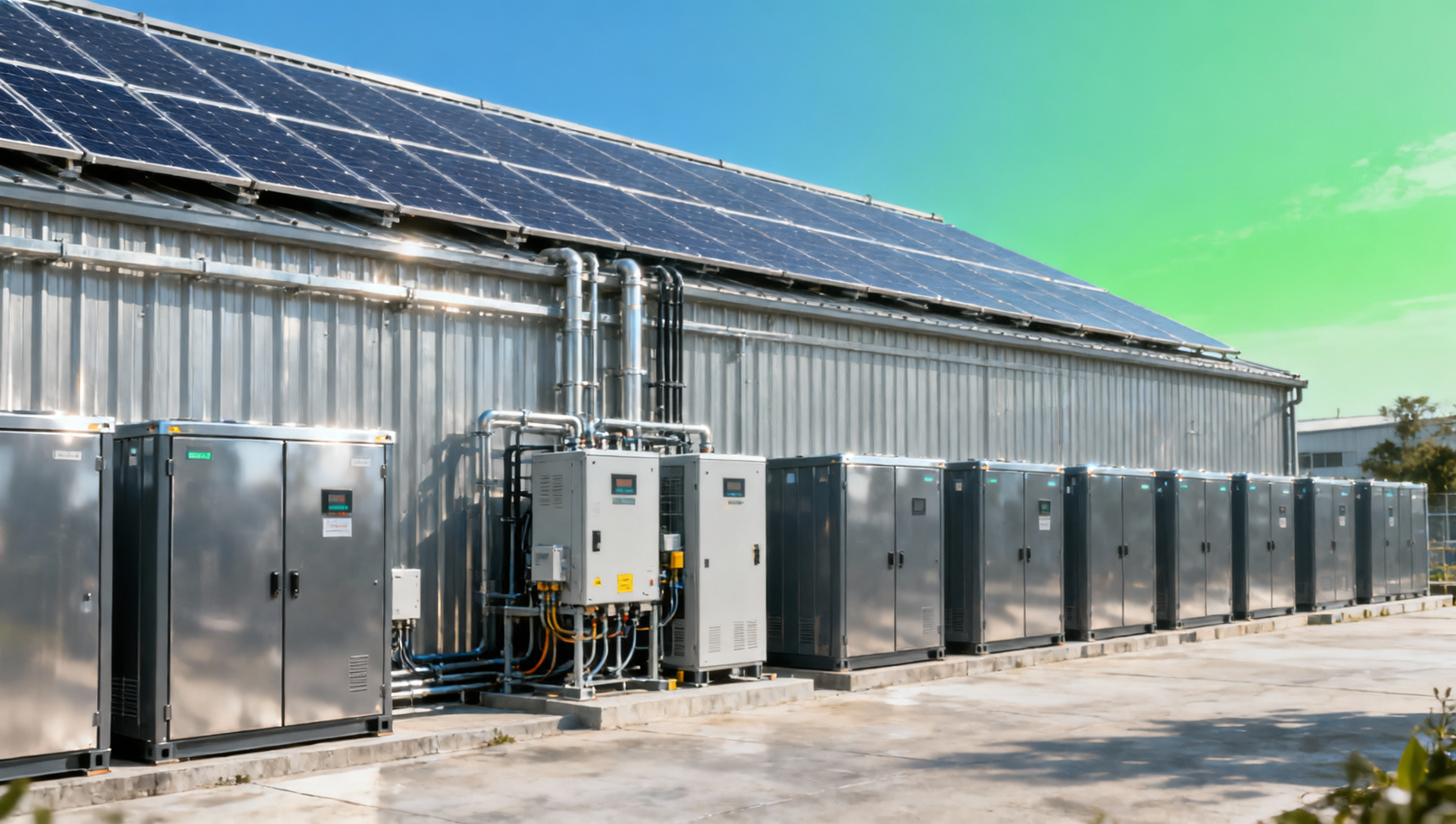
For B2B buyers and project teams, off grid solar systems are no longer limited to remote cabins or pilot sites. They now support telecom shelters, agricultural pumping, micro-factories, mining camps, cold-chain outposts, and backup-critical commercial facilities. In these environments, a wrong first decision can lock in 10–15 years of avoidable operating cost, delayed commissioning, or weak system resilience.
The most common procurement problem is not a lack of component options. It is choosing equipment in isolation instead of as a coordinated power architecture. Solar generation, inverter topology, battery chemistry, protection design, load profile, maintenance capacity, and site conditions all interact. If one of those variables is misread in the first planning stage, the whole system can become harder to scale, certify, insure, and maintain.
Start With the Load Profile, Not the Panel Catalog

A frequent early mistake in off grid solar systems is starting with solar modules before defining the actual load. Decision-makers often compare panel wattage, bifacial solar panels, or thin film solar cells first because those items are visible and easy to price. Yet the system should begin with a 24-hour and 7-day load analysis, including startup surges, seasonal variation, mission-critical loads, and future expansion.
In practical commercial design, the difference between average power and peak demand matters. A site with a 12 kWh daily energy need may still require inverter support above 8 kW if pumps, compressors, or HVAC units start simultaneously. Ignoring this mismatch can cause nuisance shutdowns, overload alarms, battery stress, and premature replacement cycles within 2–4 years instead of the expected 8–12 years for properly managed storage systems.
Technical evaluators should also separate critical loads from deferrable loads. Refrigeration, security systems, communication equipment, or medical devices may need uninterrupted supply, while water heating or secondary workshop tools can be scheduled. This classification changes battery sizing, reserve autonomy, and generator integration decisions.
What a baseline load study should include
- A minimum 7-day measurement window for stable sites, or 14–30 days for variable industrial or agricultural operations.
- Peak load, running load, startup current, and night-time standby consumption.
- A split between critical loads, shiftable loads, and future loads expected within 12–36 months.
- Environmental variables such as ambient temperature, dust, shading, and expected cable run distance.
The table below shows why load-first planning reduces design errors in off grid solar systems across different B2B operating conditions.
The key takeaway is simple: before discussing panel technology or battery branding, establish the electrical behavior of the site. This first step protects procurement budgets, improves design accuracy, and gives finance teams a clearer basis for ROI modeling.
Avoid Mismatched Inverter Architecture and Weak System Integration
Another costly mistake is assuming any inverter can work efficiently in any off grid solar system. In reality, inverter choice affects conversion efficiency, protection coordination, monitoring capability, maintenance complexity, and expansion strategy. A poorly matched inverter architecture can reduce system stability long before the solar array reaches its expected service life.
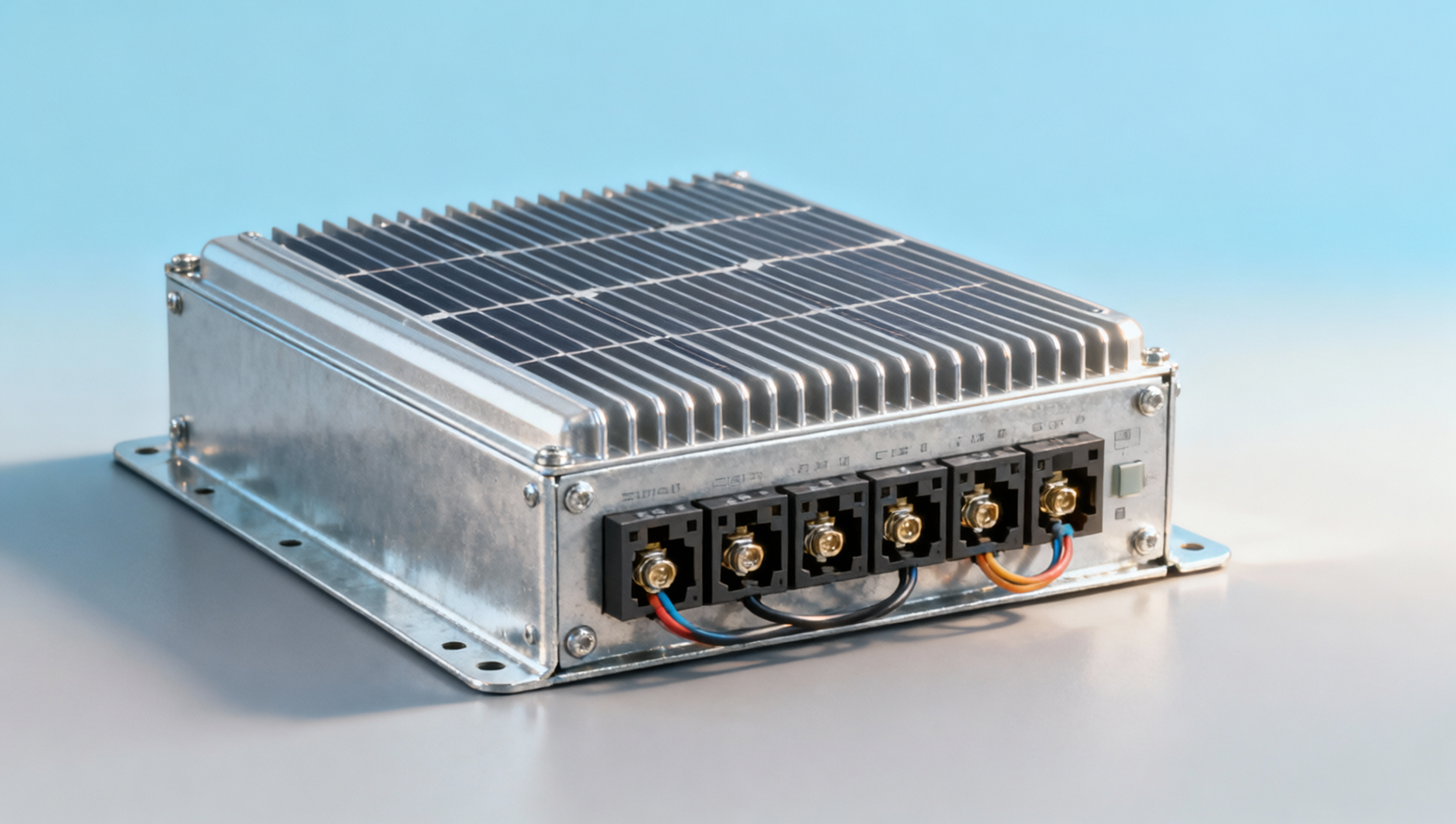
This issue becomes more complex when buyers compare string inverters, hybrid inverters, and solar microinverters. Solar microinverters can be useful where module-level optimization matters, such as irregular shading or segmented layouts. However, they are not automatically the best fit for every off grid installation, especially where centralized battery coupling, remote troubleshooting, or ruggedized service access is a top priority.
A common problem appears when AC-coupled and DC-coupled designs are compared only on upfront hardware price. That narrow view ignores wiring losses, round-trip efficiency, generator synchronization, black-start capability, and spare-parts strategy. In remote commercial environments, an extra 1%–3% efficiency loss can become meaningful when fuel backup, logistics, and downtime costs are added over a 5–10 year horizon.
Questions to ask before locking the inverter design
Electrical and operational fit
- Does the inverter support the site’s voltage platform, such as 48V battery banks for smaller systems or higher-voltage architectures for commercial storage?
- Can it handle 125%–200% surge demand for motor starts where applicable?
- Does it support generator integration, remote diagnostics, and phased load management?
Service and replacement fit
- Are spare parts available within a practical lead time, such as 7–21 days rather than 6–10 weeks?
- Can local technicians replace units without specialized factory tools?
- Will the monitoring platform still be supported if the project expands in phase 2 or phase 3?
The comparison below helps technical and commercial teams frame inverter decisions in a more practical way.
For procurement teams, the correct first question is not “Which inverter is best?” It is “Which inverter architecture best matches the site’s load behavior, service model, and expansion path?” That framing usually leads to fewer redesigns and more bankable project decisions.
Do Not Undersize Commercial Energy Storage or Ignore Battery Chemistry
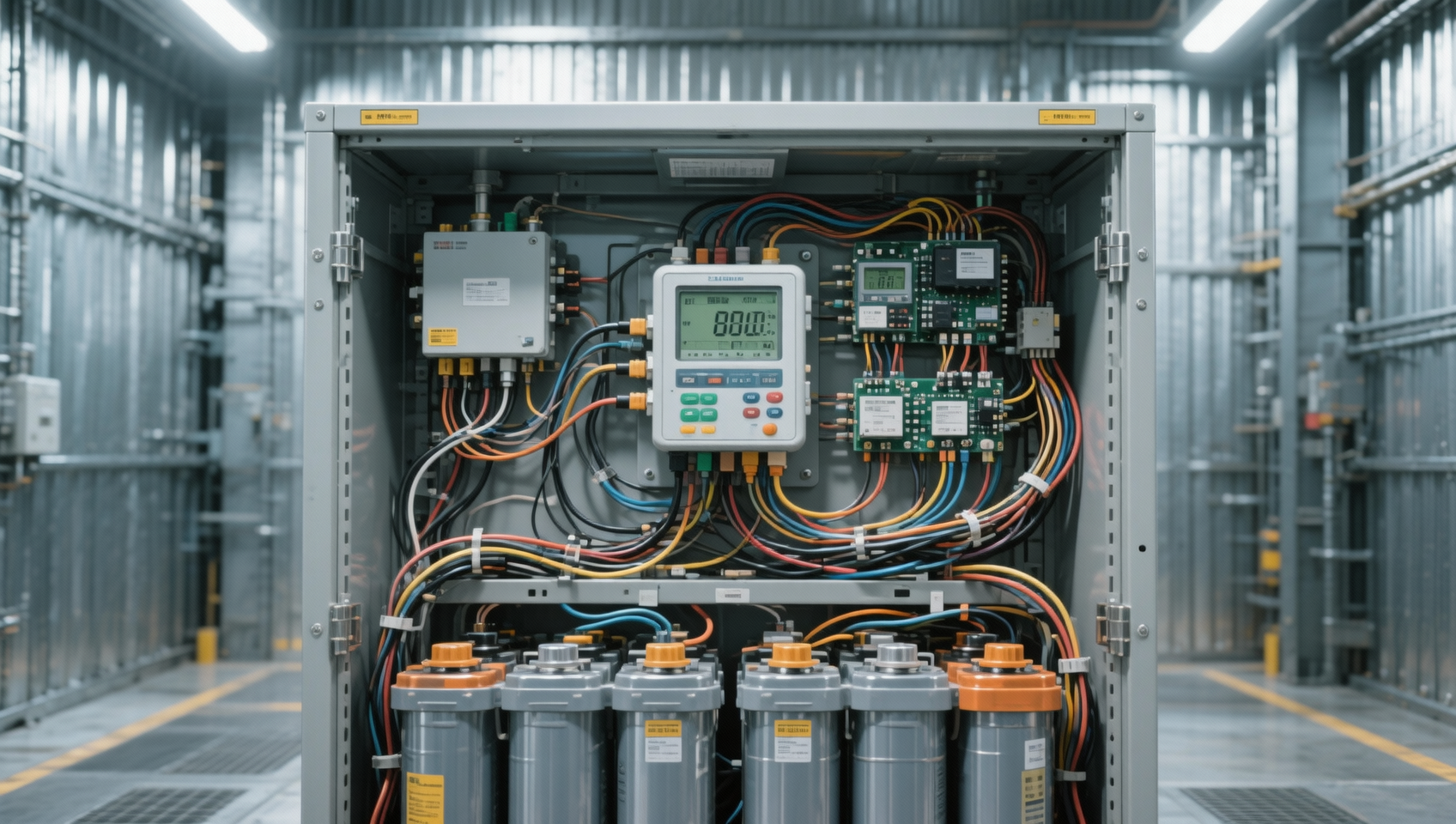
Undersized commercial energy storage is one of the fastest ways to compromise off grid solar systems. Many projects are designed with enough battery capacity for nominal daily cycling but not enough reserve for low-irradiance periods, demand spikes, maintenance windows, or unexpected load growth. The result is deeper discharge cycles, frequent generator intervention, and shorter battery life.
Battery selection should consider at least five variables: usable capacity, depth of discharge, cycle life, thermal performance, charging behavior, and safety controls. In many commercial applications, specifying only nominal kWh is misleading. A 100 kWh battery bank with 80% usable depth of discharge is materially different from one with a lower recommended operating window, especially when nightly autonomy and cloudy-day reserve are required.
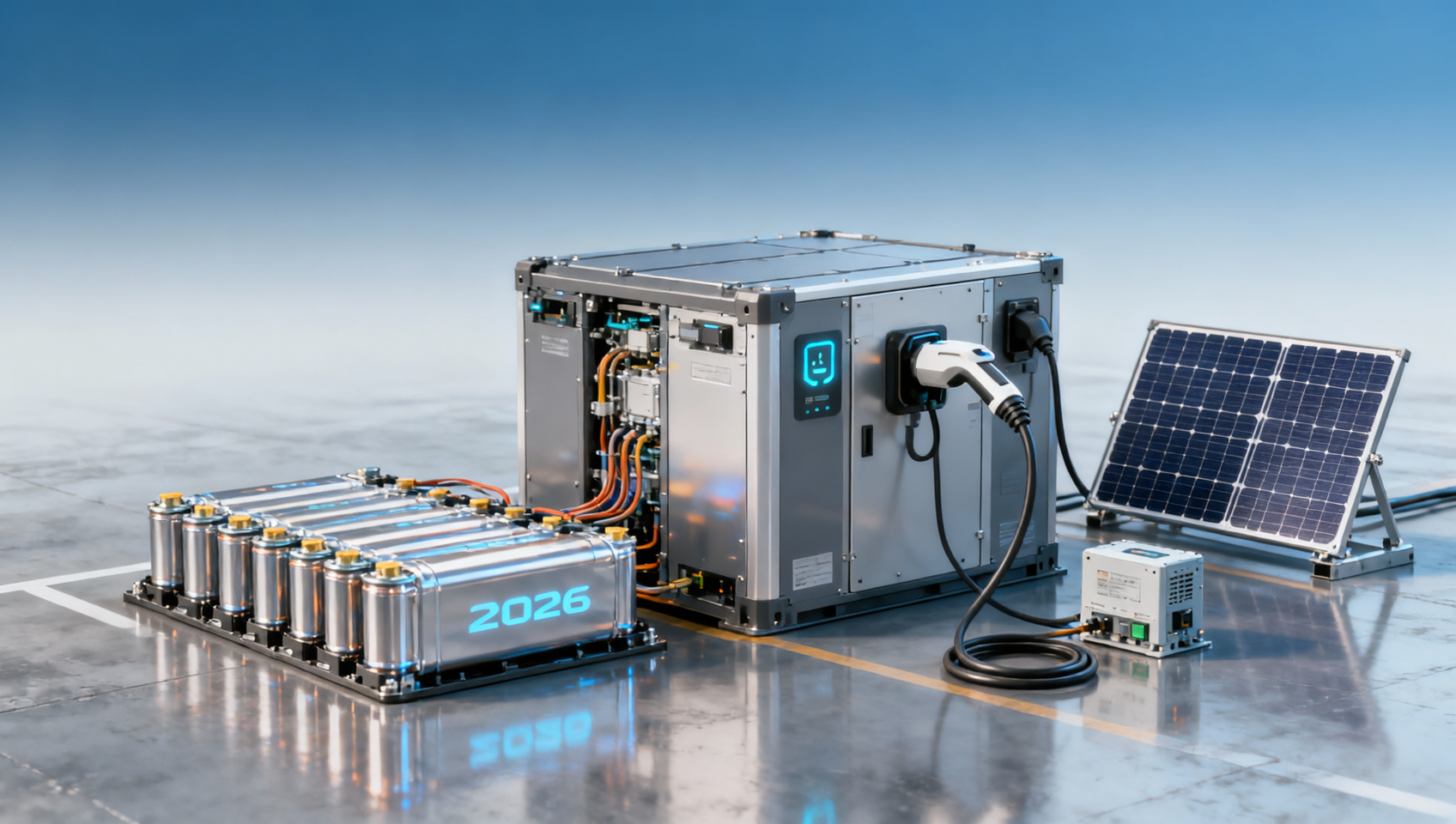
It is also important not to chase emerging technology too early without a site-fit review. Solid state batteries are promising for future safety and energy density improvements, but many B2B buyers should still evaluate current commercial readiness, field support, and integration maturity before treating them as a default near-term option. New technology can be strategic, but it should not become a procurement shortcut.
Battery planning benchmarks for early-stage screening
- Reserve autonomy often ranges from 12–24 hours for low-risk commercial sites and 24–72 hours for mission-critical remote operations.
- Battery room or enclosure temperature should ideally stay within the manufacturer’s recommended range, often around 15°C–30°C for stable performance.
- Designers should test phase-2 expansion assumptions early if load growth above 20% is likely within 2 years.
Common battery-related errors in procurement reviews
One error is comparing batteries on unit price per kWh without accounting for usable energy and replacement interval. Another is selecting chemistry without reviewing charge control logic, BMS communication, or fire safety measures. A third is forgetting transport, enclosure, and end-of-life handling costs, which can materially affect the total project budget in remote regions.
For quality and safety managers, enclosure rating, ventilation strategy, thermal runaway mitigation, and emergency isolation design should be reviewed as early as the concept stage. These items should not be left to site commissioning because they can influence equipment layout, insurance acceptance, and permitting timelines.
Do Not Overlook Site Conditions, Module Technology, and Mechanical Realities
A technically sound off grid solar system can still underperform if the chosen module technology does not match the site. Buyers often focus on nameplate wattage while underestimating dust load, albedo conditions, tilt constraints, theft risk, wind exposure, cleaning access, and seasonal shading. These factors directly affect annual yield and maintenance labor.
Bifacial solar panels can improve production in the right conditions, especially where ground reflectivity is high and rear-side shading is controlled. But they are not universally superior. On low-clearance structures, cluttered rooftops, or sites with poor rear-surface reflectance, the incremental gain may not justify the extra balance-of-system complexity. A site-specific gain estimate is more useful than generic marketing assumptions.
Thin film solar cells may also deserve consideration in some niche environments, particularly where weight, diffuse light performance, or flexible installation geometry matters. However, they should be assessed against land use, mounting system compatibility, and required array area. A lower module efficiency can still work if the project has abundant space and reduced structural load limits are valuable.
Module technology screening criteria
The best first filter is not “Which panel is newer?” but “Which panel is better aligned with the site’s physical and operational constraints?” That means checking cleaning frequency, expected annual irradiance pattern, mechanical loading, and service access before finalizing the procurement list.
The following table can help project managers compare common module paths without oversimplifying the decision.
The most important conclusion is that module choice should follow site reality, not trend headlines. That reduces underperformance risk and helps distributors, installers, and asset owners align expectations before procurement commitments are made.
Avoid Weak Commissioning, Incomplete Safety Planning, and Poor Lifecycle Support
Even well-designed off grid solar systems can fail commercially if commissioning is rushed or lifecycle support is thin. Many problems blamed on product quality are actually caused by incomplete acceptance testing, undocumented firmware settings, poor cable labeling, or inadequate operator training. These are avoidable failures that begin in the first handover plan, not years later.
Project owners should require a structured commissioning process with functional checks, load simulation, battery charge-discharge verification, alarm testing, and emergency shutdown review. For remote or unattended sites, remote monitoring setup should be treated as an operational necessity rather than an optional add-on. A 15-minute alert can be the difference between a routine reset and a multi-day outage.
Financial approvers should also look beyond capex. The better question is how much planned O&M, spare inventory, and training will cost over 3–5 years. A lower purchase price may become expensive if technicians need repeated travel, if replacement parts take 30–60 days, or if operators are not trained to interpret battery warnings and inverter fault codes.
Minimum handover package for commercial off grid projects
- As-built single-line diagram, cable schedule, and protection settings.
- Commissioning report with baseline voltage, current, battery state-of-charge behavior, and alarm logs.
- Operator training covering daily checks, monthly inspection points, and shutdown procedure.
- Service escalation plan defining response targets such as 4-hour remote response and 24–72 hour onsite support depending on site criticality.
FAQ: What should buyers ask before issuing a purchase order?
Ask whether the supplier can support future expansion, not just the initial build. Confirm battery and inverter communication compatibility, spare-parts lead time, commissioning scope, and operator training content. Also request clarity on recommended maintenance frequency, which for many systems includes monthly visual checks and quarterly performance reviews.
FAQ: How long is a typical delivery and deployment cycle?
For standard commercial packages, equipment lead time may range from 2–8 weeks depending on storage size, inverter configuration, and regional logistics. Installation and commissioning may take another 3–10 days for smaller projects or several weeks for remote, multi-building sites. Custom enclosures or non-standard compliance requirements can extend that timeline further.
FAQ: Which early warning signs indicate a poor system design?
Watch for proposals with no load profile analysis, no autonomy calculation, vague battery usable capacity data, no safety documentation, or no explanation of how solar microinverters, hybrid inverters, and storage controls interact. If a quotation cannot show these fundamentals clearly, the risk of redesign and underperformance is high.
The first things to avoid in off grid solar systems are not minor details. They are foundational errors: designing without a verified load profile, selecting inverter architecture without integration logic, undersizing commercial energy storage, misreading module-site fit, and treating commissioning as paperwork instead of performance assurance. For operators, engineers, quality managers, and enterprise buyers, these early choices define uptime, safety, serviceability, and long-term return.
TradeNexus Pro helps decision-makers evaluate fast-moving energy technologies through practical, high-authority industry analysis built for procurement and project execution. If you are comparing off grid solar systems, storage options, or component strategies across commercial applications, now is the right time to refine your selection criteria before lock-in costs rise. Contact us to discuss your project requirements, request a tailored solution framework, or explore more B2B energy system insights.
Get weekly intelligence in your inbox.
No noise. No sponsored content. Pure intelligence.
 Apr 17, 2026Temperature data loggers drift unpredictably inside lithium-ion battery storage enclosuresTemperature data loggers drift unpredictably inside lithium-ion battery storage enclosures
 Apr 17, 2026Are solar microinverters really worth the extra cost?Are solar microinverters really worth the extra cost?
 Apr 17, 2026Bifacial solar panels: How much more energy can they generate?Bifacial solar panels: How much more energy can they generate?
 Apr 17, 2026Gear manufacturing: How to optimize production for high precision?Gear manufacturing: How to optimize production for high precision?
 Apr 17, 2026Why power transmission components fail earlier than expectedWhy power transmission components fail earlier than expected
 Apr 17, 2026Linear motion systems: belt drive or ball screw for speed?Linear motion systems: belt drive or ball screw for speed?
 Apr 17, 2026Industrial bearing suppliers: what signals reliable quality?Industrial bearing suppliers: what signals reliable quality?
 Apr 17, 2026When pneumatic valves wholesale gets expensive laterWhen pneumatic valves wholesale gets expensive later
 Apr 17, 2026Hydraulic cylinder fabrication mistakes that cause oil leaksHydraulic cylinder fabrication mistakes that cause oil leaks
 Apr 17, 2026Heavy equipment manufacturing delays often start hereHeavy equipment manufacturing delays often start here
 Apr 17, 2026Custom heatsinks: when a larger size solves nothingCustom heatsinks: when a larger size solves nothing
 Apr 17, 2026Electronic enclosure fabrication: steel or aluminum?Electronic enclosure fabrication: steel or aluminum?
 Apr 17, 2026Automotive parts machining tolerances that drive up scrapAutomotive parts machining tolerances that drive up scrap
 Apr 17, 2026Medical device manufacturing changes under tighter traceabilityMedical device manufacturing changes under tighter traceability
 Apr 17, 2026How to Choose Solid State Batteries in 2026How to Choose Solid State Batteries in 2026
 Apr 17, 2026Are Solid State Batteries Worth the Cost Yet?Are Solid State Batteries Worth the Cost Yet?
 Apr 17, 2026Commercial Energy Storage Sizing: What Matters Most?Commercial Energy Storage Sizing: What Matters Most?
 Apr 17, 2026Commercial Energy Storage ROI: How to Assess ItCommercial Energy Storage ROI: How to Assess It
 Apr 17, 2026Off Grid Solar Systems: What to Avoid FirstOff Grid Solar Systems: What to Avoid First
 Apr 17, 2026Who Should Use Off Grid Solar Systems?Who Should Use Off Grid Solar Systems?
 Apr 17, 2026Solar Microinverters vs String Inverters: Which Fits?Solar Microinverters vs String Inverters: Which Fits?
 Apr 17, 2026When Do Solar Microinverters Make More Sense?When Do Solar Microinverters Make More Sense?
 Apr 17, 2026How digital freight matching for international shipping cuts transit time by up to 22% in 2026How digital freight matching for international shipping cuts transit time by up to 22% in 2026
 Apr 17, 2026Why port automation tech for smart logistics reduces container handling errors by 37% at Tier-1 terminalsWhy port automation tech for smart logistics reduces container handling errors by 37% at Tier-1 terminals
 Apr 17, 2026What yard management systems for port operations actually deliver in real-world deploymentsWhat yard management systems for port operations actually deliver in real-world deployments
 Apr 17, 2026Can digital customs clearance for sea freight reduce D/O processing from 48 hours to under 90 minutesCan digital customs clearance for sea freight reduce D/O processing from 48 hours to under 90 minutes
 Apr 17, 2026How returnable transport packaging for automotive parts lowers TCO by 18–25% over 3 yearsHow returnable transport packaging for automotive parts lowers TCO by 18–25% over 3 years