Who Should Use Off Grid Solar Systems?
Off grid solar systems are no longer niche solutions—they are strategic assets for remote operations, resilience planning, and cost control. From enterprise sites evaluating commercial energy storage and solar microinverters to project teams comparing bifacial solar panels and thin film solar cells, the right users span technical, financial, and operational roles. This guide explains who benefits most and why adoption is accelerating across industries.
For B2B buyers, the question is no longer whether off grid power is technically possible. The real question is which users, sites, and business models can justify the investment and manage the operational demands. In many sectors, grid instability, rising diesel costs, carbon targets, and new project timelines are shifting off grid solar from a backup idea to a core infrastructure decision.
That matters to operators who need uptime, technical evaluators comparing architectures, finance teams reviewing payback windows, and project leaders responsible for delivery risk. It also matters to distributors and channel partners that need to position the right solution for the right customer segment. The strongest business case usually appears when power reliability, logistics cost, and lifecycle economics are evaluated together rather than in isolation.
The Core User Groups That Benefit Most
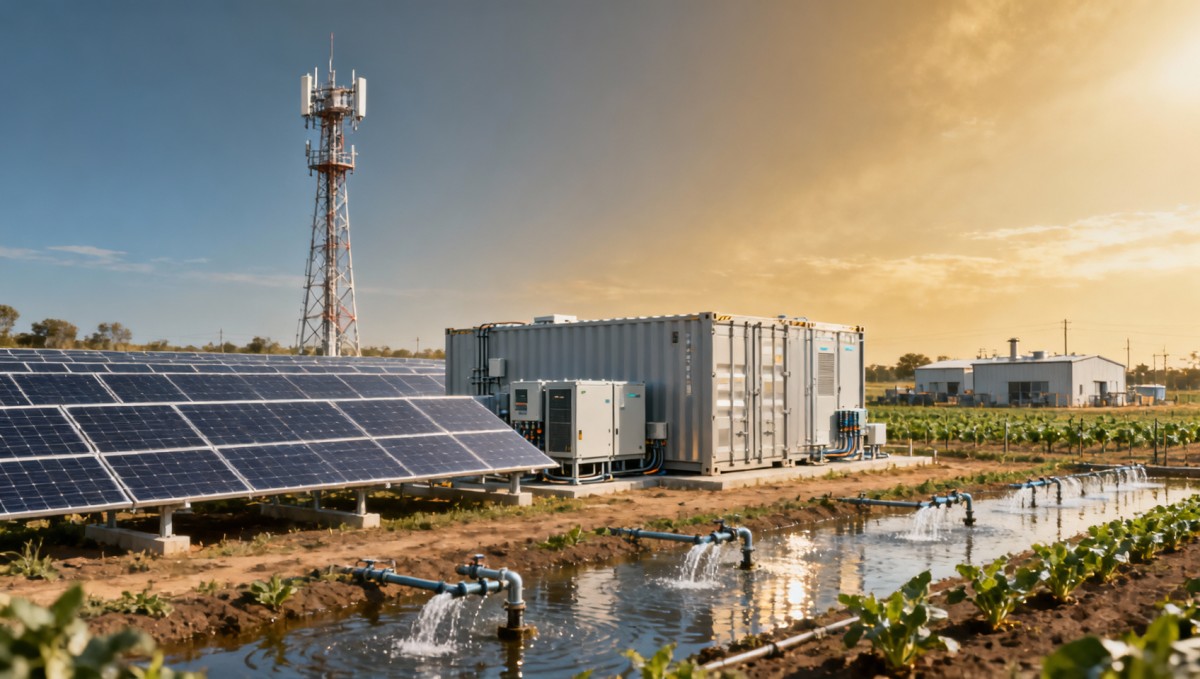
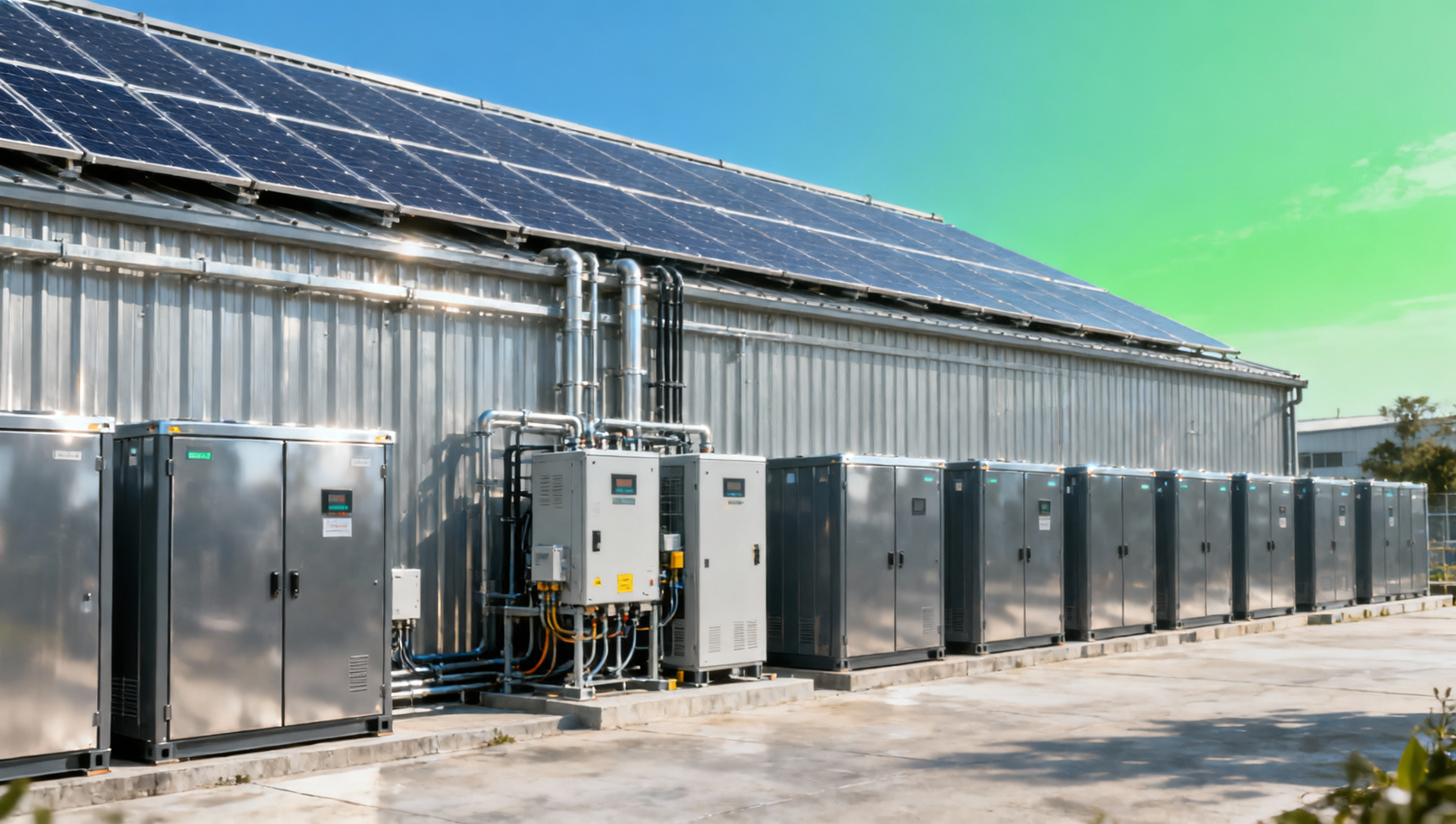
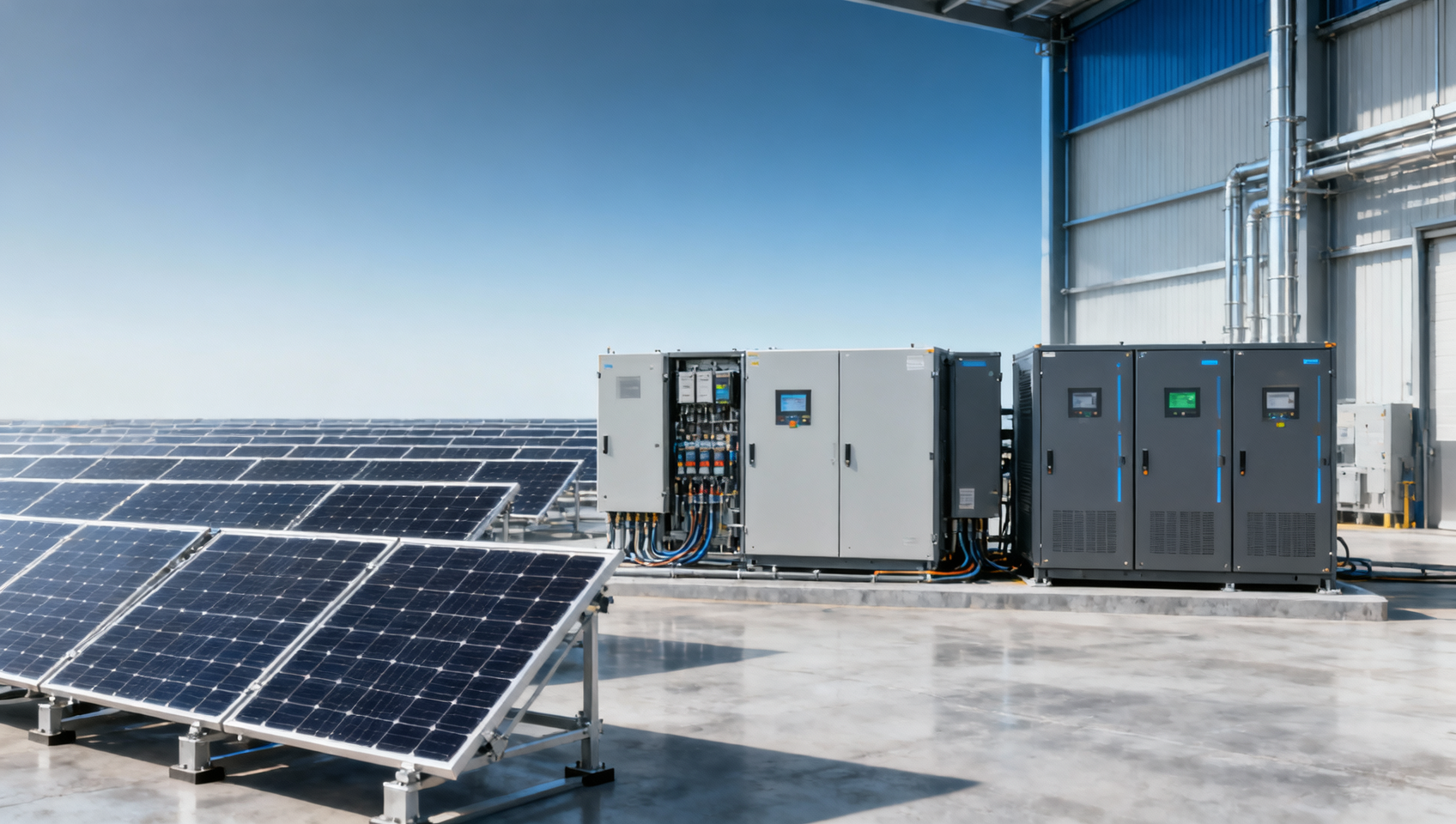
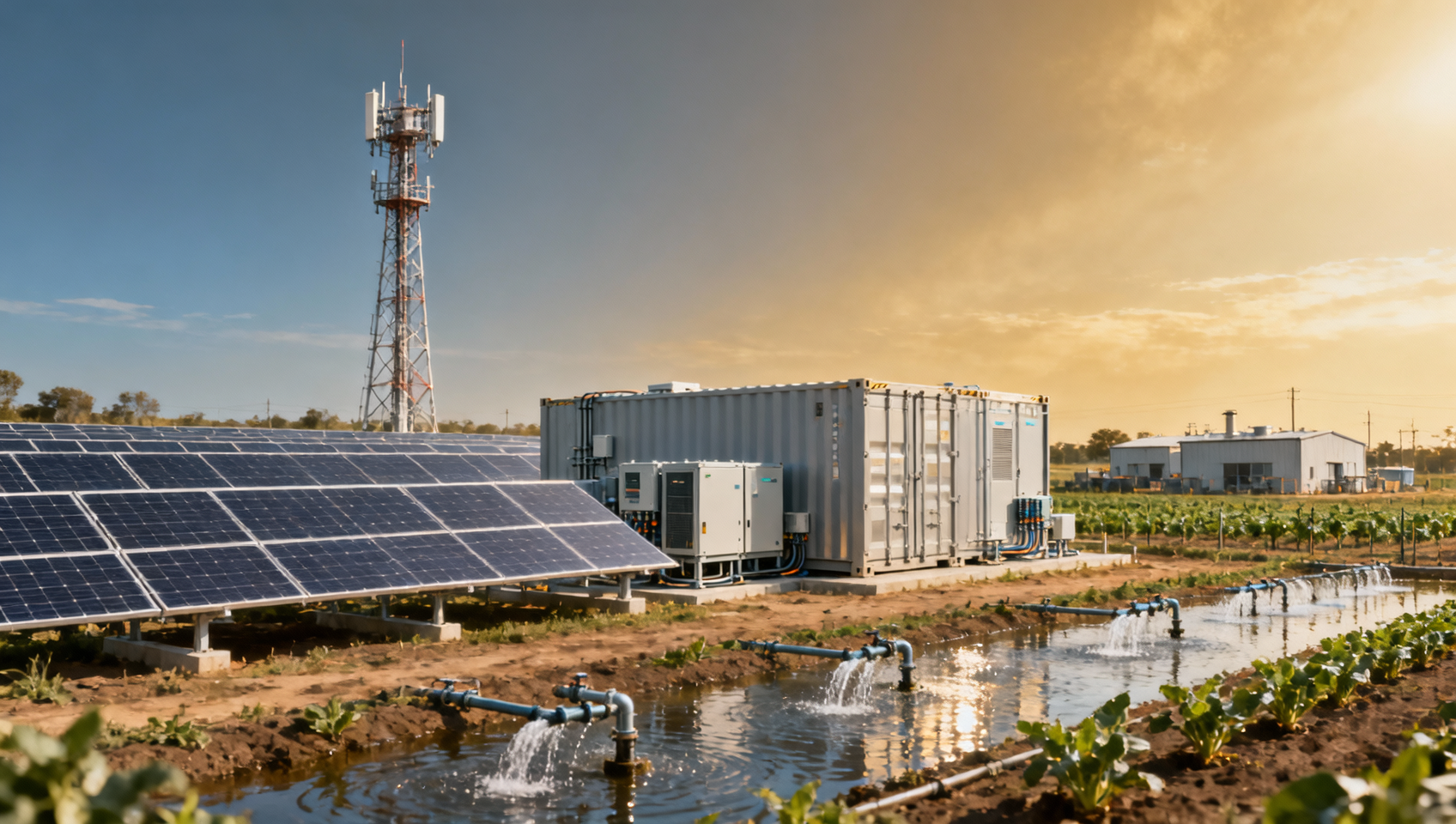
Off grid solar systems are best suited to users who face one or more of these conditions: limited grid access, high diesel dependency, unstable voltage quality, or a business requirement for uninterrupted power across 24/7 operations. In practical terms, that includes remote industrial facilities, agricultural sites, healthcare outposts, telecom shelters, temporary construction compounds, and islanded commercial properties.
Operators and end users value off grid systems because they reduce manual fuel handling, lower generator runtime, and create more predictable energy availability. A small remote site may need only 5kW–20kW of solar plus battery storage, while a larger industrial or logistics application may require 100kW–500kW or more, often with phased capacity expansion over 2–3 project stages.
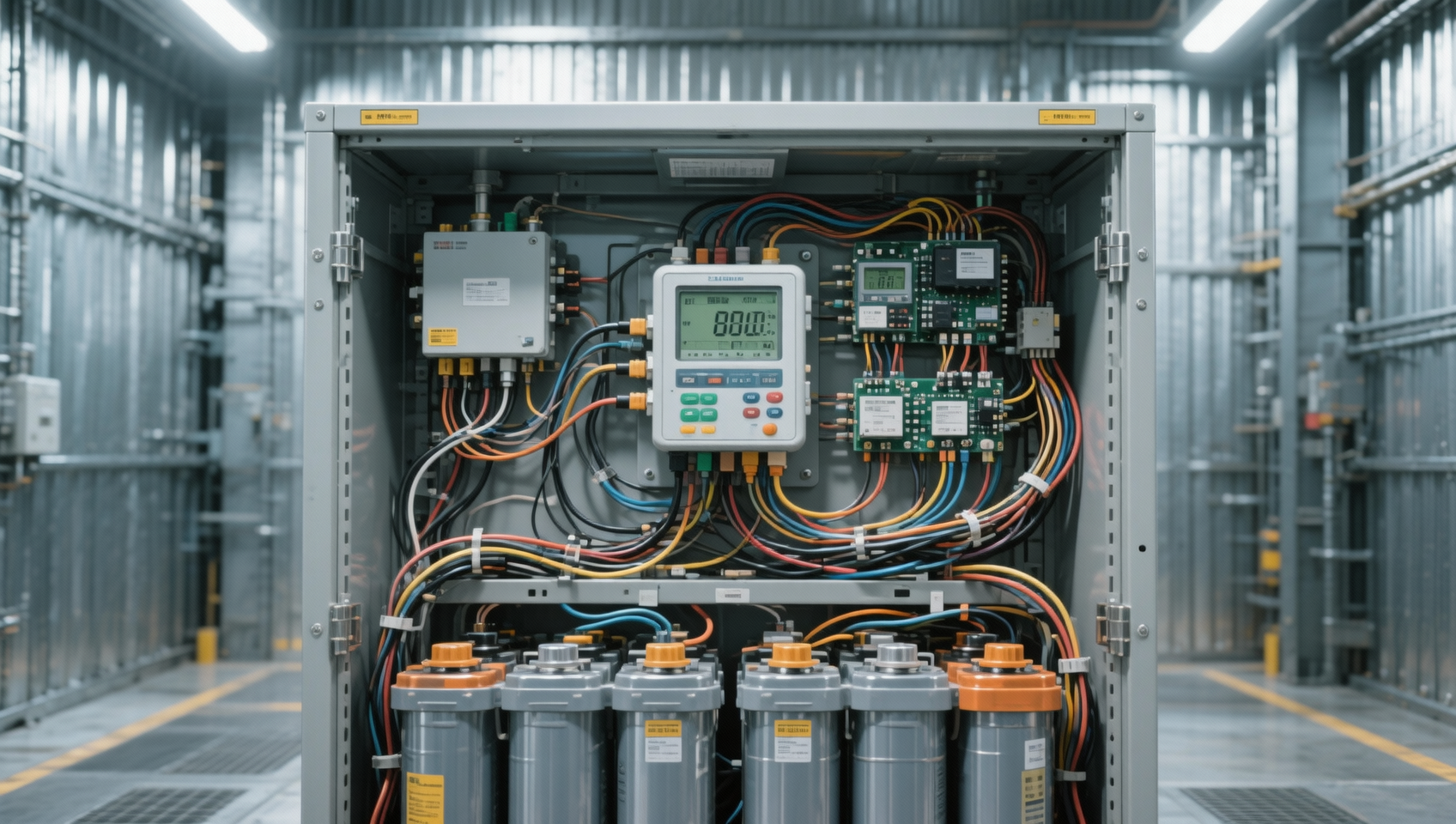
Technical evaluators look deeper. They assess daily load curves, battery autonomy, inverter topology, site irradiation, ambient temperature, and whether the system must support motor starting loads, refrigeration, or sensitive electronics. In many commercial settings, the design target is not simply energy production, but 8–24 hours of backup autonomy combined with stable voltage and frequency performance.
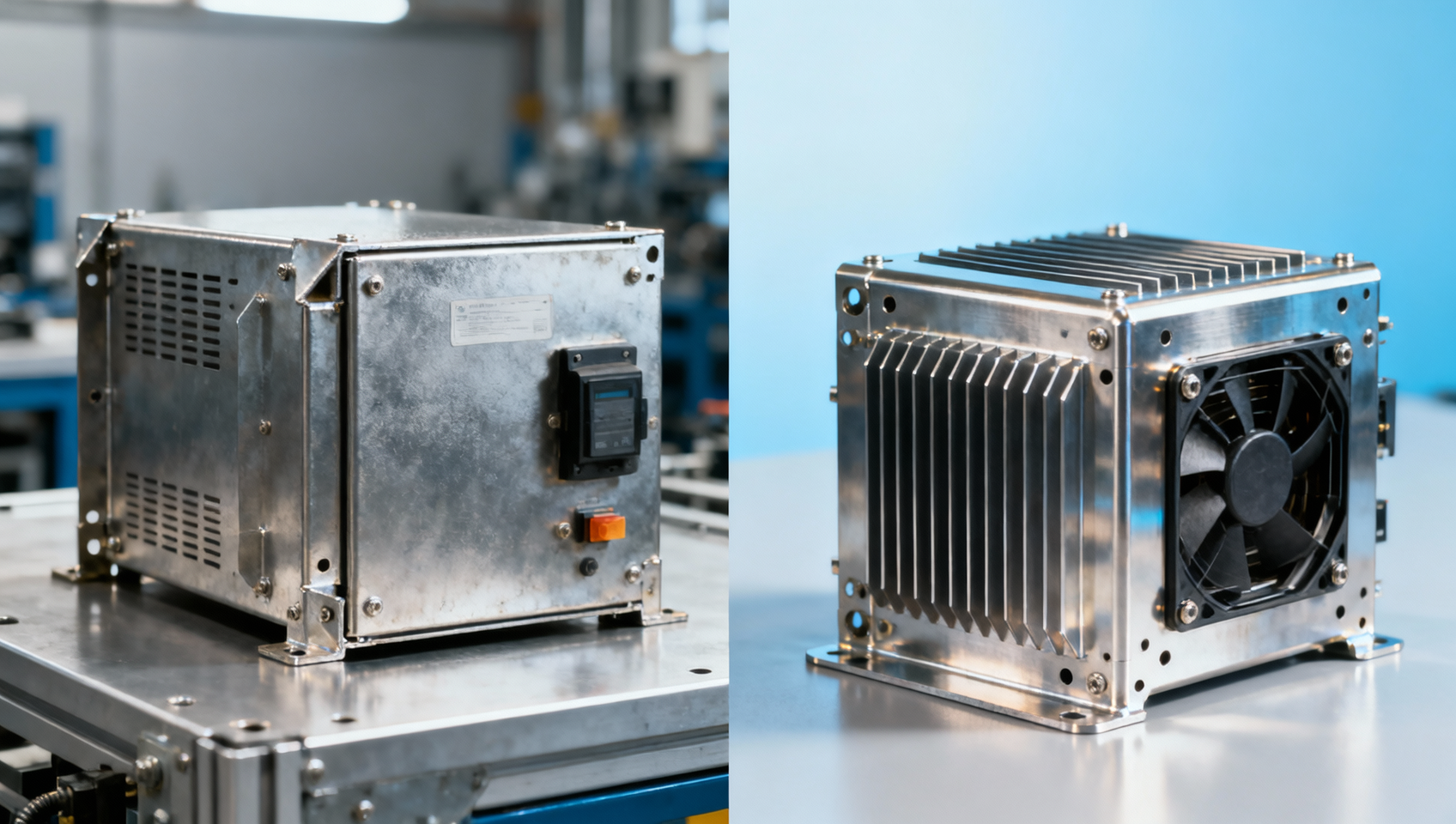
Enterprise decision-makers and financial approvers focus on risk-adjusted return. A system can make sense when diesel delivery is difficult, when power outages exceed 2–4 hours per day, or when the total cost of ownership over 5–10 years is lower than continued generator dependence. Quality and safety managers, meanwhile, review enclosure ratings, thermal protection, cable routing, battery safeguards, and compliance with site-specific operating procedures.
Who typically leads the buying decision?
- Operations teams that need stable power for pumps, controls, lighting, refrigeration, or communications.
- Engineering teams that evaluate battery chemistry, inverter compatibility, and load priority configuration.
- Procurement and finance teams that compare CapEx, maintenance cost, fuel savings, and expected payback in 3–7 years.
- Project managers that need realistic installation windows, often 2–8 weeks depending on civil work and commissioning scope.
- Distributors and EPC partners that package solar modules, storage, and controls into market-ready solutions.
Typical use-case alignment by stakeholder
The table below shows how different B2B roles view off grid solar systems and what success looks like from their perspective.
The key takeaway is that off grid solar is rarely a single-department decision. It creates value when operational, technical, and financial interests align around resilience, cost control, and site independence.
Where Off Grid Solar Systems Make the Most Business Sense
Not every facility should disconnect from the grid, but many facilities should evaluate off grid or fully islanded solar as a strategic option. The most compelling scenarios share three features: power scarcity, expensive fuel logistics, and high business impact from downtime. If any two of those conditions exist, the economics become much stronger.
Remote production sites are a prime example. A site located hours away from fuel distribution may spend heavily on generator transport, operator time, and emergency maintenance. In these cases, even a system with 1–2 days of battery autonomy can materially reduce disruption. Healthcare and cold-chain applications also benefit because voltage stability matters as much as total energy output.
Construction and temporary project sites represent another growing user category. A project running for 12–36 months may not justify permanent utility connection costs. Instead, a modular off grid solar system with battery storage and optional generator integration can deliver lower operating cost and easier relocation at the end of the project cycle.
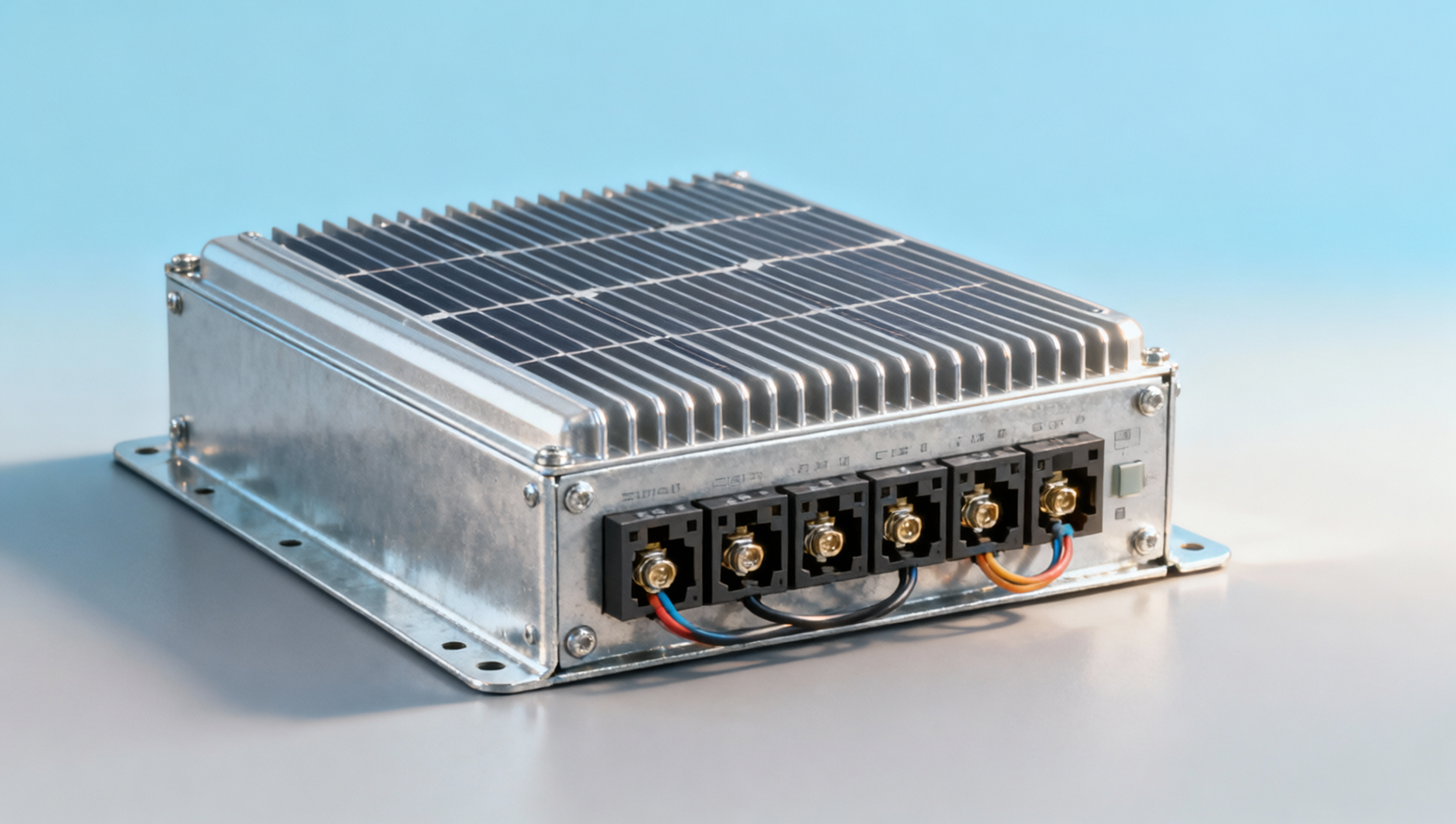
Commercial users should also consider site-specific technologies. Bifacial solar panels may be attractive in high-albedo environments such as light gravel or reflective roofing. Thin film solar cells may fit lightweight roof structures or heat-intensive zones where installation flexibility matters. Solar microinverters can improve panel-level visibility and optimize output on sites with partial shading or varied roof orientation.
High-fit application scenarios
- Remote industrial outposts with daily generator use above 6–10 hours.
- Telecom or digital infrastructure sites requiring stable power for 24/7 network continuity.
- Healthcare, water pumping, and refrigeration sites where outages create safety or product-loss risk.
- Island or rural commercial facilities where utility extension cost is disproportionate to expected load.
- Temporary projects needing rapid deployment within 2–6 weeks and future relocation flexibility.
Application comparison by operational need
The following comparison helps buyers match business conditions to appropriate off grid solar system priorities.
This comparison shows that the “right” user is often defined by operating environment rather than company size alone. A small but remote site may have a better business case than a larger site with cheap, stable utility access.
How Technical and Procurement Teams Should Evaluate System Fit
The most common mistake in off grid solar buying is sizing the system around panel wattage only. Technical and procurement teams should start with loads, not modules. That means identifying critical and noncritical circuits, average daily consumption, peak demand, startup surges, and required autonomy. A realistic assessment usually reviews at least 30 days of operational data, or a 7-day monitoring period where historical data is limited.
Storage design is central. Commercial energy storage is not just a battery quantity question; it is a question of usable capacity, discharge depth, cycle life, ambient tolerance, and charging strategy. For many B2B applications, a lithium-based system sized for 4–12 hours of key loads may outperform a lower-cost option that cannot maintain voltage under variable demand.
Panel and inverter choices also depend on the site. Bifacial solar panels can improve site yield where ground reflectivity is favorable, while thin film solar cells may reduce structural loading concerns. Solar microinverters make sense when panel-level optimization, shading mitigation, or module-level diagnostics are important. In contrast, centralized or string-based designs may simplify maintenance on large uniform installations.
Procurement teams should also evaluate service conditions. Replacement lead times, spare-part strategy, remote monitoring capability, warranty structure, and commissioning support can influence total risk as much as the hardware itself. A lower unit price loses value quickly if a failed inverter takes 4–8 weeks to replace at a remote site.
Five practical evaluation criteria
- Load profile accuracy: distinguish base load, peak load, and critical load share, often expressed in kWh/day and kW peak.
- Autonomy target: define whether the business needs 6 hours, 12 hours, or 1–2 full days of essential backup.
- Environmental durability: assess heat, dust, humidity, and IP protection requirements for outdoor equipment.
- Architecture compatibility: compare microinverters, string inverters, hybrid systems, and generator integration logic.
- Serviceability: confirm local support, remote diagnostics, spare inventory, and acceptable response time.
Technical screening checklist
Before issuing an RFQ or approving a supplier shortlist, many teams use a structured screen like the one below.
A structured review helps prevent undersizing, overbuying, and hidden operational risk. For technical teams, the right fit is a system that performs under real load conditions, not just under standard test assumptions.
Financial, Safety, and Project Considerations Before Adoption
Financial approvers should look beyond initial equipment cost. The stronger comparison is between lifecycle scenarios: diesel-only, hybrid solar-plus-generator, and fully off grid solar with storage. In many cases, the deciding factors are fuel logistics, maintenance labor, downtime cost, and asset life over 5–10 years. If a site experiences repeated outages or difficult fuel access, the cost of doing nothing often rises faster than expected.
Safety and quality teams have a different lens. They want to know whether the installation can operate safely in local conditions over time. That includes battery isolation, thermal management, cable protection, enclosure integrity, grounding, surge protection, and emergency shutoff planning. For higher-risk environments, routine inspection intervals may need to be monthly rather than quarterly.
Project managers must translate all of this into an executable timeline. A disciplined rollout usually follows 5 stages: site audit, design validation, procurement, installation, and commissioning. Depending on civil work, transport conditions, and workforce availability, each stage can add 3–10 business days. A rushed deployment often leads to costly rework, especially when battery rooms, mounting structures, or generator interfaces were not finalized early.
Distributors, resellers, and agents can create real value here by narrowing the specification gap. Instead of pushing generic kits, strong channel partners help customers match load profile, technology choice, and service expectations. That improves conversion quality and reduces post-sale disputes over performance expectations.
Common risk points to control
- Undersized storage that cannot support night load or weather variability for the required 8–12 hour window.
- Ignoring motor inrush or compressor startup, leading to inverter trips under peak load.
- Poor site layout that increases cable losses, shading, or maintenance access difficulty.
- Weak service planning, including no spare parts or unclear fault response procedure.
- Assuming all off grid solar systems are plug-and-play, despite different environmental and operational demands.
A practical implementation sequence
- Collect load and outage data for at least 7–30 days where possible.
- Separate essential loads from optional loads to optimize storage size.
- Compare at least 2–3 design options, including a hybrid backup scenario.
- Define acceptance criteria for output, autonomy, safety checks, and monitoring visibility.
- Schedule training for operators, maintenance teams, and local service contacts before handover.
For most businesses, the best outcomes come from disciplined planning rather than aggressive overspecification. A right-sized system with clear maintenance workflows usually beats a larger system that lacks monitoring, operator training, or spare-part readiness.
Frequently Asked Questions About Off Grid Solar System Buyers
Are off grid solar systems only for remote rural locations?
No. Remote sites remain a major segment, but urban or peri-urban commercial users also adopt off grid or islanded systems for resilience. This is especially relevant where outages are frequent, utility upgrades are delayed, or business continuity has high value. For some facilities, off grid design is chosen not because the grid is absent, but because the grid is operationally unreliable.
How large should a commercial off grid solar system be?
There is no universal size. Commercial systems can range from 10kW for light-duty sites to several hundred kilowatts for industrial loads. What matters is the relationship between daily energy demand, peak power, required autonomy, and solar resource. A good starting point is to model at least one normal operating day, one peak-load day, and one low-irradiance scenario.
When do solar microinverters or bifacial panels make sense?
Solar microinverters are useful where panel-level control, partial shading tolerance, and diagnostics matter. Bifacial solar panels make sense where reflective ground or roof conditions can increase rear-side gain. Both options should be assessed against total system economics, maintenance access, and environmental exposure rather than selected by trend alone.
What should distributors and agents emphasize to customers?
They should focus on application fit, not only product features. Buyers need clarity on expected runtime, storage autonomy, installation timeline, service support, and realistic maintenance obligations. A channel partner that can explain the difference between a 6-hour backup design and a 24-hour resilience design will earn stronger trust and better long-term business.
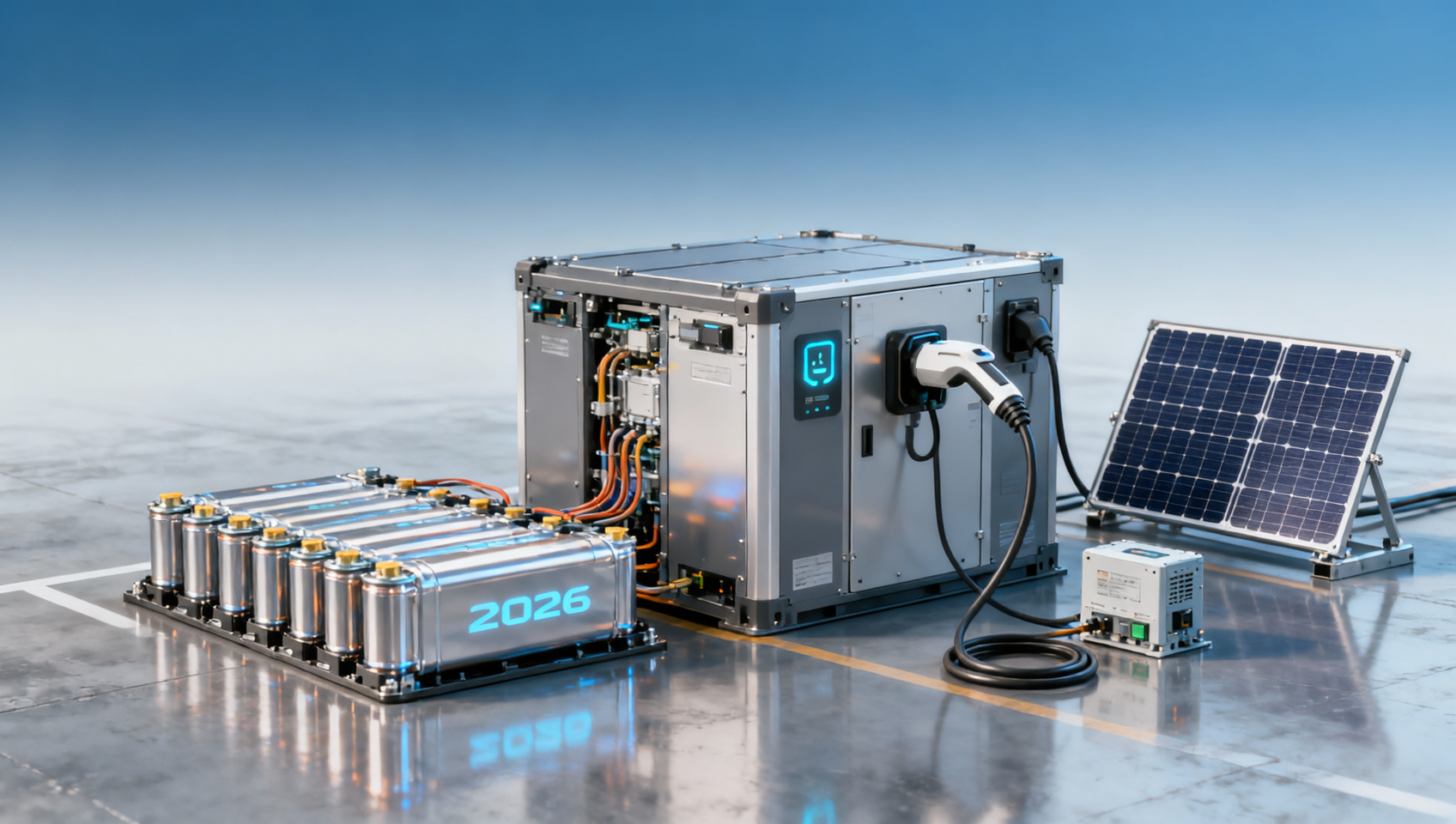
Off grid solar systems are most valuable for users who treat energy as an operational asset rather than a utility afterthought. The best candidates include remote operators, technical teams managing critical loads, enterprise buyers seeking resilience, and project leaders balancing schedule, safety, and long-term cost. When designed around real load data, the right mix of solar generation, commercial energy storage, inverter architecture, and service planning can reduce fuel dependence and improve business continuity.
If your organization is comparing off grid solar systems for industrial, commercial, or project-based use, now is the time to evaluate system fit with technical and procurement rigor. Contact TradeNexus Pro to explore market intelligence, sourcing insight, and tailored solution pathways for your next energy project.
Get weekly intelligence in your inbox.
No noise. No sponsored content. Pure intelligence.
 Apr 17, 2026Temperature data loggers drift unpredictably inside lithium-ion battery storage enclosuresTemperature data loggers drift unpredictably inside lithium-ion battery storage enclosures
 Apr 17, 2026Are solar microinverters really worth the extra cost?Are solar microinverters really worth the extra cost?
 Apr 17, 2026Bifacial solar panels: How much more energy can they generate?Bifacial solar panels: How much more energy can they generate?
 Apr 17, 2026Gear manufacturing: How to optimize production for high precision?Gear manufacturing: How to optimize production for high precision?
 Apr 17, 2026Why power transmission components fail earlier than expectedWhy power transmission components fail earlier than expected
 Apr 17, 2026Linear motion systems: belt drive or ball screw for speed?Linear motion systems: belt drive or ball screw for speed?
 Apr 17, 2026Industrial bearing suppliers: what signals reliable quality?Industrial bearing suppliers: what signals reliable quality?
 Apr 17, 2026When pneumatic valves wholesale gets expensive laterWhen pneumatic valves wholesale gets expensive later
 Apr 17, 2026Hydraulic cylinder fabrication mistakes that cause oil leaksHydraulic cylinder fabrication mistakes that cause oil leaks
 Apr 17, 2026Heavy equipment manufacturing delays often start hereHeavy equipment manufacturing delays often start here
 Apr 17, 2026Custom heatsinks: when a larger size solves nothingCustom heatsinks: when a larger size solves nothing
 Apr 17, 2026Electronic enclosure fabrication: steel or aluminum?Electronic enclosure fabrication: steel or aluminum?
 Apr 17, 2026Automotive parts machining tolerances that drive up scrapAutomotive parts machining tolerances that drive up scrap
 Apr 17, 2026Medical device manufacturing changes under tighter traceabilityMedical device manufacturing changes under tighter traceability
 Apr 17, 2026How to Choose Solid State Batteries in 2026How to Choose Solid State Batteries in 2026
 Apr 17, 2026Are Solid State Batteries Worth the Cost Yet?Are Solid State Batteries Worth the Cost Yet?
 Apr 17, 2026Commercial Energy Storage Sizing: What Matters Most?Commercial Energy Storage Sizing: What Matters Most?
 Apr 17, 2026Commercial Energy Storage ROI: How to Assess ItCommercial Energy Storage ROI: How to Assess It
 Apr 17, 2026Off Grid Solar Systems: What to Avoid FirstOff Grid Solar Systems: What to Avoid First
 Apr 17, 2026Who Should Use Off Grid Solar Systems?Who Should Use Off Grid Solar Systems?
 Apr 17, 2026Solar Microinverters vs String Inverters: Which Fits?Solar Microinverters vs String Inverters: Which Fits?
 Apr 17, 2026When Do Solar Microinverters Make More Sense?When Do Solar Microinverters Make More Sense?
 Apr 17, 2026How digital freight matching for international shipping cuts transit time by up to 22% in 2026How digital freight matching for international shipping cuts transit time by up to 22% in 2026
 Apr 17, 2026Why port automation tech for smart logistics reduces container handling errors by 37% at Tier-1 terminalsWhy port automation tech for smart logistics reduces container handling errors by 37% at Tier-1 terminals
 Apr 17, 2026What yard management systems for port operations actually deliver in real-world deploymentsWhat yard management systems for port operations actually deliver in real-world deployments
 Apr 17, 2026Can digital customs clearance for sea freight reduce D/O processing from 48 hours to under 90 minutesCan digital customs clearance for sea freight reduce D/O processing from 48 hours to under 90 minutes
 Apr 17, 2026How returnable transport packaging for automotive parts lowers TCO by 18–25% over 3 yearsHow returnable transport packaging for automotive parts lowers TCO by 18–25% over 3 years