Solar Microinverters vs String Inverters: Which Fits?
Choosing between solar microinverters and string inverters can directly impact system efficiency, maintenance costs, and long-term ROI. For buyers evaluating off grid solar systems, commercial energy storage integration, or future upgrades with bifacial solar panels and thin film solar cells, understanding the trade-offs is essential. This guide helps technical teams and decision-makers identify which inverter setup best fits their operational and financial goals.
For B2B buyers, the inverter decision is rarely just a technical checkbox. It affects procurement planning, installer workload, safety procedures, monitoring visibility, replacement cycles, and energy yield over 10–25 years. In distributed commercial projects, the wrong architecture can raise service costs, limit expansion options, or reduce generation in partially shaded environments.
This comparison is especially relevant for procurement teams, engineering evaluators, project managers, and financial approvers who must balance capex, operating efficiency, and system resilience. Whether the project is a 5kW off-grid installation or a 500kW rooftop commercial array, understanding how solar microinverters and string inverters behave in real operating conditions leads to better decisions.
How Microinverters and String Inverters Work in Practice
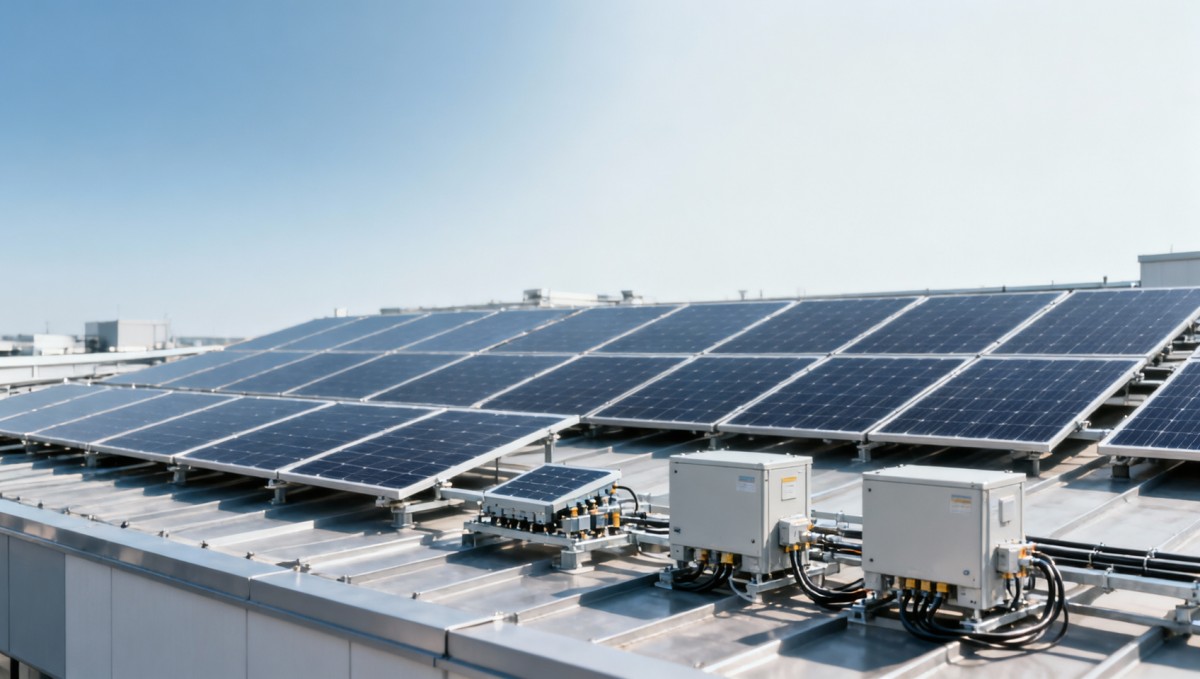
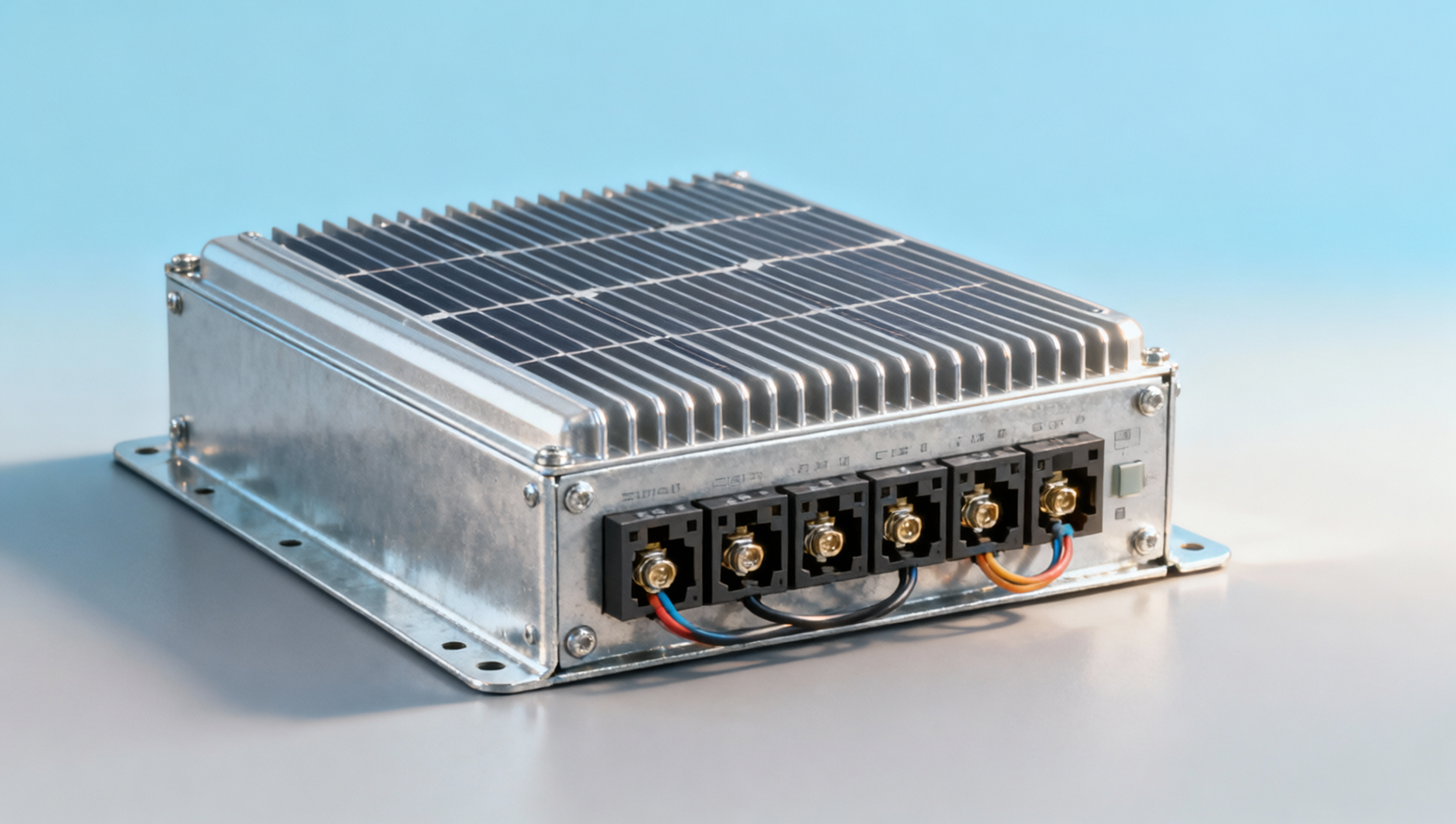
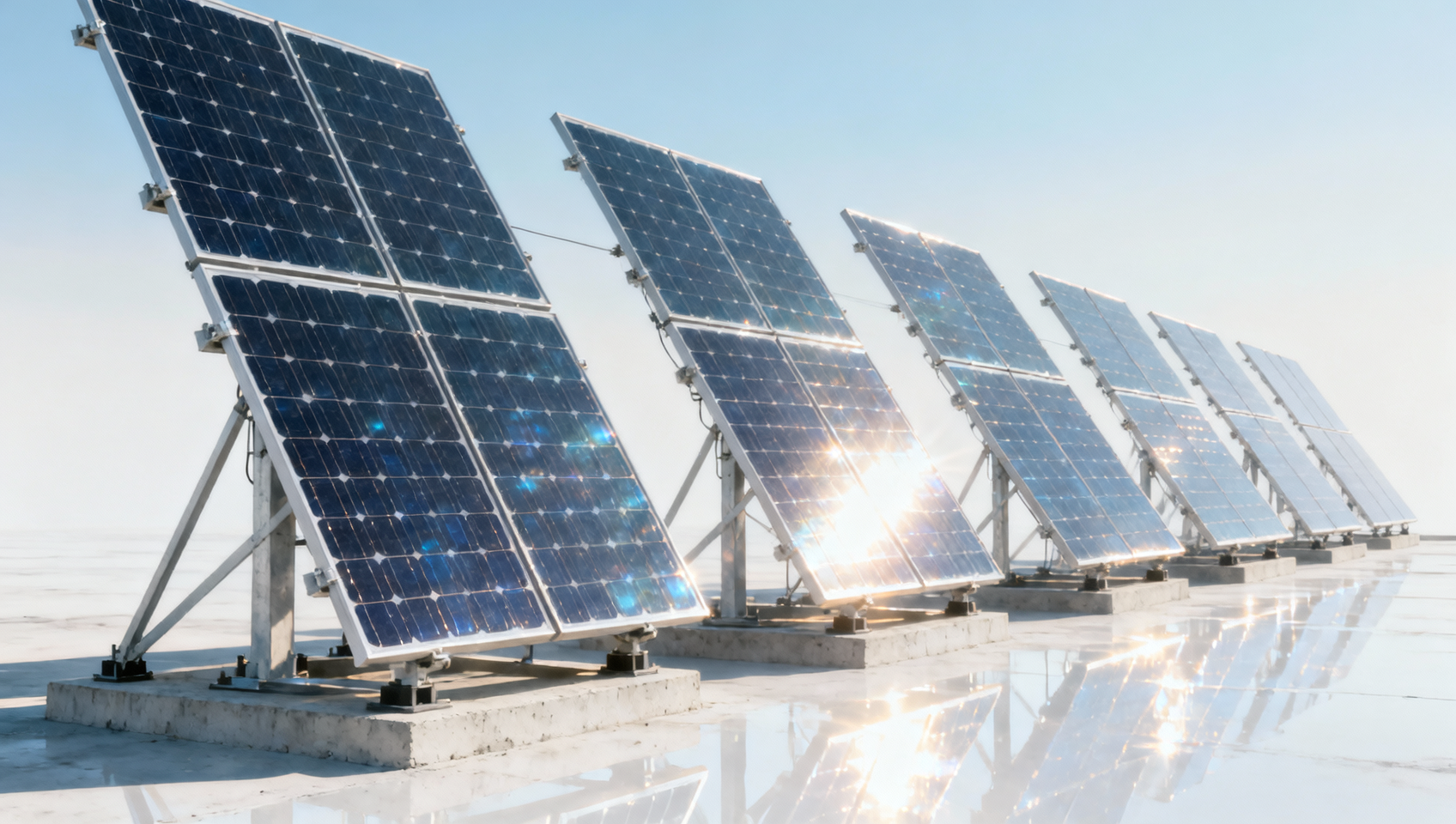
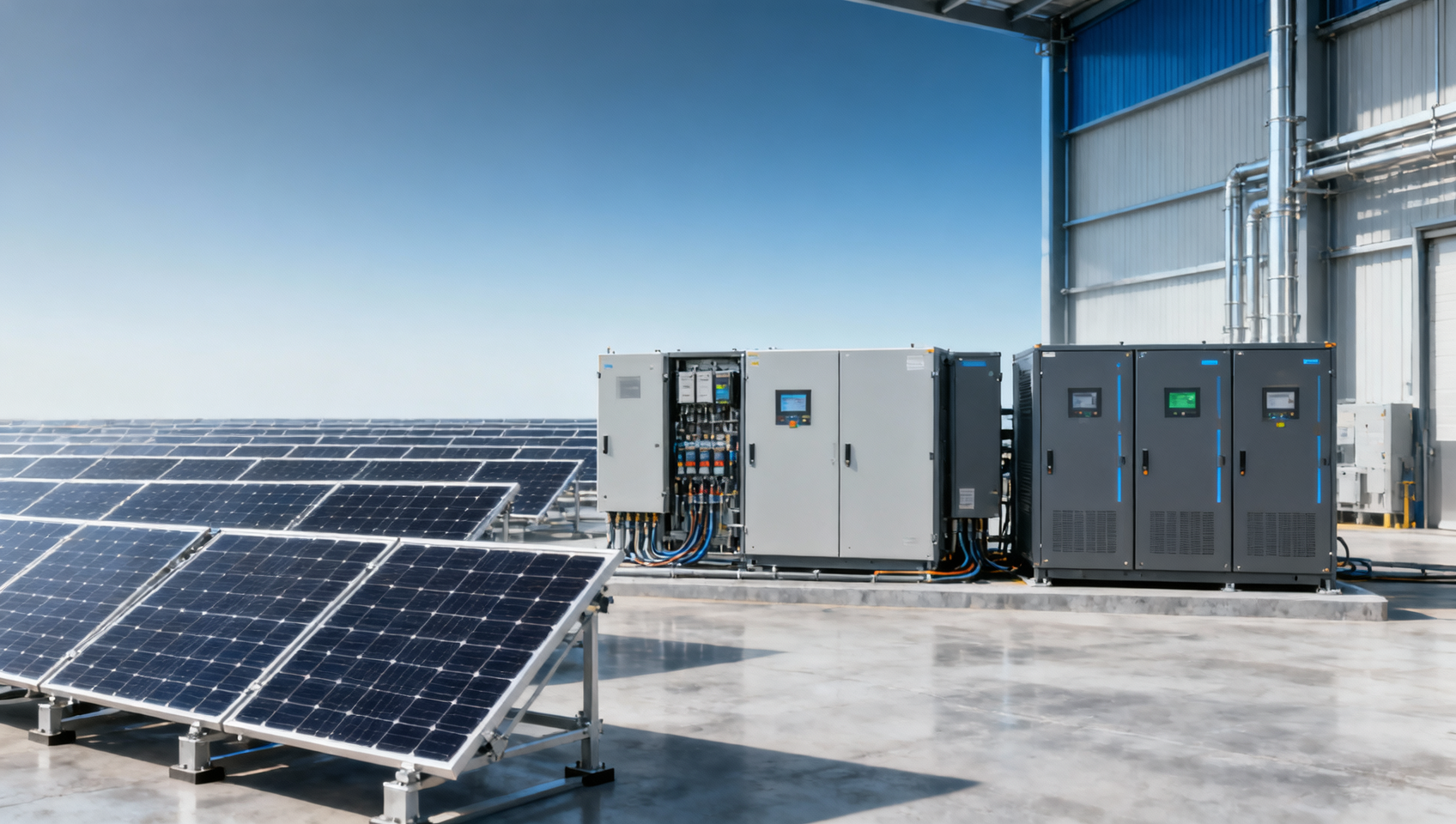
A string inverter system connects multiple solar panels in series so that DC power from a string of modules is converted to AC at one central point. In a typical commercial design, one inverter may handle several strings, and common system sizes range from 3kW for small sites to 250kW or more for larger rooftop arrays. This architecture is widely used because it is familiar, cost-efficient at scale, and relatively easy to source.
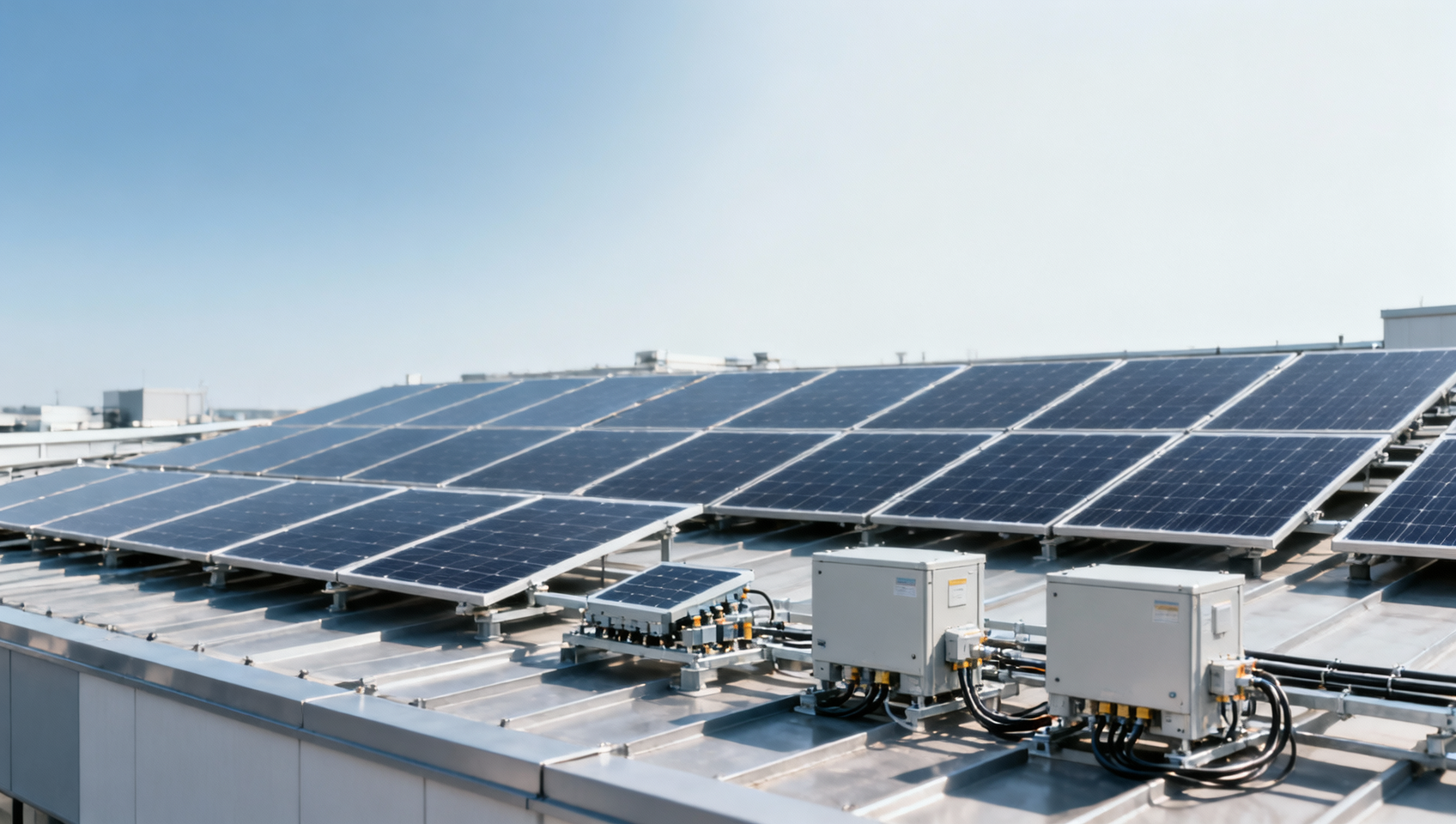
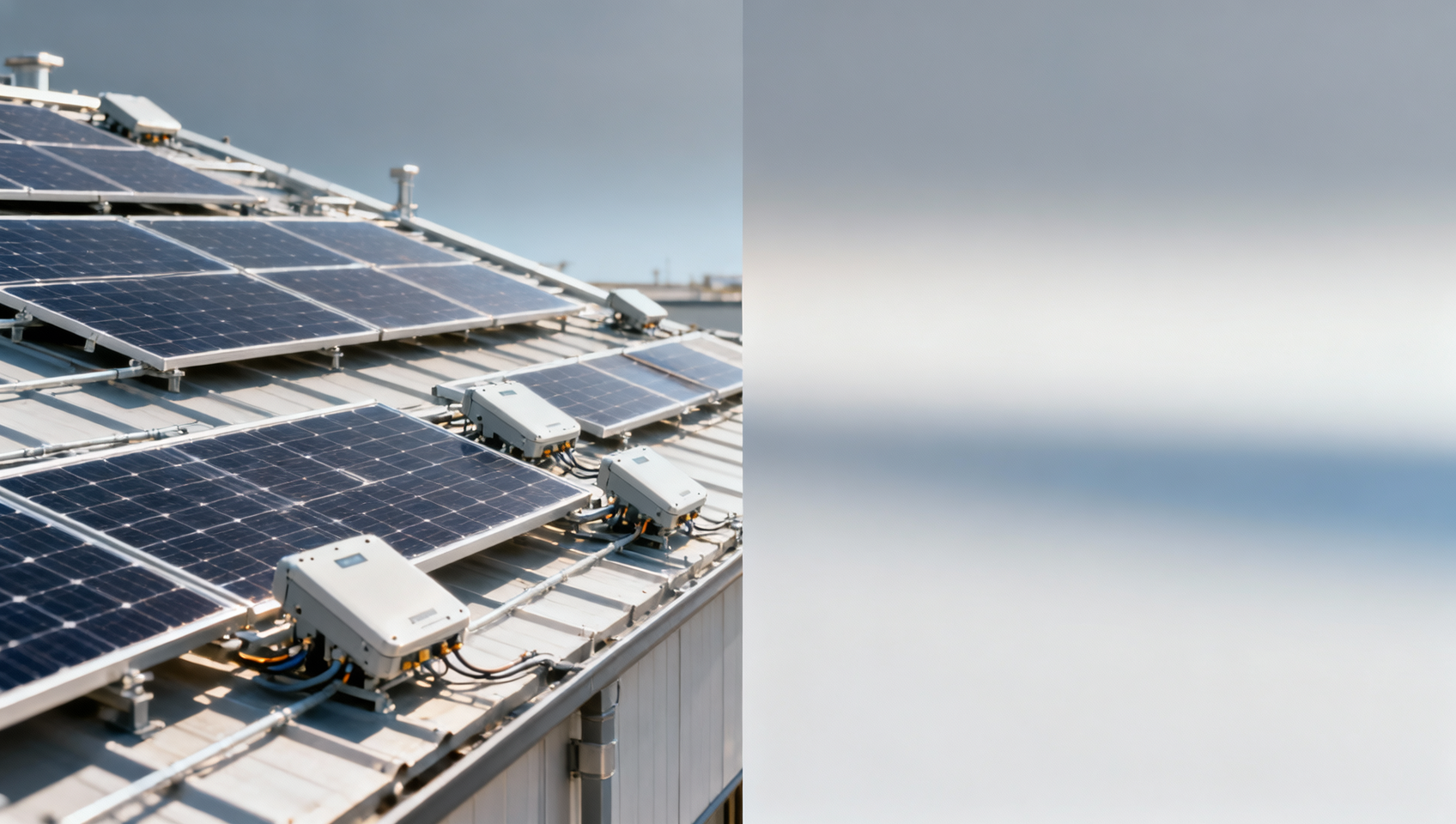
A microinverter system assigns one inverter to each panel, or occasionally one unit to two panels depending on the design. Conversion from DC to AC happens at module level rather than at a centralized device. This allows each panel to operate independently, which can improve output in conditions where shading, orientation mismatch, dust loading, or uneven degradation affect only part of the array.
For technical teams, the key difference is electrical architecture. String inverters create a shared performance path, so the output of the string is influenced by its weakest module. Microinverters isolate panel behavior, which is useful when rooftops include 3–5 azimuth directions, irregular layouts, or obstructions such as vents, HVAC units, and parapets.
From a maintenance perspective, string inverters centralize conversion equipment, which can simplify access during service visits. Microinverters reduce single-point failure risk but increase the number of electronics installed on the roof. Buyers should therefore compare not only efficiency claims but also technician access time, replacement logistics, and expected service intervals over a 10-year or 20-year planning horizon.
Core operating differences
- String inverters aggregate power from multiple panels before conversion, making them efficient for uniform arrays with limited shading.
- Microinverters convert power panel by panel, supporting better granularity in monitoring and fault isolation.
- String systems usually involve fewer electronic components on the roof, while microinverter systems distribute electronics across the array.
- Module-level architecture is often preferred where future expansion may happen in phases, such as adding 10–20 panels later.
Quick comparison table
The table below highlights how both options differ across architecture, field conditions, and asset management priorities. It is most useful during early-stage feasibility review and procurement screening.
The strongest conclusion is that neither option is universally superior. Microinverters generally win on flexibility and module-level control, while string inverters often win on upfront cost efficiency and simplified large-array design. The right fit depends on site complexity, labor economics, and future system plans.
Performance, Safety, and Long-Term Reliability Considerations
Energy yield is often the first metric buyers compare, but real-world performance depends on more than nameplate efficiency. In uniform, south-facing arrays with minimal shading, a well-designed string inverter system can deliver strong output with limited loss. However, where 5%–20% of modules experience intermittent shade or soiling differences, module-level conversion can reduce mismatch losses and preserve daily generation.
Reliability should be viewed at system level, not component level alone. A string inverter introduces a larger single point of failure: if one central unit stops, a substantial portion of the system may go offline immediately. With microinverters, one device failure usually affects only one panel, which can keep 95%–99% of the array operating until scheduled service. This can be valuable for facilities with strict uptime expectations.
Safety also influences selection, especially for quality managers and compliance teams. High-voltage DC runs in string systems require disciplined design, proper isolation, and installation quality. Microinverter systems reduce the length of high-voltage DC exposure because conversion occurs at the module. For sites with stringent rooftop safety protocols, this architecture may be easier to align with internal risk controls.
Environmental conditions matter as well. Rooftop temperatures can exceed 60°C in hot climates, and electronics mounted beneath modules must tolerate long exposure cycles. Buyers should review enclosure ratings, thermal performance, and warranty terms rather than relying on general claims. A 12-year warranty versus a 25-year warranty can materially alter lifecycle assumptions, but it must also be evaluated against local service support and replacement availability.
Key reliability checkpoints
- Check whether the inverter architecture matches the roof complexity, shading profile, and panel orientation count.
- Review expected ambient temperature range, especially if the site frequently operates above 40°C.
- Confirm monitoring granularity, alarm response workflow, and spare unit strategy for 24–72 hour service windows.
- Compare warranty duration with local support capability, not just the advertised term.
Where performance gaps become visible
The performance gap between solar microinverters and string inverters tends to widen in irregular conditions. Examples include east-west commercial rooftops, mixed module aging, seasonal shading from nearby structures, and retrofit arrays using bifacial solar panels alongside legacy modules. In these cases, small output differences per panel can accumulate into measurable annual yield changes.
For stable ground-mount or large warehouse roofs with consistent irradiance and minimal obstruction, the gap may narrow. This is why technical evaluation should include a site-specific loss analysis rather than a generic assumption that one inverter type always generates more energy.
Cost Structure, ROI, and Procurement Decision Factors
Upfront pricing remains one of the main reasons buyers lean toward string inverters. For many standard commercial systems, string architecture can reduce initial inverter and balance-of-system costs, particularly in projects above 30kW. Fewer conversion devices may also streamline certain installation activities. However, lower capex does not automatically mean lower total cost of ownership over 10–15 years.
Microinverters often cost more initially because the system uses a larger number of devices and module-level electronics. Yet they may reduce performance losses, simplify phased expansion, and improve fault visibility. In sites where maintenance access is expensive, such as elevated rooftops or geographically distributed assets, panel-level diagnostics can lower troubleshooting time and shorten revenue loss periods.
Financial approvers should model at least four cost layers: equipment purchase, installation labor, maintenance events, and downtime impact. A system that is 8% cheaper at purchase can become less attractive if it causes more production losses during faults or requires replacement planning concentrated around a central unit near year 8–12. Conversely, a higher-cost microinverter design may be difficult to justify if the site has no shade, no expansion plan, and low service risk.
Procurement teams should also consider supply-chain timing. String inverter lead times are often predictable for mainstream sizes, while microinverter availability can vary by region and product certification requirements. For projects with delivery windows of 2–6 weeks, this can influence brand shortlist decisions as much as technical preference.
Decision matrix for B2B buyers
The following table helps align inverter choice with purchasing priorities such as budget control, serviceability, and expansion flexibility.
In practical procurement terms, microinverters usually justify their premium when site complexity or diagnostic value is high. String inverters remain highly competitive for standardized deployments where engineering conditions are controlled and expansion is unlikely.
Questions finance and procurement teams should ask
- What is the expected payback difference over 8, 12, and 20 years under realistic shading assumptions?
- How many service visits are likely under each architecture, and what is the cost per visit?
- Will the project integrate commercial energy storage within 12–24 months?
- How easily can replacement units be sourced in the local market?
Application Scenarios: Off-Grid, Storage Integration, and Module Upgrades
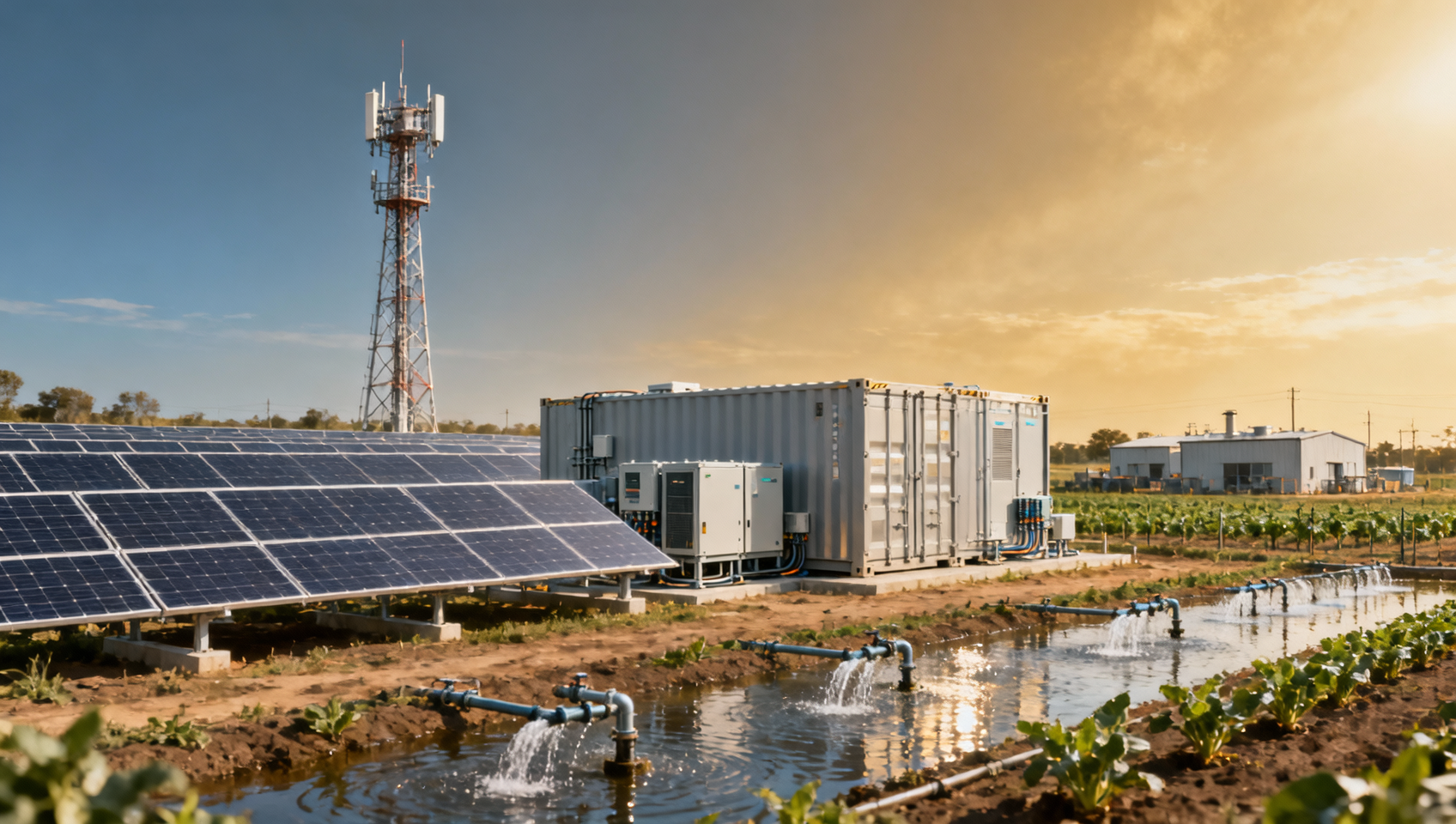
Not every project uses the same decision logic. In off grid solar systems, the inverter architecture must support stable conversion, battery interaction, and load management under variable generation conditions. Many off-grid designs still favor inverter topologies that simplify battery system coordination, but microinverters may be considered in specialized modular applications where flexible panel-level expansion matters.
For commercial energy storage integration, the evaluation should go beyond generation alone. System owners need to know how the inverter setup will affect monitoring integration, AC coupling strategies, control logic, and future retrofit complexity. In some projects, string inverters can align well with centralized energy management. In others, microinverters support more modular AC-side architecture, especially where multiple roofs are connected over time.
When planning future upgrades with bifacial solar panels or thin film solar cells, compatibility becomes a strategic issue. Mixed module technologies may produce different electrical behaviors, and system designers must avoid forcing unlike modules into the same performance path where mismatch becomes costly. Module-level conversion can reduce these constraints, particularly during retrofit projects where the new section does not mirror the original array.
Distributors and EPC teams should also consider customer segmentation. Small commercial buildings, educational facilities, and branch networks often prioritize monitoring transparency and easy expansion. Large industrial sites with repeatable rooftop geometry may prioritize cost discipline, spare part simplicity, and standardized commissioning procedures across 10 or more locations.
Typical use-case alignment
The table below summarizes which inverter setup tends to align better with common B2B scenarios. Final design still depends on engineering review, but these patterns are useful during early planning.
The pattern is clear: the more complex, phased, or mixed-technology the project becomes, the stronger the case for microinverters. The more standardized and uniform the project is, the stronger the case for string inverters.
Common deployment mistakes to avoid
- Selecting string inverters for a roof with 4 different orientations without adequately modeling mismatch losses.
- Choosing microinverters without confirming rooftop access procedures for future replacement work.
- Ignoring battery integration plans that may emerge 12–18 months after initial installation.
- Assuming new bifacial solar panels can be added to an older system without reviewing electrical compatibility.
Implementation Checklist, FAQ, and Final Selection Guidance
A reliable inverter choice comes from process discipline rather than preference alone. Project leaders should align technical, financial, and operational stakeholders before purchase approval. For most commercial projects, a 5-step review process can reduce redesigns, shorten procurement cycles, and improve post-installation satisfaction.
- Map roof conditions, including shading periods, panel orientation count, and access constraints.
- Estimate annual energy impact under both architectures using realistic operating assumptions.
- Compare total cost of ownership across 10–20 years, not only initial purchase value.
- Verify integration requirements for storage, monitoring software, and future module upgrades.
- Confirm warranty support, spare part lead time, and technician response procedures.
This checklist is especially relevant for enterprise buyers working across multiple facilities. Standardizing evaluation criteria helps ensure that one site does not overpay for unnecessary flexibility while another site avoids costly under-design. A single procurement template can often support projects ranging from 10kW branch offices to 1MW industrial portfolios if local conditions are properly documented.
For many organizations, the best answer is not to favor one inverter type across every location. A portfolio approach may be more effective: use string inverters for large, consistent roofs and microinverters where layout complexity, monitoring detail, or phased expansion adds clear value. This method can improve both operational fit and capital allocation discipline.
FAQ: what buyers ask most often
How do I choose between solar microinverters and string inverters for a commercial rooftop?
Start with roof complexity and business priorities. If the roof is uniform, shading is minimal, and capex control is critical, string inverters are often the stronger choice. If the roof has multiple orientations, recurring shade, or future expansion in 1–3 phases, microinverters usually provide better long-term flexibility.
Are microinverters better for off grid solar systems?
Not automatically. Off-grid projects depend heavily on battery design, load profile, and control strategy. Microinverters may suit modular AC-side growth, but many off-grid systems require a broader inverter and storage architecture review before deciding. The battery interaction model should be assessed first.
Which option is easier to maintain?
String inverters simplify access because major equipment is centralized, but a failure can affect a large part of the system. Microinverters provide more precise fault isolation, yet rooftop replacement may involve more distributed service points. Maintenance ease therefore depends on site access, labor cost, and monitoring tools.
What should procurement teams prioritize during vendor comparison?
Focus on five items: compatibility with the site layout, warranty support, lead time, monitoring capability, and replacement logistics. If delivery is required within 2–4 weeks or the project has strict commissioning milestones, supply-chain responsiveness can become as important as technical specifications.
For organizations evaluating solar microinverters vs string inverters, the best fit comes from matching architecture to site conditions, maintenance strategy, and financial objectives. Complex rooftops, mixed module upgrades, and granular monitoring needs often support microinverters. Standardized, low-shade, cost-sensitive commercial arrays often favor string inverters.
TradeNexus Pro supports global buyers, technical evaluators, and project teams with decision-ready industry intelligence across green energy and industrial procurement. If you are comparing system options for off grid solar systems, storage-ready projects, or retrofit plans involving bifacial solar panels and thin film solar cells, contact us to get a tailored solution review, supplier insight, and deeper market guidance.
Get weekly intelligence in your inbox.
No noise. No sponsored content. Pure intelligence.
 Apr 17, 2026Temperature data loggers drift unpredictably inside lithium-ion battery storage enclosuresTemperature data loggers drift unpredictably inside lithium-ion battery storage enclosures
 Apr 17, 2026Are solar microinverters really worth the extra cost?Are solar microinverters really worth the extra cost?
 Apr 17, 2026Bifacial solar panels: How much more energy can they generate?Bifacial solar panels: How much more energy can they generate?
 Apr 17, 2026Gear manufacturing: How to optimize production for high precision?Gear manufacturing: How to optimize production for high precision?
 Apr 17, 2026Why power transmission components fail earlier than expectedWhy power transmission components fail earlier than expected
 Apr 17, 2026Linear motion systems: belt drive or ball screw for speed?Linear motion systems: belt drive or ball screw for speed?
 Apr 17, 2026Industrial bearing suppliers: what signals reliable quality?Industrial bearing suppliers: what signals reliable quality?
 Apr 17, 2026When pneumatic valves wholesale gets expensive laterWhen pneumatic valves wholesale gets expensive later
 Apr 17, 2026Hydraulic cylinder fabrication mistakes that cause oil leaksHydraulic cylinder fabrication mistakes that cause oil leaks
 Apr 17, 2026Heavy equipment manufacturing delays often start hereHeavy equipment manufacturing delays often start here
 Apr 17, 2026Custom heatsinks: when a larger size solves nothingCustom heatsinks: when a larger size solves nothing
 Apr 17, 2026Electronic enclosure fabrication: steel or aluminum?Electronic enclosure fabrication: steel or aluminum?
 Apr 17, 2026Automotive parts machining tolerances that drive up scrapAutomotive parts machining tolerances that drive up scrap
 Apr 17, 2026Medical device manufacturing changes under tighter traceabilityMedical device manufacturing changes under tighter traceability
 Apr 17, 2026How to Choose Solid State Batteries in 2026How to Choose Solid State Batteries in 2026
 Apr 17, 2026Are Solid State Batteries Worth the Cost Yet?Are Solid State Batteries Worth the Cost Yet?
 Apr 17, 2026Commercial Energy Storage Sizing: What Matters Most?Commercial Energy Storage Sizing: What Matters Most?
 Apr 17, 2026Commercial Energy Storage ROI: How to Assess ItCommercial Energy Storage ROI: How to Assess It
 Apr 17, 2026Off Grid Solar Systems: What to Avoid FirstOff Grid Solar Systems: What to Avoid First
 Apr 17, 2026Who Should Use Off Grid Solar Systems?Who Should Use Off Grid Solar Systems?
 Apr 17, 2026Solar Microinverters vs String Inverters: Which Fits?Solar Microinverters vs String Inverters: Which Fits?
 Apr 17, 2026When Do Solar Microinverters Make More Sense?When Do Solar Microinverters Make More Sense?
 Apr 17, 2026How digital freight matching for international shipping cuts transit time by up to 22% in 2026How digital freight matching for international shipping cuts transit time by up to 22% in 2026
 Apr 17, 2026Why port automation tech for smart logistics reduces container handling errors by 37% at Tier-1 terminalsWhy port automation tech for smart logistics reduces container handling errors by 37% at Tier-1 terminals
 Apr 17, 2026What yard management systems for port operations actually deliver in real-world deploymentsWhat yard management systems for port operations actually deliver in real-world deployments
 Apr 17, 2026Can digital customs clearance for sea freight reduce D/O processing from 48 hours to under 90 minutesCan digital customs clearance for sea freight reduce D/O processing from 48 hours to under 90 minutes
 Apr 17, 2026How returnable transport packaging for automotive parts lowers TCO by 18–25% over 3 yearsHow returnable transport packaging for automotive parts lowers TCO by 18–25% over 3 years