Are solar microinverters really worth the extra cost?
Understanding the core debate: What are solar microinverters?
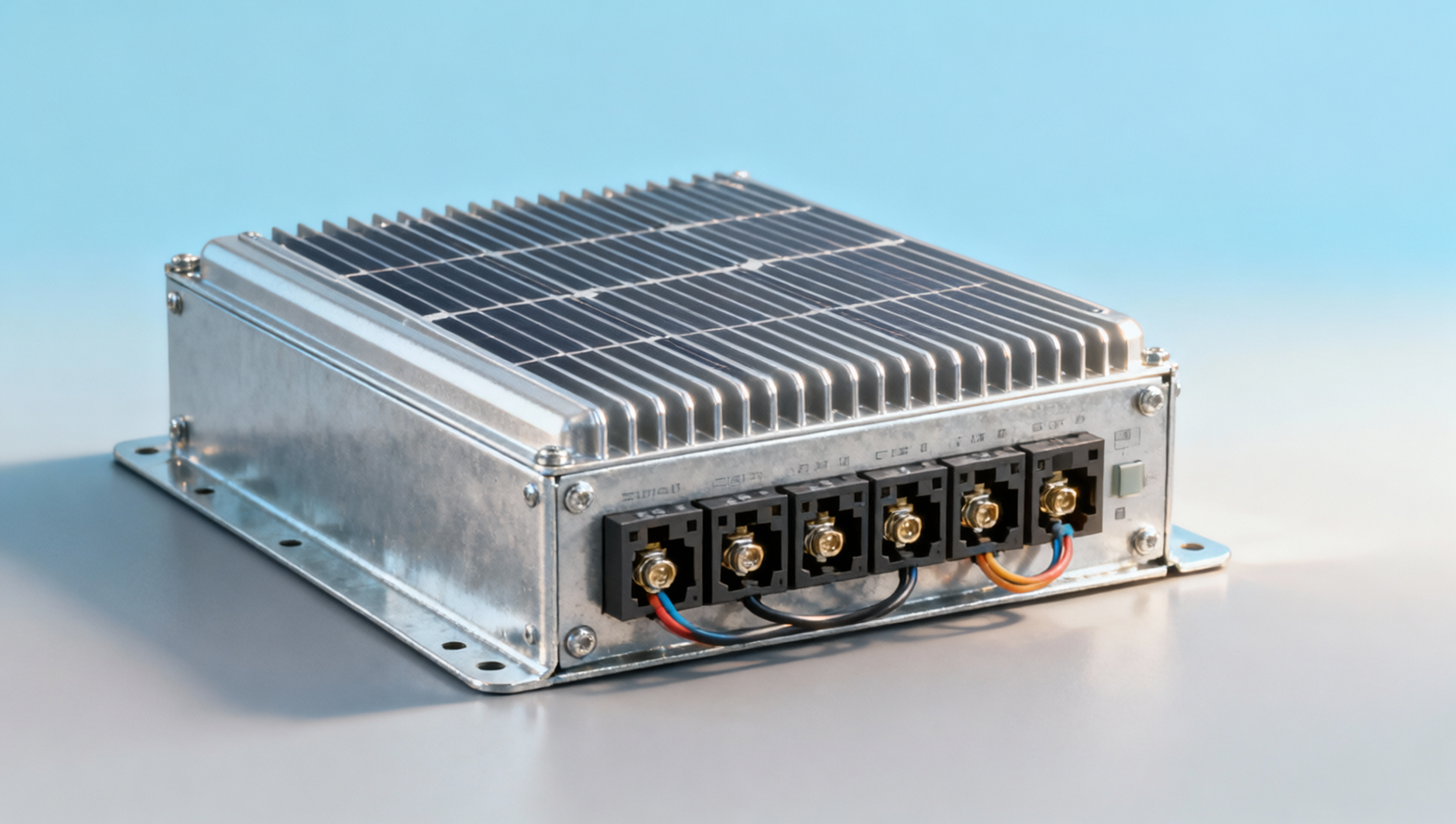
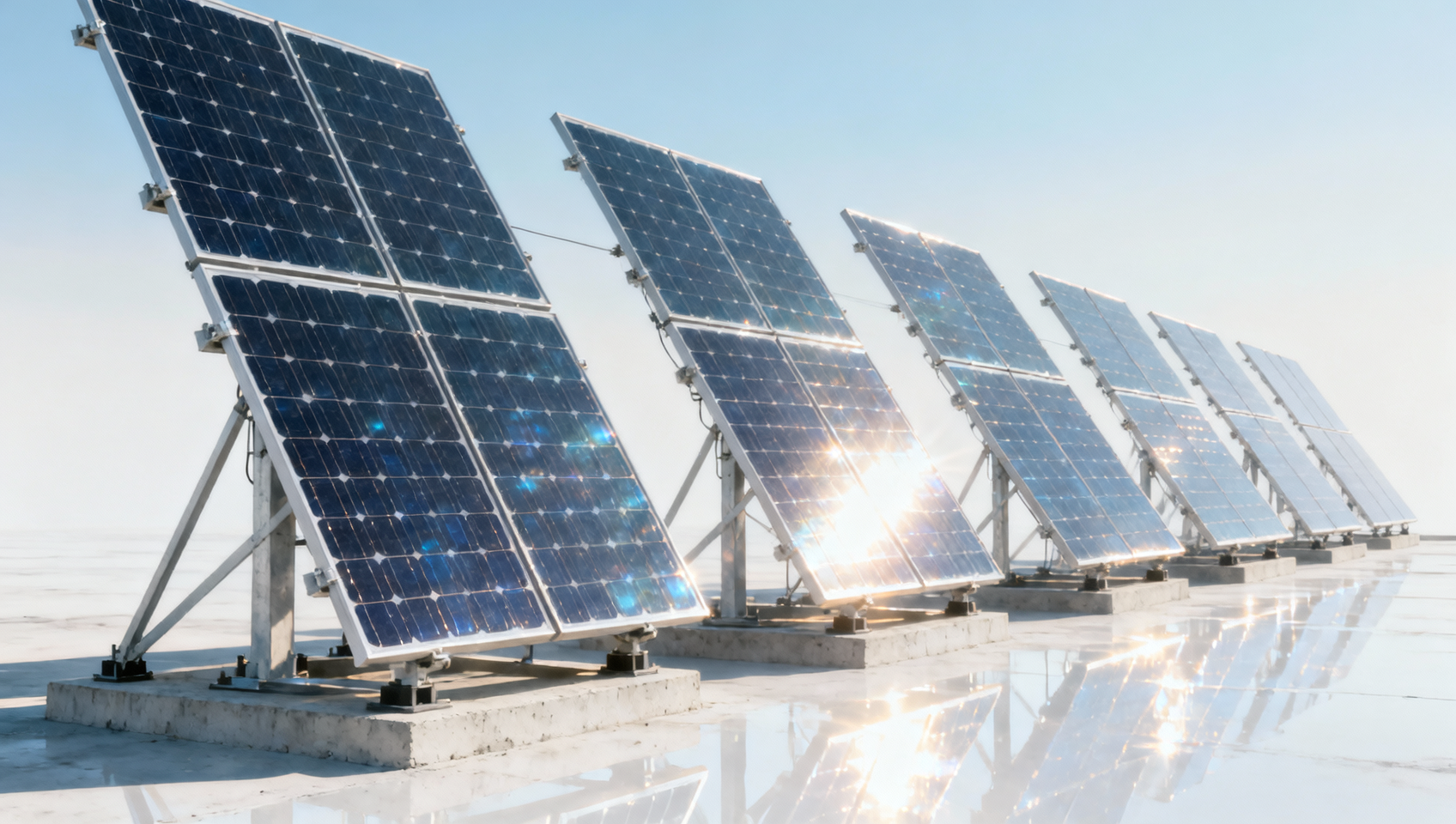
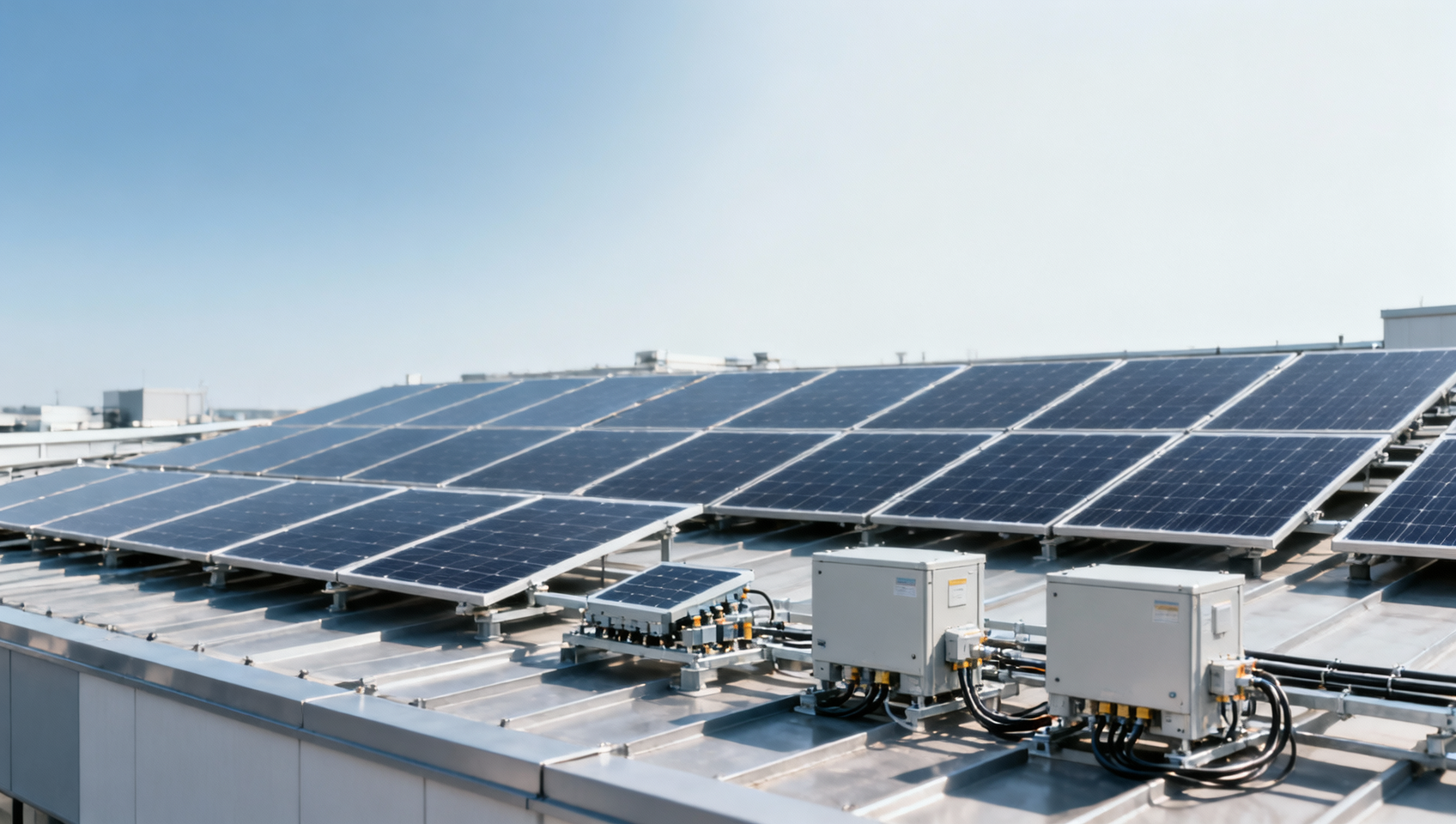
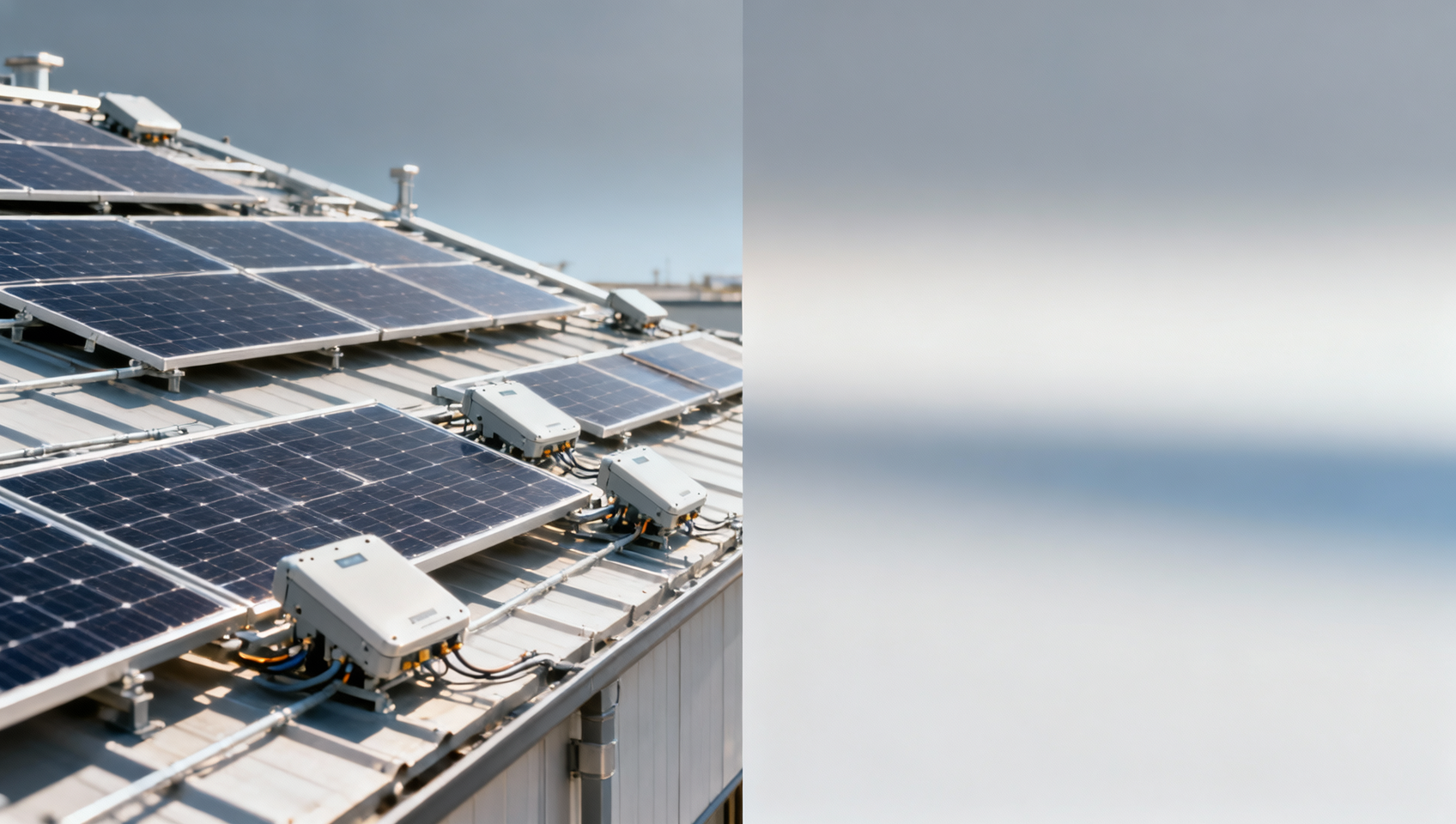
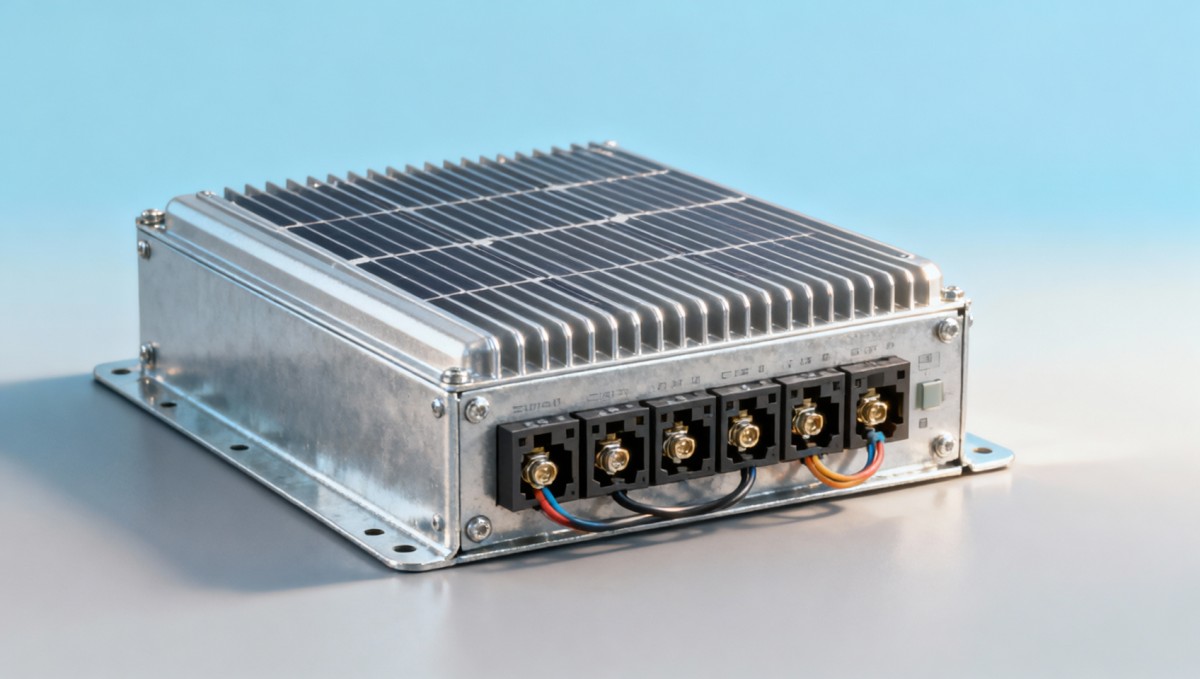
Solar microinverters represent a transformative technology in green energy systems, designed to convert direct current (DC) generated by individual solar panels into alternating current (AC) at the panel level. Unlike traditional string inverters, which centralize conversion for multiple panels, microinverters enable independent operation of each panel, eliminating energy losses caused by shading, dirt, or panel mismatches. This granular control enhances system efficiency by 5–25% in real-world conditions, particularly in partially shaded or irregularly oriented installations.
The adoption of microinverters has surged in commercial energy storage and off-grid solar projects, where reliability and performance consistency are critical. For example, a 50kW commercial system using microinverters can achieve 98.5% uptime compared to 92–95% for string inverters under mixed shading conditions. This operational advantage directly impacts return on investment (ROI), making microinverters a focal point for technical evaluators and procurement directors.
However, microinverters typically cost 30–50% more per watt than string inverters, raising questions about their cost-effectiveness. To address this, stakeholders must evaluate not just upfront expenses but also long-term benefits such as reduced maintenance, extended panel lifespan, and simplified scalability. For instance, microinverter systems require 60% fewer on-site inspections over 10 years due to their modular design, lowering operational costs by $0.02–$0.05 per watt annually.
Comparative analysis: Microinverters vs. sodium-ion batteries and solid-state batteries
To contextualize microinverters’ value, it’s essential to compare them with emerging energy storage technologies like sodium-ion (Na-ion) and solid-state batteries. While microinverters optimize energy conversion, these batteries focus on storage efficiency and lifecycle costs. Below is a structured comparison:
This table reveals that microinverters excel in efficiency and lifespan but carry higher upfront costs. Sodium-ion batteries offer lower costs and decent scalability but lag in efficiency and durability. Solid-state batteries, while efficient, remain the most expensive and least scalable option. For procurement teams, the choice depends on project priorities: microinverters suit performance-critical systems, while sodium-ion batteries align with budget-constrained, storage-focused projects.
A 2023 industry report by TradeNexus Pro analyzed 150 commercial solar projects and found that systems using microinverters achieved a 12% higher ROI over 10 years compared to sodium-ion battery hybrids, primarily due to reduced downtime and maintenance. Conversely, sodium-ion batteries reduced levelized cost of energy (LCOE) by 18% in off-grid applications where storage duration outweighed conversion efficiency.
Procurement guide: Key factors for selecting microinverters
For global procurement directors and supply chain managers, evaluating microinverters requires a structured approach. Below are the top 5 criteria to prioritize:
- Efficiency rating: Look for microinverters with ≥96% peak efficiency and ≤2% losses under partial shading. TradeNexus Pro’s database shows that top-tier models like Enphase IQ8 and APS Microinverter YC600 meet these thresholds.
- Warranty terms: Opt for products with 25-year warranties covering both performance and durability. Industry benchmarks indicate that microinverters with longer warranties have 40% fewer failure rates over 10 years.
- Compatibility: Ensure the microinverter supports your panel’s voltage range (typically 300–600V DC) and power output (e.g., 400W panels require microinverters rated for ≥450W).
- Monitoring capabilities: Choose systems with real-time panel-level monitoring via cloud platforms. This reduces troubleshooting time by 70% and enables predictive maintenance.
- Certifications: Verify compliance with IEC 62109, UL 1741, and local grid codes. For export-oriented projects, prioritize microinverters with CE, FCC, and RoHS certifications to avoid regulatory delays.
A common pitfall is overlooking installation complexity. Microinverters require 30–50% more labor hours than string inverters due to per-panel wiring. To mitigate this, select models with plug-and-play connectors or pre-assembled harnesses, which can cut installation time by 20%. TradeNexus Pro’s vendor network includes suppliers offering such optimized solutions, reducing labor costs by $0.08–$0.12 per watt.
Cost-benefit analysis: When do microinverters justify the premium?
The decision to invest in microinverters hinges on project-specific variables. Below is a framework to assess their value:
High-value scenarios
- Partial shading: Systems with ≥20% shading from trees, buildings, or debris benefit most from microinverters’ panel-level optimization. A 100kW system in a shaded urban area saw a 22% energy gain by switching from string to microinverters.
- Complex roofs: Installations with multiple orientations or tilts (e.g., commercial buildings with skylights) lose 15–30% efficiency with string inverters. Microinverters eliminate these losses by treating each panel as an independent unit.
- Long-term ROI focus: For projects with 20+ year lifespans, microinverters’ durability and efficiency gains outweigh their higher initial cost. A TradeNexus Pro analysis of 50-year solar farms showed microinverter systems generating 18% more revenue over their lifecycle.
Cost-sensitive scenarios
- Open fields with uniform shading: Agricultural or desert installations with minimal obstructions may not justify microinverters’ premium. String inverters suffice here, offering 92–95% efficiency at 40% lower cost.
- Short-term projects: Systems with ≤10-year lifespans (e.g., temporary construction sites) prioritize low upfront costs over long-term efficiency. Sodium-ion batteries paired with string inverters reduce LCOE by 25% in such cases.
To quantify the trade-off, consider a 200kW commercial system with 500 panels. Using microinverters costs $100,000 more upfront but generates $12,000–$18,000 in additional annual revenue due to higher efficiency. The payback period ranges from 5.5–8.3 years, after which the system yields $300,000–$450,000 in extra profits over 25 years. For stakeholders with a 10+ year horizon, microinverters are a financially sound choice.
Why partner with TradeNexus Pro for solar microinverter procurement?
TradeNexus Pro (TNP) is the only B2B intelligence platform combining deep technical expertise with global supply chain insights. Our verified panel of industry veterans and analysts curates data-driven recommendations, ensuring your procurement decisions align with market trends and technological breakthroughs. Here’s how we add value:
- Vendor vetting: Access a pre-qualified network of microinverter suppliers with proven track records in efficiency, reliability, and compliance. Our database includes 150+ vendors rated on 20+ performance metrics.
- Cost benchmarking: Compare microinverter pricing across regions using TNP’s real-time cost index, which tracks fluctuations in raw materials, labor, and logistics. This helps negotiate 8–12% lower prices.
- Risk mitigation: Identify suppliers with robust quality control systems (e.g., ISO 9001:2015) and financial stability to avoid project delays. TNP’s risk assessment tools flag vendors with high defect rates or payment delays.
- Customized sourcing: Leverage TNP’s AI-powered matching engine to find microinverters tailored to your project’s voltage, power, and certification requirements. This reduces sourcing time by 60%.
To explore how TradeNexus Pro can optimize your solar microinverter procurement, schedule a free consultation with our green energy team. We’ll provide a detailed cost-benefit analysis, vendor comparisons, and compliance checklists tailored to your project’s specifications.
FAQs
What is the typical delivery time for solar microinverters?
Lead times vary by region and supplier capacity. For standard models, delivery ranges from 4–8 weeks in North America and Europe to 8–12 weeks in Asia-Pacific. Customized or high-capacity orders may take 12–16 weeks. TradeNexus Pro’s vendor network includes suppliers with regional warehouses, reducing delivery times by 30–50%.
How do microinverters impact system maintenance?
Microinverters simplify maintenance by isolating faults at the panel level. If one microinverter fails, the rest of the system continues operating, whereas a string inverter failure shuts down entire panels. On average, microinverter systems require 0.5–1 maintenance visits per year compared to 1.5–2 visits for string inverters, lowering labor costs by $0.03–$0.06 per watt annually.
Are microinverters compatible with bifacial panels?
Yes, most modern microinverters support bifacial panels by accommodating their higher voltage and power outputs. For example, the Enphase IQ8 series and APS Microinverter YC1000 are rated for 600V DC and 1,000W, making them ideal for bifacial installations. When selecting microinverters, verify their compatibility with your panel’s rear-side efficiency gains (typically 5–20%).
Get weekly intelligence in your inbox.
No noise. No sponsored content. Pure intelligence.
 Apr 17, 2026Temperature data loggers drift unpredictably inside lithium-ion battery storage enclosuresTemperature data loggers drift unpredictably inside lithium-ion battery storage enclosures
 Apr 17, 2026Are solar microinverters really worth the extra cost?Are solar microinverters really worth the extra cost?
 Apr 17, 2026Bifacial solar panels: How much more energy can they generate?Bifacial solar panels: How much more energy can they generate?
 Apr 17, 2026Gear manufacturing: How to optimize production for high precision?Gear manufacturing: How to optimize production for high precision?
 Apr 17, 2026Why power transmission components fail earlier than expectedWhy power transmission components fail earlier than expected
 Apr 17, 2026Linear motion systems: belt drive or ball screw for speed?Linear motion systems: belt drive or ball screw for speed?
 Apr 17, 2026Industrial bearing suppliers: what signals reliable quality?Industrial bearing suppliers: what signals reliable quality?
 Apr 17, 2026When pneumatic valves wholesale gets expensive laterWhen pneumatic valves wholesale gets expensive later
 Apr 17, 2026Hydraulic cylinder fabrication mistakes that cause oil leaksHydraulic cylinder fabrication mistakes that cause oil leaks
 Apr 17, 2026Heavy equipment manufacturing delays often start hereHeavy equipment manufacturing delays often start here
 Apr 17, 2026Custom heatsinks: when a larger size solves nothingCustom heatsinks: when a larger size solves nothing
 Apr 17, 2026Electronic enclosure fabrication: steel or aluminum?Electronic enclosure fabrication: steel or aluminum?
 Apr 17, 2026Automotive parts machining tolerances that drive up scrapAutomotive parts machining tolerances that drive up scrap
 Apr 17, 2026Medical device manufacturing changes under tighter traceabilityMedical device manufacturing changes under tighter traceability
 Apr 17, 2026How to Choose Solid State Batteries in 2026How to Choose Solid State Batteries in 2026
 Apr 17, 2026Are Solid State Batteries Worth the Cost Yet?Are Solid State Batteries Worth the Cost Yet?
 Apr 17, 2026Commercial Energy Storage Sizing: What Matters Most?Commercial Energy Storage Sizing: What Matters Most?
 Apr 17, 2026Commercial Energy Storage ROI: How to Assess ItCommercial Energy Storage ROI: How to Assess It
 Apr 17, 2026Off Grid Solar Systems: What to Avoid FirstOff Grid Solar Systems: What to Avoid First
 Apr 17, 2026Who Should Use Off Grid Solar Systems?Who Should Use Off Grid Solar Systems?
 Apr 17, 2026Solar Microinverters vs String Inverters: Which Fits?Solar Microinverters vs String Inverters: Which Fits?
 Apr 17, 2026When Do Solar Microinverters Make More Sense?When Do Solar Microinverters Make More Sense?
 Apr 17, 2026How digital freight matching for international shipping cuts transit time by up to 22% in 2026How digital freight matching for international shipping cuts transit time by up to 22% in 2026
 Apr 17, 2026Why port automation tech for smart logistics reduces container handling errors by 37% at Tier-1 terminalsWhy port automation tech for smart logistics reduces container handling errors by 37% at Tier-1 terminals
 Apr 17, 2026What yard management systems for port operations actually deliver in real-world deploymentsWhat yard management systems for port operations actually deliver in real-world deployments
 Apr 17, 2026Can digital customs clearance for sea freight reduce D/O processing from 48 hours to under 90 minutesCan digital customs clearance for sea freight reduce D/O processing from 48 hours to under 90 minutes
 Apr 17, 2026How returnable transport packaging for automotive parts lowers TCO by 18–25% over 3 yearsHow returnable transport packaging for automotive parts lowers TCO by 18–25% over 3 years