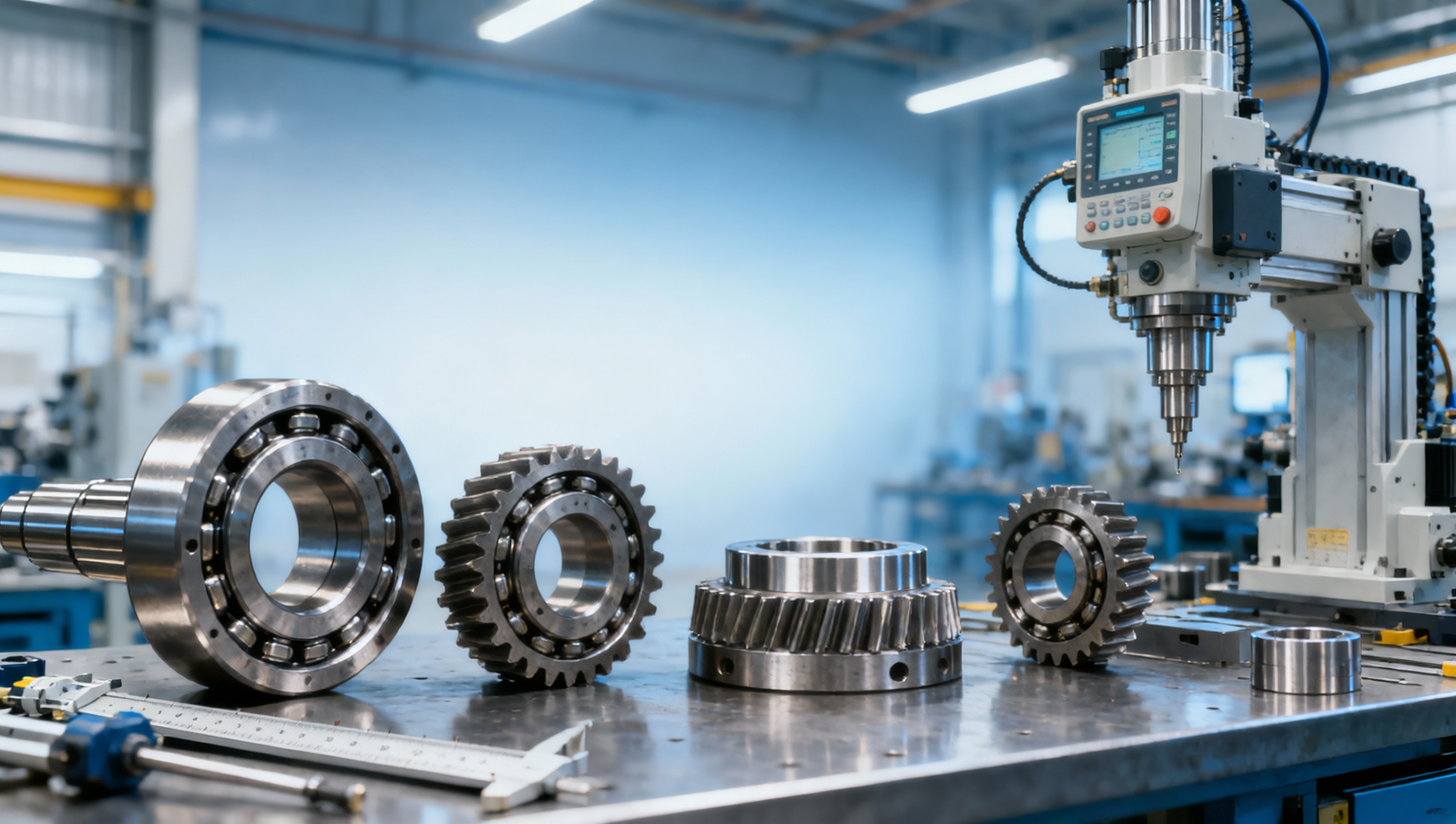
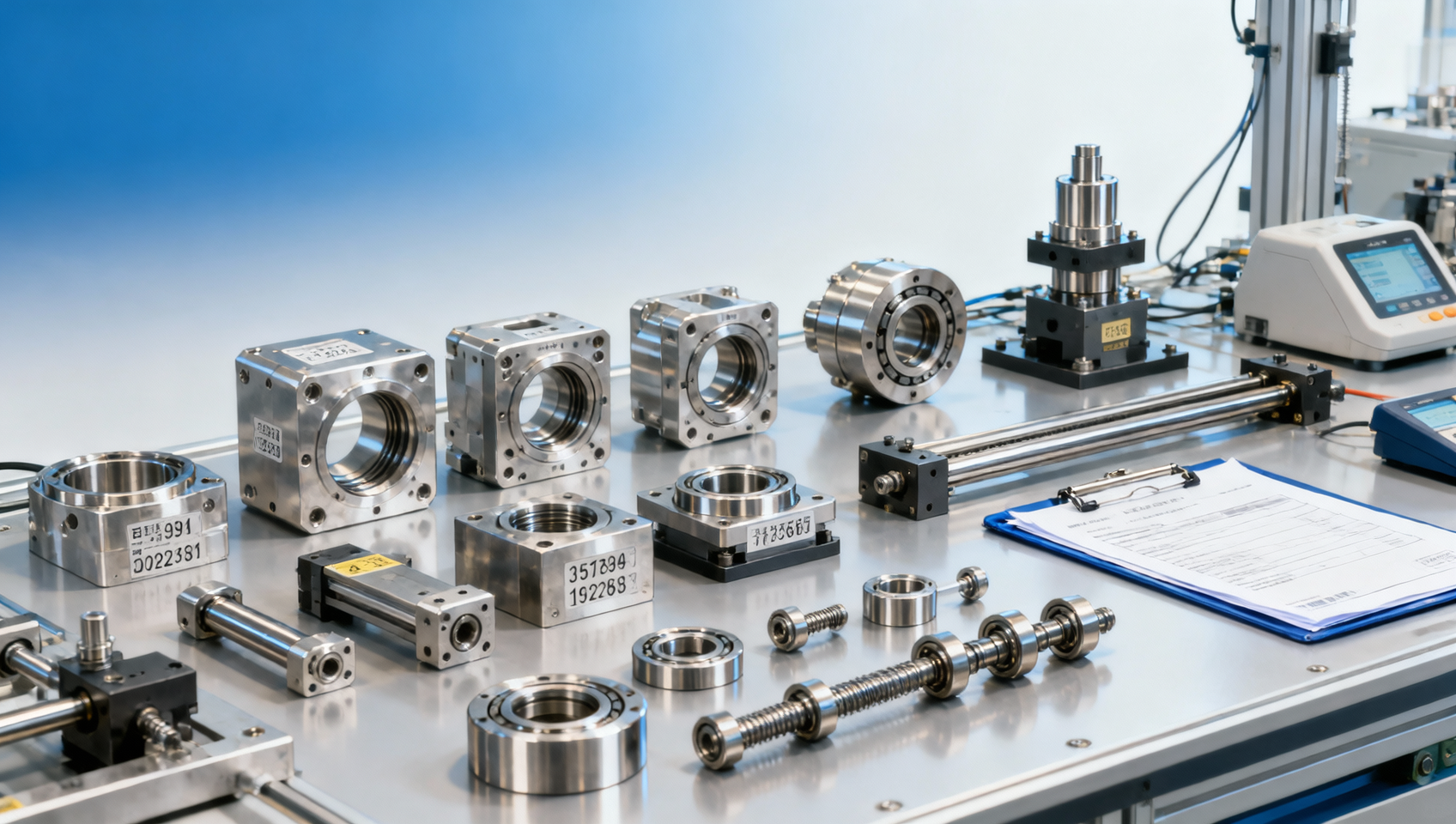
Gear manufacturing: How to optimize production for high precision?
Why precision gear manufacturing matters in advanced industries
In advanced manufacturing sectors like smart electronics and green energy, gear precision directly impacts system reliability and energy efficiency. A 0.01mm deviation in gear tooth profile can reduce transmission efficiency by 15–20%, while increasing operational noise by 8–12 decibels. These technical constraints become critical when manufacturing components for commercial energy storage systems, where gears must operate continuously for 8,000–10,000 hours without failure.
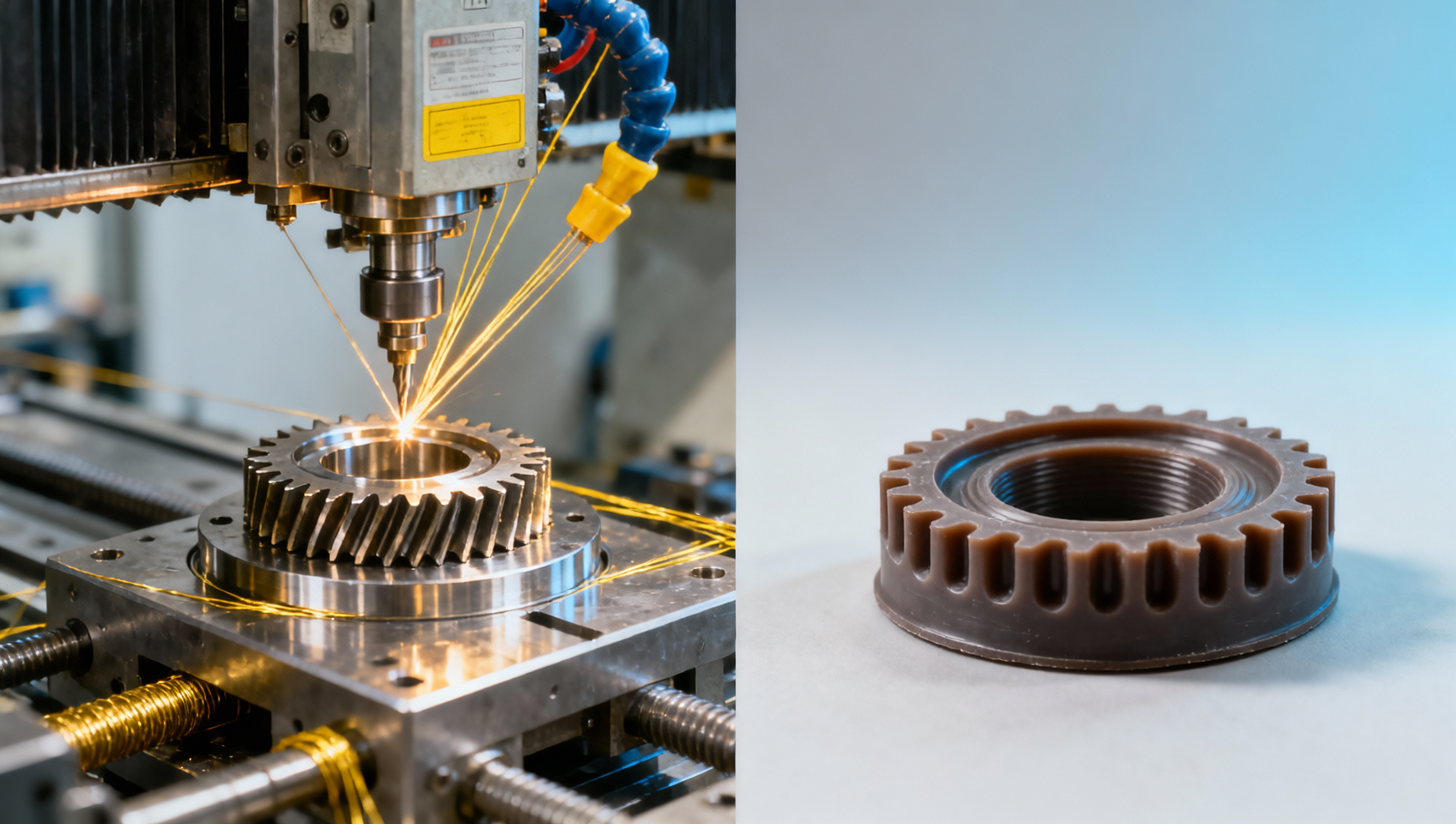
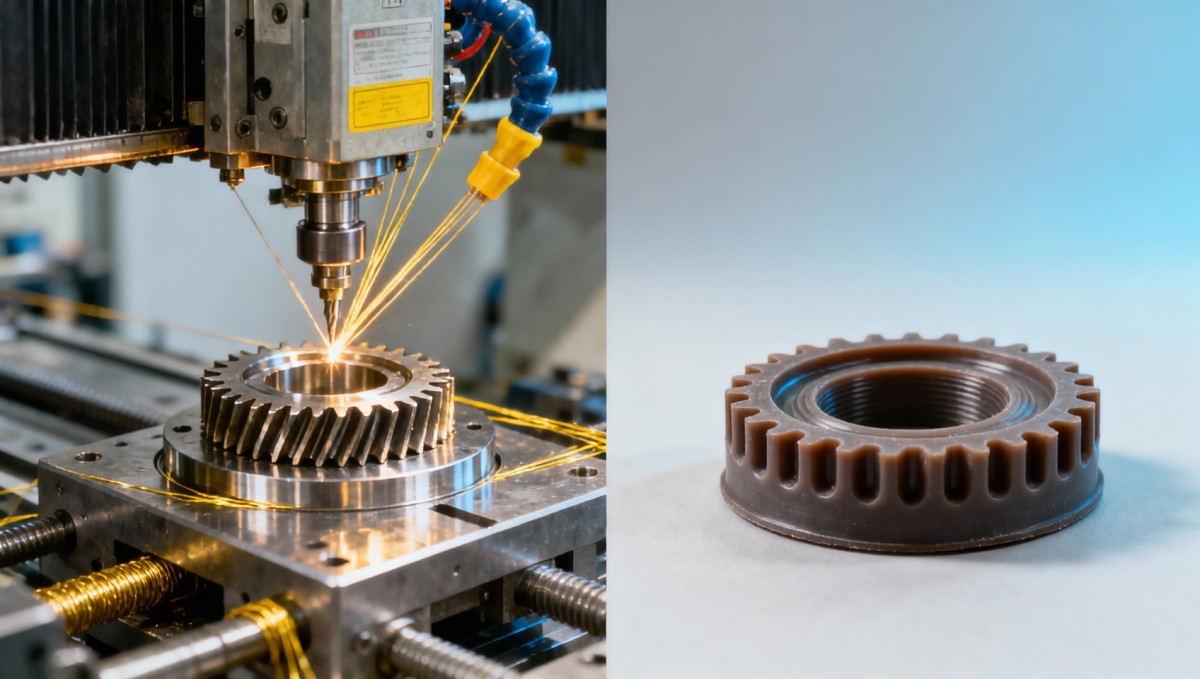
Modern applications demand gears with surface roughness below Ra0.4μm and positional accuracy within ±0.005mm. Achieving these parameters requires integrating wire EDM (Electrical Discharge Machining) with custom rubber molds for noise dampening. For example, in off-grid solar systems, precision-molded rubber gears reduce vibration by 40% compared to traditional metal gears, extending component lifespan by 3–5 years.
TradeNexus Pro (TNP) tracks 2,300+ global manufacturers specializing in high-precision gear solutions. Our database reveals that 68% of leading suppliers now offer hybrid manufacturing services combining CNC machining with additive manufacturing, enabling complex gear geometries impossible to produce through conventional methods.
Key technologies driving precision optimization
Wire EDM for micro-gears
Wire EDM achieves ±0.002mm positional accuracy through non-contact cutting, eliminating tool wear errors common in milling. For micro-gears (module <0.3mm), this technology reduces production costs by 35–40% compared to traditional hobbing. A typical implementation involves 4-axis simultaneous machining with brass wire diameters ranging from 0.05mm to 0.3mm.
Leading suppliers like Mitsubishi Electric and GF Machining Solutions offer wire EDM machines with pulse durations as short as 0.2μs, enabling surface finishes below Ra0.1μm. These machines typically require 2–3 days for setup and calibration, with production runs averaging 500–1,000 gears per batch depending on complexity.
Custom rubber molding for noise control
Precision rubber molding addresses vibration and noise issues through material selection and mold design. Silicone rubber with Shore A hardness 40–60 provides optimal damping properties, reducing gear mesh noise by 6–8 decibels. The molding process involves 6 key steps:
- Material selection based on operating temperature (-40℃ to +150℃)
- 3D CAD modeling with 0.005mm tolerance
- Aluminum mold fabrication (lead time: 7–10 days)
- Compression molding at 160–180℃
- Post-curing for dimensional stability
- Quality inspection using laser scanning
TNP's technical analysis shows that custom rubber gears cost 25–30% more than standard metal gears but deliver 3–5 times longer service life in harsh environments. This cost-benefit ratio improves significantly for low-volume production (100–500 units/year), where rubber molding's tooling costs get amortized over fewer parts.
Production optimization strategies
Process parameter optimization
Achieving consistent precision requires optimizing 12–15 key process parameters. For wire EDM, these include:
Our field tests indicate that parameter optimization can reduce production scrap rates from 8–12% to 2–3% in high-precision gear manufacturing. This improvement translates to annual savings of $15,000–$25,000 for mid-sized production facilities processing 10,000–20,000 gears annually.
Quality control implementation
Effective quality control requires 3 measurement stages:
- In-process inspection using laser micrometers (measurement interval: every 50 parts)
- Post-machining CMM (Coordinate Measuring Machine) inspection (sample size: 10% of batch)
- Final functional testing under load conditions
For rubber gears, additional quality checks include:
- Shore hardness testing (±3 Shore A tolerance)
- Compression set measurement (≤15% after 72 hours at 70℃)
- Ozone resistance testing (50pphm for 72 hours)
TNP's supplier evaluation framework shows that manufacturers implementing comprehensive quality control systems achieve 98.5–99.2% first-pass yield rates, compared to 92–95% for facilities with basic inspection protocols. This difference becomes critical when supplying components for mission-critical applications like medical devices or aerospace systems.
Cost optimization through material selection
Material costs typically account for 45–55% of total gear manufacturing expenses. The table below compares common material options for precision gears:
For hybrid gear systems combining metal and rubber components, cost savings of 18–25% can be achieved through optimal material distribution. For example, using stainless steel for the gear core and silicone rubber for the outer profile reduces material costs by 22% while maintaining required precision and noise control specifications.
TNP's cost analysis model indicates that material selection decisions should consider not just raw material prices but also:
- Machining allowance requirements (harder materials need more stock removal)
- Tool wear rates (affecting production efficiency)
- Post-processing needs (heat treatment, surface coating)
- Lifecycle costs (maintenance and replacement frequency)
Why partner with TradeNexus Pro for precision gear solutions?
As the premier B2B intelligence platform for advanced manufacturing, TradeNexus Pro offers unparalleled access to verified suppliers specializing in high-precision gear production. Our database contains 1,200+ manufacturers with ISO 9001:2015 and IATF 16949 certifications, ensuring compliance with automotive and industrial quality standards.
For procurement directors and engineering managers, we provide:
- Detailed supplier profiles with production capacity data (50–500,000 units/month)
- Technical evaluations of wire EDM and rubber molding capabilities
- Case studies demonstrating precision optimization in similar applications
- Cost comparison tools for material and process selection
To access our supplier database and receive customized recommendations for your precision gear manufacturing needs, contact our technical procurement team with your specific requirements including:
- Target gear module and pressure angle specifications
- Required surface finish and positional accuracy
- Annual production volume and delivery schedule
- Compliance requirements (ISO, ASTM, DIN standards)
Our team will respond within 24 hours with supplier matches, technical evaluations, and cost estimates to help you optimize your precision gear manufacturing process.
Get weekly intelligence in your inbox.
No noise. No sponsored content. Pure intelligence.
 Apr 17, 2026Temperature data loggers drift unpredictably inside lithium-ion battery storage enclosuresTemperature data loggers drift unpredictably inside lithium-ion battery storage enclosures
 Apr 17, 2026Are solar microinverters really worth the extra cost?Are solar microinverters really worth the extra cost?
 Apr 17, 2026Bifacial solar panels: How much more energy can they generate?Bifacial solar panels: How much more energy can they generate?
 Apr 17, 2026Gear manufacturing: How to optimize production for high precision?Gear manufacturing: How to optimize production for high precision?
 Apr 17, 2026Why power transmission components fail earlier than expectedWhy power transmission components fail earlier than expected
 Apr 17, 2026Linear motion systems: belt drive or ball screw for speed?Linear motion systems: belt drive or ball screw for speed?
 Apr 17, 2026Industrial bearing suppliers: what signals reliable quality?Industrial bearing suppliers: what signals reliable quality?
 Apr 17, 2026When pneumatic valves wholesale gets expensive laterWhen pneumatic valves wholesale gets expensive later
 Apr 17, 2026Hydraulic cylinder fabrication mistakes that cause oil leaksHydraulic cylinder fabrication mistakes that cause oil leaks
 Apr 17, 2026Heavy equipment manufacturing delays often start hereHeavy equipment manufacturing delays often start here
 Apr 17, 2026Custom heatsinks: when a larger size solves nothingCustom heatsinks: when a larger size solves nothing
 Apr 17, 2026Electronic enclosure fabrication: steel or aluminum?Electronic enclosure fabrication: steel or aluminum?
 Apr 17, 2026Automotive parts machining tolerances that drive up scrapAutomotive parts machining tolerances that drive up scrap
 Apr 17, 2026Medical device manufacturing changes under tighter traceabilityMedical device manufacturing changes under tighter traceability
 Apr 17, 2026How to Choose Solid State Batteries in 2026How to Choose Solid State Batteries in 2026
 Apr 17, 2026Are Solid State Batteries Worth the Cost Yet?Are Solid State Batteries Worth the Cost Yet?
 Apr 17, 2026Commercial Energy Storage Sizing: What Matters Most?Commercial Energy Storage Sizing: What Matters Most?
 Apr 17, 2026Commercial Energy Storage ROI: How to Assess ItCommercial Energy Storage ROI: How to Assess It
 Apr 17, 2026Off Grid Solar Systems: What to Avoid FirstOff Grid Solar Systems: What to Avoid First
 Apr 17, 2026Who Should Use Off Grid Solar Systems?Who Should Use Off Grid Solar Systems?
 Apr 17, 2026Solar Microinverters vs String Inverters: Which Fits?Solar Microinverters vs String Inverters: Which Fits?
 Apr 17, 2026When Do Solar Microinverters Make More Sense?When Do Solar Microinverters Make More Sense?
 Apr 17, 2026How digital freight matching for international shipping cuts transit time by up to 22% in 2026How digital freight matching for international shipping cuts transit time by up to 22% in 2026
 Apr 17, 2026Why port automation tech for smart logistics reduces container handling errors by 37% at Tier-1 terminalsWhy port automation tech for smart logistics reduces container handling errors by 37% at Tier-1 terminals
 Apr 17, 2026What yard management systems for port operations actually deliver in real-world deploymentsWhat yard management systems for port operations actually deliver in real-world deployments
 Apr 17, 2026Can digital customs clearance for sea freight reduce D/O processing from 48 hours to under 90 minutesCan digital customs clearance for sea freight reduce D/O processing from 48 hours to under 90 minutes
 Apr 17, 2026How returnable transport packaging for automotive parts lowers TCO by 18–25% over 3 yearsHow returnable transport packaging for automotive parts lowers TCO by 18–25% over 3 years