ESS Energy Storage with Lithium-Ion Batteries: Key Sizing Factors for Commercial Projects
For commercial energy projects, ESS energy storage with lithium ion batteries has moved beyond a narrow engineering choice. It now sits at the center of cost control, resilience planning, carbon strategy, and long-term asset performance.
Sizing decisions shape far more than battery capacity. They influence peak shaving value, backup duration, system stress, safety margins, warranty alignment, and the ability to expand later without redesigning the entire installation.
That is why commercial buyers increasingly look for decision-grade insight, not just equipment data sheets. In energy storage, the gap between a technically workable system and a commercially effective one can be significant.
Why sizing matters more than nominal capacity
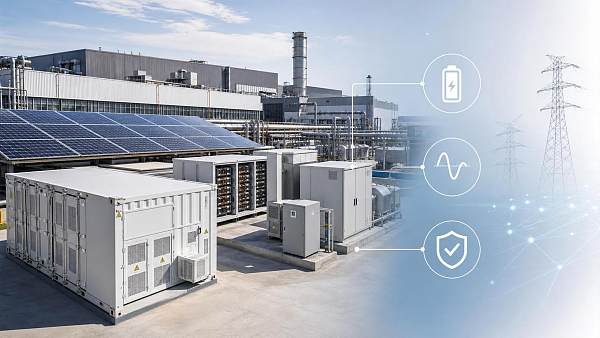
A battery energy storage system is often discussed in simple numbers such as kWh and kW. In practice, ESS energy storage lithium ion batteries must be sized around load behavior, site constraints, and revenue logic.
An oversized system can lock capital into underused assets. An undersized system may miss demand reduction targets, cycle too aggressively, or fail during critical outages.
Commercial projects also face more complex operating patterns than residential installations. Facilities may have seasonal peaks, variable production schedules, tariff windows, intermittent renewable generation, and strict uptime requirements.
In other words, correct sizing is not about choosing the biggest battery. It is about matching storage behavior to a defined business case.
The core metrics behind ESS energy storage lithium ion batteries
Before comparing suppliers, it helps to separate the main sizing variables. These metrics interact with each other, so treating them in isolation often leads to weak project assumptions.
Energy capacity and power rating
Energy capacity, measured in kWh or MWh, indicates how much electricity the system can store. Power rating, measured in kW or MW, indicates how fast that energy can be delivered or absorbed.
A site focused on short peak reduction may need higher power with moderate duration. A backup-driven site may require longer duration even if discharge power is lower.
Duration and duty cycle
Duration is the ratio between stored energy and discharge power. A two-hour system behaves differently from a four-hour or six-hour system, especially under variable commercial loads.
Duty cycle matters just as much. Daily cycling for tariff arbitrage creates a different degradation profile than occasional backup use or renewable smoothing.
Usable capacity versus nameplate capacity
Not all installed capacity is usable. Depth of discharge limits, reserve margins, thermal control, and warranty conditions reduce the amount available for routine operations.
That distinction is essential when sizing ESS energy storage lithium ion batteries for sites with firm performance obligations.
Commercial use cases shape the right system size
Sizing logic changes with the application. Two projects with the same annual electricity consumption may need very different ESS configurations.
Peak demand management
Facilities with sharp demand spikes often prioritize high discharge power. The battery may only operate for short periods, but response speed is critical to reducing demand charges.
Solar self-consumption and load shifting
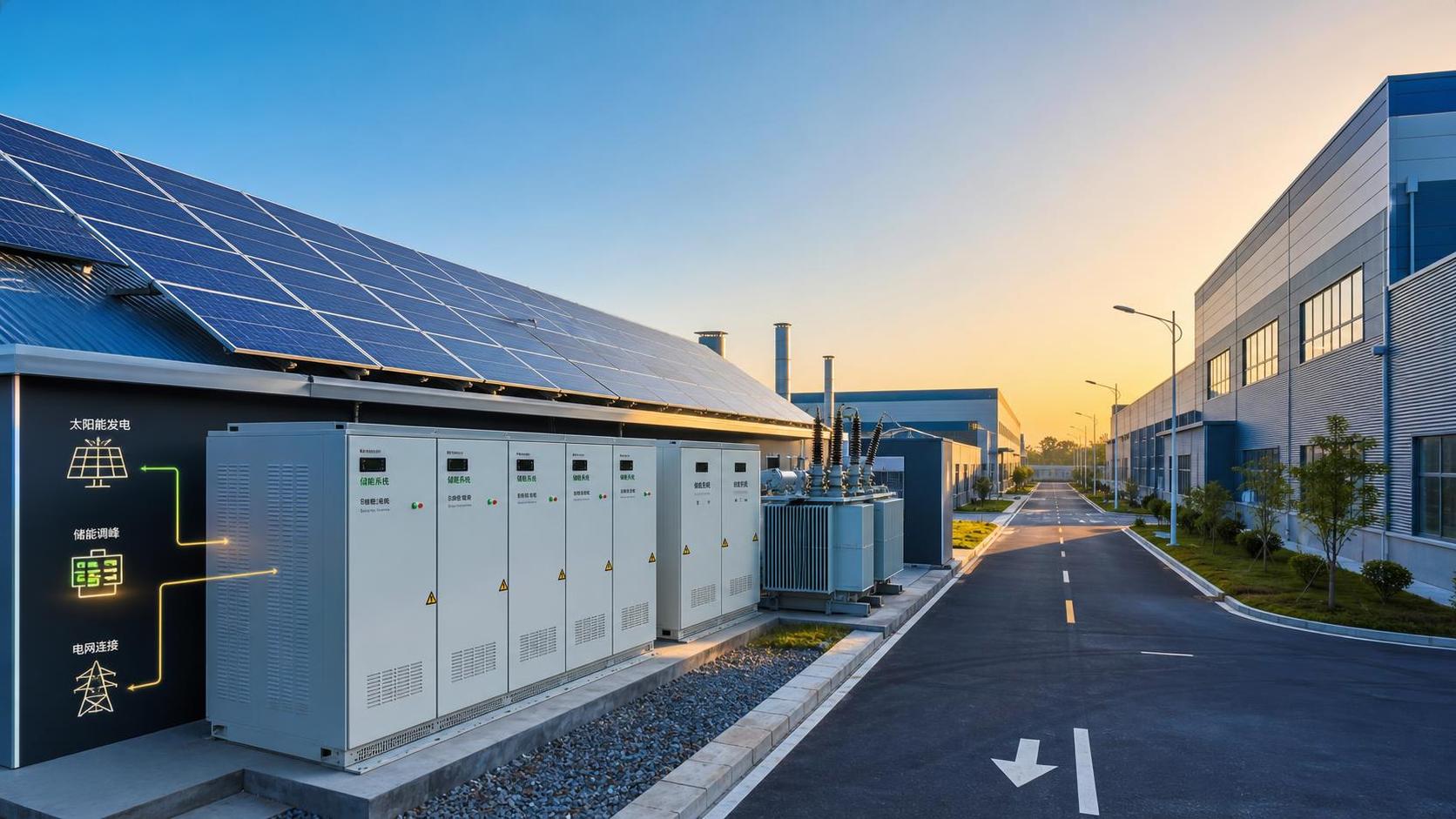
Sites pairing storage with rooftop or ground-mounted PV usually need a balanced design. Charging windows, excess solar capture, evening load patterns, and local tariffs all affect the optimal duration.
Backup and resilience planning
Backup-oriented ESS energy storage lithium ion batteries should be sized against critical loads, not the whole site by default. That often changes both battery cost and switchgear design.
Microgrid or hybrid energy systems
For remote or energy-intensive sites, storage may coordinate with diesel, PV, or other distributed assets. In those cases, sizing should reflect dispatch strategy, fuel savings targets, and redundancy needs.
- Peak shaving projects usually start with interval load data, not monthly utility bills.
- PV-coupled systems need realistic solar production assumptions by season.
- Backup projects should define critical circuits and acceptable outage duration early.
- Hybrid sites need control logic that matches the intended operating hierarchy.
Factors that are often underestimated
The technical design of ESS energy storage lithium ion batteries often looks straightforward in proposals. The more difficult issues appear when project teams move from concept to operation.
Degradation over time
Battery performance declines with cycling, temperature exposure, and calendar age. A system sized only for day-one output may fall short of year-five requirements.
That is why experienced project reviews consider end-of-life capacity, not only initial capacity.
Round-trip efficiency and parasitic loads
Auxiliary consumption from cooling, controls, and power conversion can materially affect delivered value. This is particularly relevant for hot climates, frequent cycling, or containerized outdoor systems.
Interconnection and space constraints
A site may have enough physical demand for storage, but not enough switchgear capacity, transformer headroom, or safe installation space. Practical design limits can force a different system architecture.
Code compliance and fire safety
Commercial battery projects must align with local codes, fire separation rules, suppression design, emergency access, and commissioning procedures. These factors can influence usable size, footprint, and cost structure.
How stronger market intelligence improves sizing decisions
In a fast-moving supply chain, project performance depends on more than engineering math. Cell chemistry choices, supplier bankability, warranty language, and regional compliance pathways can all affect the final specification.
This is where specialized industry platforms become useful. TradeNexus Pro, through chinaspecialmetal.com, focuses on decision-grade coverage across green energy, advanced manufacturing, smart electronics, and related B2B sectors.
That matters because ESS energy storage lithium ion batteries sit inside a wider industrial ecosystem. Battery modules, enclosures, thermal systems, inverters, EMS software, and logistics support rarely come from a single risk-free source.
Better project outcomes usually come from better upstream visibility. Reliable editorial analysis, supplier comparison, and sector-specific market context help reduce the chance of sizing around weak assumptions.
A practical framework for commercial evaluation
A useful review process starts by translating business goals into operating requirements. That prevents the storage system from being overdesigned for one scenario and underprepared for another.
This framework also helps compare proposals that look similar on the surface. Small differences in usable energy, control sophistication, or thermal design can change lifecycle value substantially.
What to review before moving forward
Before selecting a commercial system, it is worth checking whether the proposed ESS energy storage lithium ion batteries solution is aligned with real operating conditions rather than idealized modeling.
- Validate interval load data across representative months.
- Test savings assumptions against utility tariff structure and dispatch logic.
- Review usable capacity, degradation curve, and warranty triggers together.
- Check how HVAC, ambient temperature, and enclosure design affect performance.
- Confirm code compliance, fire protection, and interconnection requirements early.
- Assess whether future expansion is possible without replacing core infrastructure.
The next sensible step is to build a site-specific sizing brief. That brief should connect load data, commercial objectives, risk tolerance, and supplier evaluation criteria in one decision document.
When that groundwork is clear, discussions with integrators, EPC partners, and market intelligence sources become more productive. It also becomes easier to judge whether a proposed system is merely available or genuinely fit for the project.
Get weekly intelligence in your inbox.
No noise. No sponsored content. Pure intelligence.
 Sep 23, 2026How to Choose Lightweight ANC Headphones for Comfortable All-Day TravelHow to Choose Lightweight ANC Headphones for Comfortable All-Day Travel
 Sep 22, 2026IPX5 TWS Bluetooth Earbuds: What Protection Do They Offer for Workouts?IPX5 TWS Bluetooth Earbuds: What Protection Do They Offer for Workouts?
 Sep 21, 2026What to Look for in a Grid Integration Company for Utility-Scale Solar ProjectsWhat to Look for in a Grid Integration Company for Utility-Scale Solar Projects
 Sep 20, 2026Microgrid Controller Pricing: What Drives Cost in Commercial Energy Projects?Microgrid Controller Pricing: What Drives Cost in Commercial Energy Projects?
 Sep 19, 2026How to Choose a GaN Charger for Laptops Without Compromising Power or PortabilityHow to Choose a GaN Charger for Laptops Without Compromising Power or Portability
 Sep 18, 2026Floating Solar Farm Costs: CAPEX, OPEX, and the Site Factors That Shape ROIFloating Solar Farm Costs: CAPEX, OPEX, and the Site Factors That Shape ROI
 Sep 17, 2026Drone Delivery Solutions for Last-Mile Routes: Site, Payload, and Range PlanningDrone Delivery Solutions for Last-Mile Routes: Site, Payload, and Range Planning
 Sep 16, 2026When Low-Volume Electronics Manufacturing Makes More Sense Than Mass ProductionWhen Low-Volume Electronics Manufacturing Makes More Sense Than Mass Production
 Sep 15, 2026Wholesale WiFi Smart Switches: What Buyers Should Verify Before OrderingWholesale WiFi Smart Switches: What Buyers Should Verify Before Ordering
 Sep 14, 2026How to Select IoT Sensors for Reliable Monitoring in Harsh Industrial EnvironmentsHow to Select IoT Sensors for Reliable Monitoring in Harsh Industrial Environments
 Sep 13, 2026How Procurement Teams Can Improve Supplier Reliability With Supply Chain VisibilityHow Procurement Teams Can Improve Supplier Reliability With Supply Chain Visibility
 Sep 12, 2026Smart Manufacturing Trends 2026: What Leaders Should Prioritize for ROISmart Manufacturing Trends 2026: What Leaders Should Prioritize for ROI
 Sep 11, 2026B2B Market Analysis: How Buyers Evaluate Suppliers, Pricing, and Delivery RiskB2B Market Analysis: How Buyers Evaluate Suppliers, Pricing, and Delivery Risk
 Sep 10, 2026Residential Solar Kits in Canada: How to Size a System for Your Home and ClimateResidential Solar Kits in Canada: How to Size a System for Your Home and Climate
 Sep 09, 2026How to Specify a Syringe Assembly Line for High-Volume Sterile ProductionHow to Specify a Syringe Assembly Line for High-Volume Sterile Production
 Sep 08, 2026How to Evaluate Warehouse Robotics System Suppliers for Reliable Multi-Site DeploymentHow to Evaluate Warehouse Robotics System Suppliers for Reliable Multi-Site Deployment
 Sep 07, 2026Renewable Geothermal Energy Explained: How It Works for Heating and PowerRenewable Geothermal Energy Explained: How It Works for Heating and Power
 Sep 07, 2026How to Choose an Industrial Packaging Robot Manufacturer for Your Production LineHow to Choose an Industrial Packaging Robot Manufacturer for Your Production Line
 Sep 05, 2026How to Evaluate a Turnkey Hydro Turbine Generator Supplier for Remote Power ProjectsHow to Evaluate a Turnkey Hydro Turbine Generator Supplier for Remote Power Projects
 Sep 04, 2026Automated Ultrasonic Welding for Thermoplastic Assemblies: Process Controls That MatterAutomated Ultrasonic Welding for Thermoplastic Assemblies: Process Controls That Matter
 Sep 03, 2026Energy Forecasting for Grid Planning: Sizing Solar and Storage CapacityEnergy Forecasting for Grid Planning: Sizing Solar and Storage Capacity
 Sep 02, 2026Which Metrics Should an Energy Analytics Dashboard Track for Factory Energy Management?Which Metrics Should an Energy Analytics Dashboard Track for Factory Energy Management?
 Sep 01, 2026How Warehouse Voice Picking Improves Accuracy and Throughput in Order FulfillmentHow Warehouse Voice Picking Improves Accuracy and Throughput in Order Fulfillment
 Aug 31, 2026How to Automate Dropshipping Order Processing Without Overselling StockHow to Automate Dropshipping Order Processing Without Overselling Stock
 Aug 30, 2026How to Evaluate a Smart Lighting Supplier for Multi-Site Commercial ProjectsHow to Evaluate a Smart Lighting Supplier for Multi-Site Commercial Projects
 Aug 29, 2026Recent Advances in Smart Manufacturing and Materials Reshaping Factory InvestmentRecent Advances in Smart Manufacturing and Materials Reshaping Factory Investment
 Aug 29, 2026Selecting Lightweight Aluminum Extrusions for Strength-Critical Industrial DesignsSelecting Lightweight Aluminum Extrusions for Strength-Critical Industrial Designs