How to Choose Folding Solar Chargers for Camping, RVs, and Emergency Backup
How to Choose Folding Solar Chargers for Camping, RVs, and Emergency Backup
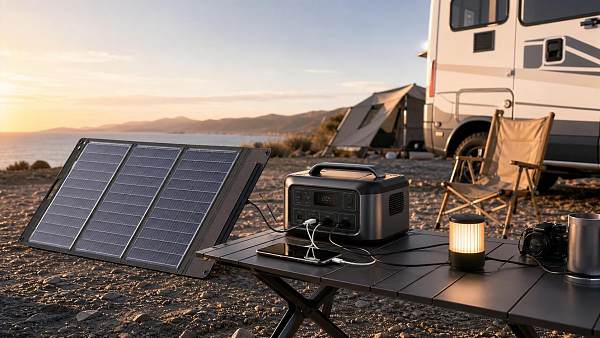
Choosing the right folding solar chargers can make a real difference outdoors and at home. A smart pick saves time, reduces stress, and keeps essential devices running.
The best model is not simply the one with the biggest wattage. Real performance depends on sunlight, panel efficiency, ports, weight, and battery pairing.
For camping, you may care most about packability. For RV travel, charging speed and daily output usually matter more. For outages, reliability becomes the priority.
That is why comparing folding solar chargers by use case is more useful than shopping by price alone. A lower-cost panel can become expensive if it underperforms when needed.
This guide breaks down the features that matter most, the trade-offs to expect, and the practical checks that help you choose with confidence.
Start with Where and How You Will Use It
Before comparing specs, think about your routine. The right folding solar chargers for weekend hiking may be wrong for an RV fridge backup plan.
A small phone-and-light setup needs less power than a multi-device camp station. The difference affects size, charging time, storage space, and budget.
- Camping: prioritize low weight, easy unfolding, and direct USB charging.
- RVs: look for higher wattage, better kickstands, and stable charging through a power station.
- Emergency backup: focus on durability, weather tolerance, and dependable output over several days.
This first decision narrows the field fast. It also helps you avoid buying oversized folding solar chargers that add cost without adding real value.
Understand Wattage Without Getting Misled
Wattage is important, but listed wattage is only a peak rating under ideal lab conditions. In real use, output is often lower.
Cloud cover, panel angle, temperature, and shadows all reduce actual generation. Even premium folding solar chargers rarely hold peak output for long.
A practical rule is to match panel size to your device needs with some buffer. That extra margin matters more than many buyers expect.
If your goal is emergency readiness, it is usually better to size for cloudy days, not sunny marketing photos. That mindset leads to better decisions.
Check Output Ports and Device Compatibility
Many folding solar chargers look similar until you inspect the outputs. That is where convenience and compatibility can differ a lot.
For direct charging, USB-A and USB-C are the most useful. USB-C Power Delivery is especially valuable for newer phones, tablets, and some laptops.
If you plan to charge a portable power station, check voltage range, connectors, and maximum input limits. A mismatch can slow charging or prevent it entirely.
- Use USB-C PD for faster charging and better future compatibility.
- Confirm whether cables and adapters are included.
- Check if the panel can charge devices directly or works best with a battery buffer.
- Review low-light charging behavior for sensitive electronics.
This is one of the most overlooked buying steps. Good folding solar chargers are not just powerful. They are easy to use with the gear you already own.
Portability Matters More Than Most Buyers Expect
A panel can look portable online and still feel awkward on the trail or in a crowded RV compartment. Weight and folded size deserve close attention.
Larger folding solar chargers usually deliver better output. But they can be harder to reposition, slower to set up, and easier to leave behind.
That trade-off becomes obvious in real use. A compact panel you actually deploy often is more helpful than a heavy one that stays stored.
- Check folded dimensions against your backpack, trunk, or RV storage bay.
- Look for sturdy handles and secure magnetic or buckle closures.
- Consider setup time if you move camp frequently.
- Balance wattage against how often you are willing to carry it.
If you travel light, prioritize realistic portability over maximum output. For RV use, you can shift a bit more toward bigger, more capable folding solar chargers.
Evaluate Durability, Weather Resistance, and Build Quality
Outdoor gear fails in small details first. Hinges, stitching, cable pockets, and kickstands often determine long-term reliability more than headline specs.
Better folding solar chargers use durable fabric layers, reinforced corners, and well-protected ports. These details matter when the panel is folded and unfolded repeatedly.
Weather resistance also deserves careful reading. Splash resistance is helpful, but it is not the same as being rainproof during an all-day storm.
- Look for ETFE or similar protective surface materials.
- Check whether the junction box and ports need extra protection.
- Read reviews for zipper, seam, and stand durability.
- Treat any panel as water-resistant, not invincible.
For emergency backup, reliability beats design flair every time. A plain but rugged panel is often the smarter long-term investment.
Pair Folding Solar Chargers with the Right Battery Strategy
Direct solar charging sounds simple, but sunlight changes constantly. That is why many people get better results by pairing folding solar chargers with a power bank or power station.
A battery smooths out clouds, shading, and interruptions. It also lets you collect energy during the day and use it after sunset.
For small devices, a quality power bank may be enough. For RV travel or outage planning, a portable power station creates much more flexibility.
This setup also protects sensitive electronics from unstable charging behavior. In practice, it often feels more dependable and less frustrating.
If your goal is dependable off-grid power, choose folding solar chargers as part of a system, not as a standalone miracle tool.
Common Buying Mistakes to Avoid
A few common mistakes show up again and again. Avoiding them can save money and help you get better performance from day one.
- Buying by wattage alone and ignoring real-world output conditions.
- Choosing oversized folding solar chargers for lightweight trips.
- Assuming every USB-C port supports fast charging.
- Skipping connector compatibility checks for power stations.
- Expecting rain exposure tolerance beyond the listed rating.
- Ignoring panel angle and placement during daily use.
A little planning goes a long way here. The strongest buying decisions usually come from matching use habits with practical performance limits.
A Simple Decision Framework for Smarter Buying
If the options still feel crowded, use a simple filter. It helps turn product browsing into a more confident decision process.
- List the devices you need to charge most often.
- Estimate daily energy use and how many cloudy days you want to handle.
- Set a maximum weight and folded size.
- Match outputs and connectors to your existing gear.
- Compare durability features, not only headline power.
- Choose the best balance of performance, portability, and reliability.
This approach works well whether you need folding solar chargers for short camping weekends, longer RV travel, or backup during outages.
The best choice is usually the one you can deploy quickly, trust in changing conditions, and use without extra hassle.
As portable energy products keep improving, there are more strong options available than before. Still, careful selection matters more than ever.
Choose folding solar chargers based on your actual routine, not marketing extremes. That simple shift will help you buy once, use often, and stay better prepared wherever you go.
Get weekly intelligence in your inbox.
No noise. No sponsored content. Pure intelligence.
 Sep 20, 2026Microgrid Controller Pricing: What Drives Cost in Commercial Energy Projects?Microgrid Controller Pricing: What Drives Cost in Commercial Energy Projects?
 Sep 19, 2026How to Choose a GaN Charger for Laptops Without Compromising Power or PortabilityHow to Choose a GaN Charger for Laptops Without Compromising Power or Portability
 Sep 18, 2026Floating Solar Farm Costs: CAPEX, OPEX, and the Site Factors That Shape ROIFloating Solar Farm Costs: CAPEX, OPEX, and the Site Factors That Shape ROI
 Sep 17, 2026Drone Delivery Solutions for Last-Mile Routes: Site, Payload, and Range PlanningDrone Delivery Solutions for Last-Mile Routes: Site, Payload, and Range Planning
 Sep 16, 2026When Low-Volume Electronics Manufacturing Makes More Sense Than Mass ProductionWhen Low-Volume Electronics Manufacturing Makes More Sense Than Mass Production
 Sep 15, 2026Wholesale WiFi Smart Switches: What Buyers Should Verify Before OrderingWholesale WiFi Smart Switches: What Buyers Should Verify Before Ordering
 Sep 14, 2026How to Select IoT Sensors for Reliable Monitoring in Harsh Industrial EnvironmentsHow to Select IoT Sensors for Reliable Monitoring in Harsh Industrial Environments
 Sep 13, 2026How Procurement Teams Can Improve Supplier Reliability With Supply Chain VisibilityHow Procurement Teams Can Improve Supplier Reliability With Supply Chain Visibility
 Sep 12, 2026Smart Manufacturing Trends 2026: What Leaders Should Prioritize for ROISmart Manufacturing Trends 2026: What Leaders Should Prioritize for ROI
 Sep 11, 2026B2B Market Analysis: How Buyers Evaluate Suppliers, Pricing, and Delivery RiskB2B Market Analysis: How Buyers Evaluate Suppliers, Pricing, and Delivery Risk
 Sep 10, 2026Residential Solar Kits in Canada: How to Size a System for Your Home and ClimateResidential Solar Kits in Canada: How to Size a System for Your Home and Climate
 Sep 09, 2026How to Specify a Syringe Assembly Line for High-Volume Sterile ProductionHow to Specify a Syringe Assembly Line for High-Volume Sterile Production
 Sep 08, 2026How to Evaluate Warehouse Robotics System Suppliers for Reliable Multi-Site DeploymentHow to Evaluate Warehouse Robotics System Suppliers for Reliable Multi-Site Deployment
 Sep 07, 2026Renewable Geothermal Energy Explained: How It Works for Heating and PowerRenewable Geothermal Energy Explained: How It Works for Heating and Power
 Sep 07, 2026How to Choose an Industrial Packaging Robot Manufacturer for Your Production LineHow to Choose an Industrial Packaging Robot Manufacturer for Your Production Line
 Sep 05, 2026How to Evaluate a Turnkey Hydro Turbine Generator Supplier for Remote Power ProjectsHow to Evaluate a Turnkey Hydro Turbine Generator Supplier for Remote Power Projects
 Sep 04, 2026Automated Ultrasonic Welding for Thermoplastic Assemblies: Process Controls That MatterAutomated Ultrasonic Welding for Thermoplastic Assemblies: Process Controls That Matter
 Sep 03, 2026Energy Forecasting for Grid Planning: Sizing Solar and Storage CapacityEnergy Forecasting for Grid Planning: Sizing Solar and Storage Capacity
 Sep 02, 2026Which Metrics Should an Energy Analytics Dashboard Track for Factory Energy Management?Which Metrics Should an Energy Analytics Dashboard Track for Factory Energy Management?
 Sep 01, 2026How Warehouse Voice Picking Improves Accuracy and Throughput in Order FulfillmentHow Warehouse Voice Picking Improves Accuracy and Throughput in Order Fulfillment
 Aug 31, 2026How to Automate Dropshipping Order Processing Without Overselling StockHow to Automate Dropshipping Order Processing Without Overselling Stock
 Aug 30, 2026How to Evaluate a Smart Lighting Supplier for Multi-Site Commercial ProjectsHow to Evaluate a Smart Lighting Supplier for Multi-Site Commercial Projects
 Aug 29, 2026Recent Advances in Smart Manufacturing and Materials Reshaping Factory InvestmentRecent Advances in Smart Manufacturing and Materials Reshaping Factory Investment
 Aug 29, 2026Selecting Lightweight Aluminum Extrusions for Strength-Critical Industrial DesignsSelecting Lightweight Aluminum Extrusions for Strength-Critical Industrial Designs
 Aug 29, 2026Vertical Powder Anodizing Explained: Process Controls for Uniform Coating QualityVertical Powder Anodizing Explained: Process Controls for Uniform Coating Quality
 Aug 29, 2026PV Module Product Due Diligence: What Buyers Should Verify Before ContractingPV Module Product Due Diligence: What Buyers Should Verify Before Contracting
 Aug 29, 2026Solar Design for Challenging Terrain: Managing Slope, Soil, and Shading RisksSolar Design for Challenging Terrain: Managing Slope, Soil, and Shading Risks