Thailand Trade Deficit Hits Record as PV, Storage Imports Jump
On April 30, 2026, Thailand’s latest customs data drew industry attention not only because the country’s goods trade deficit widened to US$12.8 billion, the highest level since 1991, but also because solar PV modules and battery storage system imports rose sharply at the same time. For developers, equipment suppliers, procurement teams, and cross-border supply chain service providers, this matters because the import surge is occurring alongside faster renewable project approvals and looser tariff quotas for imported equipment, pointing to a near-term change in procurement activity rather than a routine monthly trade fluctuation.

What the April Data Clearly Shows
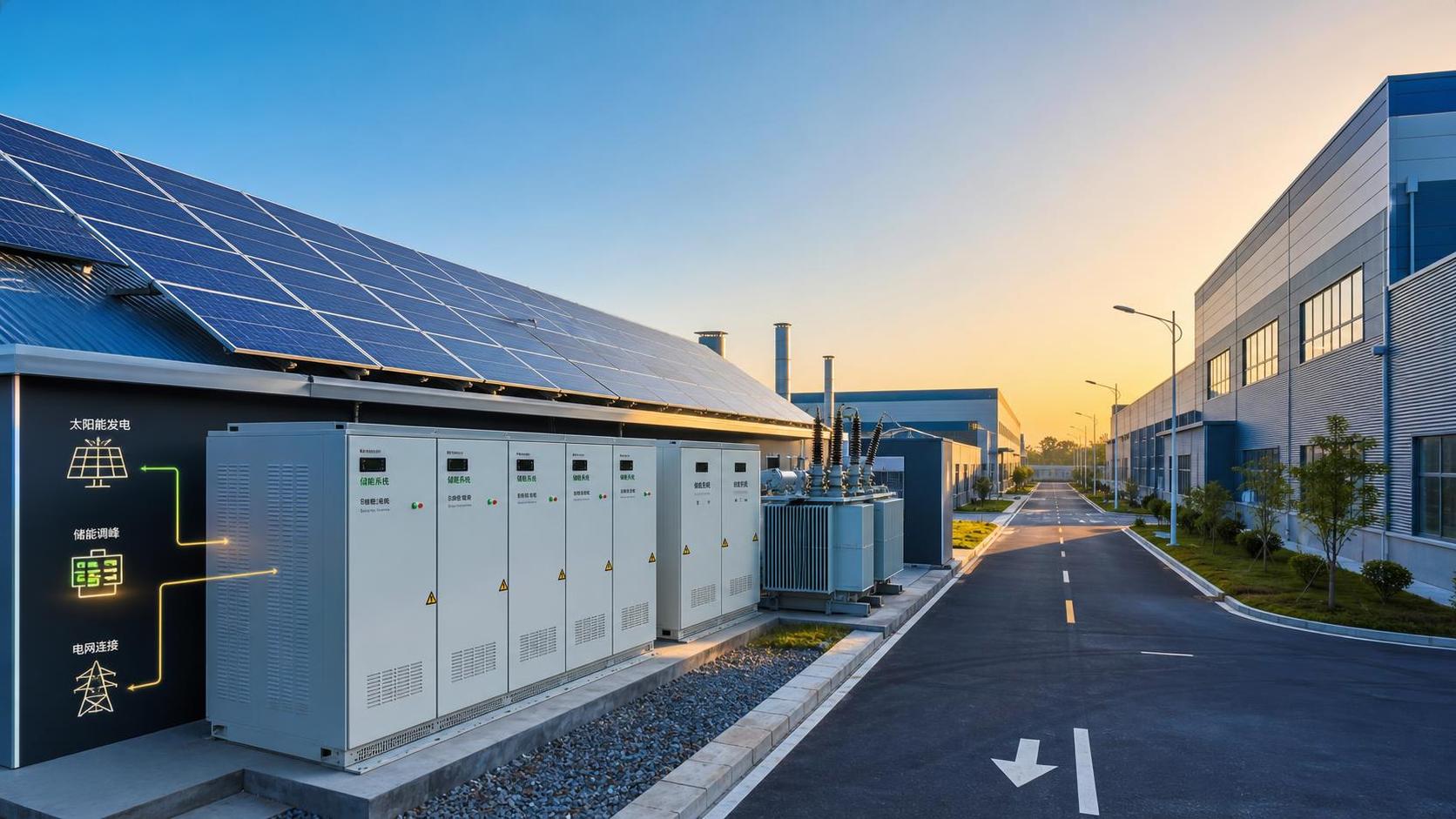
According to Thailand customs data, the country’s goods trade deficit expanded to US$12.8 billion in April 2026, setting its highest level since 1991. Within that trade picture, imports of solar PV modules increased 63% year on year, while battery storage system imports rose 89% year on year. The main suppliers for these imports were from China and Vietnam. At the same time, the government accelerated approvals for new energy projects and relaxed tariff quota arrangements for imported equipment. Based on the information provided, procurement demand expected to be released from the third quarter is projected to exceed 2.1 GW for solar PV and 1.4 GWh for energy storage.
Why Different Market Participants Are Watching Closely
Suppliers are seeing a more immediate procurement window
From an industry perspective, equipment manufacturers and exporters may be affected first because the reported import growth is concentrated in PV modules and battery storage systems. The key impact is likely to be felt in quotation cycles, order scheduling, and shipment planning tied to Thailand-bound deliveries. What deserves closer attention is whether the expected Q3 demand translates into actual purchase orders at the pace implied by the approval and tariff signals.
Developers and buyers need to distinguish approvals from executable demand
Project developers, EPC-related buyers, and procurement teams may read the policy move as a sign of faster market access for new energy assets. The business impact is likely to show up in tender timing, supplier selection, and equipment allocation decisions. Analysis shows that the practical issue is not only higher expected demand, but also how quickly approved projects move into confirmed procurement and delivery arrangements.
Logistics and trade service providers face documentation and timing pressure
For freight operators, customs brokers, and trade compliance service providers, the combination of stronger imports and adjusted tariff quota treatment may increase pressure on import processing, document readiness, and shipment coordination. Observably, these participants should pay close attention to changes that affect customs handling, tariff application, and delivery lead times for PV and storage cargoes entering Thailand.
What Companies Should Track Next
Watch for further official clarification
Analysis shows that companies should not rely on the headline import surge alone. The more important practical step is to track subsequent official language around project approvals and import tariff quota execution, because policy direction and transaction-level implementation are not always synchronized.
Focus on the two categories driving the change
PV modules and battery storage systems are the categories explicitly identified in the reported import jump. For companies active in these segments, the immediate priority is to review demand assumptions, allocation plans, and customer communication around Thailand-related business rather than treating the broader trade deficit figure as the only signal.
Prepare for procurement and delivery coordination
For sales teams and supply chain managers, what deserves closer attention is the operational link between expected Q3 demand and delivery readiness. Supplier qualifications, product documentation, contract timing, and lead-time communication may become more important if project approvals are converted into purchase activity over a short period.
Separate policy momentum from confirmed orders
Observably, the combination of faster approvals and looser import tariff quotas suggests a more supportive environment for equipment inflows, but companies still need to distinguish between policy momentum and booked business. This is especially relevant for firms planning production slots, inventory positioning, or cross-border shipments into Thailand.
How This Signal Should Be Read for Now
Analysis shows that this development is better understood as a market signal with actionable short-term implications, rather than as a fully confirmed long-term outcome. The data points to a concentrated increase in imported PV and storage equipment and a policy backdrop that may support additional procurement from Q3. At the same time, industry participants still need to verify how much of the expected demand becomes firm orders, how quickly approvals translate into execution, and whether the trade pattern remains concentrated in the same product categories and supplier origins.
A Near-Term Procurement Story, With Longer Follow-Through to Watch
For the industry, the main significance of this update is not simply that Thailand posted a record trade deficit in April, but that renewable energy equipment imports were a visible part of that shift while policy conditions also moved in favor of project processing and equipment entry. It is more appropriate to understand this as a near-term procurement and supply chain signal that could shape Q3 activity, while the broader market meaning still requires continued observation.
Basis of This Article and Ongoing Verification
This article is generated based on the user-provided news title, event date, and event summary. For developments of this kind, commonly relevant source types may include official government releases, customs disclosures, company announcements, industry association updates, authoritative media reporting, and standards or regulatory documents. A specific official source link was not provided in the input, so continued verification is still needed. What deserves closer follow-up is any later official clarification on project approvals, import tariff quota execution, and the actual release of the indicated solar PV and energy storage procurement demand.
Get weekly intelligence in your inbox.
No noise. No sponsored content. Pure intelligence.
 Sep 23, 2026How to Choose Lightweight ANC Headphones for Comfortable All-Day TravelHow to Choose Lightweight ANC Headphones for Comfortable All-Day Travel
 Sep 22, 2026IPX5 TWS Bluetooth Earbuds: What Protection Do They Offer for Workouts?IPX5 TWS Bluetooth Earbuds: What Protection Do They Offer for Workouts?
 Sep 21, 2026What to Look for in a Grid Integration Company for Utility-Scale Solar ProjectsWhat to Look for in a Grid Integration Company for Utility-Scale Solar Projects
 Sep 20, 2026Microgrid Controller Pricing: What Drives Cost in Commercial Energy Projects?Microgrid Controller Pricing: What Drives Cost in Commercial Energy Projects?
 Sep 19, 2026How to Choose a GaN Charger for Laptops Without Compromising Power or PortabilityHow to Choose a GaN Charger for Laptops Without Compromising Power or Portability
 Sep 18, 2026Floating Solar Farm Costs: CAPEX, OPEX, and the Site Factors That Shape ROIFloating Solar Farm Costs: CAPEX, OPEX, and the Site Factors That Shape ROI
 Sep 17, 2026Drone Delivery Solutions for Last-Mile Routes: Site, Payload, and Range PlanningDrone Delivery Solutions for Last-Mile Routes: Site, Payload, and Range Planning
 Sep 16, 2026When Low-Volume Electronics Manufacturing Makes More Sense Than Mass ProductionWhen Low-Volume Electronics Manufacturing Makes More Sense Than Mass Production
 Sep 15, 2026Wholesale WiFi Smart Switches: What Buyers Should Verify Before OrderingWholesale WiFi Smart Switches: What Buyers Should Verify Before Ordering
 Sep 14, 2026How to Select IoT Sensors for Reliable Monitoring in Harsh Industrial EnvironmentsHow to Select IoT Sensors for Reliable Monitoring in Harsh Industrial Environments
 Sep 13, 2026How Procurement Teams Can Improve Supplier Reliability With Supply Chain VisibilityHow Procurement Teams Can Improve Supplier Reliability With Supply Chain Visibility
 Sep 12, 2026Smart Manufacturing Trends 2026: What Leaders Should Prioritize for ROISmart Manufacturing Trends 2026: What Leaders Should Prioritize for ROI
 Sep 11, 2026B2B Market Analysis: How Buyers Evaluate Suppliers, Pricing, and Delivery RiskB2B Market Analysis: How Buyers Evaluate Suppliers, Pricing, and Delivery Risk
 Sep 10, 2026Residential Solar Kits in Canada: How to Size a System for Your Home and ClimateResidential Solar Kits in Canada: How to Size a System for Your Home and Climate
 Sep 09, 2026How to Specify a Syringe Assembly Line for High-Volume Sterile ProductionHow to Specify a Syringe Assembly Line for High-Volume Sterile Production
 Sep 08, 2026How to Evaluate Warehouse Robotics System Suppliers for Reliable Multi-Site DeploymentHow to Evaluate Warehouse Robotics System Suppliers for Reliable Multi-Site Deployment
 Sep 07, 2026Renewable Geothermal Energy Explained: How It Works for Heating and PowerRenewable Geothermal Energy Explained: How It Works for Heating and Power
 Sep 07, 2026How to Choose an Industrial Packaging Robot Manufacturer for Your Production LineHow to Choose an Industrial Packaging Robot Manufacturer for Your Production Line
 Sep 05, 2026How to Evaluate a Turnkey Hydro Turbine Generator Supplier for Remote Power ProjectsHow to Evaluate a Turnkey Hydro Turbine Generator Supplier for Remote Power Projects
 Sep 04, 2026Automated Ultrasonic Welding for Thermoplastic Assemblies: Process Controls That MatterAutomated Ultrasonic Welding for Thermoplastic Assemblies: Process Controls That Matter
 Sep 03, 2026Energy Forecasting for Grid Planning: Sizing Solar and Storage CapacityEnergy Forecasting for Grid Planning: Sizing Solar and Storage Capacity
 Sep 02, 2026Which Metrics Should an Energy Analytics Dashboard Track for Factory Energy Management?Which Metrics Should an Energy Analytics Dashboard Track for Factory Energy Management?
 Sep 01, 2026How Warehouse Voice Picking Improves Accuracy and Throughput in Order FulfillmentHow Warehouse Voice Picking Improves Accuracy and Throughput in Order Fulfillment
 Aug 31, 2026How to Automate Dropshipping Order Processing Without Overselling StockHow to Automate Dropshipping Order Processing Without Overselling Stock
 Aug 30, 2026How to Evaluate a Smart Lighting Supplier for Multi-Site Commercial ProjectsHow to Evaluate a Smart Lighting Supplier for Multi-Site Commercial Projects
 Aug 29, 2026Recent Advances in Smart Manufacturing and Materials Reshaping Factory InvestmentRecent Advances in Smart Manufacturing and Materials Reshaping Factory Investment
 Aug 29, 2026Selecting Lightweight Aluminum Extrusions for Strength-Critical Industrial DesignsSelecting Lightweight Aluminum Extrusions for Strength-Critical Industrial Designs