
IBC totes or drums which saves more in daily handling
When comparing IBC totes with drums, daily handling costs often come down to labor, space efficiency, filling speed, and product loss. For operators and facility users, choosing the right container is not just about purchase price but about smoother workflows and fewer hidden expenses. This article breaks down where ibc totes may deliver better value and when drums still make practical sense.
Where do ibc totes save more than drums in day-to-day operations?
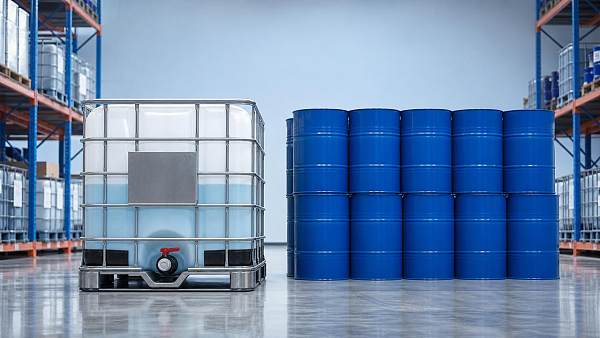
For many plants, warehouses, blending rooms, and shipping areas, the daily cost gap is created by touches. Every time a container is moved, opened, decanted, relabeled, stacked, or cleaned, labor hours increase. In that environment, ibc totes often reduce handling steps compared with multiple drums holding the same volume.
A standard intermediate bulk container can replace several drums in one unit load. That means fewer forklift trips, fewer pallet positions, fewer bung openings, and fewer chances of spills during transfer. Operators usually notice the benefit first in repetitive tasks, not in accounting reports.
Drums still have strengths. They are easier to isolate by batch, useful for smaller issue quantities, and often preferred when a site lacks tote-compatible discharge systems. But when a process depends on bulk liquid movement every day, ibc totes often shift the cost profile in a favorable direction.
- Fewer container units are needed to store the same liquid volume, reducing handling frequency.
- Integrated pallet bases make forklift movement faster than repositioning multiple drums one by one.
- Bottom discharge valves can improve controlled emptying and reduce product trapped in the container.
- Clear labeling on one bulk unit can simplify location management and inventory scanning.
Why operators often feel the difference before management sees it
Users on the floor experience the physical burden of handling containers. Rolling, tipping, pumping, and opening multiple drums takes time and attention. By contrast, ibc totes can fit more naturally into standardized forklift workflows, gravity-fed transfer points, and fixed dispensing stations.
That difference matters in sectors such as chemicals, coatings, food ingredients, water treatment, electronics materials, and healthcare support operations, where repeatable movement and controlled dispensing affect both productivity and housekeeping.
IBC totes vs drums: which handling factors matter most?
The comparison below focuses on daily operating realities rather than headline purchase cost. For users and operators, the practical question is simple: which format creates fewer touches, fewer delays, and less waste in the actual workflow?
This comparison shows why ibc totes are often chosen for bulk liquid workflows. The advantage is not universal, but in operations where the same product is moved and dispensed repeatedly, reduced touches can outweigh a higher unit purchase price.
TradeNexus Pro tracks these decisions across multiple industrial sectors, where container choice is increasingly linked to labor utilization, warehouse density, and process automation rather than packaging cost alone.
The hidden costs that distort a simple price comparison
A site may compare one drum price against one tote price and reach the wrong conclusion. Daily handling costs also include fill time, line waiting time, product left behind, housekeeping after drips, and the effort needed to connect transfer equipment safely.
If operators lose five to ten extra minutes every time they consolidate drums or switch containers at the line, the annual impact can become larger than the container price difference. That is where ibc totes often prove their value.
Which workflows favor ibc totes, and when do drums still make sense?
Not every plant should replace drums. The better question is which workflow pattern benefits from ibc totes and which one still favors drums. Users should look at volume per shift, transfer frequency, product sensitivity, and how much floor space is under pressure.
The table below helps operators and buyers match container type to real facility conditions instead of relying on general preference.
The pattern is clear. Ibc totes usually win where throughput is high, space matters, and repeatability is important. Drums often remain useful where operations need smaller units, strict lot segregation, or legacy equipment that is already optimized around drum handling.
Examples from cross-industry handling environments
- In advanced manufacturing, ibc totes can reduce line stoppages when coolants, additives, or process liquids are consumed steadily through the shift.
- In green energy supply chains, bulk fluids often move between blending, storage, and outbound staging, making unit consolidation attractive.
- In smart electronics materials handling, drums may remain relevant for higher-purity smaller lots or materials requiring tighter batch control.
- In healthcare support operations, the decision often depends on sanitation practices, traceability needs, and whether the process uses closed transfer systems.
How should operators evaluate true handling cost?
To judge whether ibc totes save money, users should measure the full handling cycle. The important numbers are often operational, not financial: minutes per move, container changes per shift, liters lost to residue, and time spent on cleanup or rework.
A practical checklist for site evaluation
- Calculate how many drums are replaced by one tote for the same usable volume, not only nominal volume.
- Record forklift moves, pump connections, and operator interventions required for each format during a normal shift.
- Check whether current filling and discharge stations can accept ibc totes without unsafe improvisation or process delays.
- Assess product compatibility, especially with corrosive, viscous, temperature-sensitive, or regulated liquids.
- Include cleaning, return logistics, or disposal practices because these can change the total cost picture significantly.
This method turns a packaging choice into a workflow decision. It also helps procurement teams speak the same language as operators. TradeNexus Pro often sees the strongest sourcing outcomes when plant users, HSE teams, and buyers evaluate the same handling data together.
What technical details affect daily performance?
With ibc totes, pay attention to valve configuration, outlet size, pallet construction, filling opening, and whether the container is designed for the product’s chemical profile. With drums, the key points often include lining, closure type, compatibility with drum pumps, and safe manual handling procedures.
For regulated transport or hazardous contents, users should also confirm whether the selected format aligns with applicable UN packaging requirements, labeling rules, and site-specific storage controls. Compliance does not automatically favor one format; it depends on the product and route.
What mistakes cause companies to overestimate or underestimate ibc totes?
One common mistake is assuming all liquids behave the same. Low-viscosity products may drain cleanly from ibc totes, while thicker materials may need special valves, heating, or assisted discharge. If that is ignored, a tote that looked efficient on paper may become inconvenient on the floor.
Another mistake is ignoring infrastructure. If the facility has no stable tote dispensing station, poor hose routing or awkward valve access can offset the time saved from bulk handling. On the other hand, operations with well-designed transfer points can gain a clear productivity advantage from ibc totes.
- Do not compare only container price without counting labor and product loss.
- Do not assume one tote automatically replaces drums efficiently if the process uses many small batch withdrawals.
- Do not overlook warehouse turning radius, rack policy, and forklift access when switching formats.
- Do not forget traceability needs, especially when the same product family is handled across several production areas.
FAQ: common questions about ibc totes and drum handling
Are ibc totes always cheaper than drums in daily use?
Not always. Ibc totes often reduce labor, floor space use, and transfer interruptions, but the savings depend on product type, site layout, and dispensing method. If your operation handles many small separate lots, drums may still be more practical despite higher handling frequency.
Which products are best suited to ibc totes?
Ibc totes are widely used for liquids that move in repeatable bulk volumes, including many process chemicals, water treatment fluids, ingredients, and industrial intermediates. Suitability depends on compatibility, required cleanliness, viscosity, and whether a closed transfer or bottom-discharge setup is available.
What should operators check before changing from drums to ibc totes?
Check forklift routes, valve access, hose connections, discharge height, spill control, and storage rules. Also verify whether receiving, filling, and production teams can work with the new format without adding unsafe manual steps. A small trial can reveal issues early.
Do ibc totes reduce product loss?
They often can, especially where bottom discharge reduces the need for tipping or improvised pouring. However, the result depends on liquid behavior and the discharge system. For viscous products, the wrong valve or poor setup can still leave significant residue.
How can procurement teams make a better container decision?
Use a cross-functional review. Involve operators, maintenance, safety, warehouse staff, and buyers. Compare container formats by touch count, shift output, compatibility, storage density, and downstream handling requirements. That approach is far more reliable than choosing by unit price alone.
Why choose us for container decision support and sourcing insight?
TradeNexus Pro helps procurement directors, supply chain managers, and plant users evaluate decisions like ibc totes versus drums through a broader operational lens. Our sector-focused research environment connects packaging choice with sourcing risk, workflow efficiency, and supply chain practicality across advanced manufacturing, green energy, smart electronics, healthcare technology, and Supply Chain SaaS ecosystems.
If you are reviewing ibc totes for daily handling, you can consult us for specific decision points: parameter confirmation, application fit, discharge method considerations, warehouse handling impact, delivery timing, supplier screening logic, compliance questions, sample support pathways, and quotation communication planning.
For teams under pressure to reduce touches, improve storage efficiency, or standardize liquid handling, a structured comparison can prevent costly trial and error. Bring your use case, current drum workflow, target throughput, and any certification or logistics constraints. We can help you frame the right questions before you commit to a sourcing direction.
Get weekly intelligence in your inbox.
No noise. No sponsored content. Pure intelligence.
 Oct 08, 2026How Digital Health Improves Diagnostic Accuracy and Workflow in Clinical LabsHow Digital Health Improves Diagnostic Accuracy and Workflow in Clinical Labs
 Oct 07, 2026Selecting Voice Picking Systems for German Warehouses: Integration, Languages and ROISelecting Voice Picking Systems for German Warehouses: Integration, Languages and ROI
 Oct 06, 2026How to Choose Last Mile Dispatch Software for On-Time Delivery at ScaleHow to Choose Last Mile Dispatch Software for On-Time Delivery at Scale
 Oct 05, 2026Vietnam’s Consumer Electronics Market: Demand Shifts and Sourcing OpportunitiesVietnam’s Consumer Electronics Market: Demand Shifts and Sourcing Opportunities
 Oct 04, 2026Digital Health Investment Priorities for Providers: Improving Access, Outcomes, and EfficiencyDigital Health Investment Priorities for Providers: Improving Access, Outcomes, and Efficiency
 Oct 03, 2026How to Specify an FR4 Custom PCB Board for High-Voltage and High-Heat DesignsHow to Specify an FR4 Custom PCB Board for High-Voltage and High-Heat Designs
 Oct 02, 2026ERP Software Market Intelligence: Adoption, Pricing, and Vendor Signals to WatchERP Software Market Intelligence: Adoption, Pricing, and Vendor Signals to Watch
 Oct 01, 2026How to Select Calibrated Temperature Data Loggers for GMP Cold Storage MonitoringHow to Select Calibrated Temperature Data Loggers for GMP Cold Storage Monitoring
 Sep 30, 2026Custom Molded Rubber Pricing: What Drives Unit Cost and Tooling Fees?Custom Molded Rubber Pricing: What Drives Unit Cost and Tooling Fees?
 Sep 29, 2026How to Evaluate Energy Management Software Vendors for Multi-Site OperationsHow to Evaluate Energy Management Software Vendors for Multi-Site Operations
 Sep 28, 2026How to Select a DIN Rail Smart Meter for Multi-Circuit Energy MonitoringHow to Select a DIN Rail Smart Meter for Multi-Circuit Energy Monitoring
 Sep 27, 2026TWS Earbuds in Vietnam: Demand Drivers, Price Tiers, and Retail Channel OpportunitiesTWS Earbuds in Vietnam: Demand Drivers, Price Tiers, and Retail Channel Opportunities
 Sep 26, 2026How UAE Clinics Can Qualify a Smart Glucometer Supplier for Accuracy and ComplianceHow UAE Clinics Can Qualify a Smart Glucometer Supplier for Accuracy and Compliance
 Sep 25, 2026Buying Aesthetic Lasers in the USA: FDA Status, Wavelengths, and Service SupportBuying Aesthetic Lasers in the USA: FDA Status, Wavelengths, and Service Support
 Sep 24, 2026Laser Cutting Brass Sheet: How to Prevent Burrs and Heat Marks on Thin PartsLaser Cutting Brass Sheet: How to Prevent Burrs and Heat Marks on Thin Parts
 Sep 23, 2026How to Choose Lightweight ANC Headphones for Comfortable All-Day TravelHow to Choose Lightweight ANC Headphones for Comfortable All-Day Travel
 Sep 22, 2026IPX5 TWS Bluetooth Earbuds: What Protection Do They Offer for Workouts?IPX5 TWS Bluetooth Earbuds: What Protection Do They Offer for Workouts?
 Sep 21, 2026What to Look for in a Grid Integration Company for Utility-Scale Solar ProjectsWhat to Look for in a Grid Integration Company for Utility-Scale Solar Projects
 Sep 20, 2026Microgrid Controller Pricing: What Drives Cost in Commercial Energy Projects?Microgrid Controller Pricing: What Drives Cost in Commercial Energy Projects?
 Sep 19, 2026How to Choose a GaN Charger for Laptops Without Compromising Power or PortabilityHow to Choose a GaN Charger for Laptops Without Compromising Power or Portability
 Sep 18, 2026Floating Solar Farm Costs: CAPEX, OPEX, and the Site Factors That Shape ROIFloating Solar Farm Costs: CAPEX, OPEX, and the Site Factors That Shape ROI
 Sep 17, 2026Drone Delivery Solutions for Last-Mile Routes: Site, Payload, and Range PlanningDrone Delivery Solutions for Last-Mile Routes: Site, Payload, and Range Planning
 Sep 16, 2026When Low-Volume Electronics Manufacturing Makes More Sense Than Mass ProductionWhen Low-Volume Electronics Manufacturing Makes More Sense Than Mass Production
 Sep 15, 2026Wholesale WiFi Smart Switches: What Buyers Should Verify Before OrderingWholesale WiFi Smart Switches: What Buyers Should Verify Before Ordering
 Sep 14, 2026How to Select IoT Sensors for Reliable Monitoring in Harsh Industrial EnvironmentsHow to Select IoT Sensors for Reliable Monitoring in Harsh Industrial Environments
 Sep 13, 2026How Procurement Teams Can Improve Supplier Reliability With Supply Chain VisibilityHow Procurement Teams Can Improve Supplier Reliability With Supply Chain Visibility
 Sep 12, 2026Smart Manufacturing Trends 2026: What Leaders Should Prioritize for ROISmart Manufacturing Trends 2026: What Leaders Should Prioritize for ROI



























