
Yard management systems solve delays before they hit the dock
In modern supply chains, small yard bottlenecks can quickly become costly dock delays. Yard management systems give enterprise leaders the visibility, coordination, and real-time control needed to keep trailers, labor, and appointments moving efficiently. For decision-makers focused on resilience and throughput, understanding how these systems prevent disruption before it reaches the dock is now a strategic priority.
What are yard management systems, and why do they matter before the dock?
Yard management systems are digital platforms that coordinate trailer movement, gate activity, yard checks, parking, and dock assignment.
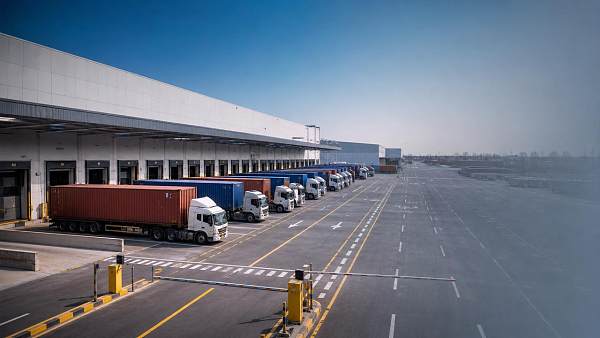
They sit between transportation management and warehouse execution, closing a visibility gap that often causes avoidable delays.
Without yard management systems, teams often rely on radios, spreadsheets, whiteboards, and manual check-ins.
That approach makes it hard to know which trailer arrived, where it is parked, what priority it carries, and when it should hit the dock.
When that information is fragmented, dock scheduling becomes reactive instead of planned.
A missed gate update can become a detention fee, labor idle time, or a delayed outbound shipment.
This matters across comprehensive industries because yards connect inbound supply, warehouse flow, and outbound service performance.
In sectors tracked by TradeNexus Pro, that connection is especially critical.
Advanced Manufacturing depends on parts timing. Green Energy sites manage oversized components. Healthcare Technology needs traceability. Supply Chain SaaS environments demand measurable process control.
Yard management systems help prevent a small yard issue from reaching the dock as a larger operational failure.
How do yard management systems solve delays before they hit the dock?
The main advantage of yard management systems is earlier decision-making.
They create real-time awareness before a trailer is assigned late, parked poorly, or forgotten in a queue.
They improve gate-to-dock visibility
A live yard map shows trailer location, status, dwell time, appointment data, and movement history.
That visibility allows earlier intervention when a high-priority trailer is waiting too long.
They prioritize based on business rules
Modern yard management systems can rank trailers by shipment urgency, customer commitment, product sensitivity, or dock availability.
This reduces the common problem of moving the loudest request first instead of the most valuable one.
They synchronize labor and equipment
Delays often happen because labor, hostlers, and doors are not aligned.
Yard management systems help coordinate each resource with appointments and trailer readiness.
They trigger alerts before service failures
Threshold alerts for dwell time, missed appointments, refrigerated exceptions, or unauthorized movement support faster response.
Instead of discovering a problem at the dock, teams see it while options still exist.
- Fewer dock schedule disruptions
- Lower detention and demurrage exposure
- Better trailer turn times
- More predictable warehouse labor planning
- Higher on-time inbound and outbound flow
Which operations benefit most from yard management systems?
Yard management systems are useful anywhere trailer congestion affects dock productivity, shipment reliability, or site safety.
They deliver strong value when volume, complexity, or compliance requirements are rising.
High-volume distribution campuses
Large sites with many doors and daily appointments often struggle with traffic peaks.
Yard management systems reduce confusion during rush windows and improve queue control.
Manufacturing networks with time-sensitive inputs
When missing components can stop production, yard orchestration becomes a continuity tool.
Real-time trailer status helps protect line-side availability.
Regulated or temperature-sensitive environments
Healthcare technology and specialty electronics often require tighter handling standards.
Yard management systems support traceability, dwell control, and event history for audits.
Multi-tenant logistics sites
Shared yards amplify communication issues because multiple workflows compete for the same space.
A common system reduces blind spots and conflicting priorities.
How should a business evaluate and choose yard management systems?
Selecting yard management systems should start with process pain, not feature volume.
The right platform fits site complexity, data maturity, and integration priorities.
Start with operational outcomes
Define success using measurable goals such as lower dwell time, higher dock turns, faster gate processing, or fewer manual yard checks.
Assess integration depth
Strong yard management systems connect with TMS, WMS, ERP, appointment scheduling, telematics, and gate automation.
Integration quality determines whether visibility is truly end to end.
Examine usability for fast decisions
If dispatchers and yard teams cannot act quickly, even advanced analytics will underperform.
Look for intuitive dashboards, mobile workflows, and exception-based alerts.
Check support for site-specific rules
Different sites need different logic for live loads, drop trailers, hazardous materials, temperature control, or priority customers.
Configuration flexibility matters more than generic marketing claims.
- Map current yard flow and pain points.
- Identify the top three causes of dock delay.
- Prioritize integrations that remove manual handoffs.
- Pilot at one site with clear KPIs.
- Expand only after process discipline is proven.
What are common mistakes when implementing yard management systems?
Implementation fails when technology is treated as a shortcut around poor process design.
Yard management systems work best when roles, triggers, and site rules are already understood.
Mistake 1: Automating unclear workflows
If trailer priorities are inconsistent today, the system will simply digitize confusion.
Mistake 2: Ignoring change management
Adoption requires training, accountability, and leadership support.
Manual workarounds can quickly undermine data quality.
Mistake 3: Focusing only on the yard
The yard is part of a larger execution chain.
Yard management systems must support dock schedules, inventory readiness, and transportation plans together.
Mistake 4: Underestimating data governance
Appointment accuracy, carrier identifiers, trailer status updates, and event timestamps need discipline.
Poor master data weakens every downstream decision.
What should be the next step if dock delays keep starting in the yard?
Begin with evidence, not assumptions.
Review average trailer dwell, missed appointments, search time, hostler utilization, and detention trends over several weeks.
Then identify where visibility breaks down between gate entry and dock assignment.
That baseline reveals whether yard management systems can deliver meaningful operational gains.
For organizations following complex global trade shifts, the yard is no longer a side process.
It is a control point for resilience, service, and cost containment.
TradeNexus Pro continues to track how digital execution tools reshape supply chain performance across advanced industries.
If recurring dock disruption starts outside the building, evaluating yard management systems is a practical next move.
A focused pilot, clear KPIs, and disciplined integration can turn yard activity into a predictable advantage before delays reach the dock.
Get weekly intelligence in your inbox.
No noise. No sponsored content. Pure intelligence.
 Oct 08, 2026How Digital Health Improves Diagnostic Accuracy and Workflow in Clinical LabsHow Digital Health Improves Diagnostic Accuracy and Workflow in Clinical Labs
 Oct 07, 2026Selecting Voice Picking Systems for German Warehouses: Integration, Languages and ROISelecting Voice Picking Systems for German Warehouses: Integration, Languages and ROI
 Oct 06, 2026How to Choose Last Mile Dispatch Software for On-Time Delivery at ScaleHow to Choose Last Mile Dispatch Software for On-Time Delivery at Scale
 Oct 05, 2026Vietnam’s Consumer Electronics Market: Demand Shifts and Sourcing OpportunitiesVietnam’s Consumer Electronics Market: Demand Shifts and Sourcing Opportunities
 Oct 04, 2026Digital Health Investment Priorities for Providers: Improving Access, Outcomes, and EfficiencyDigital Health Investment Priorities for Providers: Improving Access, Outcomes, and Efficiency
 Oct 03, 2026How to Specify an FR4 Custom PCB Board for High-Voltage and High-Heat DesignsHow to Specify an FR4 Custom PCB Board for High-Voltage and High-Heat Designs
 Oct 02, 2026ERP Software Market Intelligence: Adoption, Pricing, and Vendor Signals to WatchERP Software Market Intelligence: Adoption, Pricing, and Vendor Signals to Watch
 Oct 01, 2026How to Select Calibrated Temperature Data Loggers for GMP Cold Storage MonitoringHow to Select Calibrated Temperature Data Loggers for GMP Cold Storage Monitoring
 Sep 30, 2026Custom Molded Rubber Pricing: What Drives Unit Cost and Tooling Fees?Custom Molded Rubber Pricing: What Drives Unit Cost and Tooling Fees?
 Sep 29, 2026How to Evaluate Energy Management Software Vendors for Multi-Site OperationsHow to Evaluate Energy Management Software Vendors for Multi-Site Operations
 Sep 28, 2026How to Select a DIN Rail Smart Meter for Multi-Circuit Energy MonitoringHow to Select a DIN Rail Smart Meter for Multi-Circuit Energy Monitoring
 Sep 27, 2026TWS Earbuds in Vietnam: Demand Drivers, Price Tiers, and Retail Channel OpportunitiesTWS Earbuds in Vietnam: Demand Drivers, Price Tiers, and Retail Channel Opportunities
 Sep 26, 2026How UAE Clinics Can Qualify a Smart Glucometer Supplier for Accuracy and ComplianceHow UAE Clinics Can Qualify a Smart Glucometer Supplier for Accuracy and Compliance
 Sep 25, 2026Buying Aesthetic Lasers in the USA: FDA Status, Wavelengths, and Service SupportBuying Aesthetic Lasers in the USA: FDA Status, Wavelengths, and Service Support
 Sep 24, 2026Laser Cutting Brass Sheet: How to Prevent Burrs and Heat Marks on Thin PartsLaser Cutting Brass Sheet: How to Prevent Burrs and Heat Marks on Thin Parts
 Sep 23, 2026How to Choose Lightweight ANC Headphones for Comfortable All-Day TravelHow to Choose Lightweight ANC Headphones for Comfortable All-Day Travel
 Sep 22, 2026IPX5 TWS Bluetooth Earbuds: What Protection Do They Offer for Workouts?IPX5 TWS Bluetooth Earbuds: What Protection Do They Offer for Workouts?
 Sep 21, 2026What to Look for in a Grid Integration Company for Utility-Scale Solar ProjectsWhat to Look for in a Grid Integration Company for Utility-Scale Solar Projects
 Sep 20, 2026Microgrid Controller Pricing: What Drives Cost in Commercial Energy Projects?Microgrid Controller Pricing: What Drives Cost in Commercial Energy Projects?
 Sep 19, 2026How to Choose a GaN Charger for Laptops Without Compromising Power or PortabilityHow to Choose a GaN Charger for Laptops Without Compromising Power or Portability
 Sep 18, 2026Floating Solar Farm Costs: CAPEX, OPEX, and the Site Factors That Shape ROIFloating Solar Farm Costs: CAPEX, OPEX, and the Site Factors That Shape ROI
 Sep 17, 2026Drone Delivery Solutions for Last-Mile Routes: Site, Payload, and Range PlanningDrone Delivery Solutions for Last-Mile Routes: Site, Payload, and Range Planning
 Sep 16, 2026When Low-Volume Electronics Manufacturing Makes More Sense Than Mass ProductionWhen Low-Volume Electronics Manufacturing Makes More Sense Than Mass Production
 Sep 15, 2026Wholesale WiFi Smart Switches: What Buyers Should Verify Before OrderingWholesale WiFi Smart Switches: What Buyers Should Verify Before Ordering
 Sep 14, 2026How to Select IoT Sensors for Reliable Monitoring in Harsh Industrial EnvironmentsHow to Select IoT Sensors for Reliable Monitoring in Harsh Industrial Environments
 Sep 13, 2026How Procurement Teams Can Improve Supplier Reliability With Supply Chain VisibilityHow Procurement Teams Can Improve Supplier Reliability With Supply Chain Visibility
 Sep 12, 2026Smart Manufacturing Trends 2026: What Leaders Should Prioritize for ROISmart Manufacturing Trends 2026: What Leaders Should Prioritize for ROI



























