
How to compare plastic pallets wholesale offers without overpaying
Comparing plastic pallets wholesale offers is not just about finding the lowest unit price. For sourcing decisions, the real value comes from matching pallet performance to use conditions, compliance needs, handling methods, and reorder stability. A quote that looks cheap today can create higher freight costs, product damage, warehouse inefficiency, or replacement expense later. This guide shows how to assess plastic pallets wholesale offers through practical scenarios, so you can control total cost and avoid overpaying.
When a low quote on plastic pallets wholesale becomes expensive later
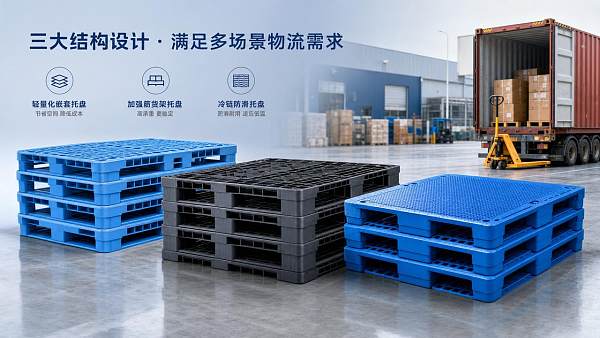
Many plastic pallets wholesale listings highlight price per piece only. That number matters, but it never tells the full cost story. The same pallet can perform very differently across export, automation, cold storage, or high-turn warehouse use.
The first step is to define the operating scene. Static storage, racking, one-way shipping, closed-loop transport, and hygienic handling all require different pallet specifications. Without this context, quote comparison becomes misleading.
This is especially important in cross-border trade, where material grade, dimensions, and stacking performance affect freight utilization and damage rates. A lower purchase price can hide larger logistics losses.
Scenario-based checks before comparing plastic pallets wholesale offers
Before reviewing suppliers, build a comparison sheet based on how the pallets will actually be used. This prevents price-first decisions and creates a fair basis for negotiation.
Export shipping and one-way distribution
For export loads, weight, nestability, and container utilization often matter more than extreme durability. A lighter pallet may reduce freight cost and improve cubic efficiency.
In this scenario, compare dimensions, tare weight, corner strength, shrink-wrap compatibility, and whether the pallet meets destination market handling standards. Ask whether the quoted model is designed for one-way or repeated use.
High-rack warehouse and long dwell storage
Racking environments require strong bending resistance and consistent load performance. A pallet that works on the floor may fail under edge-supported racking conditions.
For plastic pallets wholesale in racking use, request rack load ratings with test conditions. Check whether metal reinforcement is included, optional, or excluded from the quote.
Cold chain and wet environments
Cold rooms, seafood handling, beverage logistics, and washdown areas create different material stress. Some recycled plastics become brittle in low temperatures or after repeated impact.
Here, compare resin type, temperature tolerance, anti-slip design, drainage structure, and durability under wet handling. Plastic pallets wholesale offers for cold chain should include actual material disclosure.
Automation, conveyors, and repeat handling
Automated lines require dimensional precision and stable quality across batches. Small warpage differences can disrupt conveyors, sensors, and robotic picks.
In this scene, focus on manufacturing tolerance, bottom runner design, entry style, and repeatability. The cheapest plastic pallets wholesale source may create higher downtime risk if tolerances are inconsistent.
How different use cases change what you should compare
The same pallet offer can be good for one use and poor for another. A structured comparison makes that visible before orders are placed.
What to request from suppliers of plastic pallets wholesale
A serious quote should contain more than pallet size and unit price. To compare plastic pallets wholesale offers accurately, request details that affect service life and operating performance.
- Material type: virgin HDPE, PP, mixed recycled resin, or blended content
- Load data: dynamic, static, and rack load with testing assumptions
- Pallet weight tolerance and dimensional tolerance
- Bottom design: nine-leg, three-runner, full perimeter, or nestable
- Forklift and pallet jack entry compatibility
- Temperature range and environmental suitability
- Logo, RFID, barcode plate, or color customization options
- Packaging method, stacking quantity, and container loading plan
- Lead time, MOQ, replacement policy, and defect handling terms
Without these details, two plastic pallets wholesale quotes are not truly comparable. The lower quote may simply exclude reinforcement, testing, or quality controls.
How to compare total landed cost instead of pallet price alone
A better method is to compare total landed cost per usable cycle. This shifts attention from purchase price to operational value over time.
Cost elements that often get missed
- International freight affected by pallet weight and stackability
- Damage to packaged goods from pallet failure or flexing
- Extra labor from poor pallet jack entry or unstable stacking
- Higher replacement rates from brittle recycled material
- Compliance risks in food, pharma, or export destinations
- Production delays caused by long replenishment lead times
When evaluating plastic pallets wholesale options, divide expected total cost by estimated use cycles. A stronger pallet with a higher initial price may still deliver a lower cost per trip.
Practical fit checks for choosing the right plastic pallets wholesale option
Use a structured checklist before approving any offer. This helps align pallet design with actual handling conditions.
Common mistakes that lead to overpaying for plastic pallets wholesale
One common mistake is comparing virgin and recycled material quotes as if they are equal. They may not deliver the same impact resistance, cleanliness, color stability, or lifespan.
Another mistake is accepting load ratings without testing context. Static load, dynamic load, and rack load are different measures. Confusing them can result in costly misuse.
Some buyers also ignore packaging density. In plastic pallets wholesale trade, stack quantity per container can materially change landed cost. Freight savings may offset a higher unit price.
Lead time risk is another hidden issue. An attractive quote loses value if replenishment delays disrupt outbound schedules or force emergency purchases from higher-cost channels.
A smarter next step for evaluating plastic pallets wholesale offers
To avoid overpaying, start with the use scenario, not the catalog page. Define handling methods, load type, environment, compliance needs, and expected reuse cycles first.
Then request standardized quote data from each supplier. Compare plastic pallets wholesale offers side by side using material, load rating, tolerance, freight efficiency, and replacement terms.
Where possible, test samples in live conditions. A short validation under real loads often reveals more than a polished specification sheet.
TradeNexus Pro supports deeper sourcing decisions with industry analysis, supplier intelligence, and practical frameworks for evaluating strategic procurement categories. When plastic pallets wholesale decisions are treated as an operating system choice, not a commodity purchase, better pricing and lower risk usually follow together.
Get weekly intelligence in your inbox.
No noise. No sponsored content. Pure intelligence.
 Oct 08, 2026How Digital Health Improves Diagnostic Accuracy and Workflow in Clinical LabsHow Digital Health Improves Diagnostic Accuracy and Workflow in Clinical Labs
 Oct 07, 2026Selecting Voice Picking Systems for German Warehouses: Integration, Languages and ROISelecting Voice Picking Systems for German Warehouses: Integration, Languages and ROI
 Oct 06, 2026How to Choose Last Mile Dispatch Software for On-Time Delivery at ScaleHow to Choose Last Mile Dispatch Software for On-Time Delivery at Scale
 Oct 05, 2026Vietnam’s Consumer Electronics Market: Demand Shifts and Sourcing OpportunitiesVietnam’s Consumer Electronics Market: Demand Shifts and Sourcing Opportunities
 Oct 04, 2026Digital Health Investment Priorities for Providers: Improving Access, Outcomes, and EfficiencyDigital Health Investment Priorities for Providers: Improving Access, Outcomes, and Efficiency
 Oct 03, 2026How to Specify an FR4 Custom PCB Board for High-Voltage and High-Heat DesignsHow to Specify an FR4 Custom PCB Board for High-Voltage and High-Heat Designs
 Oct 02, 2026ERP Software Market Intelligence: Adoption, Pricing, and Vendor Signals to WatchERP Software Market Intelligence: Adoption, Pricing, and Vendor Signals to Watch
 Oct 01, 2026How to Select Calibrated Temperature Data Loggers for GMP Cold Storage MonitoringHow to Select Calibrated Temperature Data Loggers for GMP Cold Storage Monitoring
 Sep 30, 2026Custom Molded Rubber Pricing: What Drives Unit Cost and Tooling Fees?Custom Molded Rubber Pricing: What Drives Unit Cost and Tooling Fees?
 Sep 29, 2026How to Evaluate Energy Management Software Vendors for Multi-Site OperationsHow to Evaluate Energy Management Software Vendors for Multi-Site Operations
 Sep 28, 2026How to Select a DIN Rail Smart Meter for Multi-Circuit Energy MonitoringHow to Select a DIN Rail Smart Meter for Multi-Circuit Energy Monitoring
 Sep 27, 2026TWS Earbuds in Vietnam: Demand Drivers, Price Tiers, and Retail Channel OpportunitiesTWS Earbuds in Vietnam: Demand Drivers, Price Tiers, and Retail Channel Opportunities
 Sep 26, 2026How UAE Clinics Can Qualify a Smart Glucometer Supplier for Accuracy and ComplianceHow UAE Clinics Can Qualify a Smart Glucometer Supplier for Accuracy and Compliance
 Sep 25, 2026Buying Aesthetic Lasers in the USA: FDA Status, Wavelengths, and Service SupportBuying Aesthetic Lasers in the USA: FDA Status, Wavelengths, and Service Support
 Sep 24, 2026Laser Cutting Brass Sheet: How to Prevent Burrs and Heat Marks on Thin PartsLaser Cutting Brass Sheet: How to Prevent Burrs and Heat Marks on Thin Parts
 Sep 23, 2026How to Choose Lightweight ANC Headphones for Comfortable All-Day TravelHow to Choose Lightweight ANC Headphones for Comfortable All-Day Travel
 Sep 22, 2026IPX5 TWS Bluetooth Earbuds: What Protection Do They Offer for Workouts?IPX5 TWS Bluetooth Earbuds: What Protection Do They Offer for Workouts?
 Sep 21, 2026What to Look for in a Grid Integration Company for Utility-Scale Solar ProjectsWhat to Look for in a Grid Integration Company for Utility-Scale Solar Projects
 Sep 20, 2026Microgrid Controller Pricing: What Drives Cost in Commercial Energy Projects?Microgrid Controller Pricing: What Drives Cost in Commercial Energy Projects?
 Sep 19, 2026How to Choose a GaN Charger for Laptops Without Compromising Power or PortabilityHow to Choose a GaN Charger for Laptops Without Compromising Power or Portability
 Sep 18, 2026Floating Solar Farm Costs: CAPEX, OPEX, and the Site Factors That Shape ROIFloating Solar Farm Costs: CAPEX, OPEX, and the Site Factors That Shape ROI
 Sep 17, 2026Drone Delivery Solutions for Last-Mile Routes: Site, Payload, and Range PlanningDrone Delivery Solutions for Last-Mile Routes: Site, Payload, and Range Planning
 Sep 16, 2026When Low-Volume Electronics Manufacturing Makes More Sense Than Mass ProductionWhen Low-Volume Electronics Manufacturing Makes More Sense Than Mass Production
 Sep 15, 2026Wholesale WiFi Smart Switches: What Buyers Should Verify Before OrderingWholesale WiFi Smart Switches: What Buyers Should Verify Before Ordering
 Sep 14, 2026How to Select IoT Sensors for Reliable Monitoring in Harsh Industrial EnvironmentsHow to Select IoT Sensors for Reliable Monitoring in Harsh Industrial Environments
 Sep 13, 2026How Procurement Teams Can Improve Supplier Reliability With Supply Chain VisibilityHow Procurement Teams Can Improve Supplier Reliability With Supply Chain Visibility
 Sep 12, 2026Smart Manufacturing Trends 2026: What Leaders Should Prioritize for ROISmart Manufacturing Trends 2026: What Leaders Should Prioritize for ROI



























