Ecuador Sets Zero VAT and Currency Outflow Tax Rates for Solar and Storage Equipment
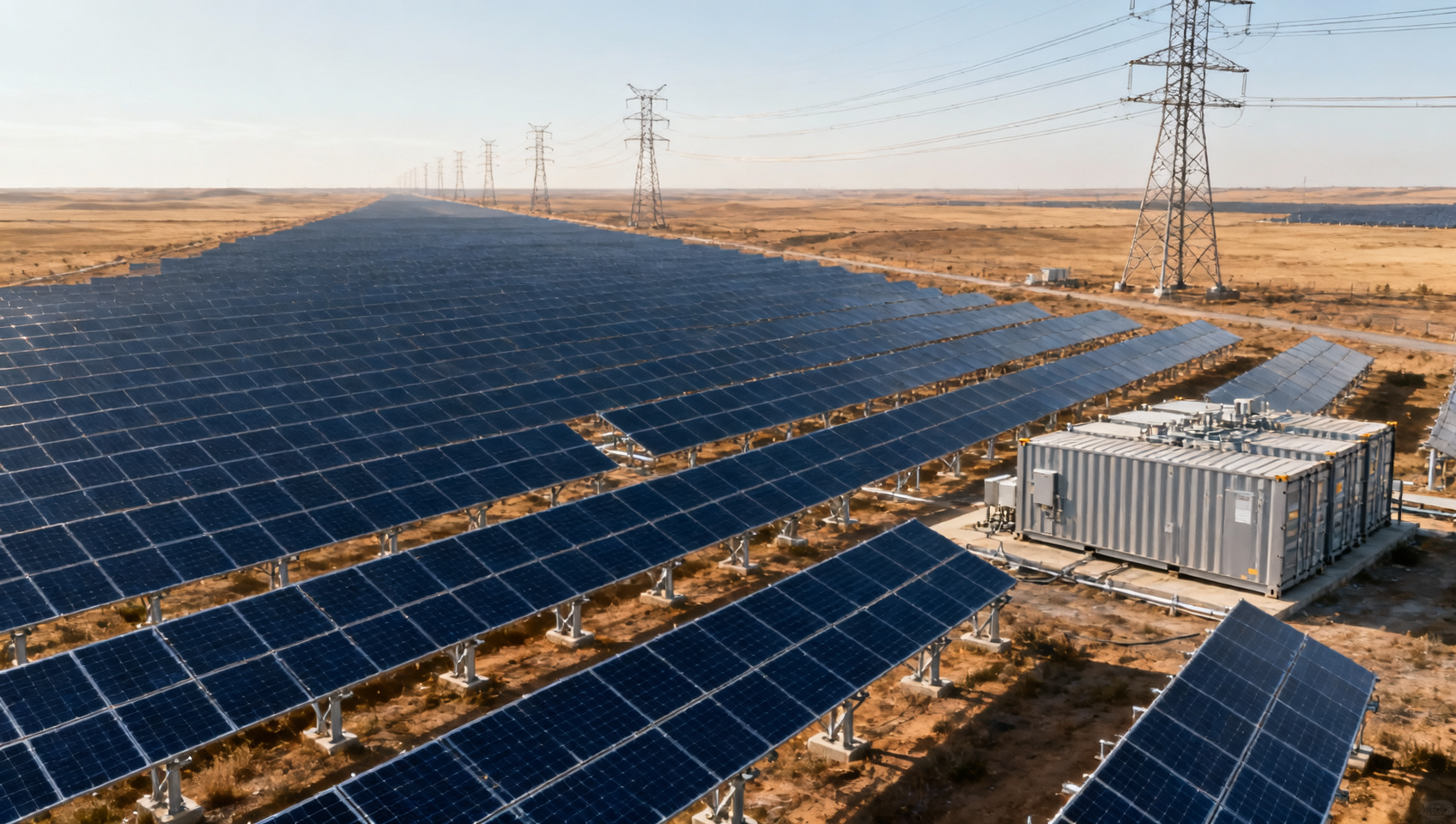
Ecuador has established zero rates for value-added tax (VAT) and the currency outflow tax (ISD) on specified solar equipment and energy storage systems. The measure takes effect on November 12, 2026, and is intended to reduce the cost of importing and purchasing eligible clean energy equipment.
President Daniel Noboa signed Executive Decree No. 530 on November 10. The decree and a ministerial agreement were published on November 11, ahead of the new rates taking effect. The change gives companies involved in supplying or buying the covered equipment a reason to revisit how tax is accounted for in their procurement costs.
Its immediate significance lies in the two costs addressed by the measure. A zero VAT rate affects the tax treatment of eligible equipment, while a zero ISD rate addresses the currency outflow tax. Their combined effect on any purchase will depend on the equipment and transaction involved.
Where the cost impact could appear
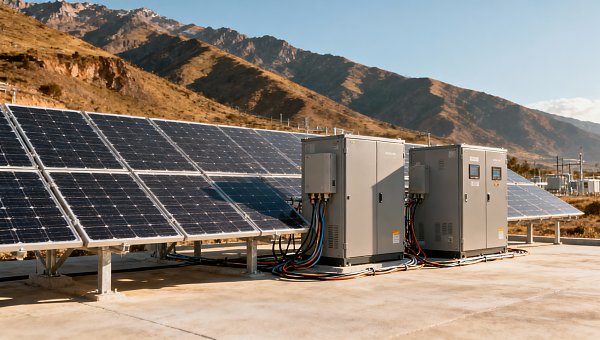
For importers and suppliers, the first step is establishing whether the equipment in a proposed transaction falls within the specified scope. The policy concerns particular solar equipment and storage systems; the announcement alone does not establish that every product used in a solar or storage installation receives the same treatment.
That distinction matters when assessing a complete equipment order. A buyer evaluating the cost of a system may need to distinguish eligible items from other goods or services included in the purchase. The tax change could reduce the cost associated with qualifying equipment, but the size of the effect on the full order depends on what is covered and how the transaction is structured.
Suppliers preparing quotations may also need to consider how the new rates affect the price presented to a customer. Lower tax costs do not by themselves establish a particular reduction in the final price: the outcome depends on the terms of the sale and the other costs included. Buyers comparing quotations will therefore benefit from understanding which parts of an offer reflect the treatment of eligible equipment.
What the change does and does not establish
The measure signals an intention to make qualifying clean energy equipment less costly to import and purchase. It does not, on its own, establish how quickly purchasing decisions will change or how much equipment will be bought as a result. Those outcomes depend on factors beyond the announced tax rates, including the prices and terms available for individual transactions.
The effective date is also relevant to procurement planning. For a transaction close to November 12, the applicable treatment depends on how the measure applies to that transaction. The announced dates alone do not settle every timing question for an order, shipment or payment.
Further attention will center on the scope and application of the decree and ministerial agreement: which equipment qualifies, how the two zero rates apply in practice, and how the treatment is reflected in import and purchase transactions. These details will determine how directly the stated policy objective translates into lower costs for particular buyers and suppliers.
Get weekly intelligence in your inbox.
No noise. No sponsored content. Pure intelligence.
 Nov 22, 2026Golmud's 60 MW Liquid Air Storage Project Uses Fully Domestic EquipmentGolmud's 60 MW Liquid Air Storage Project Uses Fully Domestic Equipment
 Nov 22, 2026Precision Engineering for Medical Devices: Tolerances and MaterialsPrecision Engineering for Medical Devices: Tolerances and Materials
 Nov 21, 2026EDF Acquires 1GWh Holloway Battery Storage Project in AustraliaEDF Acquires 1GWh Holloway Battery Storage Project in Australia
 Nov 21, 2026Choosing Carbon Steel Grades for OEM Machined Parts: Key FactorsChoosing Carbon Steel Grades for OEM Machined Parts: Key Factors
 Nov 20, 2026China’s First Virtual Power Plant Report Says Capacity Target Met EarlyChina’s First Virtual Power Plant Report Says Capacity Target Met Early
 Nov 20, 2026Choosing an OEM Heavy Equipment Manufacturer: Capabilities and Quality ChecksChoosing an OEM Heavy Equipment Manufacturer: Capabilities and Quality Checks
 Nov 19, 2026India Adds Record 8.4 GW of Open-Access Solar in First Nine Months of 2026India Adds Record 8.4 GW of Open-Access Solar in First Nine Months of 2026
 Nov 19, 2026B2B Intelligence for Green Energy: Finding New Market OpportunitiesB2B Intelligence for Green Energy: Finding New Market Opportunities
 Nov 18, 2026Global Solar Additions Hit Record in 2025, Forecast to Fall in 2026Global Solar Additions Hit Record in 2025, Forecast to Fall in 2026
 Nov 18, 2026Supply Chain Visibility for Supplier Management: How to Spot Delivery RisksSupply Chain Visibility for Supplier Management: How to Spot Delivery Risks
 Nov 17, 2026US Battery Storage Deployment Tops 200 GWh; 74 GWh Forecast for 2026US Battery Storage Deployment Tops 200 GWh; 74 GWh Forecast for 2026
 Nov 17, 2026Choosing a Solar Tracker for Ground-Mount PV: Site and Design FactorsChoosing a Solar Tracker for Ground-Mount PV: Site and Design Factors
 Nov 16, 2026US Polysilicon and Solar Product Tariffs and Import Price Floor Take Effect December 4US Polysilicon and Solar Product Tariffs and Import Price Floor Take Effect December 4
 Nov 16, 2026How Industrial Buyers Can Evaluate B2B Intelligence Reports on SuppliersHow Industrial Buyers Can Evaluate B2B Intelligence Reports on Suppliers
 Nov 15, 2026CATL Sets Tener Sodium Delivery Timeline, Targeting LFP on CostCATL Sets Tener Sodium Delivery Timeline, Targeting LFP on Cost
 Nov 15, 2026Electric Wheelchairs for Disabled Adults: Choosing the Right Fit and RangeElectric Wheelchairs for Disabled Adults: Choosing the Right Fit and Range
 Nov 14, 2026China Expects Clean Energy to Meet All New Electricity Demand by 2030China Expects Clean Energy to Meet All New Electricity Demand by 2030
 Nov 14, 2026Choosing a Digital X-Ray Detector Supplier: Compatibility and SupportChoosing a Digital X-Ray Detector Supplier: Compatibility and Support
 Nov 13, 2026Ecuador Sets Zero VAT and Currency Outflow Tax Rates for Solar and Storage EquipmentEcuador Sets Zero VAT and Currency Outflow Tax Rates for Solar and Storage Equipment
 Nov 13, 2026Choosing an OEM Machined Parts Manufacturer: Quality, Capacity and Lead TimesChoosing an OEM Machined Parts Manufacturer: Quality, Capacity and Lead Times
 Nov 12, 2026South Africa Registers 2 GW of New Solar PV Capacity in Q3 2026South Africa Registers 2 GW of New Solar PV Capacity in Q3 2026
 Nov 12, 2026Mexico Supply Chain Market Research: Nearshoring Opportunities and RisksMexico Supply Chain Market Research: Nearshoring Opportunities and Risks
 Nov 11, 2026US Senate Advances Bipartisan BAAJA Energy Permitting BillUS Senate Advances Bipartisan BAAJA Energy Permitting Bill
 Nov 11, 2026Inventory Management Decision Support: When and How Much to ReorderInventory Management Decision Support: When and How Much to Reorder
 Nov 10, 2026China's Trade Surplus Tops $1 Trillion Through October as Exports Rise 35.2%China's Trade Surplus Tops $1 Trillion Through October as Exports Rise 35.2%
 Nov 10, 2026Choosing Surgical PPE: Gowns, Gloves, Masks and Eye ProtectionChoosing Surgical PPE: Gowns, Gloves, Masks and Eye Protection
 Nov 09, 2026US Solar Imports Shift as Domestic Manufacturing Investment Reshapes Global TradeUS Solar Imports Shift as Domestic Manufacturing Investment Reshapes Global Trade