Choosing an OEM Heavy Equipment Manufacturer: Capabilities and Quality Checks
The lowest quotation for OEM heavy equipment manufacturing is meaningful only when it covers the same design scope, materials, testing, documentation, delivery terms, and support as competing offers. A lower initial price can quickly lose its advantage if critical machining is outsourced without control, inspection is excluded, or modifications appear as change orders after production starts.
Begin with a defined equipment specification and compare suppliers on their ability to deliver it repeatedly. The strongest evidence connects engineering decisions to manufacturing records: a load requirement becomes an approved design, a drawing revision reaches the shop floor, and inspection results show whether the finished assembly meets the agreed acceptance criteria.
Define the scope before comparing prices
OEM arrangements vary. One supplier may build to a complete drawing package; another may develop the structure, select components, and deliver a tested machine. A quotation cannot be assessed fairly until responsibility for design, component selection, software, validation, and final assembly is clear.
The specification should describe the intended duty cycle, operating environment, expected loads, interfaces, and service requirements. A machine that handles occasional peak loading presents a different design problem from one exposed to repeated loading throughout a shift. Dust, moisture, temperature extremes, and corrosive materials also influence sealing, coatings, component selection, and maintenance access.
Rated capacity alone is an incomplete comparison. Establish where the load is applied, the operating position, allowable movement, and any attachments included in the rating. A lifting structure, for example, experiences different forces as reach and geometry change. Ask suppliers to identify the assumptions behind their proposed capacity rather than accepting a single headline figure.
Drawings should also define critical interfaces: mounting hole patterns, connection points, hydraulic and electrical requirements, installation clearances, and allowable tolerances. Unresolved interfaces often become expensive when equipment arrives at the installation site or when a purchased component no longer fits the fabricated structure.
Assess engineering capability against the actual equipment
Review evidence from work involving comparable loads, materials, and manufacturing methods. A supplier experienced in general steel fabrication may have excellent welding capacity yet lack experience with fatigue-sensitive structures, mobile equipment dynamics, or the control integration required by the project.
Request a description of the design process and representative, appropriately redacted outputs. Useful evidence includes load cases, calculation assumptions, drawings, design reviews, and records showing how findings were resolved. Where structural simulation is used, ask how the model represents joints, restraints, and real operating loads, and how its results are checked against calculations or physical testing. A colored stress plot alone does not establish that a design is suitable.
Design ownership deserves attention before detailed work begins. The agreement should identify who approves drawings, who owns project-specific design outputs, and whether the supplier can change a component or dimension without approval. It should also define the handling of design changes after materials have been ordered or fabrication has started.
Serviceability belongs in the design review. Access to pins, bearings, filters, hydraulic connections, and wear parts affects downtime throughout the machine’s life. A compact assembly can reduce its footprint while making routine replacement difficult; an access drawing or maintenance demonstration can reveal that trade-off before fabrication.
Follow the manufacturing route through the factory
A capacity claim is most useful when tied to the parts and operations required by the order. Ask which processes occur at the supplier’s facility and which are subcontracted. Compare the size, weight, and accuracy of critical parts with the available cutting, forming, welding, machining, lifting, and assembly resources.
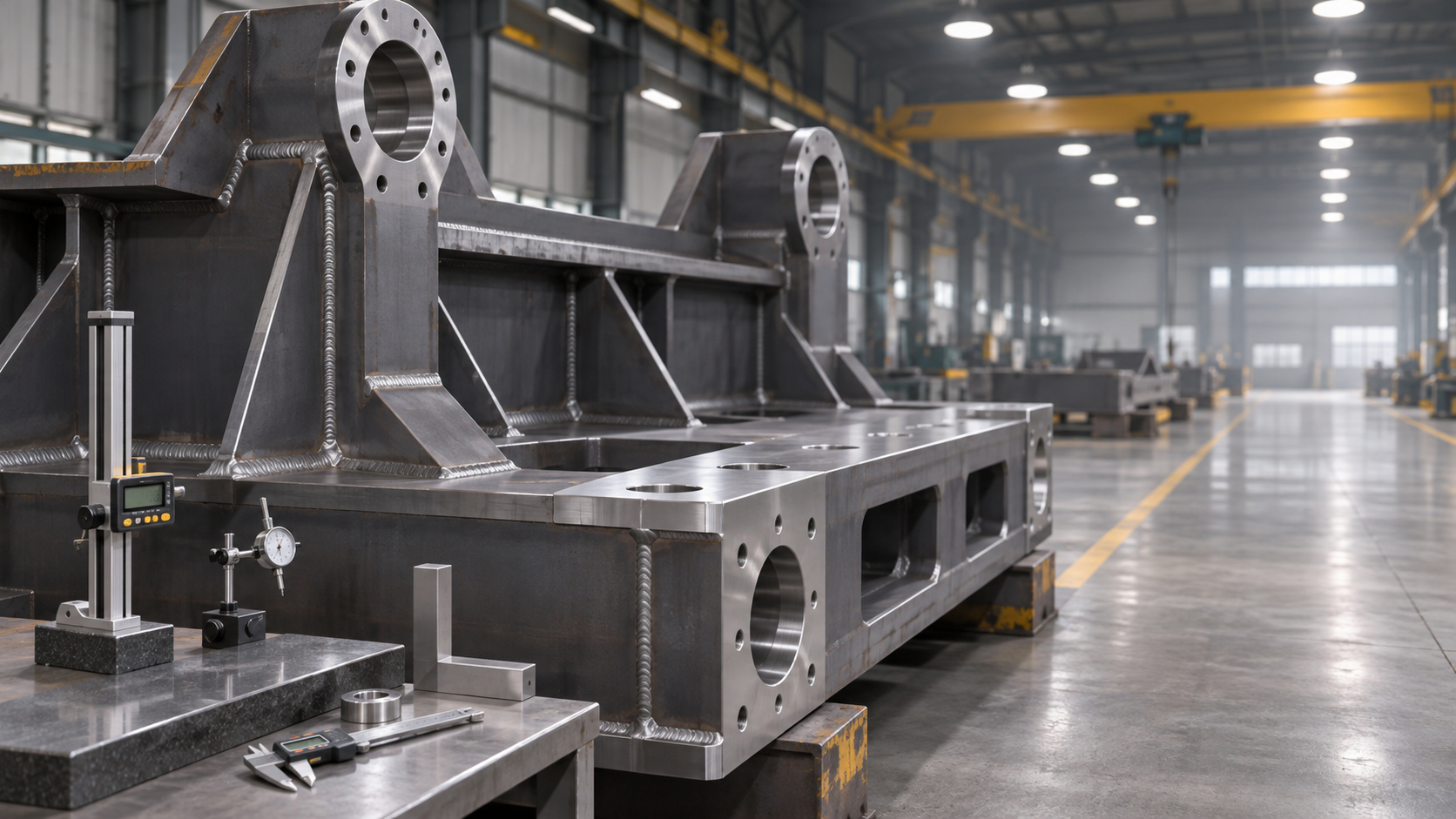
For a large welded frame, the sequence matters. Heat from welding can distort the structure, affecting bearing alignment or mounting surfaces. A credible process plan identifies when the assembly is restrained, welded, inspected, and machined, along with any required stress-relief treatment. It should explain how the final dimensions are controlled after welding rather than relying on the accuracy of individual cut plates.
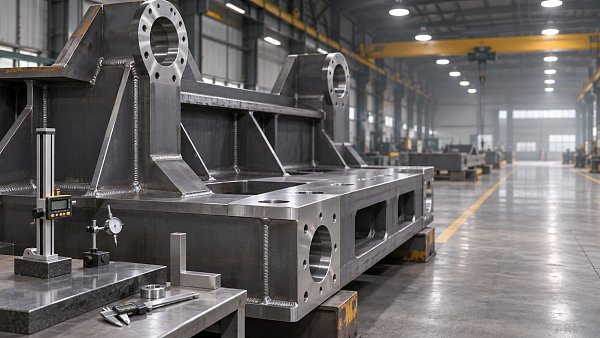
Machining capability should be assessed at the finished assembly level. A machine tool large enough to hold a component does not automatically establish that it can achieve the required alignment across multiple bores. Ask how the part is located, how datum surfaces are established, and how coaxiality or other critical features will be measured. Where machining is subcontracted, the same questions apply to the subcontractor.
Material selection also needs a documented path. The specified steel grade, thickness, and toughness requirements should reflect the design and working environment. A substitution that appears equivalent by nominal strength may behave differently during welding or under low-temperature service. Any proposed alternative should be reviewed against the actual drawing requirements and approved before use.
Surface preparation and coating deserve the same clarity. Coating life depends on preparation, application conditions, coating system, and exposure, not paint thickness alone. State the expected environment and identify which surfaces must remain uncoated for assembly, grounding, sealing, or machining.
Traceability and inspection: follow one critical part
Ask the supplier to demonstrate the records for a representative critical component, from incoming material through fabrication and final inspection. The objective is to establish whether the material and process history can be linked to the delivered part, particularly after cutting, welding, or subcontract processing.
Material certificates should correspond to the ordered material and be traceable to the relevant stock or part identification. Agree on how identification is transferred when plate or bar is cut into smaller pieces. For purchased components, record the specified part number and any approved substitute; a visually similar hydraulic valve, bearing, or fastener may have a different performance limit.
Inspection plans should identify the features to be checked, the method, the acceptance criteria, and the stage at which inspection occurs. Critical welds may require visual examination and, where specified by the design or contract, nondestructive testing using a suitable method. The extent and acceptance criteria need to be agreed before work starts; a statement that welds are “fully inspected” leaves too much open to interpretation.
Review the supplier’s handling of nonconforming work. A useful record states the deviation, its location, the proposed disposition, the authority that approved it, and the result of any reinspection. An undocumented weld repair or an unapproved dimensional concession can affect fit, fatigue performance, and future maintenance even when the finished surface looks acceptable.
Measurement equipment must be appropriate for the feature and have calibration status that is current under the supplier’s control system. For a large assembly, ask how measurement conditions, access, and fixture setup affect the result. A single final dimension report cannot replace inspections at stages where internal features are still accessible.
Set meaningful tests and acceptance points
Separate component inspection, assembly inspection, and functional testing in the purchase documents. A dimensional report can show that mounting surfaces meet tolerance; it does not demonstrate that a hydraulic circuit operates correctly under load. Equally, a successful unloaded run does not establish performance at the specified duty.
Define the test configuration, operating conditions, measurement points, acceptance limits, and records to be delivered. If the equipment will operate with a particular attachment or control system, establish whether that configuration is available during testing. Where a full operating load cannot safely or practically be reproduced at the factory, agree on a justified alternative and identify the remaining site acceptance work.
Witness points should be scheduled before the relevant work becomes inaccessible. Examples include inspection before a weld is covered, measurement before final assembly, and functional testing before shipment. State how much notice is required, whether production can proceed if attendance is waived, and what happens when a test fails.
Testing is also a chance to verify practical details: leaks after operation, unexpected interference through the movement range, control response, safety functions within the agreed scope, and access for maintenance. Record unresolved items with responsibility and a closure date instead of treating a test attendance sheet as unconditional acceptance.
Compare quotations on a common cost basis
Request an itemized commercial offer against the same scope of work. Separate engineering, tooling, materials, fabrication, purchased components, inspection, testing, packing, transport, installation, commissioning, documentation, and spare parts where applicable. A supplier may include some of these in the equipment price while another lists them as options.
Pay particular attention to assumptions that can generate later charges. These include an undefined number of drawing revisions, provisional material selections, excluded test fixtures, site work outside normal hours, and freight based on an unconfirmed shipment size. Ask for the pricing method for changes and the point at which the quoted configuration becomes fixed.
Lead time should be tied to milestones rather than a single delivery date. Engineering approval, release of long-lead components, completion of fabrication, test readiness, and dispatch each reveal a different source of delay. Clarify when the schedule starts and how late drawing approval, material substitutions, or a failed test affect it.
Transport can change the economics of a large machine. The shipping configuration determines whether disassembly, special packing, lifting fixtures, or reassembly are required. Define the delivery point and transfer of responsibility in the contract, then ensure the quotation covers the handling and protection needed for the actual route.
Connect acceptance to support and documentation
Before placing the order, agree on the documents needed to install, operate, and maintain the equipment. Depending on scope, these may include final drawings, component lists, inspection and test records, maintenance instructions, wiring diagrams, hydraulic schematics, and recommended spare parts. Specify the language, format, and delivery timing, including which documents must be available before shipment.
Warranty terms need the same precision as technical specifications. Define the start date, coverage, exclusions, response process, and responsibility for freight or site labor when a defect is confirmed. A long stated warranty is difficult to value if critical components have separate terms or if replacement parts must be sourced through an unidentified third party.
Finally, establish how replacement parts will be identified and supplied. Proprietary components, custom castings, and programmed controls can create long interruptions if drawings, part numbers, or configuration records are unavailable. A clear agreement on spare parts and change control preserves the value of a well-built machine after factory acceptance.
Get weekly intelligence in your inbox.
No noise. No sponsored content. Pure intelligence.
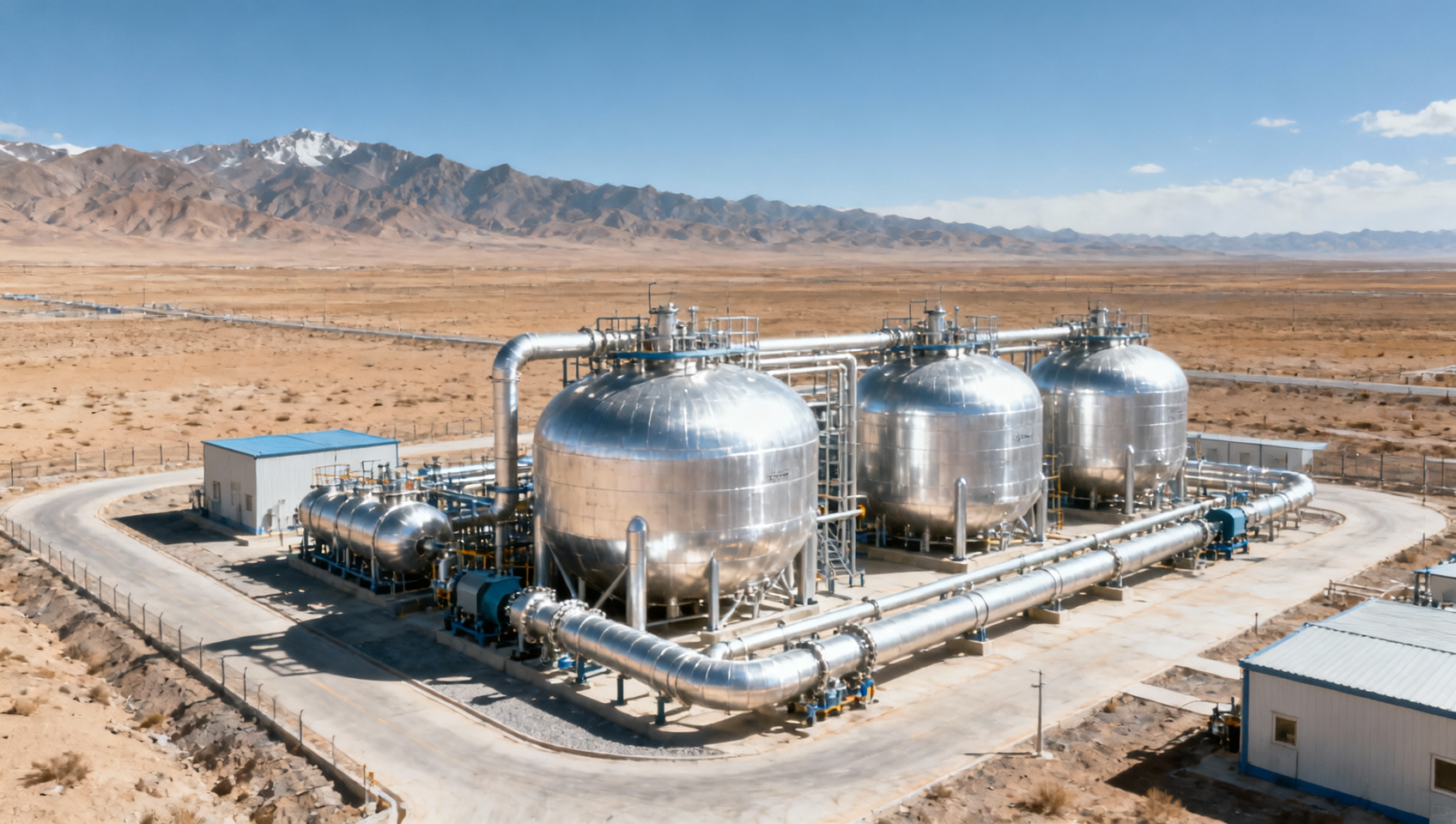
 Nov 22, 2026Golmud's 60 MW Liquid Air Storage Project Uses Fully Domestic EquipmentGolmud's 60 MW Liquid Air Storage Project Uses Fully Domestic Equipment
 Nov 22, 2026Precision Engineering for Medical Devices: Tolerances and MaterialsPrecision Engineering for Medical Devices: Tolerances and Materials
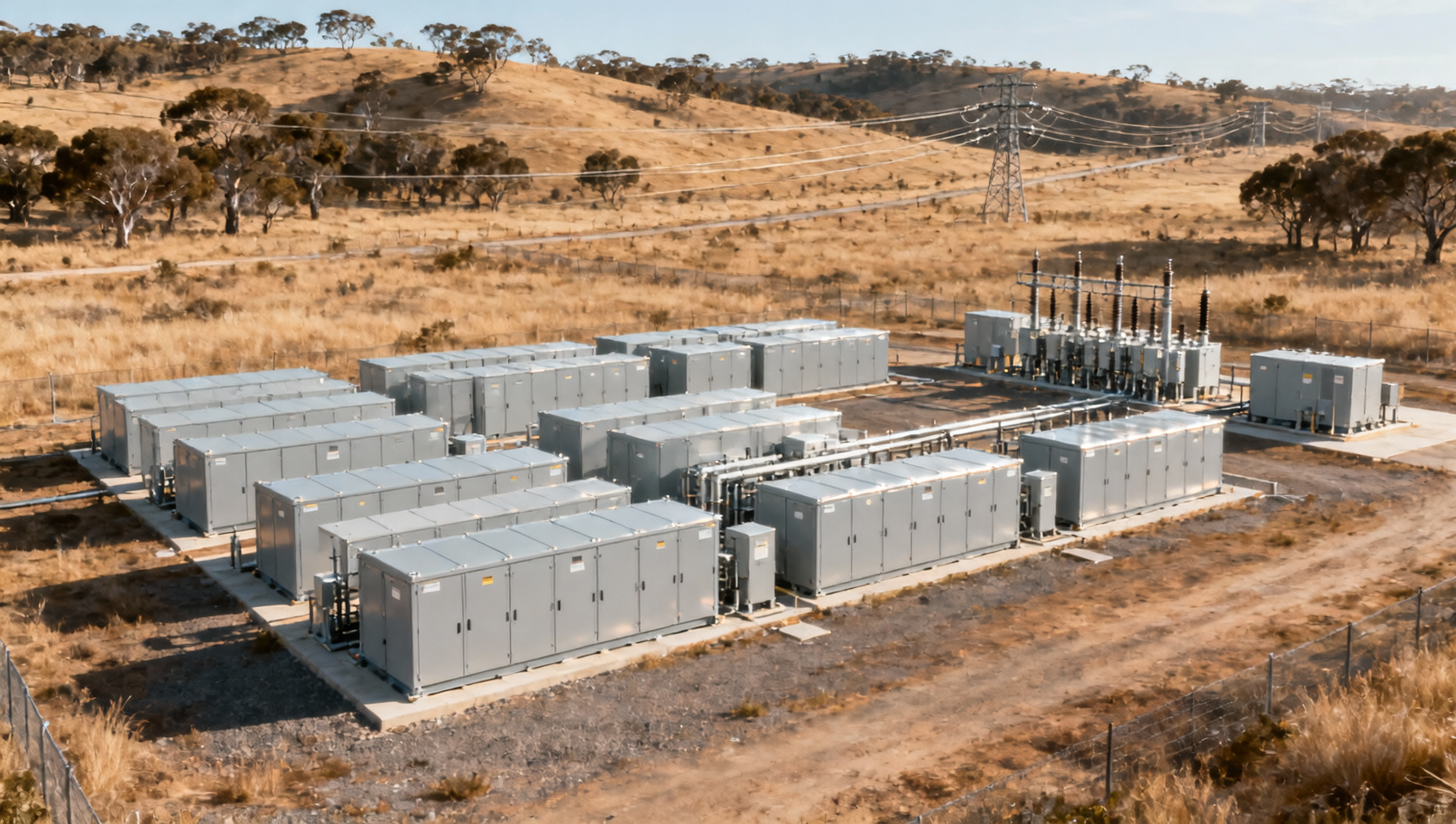
 Nov 21, 2026EDF Acquires 1GWh Holloway Battery Storage Project in AustraliaEDF Acquires 1GWh Holloway Battery Storage Project in Australia
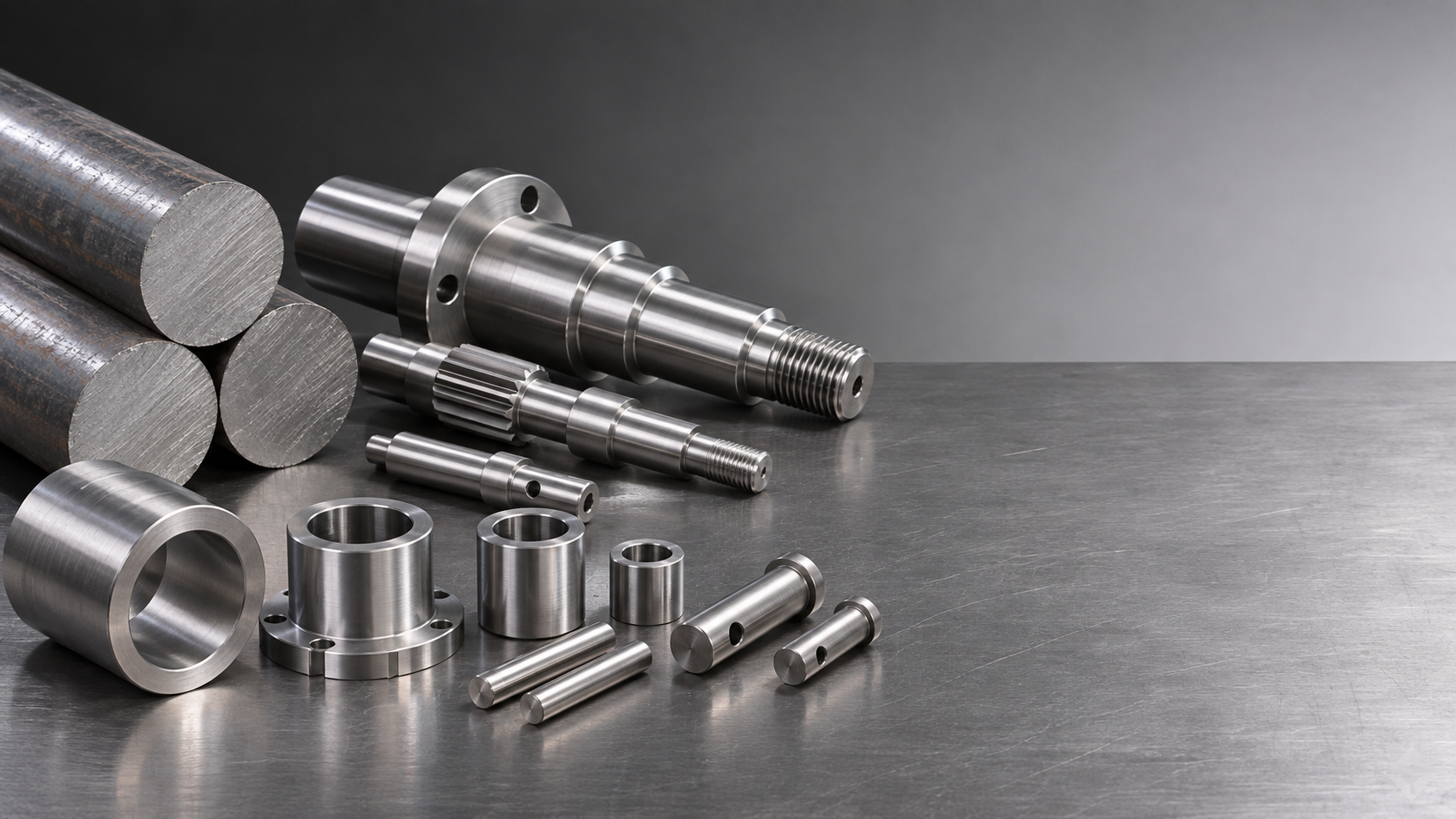
 Nov 21, 2026Choosing Carbon Steel Grades for OEM Machined Parts: Key FactorsChoosing Carbon Steel Grades for OEM Machined Parts: Key Factors
 Nov 20, 2026China’s First Virtual Power Plant Report Says Capacity Target Met EarlyChina’s First Virtual Power Plant Report Says Capacity Target Met Early
 Nov 20, 2026Choosing an OEM Heavy Equipment Manufacturer: Capabilities and Quality ChecksChoosing an OEM Heavy Equipment Manufacturer: Capabilities and Quality Checks
 Nov 19, 2026India Adds Record 8.4 GW of Open-Access Solar in First Nine Months of 2026India Adds Record 8.4 GW of Open-Access Solar in First Nine Months of 2026
 Nov 19, 2026B2B Intelligence for Green Energy: Finding New Market OpportunitiesB2B Intelligence for Green Energy: Finding New Market Opportunities
 Nov 18, 2026Global Solar Additions Hit Record in 2025, Forecast to Fall in 2026Global Solar Additions Hit Record in 2025, Forecast to Fall in 2026
 Nov 18, 2026Supply Chain Visibility for Supplier Management: How to Spot Delivery RisksSupply Chain Visibility for Supplier Management: How to Spot Delivery Risks
 Nov 17, 2026US Battery Storage Deployment Tops 200 GWh; 74 GWh Forecast for 2026US Battery Storage Deployment Tops 200 GWh; 74 GWh Forecast for 2026
 Nov 17, 2026Choosing a Solar Tracker for Ground-Mount PV: Site and Design FactorsChoosing a Solar Tracker for Ground-Mount PV: Site and Design Factors
 Nov 16, 2026US Polysilicon and Solar Product Tariffs and Import Price Floor Take Effect December 4US Polysilicon and Solar Product Tariffs and Import Price Floor Take Effect December 4
 Nov 16, 2026How Industrial Buyers Can Evaluate B2B Intelligence Reports on SuppliersHow Industrial Buyers Can Evaluate B2B Intelligence Reports on Suppliers
 Nov 15, 2026CATL Sets Tener Sodium Delivery Timeline, Targeting LFP on CostCATL Sets Tener Sodium Delivery Timeline, Targeting LFP on Cost
 Nov 15, 2026Electric Wheelchairs for Disabled Adults: Choosing the Right Fit and RangeElectric Wheelchairs for Disabled Adults: Choosing the Right Fit and Range
 Nov 14, 2026China Expects Clean Energy to Meet All New Electricity Demand by 2030China Expects Clean Energy to Meet All New Electricity Demand by 2030
 Nov 14, 2026Choosing a Digital X-Ray Detector Supplier: Compatibility and SupportChoosing a Digital X-Ray Detector Supplier: Compatibility and Support
 Nov 13, 2026Ecuador Sets Zero VAT and Currency Outflow Tax Rates for Solar and Storage EquipmentEcuador Sets Zero VAT and Currency Outflow Tax Rates for Solar and Storage Equipment
 Nov 13, 2026Choosing an OEM Machined Parts Manufacturer: Quality, Capacity and Lead TimesChoosing an OEM Machined Parts Manufacturer: Quality, Capacity and Lead Times
 Nov 12, 2026South Africa Registers 2 GW of New Solar PV Capacity in Q3 2026South Africa Registers 2 GW of New Solar PV Capacity in Q3 2026
 Nov 12, 2026Mexico Supply Chain Market Research: Nearshoring Opportunities and RisksMexico Supply Chain Market Research: Nearshoring Opportunities and Risks
 Nov 11, 2026US Senate Advances Bipartisan BAAJA Energy Permitting BillUS Senate Advances Bipartisan BAAJA Energy Permitting Bill
 Nov 11, 2026Inventory Management Decision Support: When and How Much to ReorderInventory Management Decision Support: When and How Much to Reorder
 Nov 10, 2026China's Trade Surplus Tops $1 Trillion Through October as Exports Rise 35.2%China's Trade Surplus Tops $1 Trillion Through October as Exports Rise 35.2%
 Nov 10, 2026Choosing Surgical PPE: Gowns, Gloves, Masks and Eye ProtectionChoosing Surgical PPE: Gowns, Gloves, Masks and Eye Protection
 Nov 09, 2026US Solar Imports Shift as Domestic Manufacturing Investment Reshapes Global TradeUS Solar Imports Shift as Domestic Manufacturing Investment Reshapes Global Trade