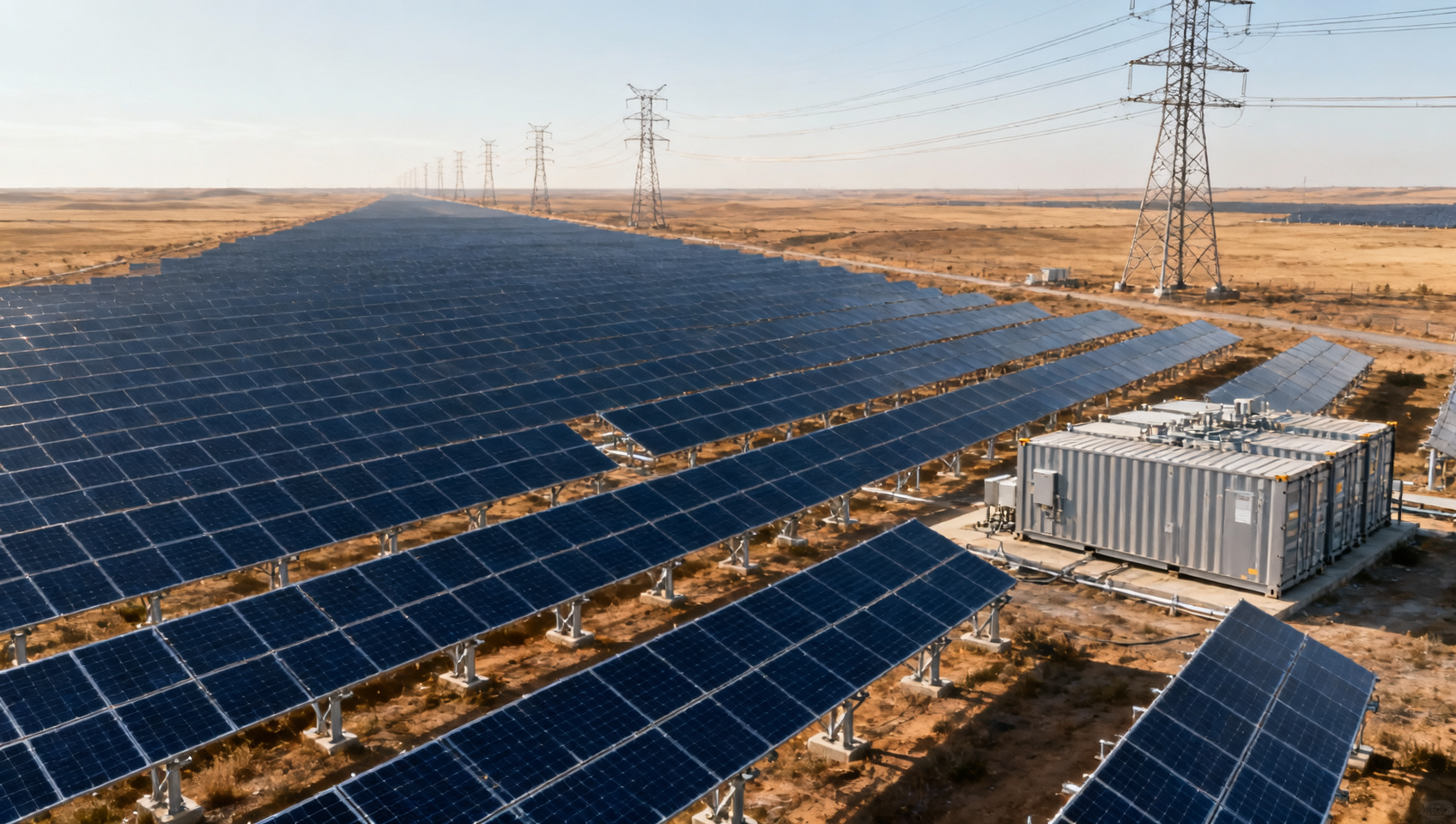
South Africa Registers 2 GW of New Solar PV Capacity in Q3 2026
South Africa registered 139 new solar photovoltaic facilities with a combined capacity of 2,045 MW in the third quarter of 2026, according to National Energy Regulator of South Africa (NERSA) data reported by PV Tech. NERSA also approved generation licences for four large solar projects under REIPPPP Bid Window 7.3. For developers, equipment suppliers and contractors, the figures offer a reason to examine how registration and licensing decisions may affect project planning, procurement and delivery. The information points to regulatory activity, although it does not establish a new rule or describe changes to existing requirements.
Registrations and licences recorded by NERSA
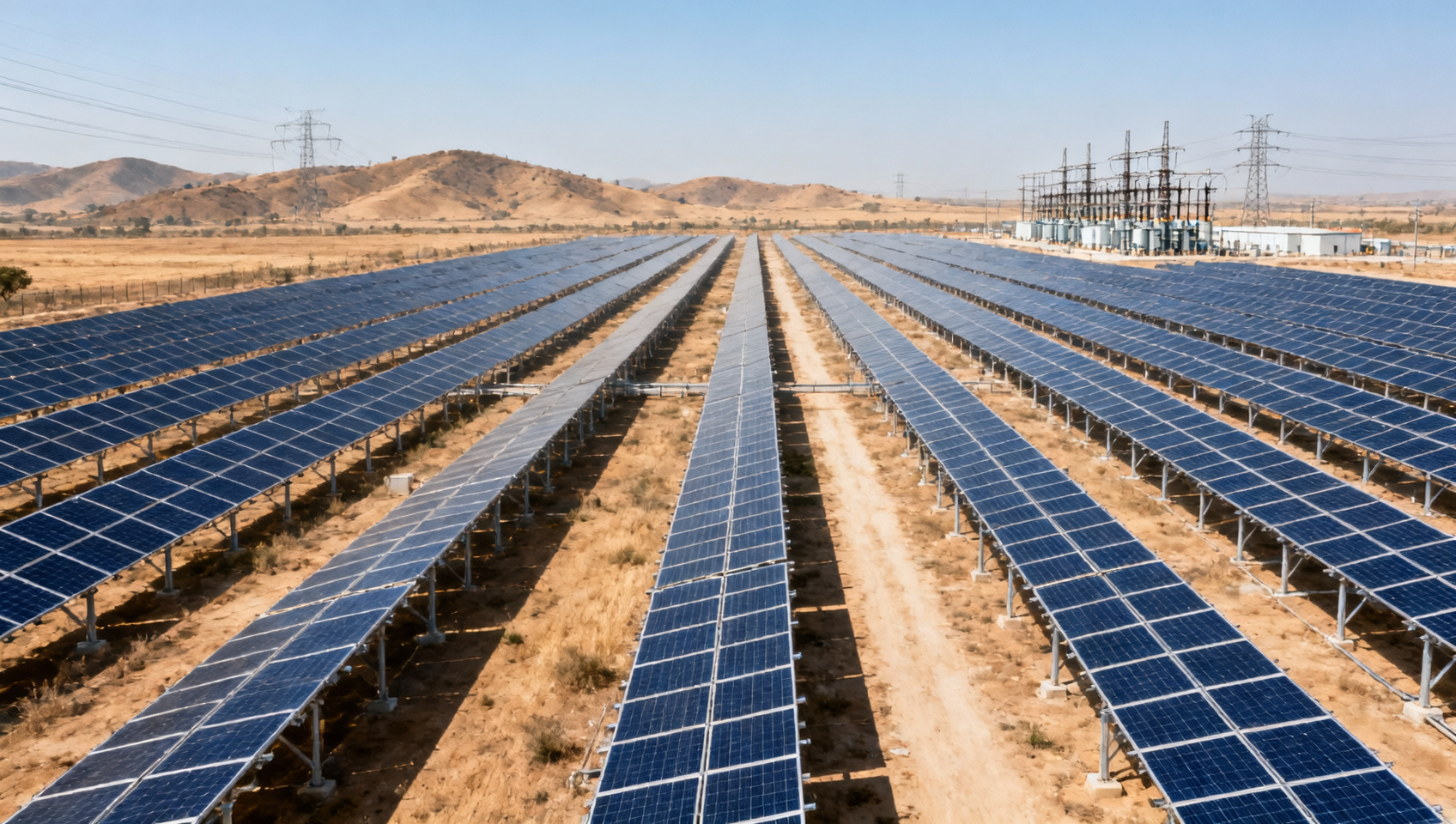
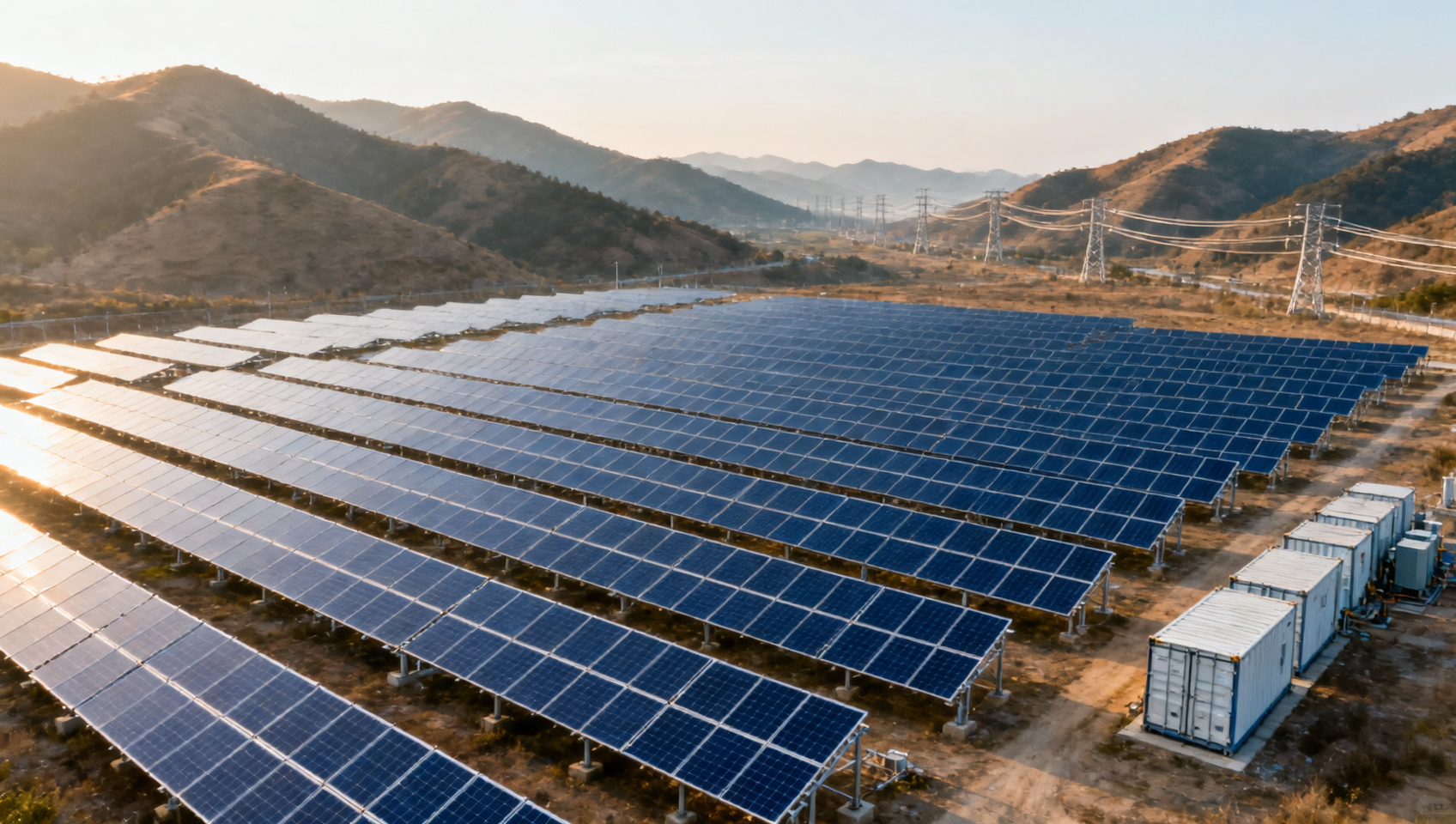
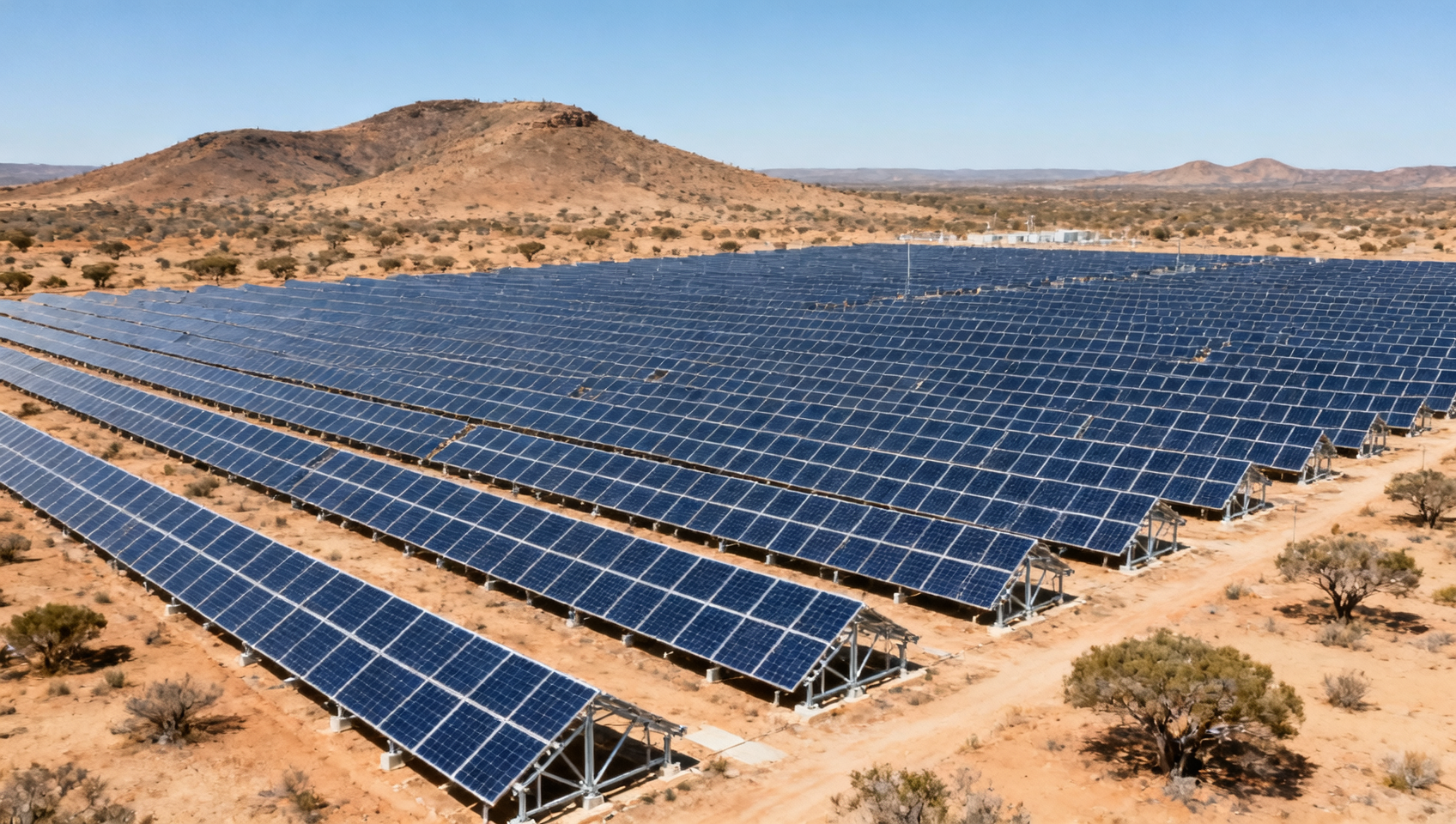
According to the information provided, NERSA’s latest data show that South Africa registered 139 new solar PV facilities during the third quarter of 2026. Their combined installed capacity was 2,045 MW.
NERSA also approved generation licences for four large solar projects under REIPPPP Bid Window 7.3. PV Tech reported the NERSA data. The information provided does not identify the individual facilities or projects, give their separate capacities, or state whether the four licensed projects are included in the registration total.
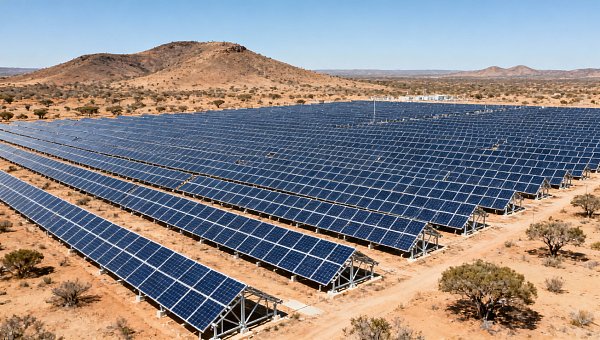
What regulatory progress could mean across the solar supply chain
Project planning after registration or licensing
From an industry perspective, the registration figures and licence approvals are relevant to developers and project owners because regulatory status can inform how they plan subsequent work. A registered facility or a project with an approved generation licence may present a different planning situation from a proposal whose status has yet to be confirmed. The information provided, however, does not describe the conditions attached to any registration or licence, or identify the work that can proceed at each project.
Developers assessing opportunities may therefore need to distinguish the regulator’s reported decisions from the status of their own projects. Analysis suggests that the practical question is whether the relevant project documents support the next planned procurement, contracting or delivery decision. The reported totals alone do not answer that question, and they do not establish when any facility will be built or begin operating.
Equipment procurement and manufacturing
For manufacturers and suppliers of solar equipment, the reported registrations and licence approvals may indicate projects worth monitoring, but they do not establish confirmed equipment orders. Purchasing decisions depend on project-specific information that is absent from the report, including the scope, specifications and schedule for each facility.
Suppliers considering bids may benefit from checking the technical documents and purchasing terms issued for each opportunity. These could determine which product information, quality records or supporting documents a buyer expects. The input does not identify a new product standard, certification requirement or local procurement rule, so businesses should verify any such terms in the applicable project documents rather than infer them from the registration figures.
Engineering, integration and delivery
Engineering contractors and equipment integrators may also watch the four licensed projects and the registered facilities for subsequent contracting activity. In analysis, regulatory progress can be relevant to the timing of design, sourcing and installation discussions, but a licence approval is not, by itself, evidence that a construction contract has been awarded or that a delivery schedule has been fixed.
Contractors and logistics providers may need to assess how project-specific milestones relate to equipment availability and delivery commitments. Where a proposed schedule depends on further decisions or documentation, identifying those dependencies early could help parties avoid treating an indicative timetable as a confirmed one. The supplied information does not specify those dependencies for any of the projects.
Trade and supporting services
Exporters, distributors, testing providers and after-sales businesses may see opportunities if individual projects move into sourcing and implementation. That possibility should be assessed separately from the reported regulatory decisions: the input does not say where equipment will be sourced, which services will be purchased or whether any cross-border shipment is planned.
For a supplier considering a particular transaction, relevant checks could include the buyer’s documentation requests, product specifications, delivery terms and arrangements for technical support. Testing or certification needs should be confirmed against the applicable requirements and contract documents. Nothing in the supplied information establishes a change to trade rules or certification procedures.
Turning the NERSA figures into practical checks
Confirm the status of each opportunity
Businesses evaluating a project may first want to establish whether it is among the registered facilities, among the four licensed projects, or a separate opportunity. The figures describe groups of facilities and projects; they do not provide enough detail to identify individual commercial prospects or explain how the two groups relate.
Where a buyer or project partner refers to a registration or licence, requesting the relevant documentation and checking its scope may help clarify what has been approved. Companies can then assess which project decisions remain open. This is a suggested due diligence step, not a requirement newly established by the reported NERSA decisions.
Review specifications before committing supply
Procurement teams and potential suppliers may find it useful to review the latest available tender or contract documents before committing to equipment, materials or delivery dates. Particular attention could be given to technical specifications, evidence of product conformity, quality documentation and any conditions that affect acceptance. The information supplied does not state what those documents require for the reported projects.
If a proposed product or alternative is being considered, the parties could verify whether it meets the relevant project specification before incorporating it into a bid or delivery plan. The same applies to documentation supporting a product: its suitability depends on the requirements applicable to the transaction, which cannot be determined from aggregate registration data.
Link schedules to verifiable milestones
Analysis suggests that project owners and suppliers should treat regulatory status as one input into scheduling, alongside the decisions and commitments documented for the individual project. A procurement plan may need to allow for uncertainty where final specifications, contract awards or delivery arrangements have not been confirmed.
Businesses can also review how changes to project timing would affect purchase orders, transport arrangements and service commitments. The report does not establish delays or delivery risks at the registered facilities; the purpose of this check is to align commercial commitments with information that can be verified for each project.
Monitor further regulatory and project information
The next useful information may come from NERSA releases, project documentation and reporting that clarifies the status of the individual facilities. Companies may wish to check whether later material explains the relationship between registrations and the four licence approvals, identifies relevant conditions, or provides more detail on project implementation.
Any later change to tender terms, technical requirements or execution guidance would need its own review. The current input does not confirm that such changes have occurred. Keeping that distinction clear may help procurement, compliance and sales teams avoid applying a general market signal as though it were a new obligation.
A signal of regulatory activity, with project details still to verify
In editorial analysis, the reported figures are best understood as evidence of registrations and licence approvals, and as a signal to follow implementation, rather than as proof of a newly introduced policy or a revised regulatory threshold. The input describes decisions and reported capacity; it does not set out a change to the rules governing registration, generation licences, procurement or trade.
The distinction matters commercially. Aggregate registered capacity can help businesses understand the scale of reported activity, while individual documents are needed to assess a specific opportunity. Similarly, approval of four generation licences identifies regulatory progress for those projects but does not establish their construction schedules, procurement outcomes or operational dates.
Future assessments may depend on whether official information or project documents clarify the conditions and scope of the decisions, and whether project participants publish procurement or implementation details. Industry feedback may also help show how the reported activity translates into practical demand. These are matters for continued observation, not outcomes established by the supplied summary.
How to use the update in business planning
The 2,045 MW registered across 139 solar PV facilities, together with the four reported licence approvals, gives market participants a concrete set of regulatory developments to monitor. For a business assessing potential work in South Africa, the immediate value lies in connecting that market-level information to verified project status, relevant documents and realistic procurement decisions.
A measured response is to track the projects and check their individual requirements as information becomes available. The reported decisions support attention to possible supply-chain activity, but the information provided does not establish new compliance obligations, confirmed orders or a timetable for delivery.
Reporting basis and what remains open
This article is based on the user-provided news title, event timing and summary, which attribute the registration data to NERSA as reported by PV Tech. No specific official source link was provided in the input; the underlying regulatory information therefore requires continued verification.
Relevant material to monitor may include NERSA publications, official announcements, project or tender documents and further industry reporting. Any policy details, certification interpretations, procurement terms, trade execution and feedback from project participants should be assessed against the documents available for the relevant project or transaction.
Get weekly intelligence in your inbox.
No noise. No sponsored content. Pure intelligence.
 Nov 22, 2026Golmud's 60 MW Liquid Air Storage Project Uses Fully Domestic EquipmentGolmud's 60 MW Liquid Air Storage Project Uses Fully Domestic Equipment
 Nov 22, 2026Precision Engineering for Medical Devices: Tolerances and MaterialsPrecision Engineering for Medical Devices: Tolerances and Materials
 Nov 21, 2026EDF Acquires 1GWh Holloway Battery Storage Project in AustraliaEDF Acquires 1GWh Holloway Battery Storage Project in Australia
 Nov 21, 2026Choosing Carbon Steel Grades for OEM Machined Parts: Key FactorsChoosing Carbon Steel Grades for OEM Machined Parts: Key Factors
 Nov 20, 2026China’s First Virtual Power Plant Report Says Capacity Target Met EarlyChina’s First Virtual Power Plant Report Says Capacity Target Met Early
 Nov 20, 2026Choosing an OEM Heavy Equipment Manufacturer: Capabilities and Quality ChecksChoosing an OEM Heavy Equipment Manufacturer: Capabilities and Quality Checks
 Nov 19, 2026India Adds Record 8.4 GW of Open-Access Solar in First Nine Months of 2026India Adds Record 8.4 GW of Open-Access Solar in First Nine Months of 2026
 Nov 19, 2026B2B Intelligence for Green Energy: Finding New Market OpportunitiesB2B Intelligence for Green Energy: Finding New Market Opportunities
 Nov 18, 2026Global Solar Additions Hit Record in 2025, Forecast to Fall in 2026Global Solar Additions Hit Record in 2025, Forecast to Fall in 2026
 Nov 18, 2026Supply Chain Visibility for Supplier Management: How to Spot Delivery RisksSupply Chain Visibility for Supplier Management: How to Spot Delivery Risks
 Nov 17, 2026US Battery Storage Deployment Tops 200 GWh; 74 GWh Forecast for 2026US Battery Storage Deployment Tops 200 GWh; 74 GWh Forecast for 2026
 Nov 17, 2026Choosing a Solar Tracker for Ground-Mount PV: Site and Design FactorsChoosing a Solar Tracker for Ground-Mount PV: Site and Design Factors
 Nov 16, 2026US Polysilicon and Solar Product Tariffs and Import Price Floor Take Effect December 4US Polysilicon and Solar Product Tariffs and Import Price Floor Take Effect December 4
 Nov 16, 2026How Industrial Buyers Can Evaluate B2B Intelligence Reports on SuppliersHow Industrial Buyers Can Evaluate B2B Intelligence Reports on Suppliers
 Nov 15, 2026CATL Sets Tener Sodium Delivery Timeline, Targeting LFP on CostCATL Sets Tener Sodium Delivery Timeline, Targeting LFP on Cost
 Nov 15, 2026Electric Wheelchairs for Disabled Adults: Choosing the Right Fit and RangeElectric Wheelchairs for Disabled Adults: Choosing the Right Fit and Range
 Nov 14, 2026China Expects Clean Energy to Meet All New Electricity Demand by 2030China Expects Clean Energy to Meet All New Electricity Demand by 2030
 Nov 14, 2026Choosing a Digital X-Ray Detector Supplier: Compatibility and SupportChoosing a Digital X-Ray Detector Supplier: Compatibility and Support
 Nov 13, 2026Ecuador Sets Zero VAT and Currency Outflow Tax Rates for Solar and Storage EquipmentEcuador Sets Zero VAT and Currency Outflow Tax Rates for Solar and Storage Equipment
 Nov 13, 2026Choosing an OEM Machined Parts Manufacturer: Quality, Capacity and Lead TimesChoosing an OEM Machined Parts Manufacturer: Quality, Capacity and Lead Times
 Nov 12, 2026South Africa Registers 2 GW of New Solar PV Capacity in Q3 2026South Africa Registers 2 GW of New Solar PV Capacity in Q3 2026
 Nov 12, 2026Mexico Supply Chain Market Research: Nearshoring Opportunities and RisksMexico Supply Chain Market Research: Nearshoring Opportunities and Risks
 Nov 11, 2026US Senate Advances Bipartisan BAAJA Energy Permitting BillUS Senate Advances Bipartisan BAAJA Energy Permitting Bill
 Nov 11, 2026Inventory Management Decision Support: When and How Much to ReorderInventory Management Decision Support: When and How Much to Reorder
 Nov 10, 2026China's Trade Surplus Tops $1 Trillion Through October as Exports Rise 35.2%China's Trade Surplus Tops $1 Trillion Through October as Exports Rise 35.2%
 Nov 10, 2026Choosing Surgical PPE: Gowns, Gloves, Masks and Eye ProtectionChoosing Surgical PPE: Gowns, Gloves, Masks and Eye Protection
 Nov 09, 2026US Solar Imports Shift as Domestic Manufacturing Investment Reshapes Global TradeUS Solar Imports Shift as Domestic Manufacturing Investment Reshapes Global Trade