EDF Acquires 1GWh Holloway Battery Storage Project in Australia
EDF power solutions Australia has announced the acquisition of the proposed Holloway battery energy storage project from developer SynCo Global, bringing a planned 250MW/1GWh facility into the EDF group’s portfolio. The event date was not specified in the information provided. No policy, regulatory or standards change was identified in the announcement summary, but the project’s grid-forming capability and location near key electricity infrastructure make it relevant to suppliers, contractors and others who may eventually have to address project-specific technical and compliance requirements. The immediate question for the industry is what those requirements will be as development proceeds.
Holloway’s planned capacity and development timetable
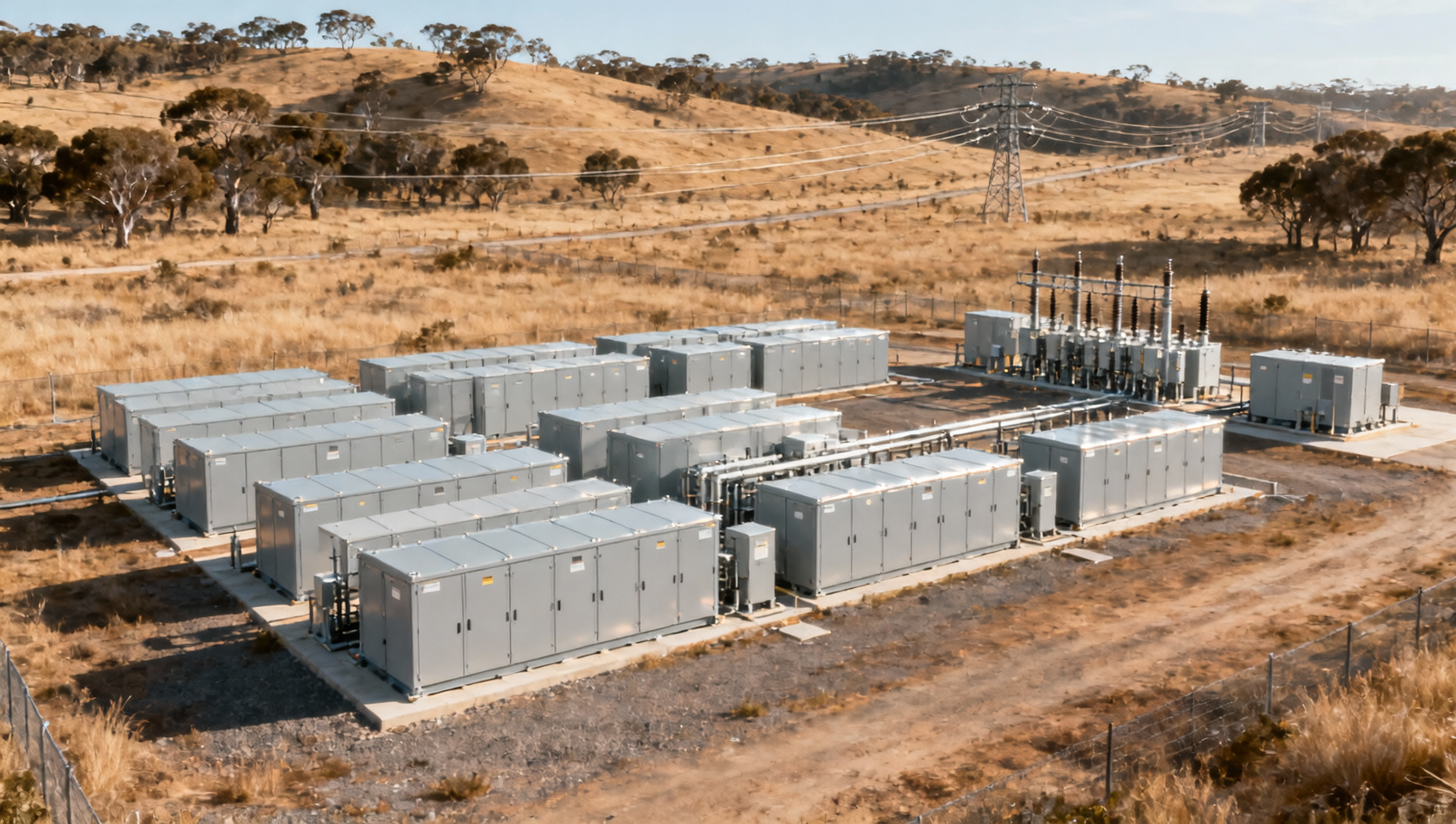
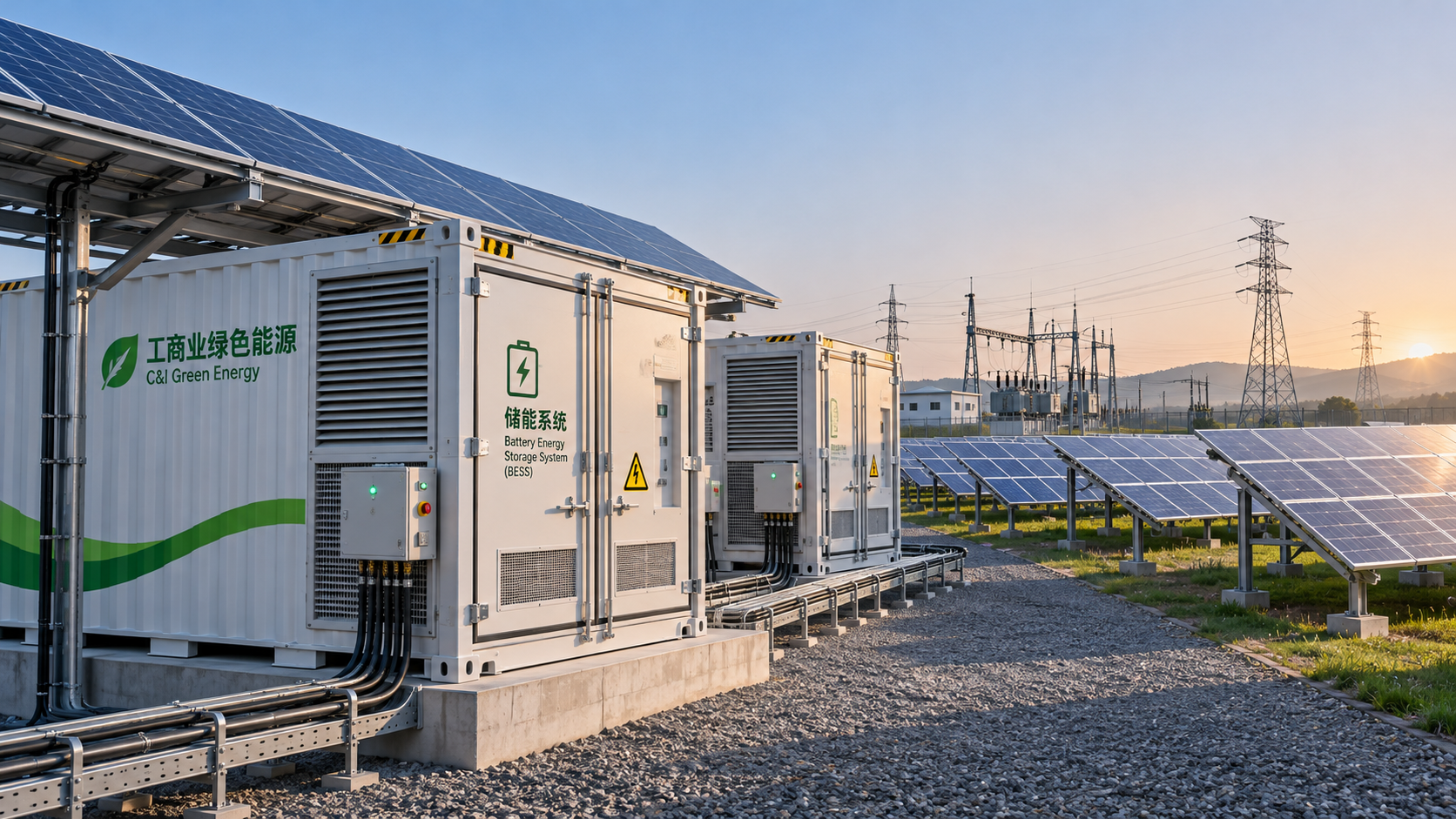
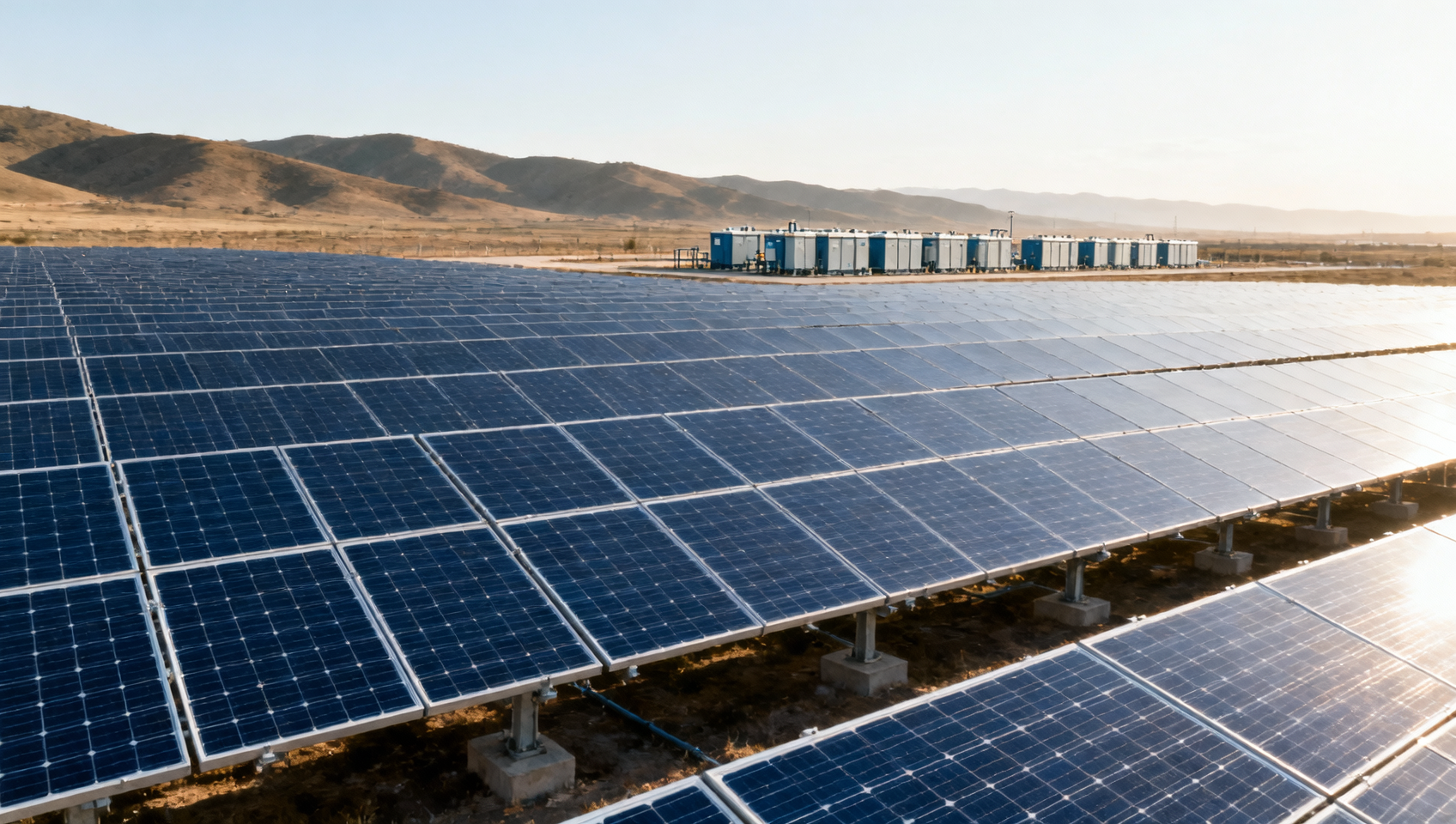
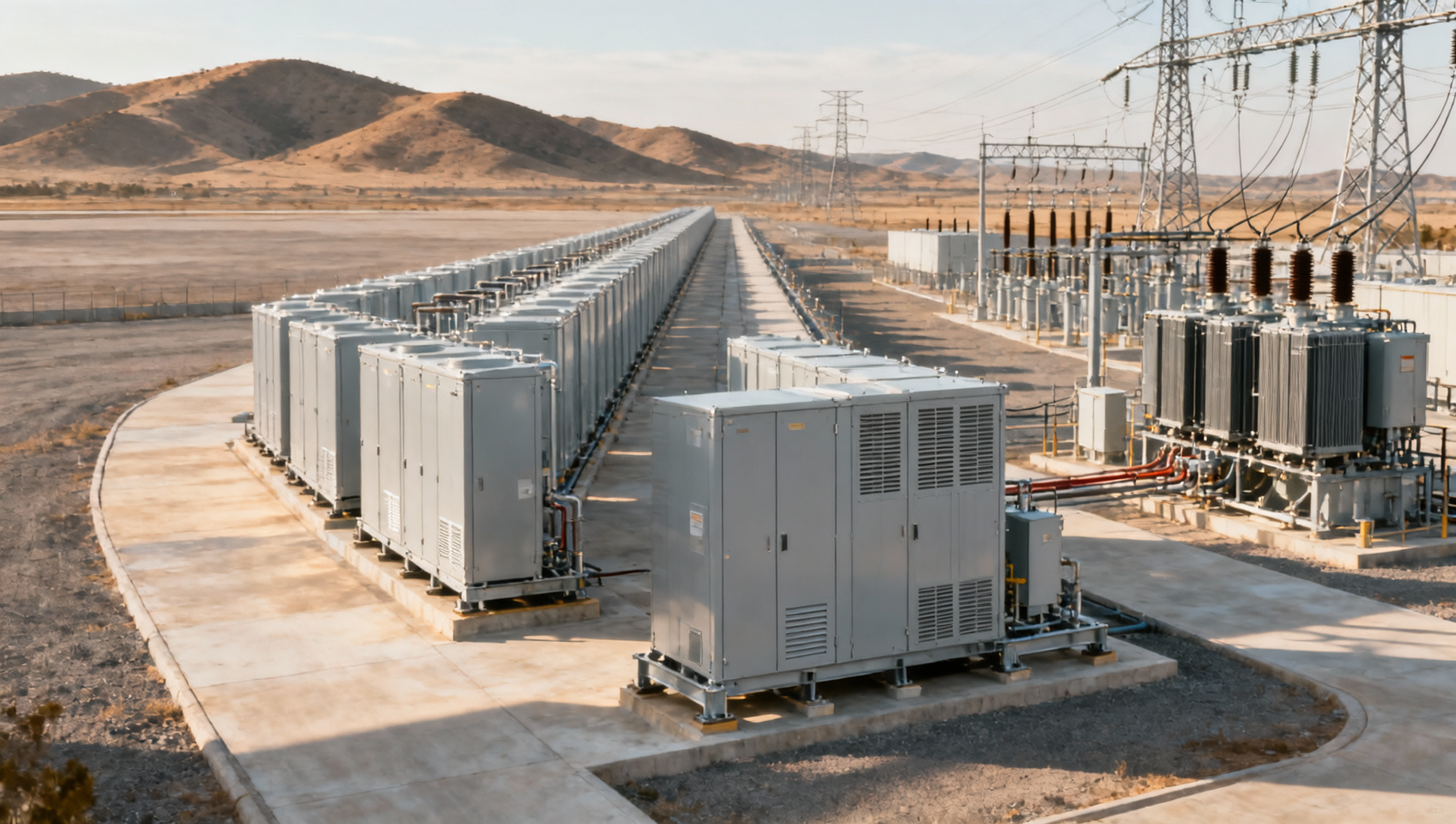
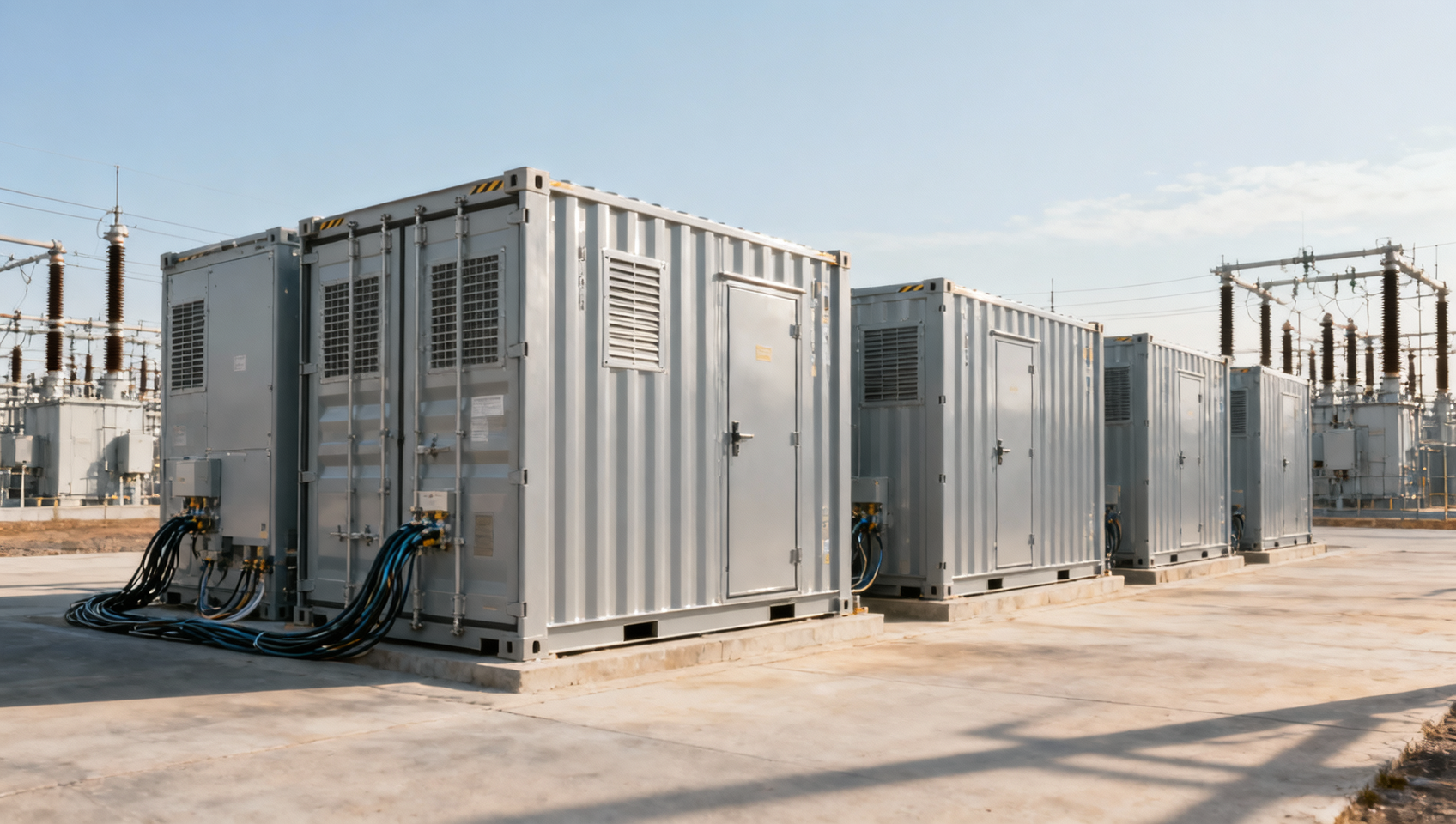
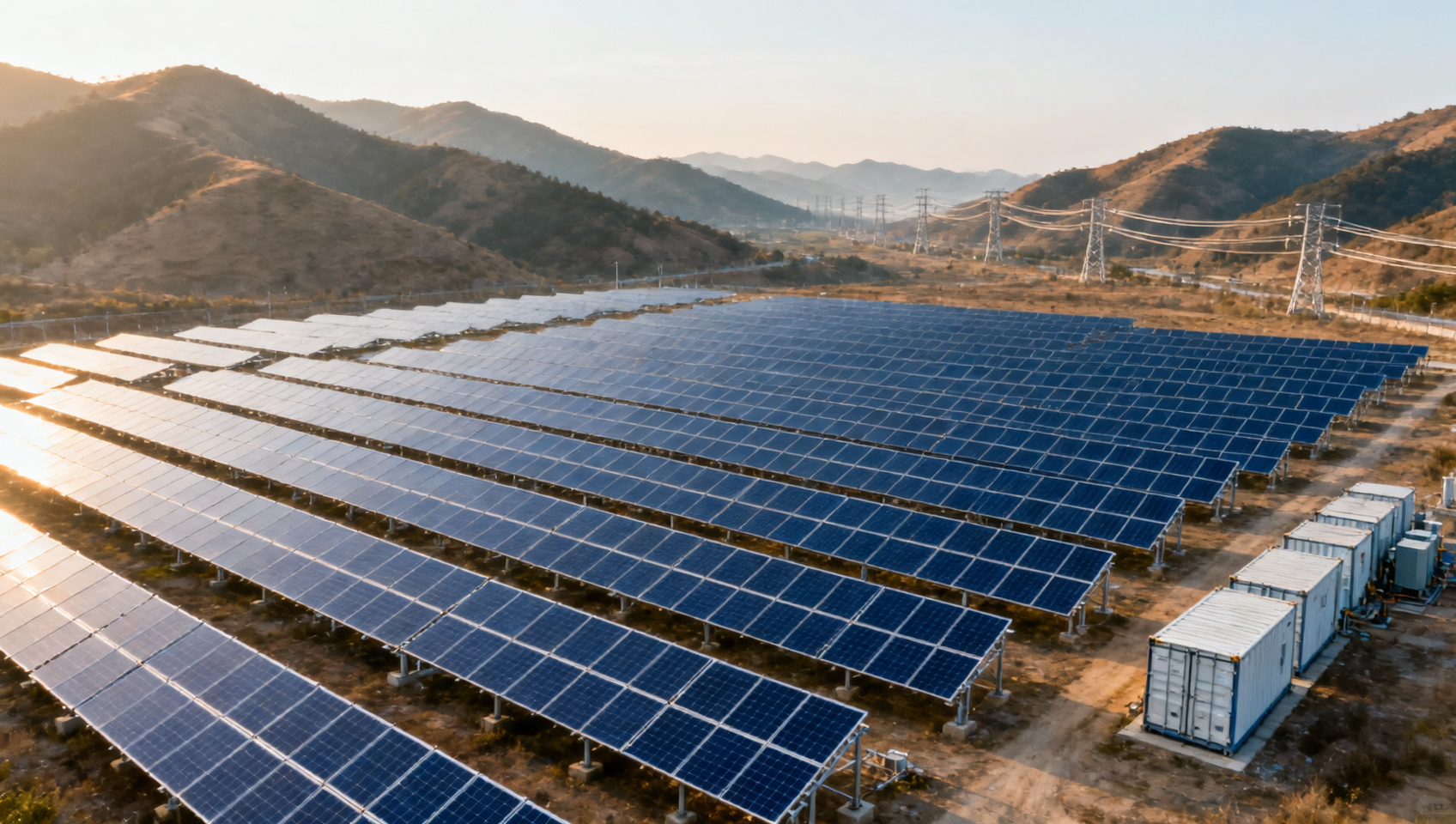
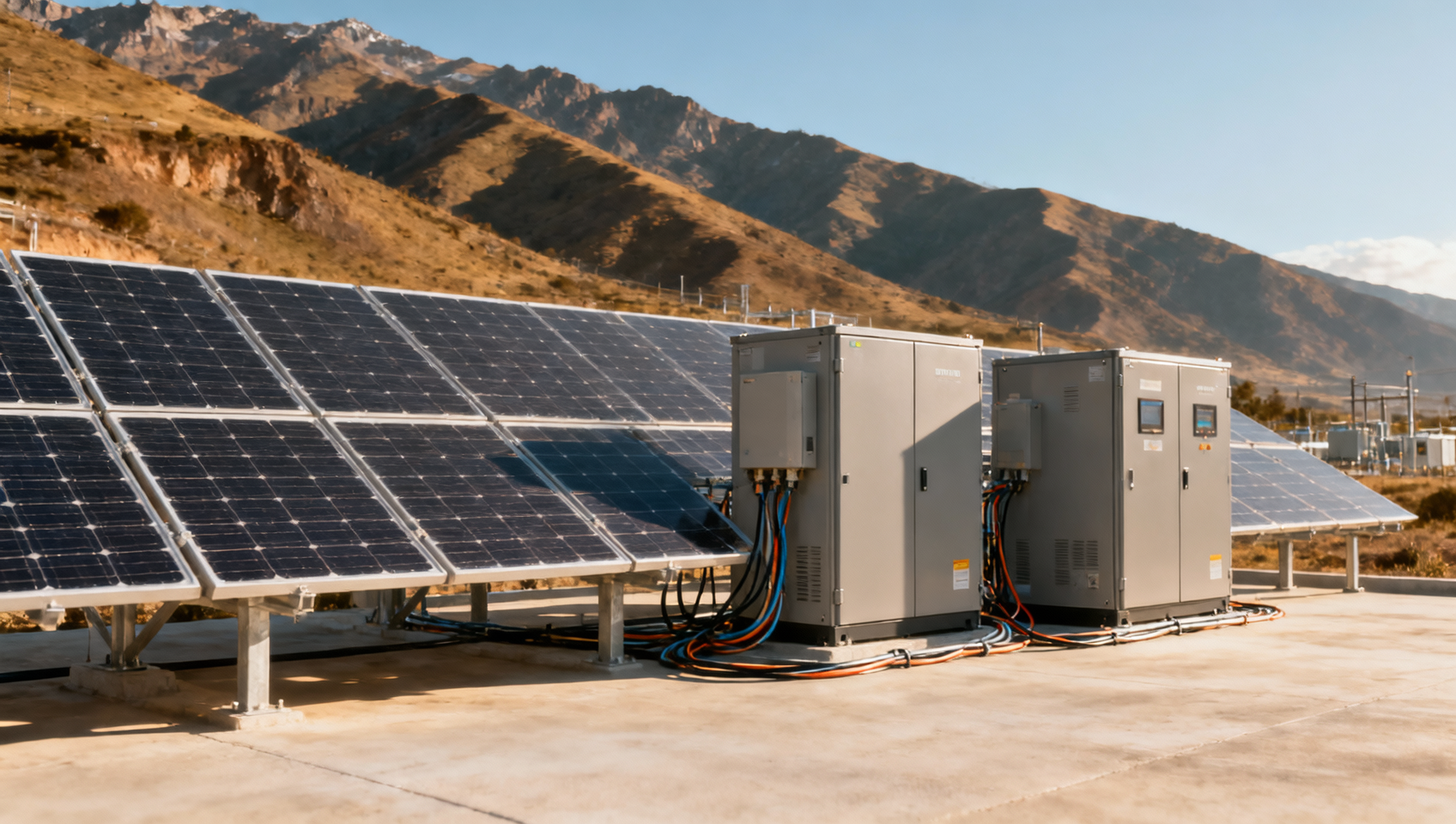
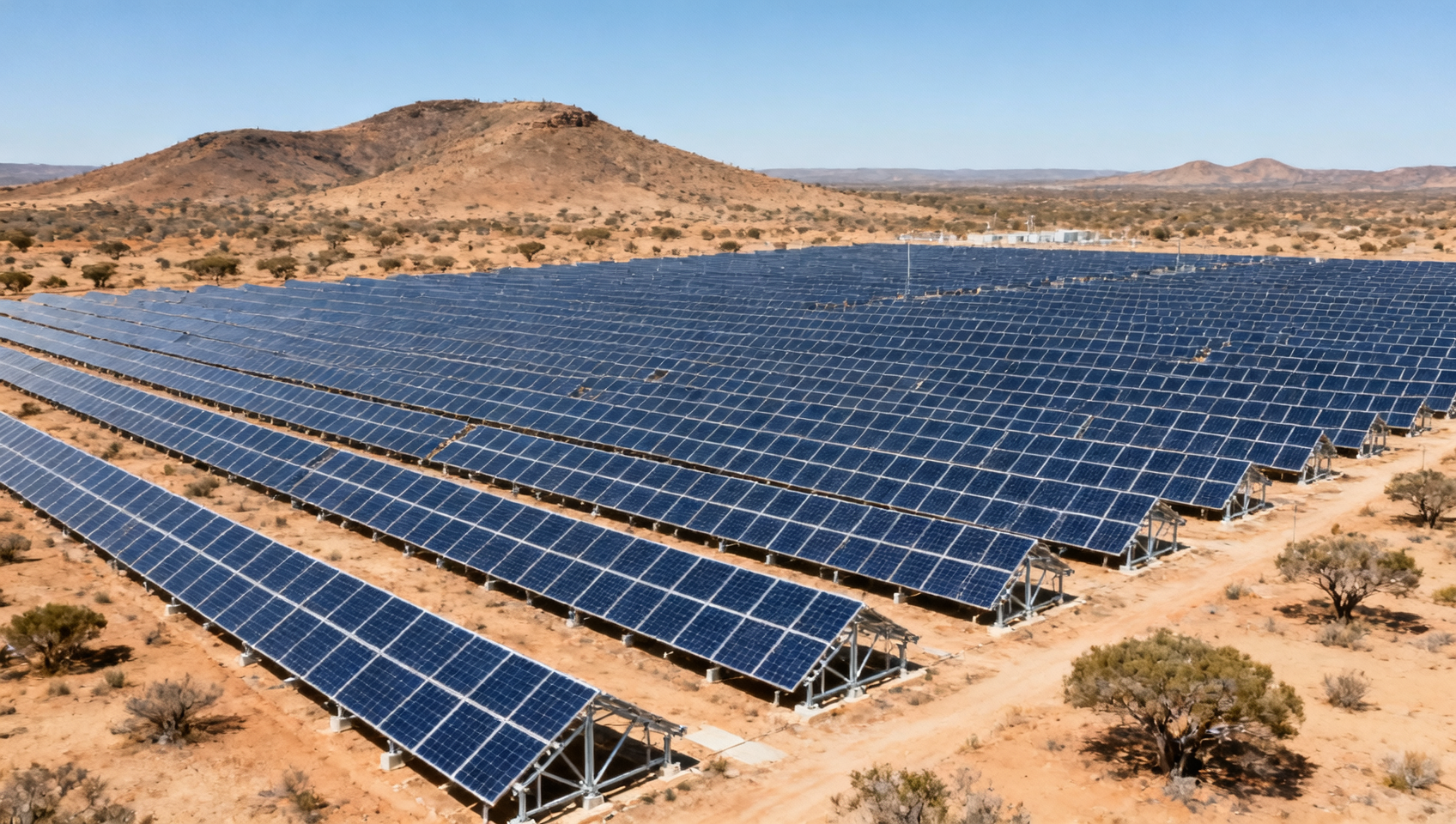
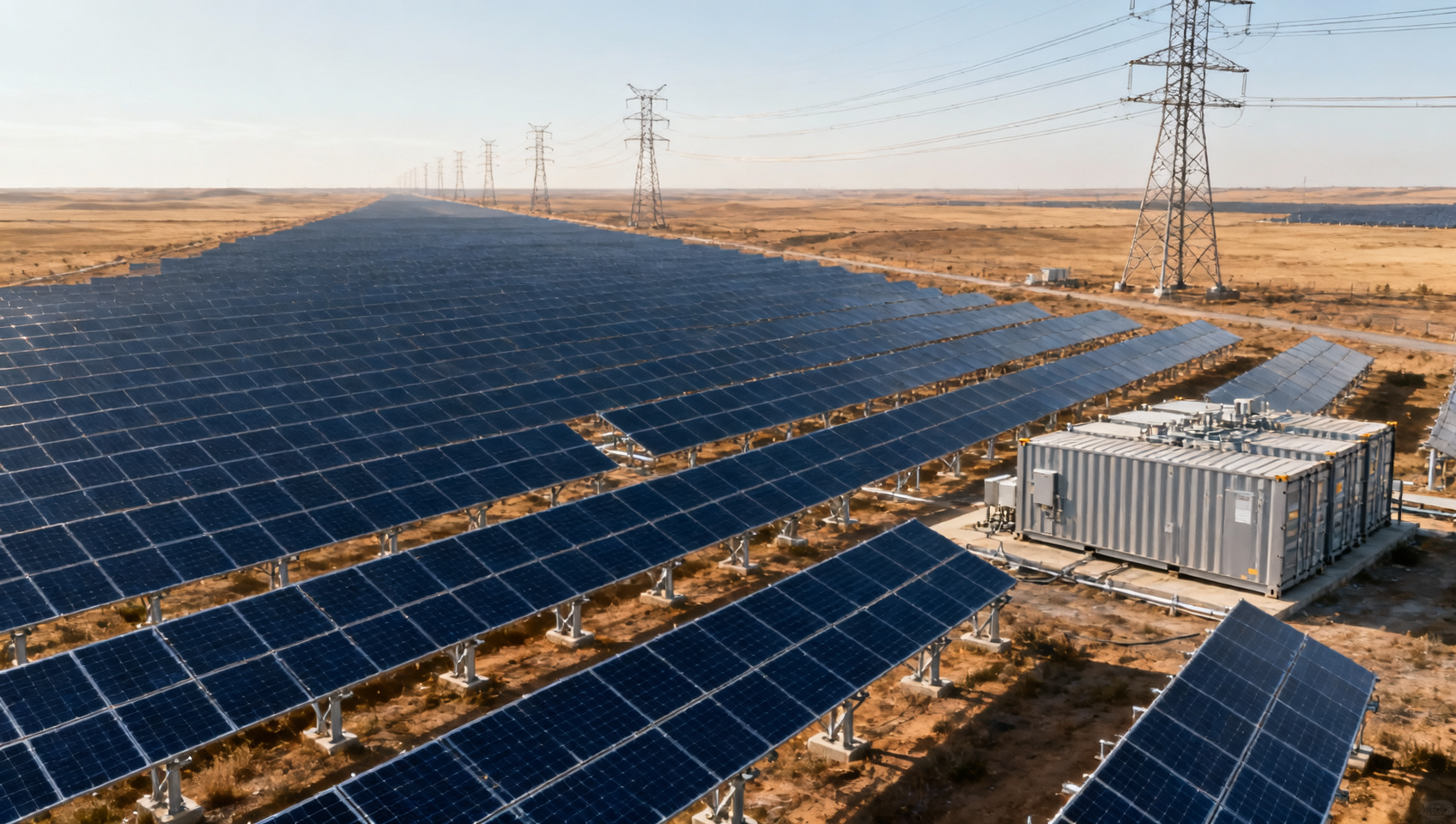
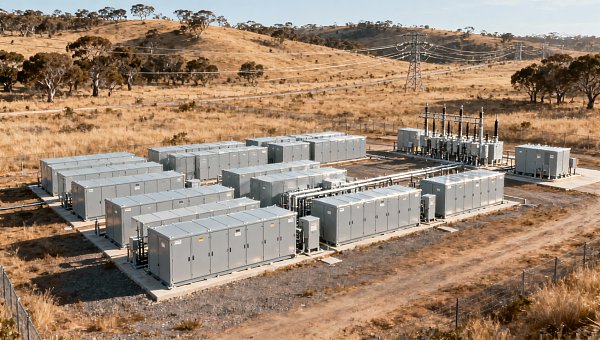
EDF power solutions Australia, a subsidiary of France’s EDF group, announced that it had acquired the greenfield Holloway battery energy storage system project from SynCo Global. The project is located near Armidale in the New England Renewable Energy Zone in New South Wales, Australia.
Holloway is planned with a power capacity of 250MW and an energy capacity of 1GWh. It has grid-forming capability and is located close to key grid infrastructure. A final investment decision is planned for the end of 2027, with the project scheduled to enter operation in 2029.
How grid-forming capability could shape the supply chain
From an industry perspective, the acquisition is a project development signal, not evidence that a new rule has been adopted. Nevertheless, the stated grid-forming capability gives prospective participants a concrete reason to examine how technical specifications and applicable requirements may be defined. The supplied information does not identify the equipment configuration, connection conditions or procurement process.
Equipment makers and system integrators
For manufacturers and integrators, the combination of stated capacity and grid-forming capability may influence how future bids are assembled. Analysis suggests that a prospective supplier would need to understand how the project defines the required behavior of the complete storage system, rather than assuming that a general product description will be sufficient.
Relevant documents could include equipment specifications, control descriptions, test evidence and information on how components operate together. Whether any particular certificate, test or technical standard will be required remains unconfirmed. Suppliers may therefore benefit from checking future project documents before committing to a specific design or treating an existing product qualification as sufficient.
The distinction matters commercially as well as technically. If project documents eventually specify performance obligations at the system level, manufacturers and integrators may need to agree how those obligations are allocated among the parties providing equipment, controls and integration services. That is a possible contracting issue, not a confirmed condition of the Holloway project.
Procurement teams and delivery partners
The planned final investment decision and operating dates provide a timetable for observation, but the supplied summary does not establish when purchasing will begin or which packages will be offered. Potential bidders may need to distinguish early preparation from a confirmed opportunity and avoid treating the 2029 operating target as a committed equipment delivery date.
If procurement advances, the project’s size and technical description could affect how buyers assess documentation, supplier capabilities and coordination between packages. For delivery partners, a practical question is whether future specifications align the proposed equipment, installation work and system-level performance evidence. Any effect on costs, lead times or supplier selection remains a matter for later confirmation.
Testing, commissioning and ongoing service
Testing providers, commissioning contractors and service businesses may also have an interest in how grid-forming capability is translated into verifiable project requirements. Analysis suggests that future contracts could need to clarify what evidence is expected before equipment is accepted and how responsibilities are divided when performance depends on more than one component.
For service providers, the documents handed over at commissioning may influence the ability to diagnose and maintain the completed system. The input does not establish the project’s maintenance model or acceptance procedures. These are therefore areas to monitor, not confirmed opportunities or obligations.
What prospective participants can check before procurement
Follow the connection and performance specifications
The project’s proximity to key grid infrastructure is a stated feature, but proximity alone does not establish connection approval or define operating conditions. Prospective participants can watch for published project and connection information that explains the applicable technical criteria, the scope of grid-forming performance and the evidence requested from suppliers.
Where documents become available, a useful review would compare system-level requirements with the capabilities and limitations described in component documentation. Particular attention may be needed where a requirement depends on equipment from several suppliers. At present, no specific connection condition or regulatory approval has been supplied.
Prepare traceable technical evidence
Manufacturers and integrators considering a future bid can review whether their product descriptions, test records and configuration information are consistent and easy to trace. This is a preparatory suggestion, not a statement that Holloway has issued a document list or imposed a certification requirement.
If specifications are released, bidders may need to check whether existing evidence covers the proposed configuration and intended operating conditions. Any gaps can then be assessed against the actual procurement documents. Testing or certification decisions should depend on verified requirements rather than assumptions drawn from the acquisition announcement.
Separate the investment milestone from delivery commitments
The planned end-of-2027 investment decision is a useful reference point for internal scenario planning. It does not, on the information provided, guarantee that the decision will occur on that date or that construction and purchasing have been authorized. Suppliers and contractors can review their own planning assumptions against later project updates.
Potential participants may also want to examine how quotation validity, equipment availability, engineering work and delivery schedules would interact if a tender is issued. The relationship between those matters cannot yet be determined from the stated 2029 operating target. Any schedule offered in a bid would need to reflect the project information available at that time.
Clarify responsibilities across the system
A prospective contract review could focus on where equipment supply ends and integration, testing and ongoing support begin. Grid-forming capability is described for the project, while the input does not identify which supplier or contractor would be responsible for demonstrating it.
Analysis suggests that clear interfaces could help parties assess technical and commercial exposure if the project moves to procurement. Relevant questions may include who supplies control documentation, who coordinates tests and how changes to equipment configurations are reviewed. None of these arrangements has been confirmed for Holloway.
A project signal while formal requirements remain unconfirmed
At this stage, the acquisition is best understood as a development and execution signal for a proposed storage project. The provided information does not identify a new Australian policy, a changed grid rule, a revised certification scheme or a trade measure. It would therefore be misleading to treat the transaction itself as proof of a rule change or as evidence that new obligations already apply to the wider industry.
The distinction also limits conclusions about trade. The summary does not identify equipment origins, import arrangements or customs requirements, so no specific change to cross-border purchasing can be inferred. Businesses involved in international supply can monitor any later procurement terms and verify the requirements applicable to their own transactions once the relevant details are known.
What deserves closer attention is how the project’s stated grid-forming capability is eventually expressed in connection documents, technical specifications and contractual performance criteria, if those documents are made available. Such materials could show how existing requirements are applied to this project or whether later rule changes affect it. Neither outcome is established by the information currently supplied.
Future updates on approvals, procurement, the final investment decision and the planned operating date could materially change how suppliers assess the opportunity. Industry feedback may also help explain practical implementation, but it should be distinguished from formal project documents and verified regulatory statements.
Reading Holloway as a prospective requirement, not a settled rule
The Holloway acquisition gives storage suppliers and service providers a specific project to follow: a 250MW/1GWh greenfield development with stated grid-forming capability and a planned investment decision at the end of 2027. Its potential significance for procurement and delivery lies in the technical and contractual details that may emerge, not in any rule change established by the supplied summary.
A proportionate response is to monitor verified project updates, maintain accessible technical evidence and test commercial assumptions against actual tender and connection documents when available. The current information supports preparation and continued observation; it does not establish a new compliance obligation or guarantee the project’s eventual delivery.
Basis for this report and further verification
This article is based on the user-provided news title, event timing and event summary. The event date was not specified, and no specific official source link was provided in the input. The announcement and subsequent developments therefore require continued verification.
Relevant sources to monitor may include official company announcements, regulatory publications, project or procurement documents, and applicable standards documentation. Later checks should focus on connection and approval details, any changes to technical or certification requirements, tender terms, the investment decision, delivery plans and industry feedback. No specific document or later outcome is confirmed by the information provided.
Get weekly intelligence in your inbox.
No noise. No sponsored content. Pure intelligence.
 Nov 22, 2026Golmud's 60 MW Liquid Air Storage Project Uses Fully Domestic EquipmentGolmud's 60 MW Liquid Air Storage Project Uses Fully Domestic Equipment
 Nov 22, 2026Precision Engineering for Medical Devices: Tolerances and MaterialsPrecision Engineering for Medical Devices: Tolerances and Materials
 Nov 21, 2026EDF Acquires 1GWh Holloway Battery Storage Project in AustraliaEDF Acquires 1GWh Holloway Battery Storage Project in Australia
 Nov 21, 2026Choosing Carbon Steel Grades for OEM Machined Parts: Key FactorsChoosing Carbon Steel Grades for OEM Machined Parts: Key Factors
 Nov 20, 2026China’s First Virtual Power Plant Report Says Capacity Target Met EarlyChina’s First Virtual Power Plant Report Says Capacity Target Met Early
 Nov 20, 2026Choosing an OEM Heavy Equipment Manufacturer: Capabilities and Quality ChecksChoosing an OEM Heavy Equipment Manufacturer: Capabilities and Quality Checks
 Nov 19, 2026India Adds Record 8.4 GW of Open-Access Solar in First Nine Months of 2026India Adds Record 8.4 GW of Open-Access Solar in First Nine Months of 2026
 Nov 19, 2026B2B Intelligence for Green Energy: Finding New Market OpportunitiesB2B Intelligence for Green Energy: Finding New Market Opportunities
 Nov 18, 2026Global Solar Additions Hit Record in 2025, Forecast to Fall in 2026Global Solar Additions Hit Record in 2025, Forecast to Fall in 2026
 Nov 18, 2026Supply Chain Visibility for Supplier Management: How to Spot Delivery RisksSupply Chain Visibility for Supplier Management: How to Spot Delivery Risks
 Nov 17, 2026US Battery Storage Deployment Tops 200 GWh; 74 GWh Forecast for 2026US Battery Storage Deployment Tops 200 GWh; 74 GWh Forecast for 2026
 Nov 17, 2026Choosing a Solar Tracker for Ground-Mount PV: Site and Design FactorsChoosing a Solar Tracker for Ground-Mount PV: Site and Design Factors
 Nov 16, 2026US Polysilicon and Solar Product Tariffs and Import Price Floor Take Effect December 4US Polysilicon and Solar Product Tariffs and Import Price Floor Take Effect December 4
 Nov 16, 2026How Industrial Buyers Can Evaluate B2B Intelligence Reports on SuppliersHow Industrial Buyers Can Evaluate B2B Intelligence Reports on Suppliers
 Nov 15, 2026CATL Sets Tener Sodium Delivery Timeline, Targeting LFP on CostCATL Sets Tener Sodium Delivery Timeline, Targeting LFP on Cost
 Nov 15, 2026Electric Wheelchairs for Disabled Adults: Choosing the Right Fit and RangeElectric Wheelchairs for Disabled Adults: Choosing the Right Fit and Range
 Nov 14, 2026China Expects Clean Energy to Meet All New Electricity Demand by 2030China Expects Clean Energy to Meet All New Electricity Demand by 2030
 Nov 14, 2026Choosing a Digital X-Ray Detector Supplier: Compatibility and SupportChoosing a Digital X-Ray Detector Supplier: Compatibility and Support
 Nov 13, 2026Ecuador Sets Zero VAT and Currency Outflow Tax Rates for Solar and Storage EquipmentEcuador Sets Zero VAT and Currency Outflow Tax Rates for Solar and Storage Equipment
 Nov 13, 2026Choosing an OEM Machined Parts Manufacturer: Quality, Capacity and Lead TimesChoosing an OEM Machined Parts Manufacturer: Quality, Capacity and Lead Times
 Nov 12, 2026South Africa Registers 2 GW of New Solar PV Capacity in Q3 2026South Africa Registers 2 GW of New Solar PV Capacity in Q3 2026
 Nov 12, 2026Mexico Supply Chain Market Research: Nearshoring Opportunities and RisksMexico Supply Chain Market Research: Nearshoring Opportunities and Risks
 Nov 11, 2026US Senate Advances Bipartisan BAAJA Energy Permitting BillUS Senate Advances Bipartisan BAAJA Energy Permitting Bill
 Nov 11, 2026Inventory Management Decision Support: When and How Much to ReorderInventory Management Decision Support: When and How Much to Reorder
 Nov 10, 2026China's Trade Surplus Tops $1 Trillion Through October as Exports Rise 35.2%China's Trade Surplus Tops $1 Trillion Through October as Exports Rise 35.2%
 Nov 10, 2026Choosing Surgical PPE: Gowns, Gloves, Masks and Eye ProtectionChoosing Surgical PPE: Gowns, Gloves, Masks and Eye Protection
 Nov 09, 2026US Solar Imports Shift as Domestic Manufacturing Investment Reshapes Global TradeUS Solar Imports Shift as Domestic Manufacturing Investment Reshapes Global Trade