B2B Intelligence for Green Energy: Finding New Market Opportunities
A promising green energy market is not simply one with ambitious targets or a growing number of projects. It is a market where a specific buyer has a problem your business can solve, has a realistic route to purchase, and can deploy the solution under local commercial and technical conditions.
B2B intelligence for green energy helps make that distinction. Used well, it connects signals such as project development, electricity costs, supplier capacity, procurement rules, and technology requirements to a practical decision: where to investigate, whom to approach, and which opportunities to leave alone.
Start with a decision, not a market ranking
Before comparing countries or technologies, define the opportunity you are equipped to pursue. A battery manufacturer, a power electronics supplier, and a software provider may all be interested in energy storage, but they sell to different customers and face different constraints.
Describe the intended offer in commercial terms: the application it supports, the buyer who would specify or purchase it, the scale of project it can serve, and the services needed after delivery. Then identify the decision you need to make. Are you choosing an export market, looking for a local partner, assessing an acquisition, or deciding whether to adapt a product?
This framing prevents a common mistake: treating activity across an entire sector as demand for one particular product. A large pipeline of renewable projects, for example, may create opportunities for equipment suppliers, installers, grid service providers, and maintenance companies. It does not mean each group has equal access to the same contracts.
A useful initial question is: what must happen between a market signal and a purchase order? The answer may include project financing, land access, grid connection, technical approval, and a procurement process. Each stage creates opportunities for some suppliers and delays for others.
Separate visible demand from demand you can reach
Public announcements are a starting point, not a sales forecast. A project that is being discussed, a project with financing, and a project issuing equipment tenders represent different levels of commercial readiness. Track those stages separately so that a long list of announcements does not become an inflated estimate of near-term demand.
For each target market, look for evidence across several connected areas:
- Buyer activity: Are developers, utilities, industrial users, or public bodies procuring solutions that match the offer? Identify who controls specifications and who signs the contract.
- Project progress: Have projects moved beyond proposals into financing, permitting, procurement, construction, or operation? A supplier’s sales cycle should match the stage it can realistically enter.
- Infrastructure constraints: Grid access, network congestion, land availability, and installation capacity can affect whether planned projects proceed and which technologies are useful.
- Commercial conditions: Examine contract structure, payment terms, financing expectations, currency exposure, and the buyer’s appetite for unfamiliar suppliers.
- Route to market: Determine whether direct sales are practical or whether local engineering, distribution, installation, or service partners are needed.
These signals should be read together. Strong developer interest may look less attractive if projects cannot secure grid connections. A smaller market may be more accessible if procurement is active, customers are well matched to the offer, and a credible service partner is available.
Keep market size and addressable demand separate. Total spending on renewable infrastructure can provide context, but the more useful estimate is the portion relevant to your product, customer type, delivery capacity, and sales channel. If those boundaries are unclear, use a range of scenarios and state the assumptions behind each one.
Find opportunities in the constraints
Green energy demand is often created by a practical limitation rather than a general preference for cleaner technology. Understanding that limitation makes it easier to identify the buyer and explain the value of a solution.
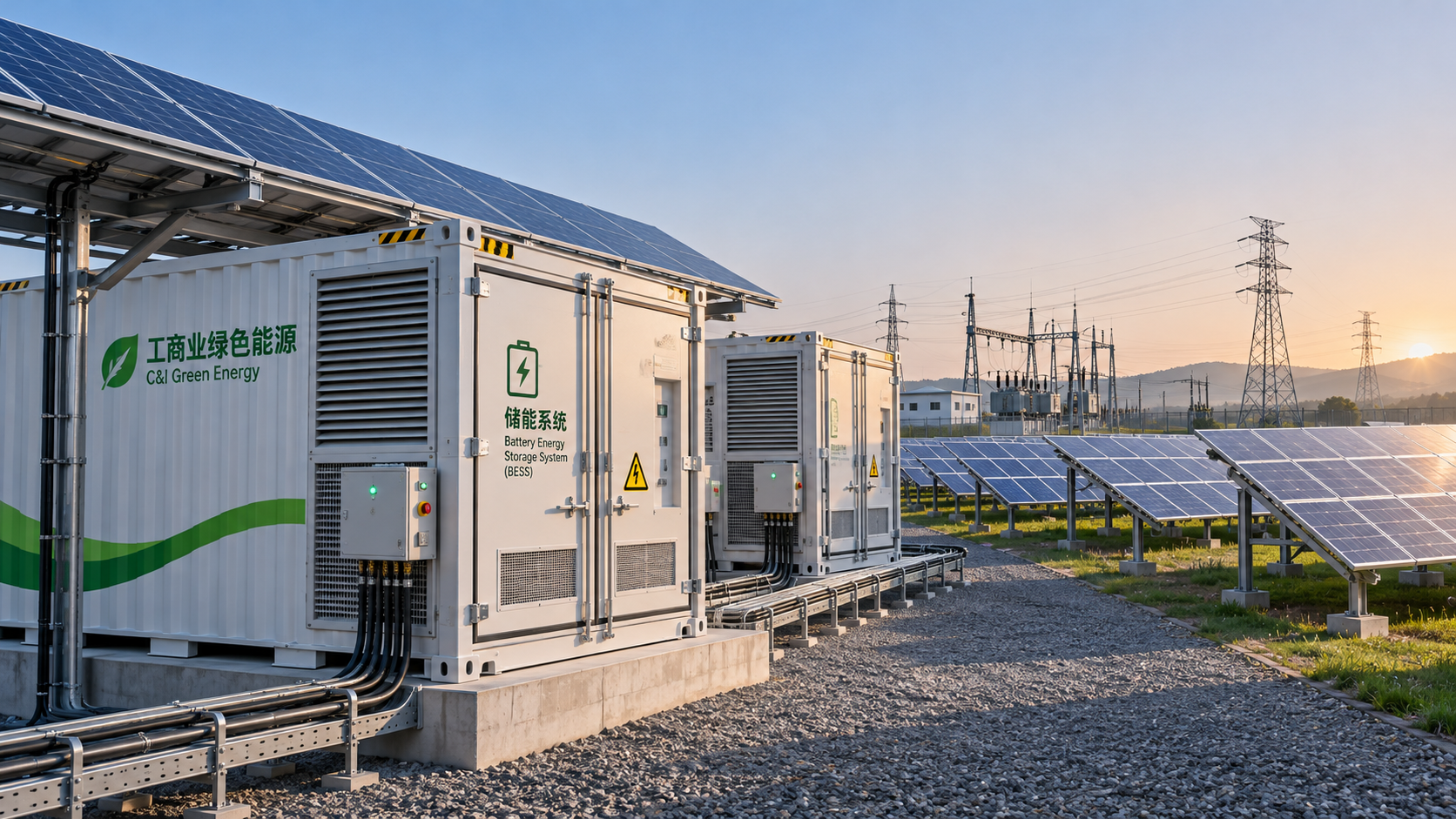
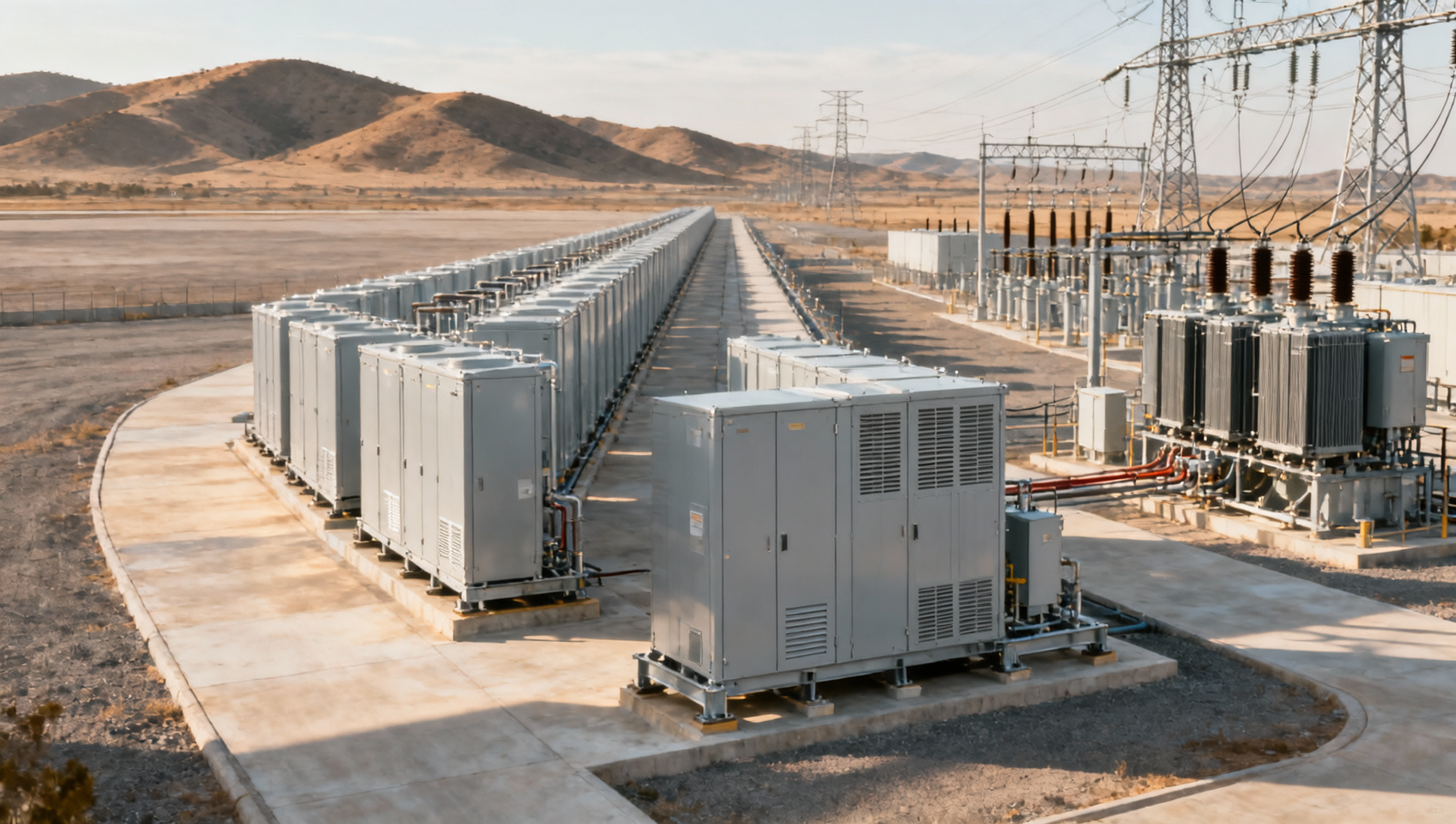
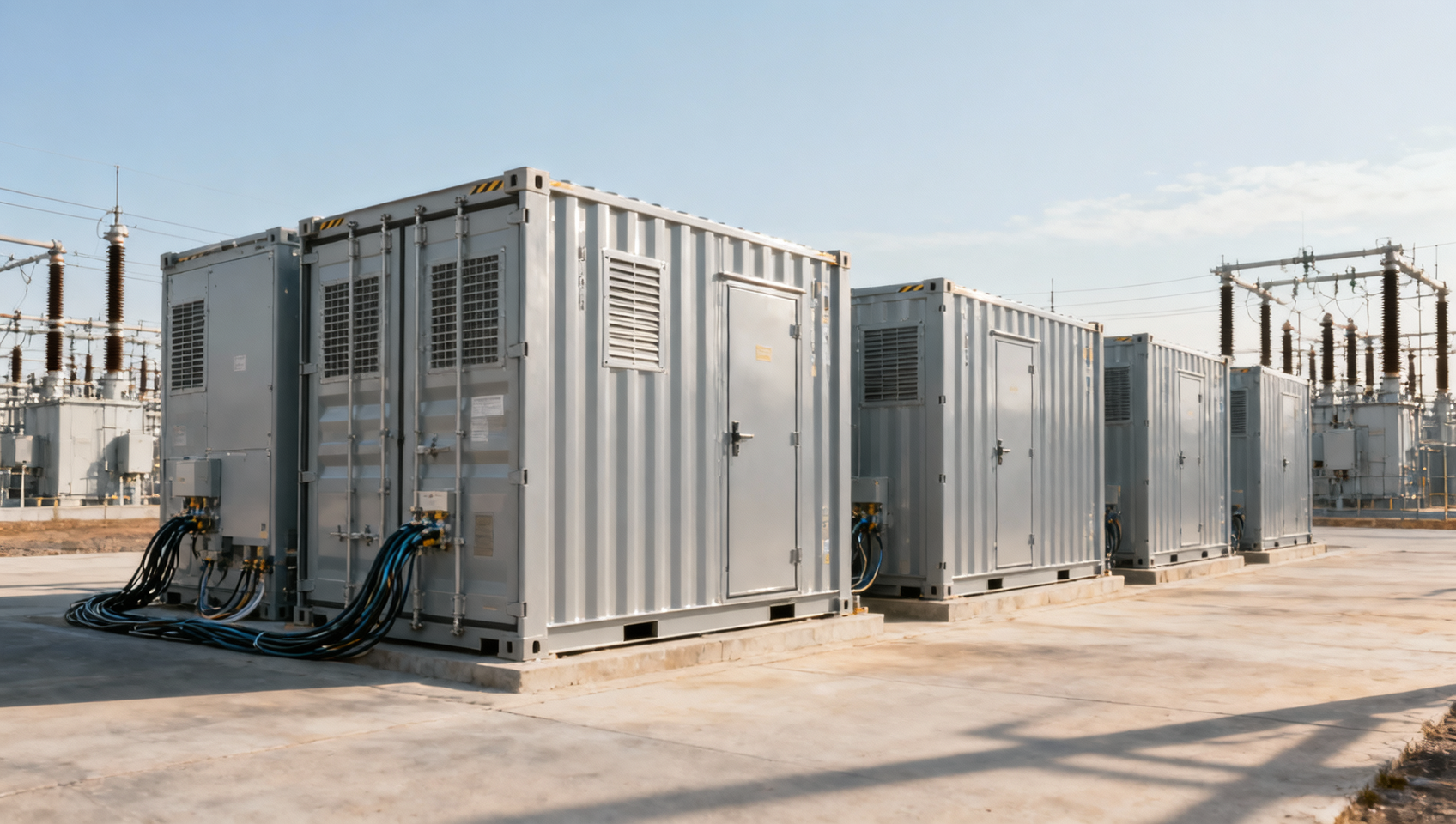
Grid constraints can create storage and flexibility opportunities. A developer facing restrictions on when power can be exported may explore storage or control systems. But the business case depends on how the asset will operate, what services it can provide, connection terms, and the costs of integrating it. Storage is not automatically attractive beside every renewable project.
Industrial energy needs can create demand for onsite solutions. A facility may be interested in onsite generation, storage, or energy management because it wants greater control over energy costs or continuity. The relevant buyer may be a plant operator, an energy service company, or a property owner. Their requirements will differ: one may prioritize predictable operating expenses, while another needs a solution that fits a short site lease.
Supply chain requirements can create openings for specialized manufacturers. Buyers may seek components with documented material origin, consistent quality, shorter replenishment times, or access to regional service. A supplier with a lower quoted price may be less competitive if it cannot provide the documentation or support required for the project.
These are application patterns, not proof of demand in a particular market. They help form questions for customer interviews and project research. The opportunity becomes more credible when a named buyer group, a specific use case, and an achievable purchasing process line up.
Compare technologies against the job they must do
Technology intelligence is most useful when it supports an application decision. A product that performs well under one operating profile may be unsuitable under another, even if both are described with the same broad label.
For energy storage, for example, compare the intended duration of use, frequency of cycling, installation environment, safety arrangements, operating controls, and expected service obligations. For solar or wind projects, examine how equipment fits site conditions, grid requirements, installation capability, and maintenance access.
Ask suppliers for evidence that corresponds to the intended application: technical documentation, relevant test results, operating limitations, warranty terms, and details of comparable deployments where available. A warranty is only one part of the commercial picture; its value also depends on exclusions, remedies, service response, and the financial and operational ability of the responsible party to support it.
Emerging technology can be attractive when it solves a constraint that established options handle poorly. It can also introduce integration, financing, or service risks that outweigh the technical promise for a conservative buyer. Compare alternatives on the buyer’s requirements and total project implications, rather than treating novelty as a proxy for readiness.
Evaluate suppliers as delivery systems
A supplier profile may establish that a company offers the right category of product. It does not establish that the company can deliver the required specification, documentation, quantity, and support on the project’s schedule.
For an initial comparison, request the same information from each shortlisted supplier. This makes differences easier to see and reduces the chance that a polished presentation substitutes for evidence.
Match the depth of assessment to the stakes. A preliminary screening can rely on company information and a structured questionnaire. A large or critical purchase may justify technical reviews, reference discussions, production-site assessment, or independent inspection as part of the procurement process.
Also distinguish the entity presenting the offer from the entities making and supporting the product. A trading company or integrator can provide useful coordination, but the buyer still needs clarity on who controls manufacturing, who owns the intellectual property where relevant, and who is responsible if the equipment fails.
Turn cross-border risk into a commercial comparison
Cross-border opportunities often look different once the costs and responsibilities between factory and project site are included. Compare landed cost and delivery risk, not just the initial quotation. Freight, insurance, duties where applicable, local installation, financing, and after-sales support can change the ranking of suppliers.
Policy and procurement conditions also shape access. Local-content preferences, trade measures, environmental disclosure expectations, and buyer-specific qualification rules can affect which route is viable. Their effect depends on the product, its origin, the destination, the customer, and the contract. Build these conditions into the opportunity assessment early, especially if changing the supply chain or documentation would take time.
Consider concentration risk as well. A low-cost offer that depends on one component source or one logistics route may be difficult to sustain during disruption. Conversely, a higher-priced supplier with an alternate production route or dependable local support may reduce the project’s exposure. The right balance depends on how costly a delay or failure would be for the buyer.
Build a shortlist that leads to action
A useful opportunity shortlist should make assumptions visible. For each market and application, record the buyer, the problem, the estimated accessible demand, the procurement stage, the route to market, and the main obstacles. Then compare the opportunities using criteria tied to the decision at hand.
For an exporter with limited local support, access to qualified partners may matter more than the size of the national project pipeline. For an established equipment provider, compatibility with existing installations and the replacement cycle may matter more than new construction. An investor may place greater weight on project economics, execution capability, and exposure to policy changes.
A simple scoring model can help organize this comparison, provided the scores do not create false precision. Record the evidence behind each rating and identify assumptions that could change the ranking. A market with attractive demand but an unknown sales channel should be treated differently from one where both demand and channel access are supported by evidence.
For the strongest candidates, define a next step that can resolve a commercial uncertainty: speak with prospective buyers, review a live tender, map potential service partners, request supplier documentation, or model the cost of delivery to a representative site. Assign ownership and a decision point so the research can lead to a go, no-go, or revised opportunity.
Use intelligence sources for different purposes
No single source answers every question. Project announcements and company materials can reveal leads; procurement documents can clarify specifications and purchasing stages; technical documentation can support product comparisons; and conversations with buyers and partners can test whether an apparent need translates into a purchase.
TradeNexus Pro’s green energy coverage provides an editorial starting point for exploring renewable energy supply chains, storage, clean manufacturing, and sustainable infrastructure. Its sector-focused content can help frame questions and identify areas for closer investigation. For a particular transaction, the decision still rests on the project documents, supplier evidence, commercial terms, and direct discussions relevant to that opportunity.
Start with one application and a manageable set of markets. The most useful outcome is not a longer list of trends; it is a defensible reason to pursue a specific buyer group, with a clear understanding of what must be proven before committing resources.
Get weekly intelligence in your inbox.
No noise. No sponsored content. Pure intelligence.
 Nov 22, 2026Golmud's 60 MW Liquid Air Storage Project Uses Fully Domestic EquipmentGolmud's 60 MW Liquid Air Storage Project Uses Fully Domestic Equipment
 Nov 22, 2026Precision Engineering for Medical Devices: Tolerances and MaterialsPrecision Engineering for Medical Devices: Tolerances and Materials
 Nov 21, 2026EDF Acquires 1GWh Holloway Battery Storage Project in AustraliaEDF Acquires 1GWh Holloway Battery Storage Project in Australia
 Nov 21, 2026Choosing Carbon Steel Grades for OEM Machined Parts: Key FactorsChoosing Carbon Steel Grades for OEM Machined Parts: Key Factors
 Nov 20, 2026China’s First Virtual Power Plant Report Says Capacity Target Met EarlyChina’s First Virtual Power Plant Report Says Capacity Target Met Early
 Nov 20, 2026Choosing an OEM Heavy Equipment Manufacturer: Capabilities and Quality ChecksChoosing an OEM Heavy Equipment Manufacturer: Capabilities and Quality Checks
 Nov 19, 2026India Adds Record 8.4 GW of Open-Access Solar in First Nine Months of 2026India Adds Record 8.4 GW of Open-Access Solar in First Nine Months of 2026
 Nov 19, 2026B2B Intelligence for Green Energy: Finding New Market OpportunitiesB2B Intelligence for Green Energy: Finding New Market Opportunities
 Nov 18, 2026Global Solar Additions Hit Record in 2025, Forecast to Fall in 2026Global Solar Additions Hit Record in 2025, Forecast to Fall in 2026
 Nov 18, 2026Supply Chain Visibility for Supplier Management: How to Spot Delivery RisksSupply Chain Visibility for Supplier Management: How to Spot Delivery Risks
 Nov 17, 2026US Battery Storage Deployment Tops 200 GWh; 74 GWh Forecast for 2026US Battery Storage Deployment Tops 200 GWh; 74 GWh Forecast for 2026
 Nov 17, 2026Choosing a Solar Tracker for Ground-Mount PV: Site and Design FactorsChoosing a Solar Tracker for Ground-Mount PV: Site and Design Factors
 Nov 16, 2026US Polysilicon and Solar Product Tariffs and Import Price Floor Take Effect December 4US Polysilicon and Solar Product Tariffs and Import Price Floor Take Effect December 4
 Nov 16, 2026How Industrial Buyers Can Evaluate B2B Intelligence Reports on SuppliersHow Industrial Buyers Can Evaluate B2B Intelligence Reports on Suppliers
 Nov 15, 2026CATL Sets Tener Sodium Delivery Timeline, Targeting LFP on CostCATL Sets Tener Sodium Delivery Timeline, Targeting LFP on Cost
 Nov 15, 2026Electric Wheelchairs for Disabled Adults: Choosing the Right Fit and RangeElectric Wheelchairs for Disabled Adults: Choosing the Right Fit and Range
 Nov 14, 2026China Expects Clean Energy to Meet All New Electricity Demand by 2030China Expects Clean Energy to Meet All New Electricity Demand by 2030
 Nov 14, 2026Choosing a Digital X-Ray Detector Supplier: Compatibility and SupportChoosing a Digital X-Ray Detector Supplier: Compatibility and Support
 Nov 13, 2026Ecuador Sets Zero VAT and Currency Outflow Tax Rates for Solar and Storage EquipmentEcuador Sets Zero VAT and Currency Outflow Tax Rates for Solar and Storage Equipment
 Nov 13, 2026Choosing an OEM Machined Parts Manufacturer: Quality, Capacity and Lead TimesChoosing an OEM Machined Parts Manufacturer: Quality, Capacity and Lead Times
 Nov 12, 2026South Africa Registers 2 GW of New Solar PV Capacity in Q3 2026South Africa Registers 2 GW of New Solar PV Capacity in Q3 2026
 Nov 12, 2026Mexico Supply Chain Market Research: Nearshoring Opportunities and RisksMexico Supply Chain Market Research: Nearshoring Opportunities and Risks
 Nov 11, 2026US Senate Advances Bipartisan BAAJA Energy Permitting BillUS Senate Advances Bipartisan BAAJA Energy Permitting Bill
 Nov 11, 2026Inventory Management Decision Support: When and How Much to ReorderInventory Management Decision Support: When and How Much to Reorder
 Nov 10, 2026China's Trade Surplus Tops $1 Trillion Through October as Exports Rise 35.2%China's Trade Surplus Tops $1 Trillion Through October as Exports Rise 35.2%
 Nov 10, 2026Choosing Surgical PPE: Gowns, Gloves, Masks and Eye ProtectionChoosing Surgical PPE: Gowns, Gloves, Masks and Eye Protection
 Nov 09, 2026US Solar Imports Shift as Domestic Manufacturing Investment Reshapes Global TradeUS Solar Imports Shift as Domestic Manufacturing Investment Reshapes Global Trade