China's Factory Automation Exports to Indonesia Up 41.2% in Q1 2026
Indonesia’s import of Factory Automation equipment from China surged 41.2% year-on-year to USD 327 million in Q1 2026, according to official data released by Statistics Indonesia (BPS) on May 2, 2026. This development signals accelerating manufacturing modernization beyond Jakarta — particularly in secondary cities including Surabaya, Bandung, and Medan — and warrants close attention from industrial automation suppliers, channel partners, and supply chain service providers operating in or targeting the Indonesian market.
Event Overview
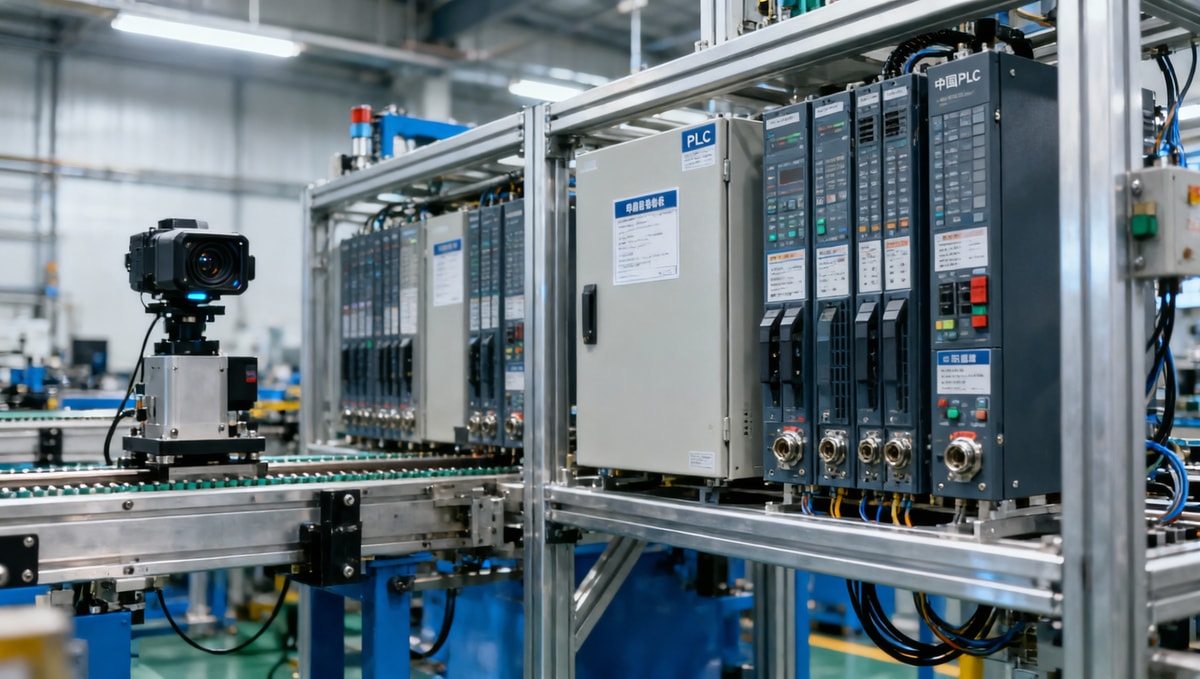
On May 2, 2026, Statistics Indonesia (BPS) published quarterly trade statistics showing that imports of Chinese-made Factory Automation equipment — specifically PLCs, servo systems, and industrial vision cameras — totaled USD 327 million in Q1 2026, representing a 41.2% increase compared to the same period in 2025. The report attributes the growth to intensified manufacturing upgrades in Indonesia’s secondary cities, and notes that local distributors are expanding technical sales teams and establishing localized after-sales spare parts centers.
Impact on Specific Industry Segments
Direct Exporters & Trade Enterprises
Companies exporting Factory Automation equipment from China to Indonesia face heightened demand outside Jakarta. The shift toward decentralized procurement means longer lead times for regional delivery, increased complexity in customs classification across provinces, and greater need for localized compliance documentation — especially for servo systems and vision cameras subject to varying import inspection protocols in non-Jakarta ports.
Channel & Distribution Partners
Distributors serving Surabaya, Bandung, and Medan are actively recruiting application engineers and setting up regional spare parts hubs. This indicates rising operational expectations: technical pre-sales support, localized firmware updates, and faster turnaround for warranty repairs are now baseline requirements — not differentiators. Channel partners lacking on-ground engineering capacity may see margin compression as end users prioritize responsiveness over price alone.
Supply Chain & After-Sales Service Providers
Third-party logistics and service firms supporting automation imports must adapt to fragmented warehousing needs. With distributors building spare parts centers in multiple second-tier cities, inventory pooling strategies optimized for Jakarta-centric distribution no longer apply. Real-time visibility into regional stock levels — especially for high-turnover components like servo drives and camera lenses — is becoming operationally critical.
What Relevant Companies or Practitioners Should Focus On Now
Monitor BPS and BKPM policy updates on regional import facilitation
Indonesia’s Ministry of Trade and Investment Coordinating Ministry (BKPM) has signaled pilot programs to streamline customs clearance for automation equipment entering non-Jakarta ports. While not yet formalized, BPS’s Q1 data may accelerate implementation — exporters and distributors should track official announcements on bonded warehouse eligibility and VAT refund procedures for regional depots.
Prioritize spare parts availability for PLCs and servo systems in Surabaya, Bandung, and Medan
These three cities accounted for over 65% of the reported Q1 growth, per distributor interviews cited in BPS’s supplementary notes. Maintaining minimum stock levels of core modules (e.g., PLC I/O units, servo motor brakes, and GigE vision camera cables) at local hubs — rather than relying on Jakarta-based redistribution — is now operationally urgent.
Distinguish between channel expansion signals and actual revenue conversion
The reported 41.2% import growth reflects landed value, not end-user deployment. A portion may represent forward stocking ahead of anticipated tariff adjustments or upcoming factory expansions. Companies should cross-reference BPS import data with local industrial park occupancy reports (e.g., from Surya Semesta Internusa or PT Jababeka) before scaling regional headcount or capital expenditure.
Prepare localized technical documentation and training materials
As distributors build technical sales teams, demand is rising for Bahasa Indonesia–language manuals, configuration guides, and troubleshooting videos — particularly for PLC programming environments and vision system calibration workflows. Suppliers who provide these assets in advance gain faster channel onboarding and reduce time-to-first-sale.
Editorial Perspective / Industry Observation
Observably, this Q1 data point functions less as a completed trend and more as a structural inflection signal: it confirms that Indonesia’s automation adoption is shifting from centralized, project-driven deployments in Jakarta to distributed, capacity-driven upgrades across regional industrial clusters. Analysis shows the 41.2% growth is not evenly distributed across product categories — PLC imports rose 36%, while servo systems grew 49% and industrial vision cameras 53%, suggesting stronger uptake in motion control and quality inspection applications. From an industry perspective, the key implication is not just higher volume, but a fundamental recalibration of go-to-market timing: regional service readiness now precedes — rather than follows — sales momentum.
From an industry perspective, this is better understood as an early-stage channel maturation signal — one that reflects distributor capability building, not yet broad-based end-user automation maturity. Sustained growth will depend less on macroeconomic conditions and more on whether Chinese suppliers can align regional service infrastructure (e.g., certified technician networks, spare parts SLAs) with the pace of local distributor investment.
Consequently, the current phase favors deliberate, region-specific capability alignment over broad-scale market entry. It is not yet a ‘land grab’ moment — but rather a window to co-develop scalable service models with established regional distributors before standardized expectations solidify.
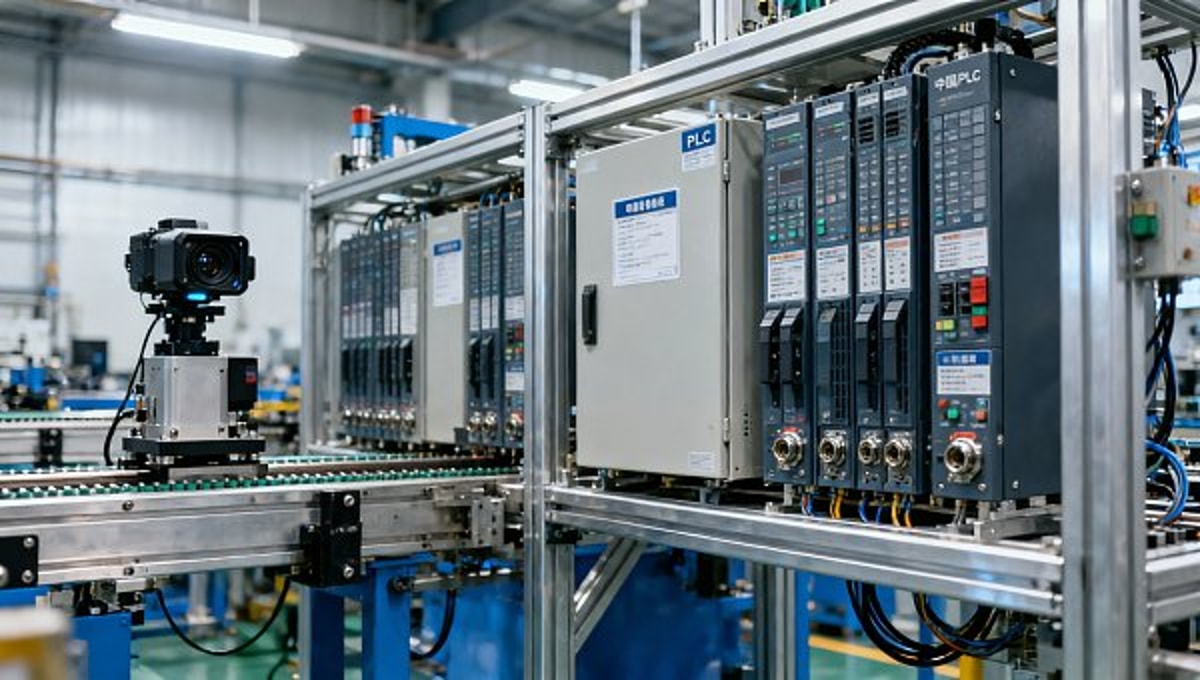
In summary, the Q1 2026 import surge reflects a meaningful geographic and operational shift in Indonesia’s Factory Automation adoption — one anchored in secondary city manufacturing upgrades and channel-led capacity building. Rather than indicating peak demand, it marks the onset of a more complex, regionally differentiated market environment where service proximity, technical enablement, and spare parts agility increasingly determine competitive positioning.
Source: Statistics Indonesia (BPS), “Quarterly Import Statistics: Machinery and Electrical Equipment,” released May 2, 2026. Note: Regional breakdowns (Surabaya/Bandung/Medan) and distributor activity details are drawn from BPS’s accompanying explanatory notes and distributor survey annexes. Further tracking of regional customs processing times and BKPM’s upcoming industrial zone incentive guidelines remains recommended.
Get weekly intelligence in your inbox.
No noise. No sponsored content. Pure intelligence.
 May 06, 2026China's Factory Automation Exports to Indonesia Up 41.2% in Q1 2026China's Factory Automation Exports to Indonesia Up 41.2% in Q1 2026
 May 06, 2026India BIS Updates Medical Supplies Packaging Standard: Biodegradability MandatoryIndia BIS Updates Medical Supplies Packaging Standard: Biodegradability Mandatory
 May 06, 20262026 Global AI Terminal Expo Opens in Shenzhen2026 Global AI Terminal Expo Opens in Shenzhen
 May 06, 2026EU Launches Industrial Materials Carbon Labeling Pilot for Chinese Steel ExportsEU Launches Industrial Materials Carbon Labeling Pilot for Chinese Steel Exports
 May 06, 2026VNTA-2026 Certification Cost Shift Impacts Smart Home Imports to VietnamVNTA-2026 Certification Cost Shift Impacts Smart Home Imports to Vietnam
 May 06, 2026UL Solutions Launches API Certification for Chinese Trade SaaSUL Solutions Launches API Certification for Chinese Trade SaaS
 May 06, 2026BIMCO Raises Green Cargo Surcharge by 25% for新能源 EquipmentBIMCO Raises Green Cargo Surcharge by 25% for新能源 Equipment
 May 06, 2026TÜV Rheinland Adds Edge-AI Power Surge Test for IoT DevicesTÜV Rheinland Adds Edge-AI Power Surge Test for IoT Devices
 May 06, 2026Shanghai Waigaoqiao Launches First Warehouse Robotics Export Inspection LineShanghai Waigaoqiao Launches First Warehouse Robotics Export Inspection Line
 May 06, 2026GCC Mandates GB/T 2023 Compatibility for EV Charging ImportsGCC Mandates GB/T 2023 Compatibility for EV Charging Imports
 May 06, 2026Hydraulic Cylinder Fabrication Errors That Shorten Service LifeHydraulic Cylinder Fabrication Errors That Shorten Service Life
 May 06, 2026Surface Finishing Services That Reduce Warranty ComplaintsSurface Finishing Services That Reduce Warranty Complaints
 May 06, 2026Waterjet Cutting Is Better Than Laser for These MaterialsWaterjet Cutting Is Better Than Laser for These Materials
 May 06, 2026Custom Molded Rubber Choices That Affect Seal PerformanceCustom Molded Rubber Choices That Affect Seal Performance
 May 06, 2026Linear Motion Systems Fail Faster When Alignment Is OverlookedLinear Motion Systems Fail Faster When Alignment Is Overlooked
 May 06, 2026How Accurate Is Energy Forecasting When Weather Turns Volatile?How Accurate Is Energy Forecasting When Weather Turns Volatile?
 May 06, 2026Medical Device Manufacturing Delays Often Start in ValidationMedical Device Manufacturing Delays Often Start in Validation
 May 06, 2026Anodizing Services: Which Finish Holds Up Outdoors LongerAnodizing Services: Which Finish Holds Up Outdoors Longer
 May 06, 2026Solar Tracker Maintenance Issues That Hurt Long-Term OutputSolar Tracker Maintenance Issues That Hurt Long-Term Output
 May 06, 2026What Changes the Real Cost of Pneumatic Valves WholesaleWhat Changes the Real Cost of Pneumatic Valves Wholesale
 May 06, 2026Solar Microinverters vs String Inverters for Shaded RoofsSolar Microinverters vs String Inverters for Shaded Roofs
 May 06, 2026Bifacial Solar Panels: Do They Pay Off on Every Site?Bifacial Solar Panels: Do They Pay Off on Every Site?
 May 06, 2026Why Heavy Equipment Manufacturing Lead Times Keep SlippingWhy Heavy Equipment Manufacturing Lead Times Keep Slipping
 May 06, 2026Metal Stamping Parts: When Tooling Cost Stops Making SenseMetal Stamping Parts: When Tooling Cost Stops Making Sense
 May 06, 2026Energy Storage Battery Sizing Mistakes That Raise Project CostsEnergy Storage Battery Sizing Mistakes That Raise Project Costs
 May 06, 2026What Causes Revenue Gaps in a Solar Farm ProjectWhat Causes Revenue Gaps in a Solar Farm Project
 May 06, 2026Low Volume Manufacturing Works Best When Demand Is UnclearLow Volume Manufacturing Works Best When Demand Is Unclear