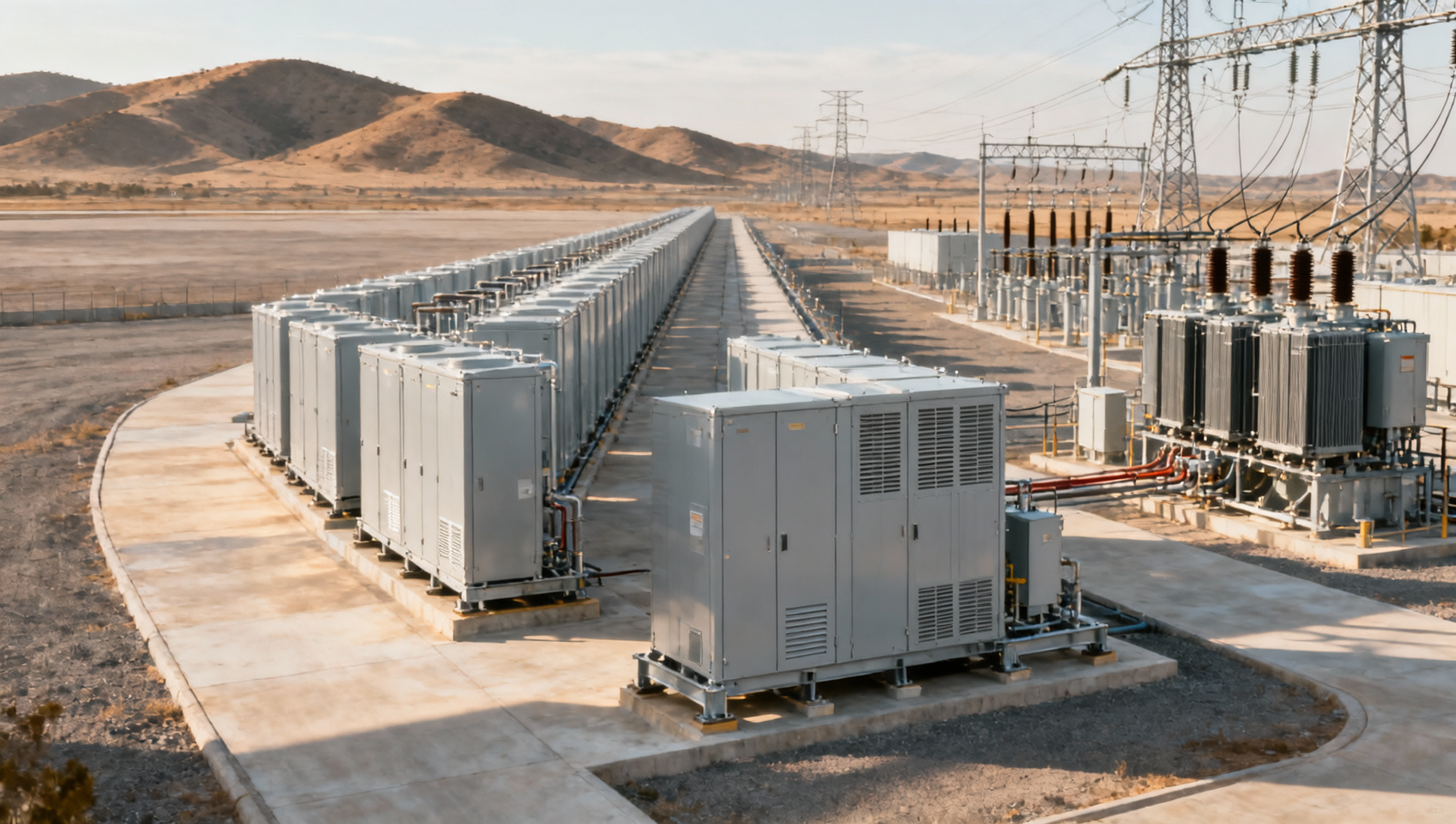
Australia's AEMO Relies on 5.3 GW of New Battery Storage for Summer
Australia's energy market operator says newly added battery storage will give the National Electricity Market greater flexibility during the summer demand peak. The date of the reported statement was not specified in the supplied information. While no new policy or market rule was identified, AEMO's assessment is an operational signal for storage developers, equipment suppliers, contractors and purchasers weighing how projects should be specified and delivered.
Battery projects account for 5.3 GW of new capacity
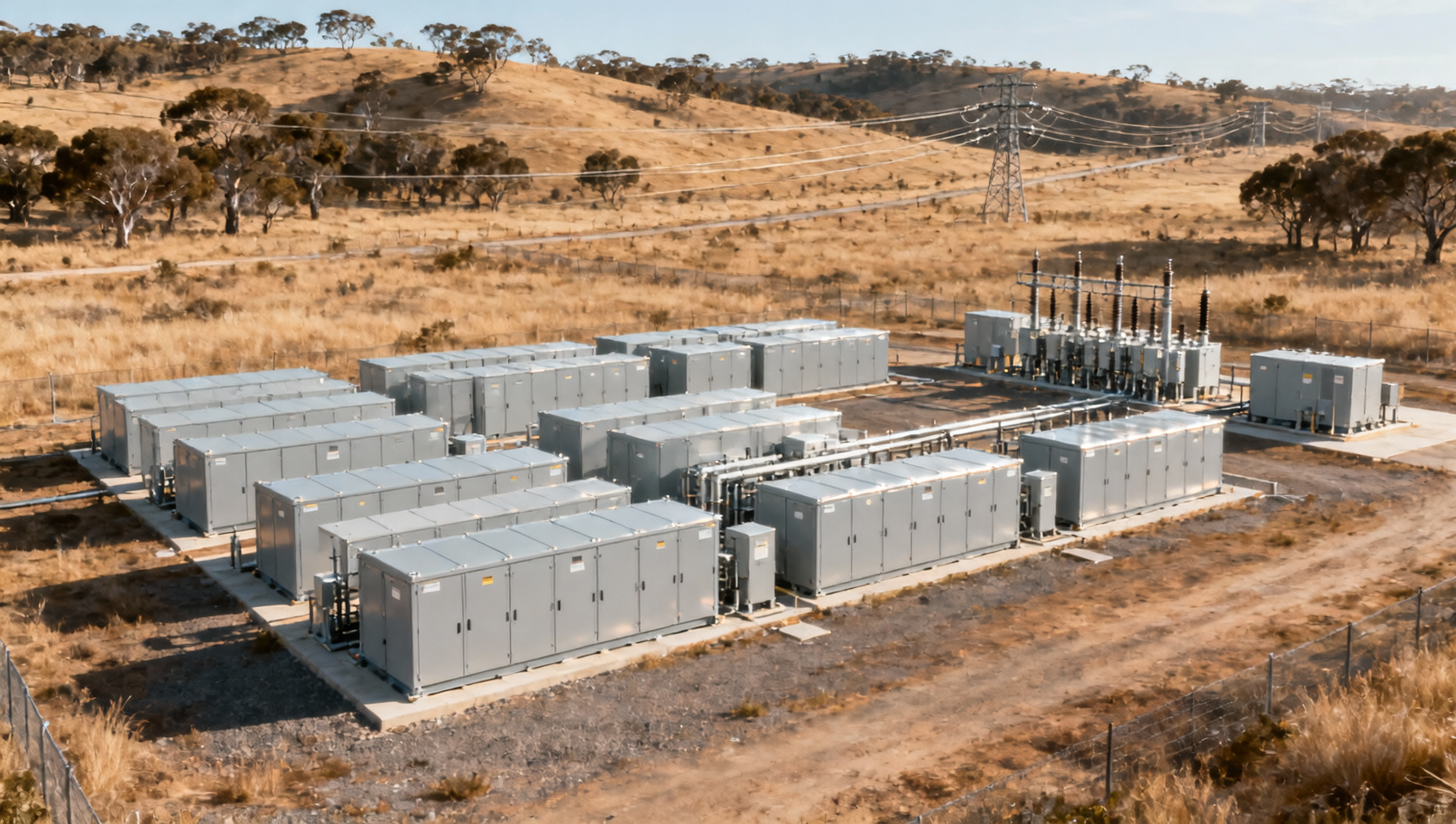
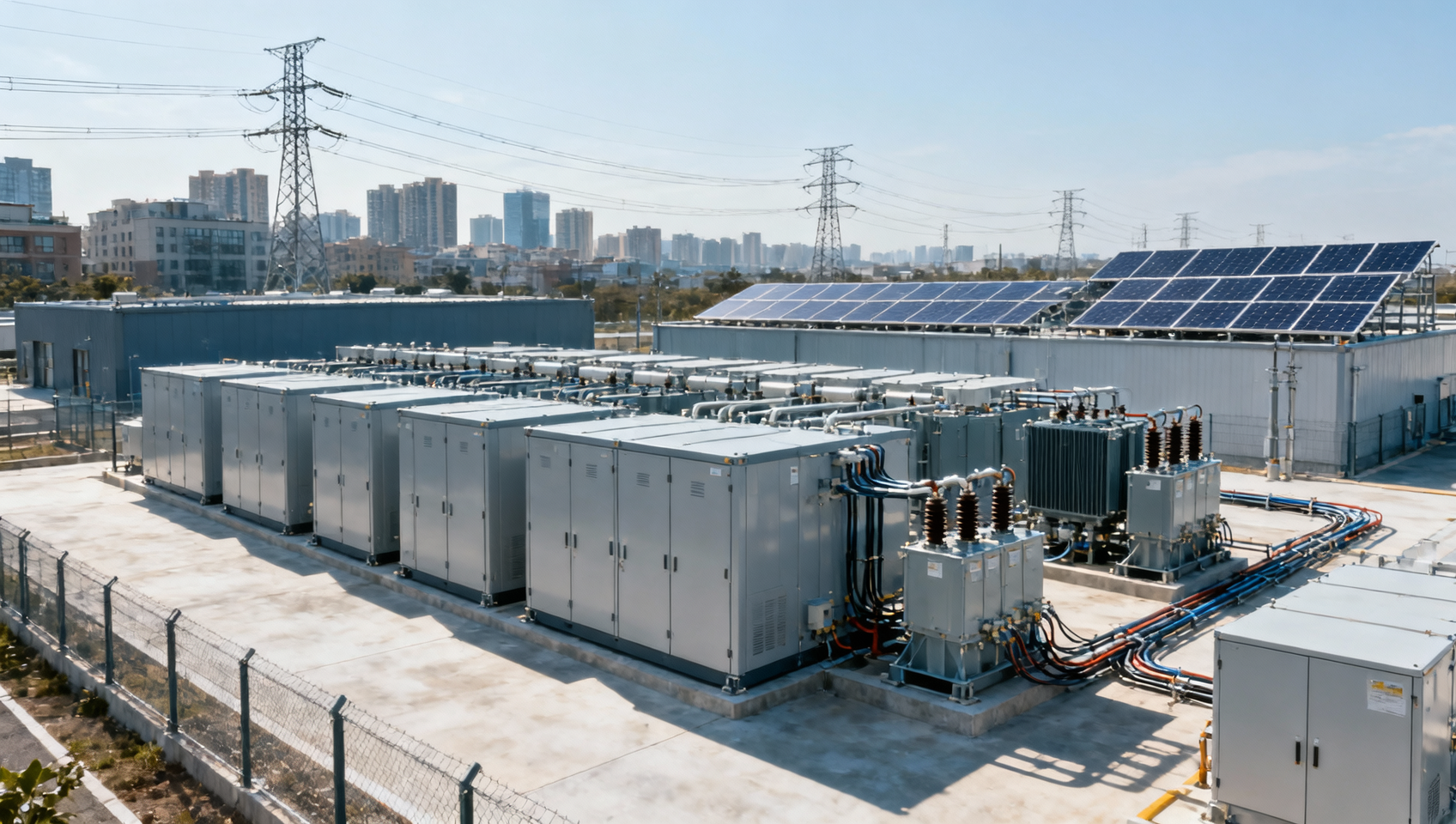
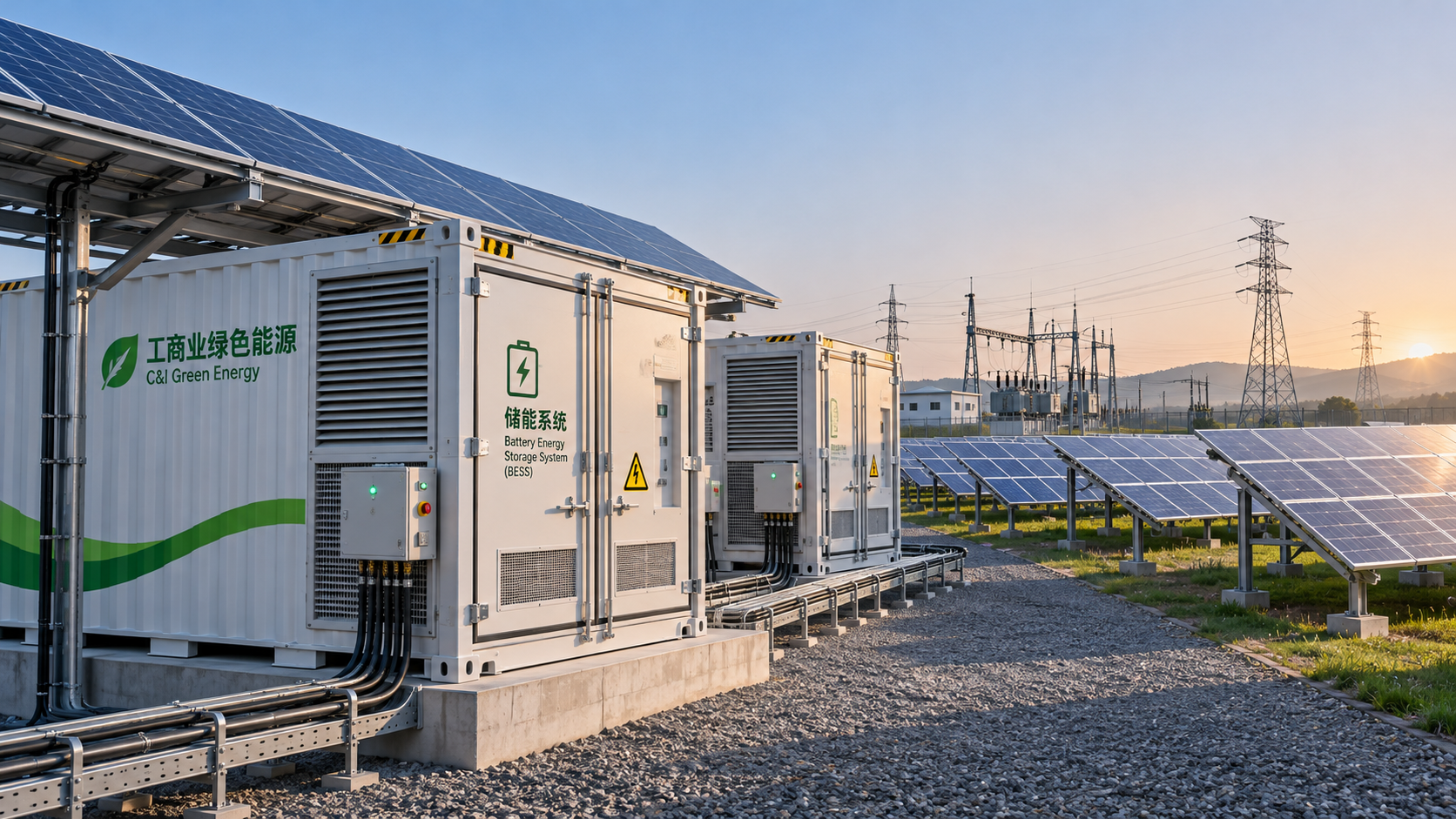
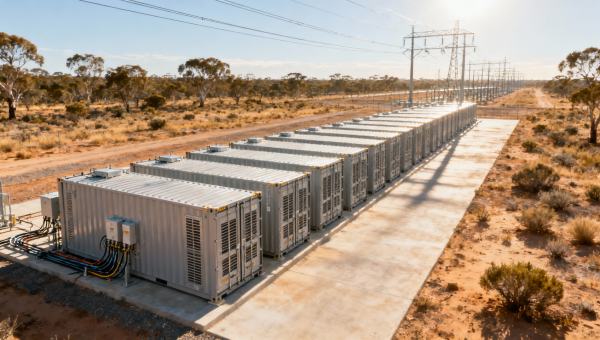
According to Energy-Storage.News, the Australian Energy Market Operator (AEMO) said that battery energy storage systems (BESS) accounted for 5.3 GW of the 8.4 GW of projects added to Australia's National Electricity Market (NEM) since December 2025.
AEMO said the new storage projects provide greater operational flexibility for the summer electricity demand peak and help support grid reliability. The supplied report also characterizes the acceleration of storage deployment as a reflection of Australia's energy transition.
What the operational signal could mean across the supply chain
Analysis suggests that the reported additions matter to businesses because they place storage's operational role at the center of the discussion. The information provided does not establish a change to connection rules, technical standards, certification requirements or procurement obligations. Its immediate value is therefore as a signal to examine project requirements and delivery assumptions, rather than as proof of a new compliance regime.
Developers and purchasers: connect capacity claims to intended use
For developers and purchasers, AEMO's emphasis on flexibility may sharpen attention to what a proposed system is expected to do when demand is high. A capacity figure expressed in gigawatts describes power, but it does not by itself establish how long a battery can sustain that output. The supplied information gives no duration or dispatch details for the reported additions.
In analysis, buyers comparing projects or bids may therefore want to examine power and storage duration together, alongside the operating conditions and availability assumptions stated in the relevant documents. They can also check whether performance descriptions distinguish a system's stated capability from the services a purchaser expects it to provide. Such checks are commercial and technical due diligence, not requirements introduced by the reported statement.
Manufacturers and integrators: translate operating needs into specifications
Equipment manufacturers and system integrators could be affected where purchasers place greater weight on demonstrating usable flexibility. This may influence how suppliers present system performance, interfaces and operating limits in technical proposals. The supplied information does not identify any new product specification or testing method.
Analysis suggests that suppliers preparing bids may benefit from making the assumptions behind their performance claims clear and aligning those claims with the purchaser's project documents. Where certification or testing evidence is requested, its applicability should be checked against the actual project and current requirements. AEMO's statement alone does not establish that a new certificate, test or approval is needed.
Contractors and service providers: focus on handover and availability
For engineering contractors and providers of ongoing services, the link between storage and summer reliability may make delivery timing, commissioning and operational handover relevant questions in project discussions. That is a possible business implication, not evidence that AEMO has imposed a new deadline or that any particular project is late.
From an industry perspective, the parties to a project may want to examine how delivery schedules connect to testing, acceptance and the point at which the system can be used as intended. Service arrangements may also be relevant when a buyer assesses the availability assumptions in a proposal. The input does not specify service obligations or establish the operational performance of individual systems.
Trade and supply-chain participants: verify project-specific conditions
Suppliers involved in cross-border trade or equipment delivery could encounter project-specific questions about documentation, product suitability and scheduling. The reported capacity additions do not, however, establish a change to customs treatment, trade rules or import controls.
Analysis suggests that a supplier considering an opportunity should verify the requirements in the relevant purchasing and delivery documents before committing to a specification or timetable. This can include checking which party is responsible for providing technical records and any evidence of conformity that the project requests. The appropriate documents and obligations cannot be determined from the supplied summary alone.
Questions to resolve before committing to a project
Check the basis for technical and compliance claims
Businesses can review the stated operating purpose of a project against its technical specifications, bid documents and proposed evidence of performance. Where documents refer to applicable standards, certification or testing, the relevant versions and scope should be verified with the responsible project parties and authoritative sources.
This is a precautionary review: the supplied information names no standard, certification scheme or regulatory amendment. It would be unsupported to infer that all BESS projects face a new requirement merely because AEMO has highlighted their contribution to operational flexibility.
Review delivery milestones and supporting records
Analysis suggests that purchasers and suppliers may find it useful to discuss when equipment, integration work, testing and handover need to occur relative to the project's intended operating period. The parties can then check whether the proposed schedule and allocation of responsibilities are consistent across commercial and technical documents.
Records describing equipment, test results and accepted specifications may help the parties evaluate delivery and later service issues where the contract calls for them. The report does not provide project schedules, acceptance criteria or documentation rules, so those matters must be checked case by case.
Keep procurement and substitution decisions traceable
If a supplier proposes alternative equipment or a purchaser revises a specification, analysis suggests that the parties should assess whether the proposed change still meets the project's stated operating needs and applicable requirements. They may also need to check whether the change affects testing, documentation, delivery or acceptance under their agreement.
No shortage, substitution or supply disruption is identified in the supplied information. This is a practical question for future procurement decisions, not a claim that such changes have occurred.
Follow the next authoritative documents
Participants should watch for further official statements and the actual documents governing any project they are considering. If later material changes a technical, connection, procurement or compliance requirement, the effect would need to be assessed against that material's scope and effective terms.
The present summary provides no details of a rulemaking process or planned amendment. It therefore cannot establish when a further change might occur, who would be covered or how any requirement would be enforced.
Flexibility is an execution signal, not a stated rule change
In editorial analysis, the most defensible reading is that AEMO has described the operational value it sees in newly added storage. The 5.3 GW figure provides context for that assessment, while the reference to summer demand explains why operational flexibility matters to the operator. The input does not say that AEMO has announced a new rule, revised an existing standard or introduced a certification obligation.
What deserves closer attention is whether subsequent official material or project procurement documents translate this operational emphasis into more specific expectations. Those expectations, if they emerge, could affect how suppliers demonstrate performance and how purchasers assess delivery. Their existence and scope remain open questions on the information available.
Industry feedback could also help clarify how businesses interpret the statement in project planning. Such feedback would be evidence of market response, but it would not by itself establish a binding rule. Any compliance conclusion should rest on the applicable authoritative documents rather than an inference from the capacity figures.
How to use the announcement in business planning
The reported additions show why battery storage is relevant to AEMO's assessment of summer operations. For businesses, the immediate implication is to test project assumptions about capability, evidence and delivery against the documents that apply to their work.
At this stage, the statement is best treated as an operational signal and a reason for continued monitoring. It does not establish a new policy, trade restriction or certification requirement, and it does not guarantee a particular outcome for the market or any individual project.
Reporting basis and matters to verify
This article is based on the supplied news title, event-time information and summary, which attribute the reported figures and AEMO's assessment to Energy-Storage.News. The event date was not specified. No specific official source link was provided in the input, and the underlying official material remains to be verified.
Further checks may draw on official announcements, relevant regulatory or standards documents, project tender materials and authoritative media reporting. Subsequent policy details, certification interpretations, procurement terms, trade implementation and industry feedback should be assessed if and when reliable information becomes available.
Get weekly intelligence in your inbox.
No noise. No sponsored content. Pure intelligence.
 Nov 26, 2026How Negative Pressure Works in a Biosafety Cabinet to Contain AerosolsHow Negative Pressure Works in a Biosafety Cabinet to Contain Aerosols
 Nov 25, 2026Trump Administration Plans New Tariff Measures Affecting 16 Trading PartnersTrump Administration Plans New Tariff Measures Affecting 16 Trading Partners
 Nov 25, 2026UK Energy Price Cap to Rise 26%, Adding £443 to Typical Annual BillUK Energy Price Cap to Rise 26%, Adding £443 to Typical Annual Bill
 Nov 25, 2026German Solar Developers and Battery Makers Hit by Third-Quarter BankruptciesGerman Solar Developers and Battery Makers Hit by Third-Quarter Bankruptcies
 Nov 25, 2026Remote Site Microgrids: How to Plan Reliable Power for Off-Grid OperationsRemote Site Microgrids: How to Plan Reliable Power for Off-Grid Operations
 Nov 24, 2026China to Suspend Some Critical Materials Export Controls on the US Until JanuaryChina to Suspend Some Critical Materials Export Controls on the US Until January
 Nov 24, 2026Japan's Battery Storage Market Expands Amid Revenue UncertaintyJapan's Battery Storage Market Expands Amid Revenue Uncertainty
 Nov 24, 2026Ukraine Finds Over 16,000 Foreign-Made Components in Russian DronesUkraine Finds Over 16,000 Foreign-Made Components in Russian Drones
 Nov 24, 2026Bulk Pricing for Stretch Wrapping Machines: What Affects Your Quote?Bulk Pricing for Stretch Wrapping Machines: What Affects Your Quote?
 Nov 23, 2026Lidar Q3 Earnings Point to Rising Robotics Demand and Automotive WeaknessLidar Q3 Earnings Point to Rising Robotics Demand and Automotive Weakness
 Nov 23, 2026Australia's AEMO Relies on 5.3 GW of New Battery Storage for SummerAustralia's AEMO Relies on 5.3 GW of New Battery Storage for Summer
 Nov 23, 2026US Energy Storage Capacity Surpasses 200 GWhUS Energy Storage Capacity Surpasses 200 GWh
 Nov 23, 2026Smart Factory Solutions for Discrete Manufacturing: Connecting Machines and MESSmart Factory Solutions for Discrete Manufacturing: Connecting Machines and MES
 Nov 22, 2026Golmud's 60 MW Liquid Air Storage Project Uses Fully Domestic EquipmentGolmud's 60 MW Liquid Air Storage Project Uses Fully Domestic Equipment
 Nov 22, 2026Precision Engineering for Medical Devices: Tolerances and MaterialsPrecision Engineering for Medical Devices: Tolerances and Materials
 Nov 21, 2026EDF Acquires 1GWh Holloway Battery Storage Project in AustraliaEDF Acquires 1GWh Holloway Battery Storage Project in Australia
 Nov 21, 2026Choosing Carbon Steel Grades for OEM Machined Parts: Key FactorsChoosing Carbon Steel Grades for OEM Machined Parts: Key Factors
 Nov 20, 2026China’s First Virtual Power Plant Report Says Capacity Target Met EarlyChina’s First Virtual Power Plant Report Says Capacity Target Met Early
 Nov 20, 2026Choosing an OEM Heavy Equipment Manufacturer: Capabilities and Quality ChecksChoosing an OEM Heavy Equipment Manufacturer: Capabilities and Quality Checks
 Nov 19, 2026India Adds Record 8.4 GW of Open-Access Solar in First Nine Months of 2026India Adds Record 8.4 GW of Open-Access Solar in First Nine Months of 2026
 Nov 19, 2026B2B Intelligence for Green Energy: Finding New Market OpportunitiesB2B Intelligence for Green Energy: Finding New Market Opportunities
 Nov 18, 2026Global Solar Additions Hit Record in 2025, Forecast to Fall in 2026Global Solar Additions Hit Record in 2025, Forecast to Fall in 2026
 Nov 18, 2026Supply Chain Visibility for Supplier Management: How to Spot Delivery RisksSupply Chain Visibility for Supplier Management: How to Spot Delivery Risks
 Nov 17, 2026US Battery Storage Deployment Tops 200 GWh; 74 GWh Forecast for 2026US Battery Storage Deployment Tops 200 GWh; 74 GWh Forecast for 2026
 Nov 17, 2026Choosing a Solar Tracker for Ground-Mount PV: Site and Design FactorsChoosing a Solar Tracker for Ground-Mount PV: Site and Design Factors
 Nov 16, 2026US Polysilicon and Solar Product Tariffs and Import Price Floor Take Effect December 4US Polysilicon and Solar Product Tariffs and Import Price Floor Take Effect December 4
 Nov 16, 2026How Industrial Buyers Can Evaluate B2B Intelligence Reports on SuppliersHow Industrial Buyers Can Evaluate B2B Intelligence Reports on Suppliers