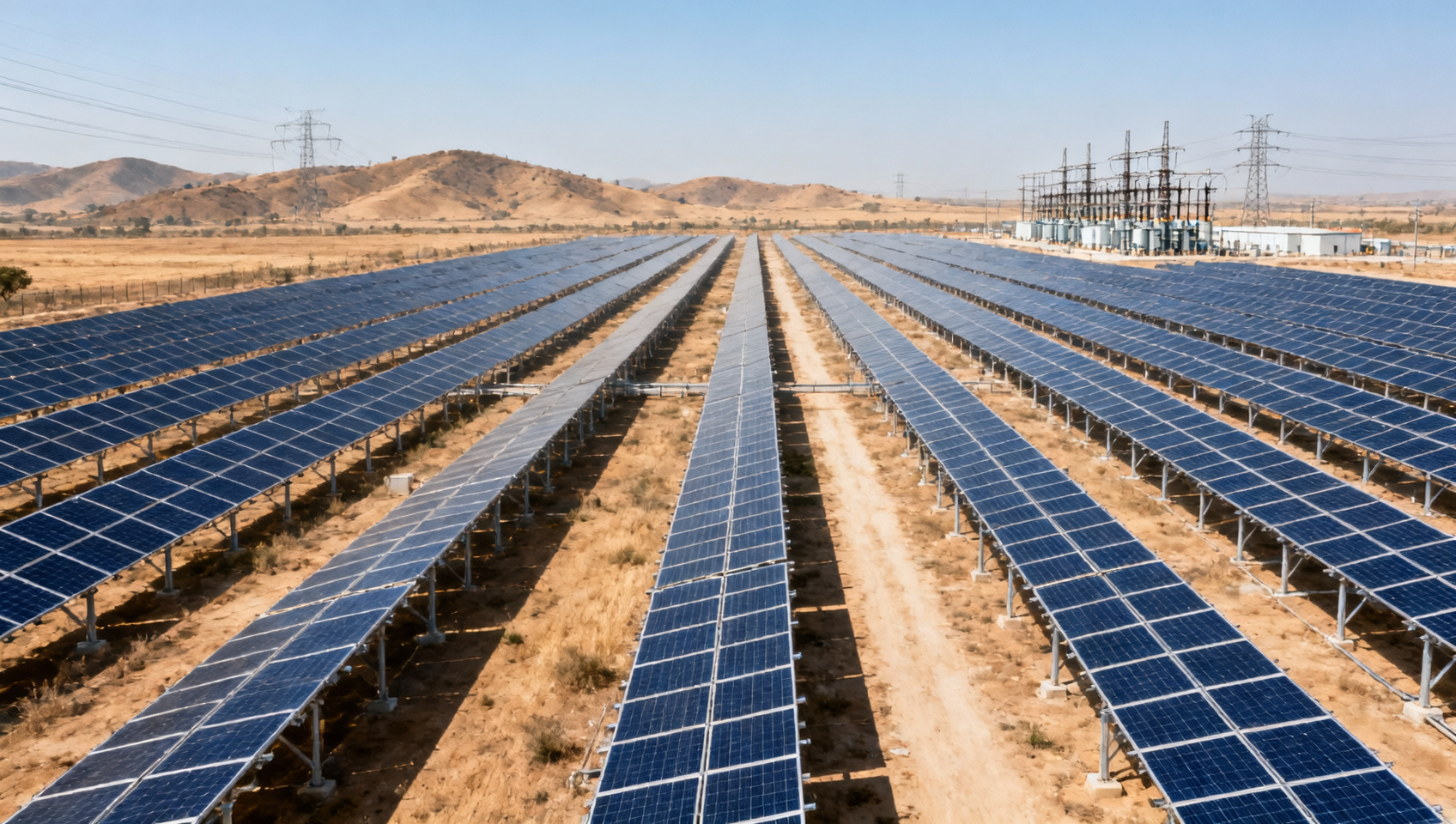
Australia Sets Third-Quarter Rooftop Solar Record With 890 MW Installed
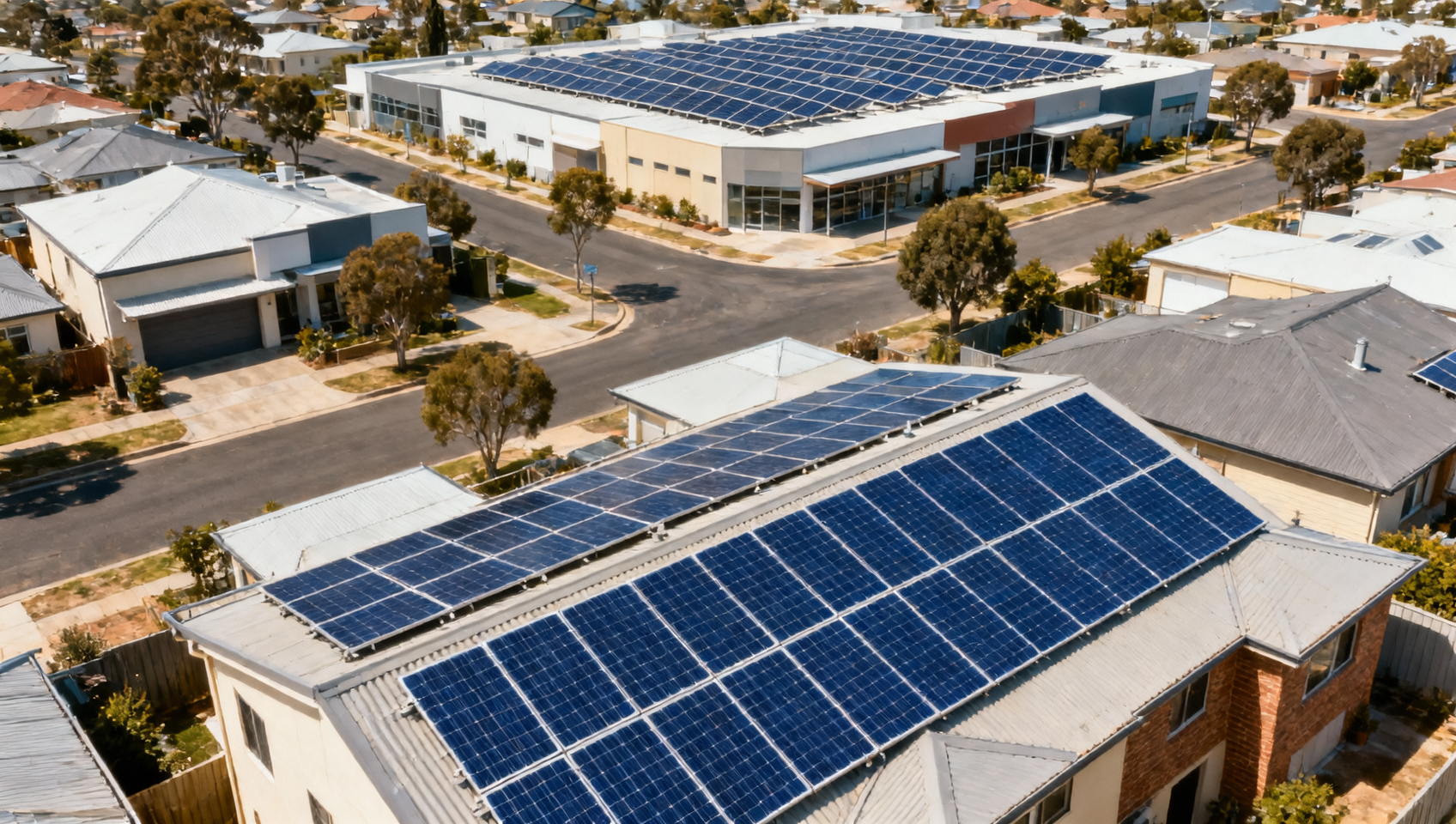
Australia installed 890 megawatts (MW) of rooftop solar capacity in the third quarter of 2026, the strongest third-quarter result on record, according to the Clean Energy Regulator (CER). The figure points to continued expansion in residential and commercial distributed solar, with rooftop installations playing a growing role in the country’s energy transition.
The record offers a measure of the capacity added during the quarter rather than the amount of electricity generated. How much power those installations ultimately produce will depend on their operation and the conditions at individual sites. The result nevertheless shows the scale of rooftop solar capacity being brought into service across the market.
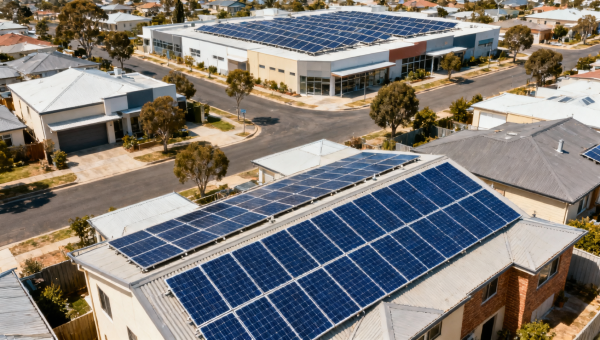
What the record does—and does not—show
The comparison is specifically with previous third quarters. It establishes a record for that period, but does not on its own establish that the quarter was the strongest across all quarters. Nor does the combined figure show how much capacity was installed on residential properties versus commercial buildings.
That distinction matters because the two segments can present different questions for suppliers and installers. A combined capacity figure describes the overall market, while a breakdown by customer type would provide a clearer view of where installations contributed most to the result. Further information on the number and size of installations would also help explain how the total was reached.
Implications for the rooftop solar supply chain
A quarter with 890 MW of installations represents a substantial volume of work across equipment supply, installation and project delivery. If installation activity remains at a similar level, businesses serving the market may need to consider whether their supply and delivery capacity can support it. The quarterly total alone, however, does not establish changes in equipment prices, delivery times or suppliers’ sales.
For commercial and residential customers, the result indicates an active market for rooftop installations. It does not establish how the economics of an individual project have changed: the value of a system depends on its own costs, electricity use and operating conditions.
Subsequent CER figures will help show whether the third-quarter record forms part of a sustained pattern. Segment-level results would also make it easier to assess how residential and commercial installations contribute to any further growth.
Get weekly intelligence in your inbox.
No noise. No sponsored content. Pure intelligence.
 Nov 27, 2026AET CEO Discusses Shipping’s Role in Clean Energy Supply Chains at COP31AET CEO Discusses Shipping’s Role in Clean Energy Supply Chains at COP31
 Nov 27, 2026Australia Sets Third-Quarter Rooftop Solar Record With 890 MW InstalledAustralia Sets Third-Quarter Rooftop Solar Record With 890 MW Installed
 Nov 27, 2026EU May Class Chinese Inverters as High-Risk, With 6% Solar Deployment ImpactEU May Class Chinese Inverters as High-Risk, With 6% Solar Deployment Impact
 Nov 27, 2026What Is Supply Chain Visibility? Key Data, Benefits, and ChallengesWhat Is Supply Chain Visibility? Key Data, Benefits, and Challenges
 Nov 26, 2026Fluence Says US Production Delays Are Under Control as Backlog Reaches $8.9 BillionFluence Says US Production Delays Are Under Control as Backlog Reaches $8.9 Billion
 Nov 26, 2026Guangzhou Lithium Hydroxide Futures Fall Over 6% on Debut as Demand WeakensGuangzhou Lithium Hydroxide Futures Fall Over 6% on Debut as Demand Weakens
 Nov 26, 2026EU Hybrid Import Limits Spark Demand Fears as CATL Shares Fall 12%EU Hybrid Import Limits Spark Demand Fears as CATL Shares Fall 12%
 Nov 26, 2026How Negative Pressure Works in a Biosafety Cabinet to Contain AerosolsHow Negative Pressure Works in a Biosafety Cabinet to Contain Aerosols
 Nov 25, 2026Trump Administration Plans New Tariff Measures Affecting 16 Trading PartnersTrump Administration Plans New Tariff Measures Affecting 16 Trading Partners
 Nov 25, 2026UK Energy Price Cap to Rise 26%, Adding £443 to Typical Annual BillUK Energy Price Cap to Rise 26%, Adding £443 to Typical Annual Bill
 Nov 25, 2026German Solar Developers and Battery Makers Hit by Third-Quarter BankruptciesGerman Solar Developers and Battery Makers Hit by Third-Quarter Bankruptcies
 Nov 25, 2026Remote Site Microgrids: How to Plan Reliable Power for Off-Grid OperationsRemote Site Microgrids: How to Plan Reliable Power for Off-Grid Operations
 Nov 24, 2026China to Suspend Some Critical Materials Export Controls on the US Until JanuaryChina to Suspend Some Critical Materials Export Controls on the US Until January
 Nov 24, 2026Japan's Battery Storage Market Expands Amid Revenue UncertaintyJapan's Battery Storage Market Expands Amid Revenue Uncertainty
 Nov 24, 2026Ukraine Finds Over 16,000 Foreign-Made Components in Russian DronesUkraine Finds Over 16,000 Foreign-Made Components in Russian Drones
 Nov 24, 2026Bulk Pricing for Stretch Wrapping Machines: What Affects Your Quote?Bulk Pricing for Stretch Wrapping Machines: What Affects Your Quote?
 Nov 23, 2026Lidar Q3 Earnings Point to Rising Robotics Demand and Automotive WeaknessLidar Q3 Earnings Point to Rising Robotics Demand and Automotive Weakness
 Nov 23, 2026Australia's AEMO Relies on 5.3 GW of New Battery Storage for SummerAustralia's AEMO Relies on 5.3 GW of New Battery Storage for Summer
 Nov 23, 2026US Energy Storage Capacity Surpasses 200 GWhUS Energy Storage Capacity Surpasses 200 GWh
 Nov 23, 2026Smart Factory Solutions for Discrete Manufacturing: Connecting Machines and MESSmart Factory Solutions for Discrete Manufacturing: Connecting Machines and MES
 Nov 22, 2026Golmud's 60 MW Liquid Air Storage Project Uses Fully Domestic EquipmentGolmud's 60 MW Liquid Air Storage Project Uses Fully Domestic Equipment
 Nov 22, 2026Precision Engineering for Medical Devices: Tolerances and MaterialsPrecision Engineering for Medical Devices: Tolerances and Materials
 Nov 21, 2026EDF Acquires 1GWh Holloway Battery Storage Project in AustraliaEDF Acquires 1GWh Holloway Battery Storage Project in Australia
 Nov 21, 2026Choosing Carbon Steel Grades for OEM Machined Parts: Key FactorsChoosing Carbon Steel Grades for OEM Machined Parts: Key Factors
 Nov 20, 2026China’s First Virtual Power Plant Report Says Capacity Target Met EarlyChina’s First Virtual Power Plant Report Says Capacity Target Met Early
 Nov 20, 2026Choosing an OEM Heavy Equipment Manufacturer: Capabilities and Quality ChecksChoosing an OEM Heavy Equipment Manufacturer: Capabilities and Quality Checks
 Nov 19, 2026India Adds Record 8.4 GW of Open-Access Solar in First Nine Months of 2026India Adds Record 8.4 GW of Open-Access Solar in First Nine Months of 2026