EU Hybrid Import Limits Spark Demand Fears as CATL Shares Fall 12%
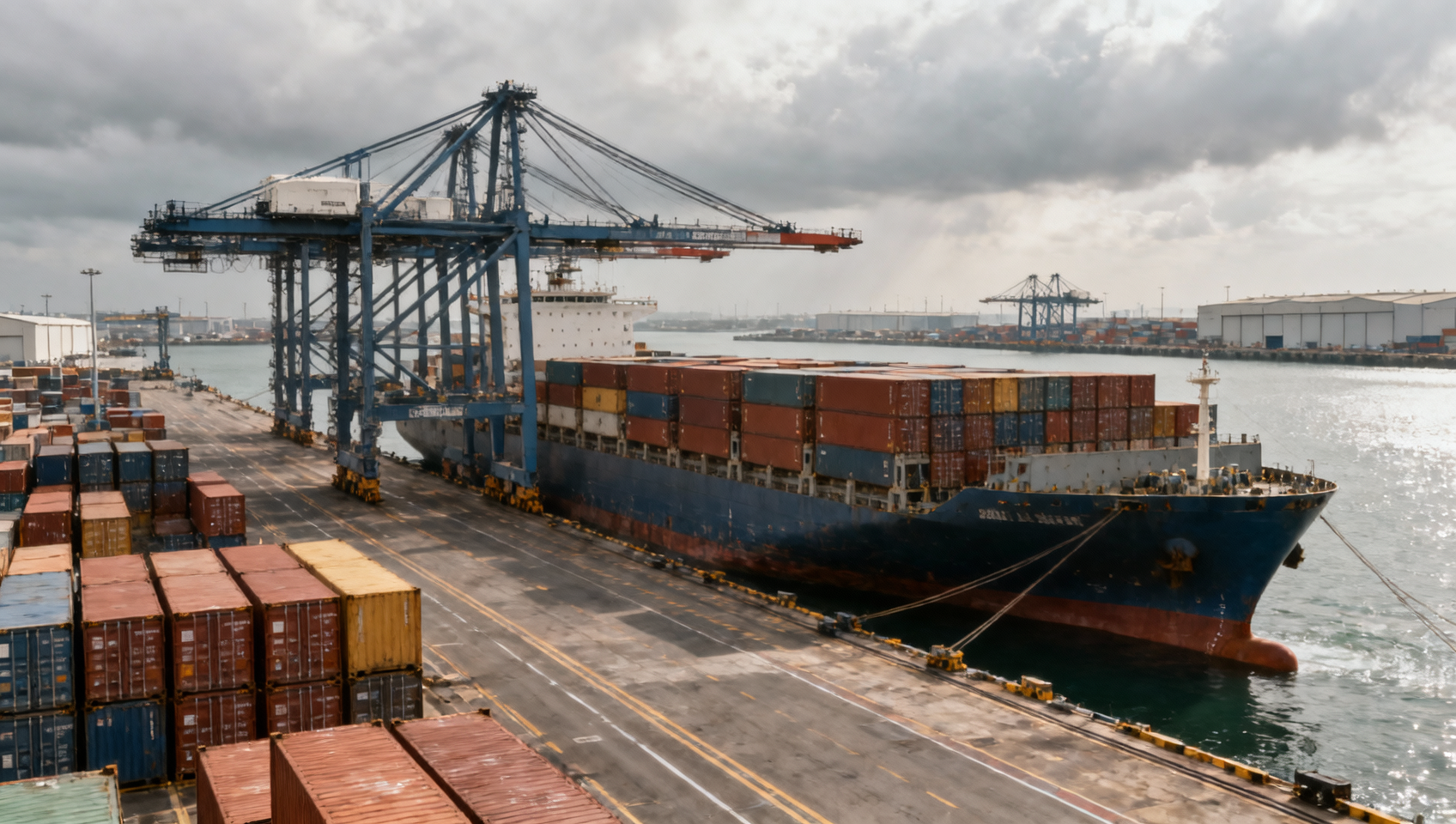
The European Union announced temporary safeguards on hybrid vehicle imports on November 25, 2026, prompting concern about demand for Chinese batteries. CATL shares in Hong Kong closed down more than 12% at HK$295.60, while the most actively traded Chinese lithium carbonate futures contract fell about 8% to roughly 83,000 yuan per tonne.
The planned measure would limit imports of Chinese-made hybrid vehicles to approximately 191,800 units over 200 days, starting December 1. That is equivalent to an annualized rate of around 350,000 vehicles. The share decline was CATL’s largest in a single day since its Hong Kong listing in mid-2025.
The immediate market response links an automotive trade measure with two parts of the battery supply chain: a major battery manufacturer and a raw material used in batteries. The size of the price moves shows how sharply those assets fell on the day; it does not establish how much the import limit will ultimately change battery orders or lithium consumption.

How the vehicle limit could reach battery demand
The first potential effect is on the number of Chinese-made hybrid vehicles that can enter the EU during the safeguard period. If the restriction reduces imports that would otherwise have taken place, vehicle manufacturers could need fewer batteries for those sales. A change in battery orders could then affect demand for materials used in their production, including lithium carbonate.
Each step in that chain depends on decisions and conditions beyond the headline quota. The planned allowance is expressed in vehicles, not battery units or tonnes of lithium carbonate. Its effect on battery demand would depend on how many vehicles would otherwise have been imported, the battery requirements of those vehicles and how manufacturers adjust their production and sales plans.
The announced limit also covers a particular trade flow: Chinese-made hybrid vehicles entering the EU. It does not, by itself, describe demand for every battery made in China or for every vehicle using such batteries. That distinction matters when interpreting a sharp move in the shares of a battery producer or in a lithium futures contract.
What the market moves do and do not show
CATL’s closing price and the decline in lithium carbonate futures provide a clear snapshot of the market reaction on November 25. Both fell as concern grew over the potential effect of the EU measure on Chinese battery demand.
A share price, however, reflects expectations about a company’s future business as well as conditions at the time of trading. The one-day decline does not identify the volume of orders that CATL might gain or lose under the safeguard measure. Similarly, a futures price reflects trading in a contract; the roughly 8% fall does not establish an equivalent reduction in physical lithium demand.
The two markets also sit at different points in the potential impact chain. CATL supplies batteries, while lithium carbonate is a material associated with battery production. A vehicle import restriction could influence both, but the timing and size of any effect would not necessarily be the same. A change in vehicle shipments would have to pass through manufacturers’ production and purchasing decisions before its full effect on material demand became apparent.
The quota’s practical effect
The proposed allowance of approximately 191,800 vehicles over 200 days gives the measure a defined volume and period. Its annualized equivalent of around 350,000 vehicles helps express the pace of imports permitted under that allowance, but it is not a separate full-year quota announced for a twelve-month period.
The number alone does not show how restrictive the measure will be in practice. That depends on the volume of eligible imports that would have occurred without it and on the way the limit is applied. Further details of implementation would help businesses understand how the allowance affects shipments and planning during the safeguard period.
The December 1 start date also leaves a distinction between the announcement and the measure’s operation. The market declines occurred when the safeguards were announced; the eventual effect on shipments and purchasing would emerge through activity during the period in which the limits apply.
What to watch next
For vehicle manufacturers and their suppliers, the central question is whether the allowed import volume changes production plans or battery orders. For battery and materials markets, the next question is how far any adjustment travels through the supply chain.
Official information on how the safeguards operate, together with relevant company disclosures, could clarify those links. Changes in vehicle shipments and purchasing would be more direct indicators of the measure’s commercial effect than the initial price moves alone. Until those effects become visible, the November 25 declines are best read as a market reaction to the risk of weaker demand, rather than a measure of demand already lost.
Get weekly intelligence in your inbox.
No noise. No sponsored content. Pure intelligence.
 Nov 27, 2026What Is Supply Chain Visibility? Key Data, Benefits, and ChallengesWhat Is Supply Chain Visibility? Key Data, Benefits, and Challenges
 Nov 26, 2026Fluence Says US Production Delays Are Under Control as Backlog Reaches $8.9 BillionFluence Says US Production Delays Are Under Control as Backlog Reaches $8.9 Billion
 Nov 26, 2026Guangzhou Lithium Hydroxide Futures Fall Over 6% on Debut as Demand WeakensGuangzhou Lithium Hydroxide Futures Fall Over 6% on Debut as Demand Weakens
 Nov 26, 2026EU Hybrid Import Limits Spark Demand Fears as CATL Shares Fall 12%EU Hybrid Import Limits Spark Demand Fears as CATL Shares Fall 12%
 Nov 26, 2026How Negative Pressure Works in a Biosafety Cabinet to Contain AerosolsHow Negative Pressure Works in a Biosafety Cabinet to Contain Aerosols
 Nov 25, 2026Trump Administration Plans New Tariff Measures Affecting 16 Trading PartnersTrump Administration Plans New Tariff Measures Affecting 16 Trading Partners
 Nov 25, 2026UK Energy Price Cap to Rise 26%, Adding £443 to Typical Annual BillUK Energy Price Cap to Rise 26%, Adding £443 to Typical Annual Bill
 Nov 25, 2026German Solar Developers and Battery Makers Hit by Third-Quarter BankruptciesGerman Solar Developers and Battery Makers Hit by Third-Quarter Bankruptcies
 Nov 25, 2026Remote Site Microgrids: How to Plan Reliable Power for Off-Grid OperationsRemote Site Microgrids: How to Plan Reliable Power for Off-Grid Operations
 Nov 24, 2026China to Suspend Some Critical Materials Export Controls on the US Until JanuaryChina to Suspend Some Critical Materials Export Controls on the US Until January
 Nov 24, 2026Japan's Battery Storage Market Expands Amid Revenue UncertaintyJapan's Battery Storage Market Expands Amid Revenue Uncertainty
 Nov 24, 2026Ukraine Finds Over 16,000 Foreign-Made Components in Russian DronesUkraine Finds Over 16,000 Foreign-Made Components in Russian Drones
 Nov 24, 2026Bulk Pricing for Stretch Wrapping Machines: What Affects Your Quote?Bulk Pricing for Stretch Wrapping Machines: What Affects Your Quote?
 Nov 23, 2026Lidar Q3 Earnings Point to Rising Robotics Demand and Automotive WeaknessLidar Q3 Earnings Point to Rising Robotics Demand and Automotive Weakness
 Nov 23, 2026Australia's AEMO Relies on 5.3 GW of New Battery Storage for SummerAustralia's AEMO Relies on 5.3 GW of New Battery Storage for Summer
 Nov 23, 2026US Energy Storage Capacity Surpasses 200 GWhUS Energy Storage Capacity Surpasses 200 GWh
 Nov 23, 2026Smart Factory Solutions for Discrete Manufacturing: Connecting Machines and MESSmart Factory Solutions for Discrete Manufacturing: Connecting Machines and MES
 Nov 22, 2026Golmud's 60 MW Liquid Air Storage Project Uses Fully Domestic EquipmentGolmud's 60 MW Liquid Air Storage Project Uses Fully Domestic Equipment
 Nov 22, 2026Precision Engineering for Medical Devices: Tolerances and MaterialsPrecision Engineering for Medical Devices: Tolerances and Materials
 Nov 21, 2026EDF Acquires 1GWh Holloway Battery Storage Project in AustraliaEDF Acquires 1GWh Holloway Battery Storage Project in Australia
 Nov 21, 2026Choosing Carbon Steel Grades for OEM Machined Parts: Key FactorsChoosing Carbon Steel Grades for OEM Machined Parts: Key Factors
 Nov 20, 2026China’s First Virtual Power Plant Report Says Capacity Target Met EarlyChina’s First Virtual Power Plant Report Says Capacity Target Met Early
 Nov 20, 2026Choosing an OEM Heavy Equipment Manufacturer: Capabilities and Quality ChecksChoosing an OEM Heavy Equipment Manufacturer: Capabilities and Quality Checks
 Nov 19, 2026India Adds Record 8.4 GW of Open-Access Solar in First Nine Months of 2026India Adds Record 8.4 GW of Open-Access Solar in First Nine Months of 2026
 Nov 19, 2026B2B Intelligence for Green Energy: Finding New Market OpportunitiesB2B Intelligence for Green Energy: Finding New Market Opportunities
 Nov 18, 2026Global Solar Additions Hit Record in 2025, Forecast to Fall in 2026Global Solar Additions Hit Record in 2025, Forecast to Fall in 2026
 Nov 18, 2026Supply Chain Visibility for Supplier Management: How to Spot Delivery RisksSupply Chain Visibility for Supplier Management: How to Spot Delivery Risks