Factory Automation Solutions for Smart Manufacturing: Where to Start and What to Automate
Factory Automation Solutions for Smart Manufacturing: Where to Start and What to Automate
For project leaders under pressure to improve output, reduce downtime, and justify capital spending, factory automation solutions for smart manufacturing can feel both urgent and overwhelming.
The real challenge is not whether to automate, but where to begin, which processes deliver the fastest value, and how to align automation with long-term operational goals.
This guide outlines a practical starting point for smarter, lower-risk transformation.
Why Factory Automation Solutions for Smart Manufacturing Matter Now
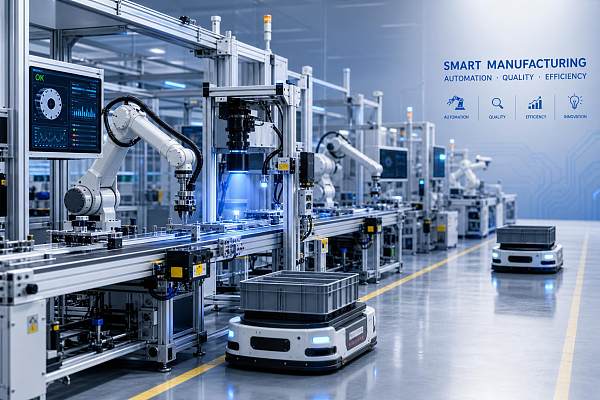
Manufacturers are dealing with tighter margins, labor shortages, unstable supply chains, and rising customer expectations.
That combination is pushing automation from a long-term idea into an immediate operating priority.
From a project delivery perspective, the value of factory automation solutions for smart manufacturing is not just speed.
It is also about better control, repeatable quality, safer operations, and clearer production visibility.
More importantly, modern automation no longer means replacing everything at once.
In real operations, the best results usually come from targeted upgrades around known bottlenecks.
This also means smart manufacturing automation can begin with one line, one cell, or one recurring pain point.
A focused start reduces implementation risk and makes return on investment easier to defend internally.
Where to Start: Build an Automation Baseline First
Before choosing robots, sensors, or software, map the current production reality.
Many automation projects struggle because the technology is clear, but the process problem is not.
Start with a simple baseline across output, downtime, scrap, labor intensity, changeover time, and maintenance frequency.
Then rank process areas by business impact and implementation difficulty.
A practical review should cover four questions:
- Which tasks are repetitive, manual, and prone to error?
- Where does unplanned downtime happen most often?
- Which stations create delays for upstream or downstream teams?
- What data is missing when fast decisions are needed?
This first pass often reveals that automation priorities are not where teams originally assumed.
For example, automating inspection or material movement may pay back faster than automating final assembly.
That is why factory automation solutions for smart manufacturing should start with process evidence, not equipment catalogs.
What to Automate First for Faster Returns
Not every production step should be automated in phase one.
The strongest candidates usually share three traits: high repetition, measurable waste, and stable process logic.
1. Material handling and internal movement
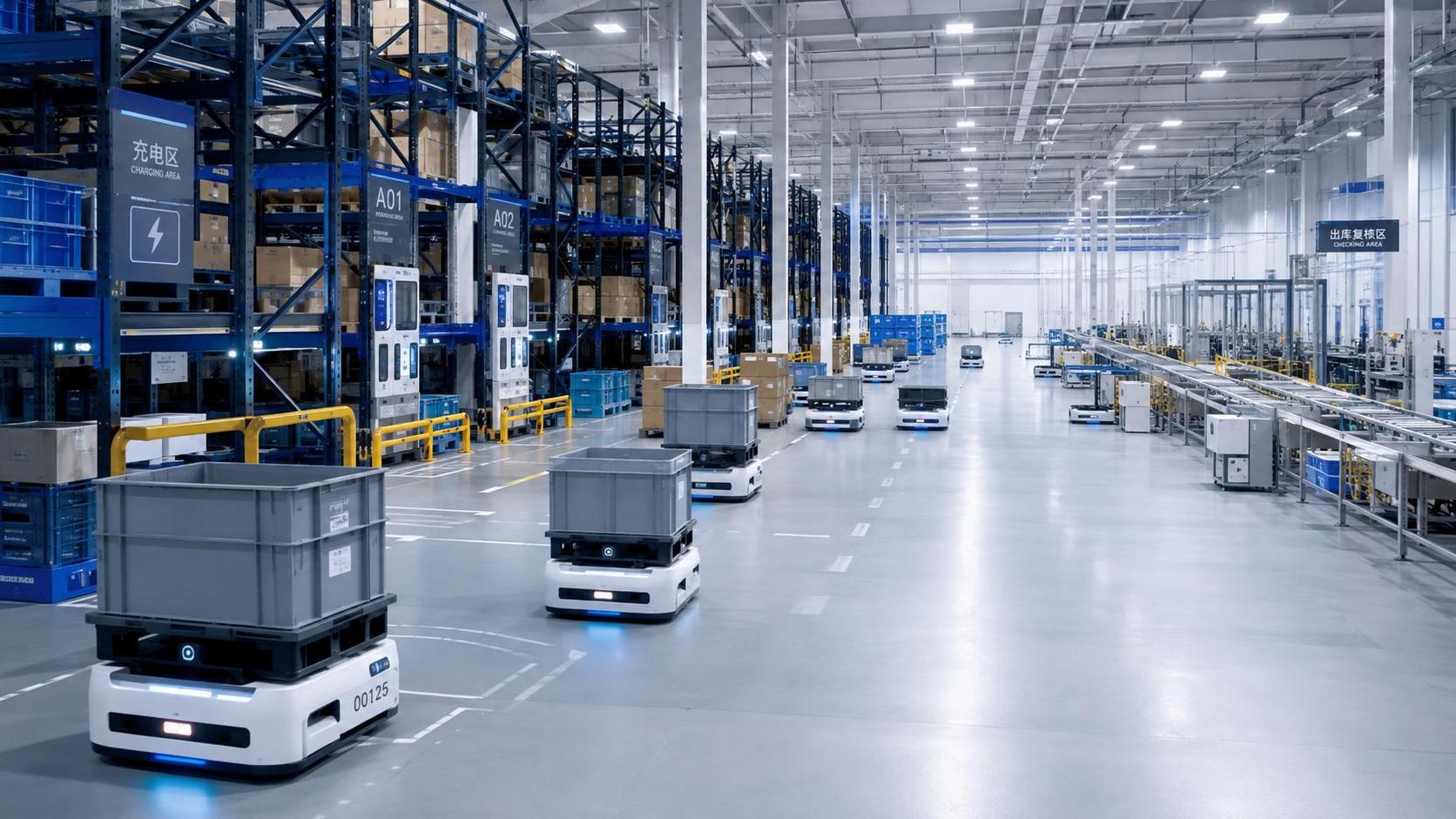
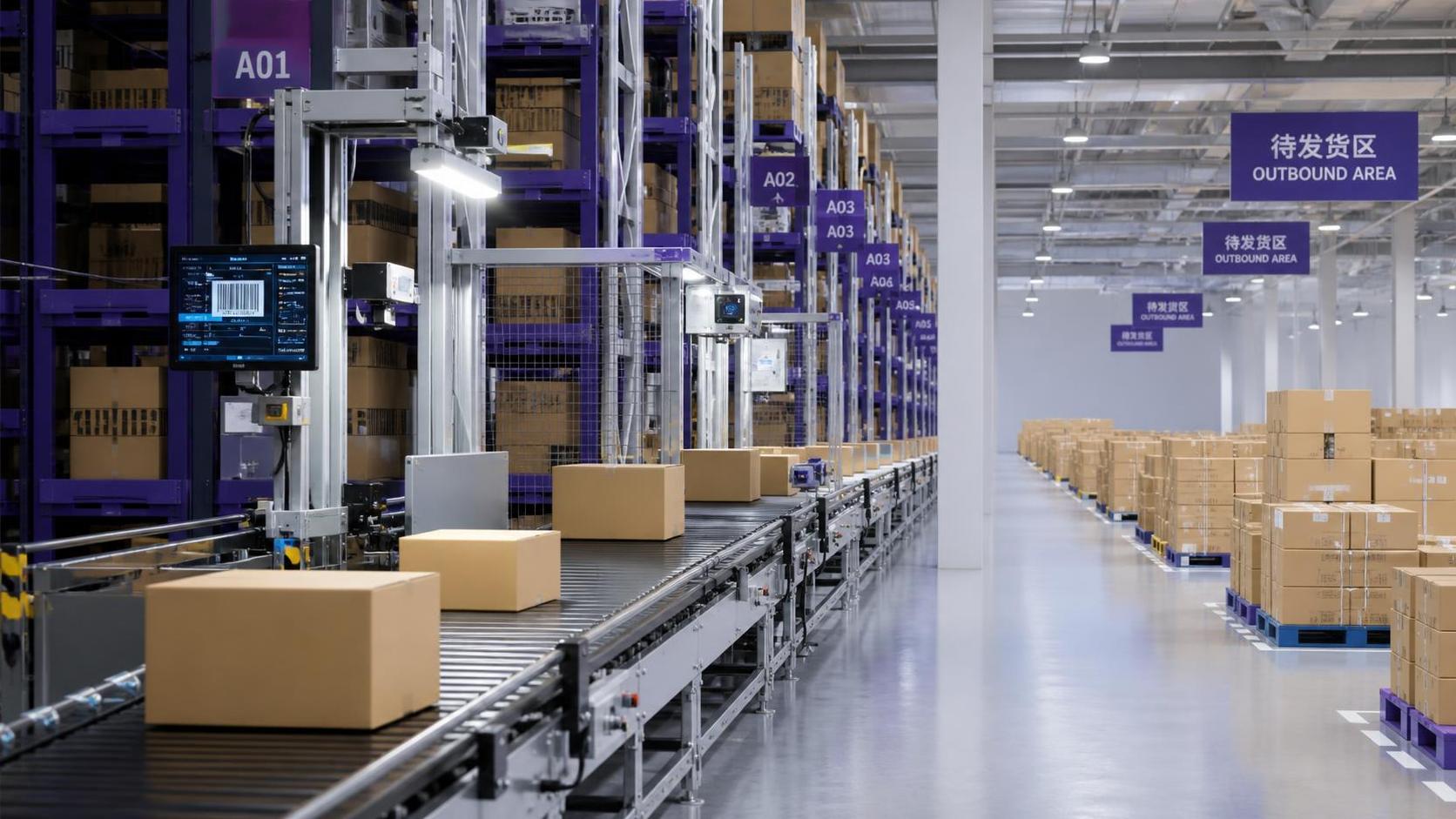
Conveyors, AGVs, AMRs, and automated storage systems often remove hidden delays across the plant.
These tasks consume labor, create waiting time, and rarely add direct product value.
2. Visual inspection and quality checks
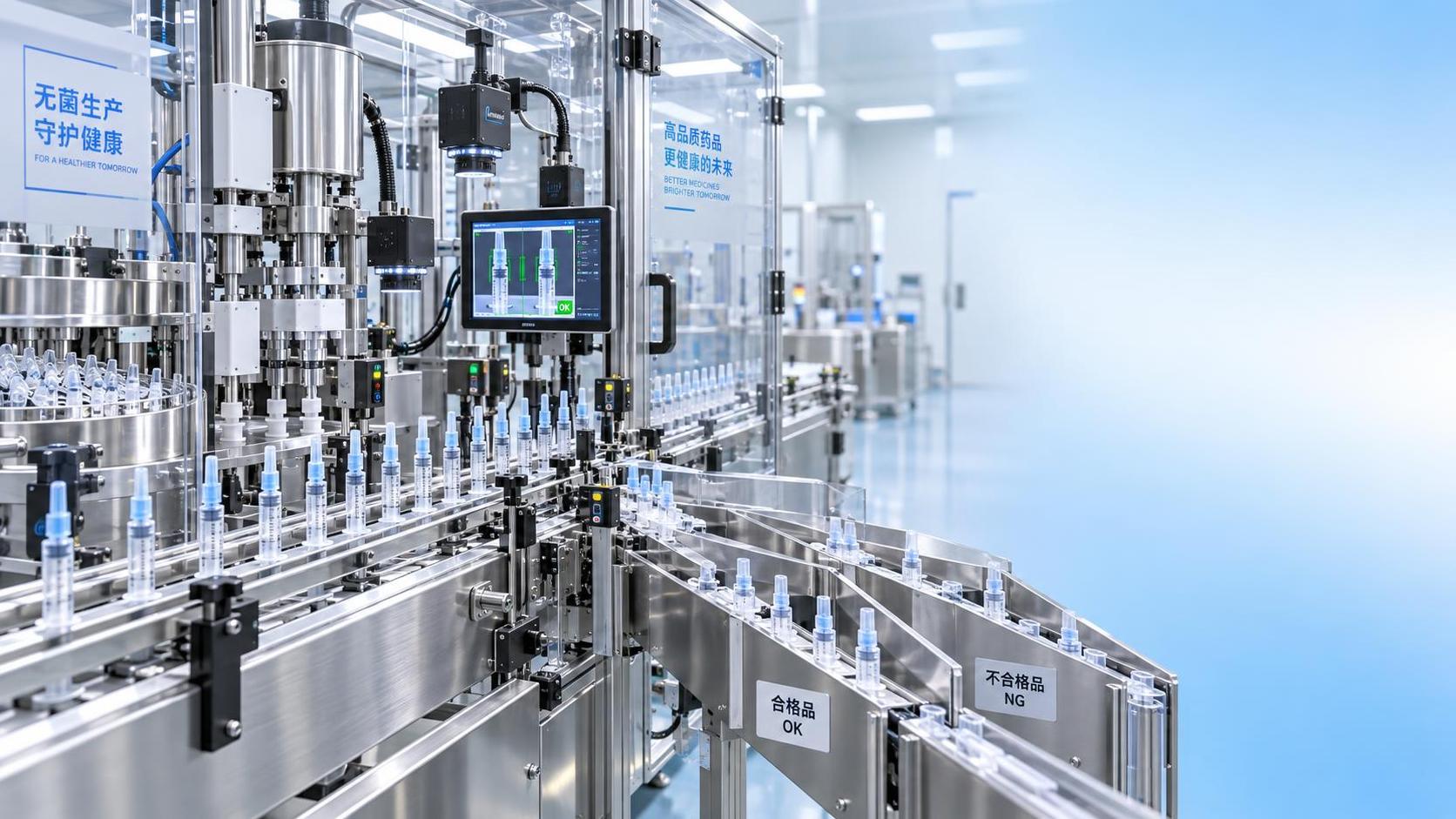
Machine vision improves consistency and catches defects that manual inspection may miss under time pressure.
This is especially useful in high-volume operations with repeatable product characteristics.
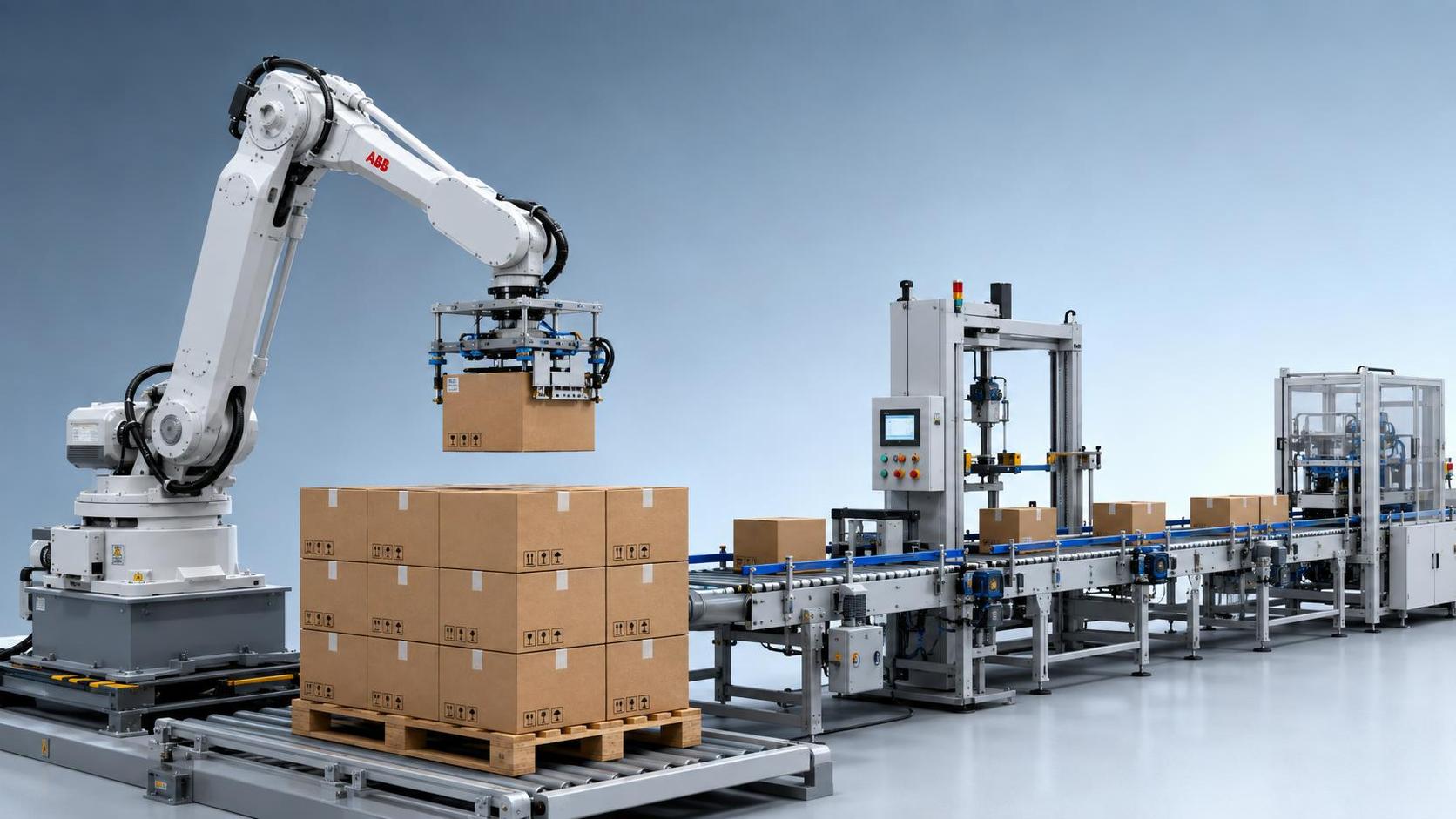
3. Packaging, palletizing, and end-of-line tasks
These areas are often labor intensive, physically demanding, and easier to standardize than core production steps.
They also create visible gains quickly, which helps support wider smart factory investment.
4. Machine monitoring and predictive maintenance
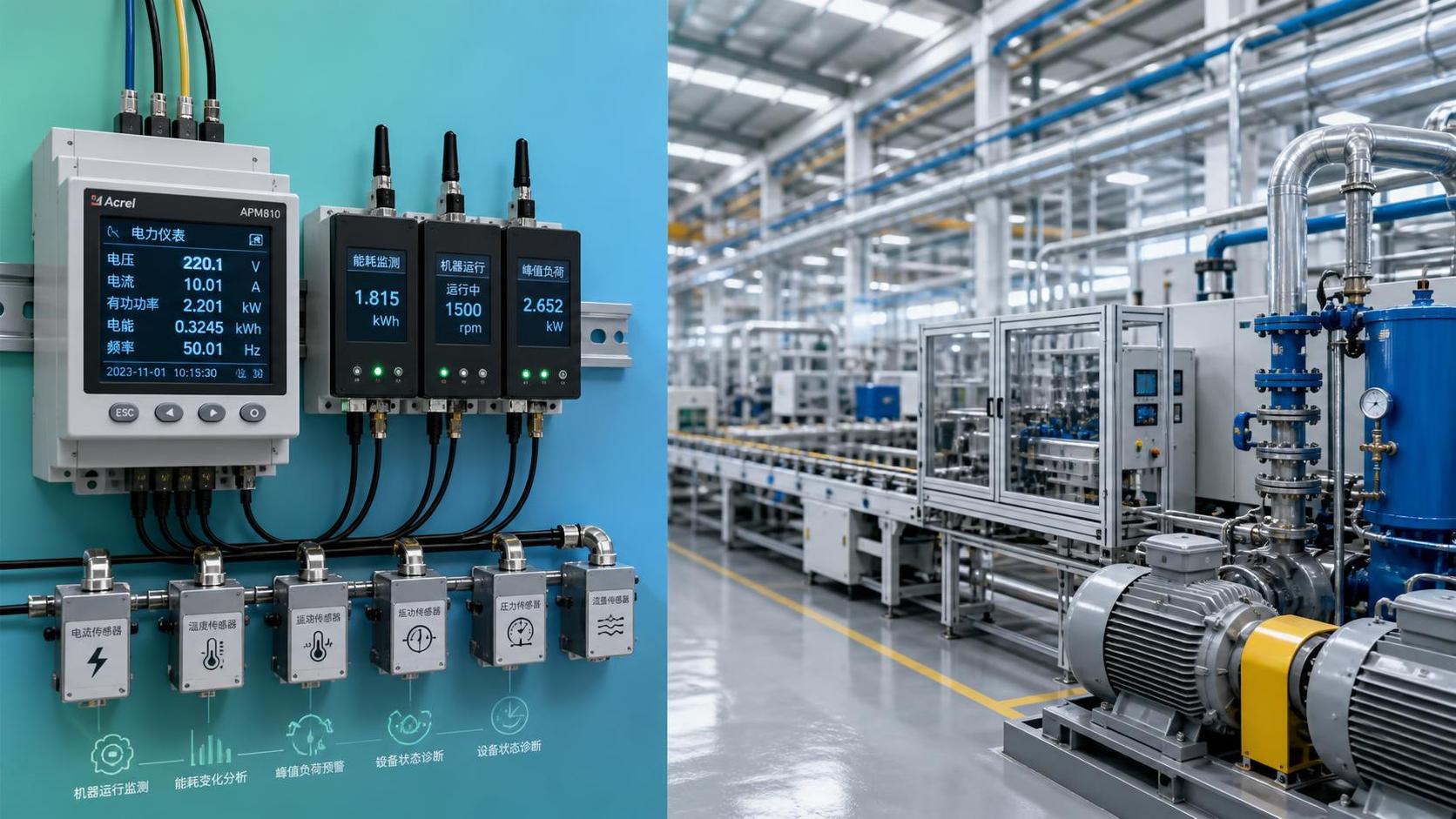
Sensor-based monitoring is one of the most practical factory automation solutions for smart manufacturing.
It adds visibility without immediately redesigning the full process.
When uptime is a major constraint, this often becomes the best entry point.
5. Data capture from manual production points
Sometimes the first automation step is not physical movement.
It is replacing paper logs and delayed reporting with real-time production data.
That shift improves scheduling, traceability, and cross-team decision speed.
How to Choose the Right Factory Automation Solutions
The right solution is not always the most advanced one.
It is the one that fits process stability, operator capability, system compatibility, and business timing.
When comparing factory automation solutions for smart manufacturing, use a decision filter like this:
This avoids a common mistake: buying impressive technology that creates more operational complexity than measurable benefit.
In practice, simpler systems with strong integration often outperform isolated high-end solutions.
Common Risks That Slow Smart Manufacturing Projects
Even promising automation programs can lose momentum for reasons that have little to do with the hardware.
From recent project patterns, the bigger issues are usually alignment, data quality, and ownership.
- Unclear success metrics at project launch
- Poor handoff between operations, engineering, IT, and maintenance
- Underestimated integration effort with legacy equipment
- Too much customization in the first deployment phase
- Limited operator training and weak change management
This is why factory automation solutions for smart manufacturing need operational governance, not just technical scope.
A clear owner, realistic timeline, and shared KPI structure matter as much as the equipment specification.
If teams treat automation as a stand-alone engineering task, value realization usually slips.
A Practical Rollout Plan for Lower-Risk Automation
A phased rollout is usually the safest and fastest route.
It creates proof, protects capital, and makes scaling decisions more objective.
- Select one high-friction process with visible operational impact.
- Define baseline metrics before implementation begins.
- Choose a solution with manageable integration complexity.
- Run a pilot with clear uptime, quality, and throughput targets.
- Document lessons on training, support, and data flow.
- Expand only after the pilot proves repeatable value.
This approach keeps smart manufacturing automation tied to business outcomes.
It also helps internal stakeholders see automation as a capability program, not a one-time purchase.
Over time, the most valuable factory automation solutions for smart manufacturing create connected improvements across production, maintenance, quality, and planning.
What Good Looks Like After the First Automation Phase
A successful first phase does more than reduce manual work.
It gives the business cleaner data, stronger process discipline, and better confidence in future investment.
You should be able to answer a few questions with confidence:
- Has downtime fallen in the targeted area?
- Has output increased without adding instability?
- Is quality more consistent across shifts?
- Can teams access better production data in real time?
- Is the solution repeatable elsewhere in the plant?
If the answer is yes, the business has moved beyond isolated automation.
It has started building a smarter manufacturing system with clearer long-term value.
Final Takeaway
The best factory automation solutions for smart manufacturing do not begin with the biggest budget or the most complex equipment.
They begin with a clear process problem, a measurable target, and a rollout plan that teams can actually support.
Start where manual effort is high, waste is visible, and data is weak.
Then scale what works.
That is usually the most practical path to smart manufacturing automation that delivers real operational results.
Get weekly intelligence in your inbox.
No noise. No sponsored content. Pure intelligence.
 Sep 22, 2026IPX5 TWS Bluetooth Earbuds: What Protection Do They Offer for Workouts?IPX5 TWS Bluetooth Earbuds: What Protection Do They Offer for Workouts?
 Sep 21, 2026What to Look for in a Grid Integration Company for Utility-Scale Solar ProjectsWhat to Look for in a Grid Integration Company for Utility-Scale Solar Projects
 Sep 20, 2026Microgrid Controller Pricing: What Drives Cost in Commercial Energy Projects?Microgrid Controller Pricing: What Drives Cost in Commercial Energy Projects?
 Sep 19, 2026How to Choose a GaN Charger for Laptops Without Compromising Power or PortabilityHow to Choose a GaN Charger for Laptops Without Compromising Power or Portability
 Sep 18, 2026Floating Solar Farm Costs: CAPEX, OPEX, and the Site Factors That Shape ROIFloating Solar Farm Costs: CAPEX, OPEX, and the Site Factors That Shape ROI
 Sep 17, 2026Drone Delivery Solutions for Last-Mile Routes: Site, Payload, and Range PlanningDrone Delivery Solutions for Last-Mile Routes: Site, Payload, and Range Planning
 Sep 16, 2026When Low-Volume Electronics Manufacturing Makes More Sense Than Mass ProductionWhen Low-Volume Electronics Manufacturing Makes More Sense Than Mass Production
 Sep 15, 2026Wholesale WiFi Smart Switches: What Buyers Should Verify Before OrderingWholesale WiFi Smart Switches: What Buyers Should Verify Before Ordering
 Sep 14, 2026How to Select IoT Sensors for Reliable Monitoring in Harsh Industrial EnvironmentsHow to Select IoT Sensors for Reliable Monitoring in Harsh Industrial Environments
 Sep 13, 2026How Procurement Teams Can Improve Supplier Reliability With Supply Chain VisibilityHow Procurement Teams Can Improve Supplier Reliability With Supply Chain Visibility
 Sep 12, 2026Smart Manufacturing Trends 2026: What Leaders Should Prioritize for ROISmart Manufacturing Trends 2026: What Leaders Should Prioritize for ROI
 Sep 11, 2026B2B Market Analysis: How Buyers Evaluate Suppliers, Pricing, and Delivery RiskB2B Market Analysis: How Buyers Evaluate Suppliers, Pricing, and Delivery Risk
 Sep 10, 2026Residential Solar Kits in Canada: How to Size a System for Your Home and ClimateResidential Solar Kits in Canada: How to Size a System for Your Home and Climate
 Sep 09, 2026How to Specify a Syringe Assembly Line for High-Volume Sterile ProductionHow to Specify a Syringe Assembly Line for High-Volume Sterile Production
 Sep 08, 2026How to Evaluate Warehouse Robotics System Suppliers for Reliable Multi-Site DeploymentHow to Evaluate Warehouse Robotics System Suppliers for Reliable Multi-Site Deployment
 Sep 07, 2026Renewable Geothermal Energy Explained: How It Works for Heating and PowerRenewable Geothermal Energy Explained: How It Works for Heating and Power
 Sep 07, 2026How to Choose an Industrial Packaging Robot Manufacturer for Your Production LineHow to Choose an Industrial Packaging Robot Manufacturer for Your Production Line
 Sep 05, 2026How to Evaluate a Turnkey Hydro Turbine Generator Supplier for Remote Power ProjectsHow to Evaluate a Turnkey Hydro Turbine Generator Supplier for Remote Power Projects
 Sep 04, 2026Automated Ultrasonic Welding for Thermoplastic Assemblies: Process Controls That MatterAutomated Ultrasonic Welding for Thermoplastic Assemblies: Process Controls That Matter
 Sep 03, 2026Energy Forecasting for Grid Planning: Sizing Solar and Storage CapacityEnergy Forecasting for Grid Planning: Sizing Solar and Storage Capacity
 Sep 02, 2026Which Metrics Should an Energy Analytics Dashboard Track for Factory Energy Management?Which Metrics Should an Energy Analytics Dashboard Track for Factory Energy Management?
 Sep 01, 2026How Warehouse Voice Picking Improves Accuracy and Throughput in Order FulfillmentHow Warehouse Voice Picking Improves Accuracy and Throughput in Order Fulfillment
 Aug 31, 2026How to Automate Dropshipping Order Processing Without Overselling StockHow to Automate Dropshipping Order Processing Without Overselling Stock
 Aug 30, 2026How to Evaluate a Smart Lighting Supplier for Multi-Site Commercial ProjectsHow to Evaluate a Smart Lighting Supplier for Multi-Site Commercial Projects
 Aug 29, 2026Recent Advances in Smart Manufacturing and Materials Reshaping Factory InvestmentRecent Advances in Smart Manufacturing and Materials Reshaping Factory Investment
 Aug 29, 2026Selecting Lightweight Aluminum Extrusions for Strength-Critical Industrial DesignsSelecting Lightweight Aluminum Extrusions for Strength-Critical Industrial Designs
 Aug 29, 2026Vertical Powder Anodizing Explained: Process Controls for Uniform Coating QualityVertical Powder Anodizing Explained: Process Controls for Uniform Coating Quality