US ITC Launches Section 337 Investigation into Chinese Wi-Fi 7 RF FEMs
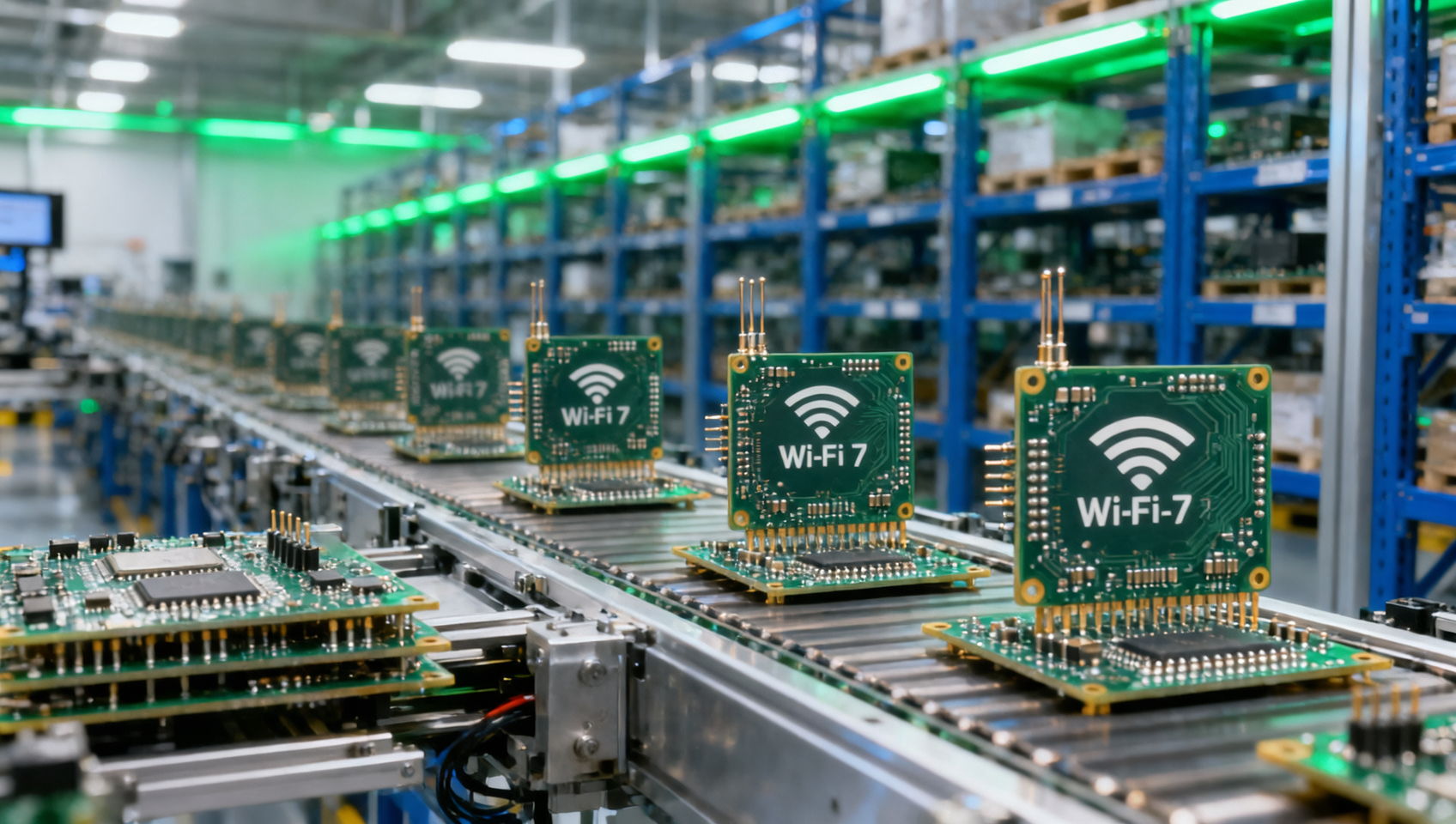
On April 26, 2026, the U.S. International Trade Commission (ITC) initiated a Section 337 investigation targeting seven Chinese IoT device manufacturers over alleged patent infringement involving Wi-Fi 7 radio frequency front-end modules (RF FEMs). This development carries direct implications for companies engaged in IoT hardware manufacturing, RF component supply, and North American market distribution — particularly those operating at the intersection of wireless connectivity, smart home infrastructure, and industrial sensing.
Event Overview
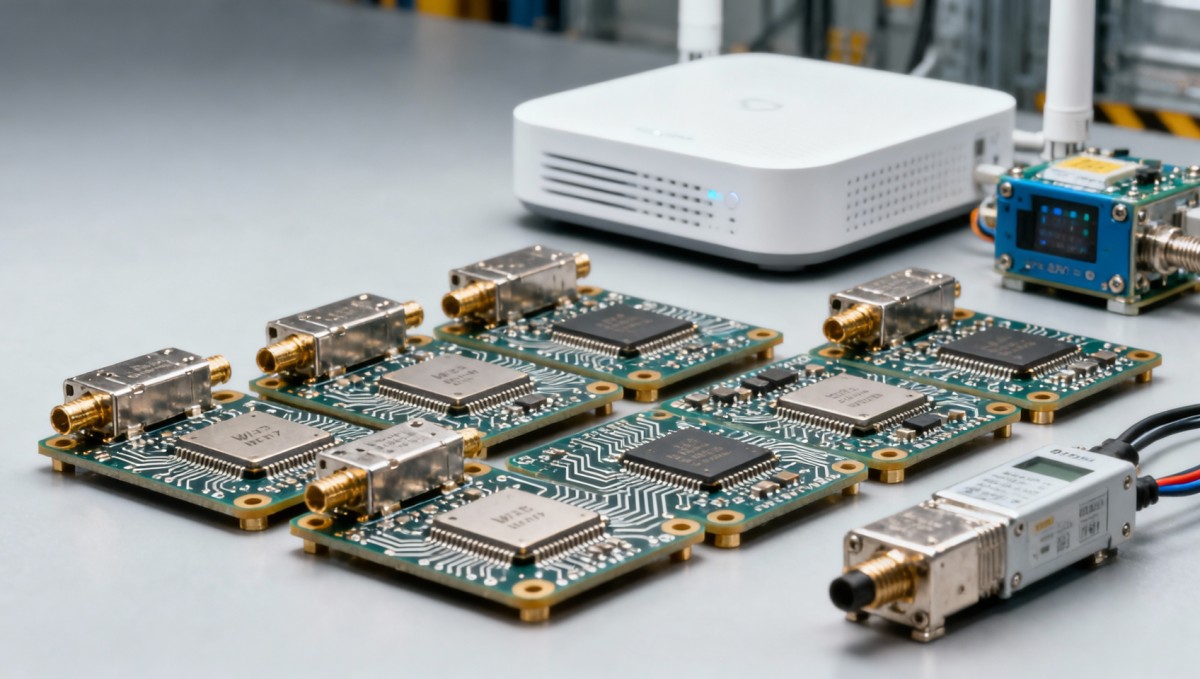
The U.S. International Trade Commission (ITC) formally instituted Investigation No. 337-TA-XXXX on April 26, 2026, against seven China-based IoT device producers. The complaint alleges infringement of multiple U.S.-granted patents related to Wi-Fi 7 RF front-end module technology. Products under scrutiny include smart home gateways and industrial sensors incorporating these modules. The investigation remains in its early procedural stage; no findings or remedial orders have been issued.
Industries Affected by Segment
Direct Exporters & OEM/ODM Manufacturers
These firms face potential shipment disruption to the U.S. market if a limited exclusion order is ultimately issued. Impact manifests primarily as halted customs clearance for covered products, extended lead times for re-engineering or redesign, and increased legal exposure during the investigation period.
RF Component Suppliers & Module Integrators
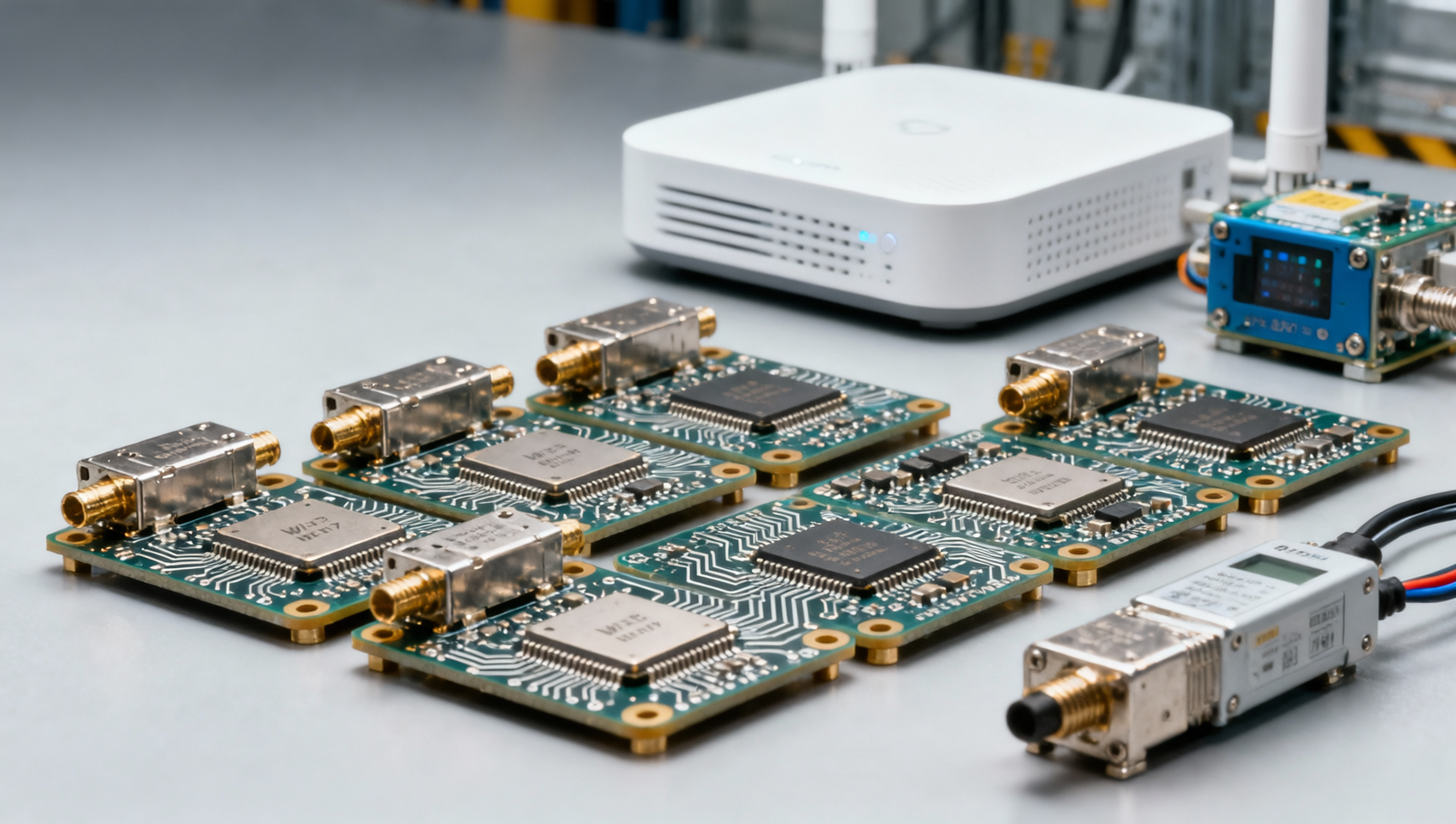
Suppliers providing Wi-Fi 7 RF FEMs—or subcomponents such as power amplifiers, low-noise amplifiers, or switch filters—to the named respondents may experience downstream demand volatility. Their exposure arises not from direct naming in the complaint, but from contractual linkage and traceability requirements imposed during ITC discovery.
North America–Focused Distribution & Branding Entities
U.S.-based importers, private-label brands, and channel partners distributing affected IoT gateways or sensors risk inventory seizure or sales suspension upon enforcement of an exclusion order. Commercial impact includes contract renegotiation pressure, warranty liability review, and potential rebranding timelines.
Supply Chain Compliance & Certification Service Providers
Firms offering ITC-related regulatory support, patent landscape analysis, or FCC/UL certification services may see heightened inquiry volume. However, their operational impact is indirect—tied to client response activity rather than statutory obligation.
What Stakeholders Should Monitor and Do Now
Track Official Filings and Procedural Deadlines
Parties should monitor the ITC’s official docket (via the Federal eRulemaking Portal and ITC’s EDIS system) for key milestones: notice of investigation publication, target date setting, initial determination schedule, and any motions to terminate or stay proceedings.
Identify and Isolate Covered Product Lines and Bill-of-Materials
Manufacturers and exporters should cross-reference product SKUs and BOMs against the complaint’s technical claims and listed accused products. Particular attention should be paid to whether Wi-Fi 7 RF FEMs are sourced from third-party vendors or designed in-house — as sourcing origin affects liability scope and mitigation options.
Distinguish Between Policy Signal and Enforceable Outcome
The initiation of a Section 337 investigation signals heightened IP enforcement focus on next-generation wireless infrastructure—not automatic restriction. Stakeholders should avoid premature operational shifts (e.g., halting shipments or canceling orders) until the ITC issues a final determination, which typically takes 12–16 months.
Prepare Technical Documentation and Licensing Readiness
Companies using Wi-Fi 7 RF FEMs should compile design history files, supplier agreements, and prior art documentation. Concurrently, evaluating licensing pathways—including engagement with standards-essential patent (SEP) pools relevant to Wi-Fi 7—may reduce long-term exposure, though no licensing offer has been referenced in the public complaint.
Editorial Perspective / Industry Observation
Observably, this investigation reflects a growing pattern of ITC scrutiny targeting discrete, high-value subsystems—rather than full end devices—in emerging connectivity standards. Analysis shows that Wi-Fi 7 RF FEMs are increasingly treated as “IP choke points” due to their integration of multi-patent functionality across modulation, beamforming, and coexistence management. This case is better understood as an early-warning signal than an immediate trade barrier: while exclusion remains a possible outcome, most Section 337 investigations conclude via settlement, consent order, or finding of no violation. Continued attention is warranted—not because enforcement is imminent, but because it indicates where U.S. patent assertion activity is concentrating within the IoT supply chain.
Concluding, this ITC action underscores how foundational wireless technologies—once considered commoditized—are now focal points for strategic IP enforcement. It does not represent a broad-based trade restriction, but rather a targeted procedural step with asymmetric impact across the IoT value chain. Stakeholders are advised to treat it as a compliance and technical due diligence trigger—not a market exit signal.
Source: U.S. International Trade Commission (ITC) official notice of investigation, April 26, 2026. Note: Case number and respondent names remain pending public release per ITC procedural rules; ongoing monitoring is required for updates to the docket and complaint exhibits.
Get weekly intelligence in your inbox.
No noise. No sponsored content. Pure intelligence.
 Apr 28, 2026Suez Canal Fee Hike & China-Europe Rail Premium: Q2 2026 ImpactSuez Canal Fee Hike & China-Europe Rail Premium: Q2 2026 Impact
 Apr 28, 2026TÜV Rheinland Launches Fast-Track Certification for Chinese Warehouse RobotsTÜV Rheinland Launches Fast-Track Certification for Chinese Warehouse Robots
 Apr 28, 2026EU Enforces Battery Passport Rule for Chinese ESS Exports from 2027EU Enforces Battery Passport Rule for Chinese ESS Exports from 2027
 Apr 28, 2026ADB Raises Vietnam GDP Forecast to 7.2%: SMT & Precision Fixture Demand RisesADB Raises Vietnam GDP Forecast to 7.2%: SMT & Precision Fixture Demand Rises
 Apr 28, 2026US ITC Launches Section 337 Investigation into Chinese Wi-Fi 7 RF FEMsUS ITC Launches Section 337 Investigation into Chinese Wi-Fi 7 RF FEMs
 Apr 28, 2026Côte d'Ivoire Opens $500M Power Tender: Chinese BESS Get Fast-Track AccessCôte d'Ivoire Opens $500M Power Tender: Chinese BESS Get Fast-Track Access
 Apr 28, 2026BP’s Algeria East Basin Permit Spurs Valve Demand, Lead Times Extend to 18 WeeksBP’s Algeria East Basin Permit Spurs Valve Demand, Lead Times Extend to 18 Weeks
") Apr 28, 2026Vietnam Mandates V-Trust for Smart Appliances Export (July 2026)Vietnam Mandates V-Trust for Smart Appliances Export (July 2026)
Apr 28, 2026Vietnam Mandates V-Trust for Smart Appliances Export (July 2026)Vietnam Mandates V-Trust for Smart Appliances Export (July 2026) Apr 28, 2026Morocco Enforces PV Mounting Structure Certification from Q3 2026Morocco Enforces PV Mounting Structure Certification from Q3 2026
 Apr 28, 2026UAE Establishes AI Hub Status, Opens CE-ADAS+ Pathway for Chinese Smart Industrial EquipmentUAE Establishes AI Hub Status, Opens CE-ADAS+ Pathway for Chinese Smart Industrial Equipment
 Apr 27, 2026Algeria’s Oil & Steel FDI Push Opens Valve, Corrosion-Resistant Material OrdersAlgeria’s Oil & Steel FDI Push Opens Valve, Corrosion-Resistant Material Orders
 Apr 27, 2026Azerbaijan’s New PV Mounting Standard Opens Path for Chinese SuppliersAzerbaijan’s New PV Mounting Standard Opens Path for Chinese Suppliers
 Apr 27, 2026Fitch Cuts East Africa Growth Forecasts, Raises Cross-Border Trade RisksFitch Cuts East Africa Growth Forecasts, Raises Cross-Border Trade Risks
 Apr 27, 2026ADB Raises Vietnam GDP Forecast to 7.2% on Electronics Export GrowthADB Raises Vietnam GDP Forecast to 7.2% on Electronics Export Growth
 Apr 27, 2026Maine Halts Large Data Centers: AI Server Export ImpactMaine Halts Large Data Centers: AI Server Export Impact
 Apr 27, 2026OFID $500M for Côte d'Ivoire: Boost to Factory Automation & Warehouse RoboticsOFID $500M for Côte d'Ivoire: Boost to Factory Automation & Warehouse Robotics
 Apr 27, 2026Morocco Ranks 4th in EU Energy Aid to AfricaMorocco Ranks 4th in EU Energy Aid to Africa
 Apr 27, 2026UAE Emerges as Global AI Hub, Opening Fast-Track for Chinese Smart DevicesUAE Emerges as Global AI Hub, Opening Fast-Track for Chinese Smart Devices
") Apr 26, 2026China Releases Green Design Guidelines for Industrial Products (2026)China Releases Green Design Guidelines for Industrial Products (2026)
Apr 26, 2026China Releases Green Design Guidelines for Industrial Products (2026)China Releases Green Design Guidelines for Industrial Products (2026) Apr 26, 2026ANATEL Mandates Portuguese Offline Voice Assistant for Smart Home Devices in BrazilANATEL Mandates Portuguese Offline Voice Assistant for Smart Home Devices in Brazil
 Apr 26, 2026Vietnam Enforces Bilingual Safety Labels for Electronic Components from Apr 22, 2026Vietnam Enforces Bilingual Safety Labels for Electronic Components from Apr 22, 2026
 Apr 26, 2026Japan Updates JIS for Rehab Devices: IEC 62366-1:2024 RequiredJapan Updates JIS for Rehab Devices: IEC 62366-1:2024 Required
 Apr 26, 2026THE Alliance Cuts Ningbo–Rotterdam Transit to 18 Days, Spot Rates Up 35%THE Alliance Cuts Ningbo–Rotterdam Transit to 18 Days, Spot Rates Up 35%
 Apr 26, 2026India BIS Mandates PLC & HMI Certification under IS 13252:2025 by Oct 2026India BIS Mandates PLC & HMI Certification under IS 13252:2025 by Oct 2026
") Apr 26, 2026SASO Enforces New EV Charger Rules in Saudi Arabia (2026)SASO Enforces New EV Charger Rules in Saudi Arabia (2026)
Apr 26, 2026SASO Enforces New EV Charger Rules in Saudi Arabia (2026)SASO Enforces New EV Charger Rules in Saudi Arabia (2026) Apr 26, 2026TÜV Rheinland Updates IoT EMC Guidelines: AI Edge Modules Now Mandatory for Immunity TestingTÜV Rheinland Updates IoT EMC Guidelines: AI Edge Modules Now Mandatory for Immunity Testing
 Apr 26, 2026USTR Launches First Annual Review of China Solar PV AD/CVD OrdersUSTR Launches First Annual Review of China Solar PV AD/CVD Orders