BP’s Algeria East Basin Permit Spurs Valve Demand, Lead Times Extend to 18 Weeks
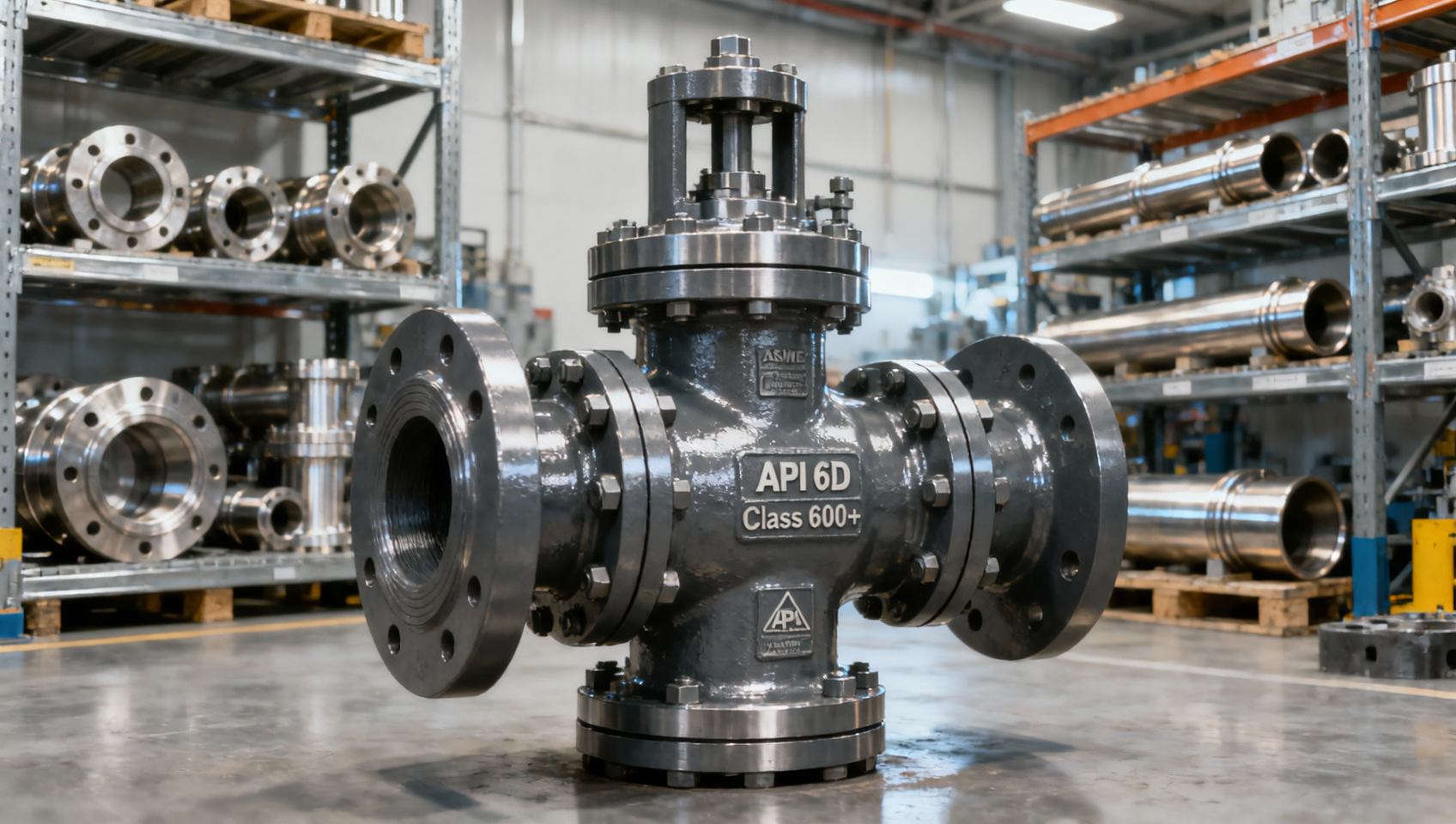
On April 26, 2026, ALNAFT granted BP an exploration permit for the East Basin in Algeria — triggering immediate procurement activity for industrial valves and specialty piping components. This development signals near-term demand pressure on high-specification API 6D Class 600+ sour-service gate valves, with manufacturers reporting lead times extended to 16–18 weeks and main production slots booked through Q4 2026. Companies involved in upstream oilfield equipment supply, corrosion-resistant component manufacturing, and project-based engineering procurement stand to be directly affected.
Event Overview
On April 26, 2026, the Algerian National Agency for Hydrocarbons Valorization (ALNAFT) confirmed the award of an exploration permit in the East Basin to BP. Concurrently, ALNAFT initiated tendering for associated surface facilities. According to feedback from Chinese valve manufacturers, inquiries for API 6D Class 600+ H₂S-resistant gate valves have surged. Current primary production capacity is fully scheduled through Q4 2026, and standard delivery timelines have risen to 16–18 weeks.
Industries Affected
Manufacturers of API-compliant industrial valves
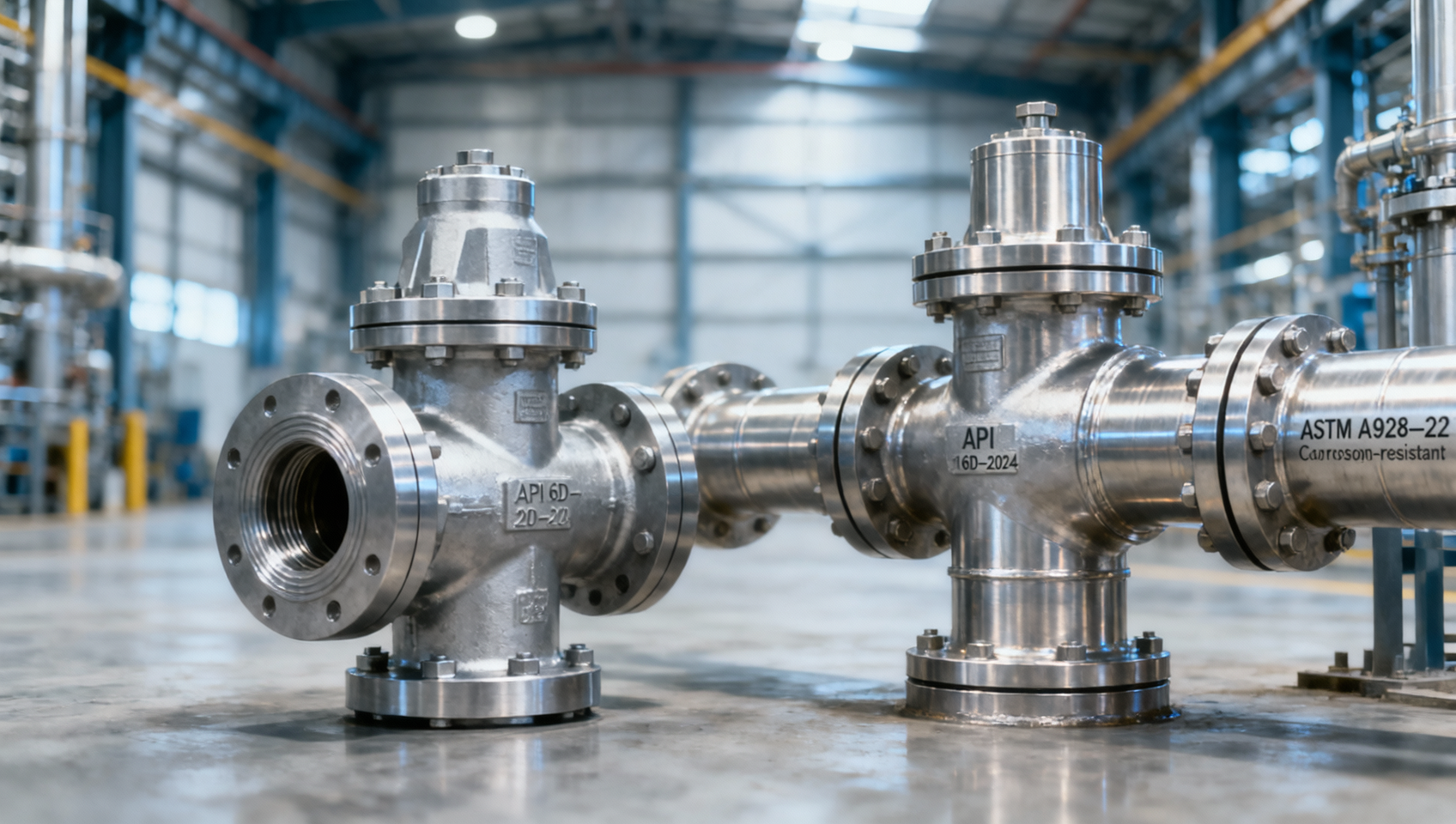
These firms face direct demand acceleration due to the specification-critical nature of the required valves (API 6D, Class 600+, H₂S resistance). Impact manifests in compressed order-to-delivery cycles, intensified raw material sourcing pressure (e.g., ASTM A105N forgings, Inconel trim), and increased technical review workload for sour-service certification documentation.
Specialty pipe and fitting fabricators
Projects tied to surface facility construction will require ASME B16.5/B16.47 flanges, clad or duplex stainless steel spools, and custom-designed pigging tees compatible with H₂S service. Fabricators may experience tighter engineering interface windows and higher QA/QC scrutiny during third-party inspection phases.
Engineering, procurement, and construction (EPC) contractors
EPCs bidding on ALNAFT’s upcoming surface facilities tenders must now factor in extended mechanical completion timelines. Delays in valve and piping component delivery could affect critical path scheduling — particularly where long-lead items lack viable local alternatives or pre-qualified vendor lists.
Distribution and logistics service providers
Regional distributors handling API-certified valves face inventory planning challenges: rising inquiry volume does not yet translate into firm POs, while air freight premiums for urgent shipments are increasing. Customs clearance for dual-use materials (e.g., nickel alloys) may also require additional documentation under Algeria’s import control framework.
What Relevant Enterprises or Practitioners Should Monitor and Do
Track official tender documentation and scope clarification
ALNAFT has announced surface facility tendering but has not yet published technical specifications or bid submission deadlines. Stakeholders should monitor ALNAFT’s official portal for updates on qualification requirements, especially regarding API monogram licensing, NACE MR0175/ISO 15156 compliance evidence, and local content expectations.
Verify actual order conversion versus inquiry volume
The reported surge in valve inquiries reflects early-stage market response — not confirmed purchase orders. Companies should distinguish between speculative RFQs and binding commitments; sales forecasts based solely on inquiry trends risk overestimating near-term revenue impact.
Assess capacity allocation and sub-tier supplier readiness
With lead times extending to 18 weeks, manufacturers should audit availability of certified heat-treated forgings and qualified weld procedures. Sub-tier suppliers — particularly those providing sour-service seat materials or stem coatings — must be verified for current capacity and traceability compliance.
Prepare documentation packages proactively
Projects in H₂S environments require full material test reports (MTRs), non-destructive examination (NDE) records, and third-party inspection certificates prior to shipment. Firms should ensure internal QA workflows align with ALNAFT’s expected documentation structure to avoid customs or site acceptance delays.
Editorial Perspective / Industry Observation
Observably, this event functions more as a forward-looking signal than an immediate procurement outcome. The permit award itself does not guarantee commercial discovery or rapid field development — but it does activate a defined procurement cascade for surface infrastructure. From an industry perspective, the 16–18 week lead time extension reflects real-time capacity constraints in the global sour-service valve segment, not just regional demand. Analysis shows that such timeline shifts often precede broader regional procurement cycles in North Africa, particularly when international operators like BP anchor early-stage activity. However, sustained demand depends on subsequent appraisal results and final investment decisions — both still pending.
Conclusion
This development underscores how upstream licensing decisions can rapidly propagate downstream into mechanical equipment supply chains — especially where stringent material and performance standards apply. It is best understood not as a standalone commercial milestone, but as an early indicator of tightening capacity in high-integrity valve and piping markets serving sour gas environments. Stakeholders should treat it as a timing cue for operational readiness — not a confirmation of imminent volume.
Information Sources
Main source: Official announcement by the Algerian National Agency for Hydrocarbons Valorization (ALNAFT), dated April 26, 2026. Additional input: Verified manufacturer feedback on lead times and inquiry trends, shared via industry-sourced supply chain briefings. Note: Tender specifications, contract awards, and field development timelines remain unconfirmed and subject to ongoing observation.
Get weekly intelligence in your inbox.
No noise. No sponsored content. Pure intelligence.
 Apr 28, 2026Suez Canal Fee Hike & China-Europe Rail Premium: Q2 2026 ImpactSuez Canal Fee Hike & China-Europe Rail Premium: Q2 2026 Impact
 Apr 28, 2026TÜV Rheinland Launches Fast-Track Certification for Chinese Warehouse RobotsTÜV Rheinland Launches Fast-Track Certification for Chinese Warehouse Robots
 Apr 28, 2026EU Enforces Battery Passport Rule for Chinese ESS Exports from 2027EU Enforces Battery Passport Rule for Chinese ESS Exports from 2027
 Apr 28, 2026ADB Raises Vietnam GDP Forecast to 7.2%: SMT & Precision Fixture Demand RisesADB Raises Vietnam GDP Forecast to 7.2%: SMT & Precision Fixture Demand Rises
 Apr 28, 2026US ITC Launches Section 337 Investigation into Chinese Wi-Fi 7 RF FEMsUS ITC Launches Section 337 Investigation into Chinese Wi-Fi 7 RF FEMs
 Apr 28, 2026Côte d'Ivoire Opens $500M Power Tender: Chinese BESS Get Fast-Track AccessCôte d'Ivoire Opens $500M Power Tender: Chinese BESS Get Fast-Track Access
 Apr 28, 2026BP’s Algeria East Basin Permit Spurs Valve Demand, Lead Times Extend to 18 WeeksBP’s Algeria East Basin Permit Spurs Valve Demand, Lead Times Extend to 18 Weeks
") Apr 28, 2026Vietnam Mandates V-Trust for Smart Appliances Export (July 2026)Vietnam Mandates V-Trust for Smart Appliances Export (July 2026)
Apr 28, 2026Vietnam Mandates V-Trust for Smart Appliances Export (July 2026)Vietnam Mandates V-Trust for Smart Appliances Export (July 2026) Apr 28, 2026Morocco Enforces PV Mounting Structure Certification from Q3 2026Morocco Enforces PV Mounting Structure Certification from Q3 2026
 Apr 28, 2026UAE Establishes AI Hub Status, Opens CE-ADAS+ Pathway for Chinese Smart Industrial EquipmentUAE Establishes AI Hub Status, Opens CE-ADAS+ Pathway for Chinese Smart Industrial Equipment
 Apr 27, 2026Algeria’s Oil & Steel FDI Push Opens Valve, Corrosion-Resistant Material OrdersAlgeria’s Oil & Steel FDI Push Opens Valve, Corrosion-Resistant Material Orders
 Apr 27, 2026Azerbaijan’s New PV Mounting Standard Opens Path for Chinese SuppliersAzerbaijan’s New PV Mounting Standard Opens Path for Chinese Suppliers
 Apr 27, 2026Fitch Cuts East Africa Growth Forecasts, Raises Cross-Border Trade RisksFitch Cuts East Africa Growth Forecasts, Raises Cross-Border Trade Risks
 Apr 27, 2026ADB Raises Vietnam GDP Forecast to 7.2% on Electronics Export GrowthADB Raises Vietnam GDP Forecast to 7.2% on Electronics Export Growth
 Apr 27, 2026Maine Halts Large Data Centers: AI Server Export ImpactMaine Halts Large Data Centers: AI Server Export Impact
 Apr 27, 2026OFID $500M for Côte d'Ivoire: Boost to Factory Automation & Warehouse RoboticsOFID $500M for Côte d'Ivoire: Boost to Factory Automation & Warehouse Robotics
 Apr 27, 2026Morocco Ranks 4th in EU Energy Aid to AfricaMorocco Ranks 4th in EU Energy Aid to Africa
 Apr 27, 2026UAE Emerges as Global AI Hub, Opening Fast-Track for Chinese Smart DevicesUAE Emerges as Global AI Hub, Opening Fast-Track for Chinese Smart Devices
") Apr 26, 2026China Releases Green Design Guidelines for Industrial Products (2026)China Releases Green Design Guidelines for Industrial Products (2026)
Apr 26, 2026China Releases Green Design Guidelines for Industrial Products (2026)China Releases Green Design Guidelines for Industrial Products (2026) Apr 26, 2026ANATEL Mandates Portuguese Offline Voice Assistant for Smart Home Devices in BrazilANATEL Mandates Portuguese Offline Voice Assistant for Smart Home Devices in Brazil
 Apr 26, 2026Vietnam Enforces Bilingual Safety Labels for Electronic Components from Apr 22, 2026Vietnam Enforces Bilingual Safety Labels for Electronic Components from Apr 22, 2026
 Apr 26, 2026Japan Updates JIS for Rehab Devices: IEC 62366-1:2024 RequiredJapan Updates JIS for Rehab Devices: IEC 62366-1:2024 Required
 Apr 26, 2026THE Alliance Cuts Ningbo–Rotterdam Transit to 18 Days, Spot Rates Up 35%THE Alliance Cuts Ningbo–Rotterdam Transit to 18 Days, Spot Rates Up 35%
 Apr 26, 2026India BIS Mandates PLC & HMI Certification under IS 13252:2025 by Oct 2026India BIS Mandates PLC & HMI Certification under IS 13252:2025 by Oct 2026
") Apr 26, 2026SASO Enforces New EV Charger Rules in Saudi Arabia (2026)SASO Enforces New EV Charger Rules in Saudi Arabia (2026)
Apr 26, 2026SASO Enforces New EV Charger Rules in Saudi Arabia (2026)SASO Enforces New EV Charger Rules in Saudi Arabia (2026) Apr 26, 2026TÜV Rheinland Updates IoT EMC Guidelines: AI Edge Modules Now Mandatory for Immunity TestingTÜV Rheinland Updates IoT EMC Guidelines: AI Edge Modules Now Mandatory for Immunity Testing
 Apr 26, 2026USTR Launches First Annual Review of China Solar PV AD/CVD OrdersUSTR Launches First Annual Review of China Solar PV AD/CVD Orders