Côte d'Ivoire Opens $500M Power Tender: Chinese BESS Get Fast-Track Access
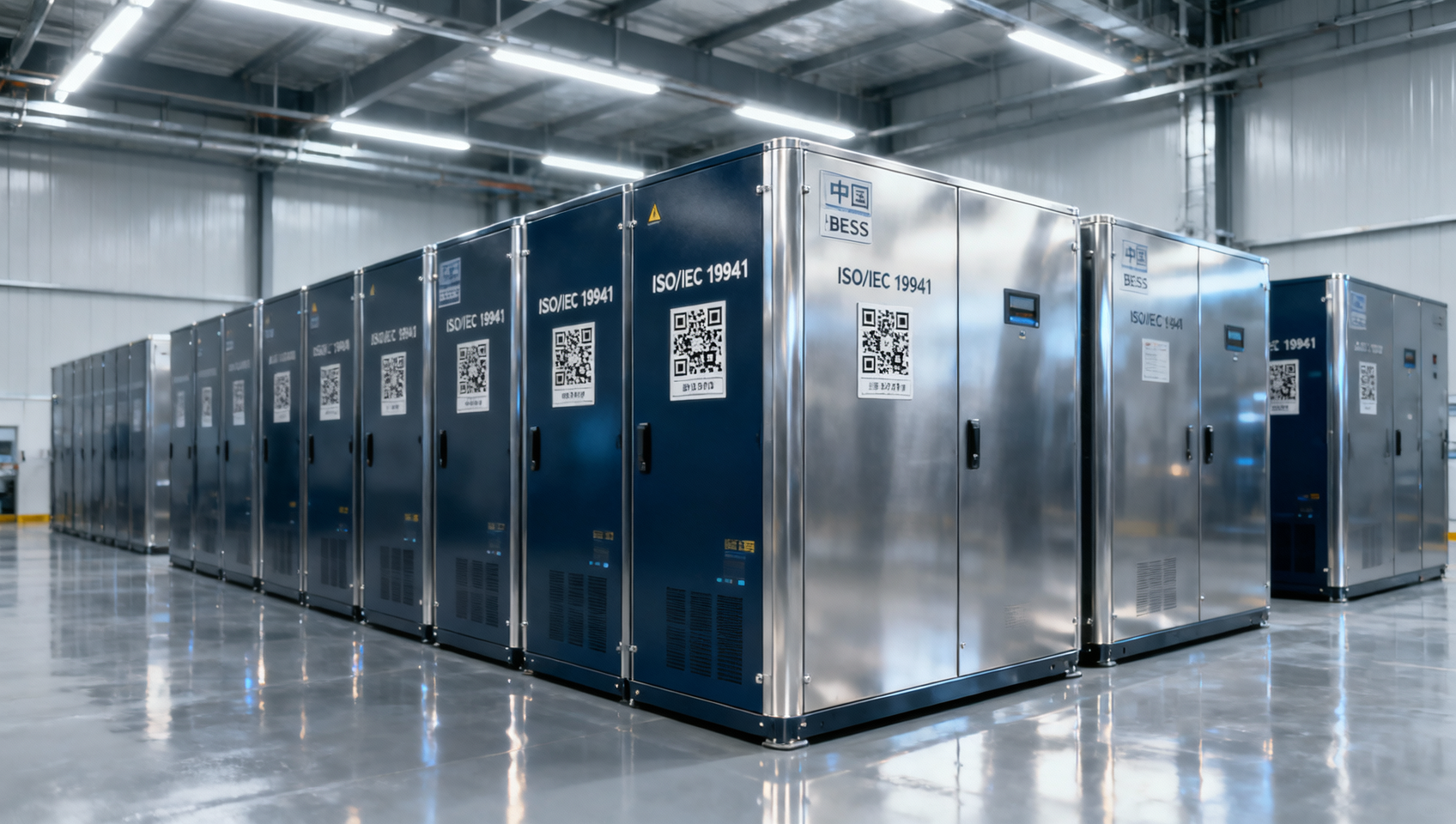
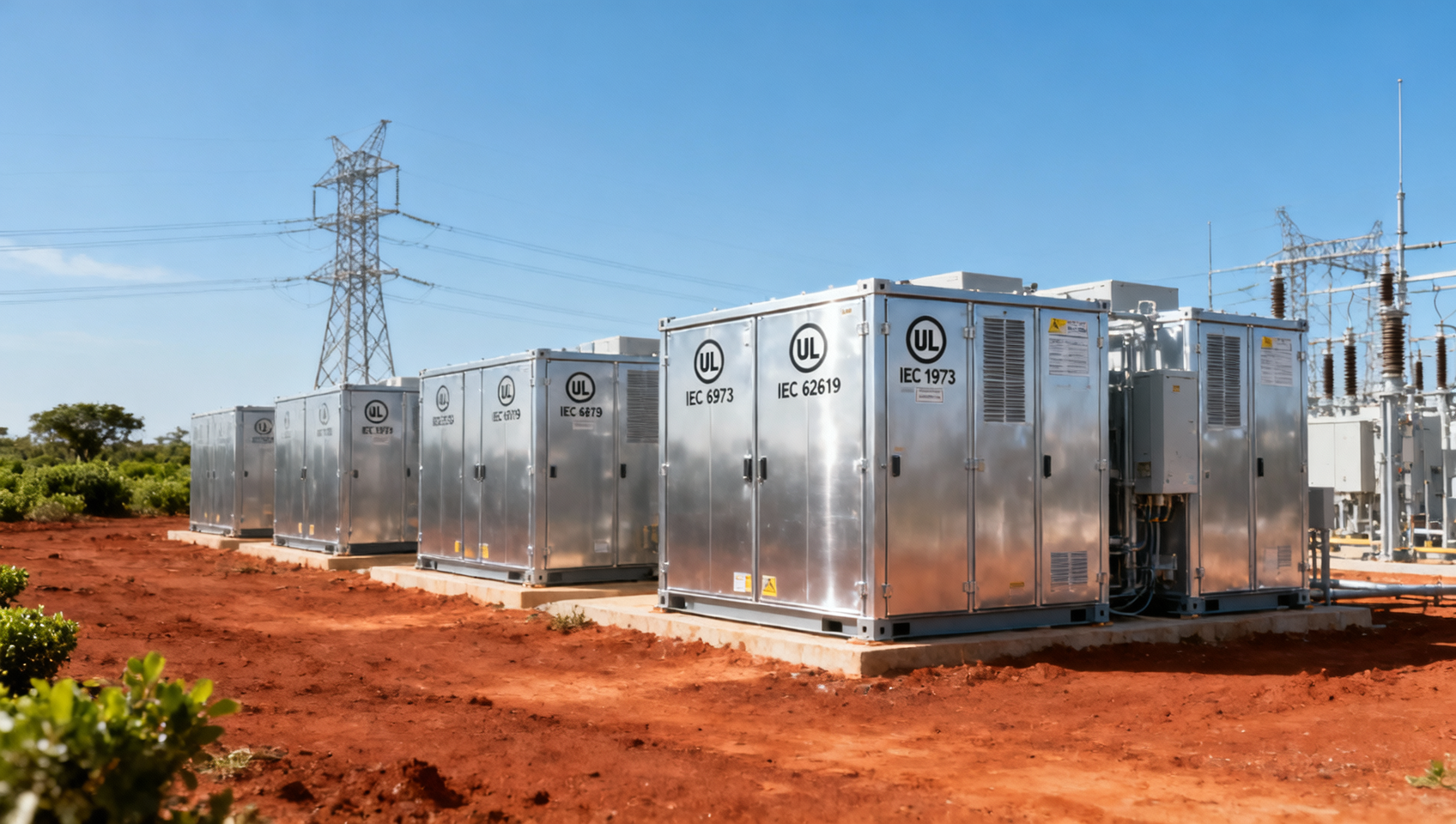
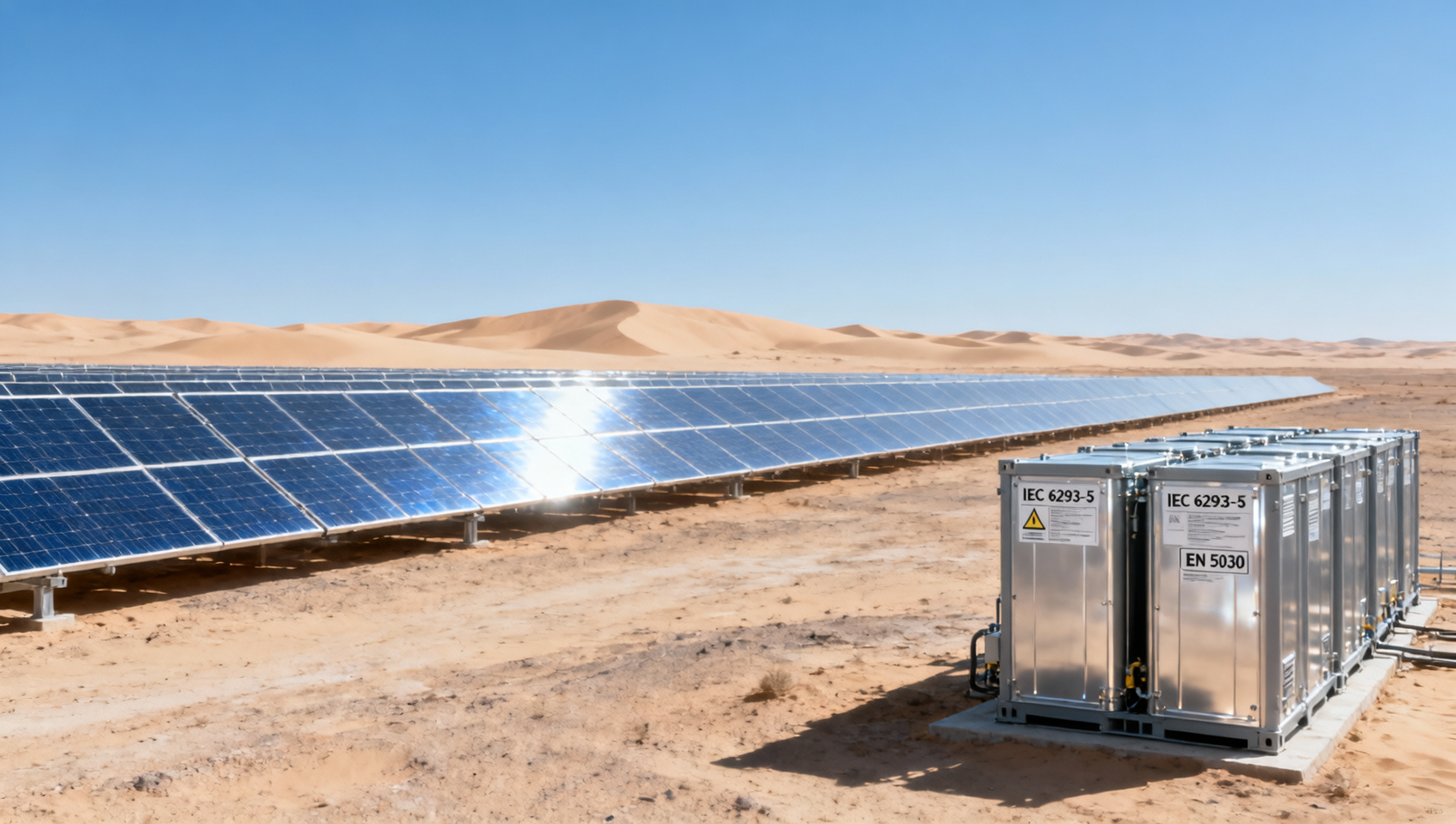
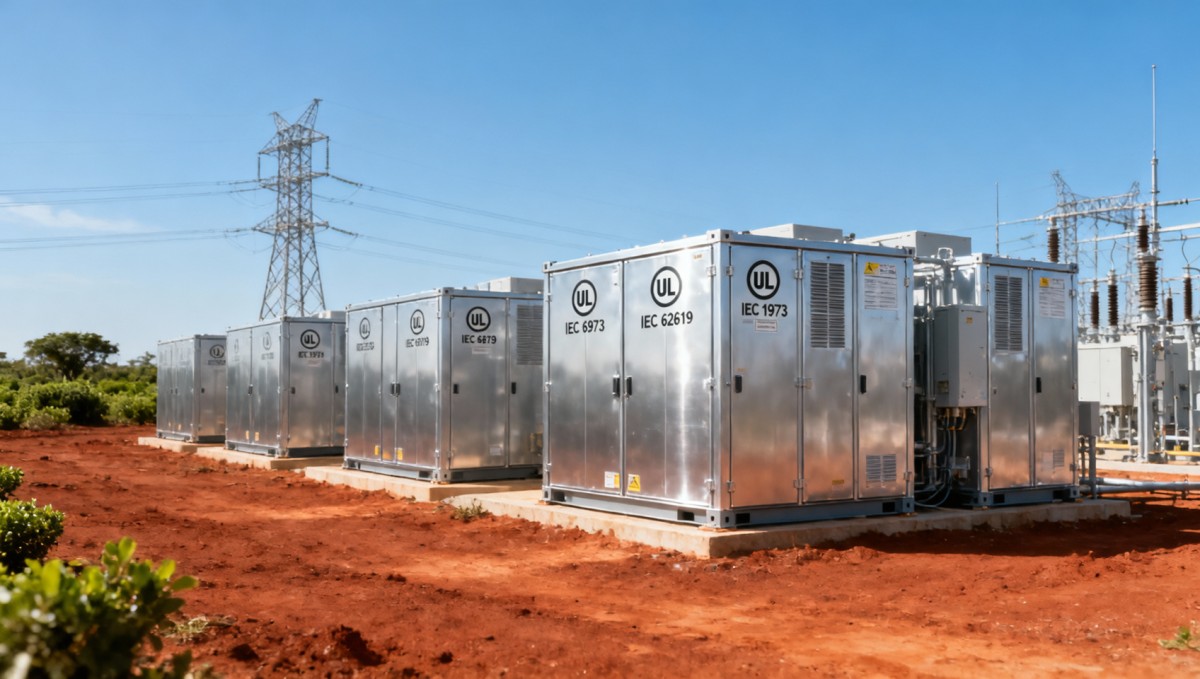
On April 27, 2026, Côte d’Ivoire launched a $500 million national power infrastructure tender under its 2026–2030 Development Plan — with $120 million specifically allocated to distributed battery energy storage systems (BESS). Chinese manufacturers holding both UL 1973 and IEC 62619 certifications are granted expedited access to the commercial evaluation stage, bypassing local type-testing requirements. This development is highly relevant for BESS exporters, certification service providers, grid integration solution vendors, and supply chain logistics operators serving African energy markets.
Event Overview
On April 27, 2026, the OPEC Fund for International Development (OFID) announced the official opening of bidding for Côte d’Ivoire’s $500 million electricity infrastructure program, part of the country’s 2026–2030 National Development Plan. Of this total, $120 million is earmarked for distributed battery storage systems. The announcement confirms that Chinese enterprises possessing dual certification to UL 1973 and IEC 62619 are eligible to skip mandatory local type-testing and proceed directly to the commercial evaluation phase.
Industries Affected by This Development
Direct Exporters of Battery Energy Storage Systems
These companies face an immediate procedural advantage in one specific African market. The fast-track status applies only to certified BESS products — meaning eligibility is conditional on documented compliance with two internationally recognized safety and performance standards. Impact manifests primarily in shortened bid cycle timelines and reduced pre-qualification costs, but does not guarantee award or contract execution.
Certification and Compliance Service Providers
Third-party testing and certification bodies supporting Chinese BESS manufacturers may see increased demand for UL 1973 + IEC 62619 conformance verification. However, the benefit is geographically narrow: this fast-track applies solely to the Côte d’Ivoire tender and is not a regional harmonization signal. No extension to ECOWAS or broader Francophone West Africa has been indicated.
Grid Integration and System Integration Firms
Firms offering turnkey BESS deployment — including balance-of-system components, SCADA, and interconnection engineering — are indirectly affected. While the tender focuses on storage hardware, successful bidders will likely require local or regional integration partners. The fast-track applies only to the battery system itself; full project qualification remains subject to standard technical and financial evaluation.
Supply Chain and Logistics Operators Serving West Africa
Logistics providers handling BESS shipments to Abidjan or inland distribution hubs may observe modest volume uptick if multiple Chinese bidders advance to later stages. However, no volume projections, delivery timelines, or port-handling specifications have been published. Current impact remains anticipatory rather than operational.
What Relevant Enterprises or Practitioners Should Monitor and Do Now
Track official tender documentation and clarification notices
The OFID and Côte d’Ivoire’s Ministry of Energy are expected to publish detailed technical specifications, submission deadlines, and evaluation criteria in the coming weeks. Companies should register for official updates via the designated procurement portal — not rely solely on press releases or third-party summaries.
Verify certification scope and validity against tender requirements
UL 1973 and IEC 62619 certifications must cover the exact cell chemistry, module configuration, and system voltage range proposed in the bid. Retrospective validation — e.g., using certificates issued before 2025 or for different product variants — is not confirmed as acceptable. Bidders should obtain written confirmation from their certification body regarding tender-aligned coverage.
Distinguish between procedural privilege and commercial competitiveness
The fast-track waives one technical hurdle but does not influence pricing, local content requirements, financing terms, or after-sales service obligations. Past tenders in Côte d’Ivoire have weighted financial viability and local maintenance capacity at ≥30% of total score. Companies should assess readiness across all evaluation dimensions — not just certification status.
Prepare documentation for parallel local regulatory alignment
While type-testing is waived, other national requirements — such as import licensing, customs classification under HS code 8507.80, and conformity to Côte d’Ivoire’s Electricity Regulatory Authority (ARSEL) grid code Annex D — remain fully applicable. Early engagement with local legal or regulatory consultants is advisable to avoid delays post-bid submission.
Editorial Perspective / Industry Observation
Observably, this is a targeted procedural adjustment — not a broad policy shift. It reflects Côte d’Ivoire’s prioritization of speed and proven technical reliability in a high-urgency electrification context, rather than a formal endorsement of any national supplier base. Analysis shows the fast-track is narrowly defined: it applies only to one tender, only to one component (distributed BESS), and only to applicants meeting two precise certification benchmarks. From an industry perspective, it is better understood as a signal of increasing technical due diligence in West African energy procurement — where internationally aligned certification is beginning to substitute for fragmented local testing — rather than as an open door for unrestricted market access.
Current monitoring should focus less on ‘access’ and more on ‘alignment’: whether global certification frameworks are becoming de facto gateways for specific infrastructure procurements in emerging markets. That trend — still nascent and jurisdiction-specific — warrants sustained observation beyond this single tender.
Conclusion
This tender update signifies a procedural efficiency measure within a defined national infrastructure program — not a structural change in market entry conditions. Its primary value lies in confirming that internationally recognized BESS safety certifications are gaining functional weight in West African public procurement. For stakeholders, the most rational interpretation is cautious opportunity recognition: a time-bound, specification-bound pathway exists for qualified suppliers, but success remains contingent on full compliance with all other technical, financial, and regulatory requirements.
Information Source
Main source: OPEC Fund for International Development (OFID), official announcement dated April 27, 2026.
Points requiring ongoing observation: Final tender documents, evaluation weightings, local content thresholds, and any subsequent announcements extending this fast-track mechanism to other projects or jurisdictions.
Get weekly intelligence in your inbox.
No noise. No sponsored content. Pure intelligence.
 Apr 28, 2026Suez Canal Fee Hike & China-Europe Rail Premium: Q2 2026 ImpactSuez Canal Fee Hike & China-Europe Rail Premium: Q2 2026 Impact
 Apr 28, 2026TÜV Rheinland Launches Fast-Track Certification for Chinese Warehouse RobotsTÜV Rheinland Launches Fast-Track Certification for Chinese Warehouse Robots
 Apr 28, 2026EU Enforces Battery Passport Rule for Chinese ESS Exports from 2027EU Enforces Battery Passport Rule for Chinese ESS Exports from 2027
 Apr 28, 2026ADB Raises Vietnam GDP Forecast to 7.2%: SMT & Precision Fixture Demand RisesADB Raises Vietnam GDP Forecast to 7.2%: SMT & Precision Fixture Demand Rises
 Apr 28, 2026US ITC Launches Section 337 Investigation into Chinese Wi-Fi 7 RF FEMsUS ITC Launches Section 337 Investigation into Chinese Wi-Fi 7 RF FEMs
 Apr 28, 2026Côte d'Ivoire Opens $500M Power Tender: Chinese BESS Get Fast-Track AccessCôte d'Ivoire Opens $500M Power Tender: Chinese BESS Get Fast-Track Access
 Apr 28, 2026BP’s Algeria East Basin Permit Spurs Valve Demand, Lead Times Extend to 18 WeeksBP’s Algeria East Basin Permit Spurs Valve Demand, Lead Times Extend to 18 Weeks
") Apr 28, 2026Vietnam Mandates V-Trust for Smart Appliances Export (July 2026)Vietnam Mandates V-Trust for Smart Appliances Export (July 2026)
Apr 28, 2026Vietnam Mandates V-Trust for Smart Appliances Export (July 2026)Vietnam Mandates V-Trust for Smart Appliances Export (July 2026) Apr 28, 2026Morocco Enforces PV Mounting Structure Certification from Q3 2026Morocco Enforces PV Mounting Structure Certification from Q3 2026
 Apr 28, 2026UAE Establishes AI Hub Status, Opens CE-ADAS+ Pathway for Chinese Smart Industrial EquipmentUAE Establishes AI Hub Status, Opens CE-ADAS+ Pathway for Chinese Smart Industrial Equipment
 Apr 27, 2026Algeria’s Oil & Steel FDI Push Opens Valve, Corrosion-Resistant Material OrdersAlgeria’s Oil & Steel FDI Push Opens Valve, Corrosion-Resistant Material Orders
 Apr 27, 2026Azerbaijan’s New PV Mounting Standard Opens Path for Chinese SuppliersAzerbaijan’s New PV Mounting Standard Opens Path for Chinese Suppliers
 Apr 27, 2026Fitch Cuts East Africa Growth Forecasts, Raises Cross-Border Trade RisksFitch Cuts East Africa Growth Forecasts, Raises Cross-Border Trade Risks
 Apr 27, 2026ADB Raises Vietnam GDP Forecast to 7.2% on Electronics Export GrowthADB Raises Vietnam GDP Forecast to 7.2% on Electronics Export Growth
 Apr 27, 2026Maine Halts Large Data Centers: AI Server Export ImpactMaine Halts Large Data Centers: AI Server Export Impact
 Apr 27, 2026OFID $500M for Côte d'Ivoire: Boost to Factory Automation & Warehouse RoboticsOFID $500M for Côte d'Ivoire: Boost to Factory Automation & Warehouse Robotics
 Apr 27, 2026Morocco Ranks 4th in EU Energy Aid to AfricaMorocco Ranks 4th in EU Energy Aid to Africa
 Apr 27, 2026UAE Emerges as Global AI Hub, Opening Fast-Track for Chinese Smart DevicesUAE Emerges as Global AI Hub, Opening Fast-Track for Chinese Smart Devices
") Apr 26, 2026China Releases Green Design Guidelines for Industrial Products (2026)China Releases Green Design Guidelines for Industrial Products (2026)
Apr 26, 2026China Releases Green Design Guidelines for Industrial Products (2026)China Releases Green Design Guidelines for Industrial Products (2026) Apr 26, 2026ANATEL Mandates Portuguese Offline Voice Assistant for Smart Home Devices in BrazilANATEL Mandates Portuguese Offline Voice Assistant for Smart Home Devices in Brazil
 Apr 26, 2026Vietnam Enforces Bilingual Safety Labels for Electronic Components from Apr 22, 2026Vietnam Enforces Bilingual Safety Labels for Electronic Components from Apr 22, 2026
 Apr 26, 2026Japan Updates JIS for Rehab Devices: IEC 62366-1:2024 RequiredJapan Updates JIS for Rehab Devices: IEC 62366-1:2024 Required
 Apr 26, 2026THE Alliance Cuts Ningbo–Rotterdam Transit to 18 Days, Spot Rates Up 35%THE Alliance Cuts Ningbo–Rotterdam Transit to 18 Days, Spot Rates Up 35%
 Apr 26, 2026India BIS Mandates PLC & HMI Certification under IS 13252:2025 by Oct 2026India BIS Mandates PLC & HMI Certification under IS 13252:2025 by Oct 2026
") Apr 26, 2026SASO Enforces New EV Charger Rules in Saudi Arabia (2026)SASO Enforces New EV Charger Rules in Saudi Arabia (2026)
Apr 26, 2026SASO Enforces New EV Charger Rules in Saudi Arabia (2026)SASO Enforces New EV Charger Rules in Saudi Arabia (2026) Apr 26, 2026TÜV Rheinland Updates IoT EMC Guidelines: AI Edge Modules Now Mandatory for Immunity TestingTÜV Rheinland Updates IoT EMC Guidelines: AI Edge Modules Now Mandatory for Immunity Testing
 Apr 26, 2026USTR Launches First Annual Review of China Solar PV AD/CVD OrdersUSTR Launches First Annual Review of China Solar PV AD/CVD Orders